Top 5 Castles around Puiseux-En-Retz
Castles around Puiseux-En-Retz are situated in the Aisne department, within the Hauts-de-France region and the historical area of Pays de Valois. While the commune itself does not feature standing castles, the surrounding area offers several notable and historically rich châteaux. This region is characterized by its historical significance and diverse architectural heritage, providing a glimpse into various periods of French history. Visitors can explore a range of castles, from medieval fortresses to 18th-century pleasure houses.
Best castles around Puiseux-En-Retz
- The…
Last updated: July 6, 2026
From November 1, 2023, the site will host the Cité internationale de la langue française.
Translated by Google •
Tip by

Château d'Oigny-en-Valois
Highlight • Castle
It is listed as a Historic Monument.
It opens its doors exclusively to the European Heritage Days.
officiel-galeries-musees.fr/lieu/chateau-doigny-en-valois
Translated by Google •
Tip by

Sign up now to discover places like this
Get recommendations on the best single tracks, peaks, & plenty of other exciting outdoor places.
Sign up for free
Pernant Castle — 700 years
Highlight • Historical Site
Translated by Google •
Tip by

Château de Gabrielle d'Estrées
Highlight • Castle
Translated by Google •
Tip by
Château de Noue
Highlight • Castle
Translated by Google •
Tip by
Start today with a free account
Your next adventure awaits.
Login or Signup

Tips from the Community

Superb renovation of the castle, the room where the tennis court was held is magnificent with this dome of words
0
0

The Château d'Oigny-en-Valois is a monument located in the commune of Oigny-en-Valois It is listed as a Historic Monument. It opens its doors exclusively to the European Heritage Days. https://officiel-galeries-musees.fr/lieu/chateau-doigny-en-valois/
0
0

The Château de Villers-Cotterêts was built in the 16th century by François I. From November 1, 2023, the site will host the Cité internationale de la langue française.
1
0

The Château de Pernant is a modest-sized medieval fortress located in Pernant, in the Soissonnais region of France. It is the historic monumental part of a larger whole, the Pernant estate, which serves as a cultural and musical center. The castle dates from the 14th/15th century and was rebuilt in the 16th century. During the First World War the area was bombed, causing extensive damage to the castle.
1
0
The first known castle at a place called la Noue or la Noüe was built at the end of the 10th or at the very beginning of the 11th century in the town of Pisseleux, in the commune of Villers-Cotterêts. It was replaced by another castle built in the 13th century and then in the 15th and 16th centuries, the enclosure, the keep, the dovecote and the turret can still be seen on the facade of the main building. Source: Wikipedia
0
0

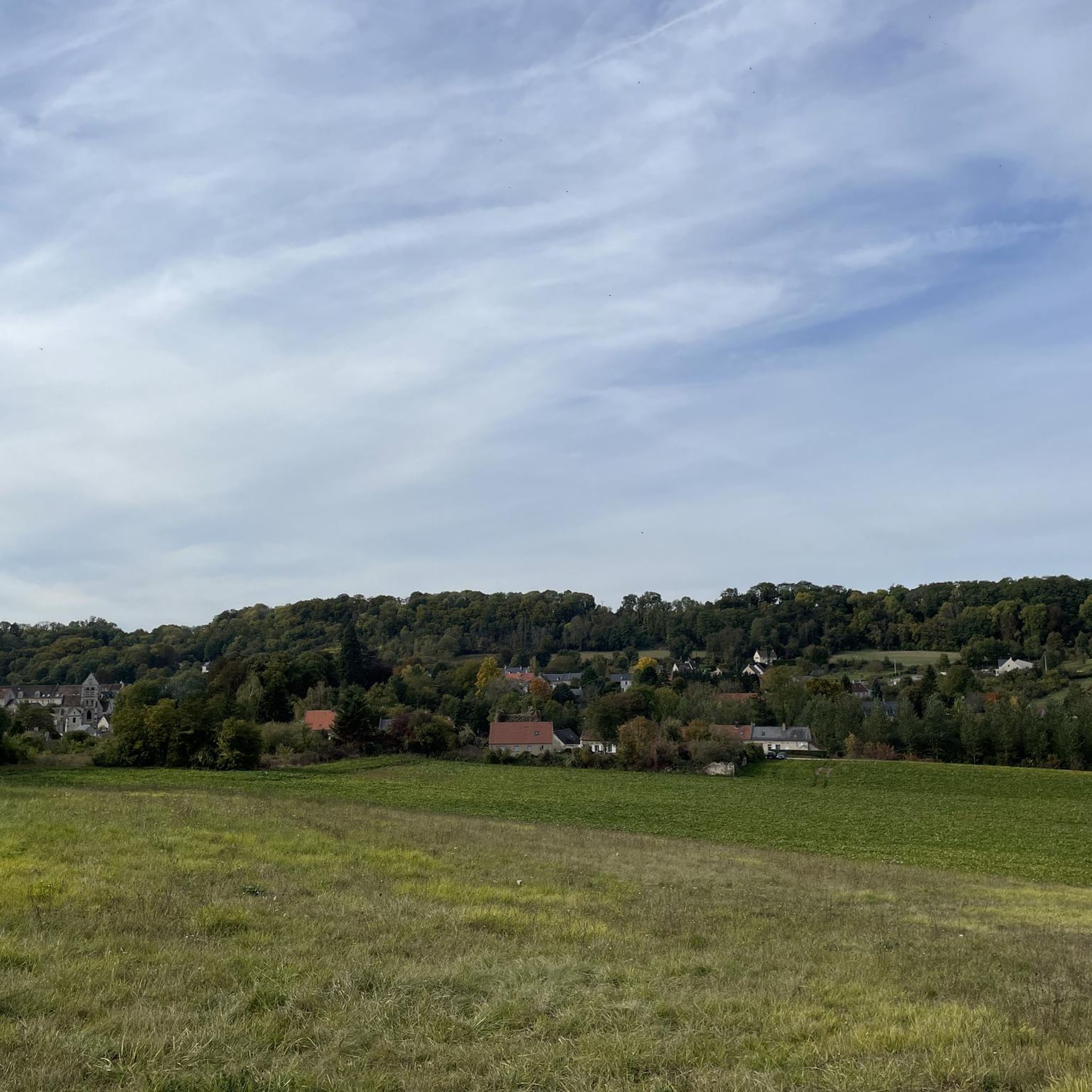
Pernant Castle is a medieval castle that stands on a hill overlooking the valley. The castle dates from the 14th century and was partially destroyed during the First World War. You can explore the castle ruins and its underground outbuildings, which were once quarries.
2
0

Beautiful medieval castle, and beautiful 18th century residence on the other side (company side), accessible by bike or on foot on weekends
0
1
Frequently Asked Questions
Which castles are highly recommended to visit near Puiseux-en-Retz?
The region offers a diverse range of historical sites. Highly recommended are the Cité Internationale de la Langue Française – Château de Villers-Cotterêts, a 16th-century castle now a cultural center, and Château de Gabrielle d'Estrées, which offers a glimpse into the life of a significant historical figure. For those interested in medieval ruins, Pernant Castle — 700 years stands on a hill overlooking the valley. Additionally, the Château de Puisieux-et-Clanlieu is notable for its 4-hectare park and historical architecture, while Ermenonville Castle offers a unique blend of medieval origins and 18th-century refinement, operating as a hotel and restaurant.
Are there any castles near Puiseux-en-Retz that are particularly family-friendly?
While specific family-friendly programs vary, castles with extensive grounds or interactive elements are often good choices. The Château de Puisieux-et-Clanlieu, with its large French and English style park, offers plenty of space for children to explore. The Cité Internationale de la Langue Française – Château de Villers-Cotterêts, as a modern cultural center, may also offer engaging exhibits suitable for various ages.
What is the best time of year to visit the castles in the Puiseux-en-Retz area?
Spring and autumn are generally ideal for visiting the castles, offering pleasant weather for exploring grounds and gardens. The Château de Puisieux-et-Clanlieu hosts concerts in its 'green theater' annually in September, making late summer/early autumn a particularly vibrant time to visit. Many castles, especially those with extensive parks, are beautiful during these seasons.
Can I find cafes or restaurants near the castles in this region?
Yes, several castles have amenities nearby or on-site. Ermenonville Castle operates as a hotel and restaurant, offering dining options directly within a historic setting. For other castles, nearby towns like Villers-Cotterêts (close to Château de Villers-Cotterêts) will have various cafes and restaurants.
Are there any castles that are dog-friendly in the Puiseux-en-Retz area?
Dog policies vary greatly by individual castle. While many castle interiors do not permit dogs, some grounds or parks may be dog-friendly, often requiring leashes. It's best to check the specific castle's website or contact them directly before your visit. For example, the extensive parks of Château de Puisieux-et-Clanlieu or Ermenonville Castle might allow leashed dogs in outdoor areas.
What kind of outdoor activities can I do near these castles?
The region around Puiseux-en-Retz, including the Forêt de Retz, offers numerous outdoor activities. You can find a variety of MTB trails, road cycling routes, and running trails. Many routes pass by or near historical sites, such as the 'Le Château de Noue — loop between l'Aisne and l'Oise' for road cycling, allowing you to combine castle visits with active exploration.
Are there any castles that are accessible for visitors with mobility challenges?
Accessibility can vary significantly between historical sites. Modern cultural centers like the Cité Internationale de la Langue Française – Château de Villers-Cotterêts, especially after its renovation, are more likely to offer accessible facilities. Older castles, particularly ruins like Pernant Castle or Château de Thiers-sur-Thève, may have limited accessibility due to their historical structure. It's advisable to check with individual sites for specific accessibility information.
How long should I plan for a visit to a castle in this area?
The duration of a visit depends on the castle. For a site like the Cité Internationale de la Langue Française – Château de Villers-Cotterêts, you might spend 2-3 hours exploring the exhibits and grounds. Castles with extensive parks, such as Château de Puisieux-et-Clanlieu or Ermenonville Castle, could easily fill a half-day, especially if you plan to enjoy the gardens or have a meal. For ruins like Pernant Castle, an hour or two might suffice for exploration.
Are there any 'hidden gem' castles near Puiseux-en-Retz that are less known?
While not entirely 'hidden,' Château d'Oigny-en-Valois is a monument that opens its doors exclusively for European Heritage Days, offering a unique and less frequent opportunity to visit. Versigny Castle, with its eight-century history and continuous family preservation, also offers a glimpse into a timeless elegance that might be less frequented than more prominent sites.
What historical periods do the castles in the Puiseux-en-Retz region represent?
The castles in this region span a wide range of historical periods. You can find medieval fortresses, such as the ruins of Pernant Castle (14th century) and Château de Thiers-sur-Thève (13th century). There are also 16th-century châteaux like the Château de Villers-Cotterêts, and 17th-century structures like Château de Mortefontaine. The 18th century is represented by transformations into elegant pleasure houses, such as Ermenonville Castle and Château de Puisieux-et-Clanlieu, showcasing diverse architectural styles and historical significance.
Is parking available at the castles near Puiseux-en-Retz?
Most castles that are open to the public or host events typically provide parking facilities for visitors. For example, the Cité Internationale de la Langue Française – Château de Villers-Cotterêts has dedicated parking. For smaller or privately owned castles, parking might be more limited, often available on nearby streets or designated areas. It's always a good idea to check the specific castle's website for detailed parking information before your visit.
What do visitors enjoy most about the castles in the Puiseux-en-Retz area?
Visitors appreciate the rich historical context and the diverse architectural styles, from medieval fortresses to elegant 18th-century residences. The opportunity to imagine the daily life of historical figures, like at Château de Gabrielle d'Estrées, is a highlight. The superb renovations, such as at the Cité Internationale de la Langue Française – Château de Villers-Cotterêts, and the beautiful, well-maintained parks, like at Château de Puisieux-et-Clanlieu, also receive high praise.
Most popular routes around Puiseux-En-Retz
Most popular attractions around Puiseux-En-Retz

Get inspired with the komoot mobile app


Explore more
Looking for the best castles somewhere else? Discover other guides around Puiseux-En-Retz:
