Top 4 Castles around Aubencheul-Au-Bac
Best castles around Aubencheul-Au-Bac are found in the surrounding region, as the commune itself does not feature standing castles open to the public. Historical records indicate a castle once existed in Aubencheul-Au-Bac but was destroyed during World War I. The area holds a rich patrimoine historique Aubencheul-Au-Bac, with its past tied to the abbey of Saint-Aubert de Cambrai and its historical inclusion in Artois before joining the district of Cambrai. While the immediate vicinity lacks extant castles, the broader area…
Last updated: July 6, 2026
The Orangery Castle
Highlight • Parking
Roucourt Castle was built at the end of the 18th century by Monsieur Béranger, a cannon founder under the Empire.
Translated by Google •
Tip by

Gœulzin Castle.
Highlight • Castle
During the Great War, this castle was occupied by German troops, pillaged and abandoned. Its ruined state dates from this period.
Translated by Google •
Tip by

Sign up now to discover places like this
Get recommendations on the best single tracks, peaks, & plenty of other exciting outdoor places.
Sign up for free
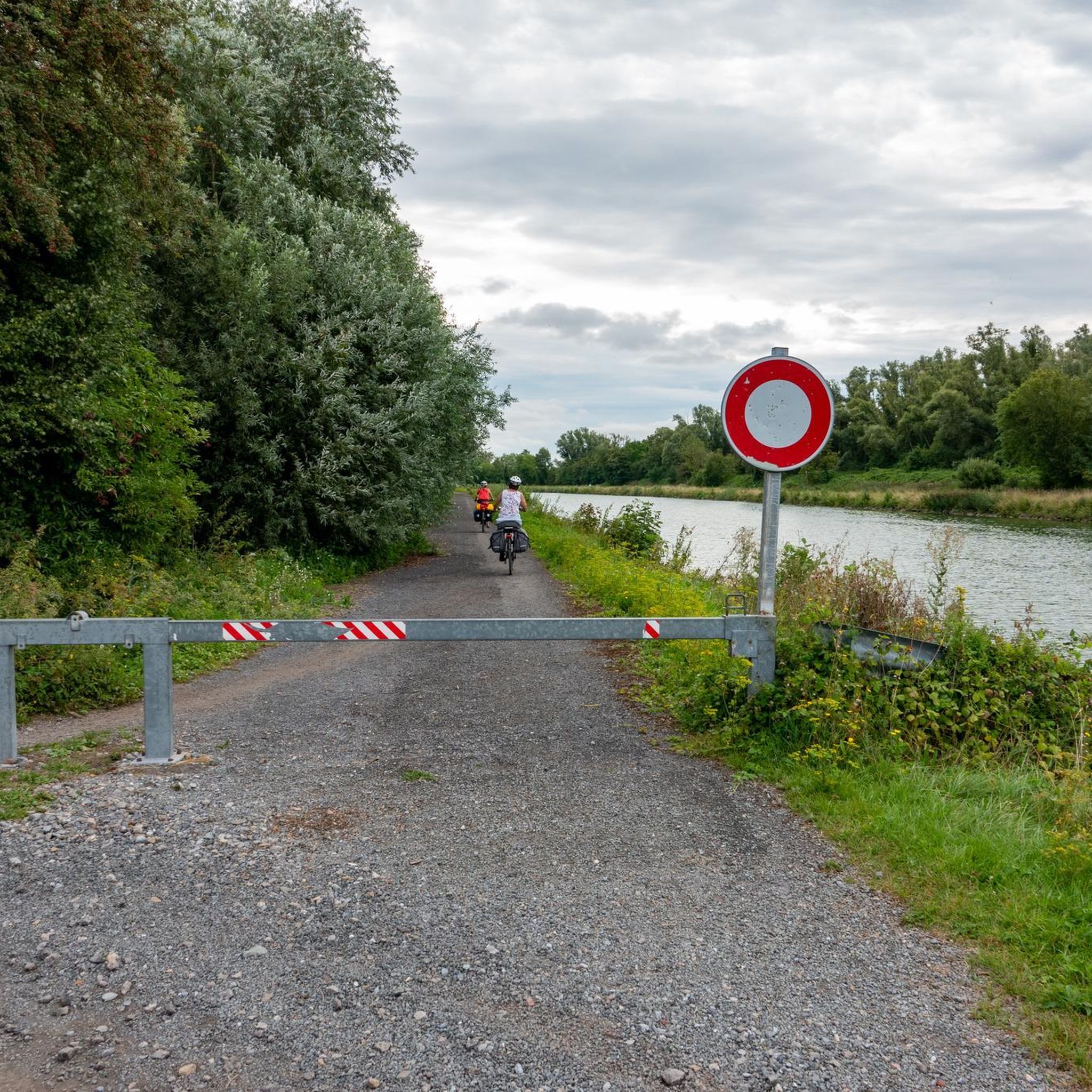
Paved area Jean-René Bernaudeau
Highlight (Segment) • Castle
The Wasnes-au-Bac side is in better condition.
It was taken by the Tour de France 2022 (Sector n°9).
Translated by Google •
Tip by

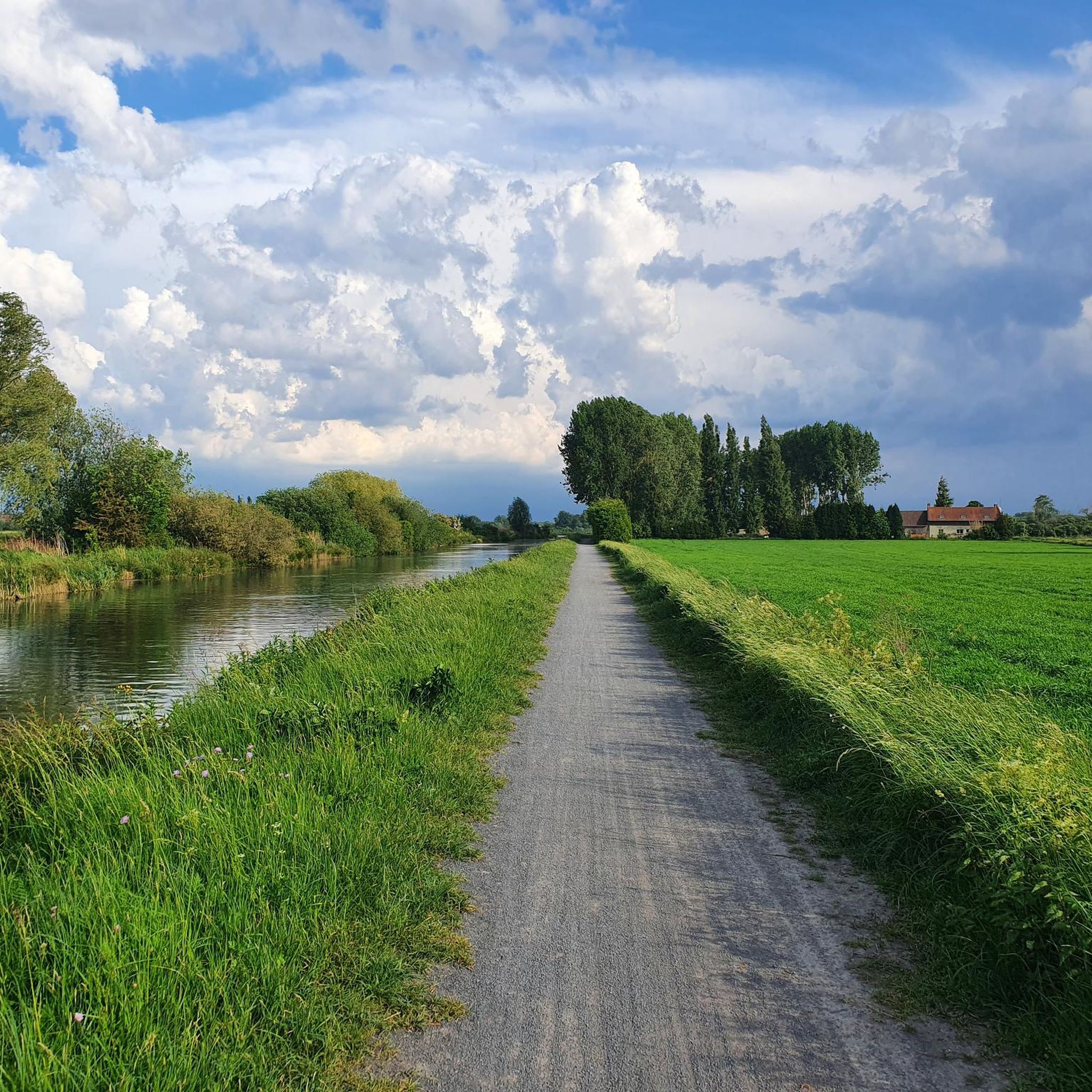
Thun-Saint-Martin, the little Venice of Cambrésis
Highlight • Settlement
1° Sanctuary of the Unity of Schoenstatt: Chapel erected on the very spot where Joseph Engling, a young seminarian and one of …
Translated by Google •
Tip by

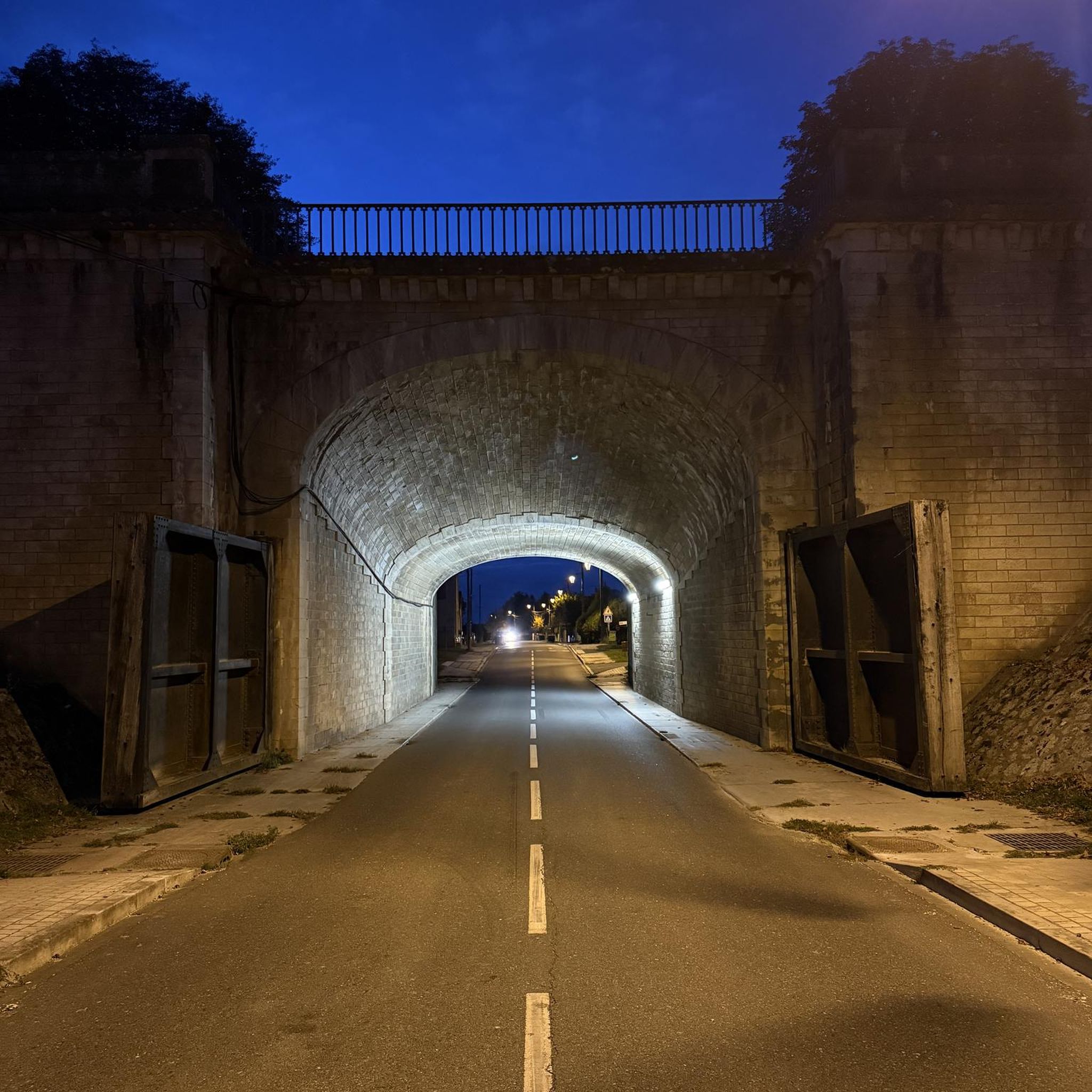
Château de Selles
Highlight (Segment) • Castle
Translated by Google •
Tip by
Start today with a free account
Your next adventure awaits.
Login or Signup
Tips from the Community

Magnificent..I love walking there to see the deer 😍
1
0

A Brief History Note. Roucourt Castle was built at the end of the 18th century by Monsieur Béranger, a cannon founder under the Empire. …During World War I, the castle was occupied by the squadron and men of Captain Baron Von Richthofen, known as the "Red Baron," who sheltered his planes in the avenue of over 100-year-old lime trees that precede the entrance gate. Destroyed by fire in 1918, it was rebuilt between 1921 and 1923 and restored in 1997 by Colette and Guy Becquet de Mégille, the current owners.
3
0


Medieval Gœulzin Castle from the 17th century. During the Great War, this castle was occupied by German troops, pillaged and abandoned. Its ruined state dates from this period.
5
0

The Château de Selles is a historic castle in Cambrai. Built in the 11th century, it is one of the few surviving examples of medieval military architecture in northern France. The castle has been classified as a historic monument since 1981. The castle has an impressive height of 15 metres and is of a polygonal design with six towers, including a twin tower. It originally had a dual function: guarding the Selles Gate and the Escaut River, and strengthening the power of the Count-Bishop over the inhabitants of Cambrai. Today, the castle houses the current Palace of Justice since 1992. It is a fascinating place to visit and enjoy its rich history and impressive architecture.
8
0

The ruins of Goeulzin Castle are what remains of a medieval fortress which was burned down twice in the 16th century and rebuilt by a Count of Bucquoy. The castle, located in the marshy Sensée valley, played a defensive role until the 18th century, when it was abandoned and pillaged. We can still see the remains of its walls, its towers and its main facade with this characteristic plan of stepped gables. You can also admire the neighboring tower which served as an ice house and dovecote in the 18th century.
3
0
Thun-Saint-Martin nicknamed as the little Venice of Cambrésis: 1° Sanctuary of the Unity of Schoenstatt: Chapel erected on the very spot where Joseph Engling, a young seminarian and one of the first disciples of the movement, was fatally shot on October 4, 1918. He would rest in the ossuary German from the military cemetery on the road to Solesmes in Cambrai. Throughout the year, pilgrims from all over the world come to visit this Marian sanctuary. 2° Manorial castle of the Herbais de Thun family 3° Saint-Martin Church (15th century)
3
0

He bears the name of Jean-René Bernaudeau since April 1, 2022.
2
0
Frequently Asked Questions
What kind of castles can I visit near Aubencheul-Au-Bac?
While Aubencheul-Au-Bac itself does not have standing castles open to the public, the surrounding region offers several historical sites. You can explore medieval ruins like Gœulzin Castle, which played a defensive role until the 18th century. There's also The Orangery Castle, a historical site rebuilt in the 1920s after its destruction in 1918, originally constructed in the Louis XVI style. Additionally, Château de Selles in Cambrai is an 11th-century example of medieval military architecture.
What is the historical significance of Aubencheul-Au-Bac regarding castles?
Historical records indicate that a castle once existed in Aubencheul-Au-Bac, but it was destroyed during World War I. The commune has a rich history, with its past tied to the abbey of Saint-Aubert de Cambrai and its historical inclusion in Artois before joining the district of Cambrai in 1790. While no standing castles remain within the commune, the broader area offers a glimpse into the region's historical architecture.
Are there family-friendly castles or historical sites to visit in the area?
Yes, The Orangery Castle is categorized as family-friendly. Its history, including its occupation by the 'Red Baron' during WWI and its subsequent rebuilding, offers an interesting story for all ages. The surrounding park, with its orchard and vegetable garden, also provides a pleasant environment for families.
What are the accessibility options for castles near Aubencheul-Au-Bac?
Specific accessibility details for each site vary. For instance, Château de Selles, now housing the Palace of Justice, is a historic monument. Gœulzin Castle consists of medieval ruins. It's advisable to check directly with each site for the most current information regarding wheelchair access or other specific needs.
What outdoor activities can I do near these castles?
The region around Aubencheul-Au-Bac offers various outdoor activities. You can find numerous cycling routes, such as those detailed in the Cycling around Aubencheul-Au-Bac guide, including routes like the 'Marais des Courbettes' loop. For gravel biking, explore options in the Gravel biking around Aubencheul-Au-Bac guide, which features routes like the 'Argalles spoil tip and pond' loop. Mountain biking enthusiasts can check the MTB Trails around Aubencheul-Au-Bac guide for trails like the 'Oisy-le-Verger Marshes' loop.
Are there any natural features or parks near the castles?
While the castles themselves are historical structures, the region is known for its natural landscapes. For example, Gœulzin Castle is located in the marshy Sensée valley. The nearby cycling and mountain biking routes often traverse natural areas like the Marais des Courbettes or the Oisy-le-Verger Marshes, offering opportunities to enjoy the local flora and fauna.
What is the best time of year to visit castles near Aubencheul-Au-Bac?
Visiting during spring or early autumn generally offers pleasant weather for exploring historical sites and engaging in outdoor activities. The mild temperatures are ideal for walking around castle ruins or enjoying the parks associated with châteaux like The Orangery Castle. Summer can also be a good time, though it might be busier.
What do visitors enjoy most about the castles in this region?
Visitors appreciate the rich history and architectural diversity of the castles. For instance, the ruins of Gœulzin Castle are valued for their medieval character and defensive history. The Orangery Castle is admired for its elegant Louis XVI style and its fascinating backstory, including its rebuilding after WWI. The impressive height and polygonal design of Château de Selles are also highlights for those interested in medieval military architecture.
Can I find accommodation near the castles?
Yes, there are various accommodation options in the towns and villages surrounding Aubencheul-Au-Bac and near the castles. While specific recommendations depend on your preferred location and budget, you can find hotels, guesthouses, and B&Bs in nearby Cambrai or other local communes, providing convenient access to the historical sites.
Are there any hidden gems or less crowded castles to discover?
The castles mentioned, such as Gœulzin Castle and The Orangery Castle, offer unique historical experiences without being overly crowded. Château de Selles, housing the Palace of Justice, provides a different perspective on a historic monument still in use. Exploring these sites allows for a more intimate connection with the region's heritage.
What are the parking options for visiting these castles?
Parking availability varies by location. For sites like The Orangery Castle, there may be designated parking areas. For ruins like Gœulzin Castle, you might find roadside parking nearby. When visiting Château de Selles in Cambrai, public parking facilities in the city center would be the most likely option. It's always best to check local signage upon arrival.
Most popular routes around Aubencheul-Au-Bac
Most popular attractions around Aubencheul-Au-Bac

Get inspired with the komoot mobile app


Explore more
Looking for the best castles somewhere else? Discover other guides around Aubencheul-Au-Bac:
