Top 6 Castles around Le Quesnoy
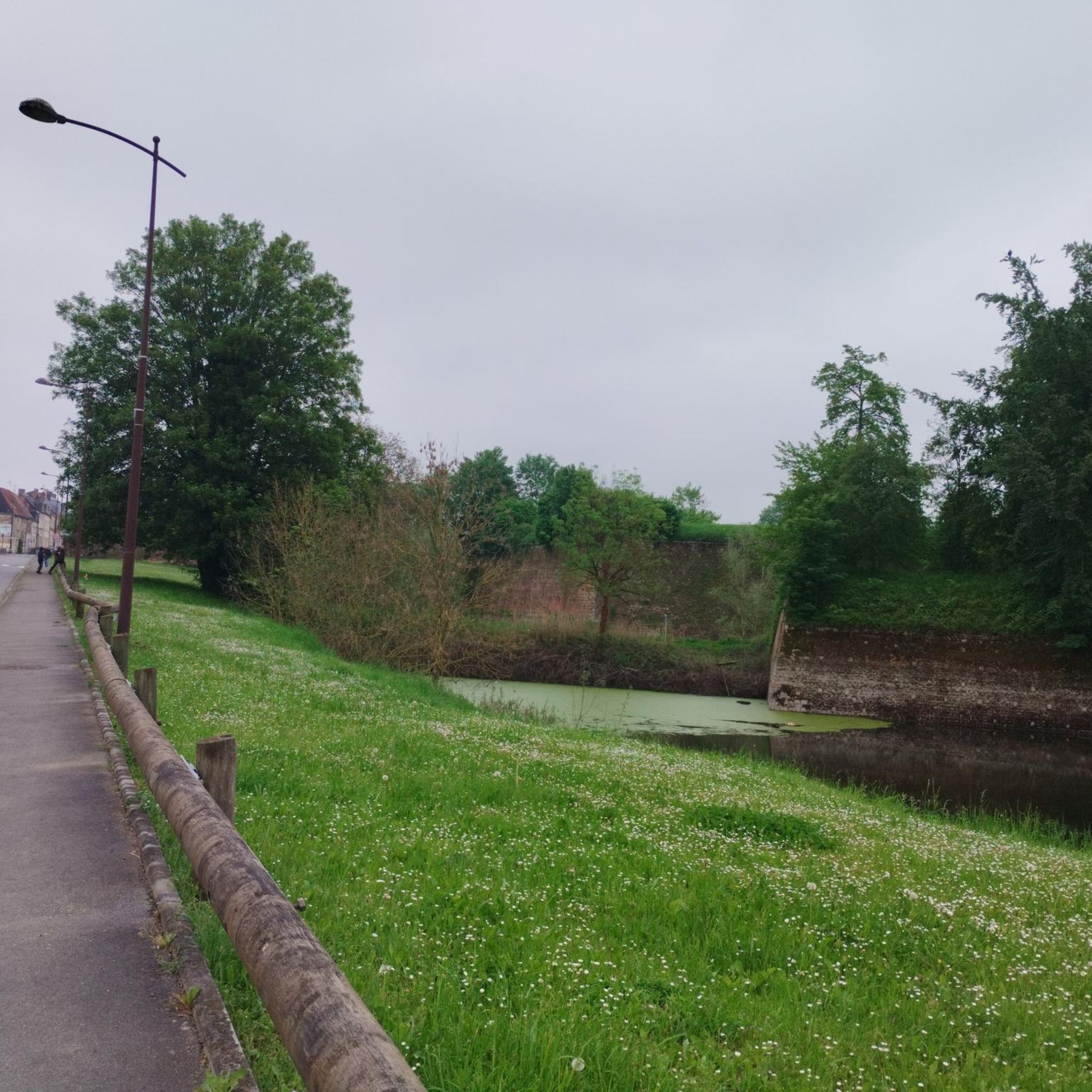
Best castles around Le Quesnoy are primarily represented by the town's extensive and well-preserved fortifications, which evolved from medieval defenses to sophisticated 17th and 18th-century designs by Vauban. These historical structures are situated within the Parc Naturel de l'Avesnois, offering a blend of cultural significance and natural landscapes. The area provides opportunities to explore military architecture and enjoy scenic walks around lakes and green spaces.
Best castles around Le Quesnoy
- The most popular castles is Potelle Castle, a castle…
Last updated: June 22, 2026
Le Quesnoy
Highlight • Historical Site
Translated by Google •
Tip by

Marguerite of Burgundy Castle
Highlight • Castle
Translated by Google •
Tip by

Sign up now to discover places like this
Get recommendations on the best single tracks, peaks, & plenty of other exciting outdoor places.
Sign up for free
Potelle Castle
Highlight • Castle
Translated by Google •
Tip by

Château d'Eth
Highlight • Castle
Translated by Google •
Tip by

The castle
Highlight • Castle
Translated by Google •
Tip by
Start today with a free account
Your next adventure awaits.
Login or Signup

Other adventures around Le Quesnoy

Tips from the Community

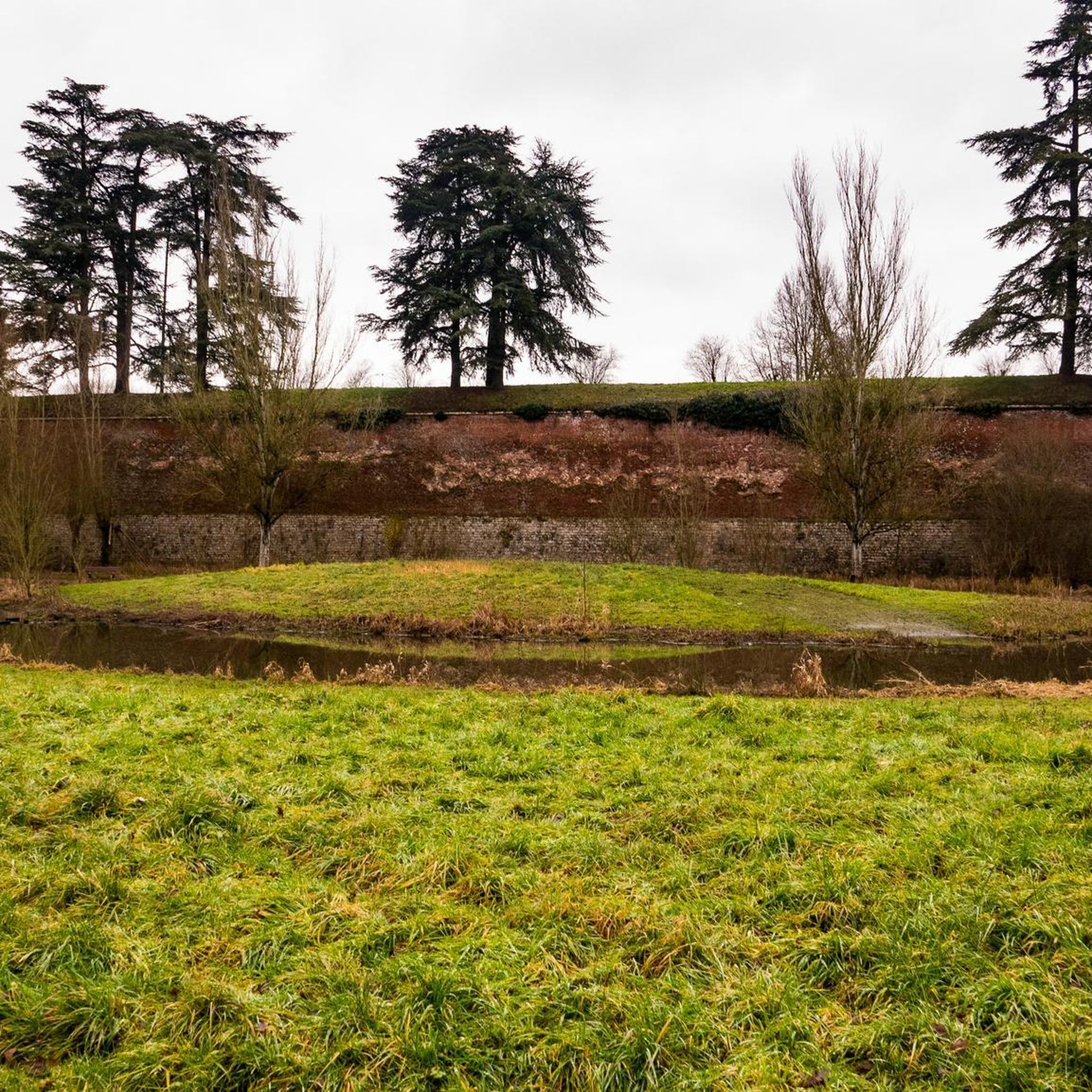
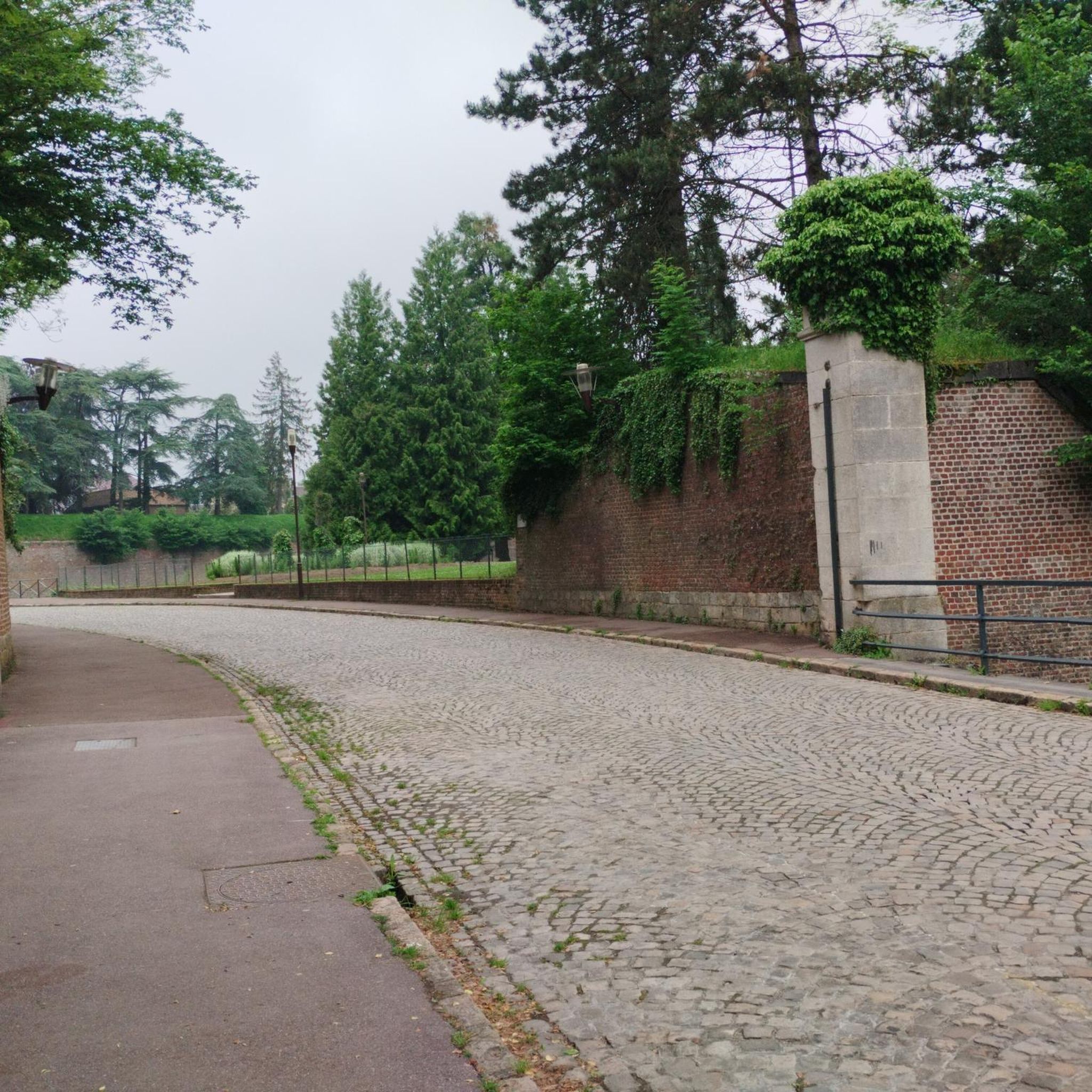
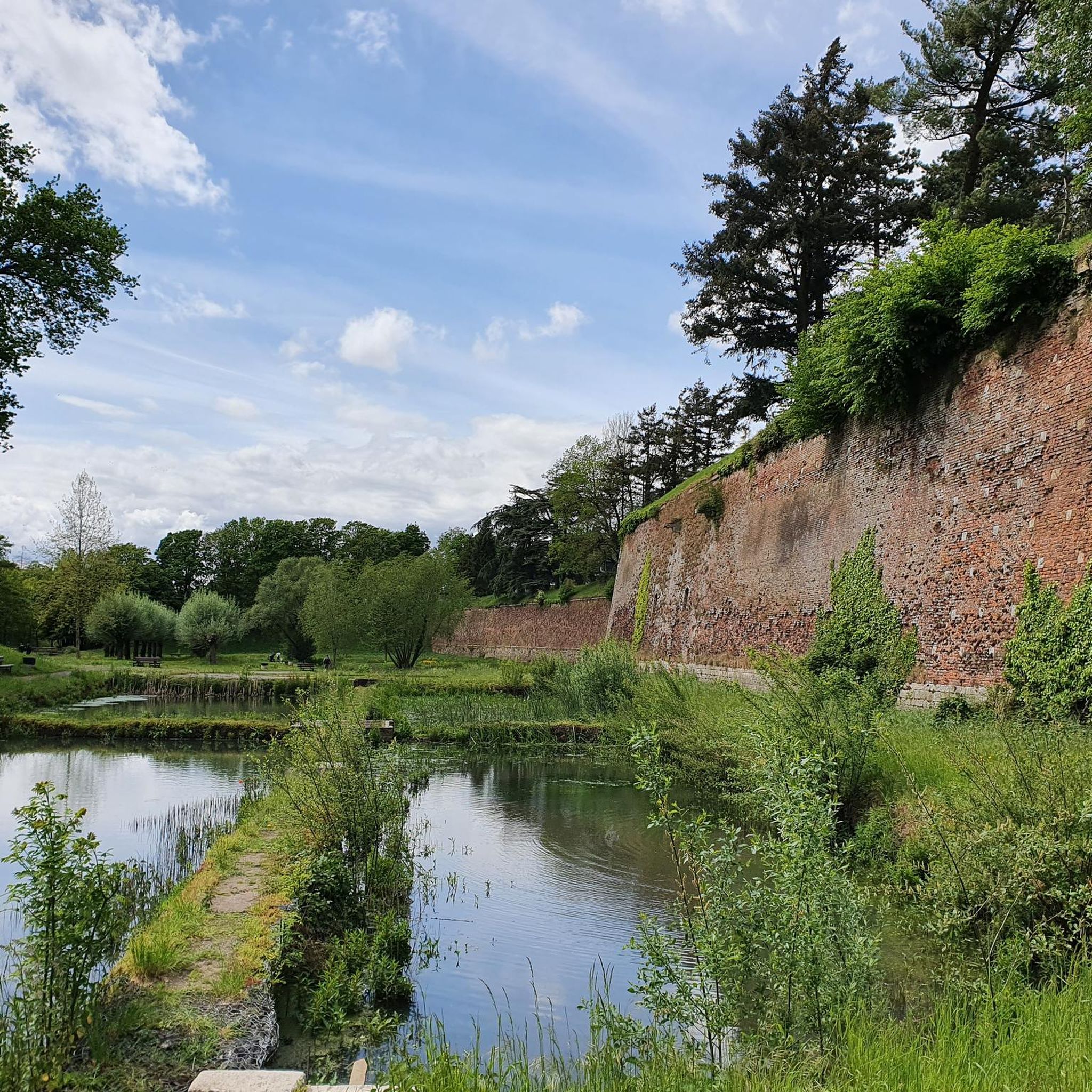
The ramparts, built in the Spanish period, were modified by the famous Vauban himself. We can still admire the towers surrounding the city since the seventeenth century, as well as many other monuments: the tower of the Edifieur Baudoin, one of the oldest of all, Caesar Bastion built under Louis XIV the Green stronghold and the headquarters hospital, or the Fauroeulx door, the only one that did not suffer the Second World War and its demolition. The current castle, the Cernay, was built in the seventeenth century, replacing the twelfth century built by Baldwin IV of Hainaut. You can still see some remains of the original castle that served as a residence to Charles the Bold, as a gateway and a set of Romanesque cellars.
0
0

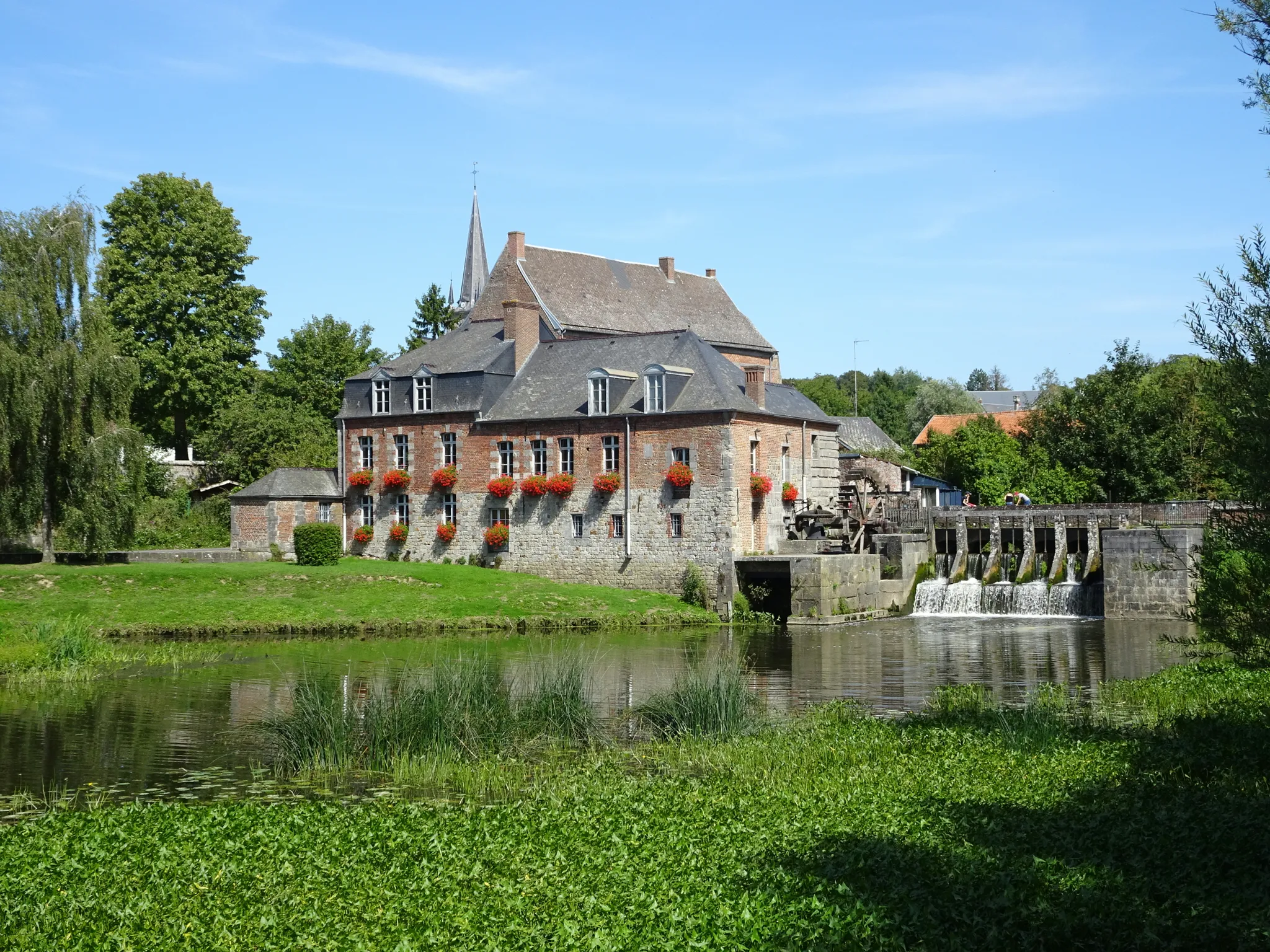
The castle, built in the 12th century by Baldwin IV of Hainaut, was the home of the Counts of Hainaut, also Counts of Holland and Zeeland. Its last sovereign was a woman who was born in the castle in 1401. Charles the Bold and then his daughter were the last sovereigns to reside there. It was then abandoned and almost completely abandoned from the 16th century. Of the prestigious castle of the Middle Ages, few remains remain: an entrance gate and a set of remarkable Romanesque cellars. The current large building called Cernay actually dates from 1681.
15
0
The Palace of Margaret of Burgundy in Le Quesnoy is a historic building that used to serve as the residence of Margaret of Burgundy, Duchess of Bavaria-Straubing and Countess of Hainaut, Holland, Zeeland and Oosterbant. Margaret of Burgundy (1374-1441) was the daughter of Philip the Bold of Burgundy and Margaret of Male. She married William VI of Holland in 1385, and after his death in 1417 she continued to live in Le Quesnoy as a dowager. The palace was one of her favorite residences, and she lived there with her daughter Jacoba of Bavaria. The palace is designed in a Renaissance style with strongly fortified walls and gateways strategically placed to protect the city. The building is built of brick and stone, which is typical of the military architecture of that period.
15
0


One of the most beautiful castles in the North: The Château d’Eth (18th century), built on the site and with the materials of a feudal castle. It is still surrounded by moats.
0
0

Eth Castle dates back to medieval foundations but was rebuilt in 1766. This brick and stone castle is surrounded by water and accessible by three bridges. It presents a homogeneous 18th century architecture with symmetrical facades and recently restored roofs. The estate was formerly the property of the Estreux de Beaugrenier family in the 19th century.
0
0

Interesting place, a former fortress of Vauban.
1
0
Frequently Asked Questions
What makes the fortifications of Le Quesnoy unique?
The fortifications of Le Quesnoy are renowned for their exceptional preservation and historical evolution. They started as medieval defenses and were significantly redesigned in the 17th and 18th centuries by Vauban, a celebrated French military engineer. Le Quesnoy was one of Vauban's first major works, where he innovated with hydraulic defenses to strategically flood areas and block invaders. You can explore these well-preserved ramparts, bastions, and even two of the original hydraulic basins.
Are there any traditional medieval castles near Le Quesnoy?
While Le Quesnoy itself is known for its fortifications, there are traditional castles nearby. For example, Potelle Castle is a beautiful feudal castle dating back to the 13th century. Another notable site is Château d'Eth, which has medieval foundations but was rebuilt in the 18th century.
What kind of outdoor activities can I do near the castles in Le Quesnoy?
The area around Le Quesnoy, situated within the Parc Naturel de l'Avesnois, offers various outdoor activities. You can enjoy scenic walks along the ramparts of Le Quesnoy, which are lined with pleasant paths and green spaces. For more extensive adventures, there are numerous cycling, running, and gravel biking routes available. You can find detailed routes like 'Le Quesnoy, gateway to the Avesnois region' for cycling or 'Le Quesnoy's Vauban loop' for running on the Le Quesnoy guide page.
Are the castles and fortifications around Le Quesnoy suitable for families?
Yes, several sites are family-friendly. The fortifications of Le Quesnoy offer pleasant walking paths and green spaces, ideal for strolls with children. Potelle Castle and 'The castle' (referring to the historical site in Le Quesnoy) are also listed as family-friendly highlights, providing historical context in an engaging environment.
What natural features can I expect to see when visiting the castles?
The castles and fortifications around Le Quesnoy are nestled within the Parc Naturel de l'Avesnois. This means you'll encounter peaceful lakes and lush green spaces surrounding the historical structures. The ramparts of Le Quesnoy, for instance, offer scenic walks with views of the natural surroundings, including the two remaining hydraulic basins that were part of Vauban's defensive system.
What is the best time of year to visit the castles in Le Quesnoy?
While specific opening hours for all sites vary, the region's natural beauty makes spring and summer particularly pleasant for exploring the outdoor fortifications and castle grounds. The weather is generally mild, ideal for walking and enjoying the green spaces. However, the historical significance of the sites can be appreciated year-round.
How long should I plan for a visit to the fortifications of Le Quesnoy?
To fully appreciate the fortifications of Le Quesnoy and enjoy a leisurely walk along the ramparts, plan for at least 2-3 hours. If you wish to explore the town itself and perhaps visit a nearby castle like Château d'Eth or Potelle Castle (if open), a full day would be more appropriate.
Are there options for dining or refreshments near the castles?
Yes, the town of Le Quesnoy offers various cafes, restaurants, and pubs where you can find refreshments and meals. These establishments are typically located within the town center, easily accessible after exploring the fortifications.
Is it possible to visit the castles with a dog?
While the outdoor ramparts and green spaces of Le Quesnoy are generally dog-friendly for walks, policies for interior access to specific castles like Potelle Castle or Château d'Eth may vary. It's advisable to check directly with individual sites regarding their pet policies before your visit.
What are the parking options for visiting the fortifications of Le Quesnoy?
Le Quesnoy, being a town, offers various public parking options within and around its center, making it convenient to access the fortifications. Look for designated parking areas near the historical sites for easy access to the ramparts.
Which castles are most popular with visitors?
Among the castles and historical sites in the area, the fortifications of Le Quesnoy are highly appreciated for their historical significance and pleasant walking paths. Potelle Castle is also very popular, noted for its beautiful feudal architecture, though it's typically only open to the public during heritage days.
Can I see Vauban's influence in the castles around Le Quesnoy?
Absolutely. The town of Le Quesnoy itself is a prime example of Vauban's engineering genius. After the town became French in the 17th century, Vauban significantly modified and reinforced its existing fortifications. You can observe his innovative designs, including the use of locks and dams for hydraulic defenses, and the augmentation of bastions, particularly visible in the northern and southern areas of the ramparts.
Most popular routes around Le Quesnoy
Most popular attractions around Le Quesnoy

Get inspired with the komoot mobile app


Explore more
Looking for the best castles somewhere else? Discover other guides around Le Quesnoy:
