Top 6 Caves around Sarrebourg-Château-Salins
Best caves around Sarrebourg-Château-Salins are primarily rock shelters and historical cave dwellings carved into the Vosgian sandstone. This region, located in the Moselle department of France, offers natural formations that are of aesthetic and historical interest. These sites often feature picturesque settings and are integrated into scenic hiking routes.
Best caves around Sarrebourg-Château-Salins
- The most popular caves is Saint-Léon Cave, a natural cave. Dug into the sandstone, this cave is the largest natural cavity in the Vosges mountains, measuring approximately 35 meters deep.
- Another must-see spot is The Geisterfelsen, a natural monument. Visitors can explore its rock cliffs and enjoy the surrounding trails.
- Visitors also love Einsiedlerhütte and Troglodyte Houses of Falkenfelsen, a historical site. This location features 2 former rock houses and offers a dedicated picnic area with an information board.
- Sarrebourg-Château-Salins is known for its rock shelters and historical cave dwellings. These formations are carved into the Vosgian sandstone, offering a blend of natural beauty and historical significance.
- The caves around Sarrebourg-Château-Salins are appreciated by the komoot community, with more than 30 upvotes and 40 photos shared by users.
Last updated: July 6, 2026
Einsiedlerhütte and Troglodyte Houses of Falkenfelsen
Highlight • Historical Site
Translated by Google •
Tip by

Falkenfels Cliffs
Highlight • Natural Monument
Incidentally, not only falcons breed here, but according to the information sign even eagle owls.
Translated by Google •
Tip by

Sign up now to discover places like this
Get recommendations on the best single tracks, peaks, & plenty of other exciting outdoor places.
Sign up for free
Saint-Léon Cave
Highlight • Cave
Translated by Google •
Tip by

The Geisterfelsen
Highlight • Natural Monument
Translated by Google •
Tip by

Black Band Rock
Highlight • Cave
Translated by Google •
Tip by

Danne Cave and Albert Rock
Highlight • Viewpoint
Translated by Google •
Tip by

Bacelles Cave
Highlight • Gorge
Access for cyclists/riders is via a detour.
Translated by Google •
Tip by

Start today with a free account
Your next adventure awaits.
Login or Signup
Popular around Sarrebourg-Château-Salins
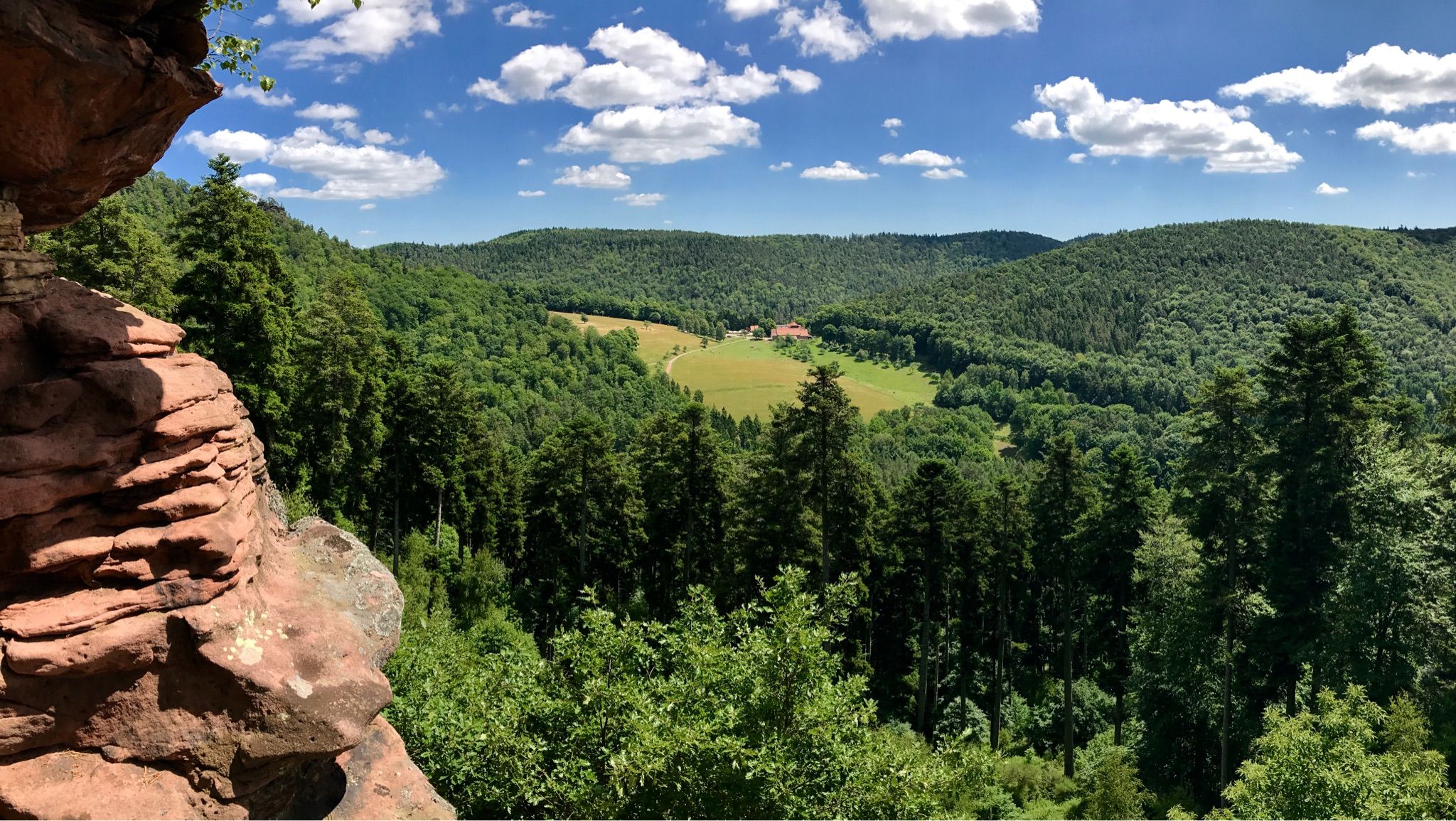
Hike the GR 53 – Explore castles along the Franco-German border
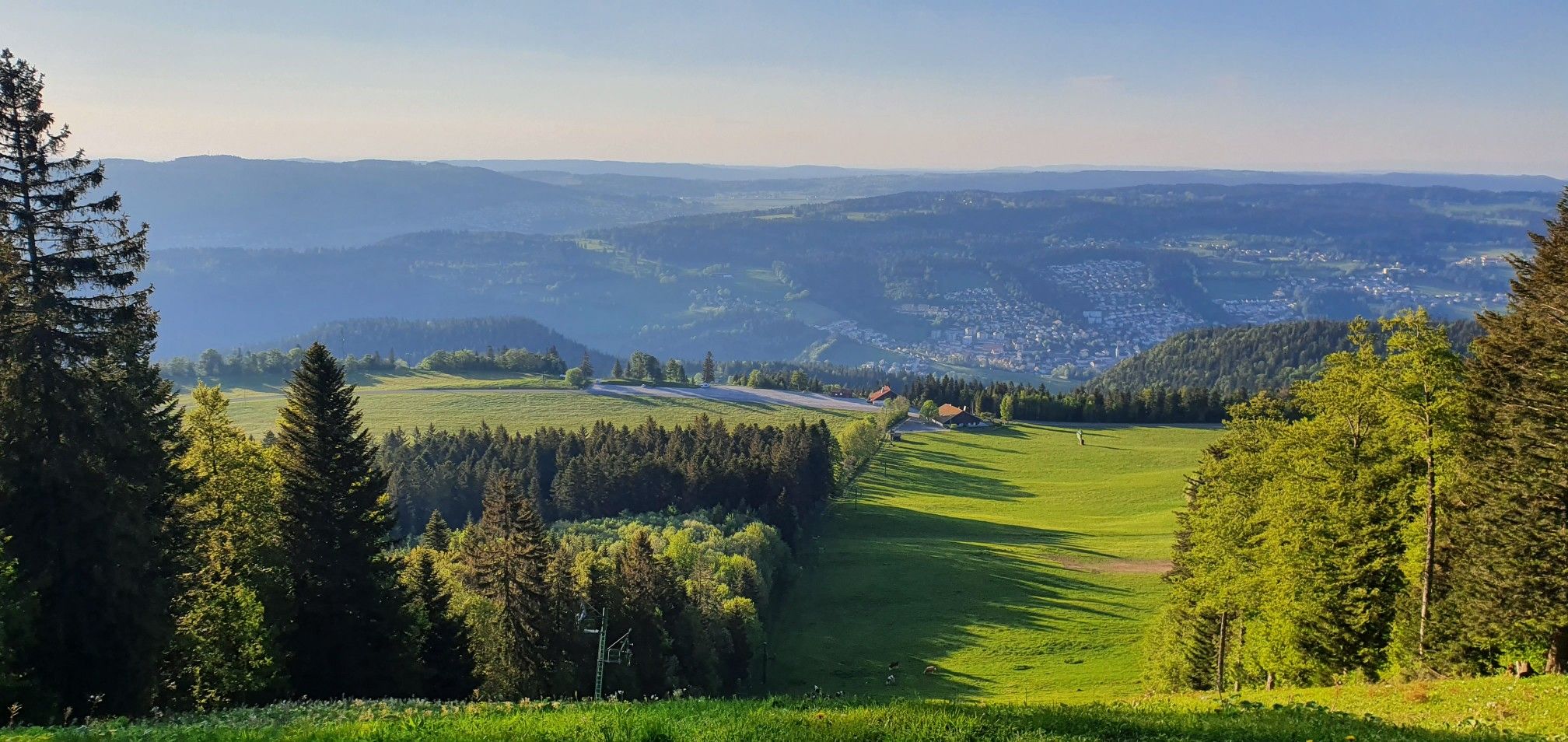
GR 5 – The Europe Trail from the Mediterranean to Germany
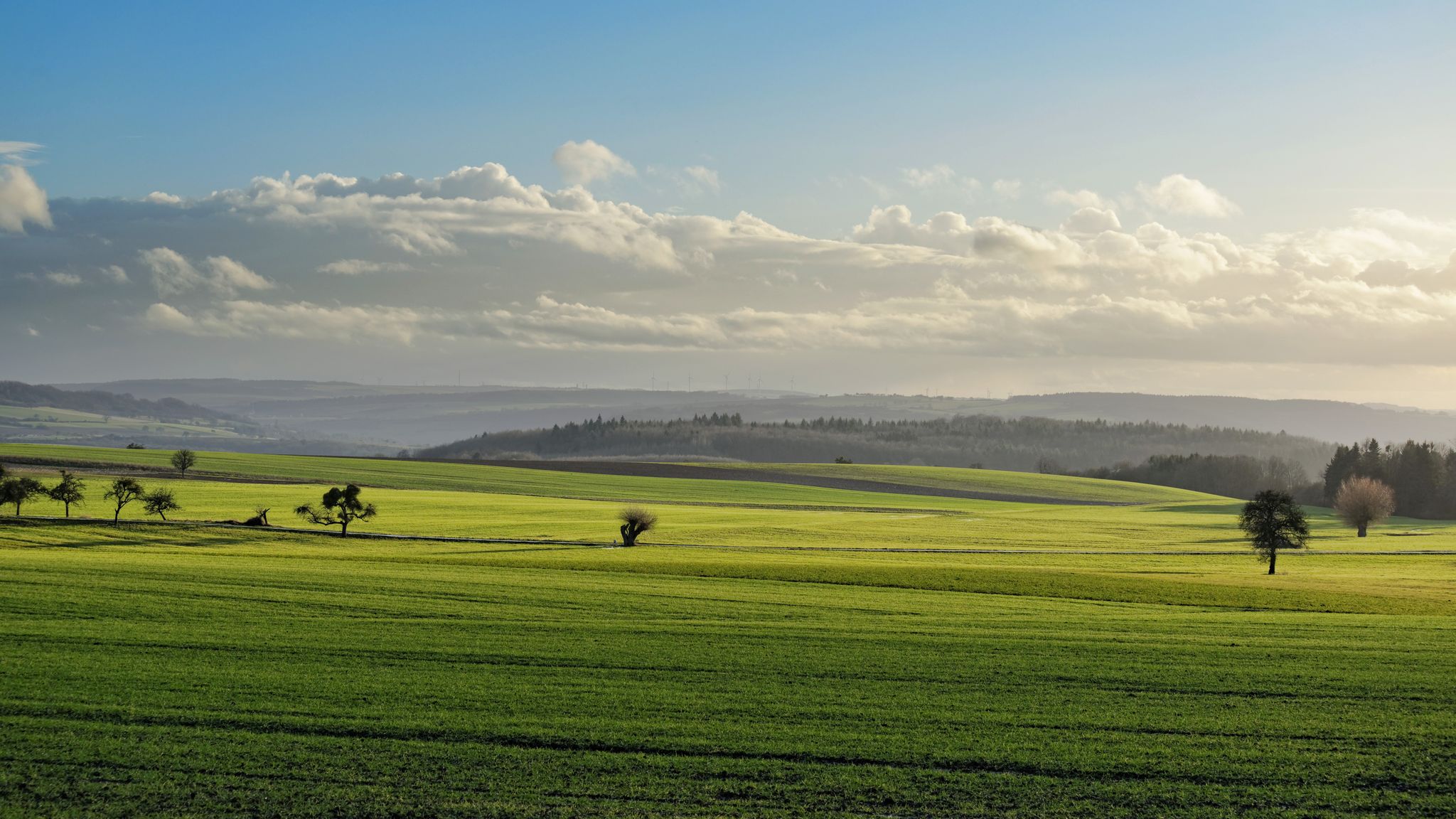
GR5 — The Europe Trail from Abreschviller to Apach
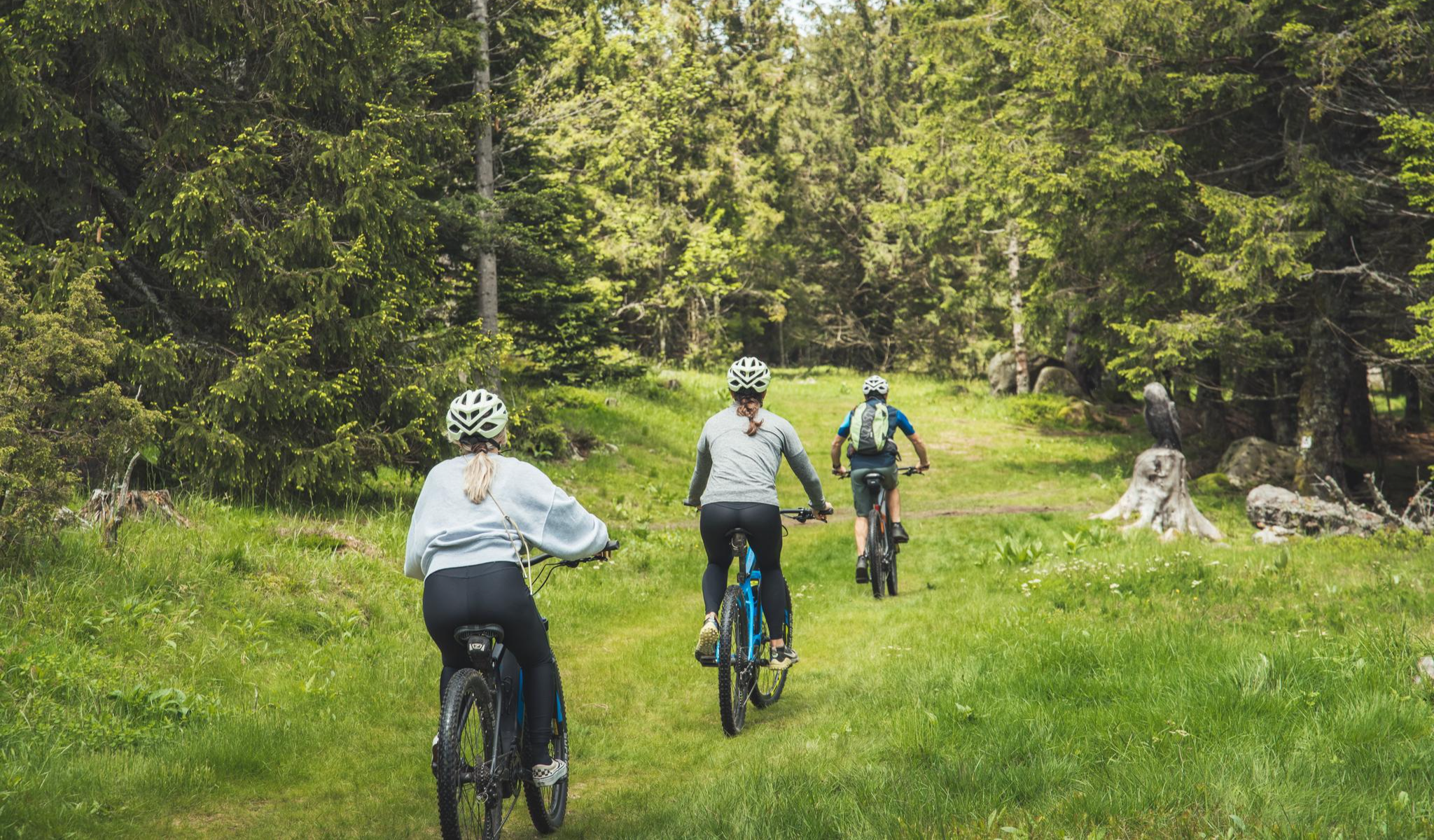
MTB and gravel in the Grand Est – the joy of the low mountains
EuroVelo 5 - Via Romea (Moselle - Alsace)
A river getaway – along the Marne-Rhine Canal
The Via Romea Francigena in Alsace-Moselle – EuroVelo 5
Linking Lorraine and Alsace – Stanislas-Kléber Path (GR 534)
From the Vosges to the Jura mountains – Hexatrek, le Grand Est
Bikepacking on the Veloroute SaarLorLux
Other adventures around Sarrebourg-Château-Salins


Tips from the Community


Under the very rock, which forms a rock shelter, lived for a long time the hermit known as "the Falkenfels", from 1895 until his death in 1902. There is no certainty about the origins of Edouard Hinbeer, nicknamed friendly by the population and in the archives the Waldbruder (brother of the forest). A valiant man, he looked after the pigs of the commune of Hellert. The population esteemed him, considered him a holy man and took turns bringing him their midday meals.
0
0
The sandstone cliff called the “Black Band rocks” forms a large overhang above the path. This overhang forms a rock shelter called the Bande Noire cave.
0
0
Beautiful trail A place of refuge and memory, the rock that houses the Cave of Danne was named Rocher Albert in honor of the president of the Vosges Club section from 1935 to 1964.
0
0

Cave of impressive size. Access for cyclists/riders is via a detour.
0
0

A beautiful rock formation. You can sit dry on the Rocheter Albert even when it rains.
0
0
The Falkenfels is now in a year-round protected area. All paths there are forbidden and also dismantled and blocked.
0
0

Here you can find 2 former rock houses. Also a bench with a table for a picnic. There is an information board in French at the entrance. It's about 15 minutes from the parking lot. We did a little circular walk.
0
0
Frequently Asked Questions
What kind of 'caves' can I expect to find in the Sarrebourg-Château-Salins region?
The 'caves' in this region are predominantly rock shelters, known as 'abris sous roche', carved into the Vosgian sandstone. They are primarily of aesthetic and historical interest, often lacking long galleries but offering picturesque settings and intriguing pasts. You won't find deep limestone cave systems here.
What is the historical significance of the caves in Sarrebourg-Château-Salins?
Many of the rock shelters in the region hold significant historical value. For example, the Einsiedlerhütte and Troglodyte Houses of Falkenfelsen feature former rock houses and were once inhabited by a hermit. Other sites like Grotte Schanzkammer and Grotte des Francs-Tireurs served as refuges during historical conflicts, offering a glimpse into past human habitation and survival.
Are there any caves with religious or spiritual significance?
Yes, the Saint-Léon Cave in Walscheid is associated with Pope Saint Leo IX, who is believed to have prayed there in his youth. It is noted for its powerful mineral presence and often hosts a living nativity scene during Advent, making it a unique space for reflection. You can find more information about it on visitgrandest.com.
Which caves offer scenic viewpoints or impressive natural formations?
The Falkenfels Cliffs not only feature cave dwellings but also provide fantastic views over the valley and towards the Dabo rock. The The Geisterfelsen also offers incredible and majestic rock cliffs to explore with fantastic trails around them. Additionally, the Saint-Léon Cave allows you to climb above its entrance for a magnificent panorama of Walscheid.
Are the caves in the region suitable for families with children?
Many of the rock shelters are integrated into hiking trails, making them accessible for families. Sites like the Einsiedlerhütte and Troglodyte Houses of Falkenfelsen offer a dedicated picnic area and an information board, making them engaging for younger visitors interested in history and nature. The Grotte des Bacelles is part of a 9.5 km hiking trail, which can be a good family activity.
What is the best time of year to visit the caves and rock shelters?
The best time to visit is generally during spring, summer, and autumn when the weather is mild and hiking conditions are favorable. Winter access might be possible for some sites, but paths could be slippery or covered in snow, and some areas might be less accessible. Always check local conditions before planning a winter visit.
Are there hiking trails near these caves?
Yes, many of the caves and rock shelters are integrated into scenic hiking routes. For instance, the Grotte des Bacelles is part of a 9.5 km hiking trail in the Saint-Quirin forest, and the Grotte du Herrenfels is reachable via a hiking trail near Dabo. You can find various hiking options in the region by exploring the Hiking around Sarrebourg-Château-Salins guide.
What other outdoor activities can I do near the caves?
Beyond hiking, the Sarrebourg-Château-Salins region offers opportunities for cycling and running. You can explore various routes designed for different sports. For cycling, check out the Cycling around Sarrebourg-Château-Salins guide, and for running, refer to the Running Trails around Sarrebourg-Château-Salins guide.
Is parking available near the main cave sites?
Yes, for popular sites like the Einsiedlerhütte and Troglodyte Houses of Falkenfelsen, parking is typically available nearby, often within a 15-minute walk. It's always advisable to check specific access information for each site before your visit.
Are there any access restrictions or permits required to visit the caves?
Generally, the rock shelters and historical cave dwellings in this region are freely accessible as they are often part of public hiking trails. However, specific areas like the Falkenfels Cliffs might have protected zones where certain paths are forbidden or dismantled due to environmental concerns. Always respect local signage and regulations.
How long does it typically take to explore these cave sites?
The time required varies by site. Many are rock shelters integrated into hiking trails, so exploration time depends on the length of your hike. For a site like the Einsiedlerhütte and Troglodyte Houses of Falkenfelsen, the site itself might take less than an hour to explore once you reach it, but the walk to and from can add to the overall duration.
What is the deepest natural cavity in the Vosges mountains, and where is it located?
The deepest natural cavity in the Vosges mountains is the Saint-Léon Cave in Walscheid. It measures approximately 35 meters deep, 24 meters wide at its entrance, and 8 meters high, formed by erosion in conglomerate rock.
Most popular routes around Sarrebourg-Château-Salins
Most popular attractions around Sarrebourg-Château-Salins

Get inspired with the komoot mobile app


Explore more
Extend your search for the best caves by checking out these guides of the top ones around Sarrebourg-Château-Salins:
