Top 3 Castles around Parthenay
Best castles around Parthenay are characterized by impressive medieval fortifications and strategic locations. Situated on a rocky promontory and encircled by the Thouet River, Parthenay is known for its well-preserved medieval town center. The area offers a comprehensive historical experience, showcasing architectural ingenuity and strategic planning from the Middle Ages. The remnants of the Château de Parthenay and extensive town walls provide insight into its past.
Best castles around Parthenay
- The most popular castles is View of the Citadel,…
Last updated: August 29, 2026
La Roche-Faton Castle
Highlight • Castle
Translated by Google •
Tip by

View of the Citadel
Highlight • Viewpoint
Translated by Google •
Tip by

Sign up now to discover places like this
Get recommendations on the best single tracks, peaks, & plenty of other exciting outdoor places.
Sign up for free
Saint-Loup-sur-Thouet
Highlight • Settlement
Translated by Google •
Tip by

View of the Parthenay citadel
Highlight • Viewpoint
Translated by Google •
Tip by

Start today with a free account
Your next adventure awaits.
Login or Signup
Popular around Parthenay
GR 36 long-distance footpath – Cross France from the Channel to the Pyrenees
La Vélidéale - From the Limousin to the Atlantic
Our first family bike adventure in Western France
Between Fontenay-le-Comte, Parthenay and Niort – Poitou on the water
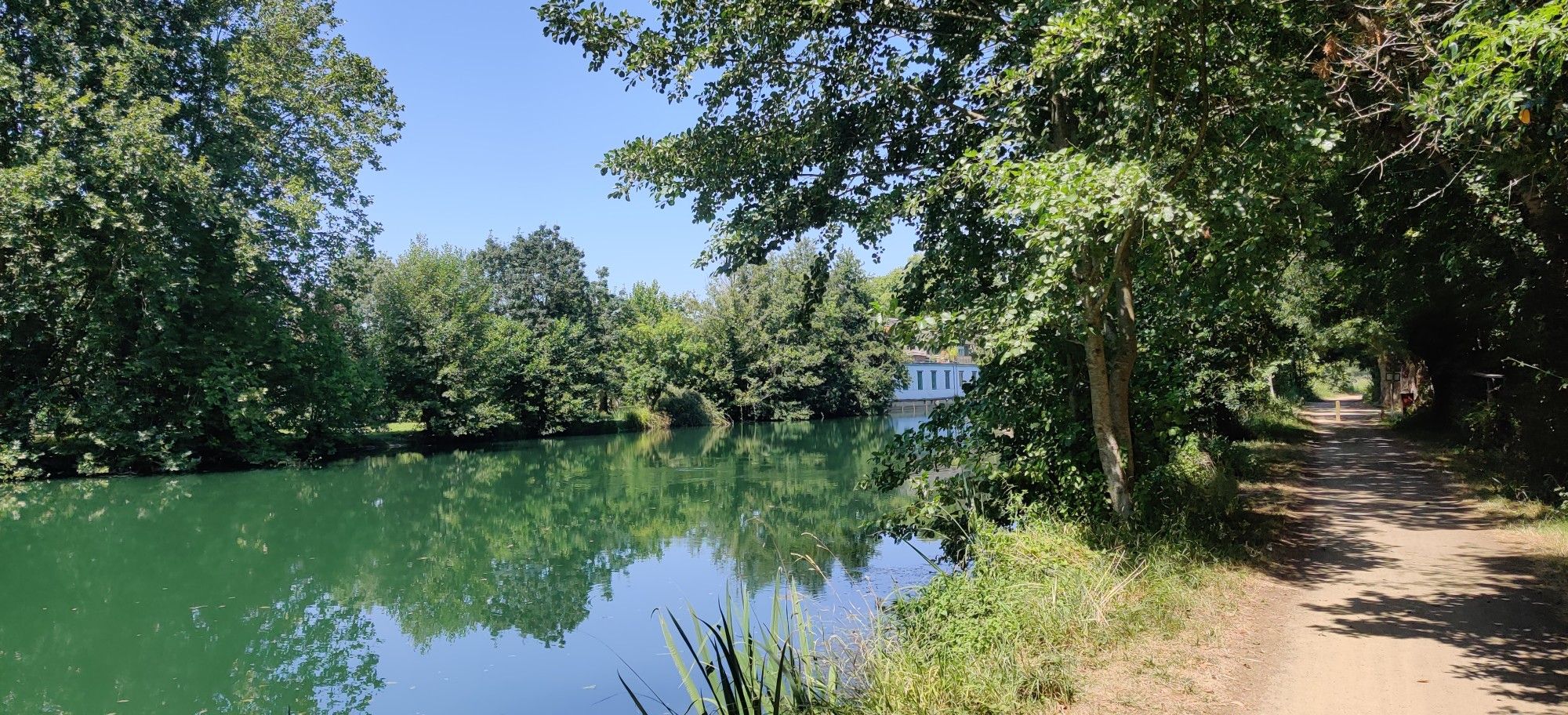
From Ouistreham to La Rochelle — riding the Vélo Francette
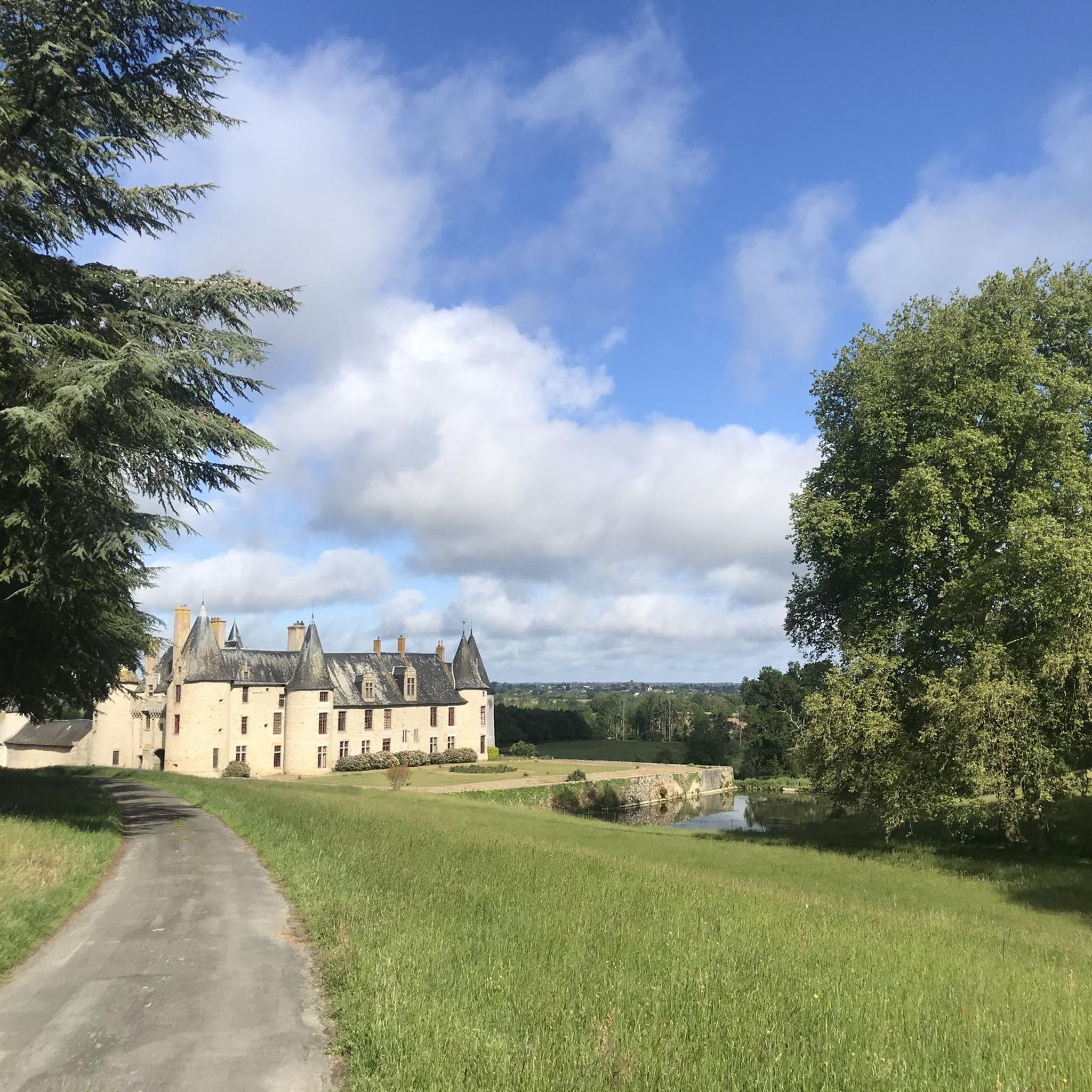
Hiking around Parthenay
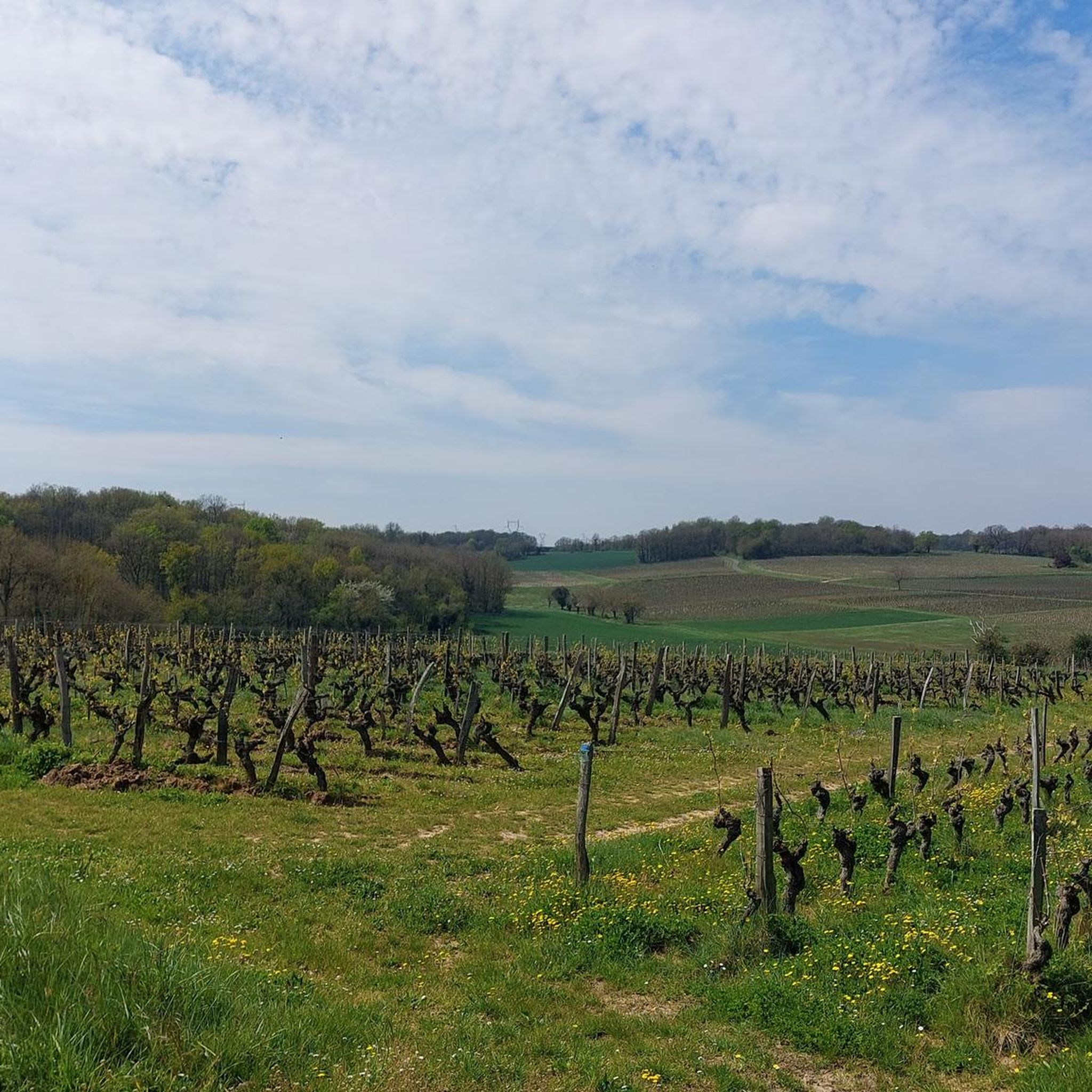
Cycling around Parthenay
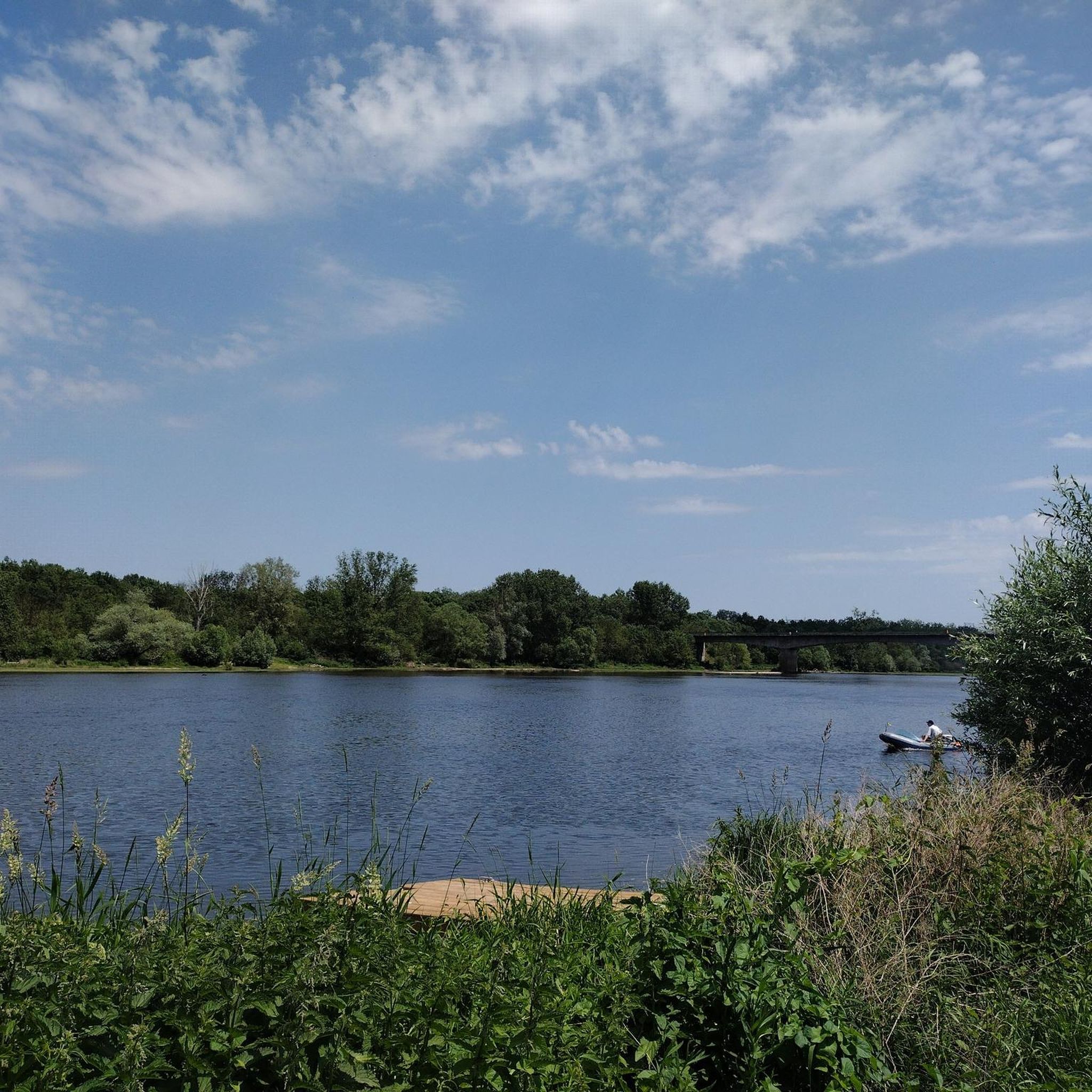
Running Trails around Parthenay
Road Cycling Routes around Parthenay
MTB Trails around Parthenay
Other adventures around Parthenay


Tips from the Community

The Château de la Roche-Faton, located in Lhoumois (Deux-Sèvres) in Nouvelle-Aquitaine, is an elegant castle listed as a Historic Monument, dating from the medieval period and enriched during the Renaissance. 🏰 History & Architecture Mentioned as early as 1179, burned down in 1417, it was rebuilt starting in 1544 by Mathurin Pidoux. It comprises three buildings around a courtyard, round towers, a gatehouse with drawbridges (now lost), and outbuildings built in the 17th century. The fortified entrance is flanked by machicolations, while the central building includes a 15th-16th-century main building, crowned by an authentic spiral staircase. 🖼️ Interiors & Decor Several intact fireplaces from the 15th and 18th centuries, as well as a large living room decorated with 18th-century stucco. The Saint-Nicolas Chapel contains the tombstones of Charles-Marie-Auguste de Beaumont, Marquis d'Autichamp, and his wife. 🌳 Gardens & Park An English-style landscaped park and French gardens – designed in the 17th century by the Lords of Vassé – surround the château. A pond from the former moat also remains. 🛡️ Protection & Visits Listed as a Historic Monument: facades and roofs of the main building registered in 1973, wings of the outbuildings in 1993. A private property belonging to the du Dresnay family, the château is open for guided tours of the exterior and for events such as European Heritage Days.
2
0
Things to See & Do Ramparts: With approximately 30 semicircular towers, the granite walls symbolize medieval urban robustness. Ruined Castle: All that remains of the castle is a round tower (perhaps the keep) and sections of walls restored since the 1980s. Panoramic Walk: The rampart path offers splendid views of the Thouet Valley and the Saint-Paul district.
1
0
History & Architecture Medieval Construction: Built in the early 13th century under the aegis of John Lackland, the citadel rests on a natural promontory reinforced by three defensive walls, towers, and ramparts. Castle and Bastion: Its original, isolated castle included towers such as the Powder Tower and the Harcourt Tower. In the 15th century, Arthur de Richemont added the bastille and an artillery boulevard. Citadel Gate (or Clock Gate): The gatehouse is flanked by two almond-shaped towers and topped with a clock tower. A granite staircase provides access to the guardroom and the patrol path.
1
0
The citadel of Parthenay, nicknamed the "little Carcassonne of the West", is one of the city's heritage jewels, perched on a rocky spur overlooking the bend of the Thouet River.
1
0

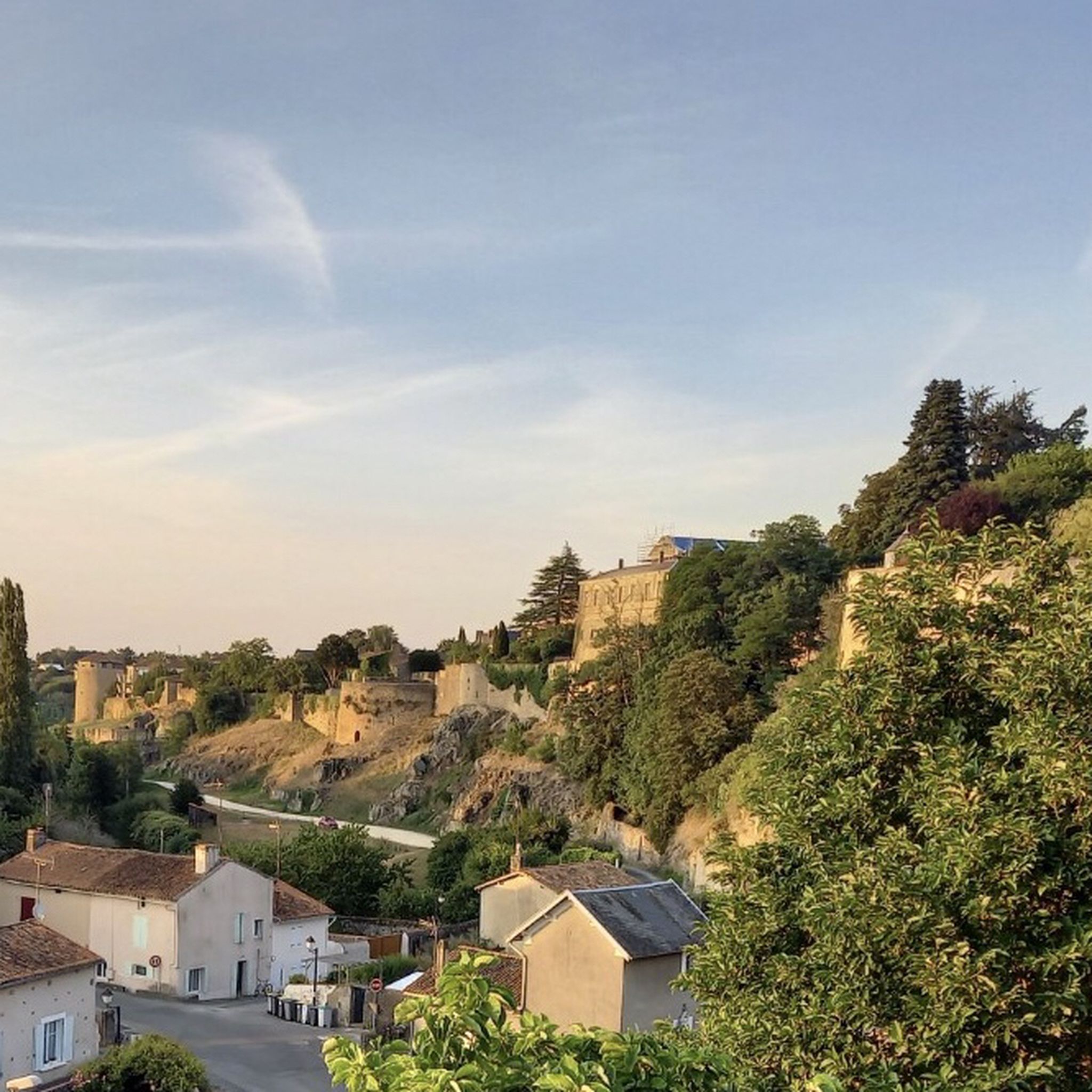
If you feel safe inside the citadel, you will be equally impressed by the view from the outside. It looks impregnable and probably was hundreds of years ago.
2
0
If you feel safe inside the citadel, you will be equally impressed by the view from the outside. It looks impregnable and probably was hundreds of years ago.
3
0

Very nice view from the heights of Parthenay, on the citadel, the red roofs and the ramparts.
3
0

Nestled at the confluence of the Thouet and the Cébron, the small town is not lacking in charm! The church, the medieval streets, the museum, the Place des Poulies, the 17th century castle, its orangery, its park, its Stations of the Cross,... A must visit.
1
0
Frequently Asked Questions
What kind of castles can I expect to see around Parthenay?
Parthenay is renowned for its impressive medieval fortifications, often called the "Little Carcassonne of the West." While the original Château de Parthenay stands largely in ruins, the encompassing medieval city walls and gates offer a comprehensive historical experience. You'll find remnants of strategic castles and well-preserved fortified town centers.
Are there any fully preserved castles near Parthenay that I can visit?
While the Château de Parthenay itself is mostly ruins, you can visit the elegant Château de Saint-Loup. This 11th-century chateau, set in a 50-hectare park, features impressive moats and drawbridges, giving a strong sense of its defensive past. It is also available for events.
What are the highlights of Parthenay's medieval fortifications?
The medieval fortifications of Parthenay, often referred to as the Citadel, are a major draw. Key features include the extensive town walls and ramparts, particularly visible to the west and north, flanked by large round towers. Don't miss the iconic 13th-century Porte Saint-Jacques and Porte de l'Horloge, both fortified gates with distinctive almond-shaped towers. These structures highlight the town's complex defensive system.
Can I explore the ruins of the Château de Parthenay?
Yes, you can explore the remnants of the Château de Parthenay. Although mostly in ruins, sections of its high enclosure and large round towers, including the "Tour de la Poudrière," are still visible. The site offers a vivid glimpse into medieval military architecture and provides scenic viewpoints over the Thouet River and the surrounding area.
Are there any family-friendly activities at the castles or fortifications?
Exploring the extensive medieval fortifications of Parthenay, including the ramparts and gates, can be a fascinating experience for families, offering a journey back in time. The charming settlement of Saint-Loup-sur-Thouet, with its medieval streets and 17th-century castle, is also considered family-friendly.
What is the historical significance of Parthenay's castles and fortifications?
Parthenay's fortifications were strategically vital, controlling trade and military routes. The Château de Parthenay, dating back to the 13th century, played a crucial role through various sieges. The town's defensive system, with over 30 towers and 4 gates, was a formidable stronghold. Parthenay was also an ancient pilgrimage stop on the Way of St. James, adding another layer of historical and cultural interest.
Are there viewpoints to appreciate the castles and fortifications from a distance?
Absolutely. There are excellent viewpoints that offer impressive perspectives of Parthenay's Citadel. From these spots, you can appreciate the medieval fortifications, the red roofs, and the ramparts, giving you a sense of how impregnable the town once appeared. Check out the View of the Citadel highlights for prime locations.
What outdoor activities can I do near the castles around Parthenay?
The area around Parthenay offers various outdoor activities, especially hiking and running. You can find several routes, such as the "The citadel of Parthenay — loop from La Caserne" for an easy hike, or the "The citadel of Parthenay - running loop" for a moderate run. For more options, explore the easy hikes or running trails guides around Parthenay.
Is it possible to visit private castles in the region?
Some castles, like La Roche-Faton Castle, are private residences. While generally not open for public visits, they may offer guided exterior tours or open for special events like European Heritage Days. It's best to check local listings for specific access information.
What is the best time to visit the castles and fortifications in Parthenay?
The medieval fortifications and castle ruins in Parthenay can be enjoyed year-round. However, for comfortable exploration of the outdoor sites and to take advantage of nearby hiking trails, spring and autumn offer pleasant weather. Summer is also popular, but can be warmer. Winter visits are possible, but some private properties might have limited access.
Are there any unique architectural features in Parthenay's fortifications?
Yes, Parthenay's fortifications feature unique almond-shaped towers, particularly visible on the Porte Saint-Jacques and Porte de l'Horloge. These towers enhanced defensive capabilities and are a relatively rare architectural feature in medieval fortifications, making them a distinctive element of the town's historical landscape.
Most popular routes around Parthenay
Most popular attractions around Parthenay

Get inspired with the komoot mobile app


Didn’t find what you were looking for?
Explore Parthenay’s best castles region by region:
Explore more
Looking for the best castles somewhere else? Discover other guides around Parthenay:
