Top 2 Castles around Pau
Castles around Pau are situated in a region at the foot of the Pyrenees, known for its historical architecture. The area, part of the Béarn region, features a concentration of historical castles. These structures reflect centuries of history, from medieval fortresses to royal residences. The landscape provides a backdrop for these historical sites.
Best castles around Pau
- The most popular castles is Franqueville Castle, a castle that stands amidst formal gardens and vast lawns. This 19th-century château offers a…
Last updated: August 15, 2026
National Museum and Estate of the Château de Pau
Highlight • Castle
Translated by Google •
Tip by

Franqueville Castle
Highlight • Castle
Translated by Google •
Tip by

Sign up now to discover places like this
Get recommendations on the best single tracks, peaks, & plenty of other exciting outdoor places.
Sign up for free
Whitewater stadium bridge
Highlight • Bridge
Translated by Google •
Tip by

Morlanne
Highlight • Settlement
Showing Translation
Tip by

View of Château de Pau
Highlight • Viewpoint
Translated by Google •
Tip by
Montaner Castle
Highlight • Castle
Translated by Google •
Tip by

Bellocq Castle, 13th century
Highlight • Historical Site
Translated by Google •
Tip by
Château d'Arricau-Bordes
Highlight • Castle
Showing Translation
Tip by
Start today with a free account
Your next adventure awaits.
Login or Signup
Popular around Pau
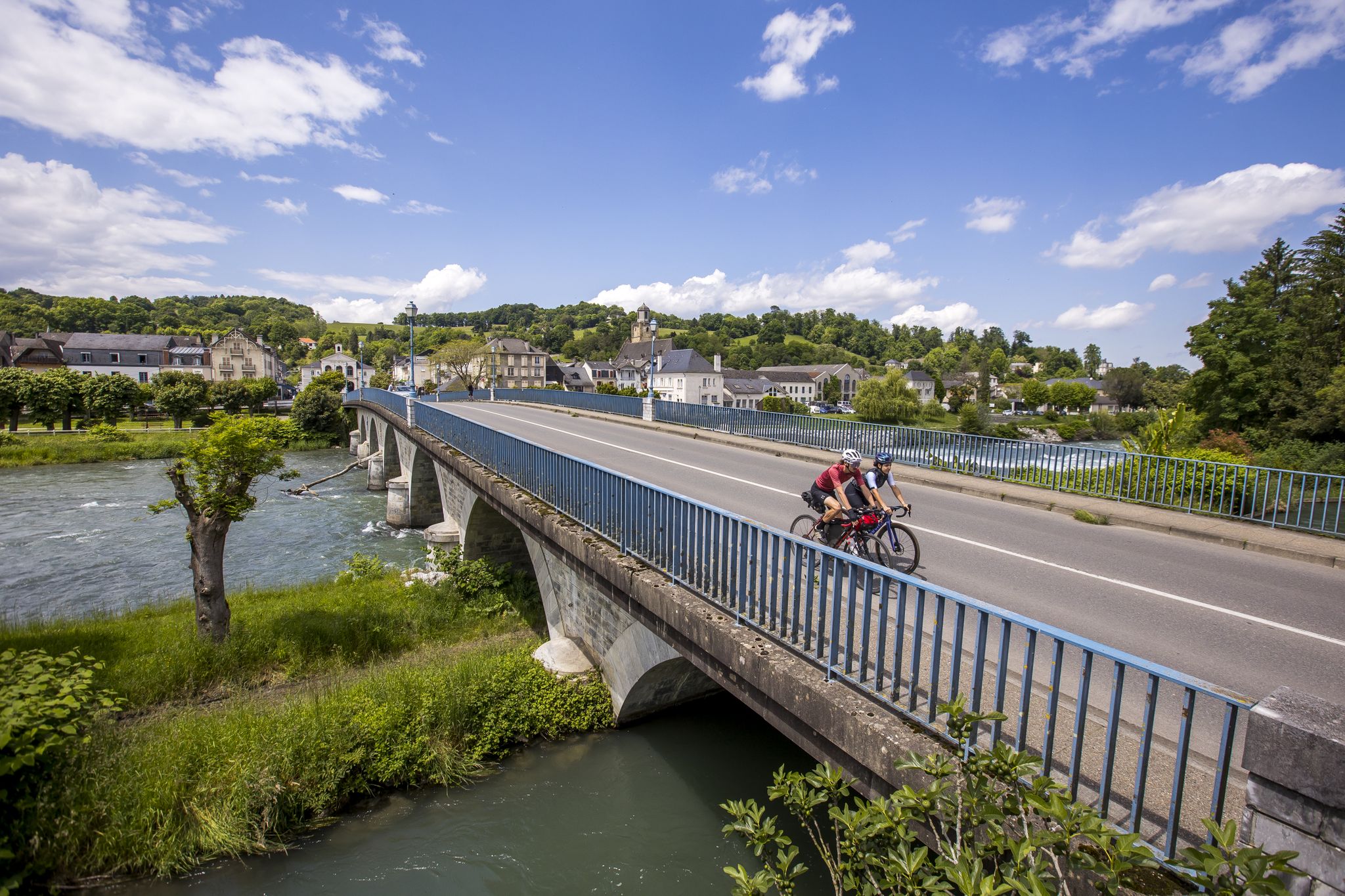
Pyrenees by bike – loops between Béarn and Basque Country
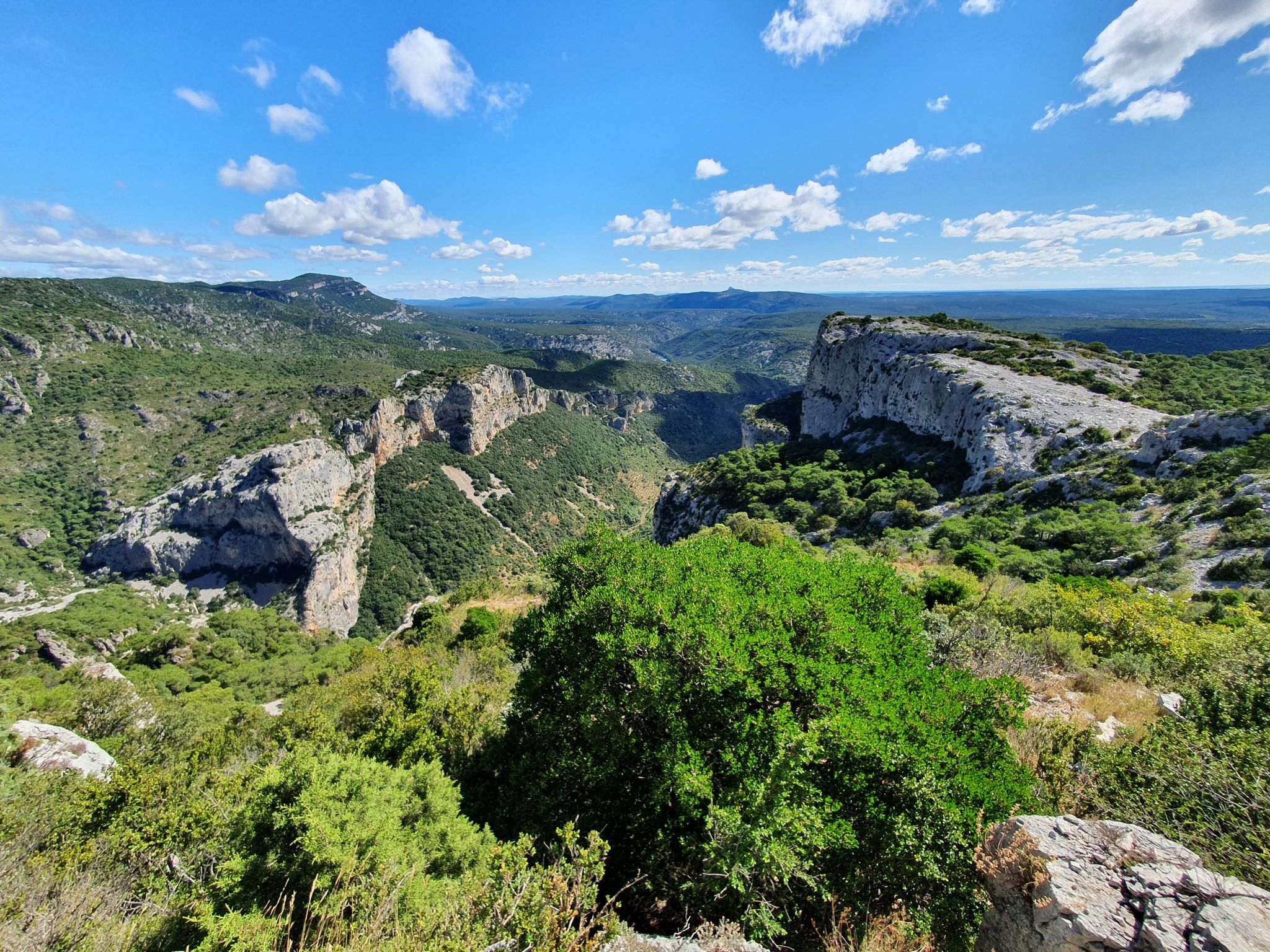
On the way to Compostela – Via Tolosana (Arles Way)
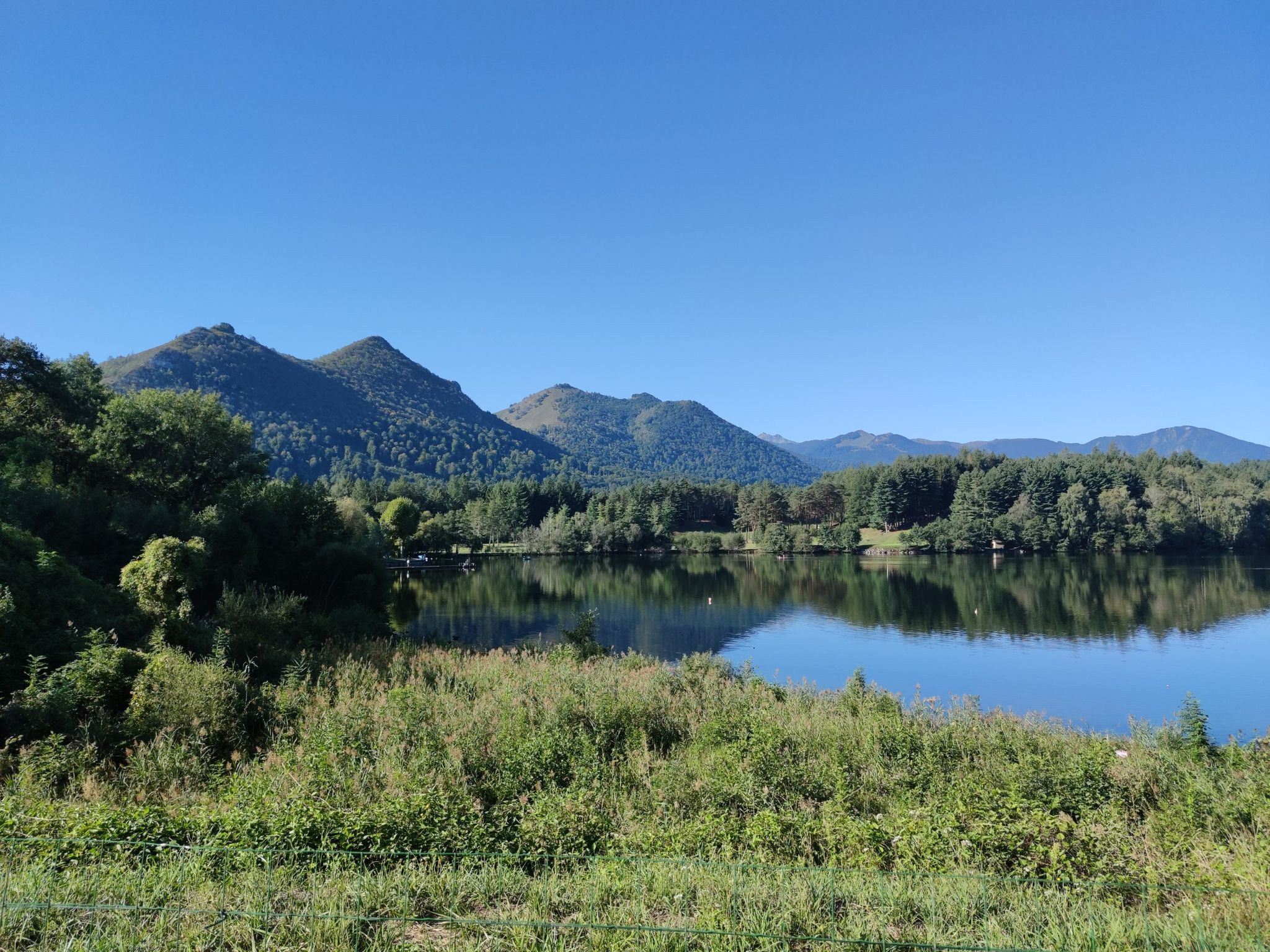
Henri IV Way – GR 782
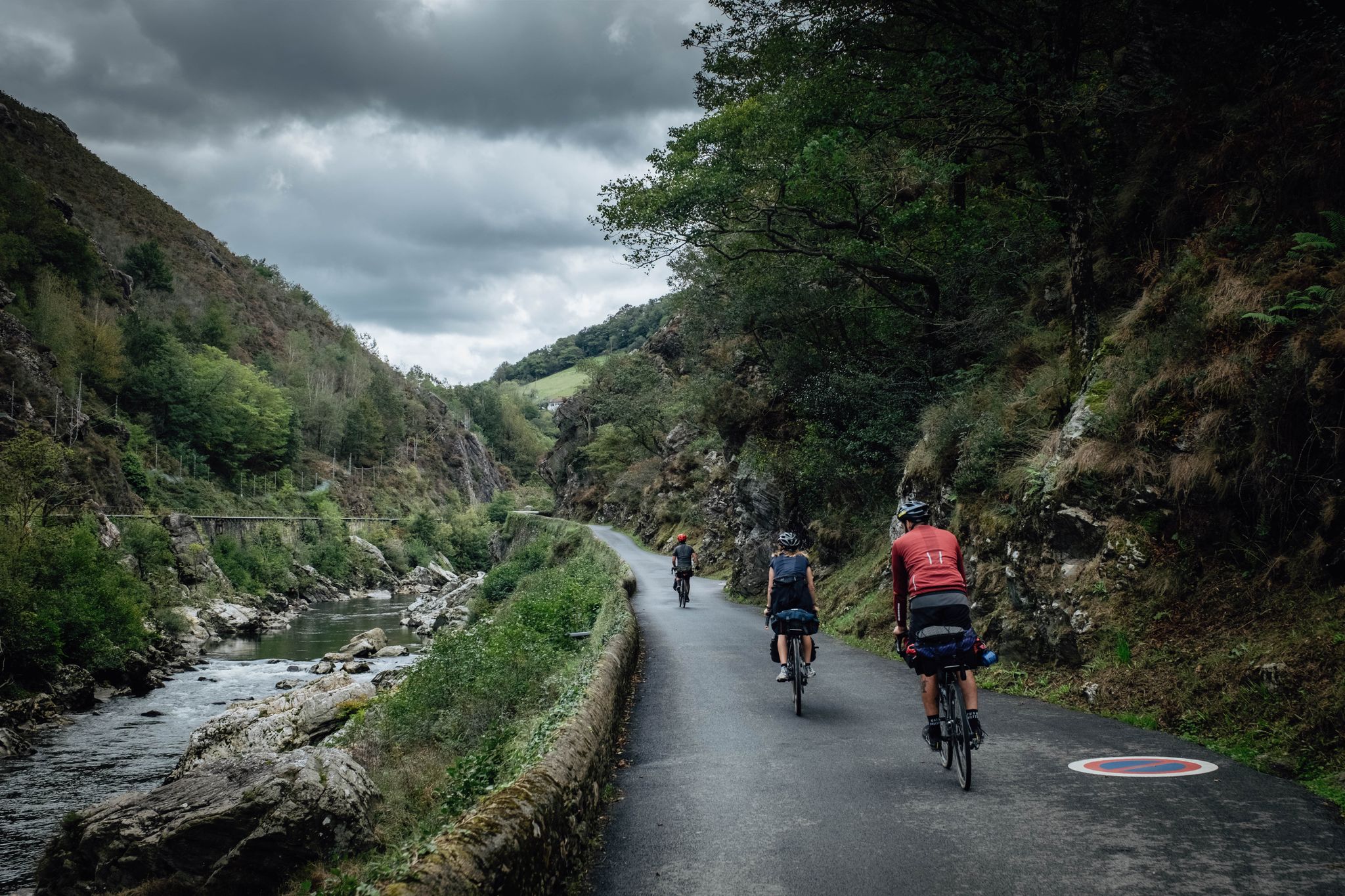
The flavours of France’s southwest – cycling through the delicacies
Road Cycling Routes around Pau
Cycling around Pau
Running Trails around Pau
Hiking around Pau
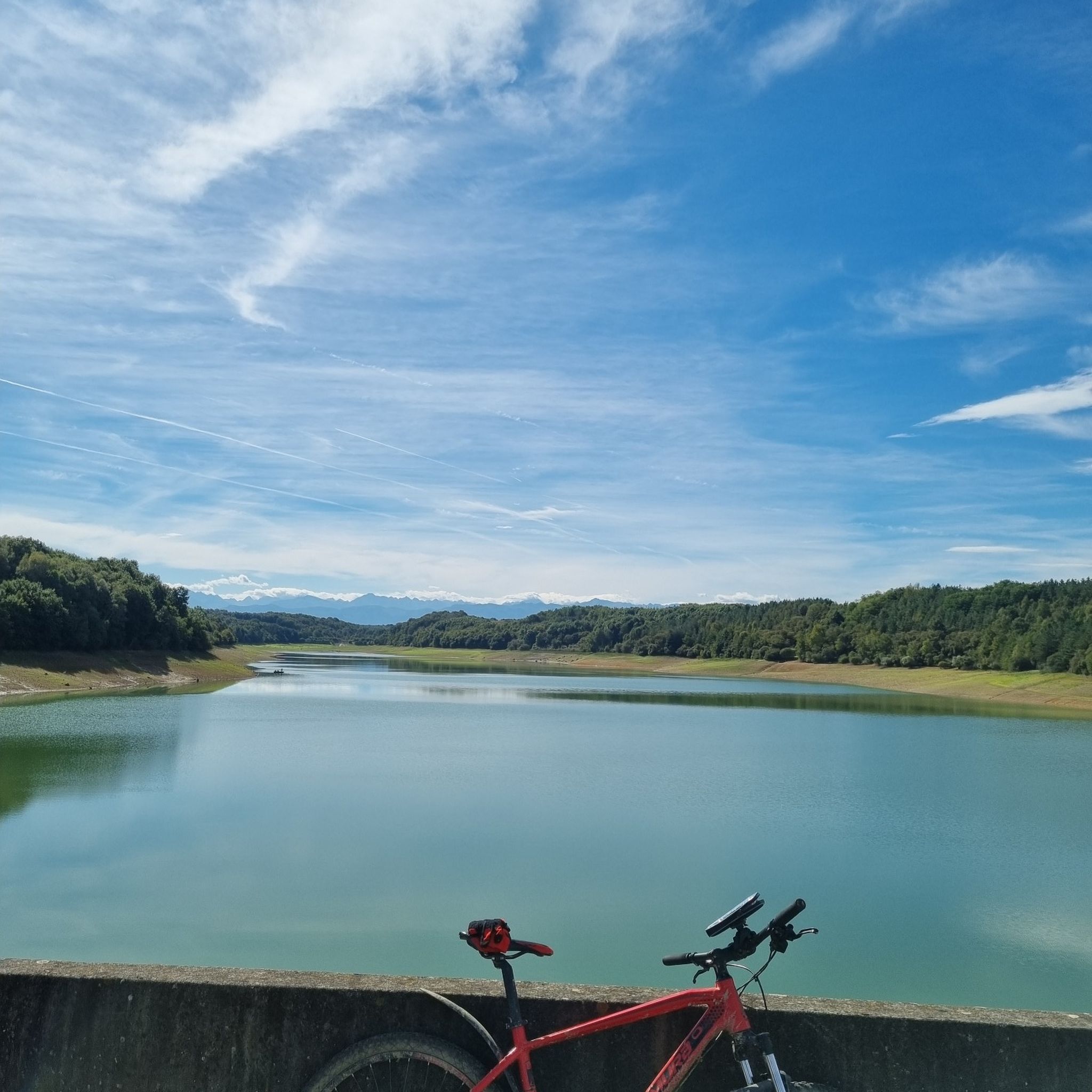
MTB Trails around Pau
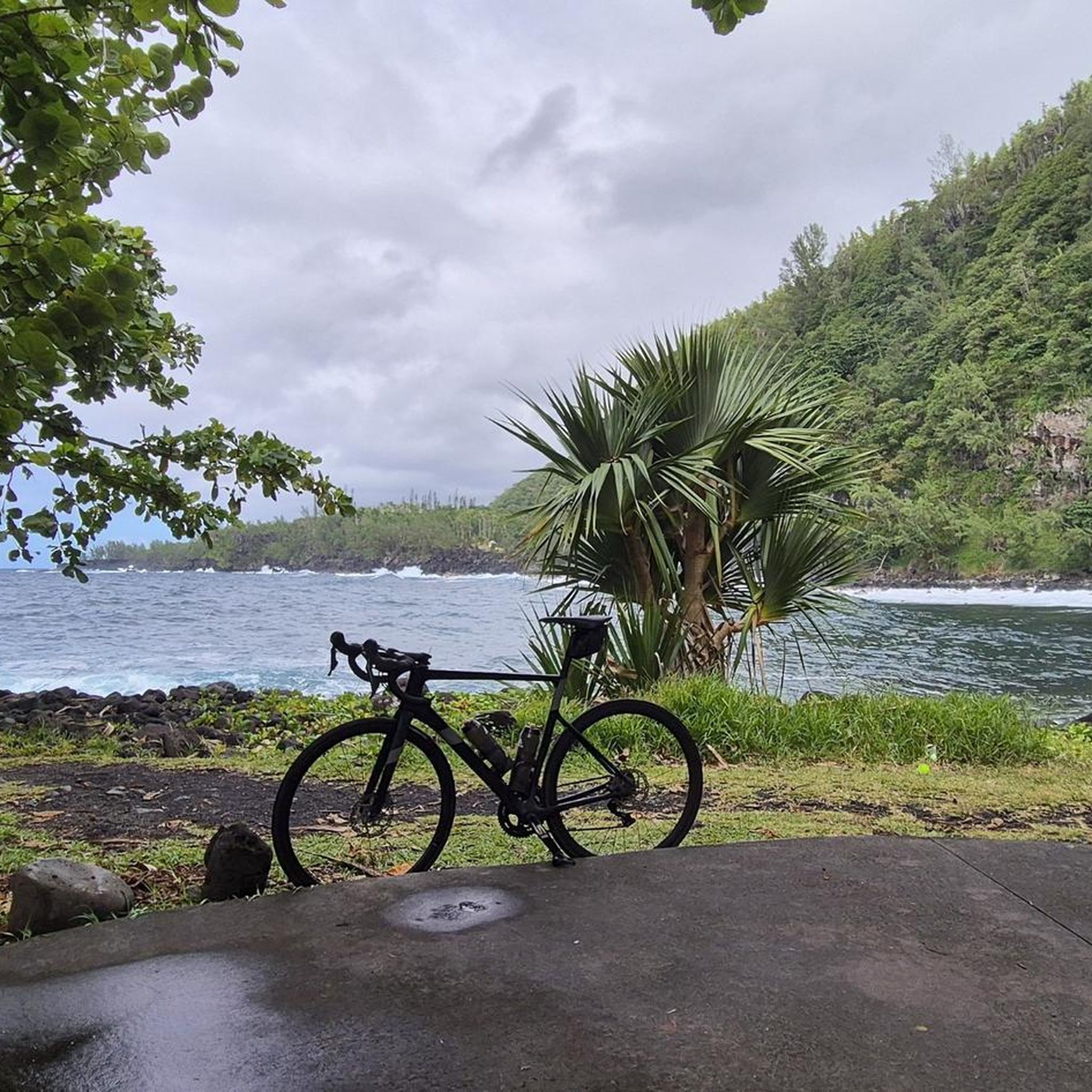
Gravel biking around Pau
Other adventures around Pau


Tips from the Community

Built between 1250 and 1280 by Gaston VII, Viscount of Béarn, on a rocky outcrop overlooking the gave. Gaston Fébus had the castle reinforced in 1370.
0
0

The medieval village of Morlanne, perched on a ridge, houses some beautiful treasures such as its castle, its fortified church, or some beautiful panoramas of the surrounding countryside. It is a choice stopover in the heart of Béarnaise authenticity.
0
0
Overlooking the vineyards with an unobstructed view to the Pyrenees, the château d’Arricau-Bordes embodies the wine-growing history of the territory. Built on foundations dating back to the Middle Ages, it bears witness to an ancient seigneurial past, which today is extended by an ancestral vineyard renovated and operated by four winegrowers.
0
0

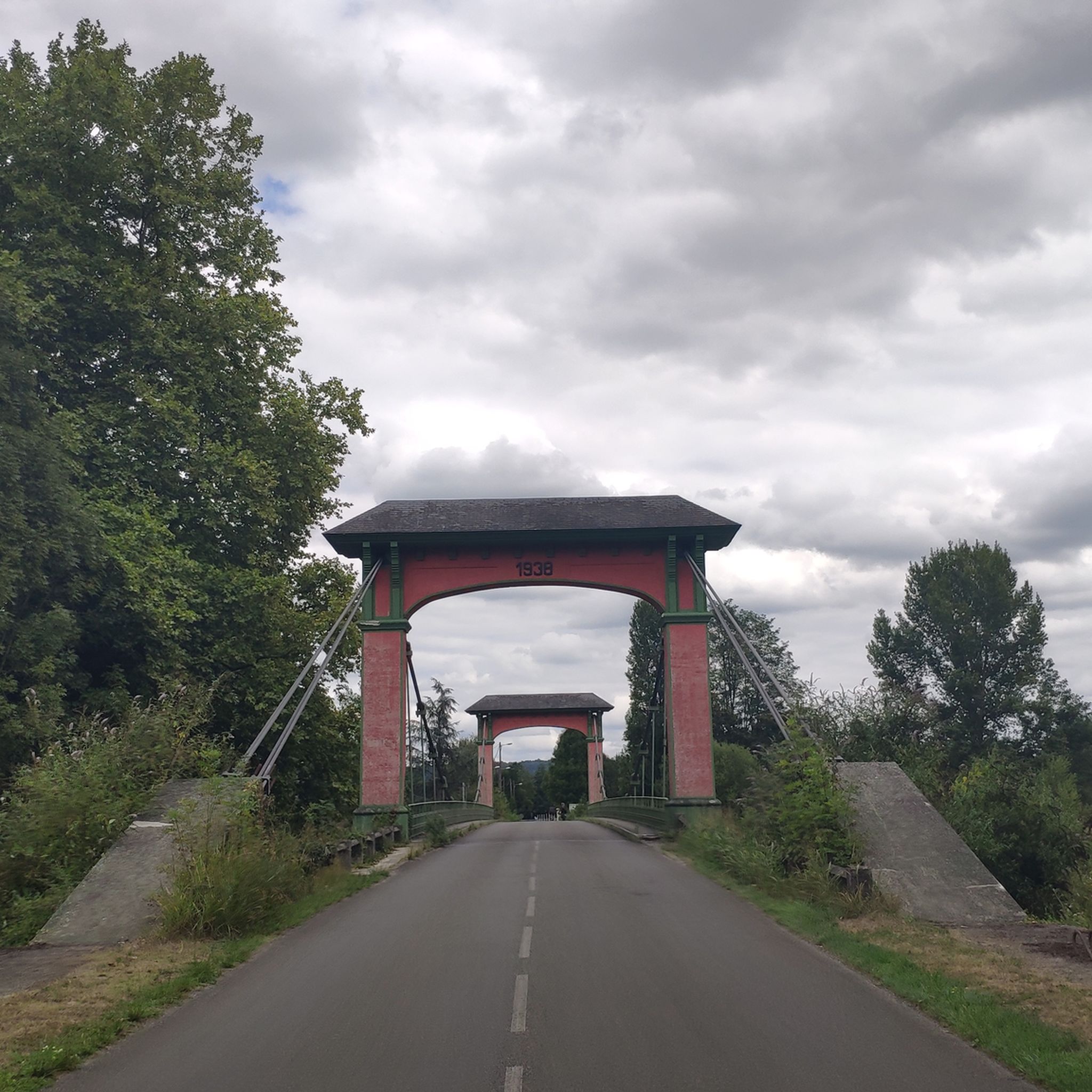
A beautiful bridge over the river here. It's great for cycling.
1
0

The Renaissance castle houses a museum where you can visit, among other things, the living quarters of the last imperial couple of France and the keep from the 14th century.
2
0

This 19th-century château, with its elegant stone façade and slender towers, stands majestically amidst formal gardens and vast lawns. Surrounded by woods and meadows, it offers a peaceful and refined setting, ideal for a stroll or a contemplative break. From the grounds and surrounding hills, the view from the château is simply magnificent.
1
0

Gaston Fébus, Jeanne d'Albret and Henri IV lived there.
1
0
Gaston III known as Fébus, Count of Foix and Viscount of Béarn. A strategic, clever, cunning and financial figure from the Middle Ages. He made it a stronghold of his stronghold.
0
0
Frequently Asked Questions
Which castles around Pau offer the best historical insights?
The National Museum and Estate of the Château de Pau is the most prominent, known as the birthplace of King Henri IV and housing a national museum with royal tapestries. Montaner Castle and Morlanne Castle, both built by Gaston Fébus, offer deep dives into medieval history with their imposing keeps and defensive architecture.
Are there family-friendly castles to visit near Pau?
Yes, several castles cater to families. The National Museum and Estate of the Château de Pau offers guided tours, temporary exhibitions, and activities like escape games and treasure hunts. Montaner Castle provides an immersive medieval experience with interactive tours, game trails, and summer entertainment like knights' battles and archery. Morlanne Castle also offers engaging multimedia tours.
Which castles around Pau offer the best views?
For breathtaking panoramic views, Montaner Castle's 40-meter-high red brick keep provides 360-degree vistas over the Adour plain and the Pyrenees. The National Museum and Estate of the Château de Pau also offers magnificent views of the city and the Pyrenees from its gardens. From the top of the keep and rampart walk at Morlanne Castle, you can also enjoy panoramic views of the Pyrenees.
What outdoor activities can I do near the castles around Pau?
The region around Pau offers various outdoor activities. You can find numerous hiking trails, such as the 'Small historic loop of Pau' or 'Over the dam wall loop from Eslourenties-Daban'. For running, consider the 'Château de Pau – View of Pau over the Mountains loop'. Mountain biking enthusiasts can explore routes like 'Loop in the parks of Pau'. You can find more details and routes in the Hiking around Pau, Running Trails around Pau, and MTB Trails around Pau guides.
Are there castles with notable gardens near Pau?
Yes, the National Museum and Estate of the Château de Pau is surrounded by beautiful royal gardens offering views of the Pyrenees. Additionally, the Château de Viven, located north of Pau, boasts nearly three hectares of gardens awarded the 'Remarkable Garden' label, featuring French and English romantic styles, a rose garden, and a bamboo grove. Franqueville Castle also stands amidst formal gardens and vast lawns, providing a peaceful setting.
What is the best time to visit the castles around Pau?
The spring and summer months (April to September) are generally ideal for visiting, as the weather is pleasant for exploring the castle grounds and gardens. During summer, many castles, like the National Museum and Estate of the Château de Pau and Montaner Castle, host cultural events, concerts, and medieval entertainment, enriching the visitor experience.
How long should I plan for a visit to the Château de Pau?
To fully appreciate the National Museum and Estate of the Château de Pau, including its national museum, royal tapestries, and gardens, plan for at least 2-3 hours. If you wish to participate in guided tours or special activities, allocate more time.
Are there any hidden gem castles or lesser-known historical sites near Pau?
While the Château de Pau is well-known, Morlanne Castle, a beautifully restored 14th-century fortress, is a unique find with its atypical brick and stone architecture and significant art collections. The Château de Viven, with its 'Remarkable Garden' label, also offers a tranquil and culturally rich experience away from the main tourist paths.
What kind of architecture can I expect to see in the castles around Pau?
The castles around Pau showcase a diverse range of architectural styles. The Château de Pau is a blend of medieval, Renaissance, Neo-Renaissance, and Neo-Gothic. Montaner Castle and Morlanne Castle are prime examples of 14th-century medieval fortified castles, with Montaner featuring a striking red brick keep and Morlanne known for its unique brick and stone construction. Franqueville Castle represents 19th-century château architecture with elegant stone facades.
Can I find information about parking or public transport for these castles?
For the National Museum and Estate of the Château de Pau, being in the city center, public transport is readily available, and paid parking options can be found nearby. For castles like Montaner Castle and Morlanne Castle, located in more rural settings, driving is often the most convenient option, and on-site or nearby parking is typically available. It's advisable to check specific castle websites for detailed access information.
Are there any castles near Pau that are dog-friendly?
While many castle interiors and formal gardens have restrictions, some castle grounds or surrounding natural areas may be dog-friendly. It is best to check the specific policies of each castle before your visit. For example, the extensive grounds around Franqueville Castle might offer opportunities for walks with dogs on a leash, but always confirm directly with the site.
What kind of events or cultural activities are hosted at the castles?
The National Museum and Estate of the Château de Pau's Cour d'Honneur hosts concerts and recitals, and during summer, film, sound, and light projections recount Henri IV's life. Montaner Castle offers medieval entertainment like knights' battles and archery during summer. The Château de Viven's outbuildings host a theater and rooms for cultural activities, concerts, and exhibitions throughout the year.
What is the significance of the turtle shell at Château de Pau?
At the National Museum and Estate of the Château de Pau, visitors can see the legendary turtle shell that is said to have served as the cradle for King Henri IV. This artifact offers a tangible and unique link to one of France's most popular monarchs, born in the castle in 1553.
Most popular routes around Pau
Most popular attractions around Pau

Get inspired with the komoot mobile app


Didn’t find what you were looking for?
Explore Pau’s best castles region by region:
Explore more
Looking for the best castles somewhere else? Discover other guides around Pau:
