Top 9 Castles around Loches
Best castles around Loches are situated in the Loire Valley, a region known for its historical significance and diverse architecture. The town of Loches is centered around its medieval fortress, the Cité royale de Loches, which stands on a rocky promontory. This area offers a deep dive into French history, showcasing structures from the 11th to the 16th century. The landscape features fortified cities and elegant royal residences, providing a rich historical and architectural experience.
Best castles around Loches
- The…
Last updated: June 22, 2026
Boussay Castle
Highlight • Castle
The …
Translated by Google •
Tip by

Châtelier Castle
Highlight • Castle
Translated by Google •
Tip by
Sign up now to discover places like this
Get recommendations on the best single tracks, peaks, & plenty of other exciting outdoor places.
Sign up for free
Grand-Pressigny Prehistory Museum
Highlight • Historical Site
Translated by Google •
Tip by
Loches Castle
Highlight • Castle
Translated by Google •
Tip by

Montrésor Castle
Highlight • Castle
Translated by Google •
Tip by

Château du Louroux
Highlight • Castle
Translated by Google •
Tip by

Château de la Guerche
Highlight • Castle
Translated by Google •
Tip by

Entrance Gate of the Ramparts of the Château de Loches
Highlight • Castle
Translated by Google •
Tip by

Former abbey farm, Prieuré du Louroux
Highlight • Castle
Translated by Google •
Tip by
Start today with a free account
Your next adventure awaits.
Login or Signup
Popular around Loches

Around the World in 80 Days
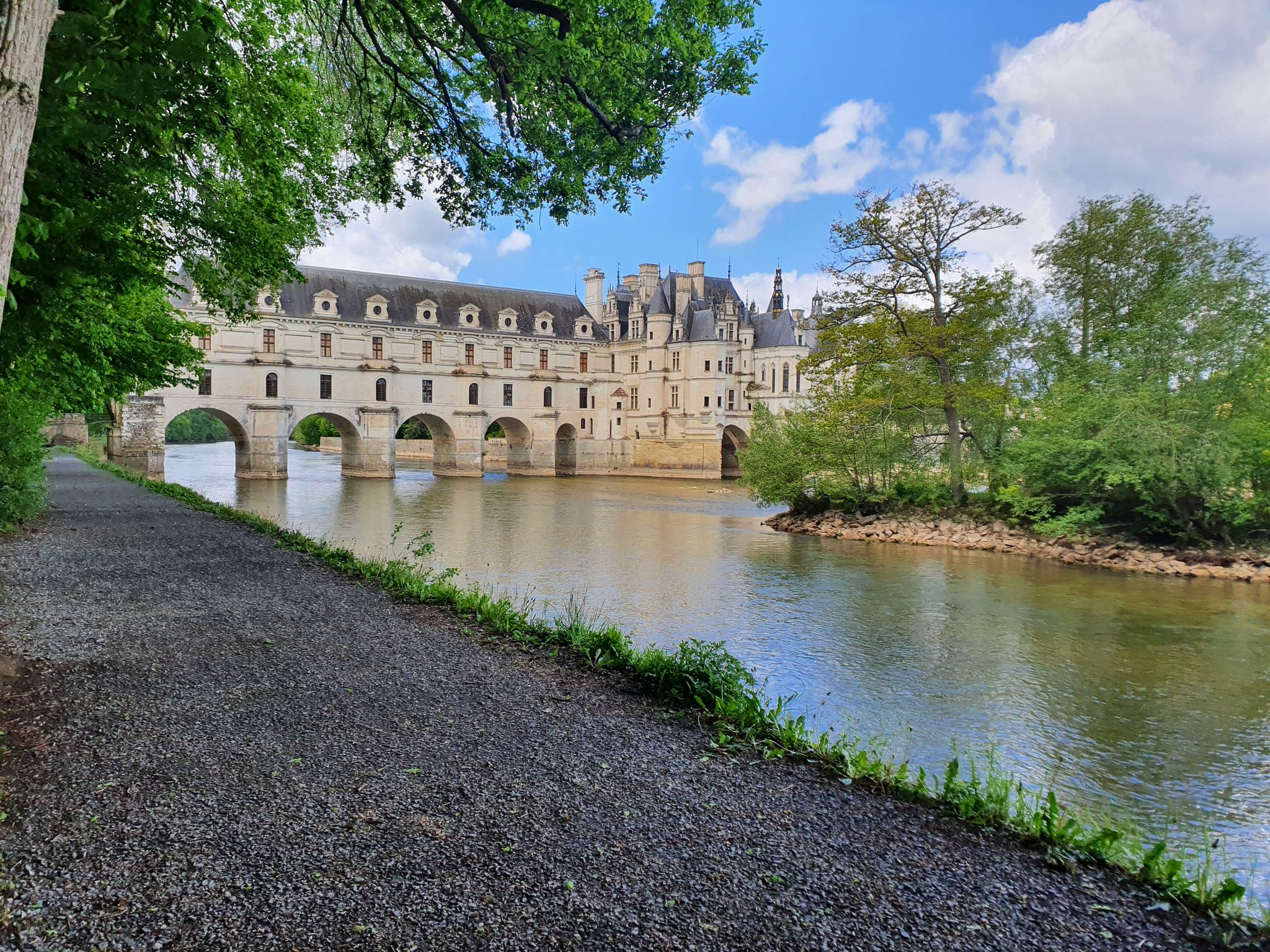
Unexpected castles – cycle the secret Loire Valley in France
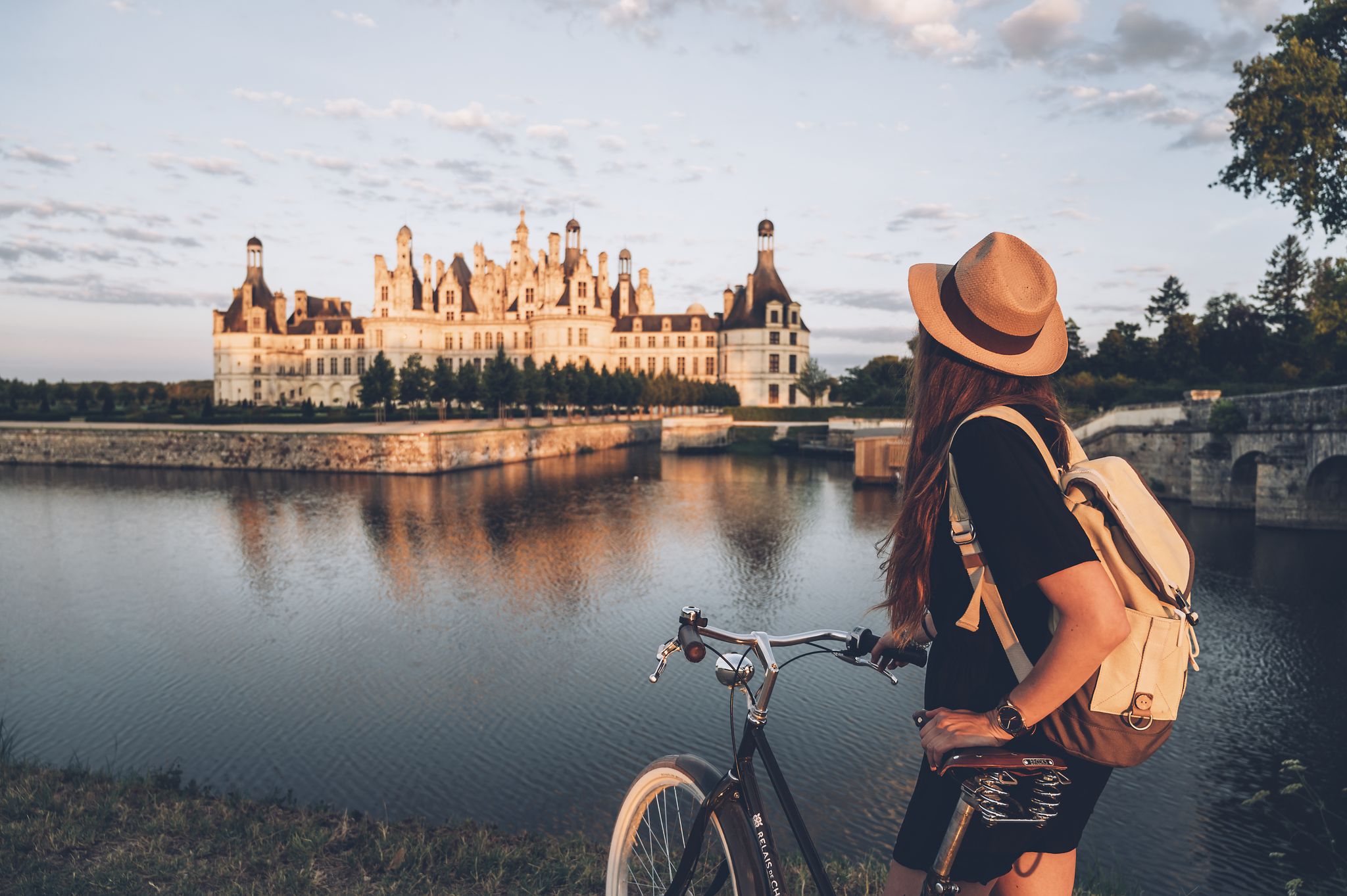
Nature and Culture — discover the Loire and its castles by bike
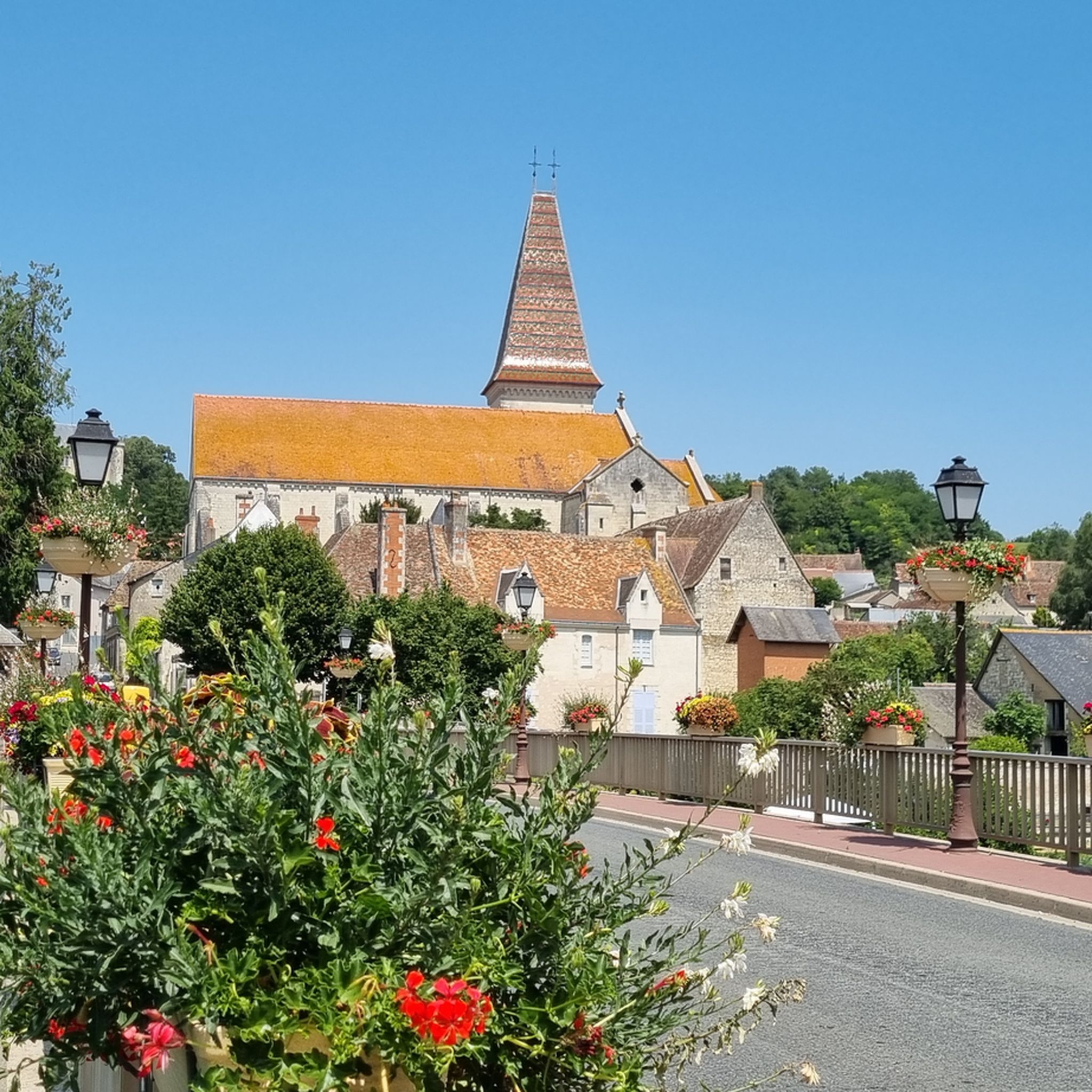
Road Cycling Routes around Loches
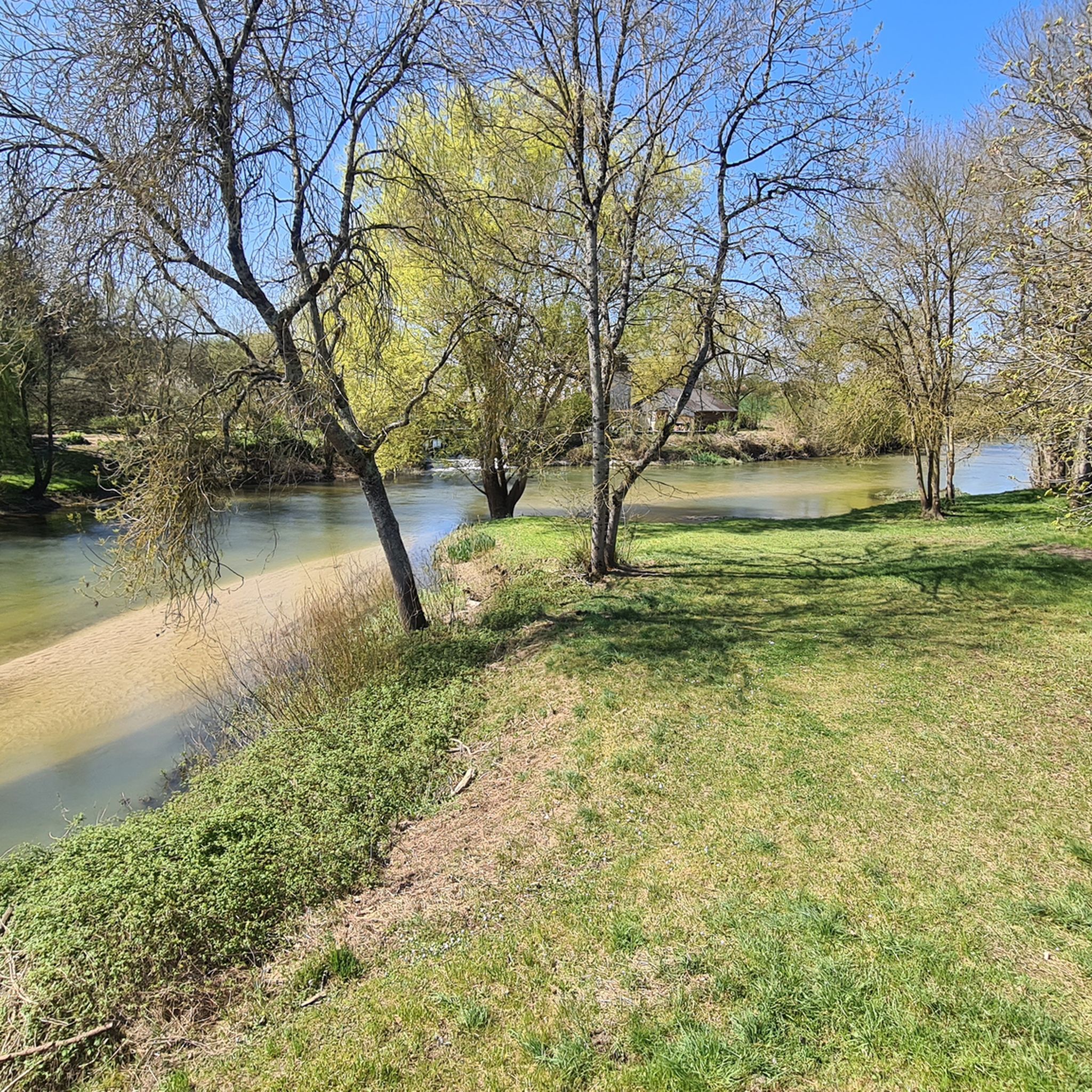
Hiking around Loches
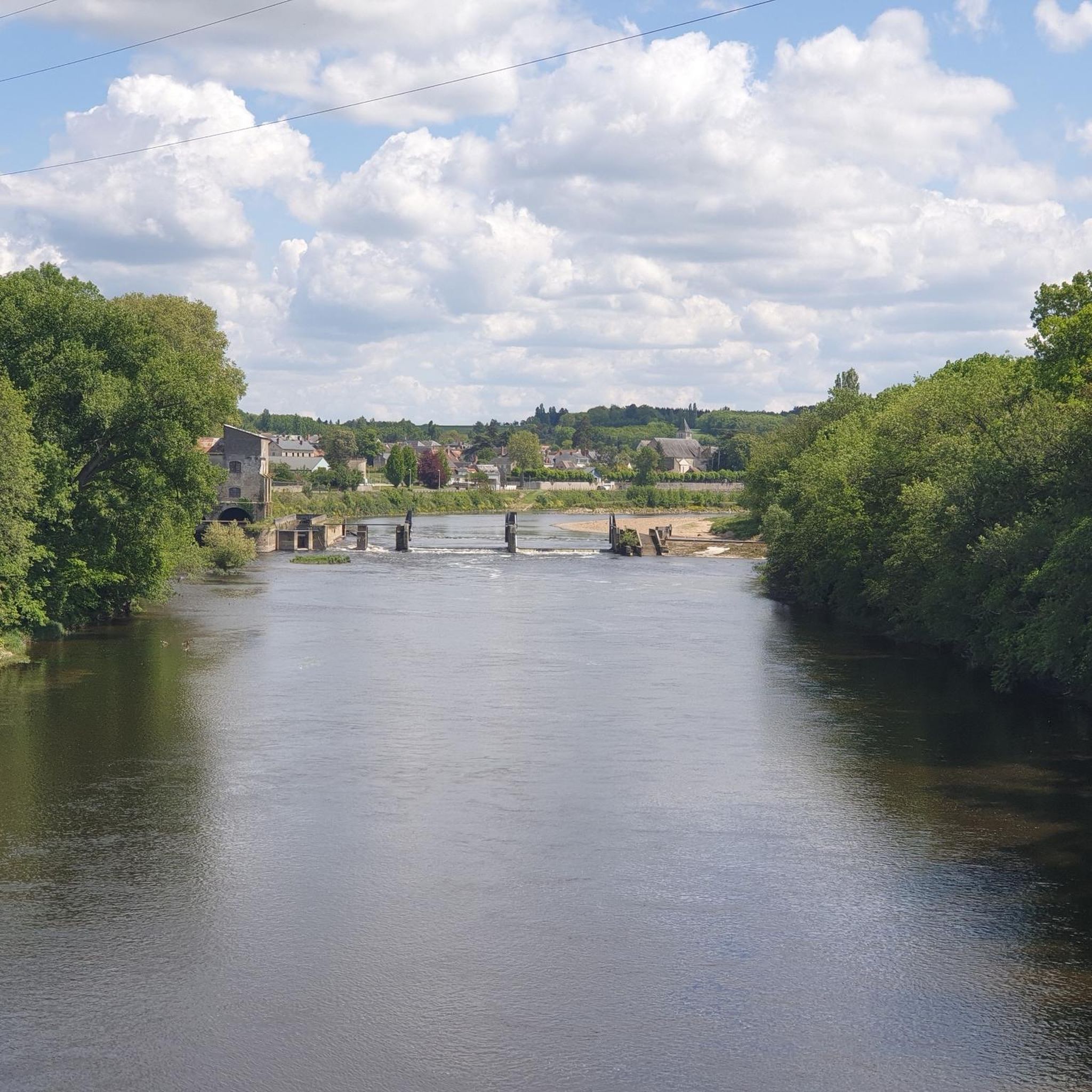
Cycling around Loches
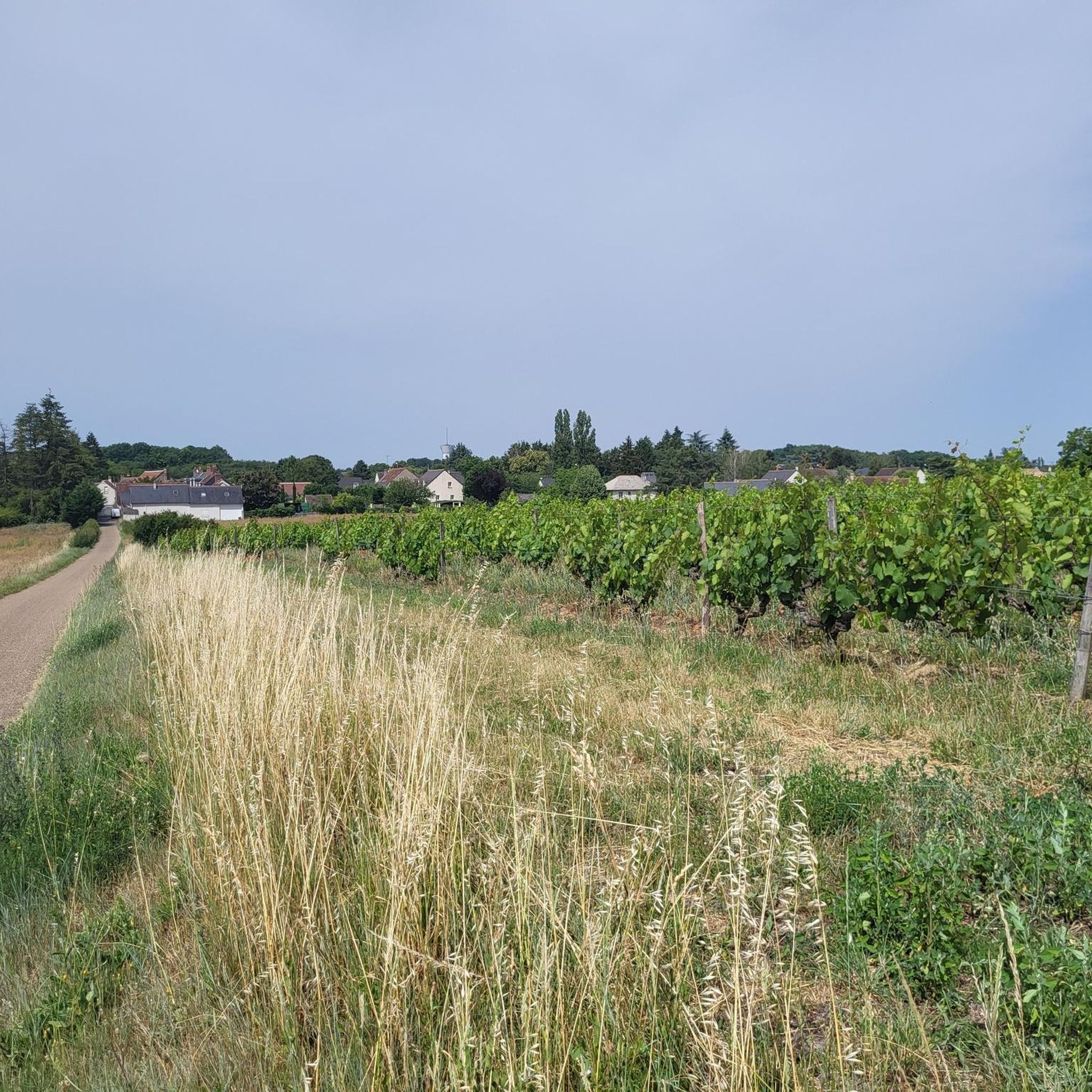
Running Trails around Loches
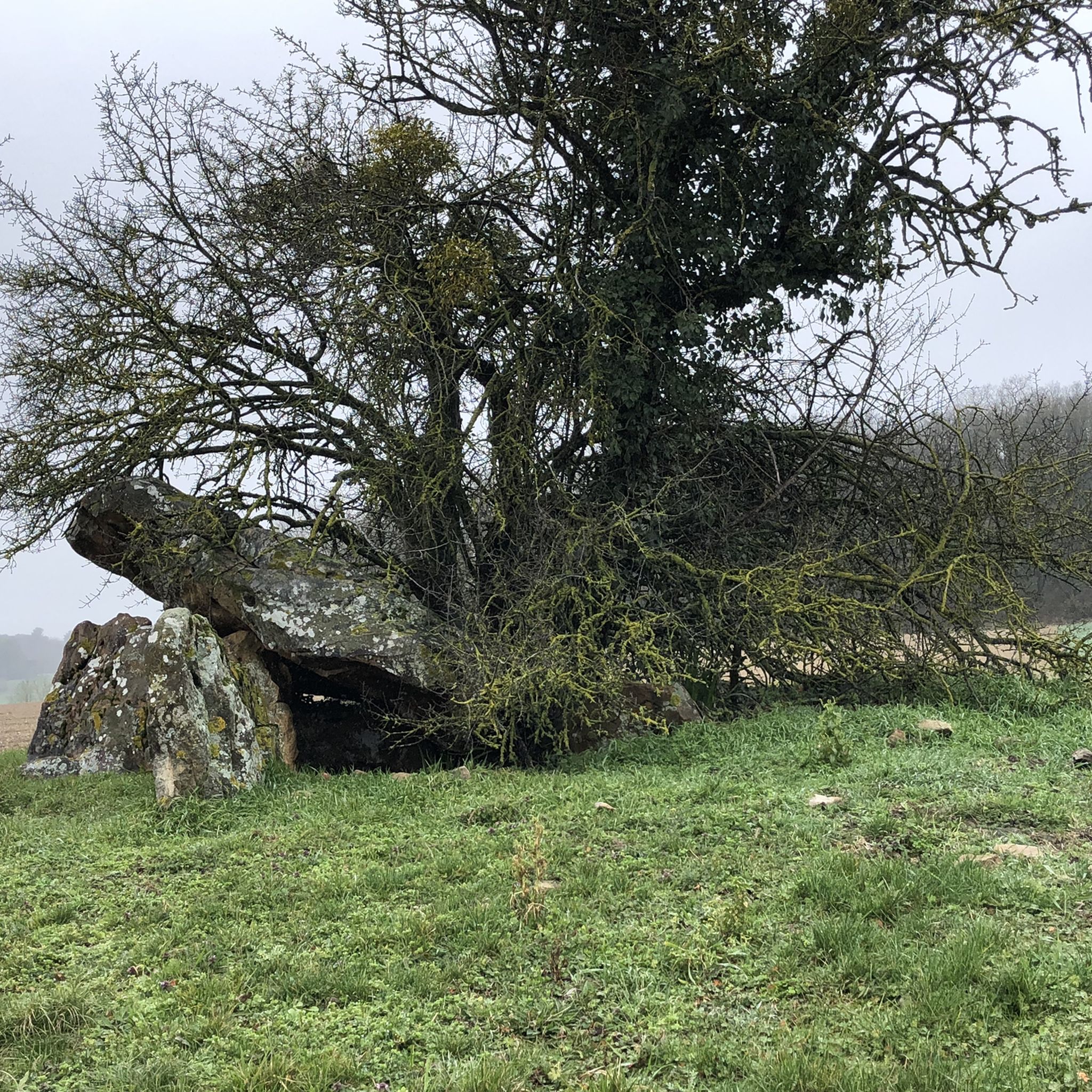
MTB Trails around Loches

Gravel biking around Loches


Tips from the Community


The Musée de la Préhistoire du Grand-Pressigny is a must-see site for history and prehistory enthusiasts, located in the village of Grand-Pressigny, in Indre-et-Loire, Centre-Val de Loire region. This museum is housed in a remarkable setting, within the Château du Grand-Pressigny, and offers a fascinating dive into the origins of humanity. Points of Interest: Exceptional Collections: European Prehistory: The museum houses one of the richest and most complete collections in France on Prehistory. It exhibits objects dating from the Paleolithic to the Neolithic, with a particular focus on flint tools produced in the region. The Silex du Grand-Pressigny: The museum is renowned for its exceptional flint pieces. Le Grand-Pressigny is famous for its production of large flint blades, which were traded over vast distances across Europe during the Neolithic. Why visit the Musée de la Préhistoire du Grand-Pressigny? A dive into prehistory: The museum offers a fascinating immersion into the early stages of human history, with remarkable artifacts that tell the story of the lives of the region’s first inhabitants. Exceptional historical setting: Housed in a historic castle, the museum combines archaeological discovery with the exploration of a remarkable architectural heritage. Enriching activities: Interactive workshops and temporary exhibitions enrich the experience, making it accessible and captivating for all ages. In short, the Musée de la Préhistoire du Grand-Pressigny is an enriching destination for anyone interested in prehistory, archaeology, or who simply wants to discover a fascinating aspect of the region’s heritage.
1
0
The Château de Boussay is a castle located in the commune of Boussay, in Indre-et-Loire, in the Centre-Val de Loire region, not far from the Vienne. This castle, although less known than the famous castles of the Loire, offers a particular charm with its history, its architecture and its natural environment. Points of Interest: History and Architecture: Medieval Origins: The Château de Boussay dates back to the Middle Ages, with origins that can be traced back to the 12th century. It was modified and enlarged over the centuries, particularly during the Renaissance, which gives it a unique architecture that mixes medieval and classical elements. Architecture: The castle has an architecture typical of the manors of the region with round towers, moats, and an elegant main building. The different periods of construction are reflected in the architectural styles present on the site. Why visit the Château de Boussay? Historical Heritage: The Château de Boussay offers a dive into medieval and Renaissance history, with preserved architecture and a rich history to discover. Natural Setting: The castle is surrounded by a magnificent park that invites you to walk and relax, ideal for an outing with family or as a couple. Cultural Experience: The guided tours and cultural events organized at the castle allow you to discover the heritage from a different angle, enriching the visit with varied activities. In short, the Château de Boussay is an interesting destination for lovers of history, architecture, and nature, offering an authentic and enriching experience in a peaceful and historical setting.
1
0

The Chateau de Louroux, or priory of Louroux, is a fortified priory in the 13th century, dependent on the abbey of Marmoutier. The priory housed the Benedictine monks who had the pond dug to provide them with fish and create a water reserve for their mill. The castle can only be visited from the outside.
0
0
Medieval citadel built on a rocky promontory surrounded by a water moat. The site is surrounded by ramparts. The main building dates from the Renaissance and the beginning of the 17th century.
0
0

View of the magnificent Château de la Guerche from the bridge over the Creuse. The castle and the park can be visited. http://www.chateaudelaguerche.com/
1
0

After exploring the ramparts and the castle, come down to enjoy the medieval atmosphere of the city.
0
0
Frequently Asked Questions
What is the historical significance of the castles around Loches?
The castles around Loches are deeply rooted in French history, particularly from the Middle Ages to the Renaissance. The region was a strategic point, leading to the construction of formidable fortresses like the Loches Castle, which includes the Donjon de Loches, an 11th-century Romanesque keep. These sites played crucial roles in conflicts between French kings and the Plantagenets and served as royal residences for figures like Charles VII and Joan of Arc.
Are there any particularly well-preserved medieval castles in the area?
Yes, the Loches Castle, specifically its Donjon, is an outstanding example of 11th-century Romanesque military architecture and one of the most imposing keeps in Europe. Its massive walls and strategic position offer an immersive experience into medieval warfare and prison life. Another notable medieval site is Châtelier Castle, built during the 12th and 13th centuries, featuring a spectacular beaked dungeon and surrounded by a moat.
Can I visit a castle that was a royal residence?
Absolutely. The Loches Castle complex includes the Logis Royal de Loches, a splendid example of Gothic and Flamboyant Gothic architecture. This was a favorite residence for the Valois dynasty and hosted kings like Charles VII, Charles VIII, and Louis XII, as well as historical figures such as Joan of Arc and Agnès Sorel.
Are there family-friendly castles to visit near Loches?
Several castles in the region offer family-friendly experiences. Montrésor Castle and Château de la Guerche are noted as family-friendly. Additionally, the Grand-Pressigny Prehistory Museum, housed within a castle, provides interactive workshops and exhibits that are engaging for all ages.
What kind of architecture can I expect to see in the castles around Loches?
The castles around Loches showcase a diverse range of architectural styles, reflecting centuries of construction and adaptation. You'll find robust Romanesque military architecture, such as the 11th-century keep of Loches Castle, alongside elegant Gothic and Flamboyant Gothic designs in the Logis Royal. Some castles, like Boussay Castle, also feature elements from the Renaissance, blending medieval and classical styles.
What outdoor activities can I do near the castles around Loches?
The area around Loches offers various outdoor activities. You can explore numerous hiking trails, ranging from easy loops like the 'Le Louroux loop' or 'Loches loop' to more moderate options such as the 'Montrésor loop'. For cyclists, there are road cycling routes like the 'Royal City of Loches Loop' and touring bicycle routes, including the 'From Loches to Montrésor' loop. You can find more details on these routes in the hiking guide, road cycling guide, and cycling guide for Loches.
Are there hiking trails near the castles?
Yes, there are several hiking trails near the castles. For example, you can enjoy an easy 'Le Louroux loop' or 'Loches loop', or a moderate 'Montrésor loop'. These trails allow you to combine castle visits with scenic walks through the surrounding natural landscapes. More information on these routes can be found in the hiking guide around Loches.
Can I find good viewpoints of the castles or the surrounding area?
Yes, many castles offer excellent viewpoints. Climbing to the summit of the Donjon at Loches Castle provides breathtaking panoramic views of the town of Loches and the Indre Valley. Additionally, Château de la Guerche and the dedicated View of the Château de la Guerche highlight are known for their scenic vistas.
What is the best time of year to visit the castles around Loches?
The Loire Valley, including Loches, is generally pleasant to visit from spring (April-May) through early autumn (September-October). During these months, the weather is typically mild, and the castle grounds and gardens are in full bloom or displaying autumn colors. Summer (June-August) is also popular, but can be warmer and more crowded.
Are there any less crowded or 'hidden gem' castles to explore?
While Loches Castle is a major attraction, you might find a more tranquil experience at places like Boussay Castle, which, despite its long history, is less known than the more famous Loire castles. Its surrounding park can be visited freely. Another option is Château du Louroux, offering a historical site away from the main tourist routes.
Are there any castles with unique historical features, like a prison?
Yes, the Donjon de Loches, part of Loches Castle, served as a royal prison from the 15th century until 1926. It housed notable figures such as Ludovico Sforza, Duke of Milan, whose cells are decorated with frescoes and his maxim. The Louis XI tower within the keep also features prisoner graffiti, offering a unique glimpse into its past.
Can I visit a castle that is also a museum?
Yes, the Loches Castle complex, including the Logis Royal, has operated as a museum since 1985. It houses an extensive collection of medieval armor and historical artifacts, with rooms themed to present various historical figures associated with the castle. Additionally, the Grand-Pressigny Prehistory Museum is housed within the Château du Grand-Pressigny, offering a fascinating dive into prehistory.
Most popular routes around Loches
Most popular attractions around Loches

Get inspired with the komoot mobile app


Didn’t find what you were looking for?
Explore Loches’s best castles region by region:
Explore more
Looking for the best castles somewhere else? Discover other guides around Loches:
