Top 4 Castles around Hartington Upper Quarter
Best castles near Hartington Upper Quarter offers insights into the historical landscape of the Peak District. While Hartington Upper Quarter itself does not contain standing castles, the adjacent Hartington Town Quarter is home to significant historical sites. The area is characterized by its limestone dales, rolling hills, and the River Dove, providing a scenic backdrop for exploring historical remains. Visitors can discover ancient fortifications and other historical buildings that reflect the region's rich past.
Best castles around Hartington Upper Quarter
…Last updated: July 4, 2026
The Cage at Lyme Park
Highlight • Historical Site
Tip by

Magpie Mine
Highlight • Historical Site
Tip by
Sign up now to discover places like this
Get recommendations on the best single tracks, peaks, & plenty of other exciting outdoor places.
Sign up for free
Pilsbury Castle Earthworks
Highlight • Natural Monument
Tip by

Technical Bridleway in Peak District National Park
Highlight (Segment) • Cycleway
Tip by

Pilsbury Castle and Panoramic Views of the Dove Valley
Highlight (Segment) • Castle
Tip by

Start today with a free account
Your next adventure awaits.
Login or Signup
Popular around Hartington Upper Quarter
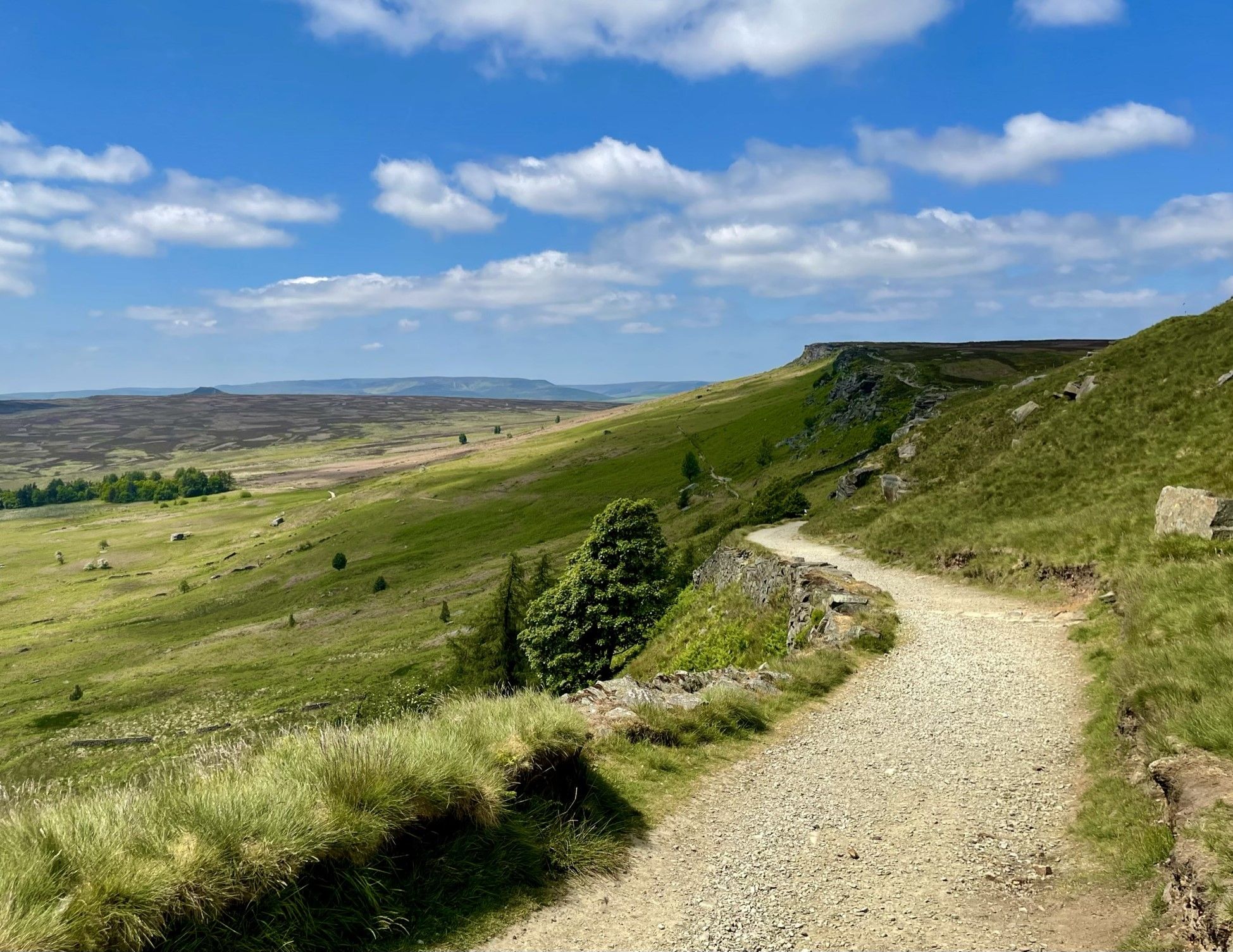
Rugged moors, dales and epic trails – Peak District gravel weekender
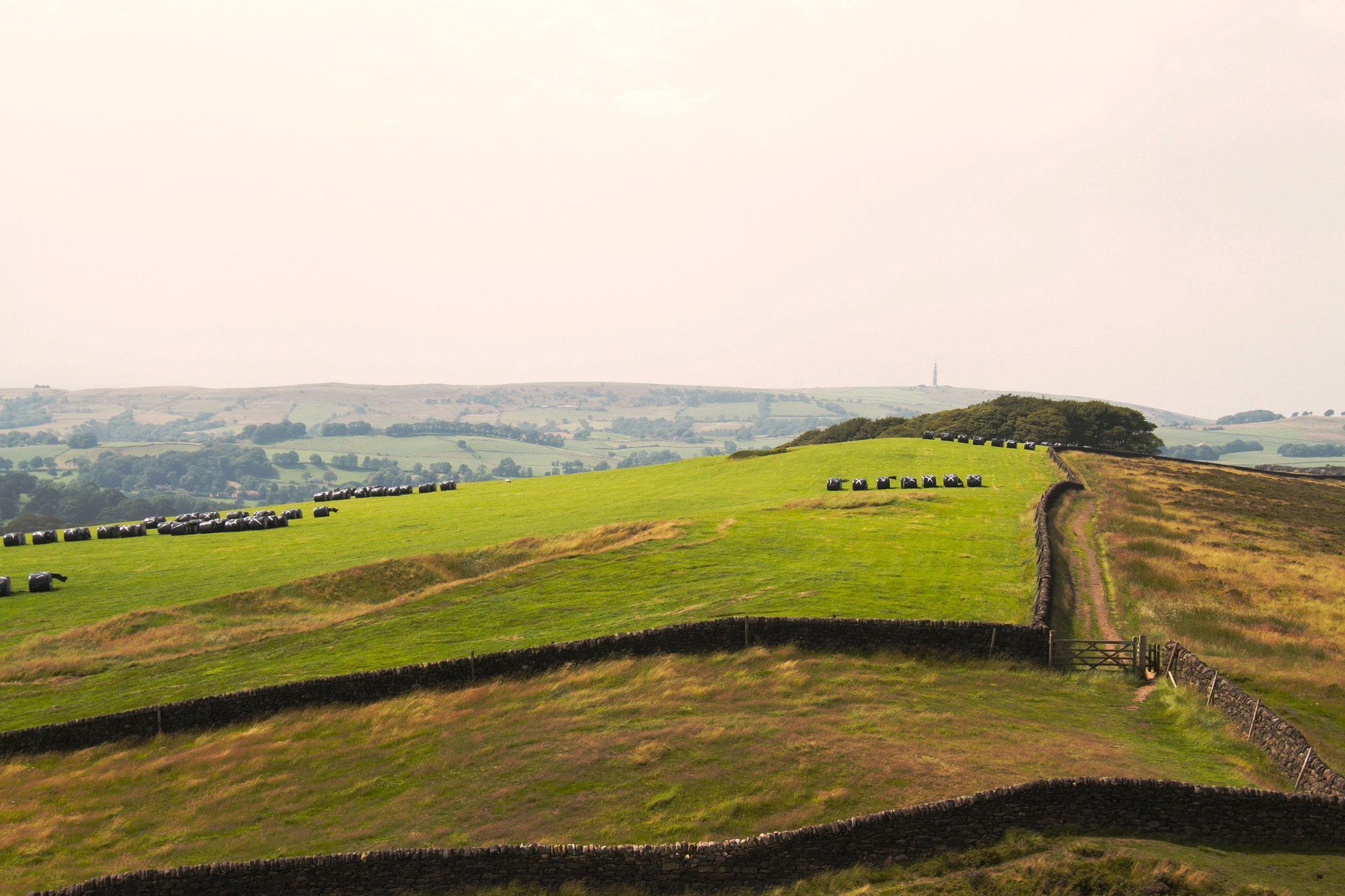
The Dark Peak — true northern grit in the Peak District
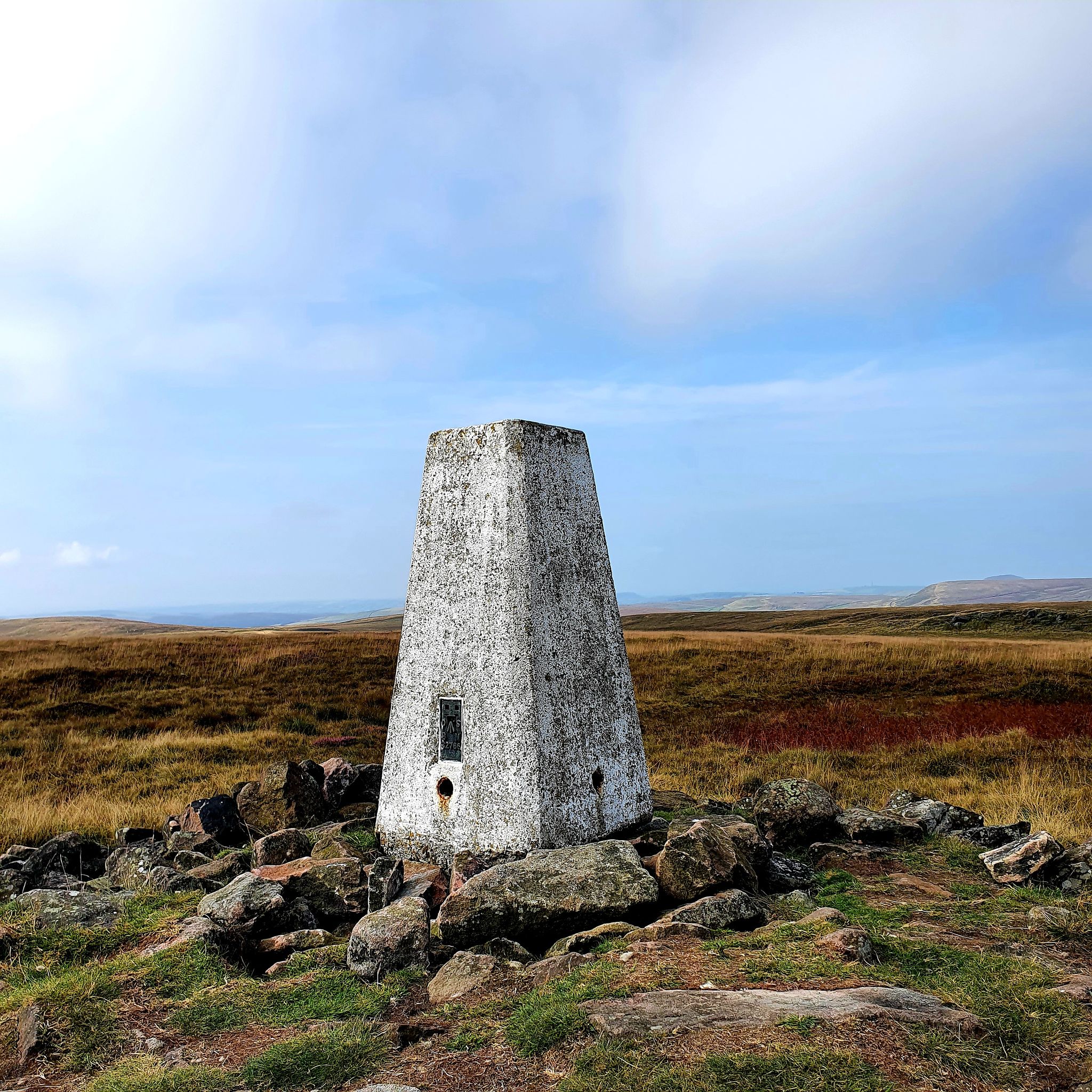
Hiking around Hartington Upper Quarter
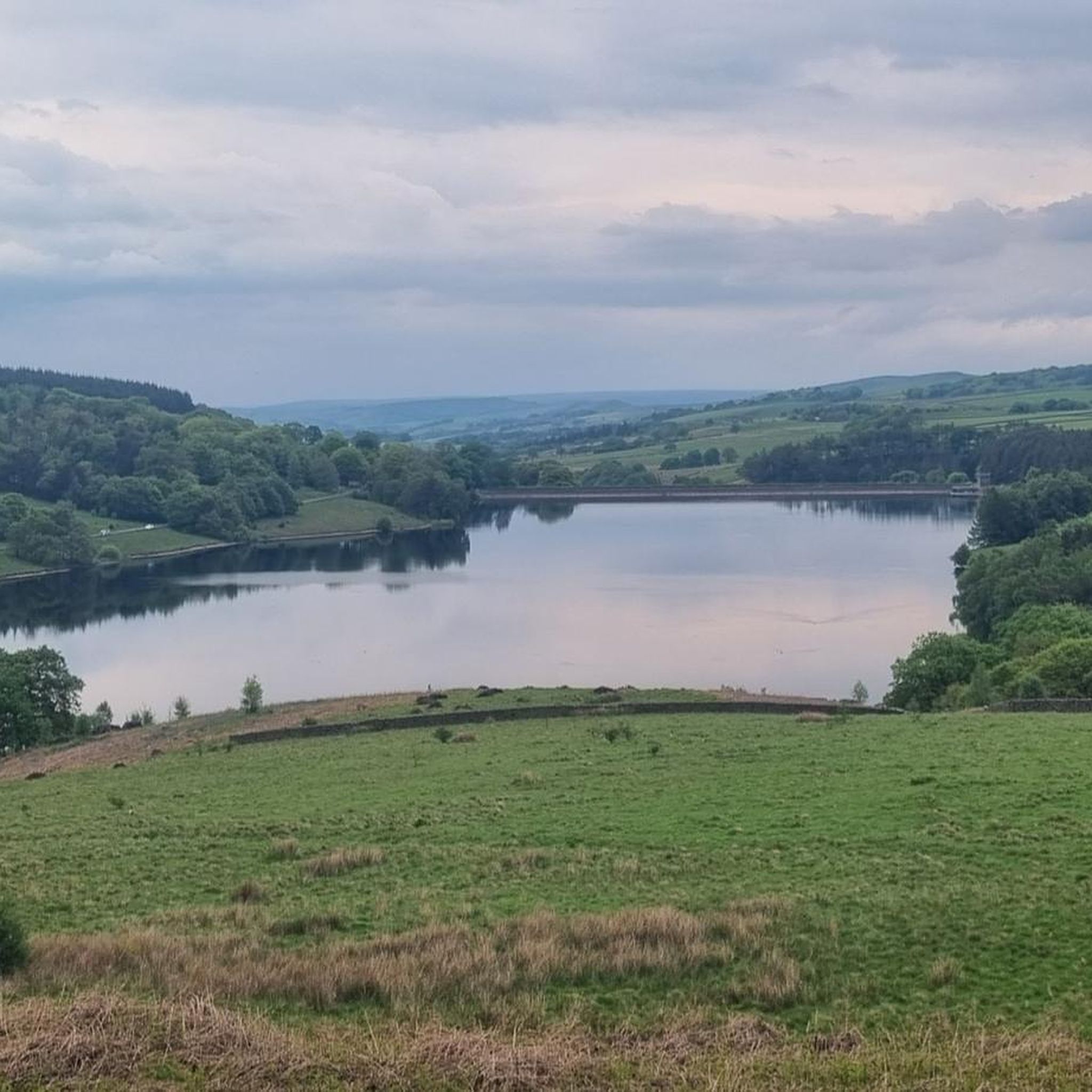
Running Trails around Hartington Upper Quarter
Cycling around Hartington Upper Quarter
Road Cycling Routes around Hartington Upper Quarter
MTB Trails around Hartington Upper Quarter
Gravel biking around Hartington Upper Quarter
Mountain Hikes around Hartington Upper Quarter
Other adventures around Hartington Upper Quarter


Tips from the Community

Magpie mine very impressive with some old buildings and machinery, there is a QR code that will give information on the mine
0
0

A gentle climb up the hill to The Cage. Don't forget to look for the OS benchmark carved onto the side of the building!
0
0

The Cage 265.7m P10.1 (872ft) (Hill ID: 512903) [JNSA N/a] Peak District National Park Definitive List summit.
0
0

An alternative suggestion is that it was built by Robert de Ferrers or his father, around the period known as The Anarchy for, while the de Ferrers supported Stephen of England, the neighbouring Earl of Chester supported Empress Matilda. The castle itself includes a motte and two bailey enclosures, approximately 40 metres and 45 metres across respectively. It had timber defences, ditches and additional flanking earthworks. The castle appears to have been abandoned in subsequent years, and it may be that it was destroyed after William de Ferrers' part in the Revolt of 1173–74, or it might have become abandoned when the land passed to the Duchy of Lancaster after the sixth Earl was dispossessed. Alternatively, it may simply have become redundant as nearby Hartington grew in importance and the village of Pilsbury became increasingly depopulated.
0
0
Pilsbury Castle occupied an area of high ground approximately 175 by 150 yards overlooking the River Dove, near the village of Pilsbury. The castle was probably originally an Iron Age fortification before being used by the Normans, and the name "Pilsbury Castle" forms from the Celtic pil, the Saxon bury and the Norman castel, all meaning "fortified site". In early medieval times, the site would have been located along the River Dove routeway, and would also have overlooked a key crossing point. The Normans built a substantial motte-and-bailey castle on the site, and several theories have been put forward as to when and who did so. One theory is that the castle was built in the years following the Norman conquest of England. The area around Pilsbury was granted to Henry de Ferrers by King William; the area was devastated during the harrying of the North, and the castle may have been built in the aftermath by Henry to establish control.
0
0

What a fabulous post this has been. Never seen this kind of useful post. I am grateful to you and expect more number of posts like these. Thank you very much. https://www.targetpayandbenefits.it.com
0
0

Interesting site with such a historical importance, easy acess whether by foot or car.
1
0

Pilsbury Castle was a Norman Timber settlement, moat and Bailey Castle overlooking the River Dove. The limestone craggy outcrop was strategically used to create a rampart for the ancient settlement
1
0
Frequently Asked Questions
Are there any standing castles directly within Hartington Upper Quarter?
While there are no standing castles directly within Hartington Upper Quarter, visitors can explore the impressive earthwork remains of Pilsbury Castle Earthworks, a significant Norman motte and bailey castle located in the adjacent Hartington Town Quarter. Historical records suggest a site named "Castle Bottoms" in Hartington Upper Quarter, but this was likely a misinterpretation, and no visible remains exist.
What is Pilsbury Castle Hills and why is it worth visiting?
Pilsbury Castle Hills is an extensive and exceptionally well-preserved Norman motte and bailey castle site. Although only earthworks remain, they offer valuable insights into Norman Britain and the feudal system. The site's strategic position provides excellent views north along the River Dove to Chrome and Parkhouse Hills, making it a scenic spot for walkers. It is believed to have been an Iron Age fortification before the Normans built their castle.
What other historical sites can I visit near Hartington Upper Quarter?
Beyond Pilsbury Castle Hills, you can explore other historical sites. Magpie Mine is a fascinating industrial heritage site, the last working lead mine in the Derbyshire orefield, with a history spanning over 200 years. In Hartington, you'll find Hartington Hall, a beautiful 17th-century country house, and St Giles' Church, which includes parts dating back to the 13th century and features rare pre-Reformation murals.
Are there family-friendly historical sites or activities in the area?
Yes, Magpie Mine is considered family-friendly, offering an interesting place to explore the atmospheric remains of a 19th-century lead mine. The earthworks at Pilsbury Castle Hills also provide an engaging outdoor experience for families interested in history and walking.
What kind of views can I expect from the castles or historical sites?
From Pilsbury Castle Hills, you can enjoy panoramic views north along the River Dove to Chrome and Parkhouse Hills. Further afield, The Cage at Lyme Park offers breathtaking views stretching east to Kinder Scout in the Peak District and west over Manchester and the Cheshire Plain, reaching as far as the coast by Liverpool on clear days.
What outdoor activities can I do near these historical sites?
The area around Hartington Upper Quarter is excellent for outdoor activities. You can find numerous hiking trails, including family-friendly hikes. For cyclists, there are options for road cycling and general cycling routes, with some trails like the Technical Bridleway in Peak District National Park offering challenging mountain biking sections.
Are there walking trails to Pilsbury Castle Hills?
Yes, you can park in Hartington and follow the upper Dove to reach the Pilsbury Castle Hills site. There are also options for ridge walks back into Hartington, making it a great destination for a scenic walk.
Is there parking available near Pilsbury Castle Hills?
Visitors typically park in the village of Hartington and then walk to Pilsbury Castle Hills. For Magpie Mine, you can park on the roadside and take a short walk to the mine buildings.
What is the best time of year to visit the historical sites around Hartington Upper Quarter?
The historical sites and earthworks are accessible year-round. Spring and summer offer pleasant weather for walking and exploring the scenic views. Autumn provides beautiful foliage, while winter visits can be atmospheric, though trails may be muddy. Always check the local weather forecast before your visit.
Can I bring my dog to the historical sites?
Many of the outdoor historical sites and walking trails in the Peak District, including the earthworks at Pilsbury Castle Hills and the paths around Magpie Mine, are dog-friendly. However, please keep dogs on a lead, especially near livestock and to protect local wildlife.
What is The Cage at Lyme Park?
The Cage at Lyme Park is a 16th-century folly located within Lyme Park, a country estate managed by the National Trust. It's known for its prominent position offering extensive views across the landscape.
Most popular routes around Hartington Upper Quarter
Most popular attractions around Hartington Upper Quarter

Get inspired with the komoot mobile app


Explore more
Looking for the best castles somewhere else? Discover other guides around Hartington Upper Quarter:
