Top 4 Caves around Cagnano Varano
Best caves around Cagnano Varano are found in a region characterized by its karst morphology and proximity to Lake Varano. This area, part of the Gargano National Park, offers a blend of natural beauty, historical significance, and archaeological interest. The landscape features hills, dense forests, and a coastline known for its rock formations and sea caves. The caves in this region provide insights into ancient human activity and religious practices.
Best caves around Cagnano Varano
- The most popular caves is…
Last updated: July 2, 2026
Monte Calvo
Highlight • Summit
Translated by Google •
Tip by

Translated by Google •
Tip by
Sign up now to discover places like this
Get recommendations on the best single tracks, peaks, & plenty of other exciting outdoor places.
Sign up for free
Basilica Sanctuary of Saint Michael the Archangel
Highlight • Religious Site
Showing Translation
Tip by

Karst Dolinas of Parco Nazionale del Gargano
Highlight • Natural Monument
Tip by

Grotta di Montenero
Highlight • Cave
Translated by Google •
Tip by

Start today with a free account
Your next adventure awaits.
Login or Signup

Tips from the Community

The San Michele Grotto Church is carved out of the rock and contains a worship cell where a statue of the Archangel is venerated. Entering this grotto via very long stairs deep into the mountain inspires awe for God's creation. This impressive grotto church is second to none.
1
0
The oldest famous sanctuary of the Archangel Michael on the Gargano National Park mountains reaches deep into the holy cave. According to legend, the Archangel Michael appeared here to shepherds in the year 492. Visible above ground are the octagonal bell tower of the church from 1273/74 and the two-part entrance hall from 1395. This pilgrimage church served as a model for the veneration of the Archangel Michael and spread as far as Normandy in Northern France, where an abbey was built and consecrated to the Archangel in the year 708, Mont-Saint-Michel. The pilgrimage site is considered one of the oldest pilgrimage sites in the West and has been recognized and visited by numerous popes, including Pope John Paul II on May 24, 1987, at Monte Sant' Angelo.
1
0

On Monte Calvo, it's best to ascend from the east by mountain bike, despite the numerous unnecessary stone steps that clutter the initial section. The trail, which descends west from the summit to connect with the Sentiero delle Anguille, would be less rideable and much more difficult overall.
1
0

This is a cave with restricted access on request at the speleological group of San Marco in Lamis. The entrance that provides access to 3 rooms (for a total of 120 meters) is normally made inaccessible by a gate.
0
0

The dolina is typical of the Gargano due to its karstic structure. There are several throughout the Gargano. In some cases they can conceal caves.
1
0

In 1975 the Institute of Anthropology and Human Paleontology of the University of Siena carried out studies which led to the localization of residues of a deposit containing tools from the Upper Paleolithic which allow us to document the practice of hunting a type of wild horse, now extinct. which would also lead one to think that, at the time, the Cagnano area was characterized by grasslands in the flat areas that today form the backdrops of the Varano lagoon. Under the floor of the cave there are certainly other finds that could also date back to the Middle Palaeolithic, while there are presumably no finds from the Neolithic period given the discovery of numerous fragments of ceramic worked at the entrance to the cave.
17
0
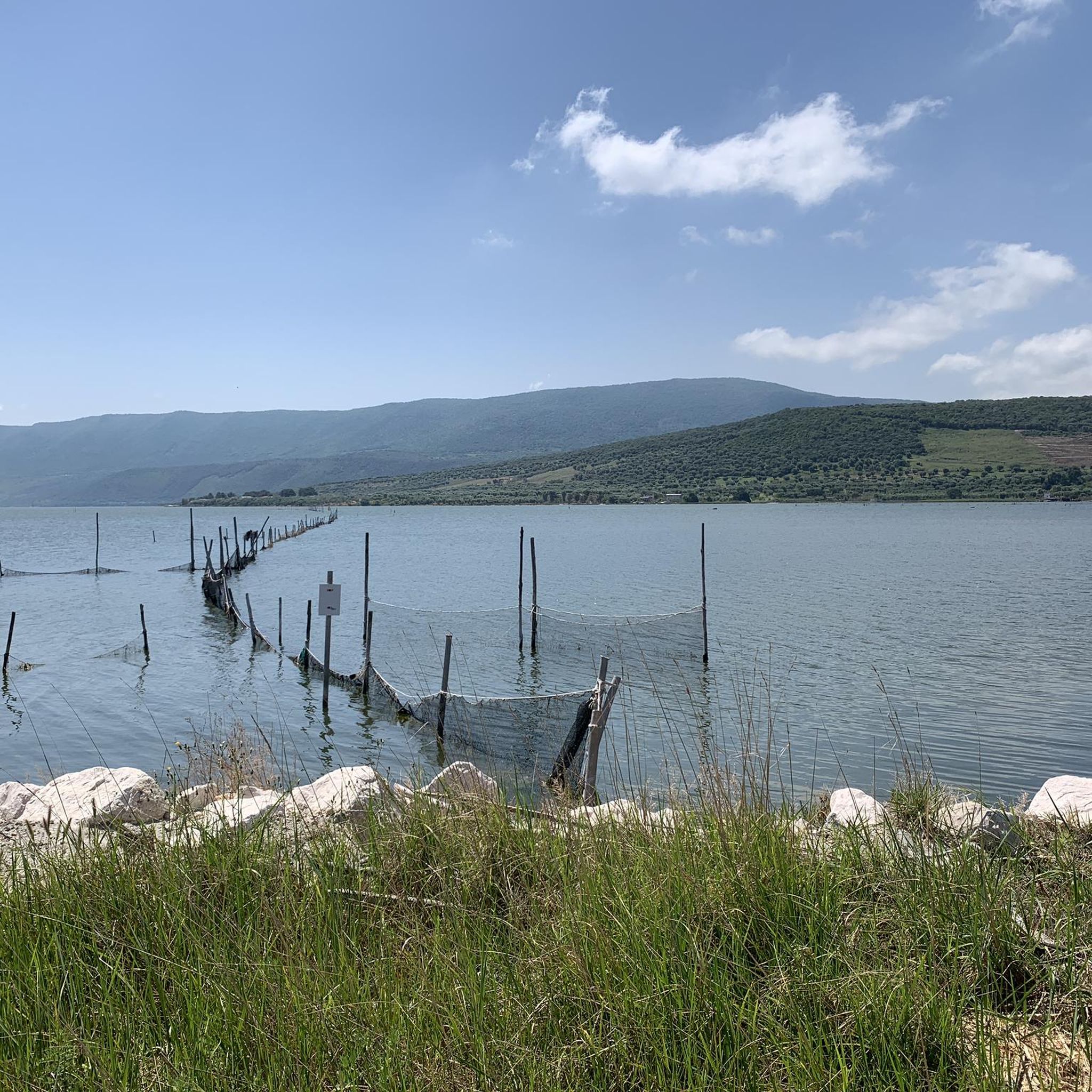
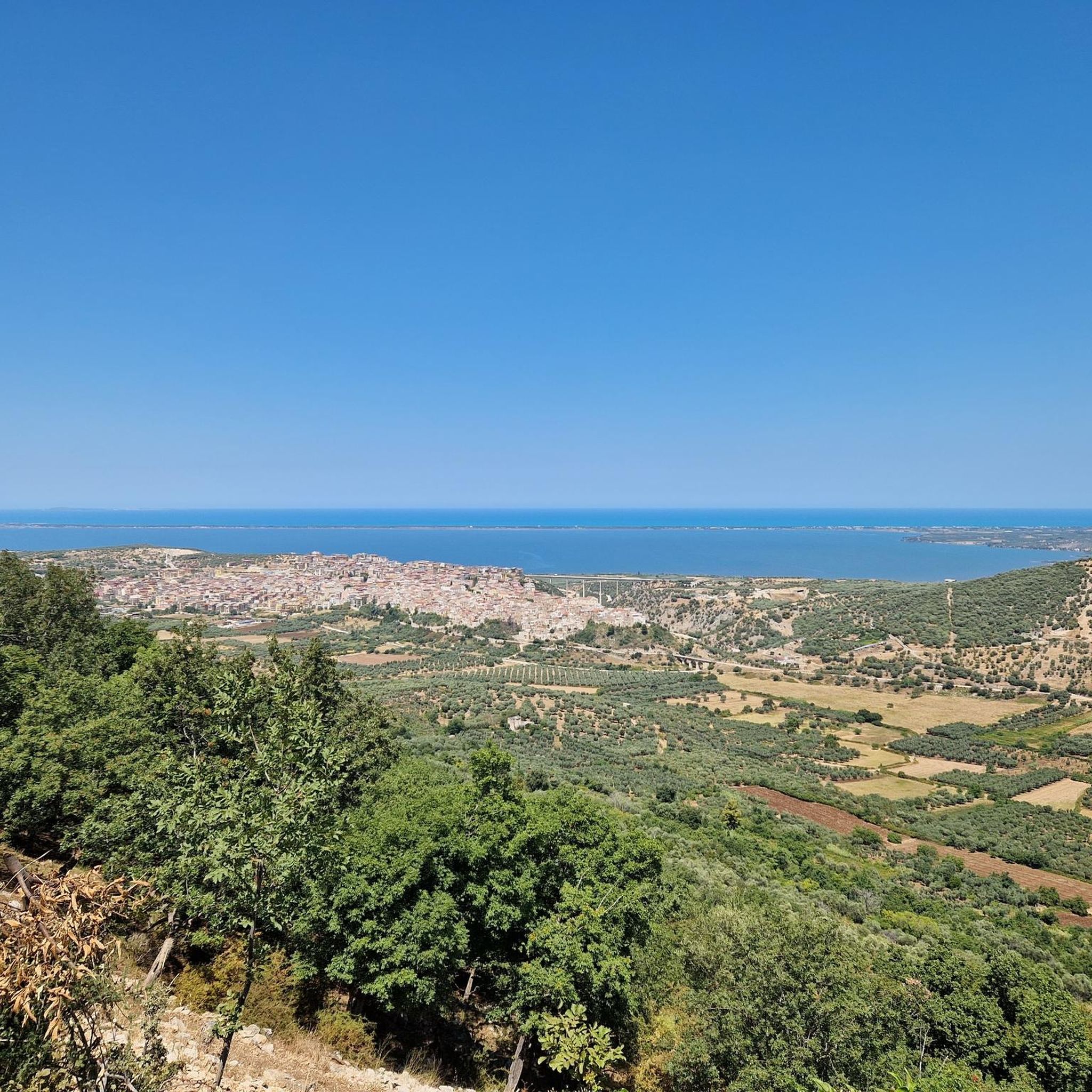
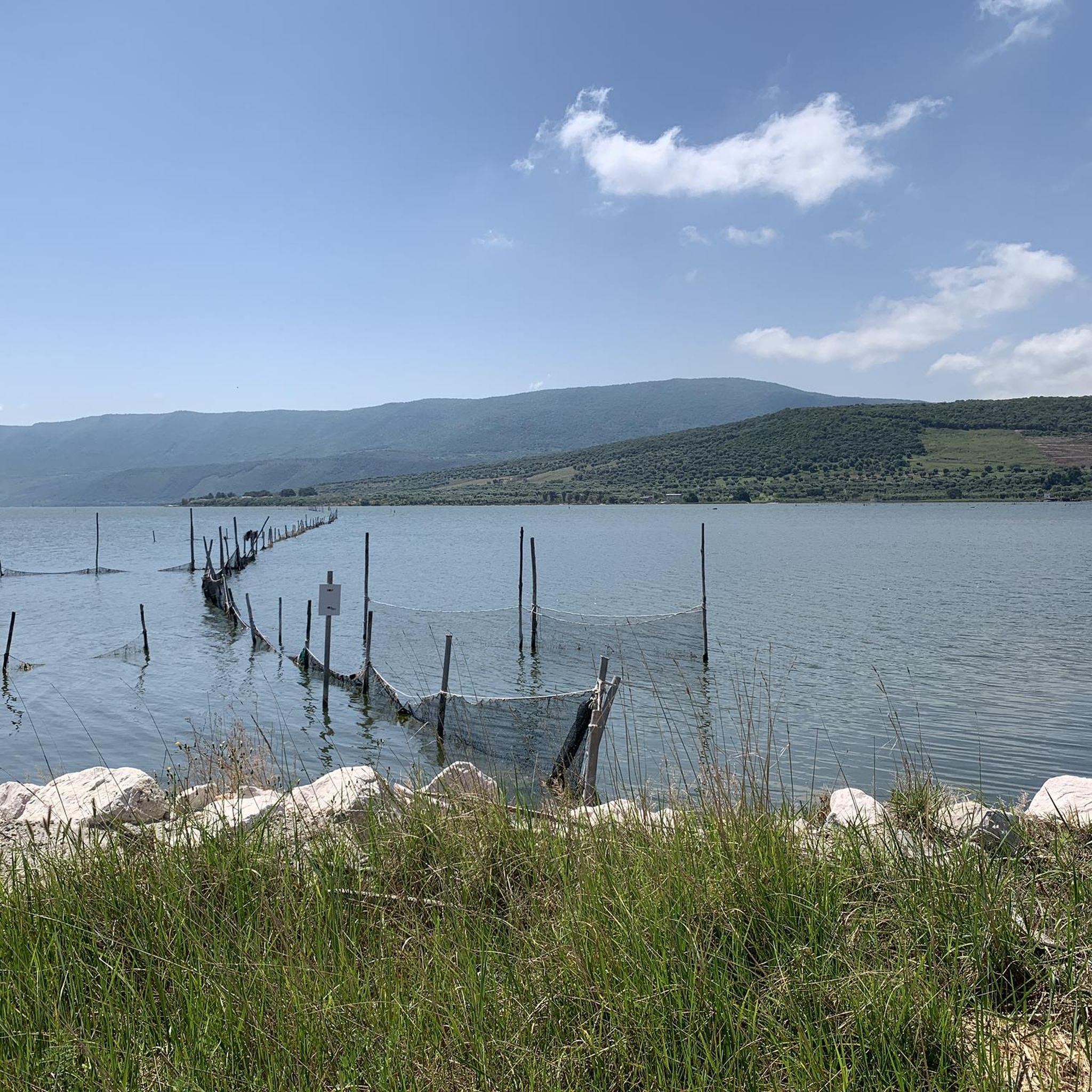
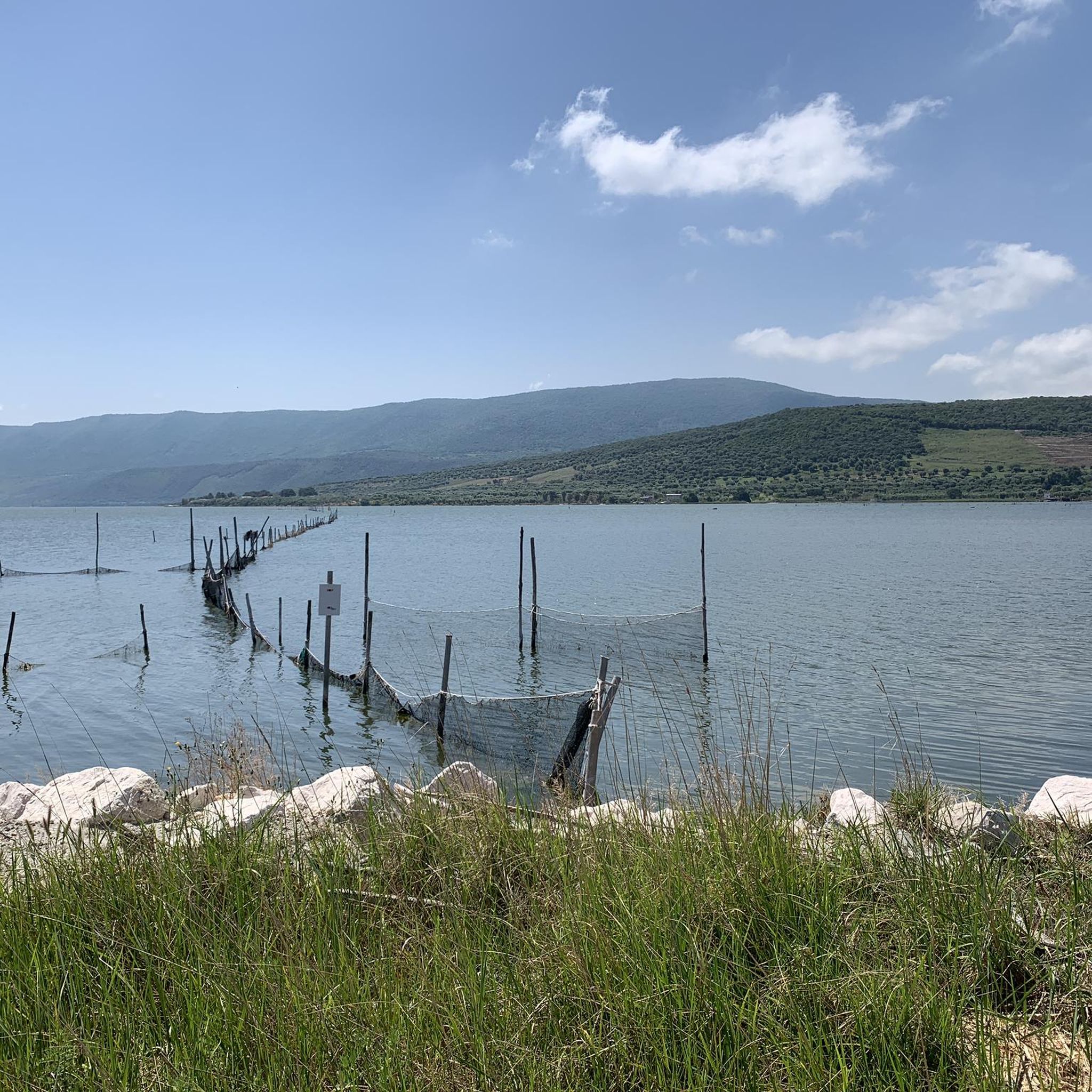
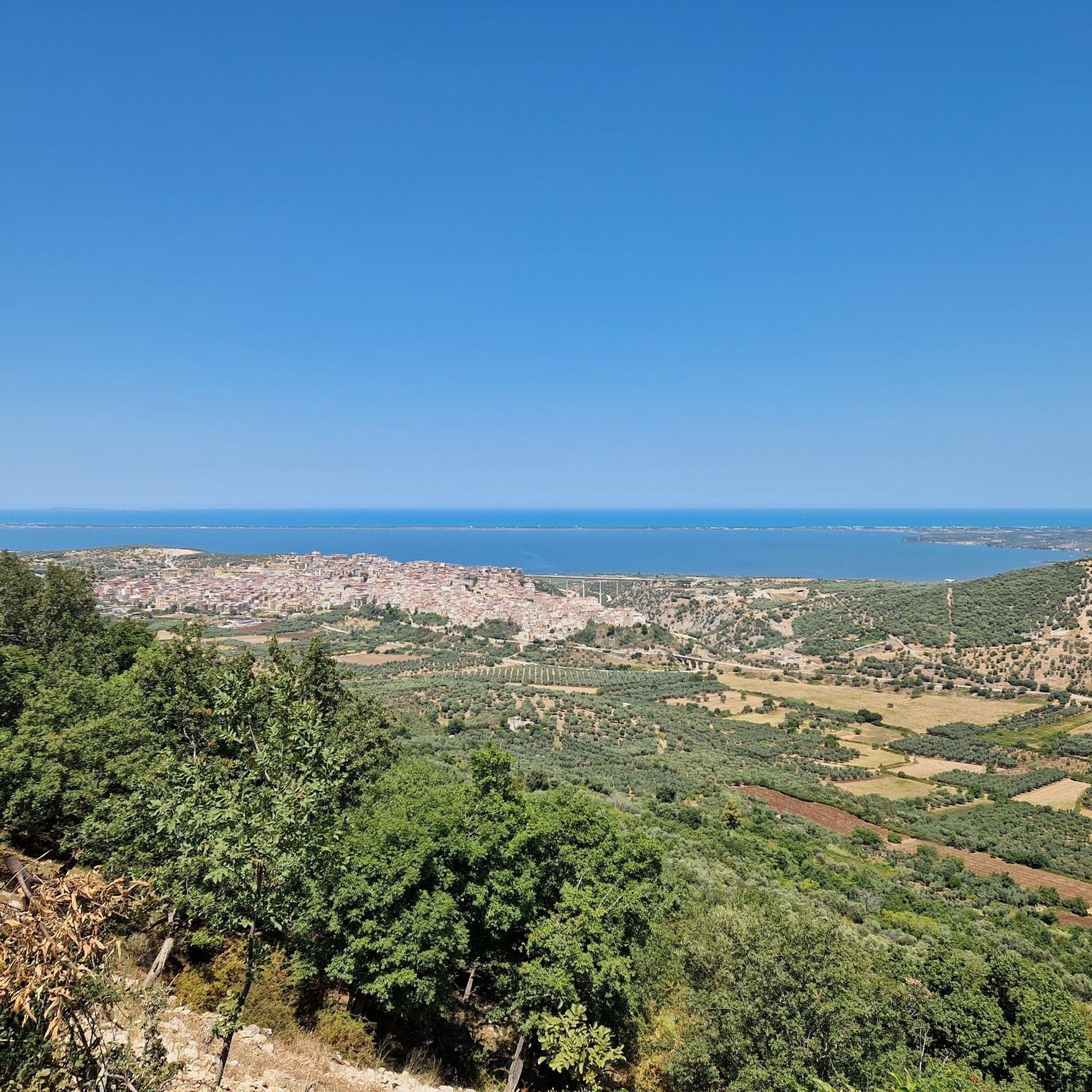
The cave of San Michele is immersed in a natural cavity located on a hill not far from Lake Varano, in the municipality of Cagnano Varano.
19
0
Mount Calvo is the highest peak among those that make up the Gargano massif in Puglia. It reaches an altitude of 1065 m (fifth peak in the region) and has an evident karst morphology. It owes its name to a completely barren peak, surrounded, however, by imposing and dense forests that cover its slopes and extend for most of the territory of the Gargano national park. Among the most interesting aspects of this mountain are the numerous caves, inhabited since prehistoric times. There have been several archaeological finds of finds attributable to the Neolithic: rudimentary parts of axes, flints and various types of tools confirm the presence of man on the Gargano plateaus even in prehistoric and protohistoric times (Dauna civilization).
27
0
Frequently Asked Questions
What are the most significant caves to visit around Cagnano Varano?
The region offers a mix of natural beauty and historical depth. The Sanctuary and Cave of Saint Michael the Archangel near Cagnano Varano is a major pilgrimage site with deep historical and religious significance. For a glimpse into prehistoric life, the nearby Grotta Paglicci is an important Paleolithic archaeological site. Along the Gargano coast, the stunning Grotta dei Due Occhi offers a unique sea cave experience with mesmerizing light effects.
Are there any caves with historical or archaeological importance in the area?
Yes, the region is rich in history. The Sanctuary and Cave of Saint Michael the Archangel has been a site of worship since ancient times, with evidence of pagan frequentation before its consecration. Further afield, Grotta Paglicci is one of Europe's most significant Paleolithic sites, revealing over 45,000 artifacts, prehistoric art, and human remains dating back 30,000 years.
What natural features can I expect to see in the caves around Cagnano Varano?
The caves showcase diverse natural formations. The Sanctuary and Cave of Saint Michael the Archangel, despite its religious fittings, retains its natural cave feel with mossy walls and dripping water. The wider Gargano region is known for its karstic landscape, featuring numerous dolinas, some of which conceal caves, as seen in the Karst Dolinas of Parco Nazionale del Gargano. Sea caves like Grotta dei Due Occhi are famous for their unique rock formations and stunning light effects created by sunlight entering through openings.
Are there family-friendly caves or activities suitable for children?
While specific 'family-friendly' ratings for caves aren't available, the Sanctuary and Cave of Saint Michael the Archangel is generally accessible and offers an engaging historical and spiritual experience that can be interesting for older children. The journey to sea caves like Grotta dei Due Occhi by boat can also be an exciting adventure for families, though access is by sea only.
What is the best time of year to visit the caves in Cagnano Varano?
The best time to visit is typically during the spring (April-June) and autumn (September-October) months. The weather is milder, making exploration more comfortable. Summer can be hot, especially for inland caves, but is ideal for sea cave excursions. Winter can be damp and cooler, though some caves remain accessible year-round.
Are there any hiking trails or outdoor activities near the caves?
Yes, the area offers various outdoor activities. You can find numerous hiking trails around Cagnano Varano, including the 'Lake Varano Trail' and routes leading to Monte Calvo, which itself contains caves. For more options, explore the hiking guide for Cagnano Varano. There are also traffic-free bike rides and MTB trails in the wider region.
Is there an entrance fee or permit required to visit the caves?
For the Sanctuary and Cave of Saint Michael the Archangel, there is generally no entrance fee, as it is a place of worship. However, donations are welcome. For specific archaeological sites like Grotta Paglicci, or specialized caves like Grotta di Montenero (which has restricted access by request), it's advisable to check in advance for any fees or permit requirements.
How accessible are the caves, and is there parking available?
The Sanctuary and Cave of Saint Michael the Archangel is relatively accessible, located just 2.5 km from Cagnano Varano, with parking typically available nearby. Access to sea caves like Grotta dei Due Occhi is exclusively by boat. For other natural caves or dolinas, accessibility can vary greatly depending on their location within the rugged Gargano landscape. It's recommended to check specific access details for each site.
What should I wear when exploring caves in the Cagnano Varano area?
Even on warm days, cave interiors can be cool and damp. It's advisable to wear comfortable, layered clothing and sturdy, non-slip shoes. A light jacket or sweater is often useful. If you plan to explore more challenging or less developed caves, a headlamp or flashlight is essential.
Are there any cafes or restaurants near the main cave attractions?
Near the Sanctuary and Cave of Saint Michael the Archangel, you'll find some facilities catering to pilgrims and visitors. In Cagnano Varano itself, there are local cafes and restaurants. For sea caves, you would typically find dining options in the coastal towns from which boat tours depart, such as Vieste or Mattinata.
What makes Monte Calvo significant in relation to caves?
Monte Calvo, the highest peak in the Gargano massif, is notable for its numerous caves that have been inhabited since prehistoric times. Archaeological finds from the Neolithic period, including tools, confirm early human presence. It offers a blend of natural beauty and historical intrigue within its karst landscape.
Most popular routes around Cagnano Varano
Most popular attractions around Cagnano Varano

Get inspired with the komoot mobile app


Explore more
Extend your search for the best caves by checking out these guides of the top ones around Cagnano Varano:
