Top 7 Caves around Longarone
Best caves around Longarone are found in the surrounding regions, as Longarone itself does not host prominent cave systems directly. The area is characterized by its natural beauty and historical significance within the Veneto and Friuli-Venezia Giulia regions. Visitors can explore a variety of underground formations, from natural karstic systems to man-made tunnels and historical sites. These locations offer diverse experiences for those interested in geology, history, and outdoor exploration.
Best caves around Longarone
- The most popular caves is Statue…
Last updated: July 1, 2026
Galleria del Serva
Highlight • Structure
Translated by Google •
Tip by

Statue of the Madonna under the Boulder of Monte Borgà
Highlight • Religious Site
Translated by Google •
Tip by

Sign up now to discover places like this
Get recommendations on the best single tracks, peaks, & plenty of other exciting outdoor places.
Sign up for free
Monte Celo World War I Bunker
Highlight • Historical Site
Translated by Google •
Tip by

Bunker of the Mandre
Highlight • Historical Site
A bunker from the First World War, one of the few, if not the only one, in which part of the wooden framework …
Translated by Google •
Tip by
San Martino Bunker
Highlight • Monument
Translated by Google •
Tip by
Sign up for free to discover even more caves around Longarone.
Sign up for free
Already have an account?
Start today with a free account
Your next adventure awaits.
Login or Signup
Popular around Longarone
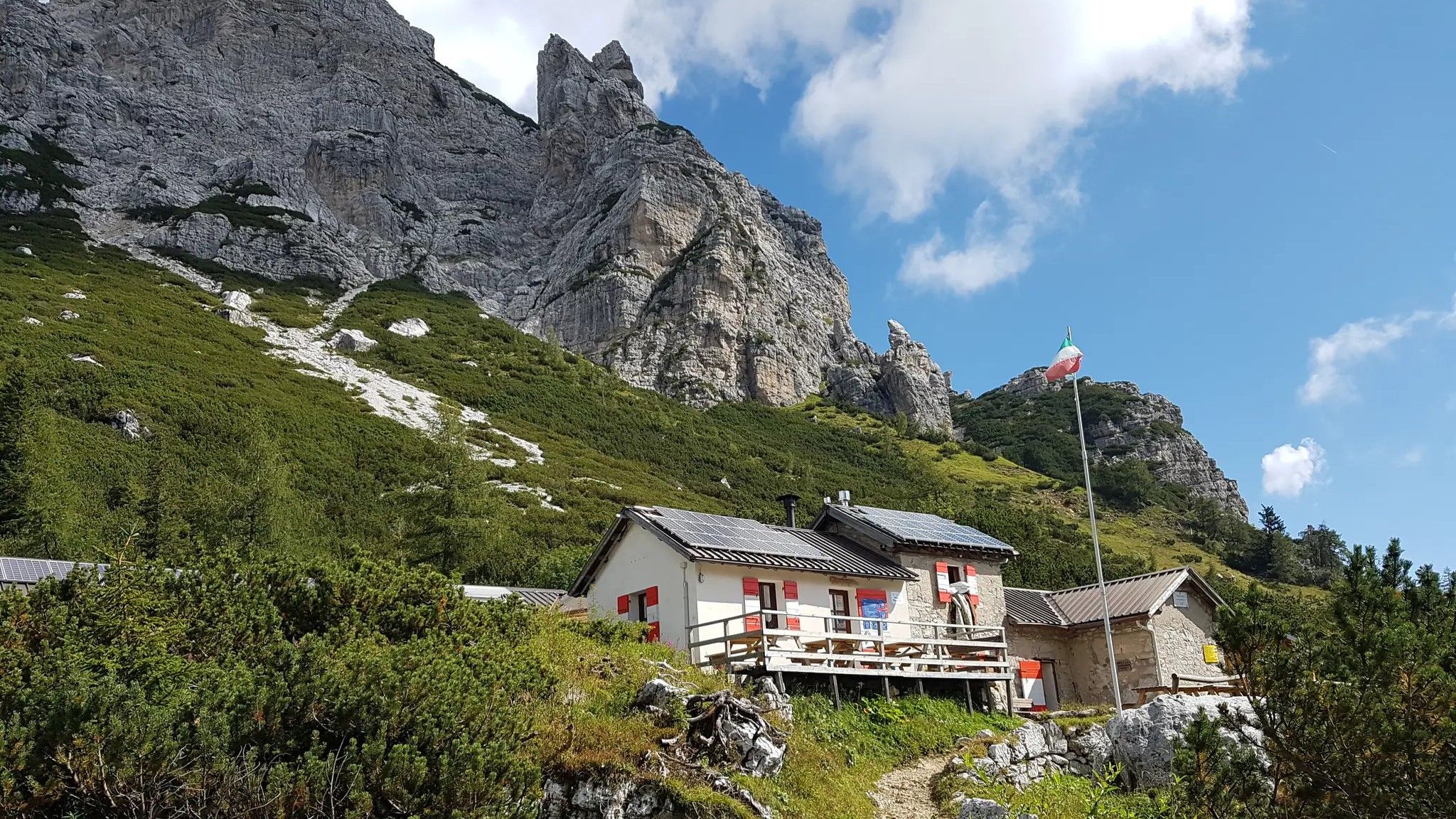
Alta Via Dolomiti Bellunesi – the wild Dolomiti Bellunesi National Park
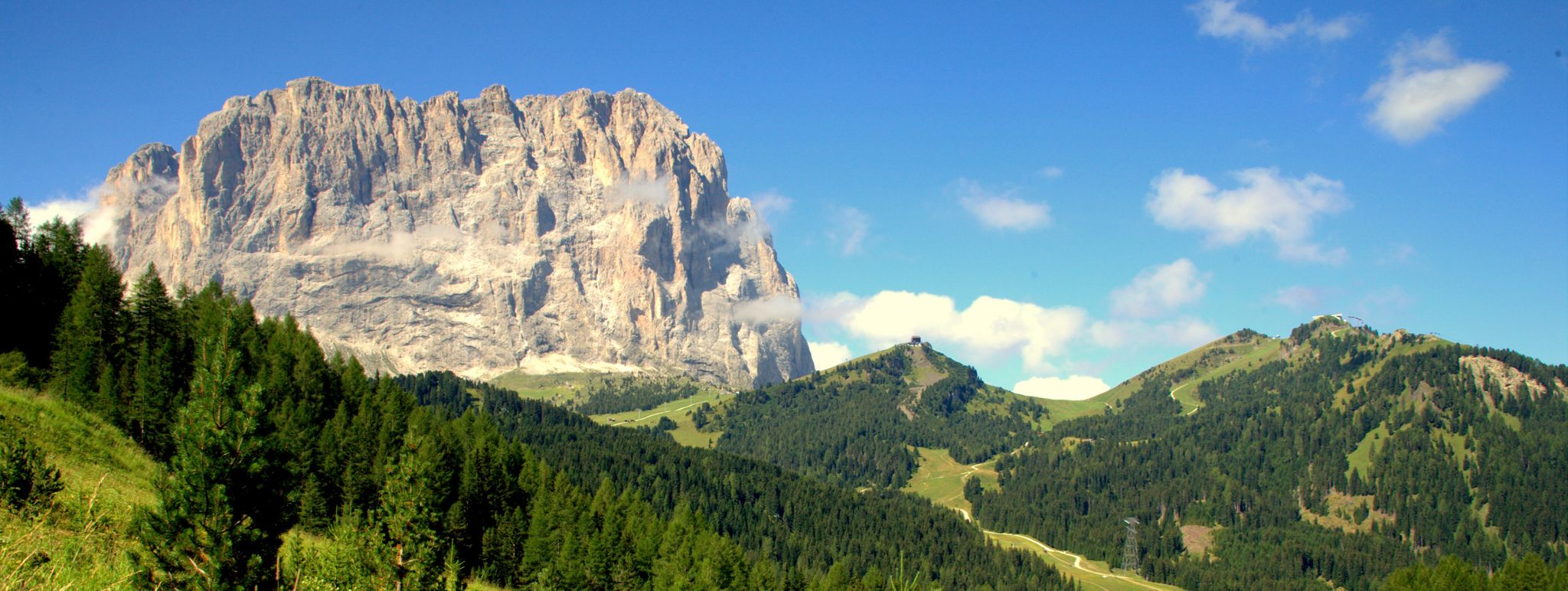
Via Venezia Alpina – hiking across the Alps to the Adriatic Sea
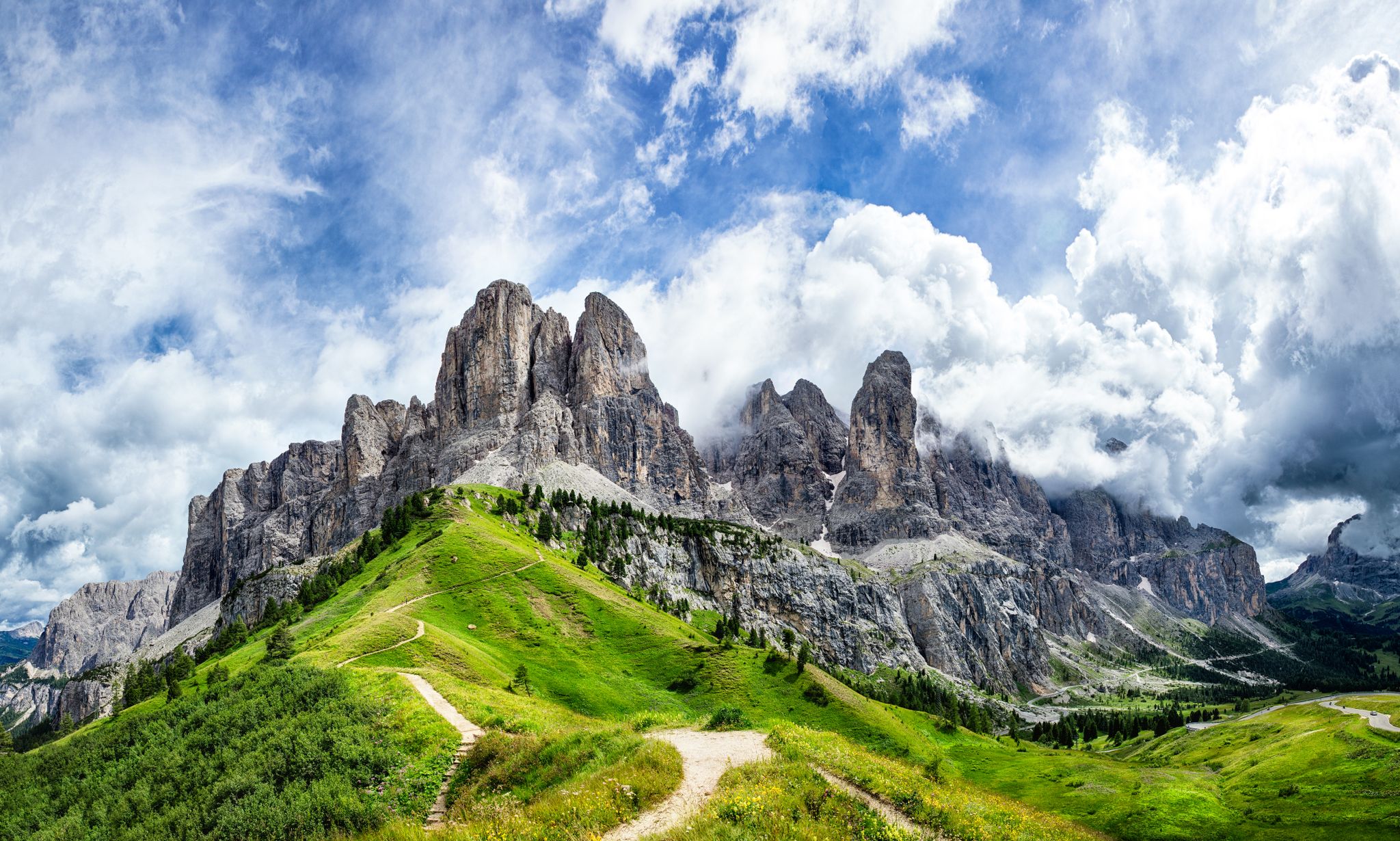
The "Dream Path" hiking trail – From Munich to Venice in 28 stages
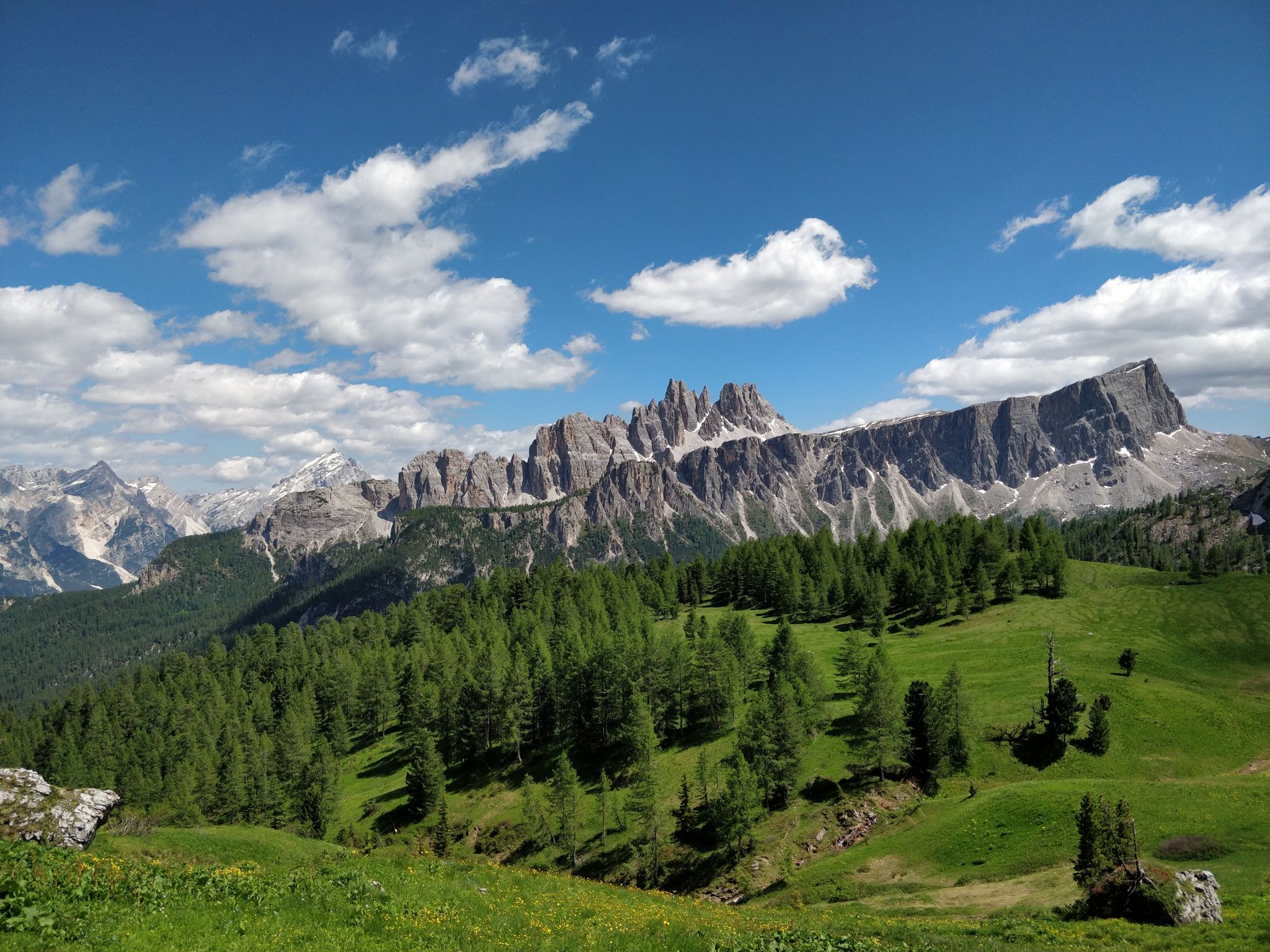
Hiking one step from heaven – Alta Via delle Dolomiti 1
Hiking around Longarone
Cycling around Longarone
Road Cycling Routes around Longarone
MTB Trails around Longarone
Running Trails around Longarone

Mountain Hikes around Longarone
Other adventures around Longarone


Tips from the Community

The tunnel is dark, so a flashlight or bike light is necessary. The road surface is rough, very rocky, and particularly treacherous for balance. As you can see from the photographs, there are some very picturesque views, but at the same time very treacherous and exposed, and are strongly discouraged for those with a fear of heights.
0
0

Just before the area of the "books of San Daniele" you come across this small statue of our Lord under a small cave.
0
0

bunker with large room located to the east of the fort of San Martino, has the classic structure of these structures present in the area (entrance with an L-curve, large room and second hidden entrance
0
0
one of the many World War I Bunkers on Mount Celo, part of the "yellow line", the last line of defense of the Italian army in case of a breakthrough to the north by the Austro-Hungarian army and subsequently expanded during the Second World War by the Todt organization as part of the alpenfestung (alpine redoubt). Characteristic is the structure with two entrances.
0
0
located at 1200 meters above sea level A bunker from the First World War, one of the few, if not the only one, in which part of the wooden framework that served to make the cave habitable is preserved, one of the two entrances is blocked by a large boulder.
0
0
Frequently Asked Questions
What types of underground sites can I explore near Longarone?
Near Longarone, you can explore a diverse range of underground sites. These include natural karstic cave systems like Grotte di Oliero, deep sinkholes such as Bus de la Lum, and significant man-made historical structures like the Bunker of the Mandre and the San Martino Bunker. There's also the adventurous man-made tunnel, Galleria del Serva, and the unique Grotte del Caglieron which combines natural gorges with historical quarries.
Are there any natural caves accessible to visitors with guided tours?
Yes, the Grotte di Oliero, located southwest of Longarone, is a prominent natural cave system. It features four caves, with the most famous, Covol dei Siori (or Grotta Parolini), accessible to tourists via a guided boat tour. Inside, you can see impressive alabaster stalactite formations, including a 14-meter stalactite waterfall.
What historical underground sites can I visit in the Longarone area?
The region around Longarone is rich in historical underground sites. You can visit several World War I bunkers, such as the Bunker of the Mandre and the San Martino Bunker, which preserve parts of their original structures. The Bus de la Lum sinkhole also holds poignant historical relevance from World War II. Additionally, the Grotte del Caglieron includes man-made caves resulting from 16th-century stone extraction, offering insight into traditional quarrying.
Which underground sites offer a unique adventure or trekking experience?
For a unique adventure, consider the Galleria del Serva, a nearly half-kilometer-long man-made tunnel carved into Monte Serva. It offers an adventurous trekking experience, allowing you to walk 'inside the belly of the mountain.' A flashlight or bike light is necessary due to its darkness and rough surface. The Bus de la Lum, a deep karstic sinkhole, also offers a compelling blend of natural wonder and historical narrative for hikers.
Are the caves around Longarone suitable for families?
Yes, some caves are suitable for families. The Grotte di Oliero offers a unique and educational experience with its guided boat tour through impressive formations, and the surrounding natural park has picturesque paths. The Grotte del Caglieron also provides a family-friendly outing with its combination of natural waterfalls and historical man-made caves, including the Grotta di San Lucio where cheese is aged.
What are the geological features of the caves in this region?
The region features diverse geological formations. The Grotte di Oliero is one of Europe's largest karstic spring systems, known for its impressive alabaster stalactite formations. Bus de la Lum is a significant karstic sinkhole, characterized by its single, sheer drop. The Grotte del Caglieron showcases natural gorges and waterfalls alongside unique man-made caves with distinctive 45-degree inclined columns that supported the roof during stone extraction.
What is the typical difficulty level for exploring these underground sites?
Difficulty varies by site. The Grotte di Oliero is generally accessible via guided boat tours. The Galleria del Serva is described as an adventurous trekking experience with some treacherous and exposed sections, making it unsuitable for those with a fear of heights. Many of the historical bunkers, like the Bunker of the Mandre and San Martino Bunker, are categorized as challenging due to their terrain and historical nature.
What should I wear when visiting caves in the Longarone area?
When visiting caves, it's advisable to wear comfortable clothing and sturdy shoes suitable for walking on uneven or potentially wet surfaces. Caves like Grotte di Oliero maintain a constant temperature of 12 degrees Celsius year-round, so a light jacket or sweater is recommended even in summer. For sites like Galleria del Serva, a flashlight or bike light is essential due to the darkness.
Are there hiking or cycling routes near these underground sites?
Yes, the Longarone area offers various outdoor activities. You can find numerous hiking and cycling routes nearby. For example, there are several hiking trails around Longarone, including routes to Rifugio Sommariva al Pramperet and within the Parco Nazionale delle Dolomiti Bellunesi. For cyclists, there are road cycling routes like the Vajont Dam Loop. These routes often pass through scenic areas close to some of the mentioned underground attractions.
How long does it typically take to explore some of these caves?
The duration of exploration varies. A guided boat tour of Grotte di Oliero might take around 30-45 minutes, plus time to explore the surrounding park and museum. Visiting the Grotte del Caglieron, with its waterfalls and various caves, could take 1-2 hours. For sites like the Galleria del Serva or the historical bunkers, the time spent depends on your pace and how much you wish to explore the surrounding trails, but the tunnel itself is about half a kilometer long.
What is the best time of year to visit the caves around Longarone?
Many caves, especially natural ones like Grotte di Oliero, maintain a constant temperature year-round (around 12 degrees Celsius), making them suitable for visits in any season. However, access to some sites, particularly those requiring hiking or located at higher elevations like the Bus de la Lum or the bunkers, might be more pleasant and safer during spring, summer, and early autumn when weather conditions are generally milder and trails are clear of snow or ice.
Are there any religious or spiritual sites within or near the caves?
Yes, the Statue of the Madonna under the Boulder of Monte Borgà is a notable religious building featuring a small statue under a cave. This site is located just before the area of the 'books of San Daniele' and offers a spiritual point of interest within the natural landscape.
Most popular routes around Longarone
Most popular attractions around Longarone

Get inspired with the komoot mobile app


Explore more
Extend your search for the best caves by checking out these guides of the top ones around Longarone:
