Top 7 Caves around Taibon Agordino
Best caves near Taibon Agordino are found within the Dolomites, a region known for its dramatic peaks and historical significance. This municipality offers a landscape characterized by rugged mountains and valleys, providing a setting for both natural and man-made subterranean features. The area's caves range from historical bunkers and tunnels to natural formations, reflecting its geological and wartime past. Visitors can explore various sites that combine natural exploration with insights into local history.
Best caves around Taibon Agordino
- The most…
Last updated: July 1, 2026
Monte Celo World War I Bunker
Highlight • Historical Site
Translated by Google •
Tip by

Bunker of the Mandre
Highlight • Historical Site
A bunker from the First World War, one of the few, if not the only one, in which part of the wooden framework …
Translated by Google •
Tip by
Sign up now to discover places like this
Get recommendations on the best single tracks, peaks, & plenty of other exciting outdoor places.
Sign up for free
Cavallazza Tunnels and World War I Trenches
Highlight • Historical Site
Translated by Google •
Tip by

Artificial Cave
Highlight • Cave
Maybe from the First World War?
Translated by Google •
Tip by
San Martino Bunker
Highlight • Monument
Translated by Google •
Tip by
Sign up for free to discover even more caves around Taibon Agordino.
Sign up for free
Already have an account?
Start today with a free account
Your next adventure awaits.
Login or Signup
Popular around Taibon Agordino
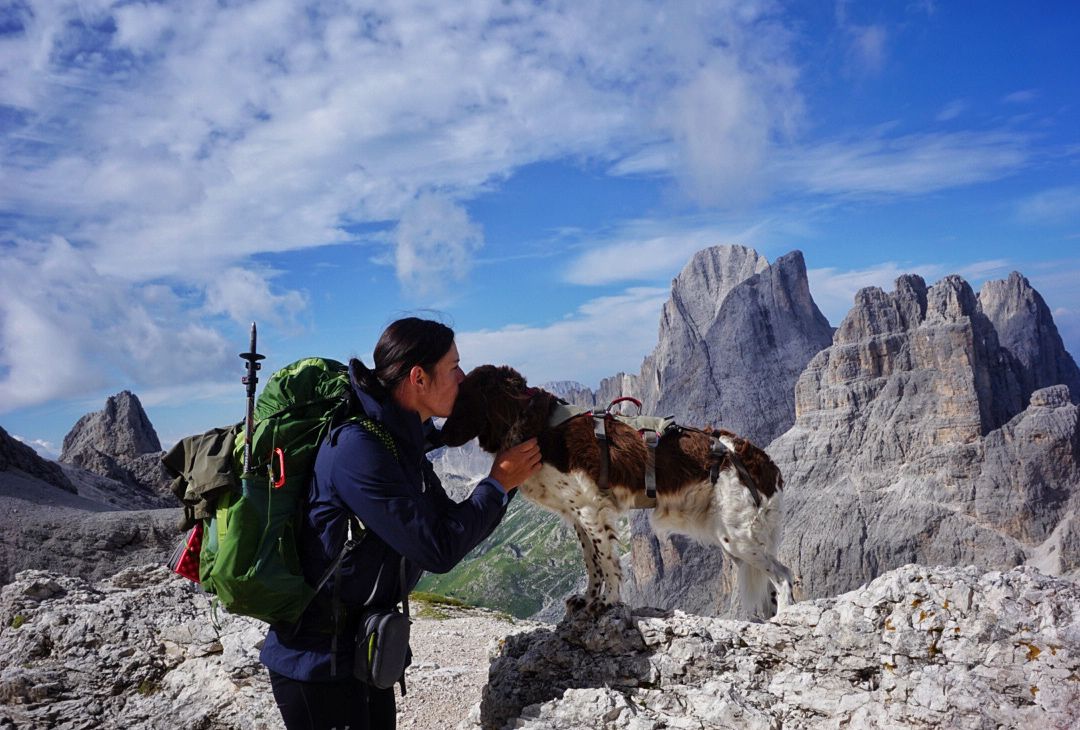
The extra-large Dolomites round – an out-of-this-world hiking adventure
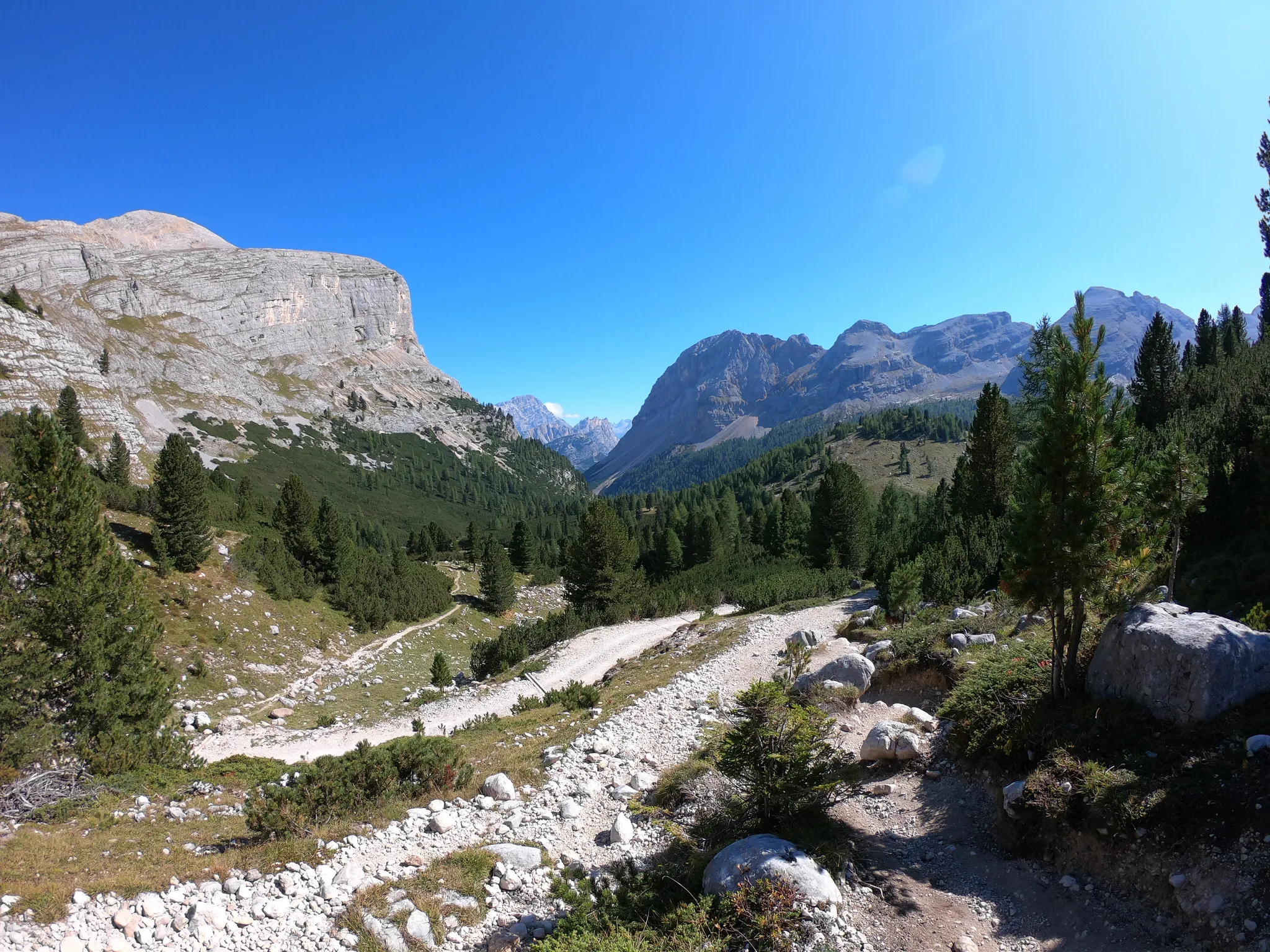
Run through the clouds – Alta Via 1 in the Dolomites
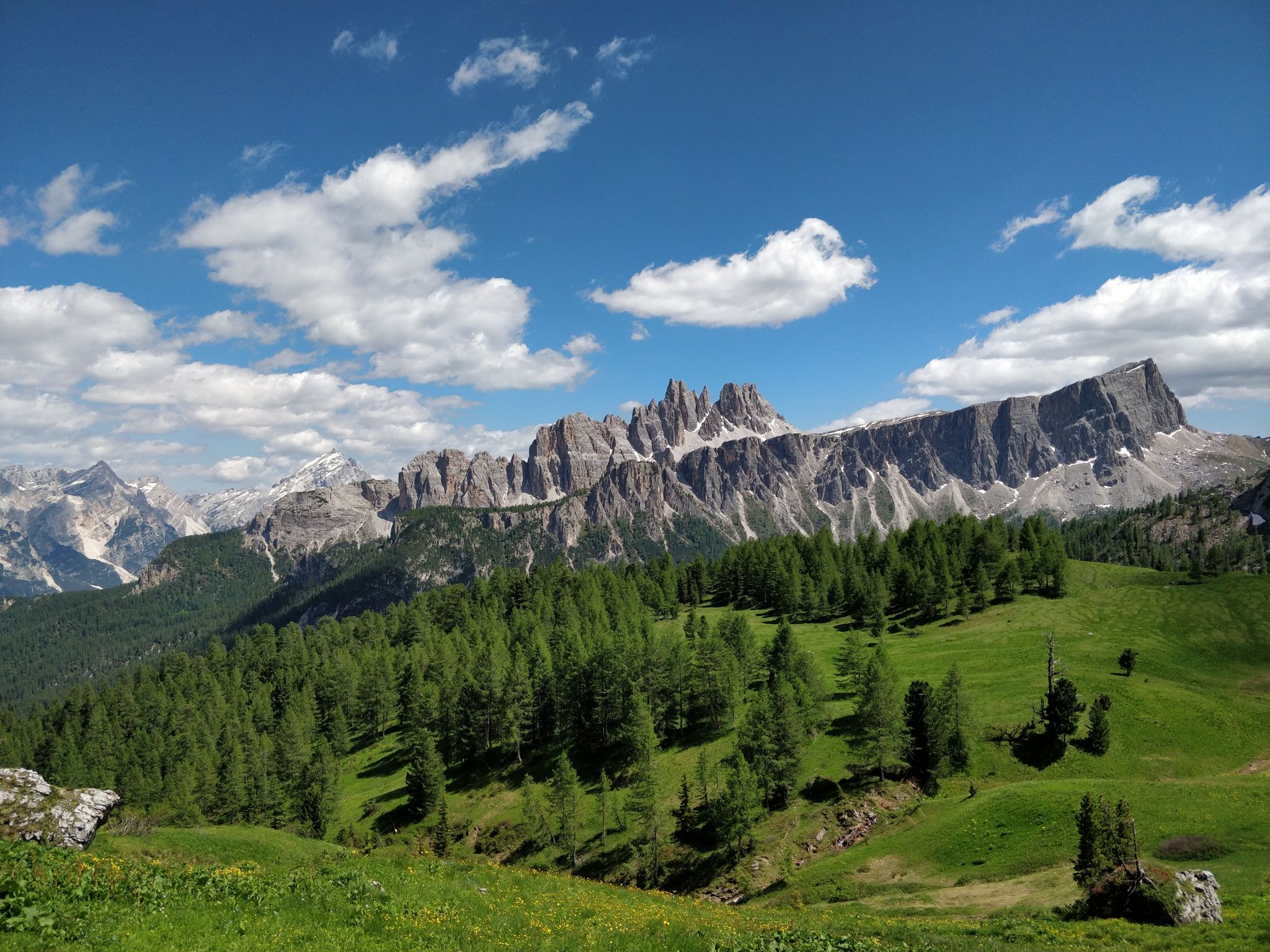
Hiking one step from heaven – Alta Via delle Dolomiti 1
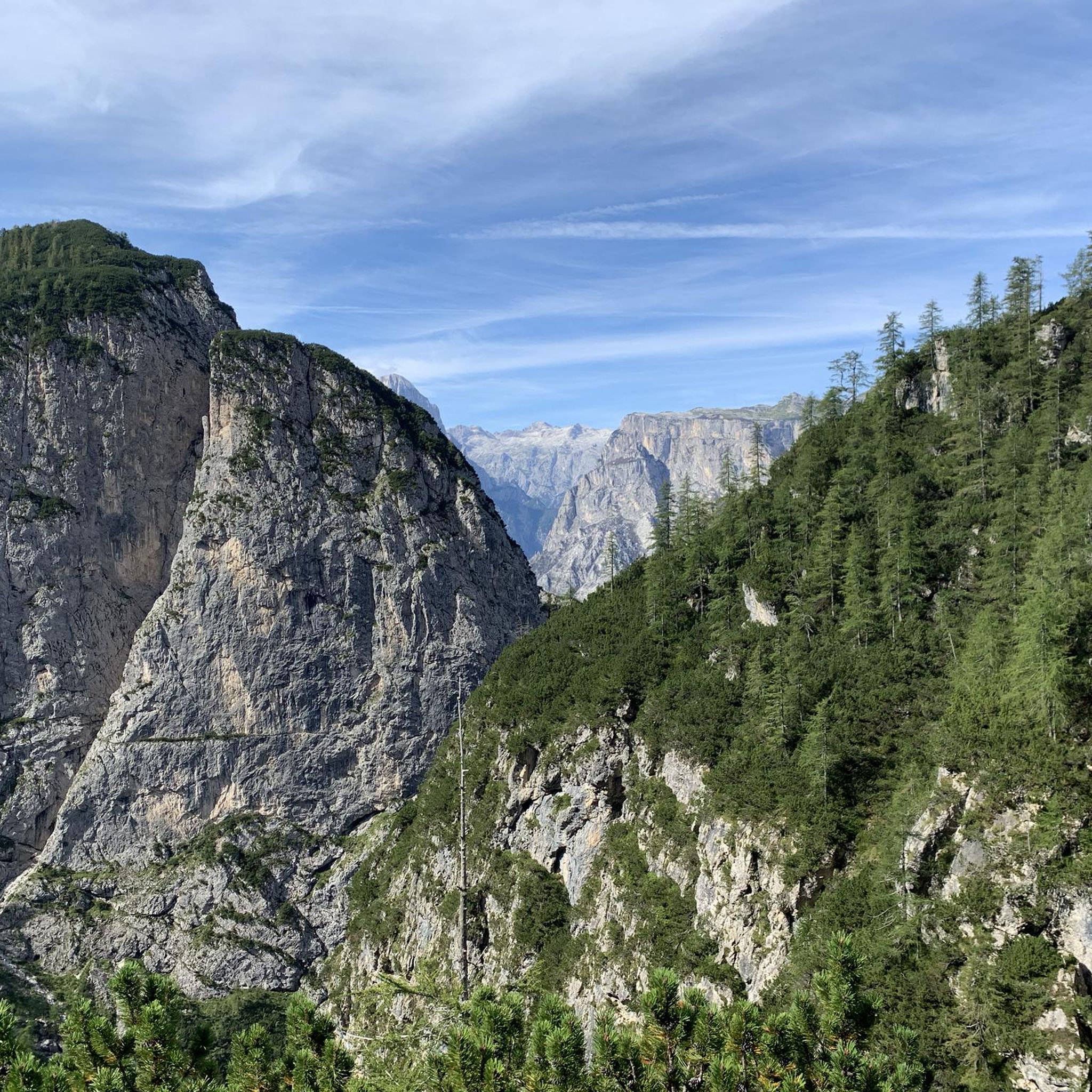
Hiking around Taibon Agordino
Road Cycling Routes around Taibon Agordino
Cycling around Taibon Agordino
MTB Trails around Taibon Agordino
Running Trails around Taibon Agordino

Gravel biking around Taibon Agordino

Mountain Hikes around Taibon Agordino
Other adventures around Taibon Agordino


Tips from the Community

bunker with large room located to the east of the fort of San Martino, has the classic structure of these structures present in the area (entrance with an L-curve, large room and second hidden entrance
0
0
one of the many World War I Bunkers on Mount Celo, part of the "yellow line", the last line of defense of the Italian army in case of a breakthrough to the north by the Austro-Hungarian army and subsequently expanded during the Second World War by the Todt organization as part of the alpenfestung (alpine redoubt). Characteristic is the structure with two entrances.
0
0
located at 1200 meters above sea level A bunker from the First World War, one of the few, if not the only one, in which part of the wooden framework that served to make the cave habitable is preserved, one of the two entrances is blocked by a large boulder.
0
0
small cave dug by man, damp but useful in case of emergency. Maybe from the First World War?
0
0

Path equipped with tunnels-trenches of the Great War, on the top of Cavallazza Piccola, reachable from Passo Rolle.
1
0
Frequently Asked Questions
What types of caves can I explore around Taibon Agordino?
The Taibon Agordino area is primarily known for its historical subterranean features, particularly World War I bunkers and tunnels. You can explore sites like the Bunker of the Mandre, the Monte Celo World War I Bunker, and the Cavallazza Tunnels and World War I Trenches. There are also smaller man-made shelters, such as the Artificial Cave, and natural grottoes with historical significance like the Grotta di San Lucano.
Are there any caves with historical significance in the Taibon Agordino region?
Yes, the region is rich in historical caves and bunkers, mainly from World War I. The Bunker of the Mandre is notable for preserving part of its original wooden framework. The Monte Celo World War I Bunker was part of the Italian army's "yellow line" defense. Additionally, the Cavallazza Tunnels and World War I Trenches offer an equipped path through wartime structures. The San Martino Bunker also features a classic structure with an L-curve entrance and a large room.
Can I visit natural caves or grottoes in Taibon Agordino?
While many sites are historical bunkers, the region also features natural grottoes. The Grotta di San Lucano, for instance, is a prominent rock shelter with spiritual and historical importance, associated with a hermit saint. It offers panoramic views of the San Lucano Valley and is part of a challenging hike.
Are there any challenging caving experiences for experienced cavers?
Yes, for experienced cavers seeking a specialized and challenging experience, the Abisso Morrison – Hard Rock Cafè is a notable destination. This impressive cave reaches a depth of 173 meters and is known for its unique internal cavity and frequent presence of ice. Due to its speleological nature, it requires specialized equipment and expert guidance, and is not accessible to general tourists.
What kind of terrain should I expect when visiting these caves and bunkers?
The terrain around these sites is often rugged, reflecting the Dolomites' dramatic peaks and valleys. For example, the Bunker of the Mandre is located at 1200 meters above sea level. The path to the Grotta di San Lucano is rated as difficult, involving fixed aids like stirrups and a cable. Many of the historical sites are integrated into challenging hiking routes.
What outdoor activities can I combine with a visit to the caves?
The Taibon Agordino area offers a variety of outdoor activities. You can explore numerous mountain hikes, including challenging routes like the Monte Civetta Summit loop. For cyclists, there are extensive road cycling routes and MTB trails that allow you to discover the stunning Dolomite landscape.
Are there family-friendly options for exploring caves or grottoes?
While many of the historical bunkers and natural grottoes in the region involve challenging hikes, some of the more accessible historical sites might be suitable for families with older children who are accustomed to walking. The Artificial Cave is a small, man-made shelter that could be an interesting, albeit damp, stop on a hike.
What should I know about accessing the historical bunkers?
Access to historical bunkers like the Bunker of the Mandre and the Monte Celo World War I Bunker often involves hiking on challenging trails. Some entrances might be partially blocked, as noted for one of the two entrances at the Bunker of the Mandre. Always be prepared for rugged conditions and potential dampness inside.
What is the best time of year to visit the caves and surrounding area?
The best time to visit the caves and explore the Taibon Agordino region is typically during the warmer months, from late spring to early autumn (May to October). During this period, hiking trails are generally clear of snow, and the weather is more favorable for outdoor activities. Winter visits might be possible for some sites, but access can be limited by snow and ice, especially at higher elevations or within deeper caves like Abisso Morrison.
What makes the Cavallazza Tunnels and World War I Trenches unique?
The Cavallazza Tunnels and World War I Trenches offer a unique historical experience, providing an equipped path through actual Great War tunnels and trenches. Located on the top of Cavallazza Piccola and accessible from Passo Rolle, it allows visitors to step directly into a significant piece of history, exploring the defensive structures of the past.
Are there any artificial caves or shelters in the area?
Yes, in addition to the historical bunkers, there are smaller artificial caves. The Artificial Cave is a small, man-made shelter, possibly from World War I, that is damp but could serve as an emergency refuge. These smaller dugouts reflect the area's history of human interaction with the landscape.
What kind of views can I expect on hikes to these cave sites?
Hikes to cave sites in Taibon Agordino often offer breathtaking panoramic views of the surrounding Dolomites. For example, the journey to the Grotta di San Lucano traverses paths through the stunning San Lucano Valley, known for its untouched nature and dramatic Dolomite peaks. Many of the historical bunkers are situated at higher elevations, providing expansive vistas of the rugged mountain landscape.
Most popular routes around Taibon Agordino
Most popular attractions around Taibon Agordino

Get inspired with the komoot mobile app


Explore more
Extend your search for the best caves by checking out these guides of the top ones around Taibon Agordino:
