Top 5 Castles around Cavaso Del Tomba
Best castles around Cavaso Del Tomba are found in a municipality nestled in the Venetian Prealps, offering a glimpse into a history rich with medieval fortifications. The area features historical remains and archaeological sites that provide insight into the region's past. Visitors can explore structures like the Castello di Castelcies and the Bastia di San Giorgio, which played roles in historical conflicts and served as defensive outposts. The landscape provides scenic views, particularly from strategic hilltop locations.
Best castles around…
Last updated: May 20, 2026
Asolo
Highlight • Settlement
Translated by Google •
Tip by

Villa Barbaro (Villa di Maser)
Highlight • Historical Site
Translated by Google •
Tip by

Sign up now to discover places like this
Get recommendations on the best single tracks, peaks, & plenty of other exciting outdoor places.
Sign up for free
Rocca di Asolo
Highlight • Castle
Translated by Google •
Tip by

Castello Pretorio
Highlight • Castle
Asolo's old town is characterized by the fortress (Rocca) from the 12th century. In addition to her, the Cathedral of Santa Maria Assunta, the Villa Scotti-Pasini and the Castello …
Translated by Google •
Tip by

Start today with a free account
Your next adventure awaits.
Login or Signup
Popular around Cavaso Del Tomba
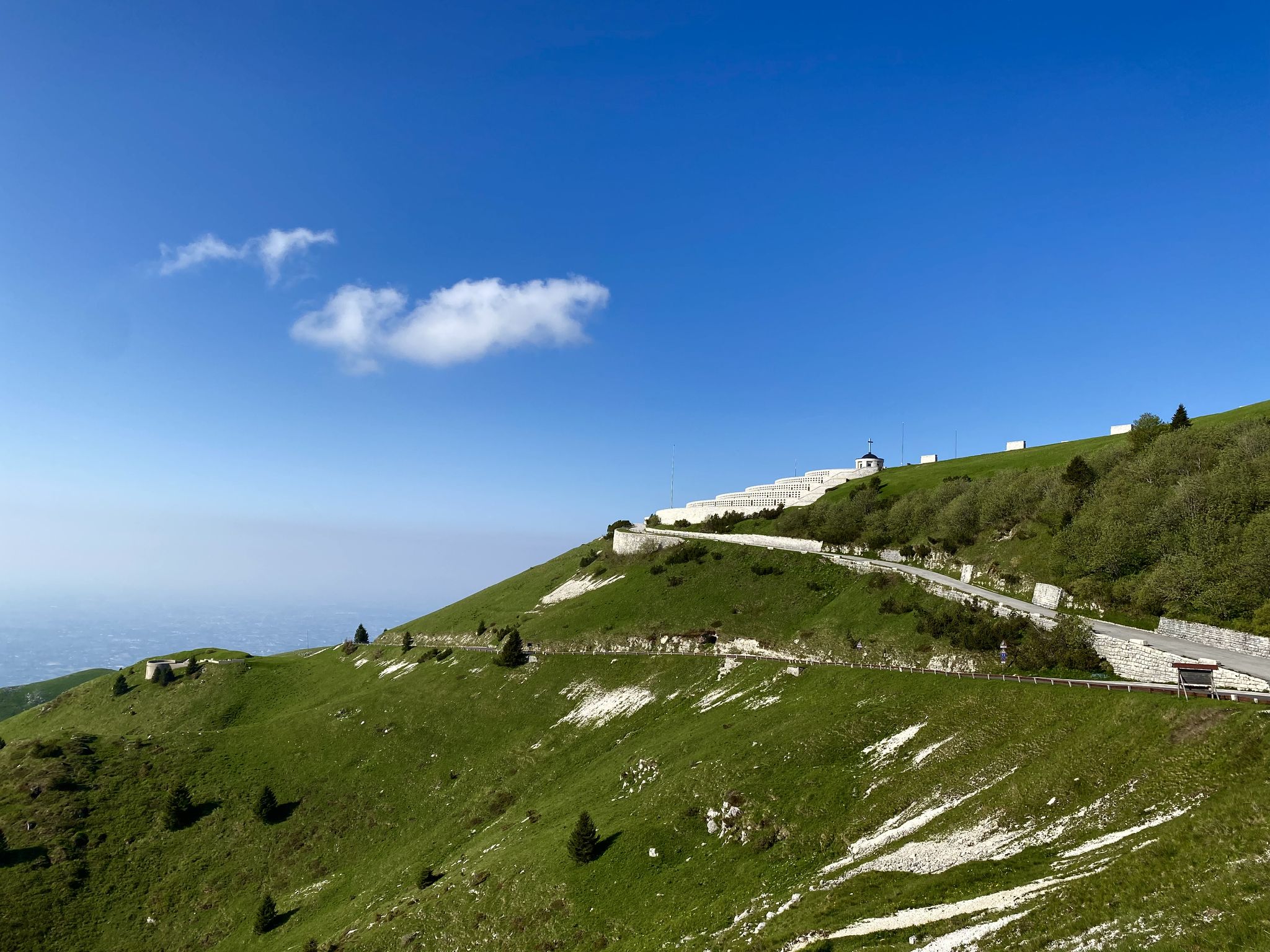
Alpine meadows and mountain pastures – 10 ascents of Mount Grappa
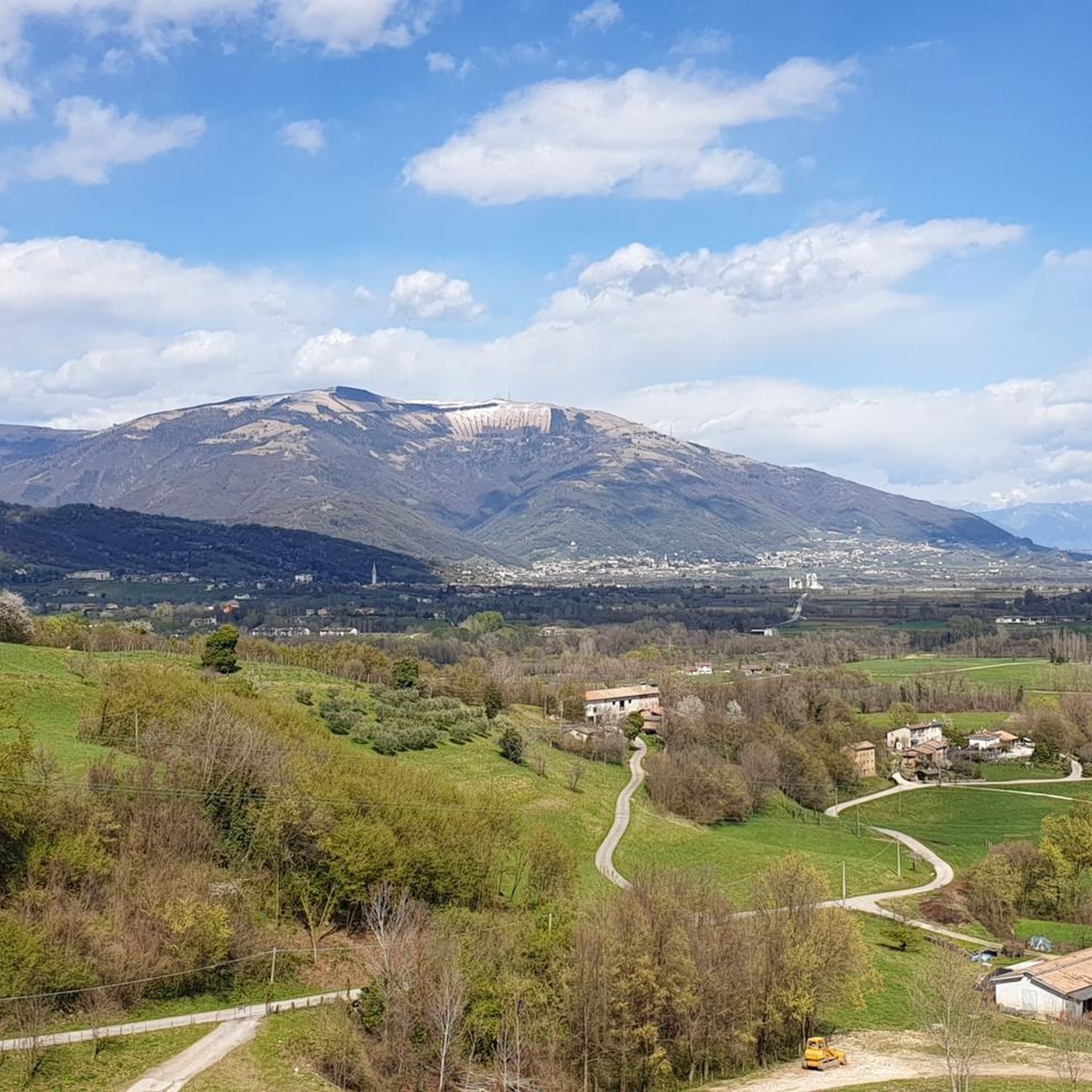
Hiking around Cavaso Del Tomba
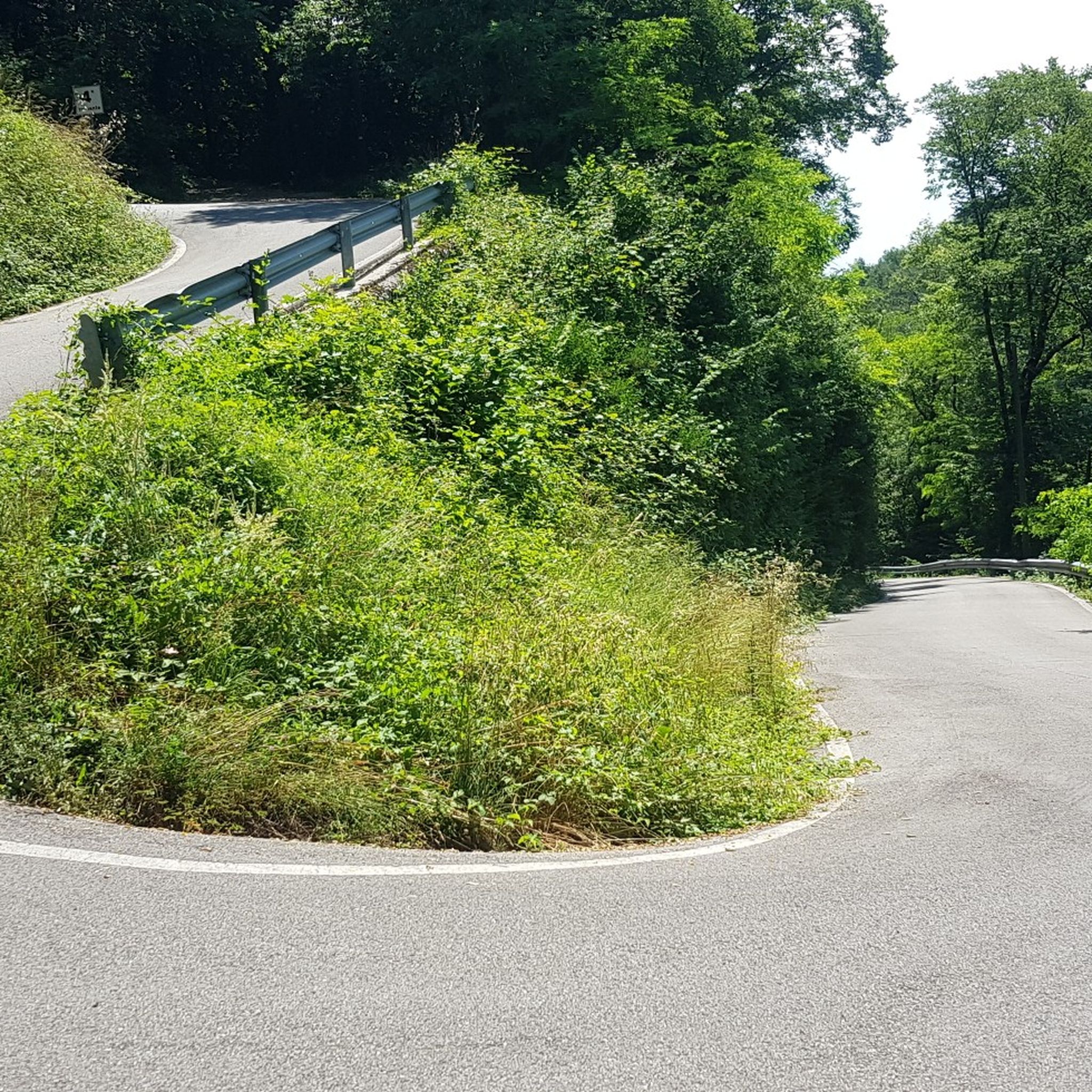
Road Cycling Routes around Cavaso Del Tomba
Gravel biking around Cavaso Del Tomba
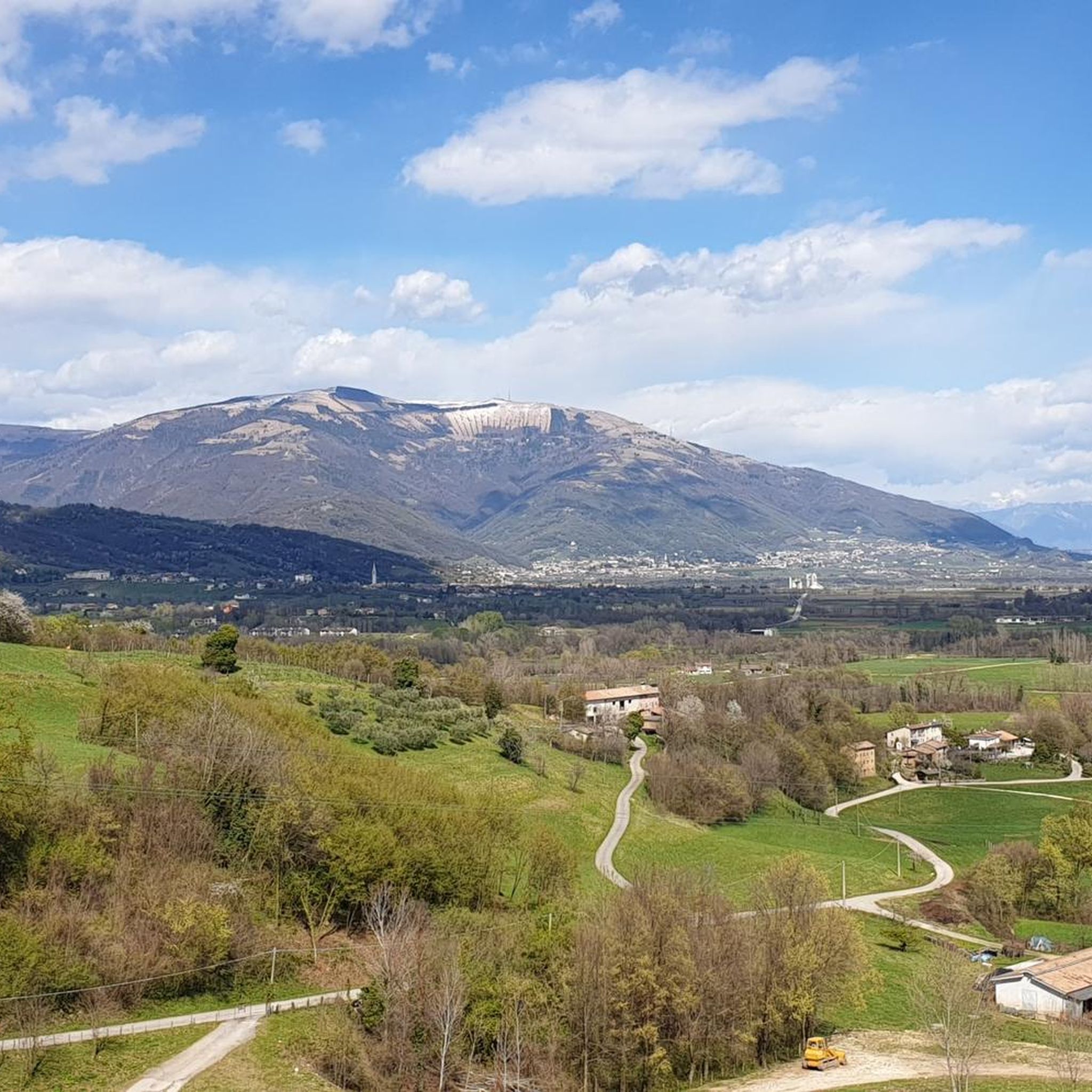
Cycling around Cavaso Del Tomba
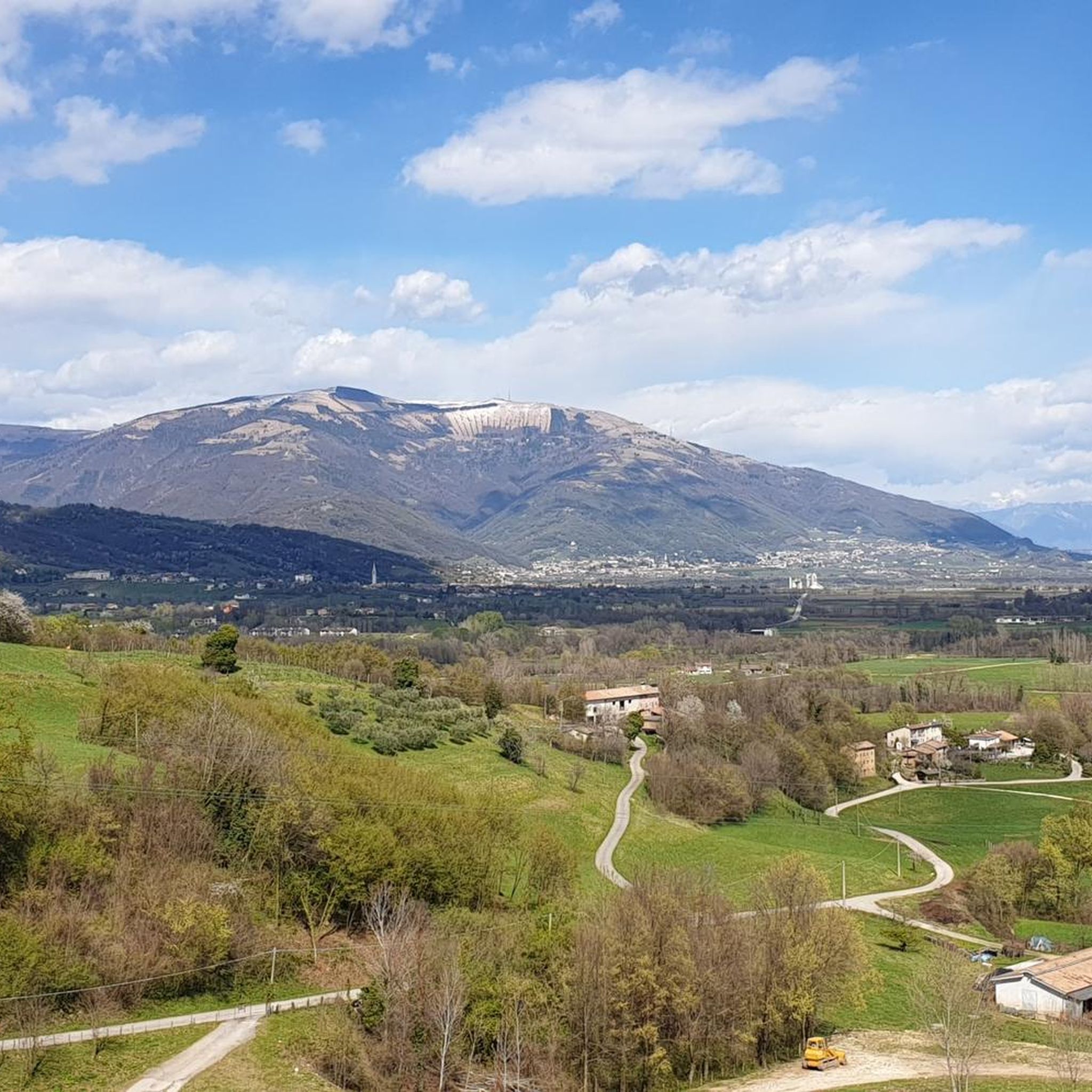
MTB Trails around Cavaso Del Tomba
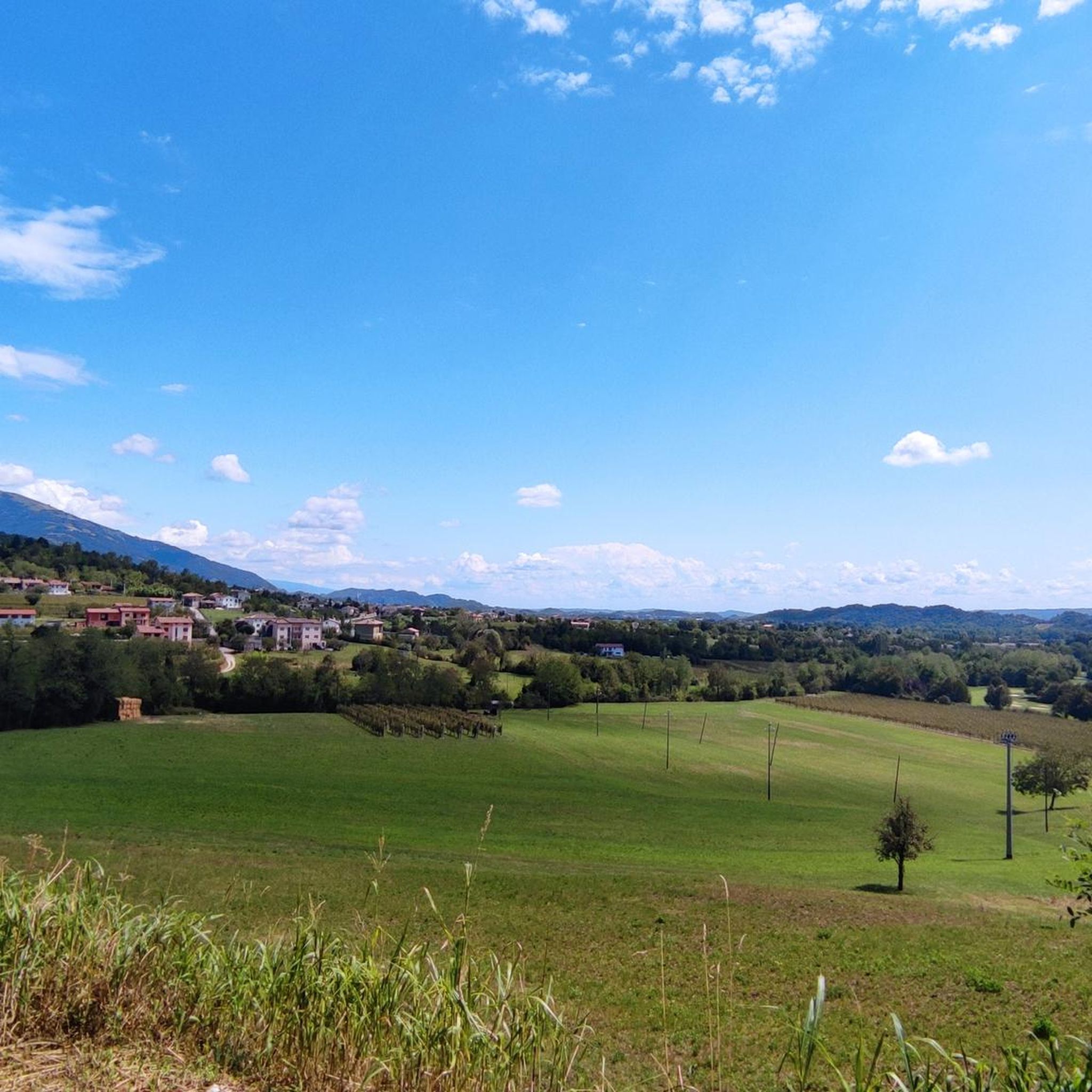
Running Trails around Cavaso Del Tomba
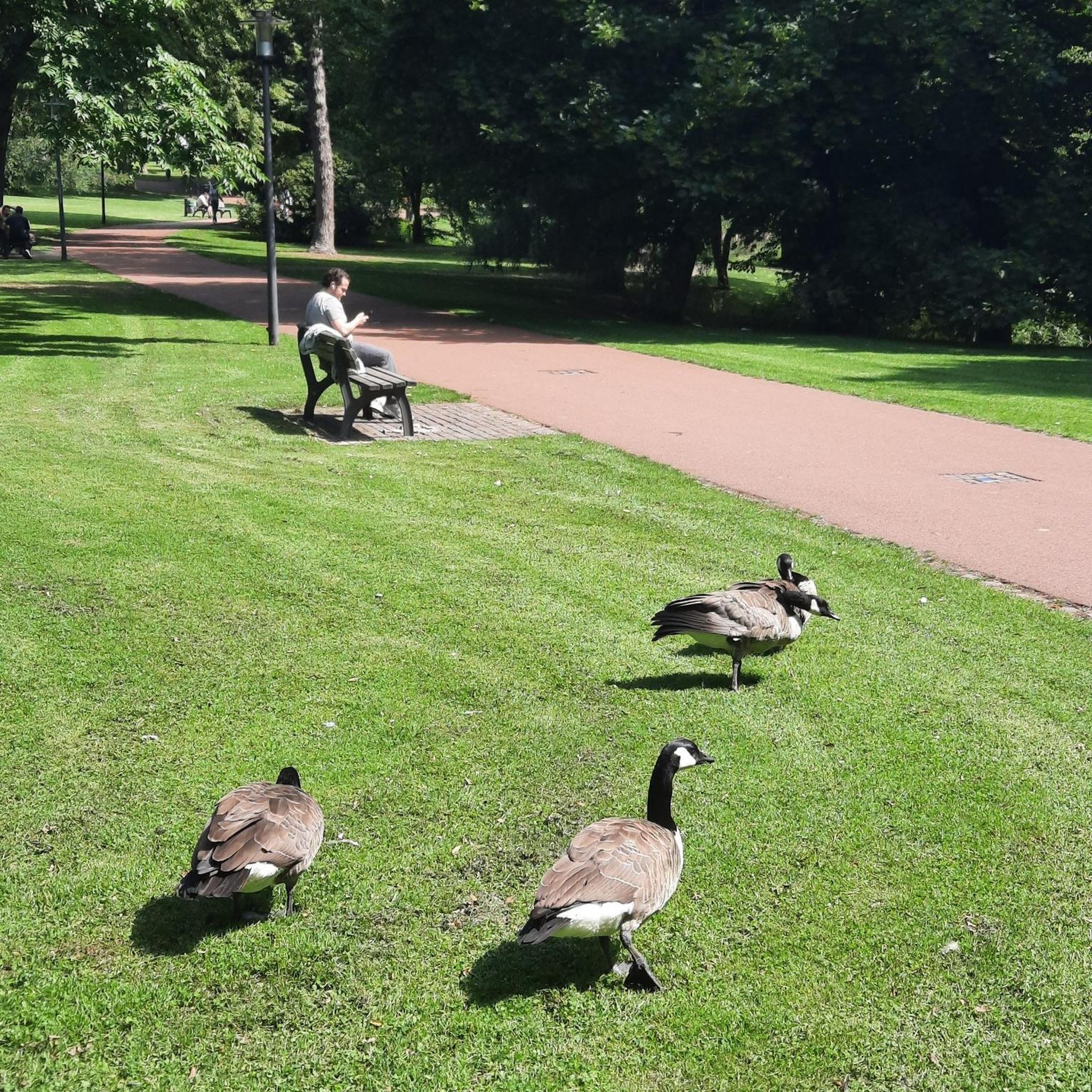
Mountain Hikes around Cavaso Del Tomba
Other adventures around Cavaso Del Tomba

Tips from the Community

The Castle of Asolo, also known as the Queen's Castle or Pretorio Castle, is an ancient fortress located in the heart of the village, which for centuries represented the center of civil and military power. The structure is inextricably linked to the figure of Caterina Cornaro, former queen of Cyprus, who established her sumptuous Renaissance court here during her exile in Asolo. The building is characterized by the massive Civic Tower, which still marks the time of the city today, and the Royal Tower. Although over the centuries it has undergone profound transformations, housing administrative offices and even a theater named after Eleonora Duse, the complex retains the charm of a royal residence. From its walls and garden, enchanting views can be enjoyed over the rooftops of the historic center, confirming it as one of the pillars of Asolo's monumental identity.
0
0
The Rocca di Asolo is an imposing medieval fortress located on the summit of Monte Ricco, the highest point of the village, from which it dominates the entire surrounding landscape. Built between the late 12th and early 13th centuries, the structure has an irregular polygonal plan with massive conglomerate and brick walls, devoid of external openings to maximize its defensive function. From its summit, you can enjoy one of the most famous views in the Veneto region, stretching from the peaks of Monte Grappa and the Dolomites to the Venice Lagoon on clearer days. Recently restored, the Rocca is now open to visitors and allows you to walk along the ramparts, offering a total immersion into the military history of the territory and fully justifying the famous definition of Asolo as the "city of a hundred horizons".
0
0

From the fortress's ramparts, you can enjoy a magnificent 360° panorama of the plain, the hills, the mountains (Grappa in the foreground), and Asolo. To reach the fortification, you need to tackle a long and evocative paved staircase that winds around the village walls. It is only open on Saturdays, Sundays, and public holidays. Entrance fee: €5 (a bit expensive for a short panoramic walk). https://www.asolo.it/cosa-vedere-asolo-rocca/
0
0

Nice view on the plane. It's short uphill (50mt stones floor), but isn't ridable with a road/gravel bike. For roadies and gravellers it's a portage section, for sure (roadies, pay attention when walk on stones with stiff shoes). An MTB and a real good fitness are required to achieve the top of the hill.
0
1

Castello Pretorio is a hidden gem in the idyllic town. Free access gives you the opportunity to delve into the long, special history of the fort. It is an early medieval fortress that has had different inhabitants and interpretations over the centuries. Take your time to press your pause button and enjoy a beautiful panoramic view from the Belevedere della Specola.
2
0
The symbol of the city stands on the top of Monte Ricco (310 meters) as a solid military fortress. Built between the end of the 12th and the beginning of the 13th century, it served as the city's garrison. From the stands it is possible to admire the entire surrounding landscape with a view that stretches from the Dolomites to Venice. Opening: Saturday, Sunday and public holidays: from April to October 10am - 7pm; from November to March 10am-5pm. July and August: 9am-1pm/4pm-8pm More info at https://www.asolo.it/cosa-vedere-asolo-rocca/
6
0
The symbol of the city is at the top of Monte Ricco (310 meters). To reach the Rocca, take into account a steep climb (so to speak). Opening: Saturday, Sunday and public holidays: from April to October 10am - 7pm; from November to March 10am-5pm. July and August: 9am-1pm/4pm-8pm. Entrance prices and more info: check https://www.asolo.it/cosa-vedere-asolo-rocca/
6
1

Symbol of the city of Asolo, the Rocca is a solid military fortification that stands on the top of Monte Ricco (310m). It was built between the end of the 12th and the beginning of the 13th century by will of the Bishop of Treviso with the function of garrison for the city. Previous visits to the fortress can be dated from the 7th-8th century, when a Christian chapel was built on the hill with a mosaic floor preserved in the museum, but a copy of which is placed in situ. In the following centuries the area was used for the establishment of production structures and necropolises; in particular between the 10th and 12th centuries the sources mention this settlement as loco Bragida, a toponym of Lombard origin which came to indicate the countryside or peri-urban areas. The mighty structure, made of local stone, has crenellated walls approximately 15 m high and between 2.5 and 3.5 m thick. Inside are the tower, the remains of the round cistern-well for collecting rainwater and part of a small quadrangular cistern preceding the cistern-well. The fortress was abandoned after the 15th century and the structure was then used sporadically. There is news that Venice attempted to sell the fortress in 1650, but in extremis the city's pleas prevented this sale; in fact the fortress became an inalienable part of the monumental heritage of Asolo. From its stands it is possible to admire the entire surrounding landscape with a view that passes from the Dolomites to Venice. Opening: Saturday, Sunday and holidays: from April to October 10.00am-7.00pm; from November to March 10.00-17.00. July and August: 9.00-13.00/16.00-20.00
2
0
Frequently Asked Questions
What historical sites can I explore in Cavaso Del Tomba beyond the more prominent castles?
Beyond the well-known castles, Cavaso Del Tomba offers significant archaeological sites like the Castello di Castelcies and the Bastia di San Giorgio. These sites provide a glimpse into medieval military architecture and the region's strategic past, with remains of fortifications and towers. The nearby Church of San Martino in Castelcies also houses ancient artifacts, including a 2nd-century BC engraved stone.
Are there any castles or historical sites around Cavaso Del Tomba known for panoramic views?
Yes, the Rocca di Asolo, situated on Monte Ricco, offers extensive panoramic views stretching from the Dolomites all the way to Venice. You can also enjoy a beautiful vista from the Belvedere della Specola at Castello Pretorio in Asolo.
What kind of historical significance do the castles in Cavaso Del Tomba hold?
The castles and historical sites in Cavaso Del Tomba are deeply rooted in medieval history. Structures like the Castello di Castelcies and Bastia di San Giorgio played crucial defensive roles in conflicts between Treviso and Conegliano, and served as refuges during wartime. Other sites like Asolo feature Roman-era remains and medieval fortresses, reflecting centuries of strategic importance and cultural development.
Are there family-friendly options among the castles or historical sites in the area?
Yes, Asolo is considered family-friendly, offering a charming historic center, the castle of Queen Cornaro, and the Cathedral. Villa Barbaro (Villa di Maser) is also a great family-friendly historical site, known for its Palladian architecture and frescoes by Paolo Veronese.
What outdoor activities or trails are available near the castles in Cavaso Del Tomba?
The region around Cavaso Del Tomba offers various outdoor activities. You can find numerous MTB trails, including challenging loops around Monte Grappa and Monte Tomba. For hikers, there are mountain hikes like the Via Ferrata Sass Brusai. If you prefer running, running trails are also available, with options ranging from moderate to difficult.
What is the best time of year to visit the castles and historical sites around Cavaso Del Tomba?
The best time to visit is generally from spring to autumn (April to October) when the weather is pleasant for exploring outdoor sites and enjoying the panoramic views. Many sites, like the Rocca di Asolo, have extended opening hours during these months.
Are there any easy walks or circular routes that incorporate castle visits?
While specific easy circular walks directly around the archaeological castle sites of Castelcies and Bastia di San Giorgio might require some local knowledge, the charming town of Asolo offers pleasant strolls through its historic center, allowing you to visit the castle of Queen Cornaro and the Cathedral. For more structured routes, check the running trails guide for easier options in the broader region.
What do visitors enjoy most about the castles and historical sites in Cavaso Del Tomba?
Visitors particularly appreciate the rich historical context and archaeological significance of sites like Castelcies and Bastia di San Giorgio. The stunning panoramic views from places like the Rocca di Asolo are also a major draw. The architectural beauty of Villa Barbaro and the charming atmosphere of Asolo are frequently highlighted by the komoot community.
Is there parking available near the main castle attractions?
Parking availability varies by location. For towns like Asolo, there are usually designated parking areas within or near the historic center. For archaeological sites like Castelcies and Bastia di San Giorgio, parking might be more limited, often requiring parking in nearby villages and walking to the sites.
How long should I allocate to visit the castles and historical sites around Cavaso Del Tomba?
To fully appreciate the historical context and explore the sites, plan at least half a day for a concentrated visit to one or two main attractions like Asolo and its Rocca. If you plan to visit multiple sites, including the archaeological remains of Castelcies and Bastia di San Giorgio, a full day or even two days would allow for a more relaxed and in-depth exploration.
Are there any cafes or places to eat near the castles in Cavaso Del Tomba?
Yes, the town of Asolo, a popular destination, offers a variety of cafes and restaurants where you can taste local food and wine delicacies. For other, more remote historical sites, it's advisable to check for dining options in nearby villages before your visit.
What are the main architectural styles or periods represented by the castles in this region?
The castles and historical sites in the Cavaso Del Tomba region primarily represent medieval military architecture, as seen in the remains of Castelcies and Bastia di San Giorgio, which date back to the 13th and 14th centuries. Additionally, sites like Villa Barbaro (Villa di Maser) showcase Renaissance architecture, specifically the work of Andrea Palladio from the mid-16th century.
Most popular routes around Cavaso Del Tomba
Most popular attractions around Cavaso Del Tomba

Get inspired with the komoot mobile app


Explore more
Looking for the best castles somewhere else? Discover other guides around Cavaso Del Tomba:
