Top 4 Castles around Castelcucco
Best castles around Castelcucco are primarily historical remnants, reflecting the area's medieval past as a strategic defensive location. The name "Castelcucco" itself suggests a history intertwined with fortifications, meaning "castle on the peak." While grand, well-preserved castles are not prevalent, the region features sites like the ruins of Castello del Col Muson and other fortified structures. These locations offer insights into the historical layout and strategic importance of controlling the hilly landscape between Asolo, Monfumo, and the foothills of Monte…
Last updated: July 1, 2026
Asolo
Highlight • Settlement
Translated by Google •
Tip by

Villa Barbaro (Villa di Maser)
Highlight • Historical Site
Translated by Google •
Tip by

Sign up now to discover places like this
Get recommendations on the best single tracks, peaks, & plenty of other exciting outdoor places.
Sign up for free
Castello Pretorio
Highlight • Castle
Asolo's old town is characterized by the fortress (Rocca) from the 12th century. In addition to her, the Cathedral of Santa Maria Assunta, the Villa Scotti-Pasini and the Castello …
Translated by Google •
Tip by
Start today with a free account
Your next adventure awaits.
Login or Signup

Tips from the Community

The Castle of Asolo, also known as the Queen's Castle or Pretorio Castle, is an ancient fortress located in the heart of the village, which for centuries represented the center of civil and military power. The structure is inextricably linked to the figure of Caterina Cornaro, former queen of Cyprus, who established her sumptuous Renaissance court here during her exile in Asolo. The building is characterized by the massive Civic Tower, which still marks the time of the city today, and the Royal Tower. Although over the centuries it has undergone profound transformations, housing administrative offices and even a theater named after Eleonora Duse, the complex retains the charm of a royal residence. From its walls and garden, enchanting views can be enjoyed over the rooftops of the historic center, confirming it as one of the pillars of Asolo's monumental identity.
0
0

Castello Pretorio is a hidden gem in the idyllic town. Free access gives you the opportunity to delve into the long, special history of the fort. It is an early medieval fortress that has had different inhabitants and interpretations over the centuries. Take your time to press your pause button and enjoy a beautiful panoramic view from the Belevedere della Specola.
2
0

Villa Barbaro di Maser The Villa di Maser was conceived around 1550 by the architect Andrea Palladio as a prestigious location for the agricultural estate of the Venetian noble brothers Daniele and Marcantonio Barbaro, who commissioned the painter Paolo Veronese and the sculptor Alessandro Vittoria to decorate the building. Text / Source: VILLA DI MASER (Villa Barbaro) - Patrimonio dell'Umanità UNESCO https://www.villadimaser.it/visit-the-villa/?lang=en
13
0
The Villa di Maser was conceived around 1550 by the architect Andrea Palladio as a prestigious location for the agricultural estate of the Venetian noble brothers Daniele and Marcantonio Barbaro, who commissioned the painter Paolo Veronese and the sculptor Alessandro Vittoria to decorate the building.
14
0
Asolo Asolo's old town is characterized by the fortress (Rocca) from the 12th century. In addition to it, the Cathedral of Santa Maria Assunta, the Villa Scotti-Pasini and the Castello della Regina Cornaro are among the city's main attractions. The remains of an amphitheater and an aqueduct date from Roman times. Text / Source: italien.de GmbH https://www.italien.de/staedte/asolo
19
0
Asolo Asolo's old town is characterized by the fortress (Rocca) from the 12th century. In addition to her, the Cathedral of Santa Maria Assunta, the Villa Scotti-Pasini and the Castello della Regina Cornaro are among the main sights of the city. The remains of an amphitheater and an aqueduct date from Roman times. Text / source: italien.de GmbH https://www.italien.de/staedte/asolo
14
0

Asolo is part of the circuit Borghi più Belli d’Italia. Here you can visit the castle of Queen Cornaro, the Cathedral, the Rocca, the Civic Museum. Finally, in the historic center you can taste the local food and wine delicacies.
8
4

Asolo's old town is characterized by the fortress (Rocca) from the 12th century. In addition to it, the Cathedral of Santa Maria Assunta, the Villa Scotti-Pasini and the Castello della Regina Cornaro are among the city's main attractions. The remains of an amphitheater and an aqueduct date from Roman times. The mighty Rocca is 15 meters high and between 2.5 and 3.5 meters wide. The defensive structure was built towards the end of the 12th century. A previous building to the cathedral already existed in 969. The church took on its current shape in the middle of the 18th century. Inside you will find Lorenzo Lotto's famous painting “The Assumption of Mary”. The castle, with the clock tower visible from afar, was the seat of the city bailiffs of Venice from the middle of the 14th century. In 1489 it became the residence of Caterina Cornaro, wife of the King of Cyprus, whose name it still bears today. In 1798 the large Pretoria auditorium was converted into a theater.
8
0
Frequently Asked Questions
What kind of castles can I expect to find around Castelcucco?
Castelcucco's history is deeply rooted in fortifications, with its name meaning 'castle on the peak.' While you won't find many grand, well-preserved castles directly within Castelcucco, the area features significant historical remnants and fortified structures. These include the ruins of Castello del Col Muson and other historical sites that offer a glimpse into the region's medieval past as a strategic defensive location. Nearby, you'll find more prominent sites like Asolo, with its castle features and the impressive Rocca di Asolo.
Are there family-friendly castles or historical sites to visit near Castelcucco?
Yes, several sites around Castelcucco are suitable for families. Asolo, a charming historical settlement, offers a pleasant experience for all ages with its castle features and historical center. Another excellent option is Villa Barbaro (Villa di Maser), a UNESCO World Heritage site known for its stunning architecture and frescoes, which can be an engaging visit for families interested in art and history.
What are the best viewpoints or natural features to see near these castles?
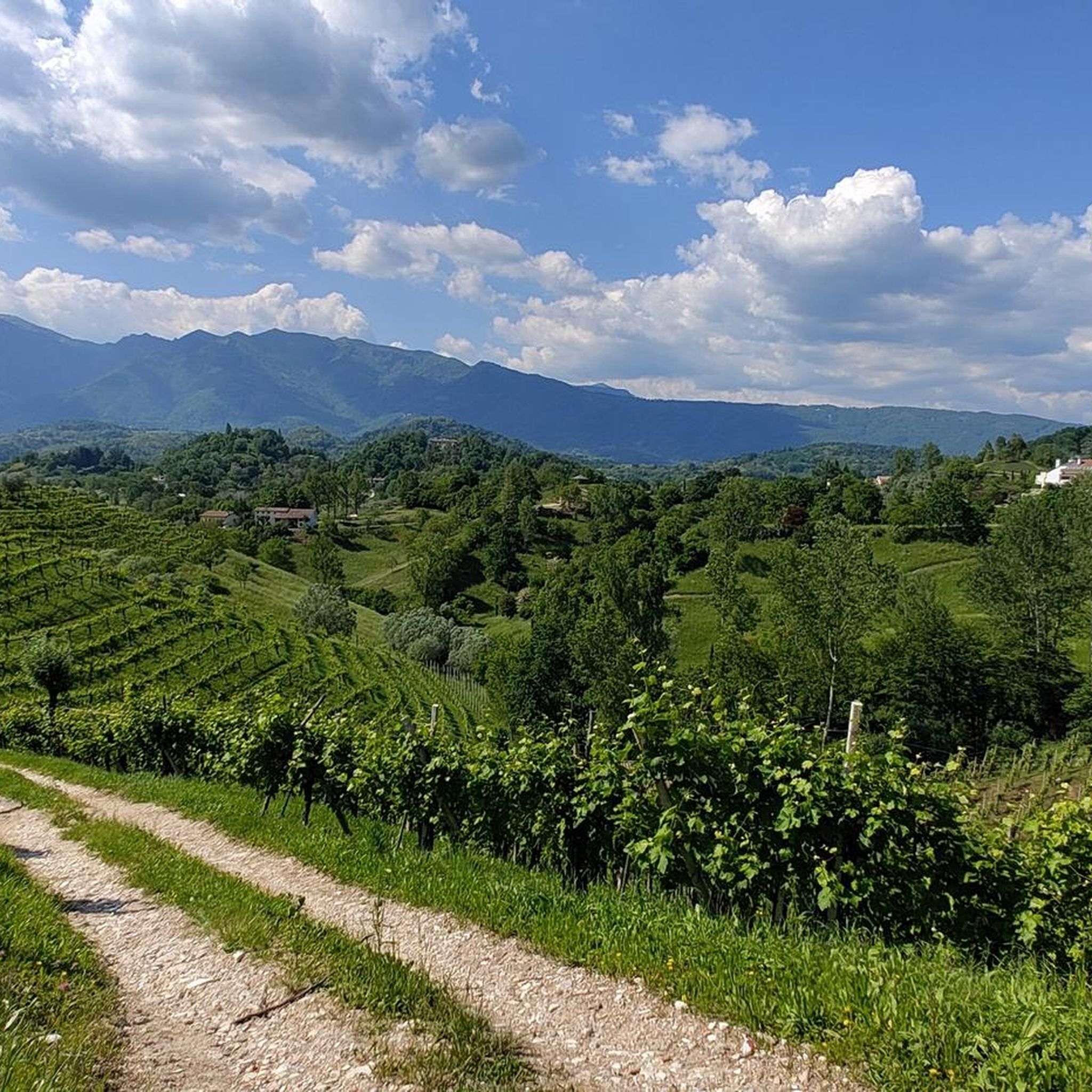
The region around Castelcucco and Asolo is known for its picturesque hilly landscape. The Rocca di Asolo, a prominent fortress above Asolo, offers spectacular panoramic views that stretch from the Dolomites all the way to Venice. Even the historical remnants like Castello del Col Muson, while not grand structures, provide elevated positions that offer scenic vistas of the surrounding area between Asolo, Monfumo, and the foothills of Monte Grappa.
What outdoor activities can I do near the castles around Castelcucco?
The area offers a variety of outdoor activities. For road cycling enthusiasts, there are routes like the 'Monte Tomba Loop' or 'Muro Ca’ Balbi loop from Castelcucco.' Gravel biking options include challenging routes such as 'Possagno to Mount Grappa via trail 105.' If you prefer hiking, you can explore mountain hikes like the 'Via Ferrata Sass Brusai loop.' You can find more details on these and other routes in the Road Cycling Routes around Castelcucco, Gravel biking around Castelcucco, and Mountain Hikes around Castelcucco guides.
Are there hiking trails that connect castles or historical sites in the area?
While there aren't specific trails directly connecting all the 'castles' in a single path, many of the historical sites, especially around Asolo, are accessible via walking paths. For instance, reaching the Rocca di Asolo involves a steep climb, which is a popular hike offering rewarding views. Exploring the historical center of Asolo itself is a pleasant walk, connecting various historical points like the castle of Queen Cornaro and the Cathedral.
What is the best time of year to visit the castles and historical sites around Castelcucco?
The best time to visit is generally from spring to autumn (April to October) when the weather is pleasant for exploring and hiking. During these months, sites like the Rocca di Asolo have extended opening hours. Winter visits are possible, but some sites might have reduced hours, and hiking conditions can be more challenging due to colder weather or potential snow at higher elevations.
Are there any dog-friendly trails or castles near Castelcucco?
Many outdoor trails and paths in the natural areas around Castelcucco are dog-friendly, allowing you to enjoy the scenic landscape with your pet. When visiting specific historical sites or castle ruins, it's always best to check individual site regulations regarding dogs, especially for indoor areas or protected archaeological zones. Generally, exploring the outdoor areas and approaches to sites like the Rocca di Asolo or the historical center of Asolo is often possible with well-behaved dogs on a leash.
Where can I find cafes, restaurants, or accommodation near the castles?
The charming town of Asolo, a short distance from Castelcucco, is an excellent place to find a variety of cafes, restaurants, and accommodation options. Its historic center offers local food and wine delicacies. Smaller villages in the surrounding area may also have local eateries. For specific recommendations, it's advisable to check local listings or online travel guides for the Asolo and Castelcucco area.
Are there any free castles or historical sites to visit in the Castelcucco area?
While some sites like Rocca di Asolo have an entrance fee for access to the interior and battlements, exploring the exterior grounds and approaches to many historical remnants, such as the ruins of Castello del Col Muson, is generally free. Castello Pretorio in Asolo also offers free access to delve into its history and enjoy panoramic views from the Belvedere della Specola.
How long does it typically take to visit the main castle-related sites around Castelcucco?
The duration of your visit depends on the site. Exploring the historical center of Asolo, including its castle features and museum, could take half a day or more. A visit to the Rocca di Asolo, including the climb and enjoying the views, might take 1-2 hours. Villa Barbaro (Villa di Maser) typically requires 1-2 hours to appreciate its architecture and frescoes. For the more remote historical remnants in Castelcucco, the time spent might be shorter, focusing on the ruins and surrounding nature.
What should I wear when visiting the castles and hiking in the Castelcucco area?
Given the historical sites and potential for hiking, comfortable walking shoes are essential, especially if you plan to climb to the Rocca di Asolo or explore the ruins. Layered clothing is recommended as temperatures can vary, particularly during spring and autumn. A hat and sunscreen are advisable during sunny months, and a light rain jacket is always a good idea, regardless of the season.
Are there any less crowded castles or historical sites to visit?
While Asolo and Villa Barbaro are popular, the historical remnants directly within Castelcucco, such as the ruins of Castello del Col Muson, tend to be less crowded, offering a more secluded historical exploration. Castello Pretorio in Asolo is also described as a 'hidden gem,' suggesting it might offer a quieter experience compared to the more prominent Rocca.
Most popular routes around Castelcucco
Most popular attractions around Castelcucco

Get inspired with the komoot mobile app


Explore more
Looking for the best castles somewhere else? Discover other guides around Castelcucco:
