Top 5 Castles around Monteleone Di Fermo
Best castles around Monteleone Di Fermo are integral to the region's historical fabric, with the village itself often considered a "castle-town." This area in the Marche region of Italy is characterized by its well-preserved medieval setting, featuring ancient walls and winding alleys. Situated on a spur between the Ete Vivo and Lubrico streams, it historically benefited from natural defenses. Visitors can explore a landscape where fortifications are woven into the very structure of the settlements.
Best castles around Monteleone Di…
Last updated: July 1, 2026
Ponzano di Fermo Historic Center and Sunflower Fields
Highlight (Segment) • Settlement
Translated by Google •
Tip by

Historic Center of Montegiorgio
Highlight • Historical Site
Translated by Google •
Tip by

Sign up now to discover places like this
Get recommendations on the best single tracks, peaks, & plenty of other exciting outdoor places.
Sign up for free
Monteleone di Fermo
Highlight • Settlement
Translated by Google •
Tip by

Monsampietro Morico
Highlight • Settlement
Translated by Google •
Tip by
Castello di Magliano in Toscana
Highlight • Castle
Translated by Google •
Tip by
Start today with a free account
Your next adventure awaits.
Login or Signup

Tips from the Community

Monsampietro Morico is known for its medieval castle, which features an imposing 14th-century polygonal tower that once defended the Romanesque gate below. The village also boasts a significant religious and artistic heritage, particularly the 13th-century Romanesque Church of San Paolo and works of art such as a triptych attributed to Vittore Crivelli.
1
0
Monteleone di Fermo is famous for its historic medieval center and panoramic hilltop location. Its most iconic monument is the irregular hexagonal tower (dating back to the 13th-14th centuries), the central element of the ancient castle walls.
0
0

Tradition claims that, around the year 1000, a captain of fortune, named Malleano or Majano, was the founder of the Castle. The ancient structure had six towers but now only two remain, one of which has a hexagonal plan. The circular layout of the fourteenth-century walls reproduces the atmosphere of the ancient historical center.
1
0

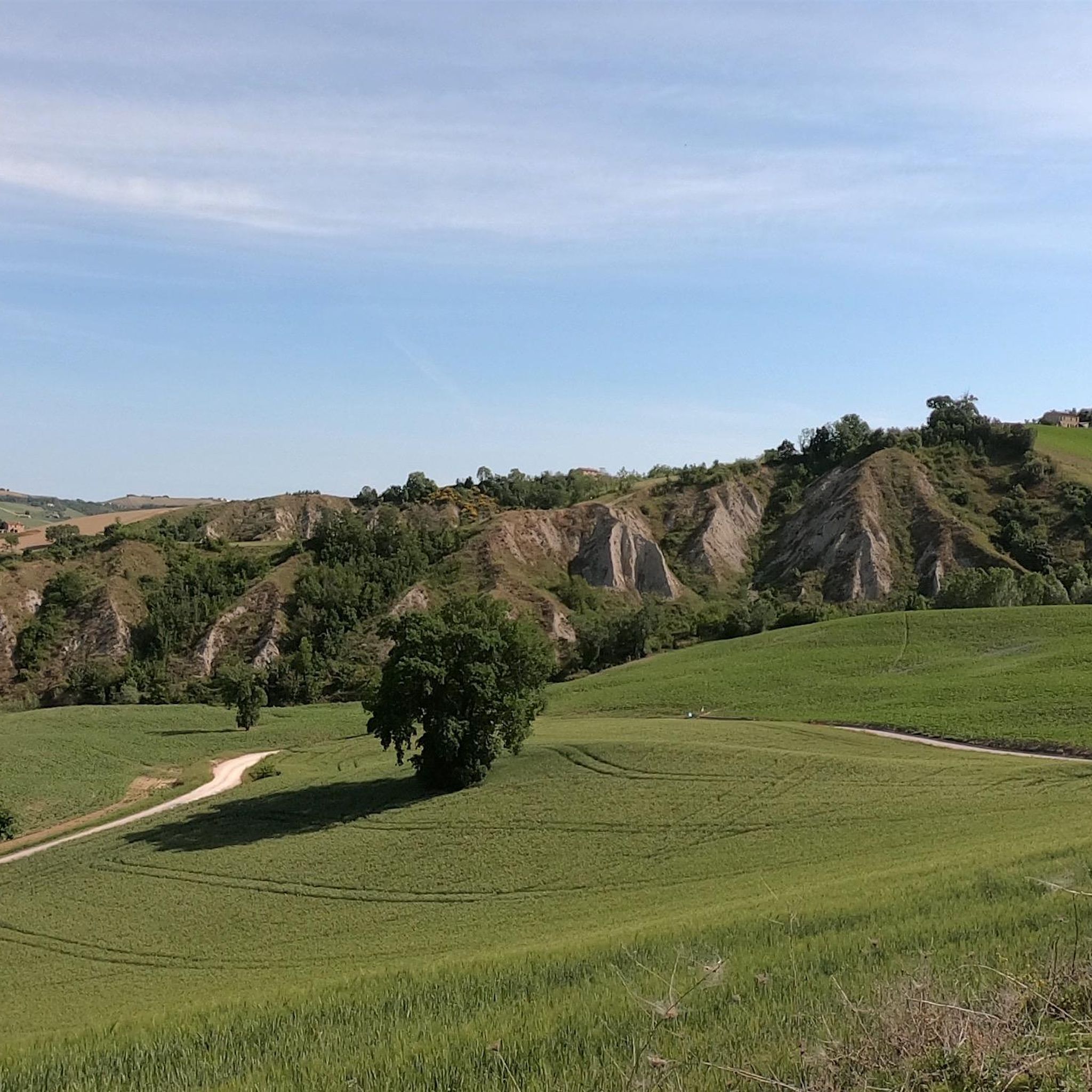
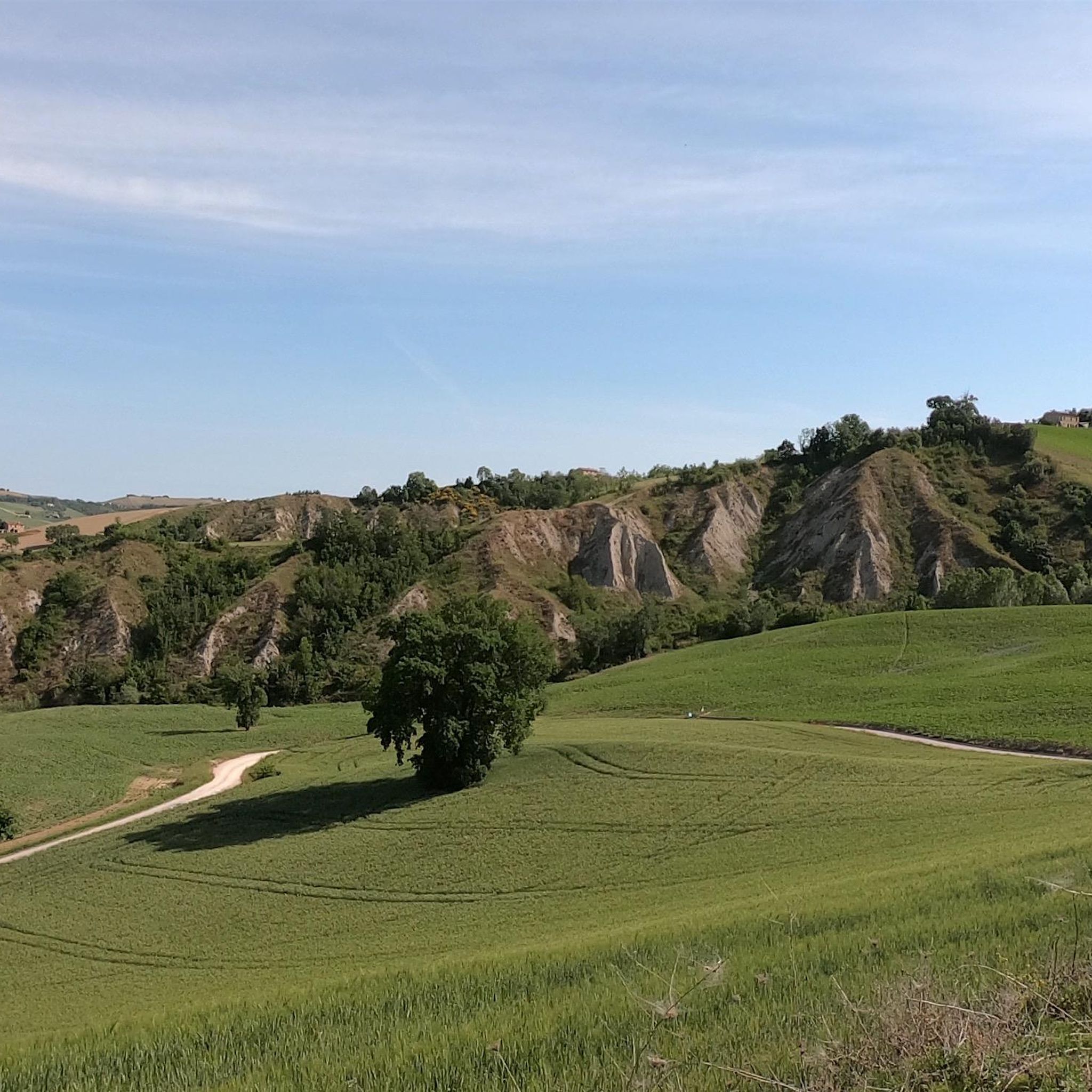
Ponzano di Fermo is a little gem that emerges among the rolling hills and the Apennine nature. Between castle and churches it is definitely worth a visit.
0
0
Also known as the "City of the Mediterranean diet", located on a hill at 411 m. above sea level, in an area of ancient Piceno and Roman settlement, as demonstrated by numerous and significant archaeological finds. The urban structure of Montegiorgio dates back to the Middle Ages, when the Benedictine monks settled there in the 9th century, welcoming the first inhabitants of Montegiorgio around the Church of Santa Maria Grande (the current San Francesco with Farfense Chapel) and the Convent. The center of Montegiorgio is positioned on a hilly relief. The city walls encompass the entire historic center which maintains some of the characteristic medieval streets; you can admire the remains of castle walls, with an access portal still equipped with a wooden door, and some narrow alleys on a human scale. There is currently a lot of post-earthquake consolidation work underway.
0
0

Beautiful climb that bypasses the state road and connects Fermo to Monte Giberto.
0
0
Frequently Asked Questions
What are the main historical features to explore in Monteleone di Fermo?
Monteleone di Fermo is best understood as a 'castle-town' where the fortifications are integral to the village. You can explore the Hexagonal Tower, dating back to the 13th-14th century, which was a key defensive structure of the ancient Castle of Torre dé Casoli. Significant remnants of its medieval castle walls are also visible, contributing to the authentic atmosphere. The village itself is built on a spur, offering a journey back in time through its winding alleys and ancient structures.
Which other castle-towns or fortified villages are worth visiting near Monteleone di Fermo?
Beyond Monteleone di Fermo itself, consider visiting Ponzano di Fermo Historic Center and Sunflower Fields, a charming settlement nestled among rolling hills. Another notable site is Monsampietro Morico, known for its medieval castle featuring an imposing 14th-century polygonal tower. The Historic Center of Montegiorgio also preserves remains of castle walls and an access portal.
What kind of views can I expect when visiting the castles around Monteleone di Fermo?
The villages and their fortifications are often situated on panoramic hilltops. For instance, Monteleone di Fermo itself offers splendid views of the surrounding hills. Similarly, Ponzano di Fermo Historic Center and Sunflower Fields provides picturesque vistas of the Apennine nature and sunflower fields, making for a scenic experience alongside historical exploration.
Are there hiking opportunities near the castles in Monteleone di Fermo?
Yes, the region offers various hiking opportunities. You can find several routes, such as the 'Hiking loop from Montefalcone Appennino' or the 'Hiking loop from Smerillo'. For more detailed information and routes, explore the Hiking around Monteleone Di Fermo guide.
What cycling routes are available around the castle-towns of Monteleone di Fermo?
There are several cycling routes that allow you to explore the area's castles and landscapes. Consider the 'Borghi Sospesi (Suspended Villages) Loop from Monteleone di Fermo' for a challenging ride. Other options include routes like 'Santa Lucia Fountain – View of the Apennine Mountains loop from Servigliano'. You can find more cycling tours in the Cycling around Monteleone Di Fermo guide.
What is the best time to visit Monteleone di Fermo and its castles?
The region's panoramic views and outdoor activities are best enjoyed during pleasant weather. Spring and early autumn typically offer mild temperatures, ideal for exploring the medieval villages, walking through the alleys, and enjoying the surrounding nature. During these seasons, you can also appreciate the sunflower fields near places like Ponzano di Fermo.
What makes the architecture of Monteleone di Fermo unique?
Monteleone di Fermo's architecture is unique due to its integration of defensive structures into the village's fabric. The most striking example is the irregular Hexagonal Tower, which served as a central defensive element and now functions as the bell tower for the Church of San Giovanni. The village's circular layout and preserved medieval walls, with terracotta houses and winding alleys, create an authentic historical atmosphere.
Are there any running trails near the castles in the Monteleone di Fermo area?
Yes, if you enjoy running, there are several routes available. Examples include the 'Running loop from Montelparo' and the 'Running loop from Madonna del Lago'. For a comprehensive list of trails, refer to the Running Trails around Monteleone Di Fermo guide.
What kind of historical immersion can I expect in Monteleone di Fermo?
Monteleone di Fermo offers a deep historical immersion. Walking through its winding alleys and observing the ancient walls provides a tangible connection to its medieval past. The village's origins are tied to the Farfensi, a Benedictine community, and it was recognized as a 'castle of Fermo' as early as 1251, showcasing its significant cultural and historical importance.
What are the highlights of visiting Monsampietro Morico?
Monsampietro Morico is renowned for its medieval castle, which features an imposing 14th-century polygonal tower that once defended the Romanesque gate below. Beyond its fortifications, the village also boasts a significant religious and artistic heritage, including the 13th-century Romanesque Church of San Paolo and notable artworks.
Can I find any hidden gems or less-known historical sites in the region?
While Monteleone di Fermo itself is a well-preserved gem, exploring the smaller settlements like Montegiorgio can reveal less-trafficked historical sites. Montegiorgio's urban structure dates back to the Middle Ages, with remnants of castle walls and narrow medieval streets, offering a glimpse into ancient Piceno and Roman settlements.
What are the natural features surrounding the castles of Monteleone di Fermo?
The castles and castle-towns in the Monteleone di Fermo area are set amidst a picturesque landscape of rolling hills and the Apennine nature. The village of Monteleone di Fermo itself is built on a spur between the Ete Vivo and Lubrico streams, providing natural defenses and scenic surroundings. Nearby, you can also find expansive sunflower fields, particularly around Ponzano di Fermo.
Most popular attractions around Monteleone Di Fermo

Get inspired with the komoot mobile app


Explore more
Looking for the best castles somewhere else? Discover other guides around Monteleone Di Fermo:
