The 5 Most Amazing Peaks around Sèneghe/Seneghe
Best mountain peaks around Sèneghe/Seneghe are found within the Montiferru massif, an ancient volcanic complex in central-western Sardinia. This region is characterized by its mountainous terrain, offering natural beauty and panoramic views. Monte Urtigu stands as the highest point of the Montiferru massif, reaching an elevation of 1050 meters above sea level. The area provides diverse landscapes, from rugged coastlines to inland plateaus, shaped by ancient volcanic activity.
Best mountain peaks around Sèneghe/Seneghe
- The most popular mountain peaks is Monte…
Last updated: July 1, 2026
Monte Pertusu
Highlight • Summit
Translated by Google •
Tip by

IGM Trigonometric Point On Mullone
Highlight • Summit
At the top of this point, you can see (already from the repeaters …
Translated by Google •
Tip by

Sign up now to discover places like this
Get recommendations on the best single tracks, peaks, & plenty of other exciting outdoor places.
Sign up for free
Monte Agudu (Sa Rocca de Tiu Antoni Gana)
Highlight • Summit
Translated by Google •
Tip by
Shaded Rest Spot at Badde Urbara Summit
Highlight • Summit
(This is one of the very few trees on the top of Badde Urbara to have been saved from the …
Translated by Google •
Tip by
Monte Urtigu Viewpoint
Highlight • Viewpoint
Showing Translation
Tip by

Sign up for free to discover even more peaks around Sèneghe/Seneghe.
Sign up for free
Already have an account?
Start today with a free account
Your next adventure awaits.
Login or Signup
Tips from the Community

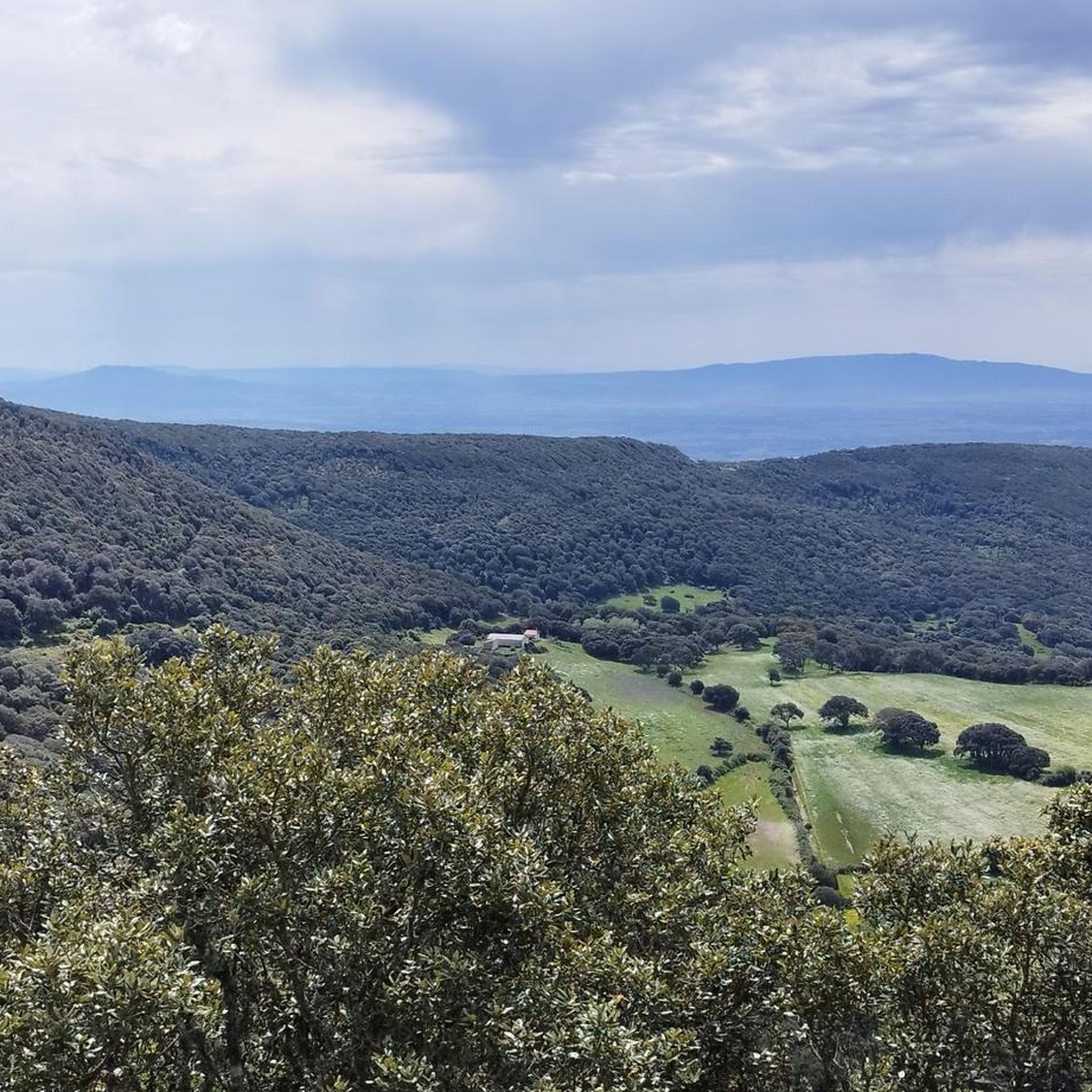
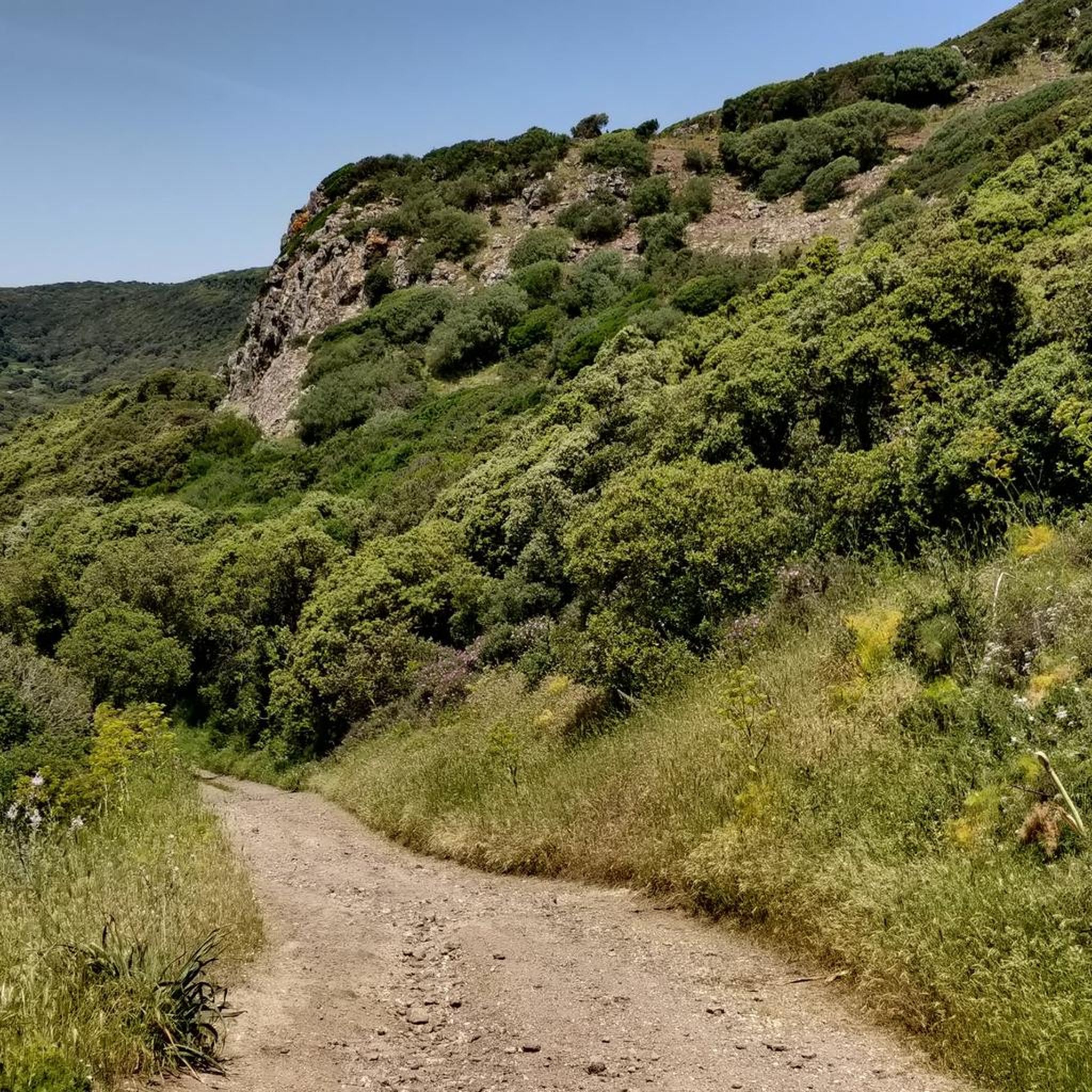
It is located in the municipality of Santu Lussurgiu (OR) A spectacular rocky peak of Montiferru that reaches an altitude of 970 meters. The west side is vertical, while the east side is inclined and climbable. On the summit there are the remains of a megalithic fortification, also known as Rocca 'e su Para, a toponym attributed, it seems, for the use of the fortress by Camaldolese friars as a place of prayer.
0
0

Also known as Monte Agudu, it rises imposingly reaching almost 900m in altitude. On the summit there are the remains of a probable late-Nuragic sanctuary
2
0

Disappointment... we are experienced hikers. We followed the route to the letter and found ourselves on barely marked paths overgrown with vegetation (brambles, thistles). The way back is no better: tarmac road used by many trucks. Hiking to be completely revised because it is impassable on many sections.
0
0
Update April 2024: the orange ribbons that marked the route have disappeared. However, the number of the aforementioned "piles of stone" has increased, making it clear which path to use to get to the top.
0
0
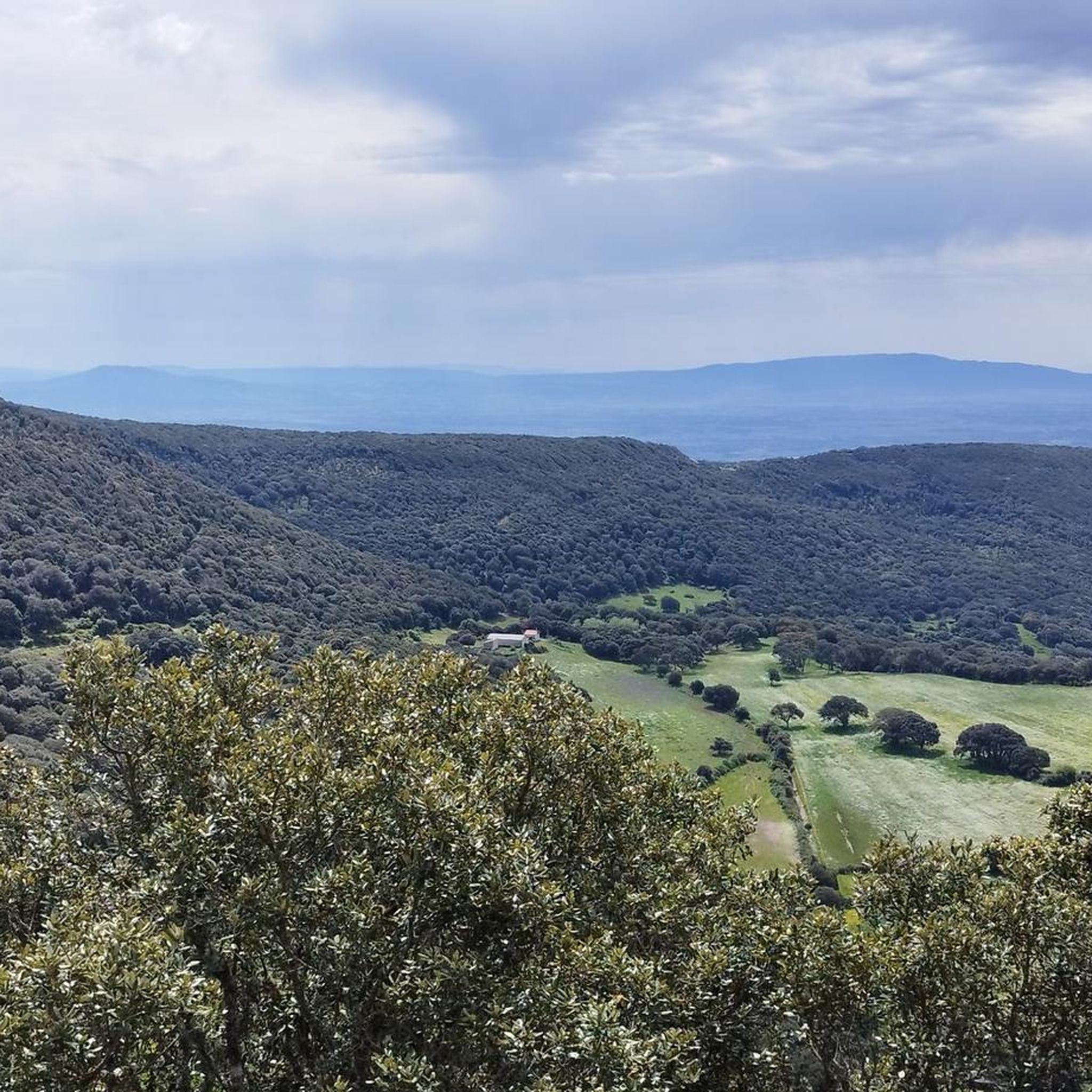
You've reached the top, take a break in the shade. (This is one of the very few trees on the top of Badde Urbara to have been saved from the 2021 fire, and remains one of the few shaded points in the area with the exception of the descent which then takes you back to the provincial road towards Cuglieri. The descent towards Elighes Uttiosos shows this fact very well, as after almost three years the charred skeletons of the trees that once populated this hill can still be found, today replaced only by shrubs).
0
0
Imposing peak, maximum height of 986. From the top you can see a wonderful panorama
0
0

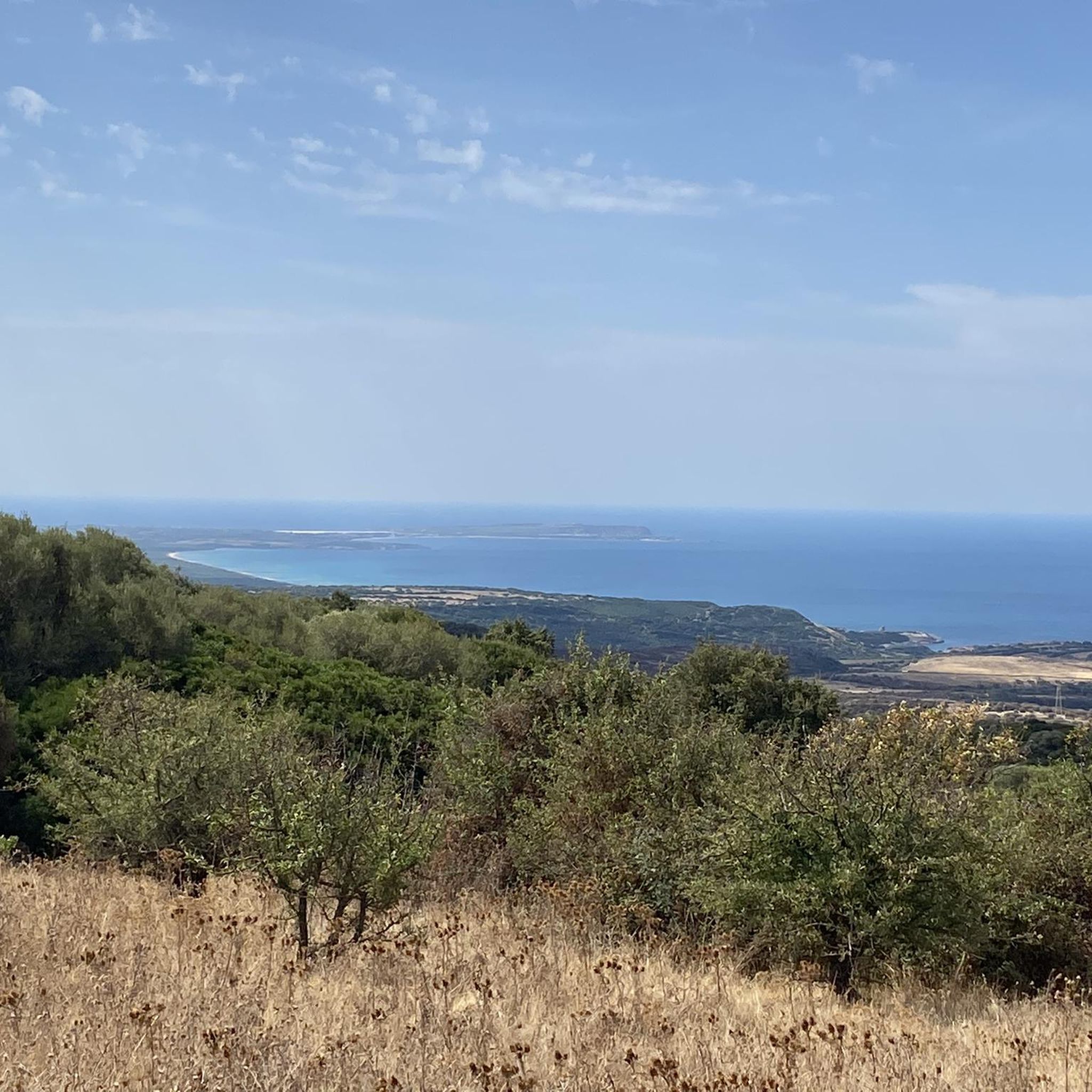
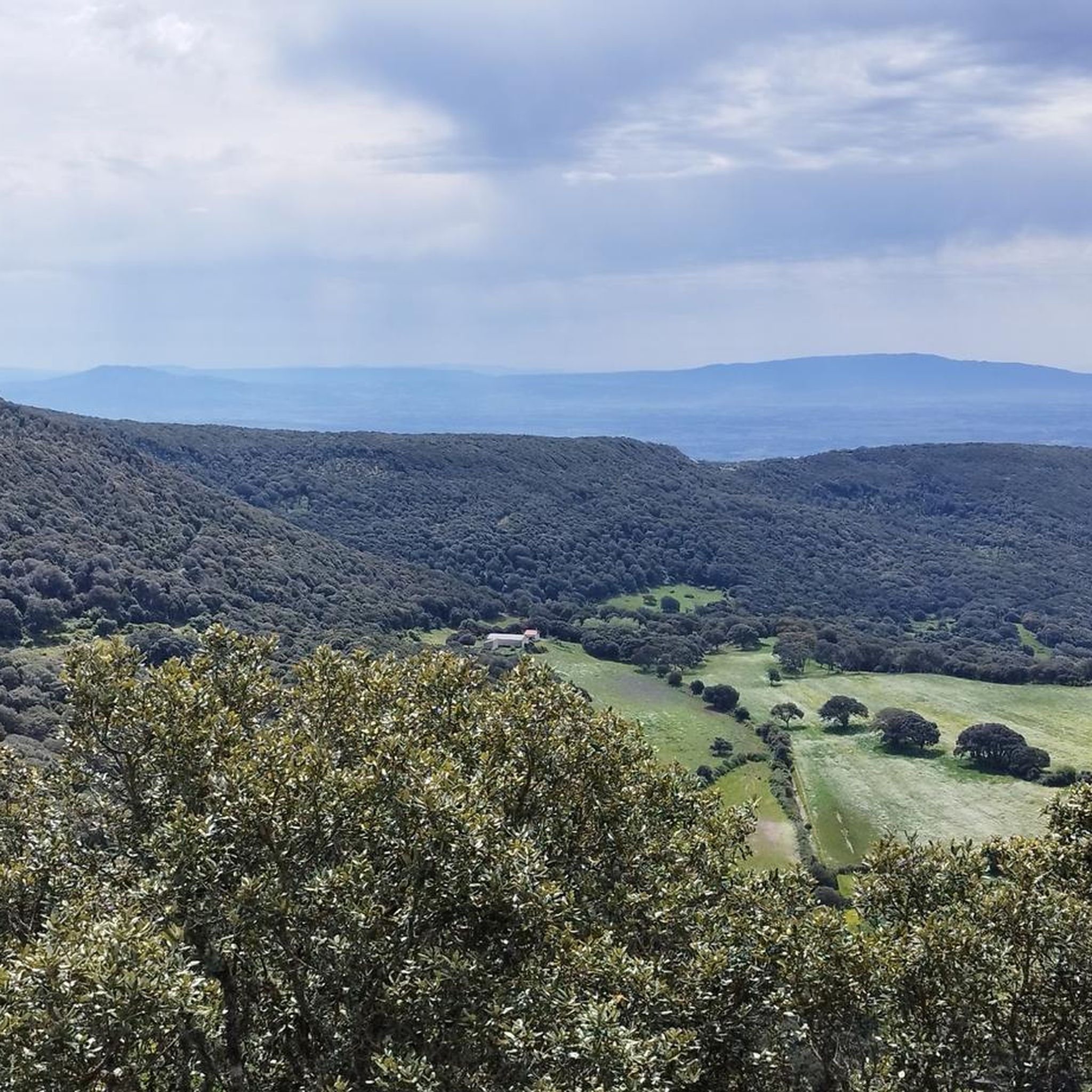
From this point, you have a splendid view of the Sardinian hinterland, especially Montiferru and the surrounding valleys.
0
1

A beautiful summit from which you can admire a wonderful view.
0
0
Frequently Asked Questions
What are the most prominent mountain peaks near Seneghe?
The Montiferru massif, an ancient volcanic complex, is home to the most prominent peaks near Seneghe. The highest point is Monte Urtigu, which reaches 1050 meters above sea level. Other notable summits include Monte Agudu (Sa Rocca de Tiu Antoni Gana), known for its probable late-Nuragic sanctuary, and Monte Armiddosu, offering beautiful views of the valley.
What kind of panoramic views can I expect from the mountain peaks in the Montiferru massif?
From the summits of the Montiferru massif, especially from IGM Trigonometric Point On Mullone (Punta del Monte Urtigu), you can enjoy breathtaking 360-degree views. On clear days, these expansive panoramas stretch across the island, allowing you to see as far north as the island of Asinara and to the southeast, the Sella del Diavolo on the Cagliari coast.
Are there specific hiking trails to reach the summits around Seneghe?
Yes, the Montiferru region offers various hiking opportunities. While specific named trails to individual summits might vary, a circular route allows visitors to explore the peaks and enjoy the views. For example, the "Trail Around Su Mullone" is a known path for hikers. You can find more hiking options in the Hiking around Sèneghe/Seneghe guide.
What natural features define the Montiferru mountain range?
The Montiferru mountain range is characterized by its unique volcanic landscape, shaped by ancient activity. It features lush Mediterranean vegetation, including extensive forests of holm oaks, cork oaks, yew trees, and holly. The area is also rich in water sources, leading to scenic waterfalls like the spectacular Sos Molinos waterfall near Bonarcado.
Are there any historical or archaeological sites on or near these peaks?
Yes, the Montiferru region has significant historical and archaeological importance. You can find numerous Nuragic settlements, such as the single-tower Nuraghe Ruju and the megalithic wall of Straderis or Giolza. Additionally, the ruins of Casteddu Etzu (Montiferru Castle), dating back to the 12th century, offer a glimpse into the island's medieval past and provide panoramic views.
What wildlife might I encounter in the Montiferru mountains?
The diverse flora of the Montiferru massif provides a habitat for various wildlife. You might encounter wild boars, wild cats, and foxes. There's also a reintroduced population of mouflons in the Pabarile area. Birdwatchers can look out for Eurasian jays, great spotted woodpeckers, and buzzards.
Are there family-friendly options for exploring the mountains near Seneghe?
While some trails can be challenging, the broader Montiferru area offers diverse experiences. For family-friendly walks, look for trails with moderate difficulty. The presence of natural monuments and viewpoints can make for engaging outings. Always check the specific trail difficulty before heading out with family.
What outdoor activities, besides hiking, can I do near the mountain peaks of Seneghe?
Beyond hiking, the area around Seneghe and the Montiferru massif is suitable for other outdoor activities. You can find options for cycling, including gravel biking, with routes that traverse varied terrains. Explore guides like Gravel biking around Sèneghe/Seneghe or Running Trails around Sèneghe/Seneghe for more ideas.
When is the best time to visit the mountain peaks around Seneghe?
The Montiferru region offers beauty throughout the year, but spring and autumn generally provide the most pleasant weather for hiking and exploring the peaks. During these seasons, temperatures are milder, and the vegetation is vibrant. Summer can be very hot, making early morning or late afternoon hikes preferable, while winter might bring cooler temperatures and occasional rain.
Are there any unique geological features in the Montiferru region?
Yes, the Montiferru's unique morphology is a direct result of ancient volcanic activity. This has shaped basaltic landscapes, including dramatic coastal cliffs and eastern plateaus. A fascinating geological feature found in certain areas are the "perdas sonadoras" (sounding stones) – phonolites that emit sounds when stepped on.
Where can I find a shaded rest spot while hiking in the Montiferru mountains?
A notable shaded rest spot is the Shaded Rest Spot at Badde Urbara Summit. This spot provides one of the few shaded points on Badde Urbara, offering a welcome respite after the climb, especially given the impact of past wildfires in the area.
What are some challenging mountain trails near Seneghe?
The Montiferru massif offers trails with varying difficulty. Peaks like IGM Trigonometric Point On Mullone and Monte Armiddosu are categorized as challenging. The path to Punta del Monte Urtigu, for instance, requires careful navigation due to unstable terrain, often marked by reflective tapes or stone piles. Always be prepared for steep ascents and rugged paths on challenging routes.
Can I bring my dog on the mountain trails in Montiferru?
Generally, dogs are welcome on many outdoor trails in Sardinia, but it's always advisable to keep them on a leash, especially in areas with wildlife or livestock. Be mindful of local regulations, particularly in protected areas, and ensure your dog is well-behaved and can handle the terrain. Always carry water for both yourself and your pet.
Most popular routes around Sèneghe/Seneghe
Most popular attractions around Sèneghe/Seneghe

Get inspired with the komoot mobile app


Explore more
See even more amazing summits around Sèneghe/Seneghe with these guides:
