Top 3 Castles around Castellammare Di Stabia
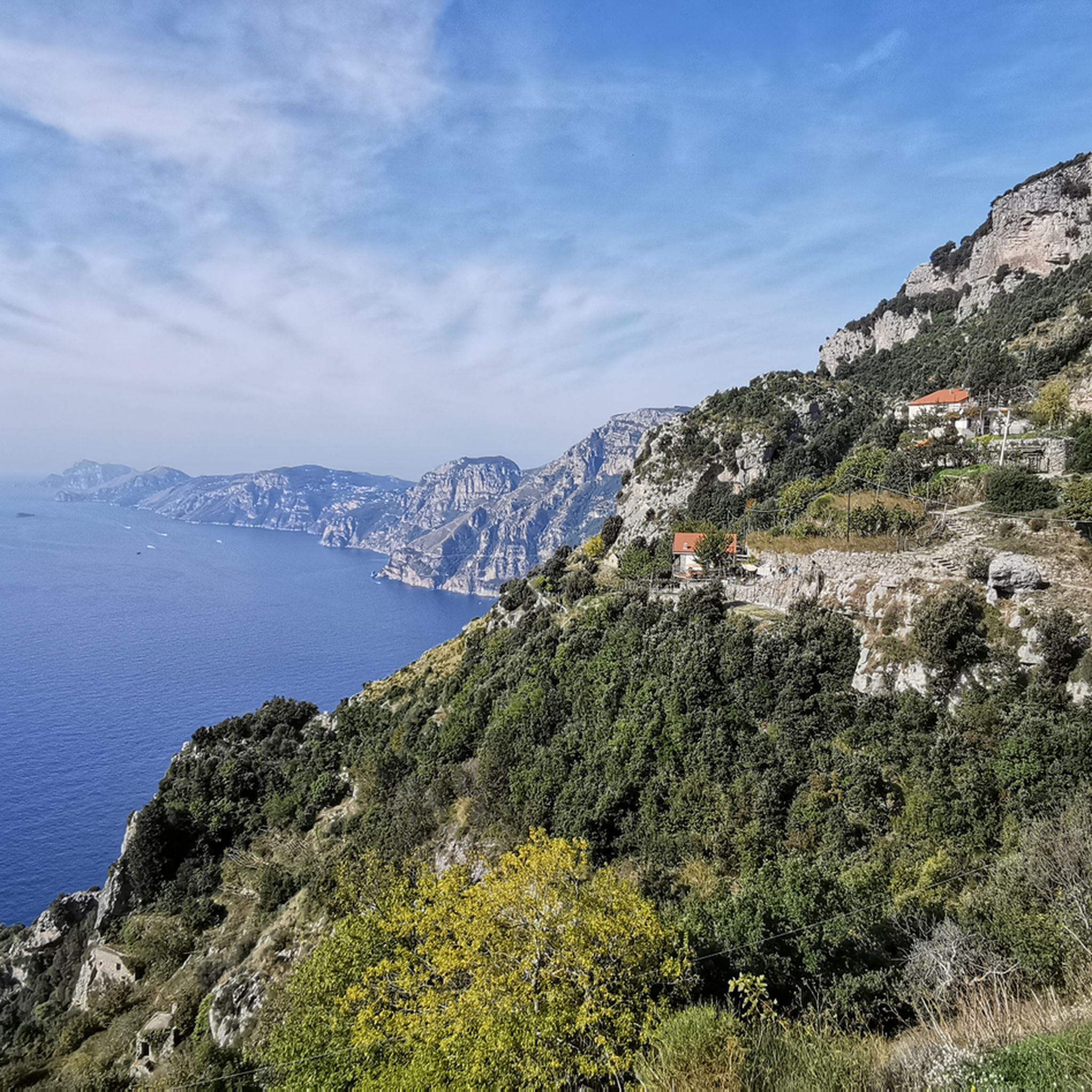
Castles around Castellammare Di Stabia are situated in a historic town on the Bay of Naples, offering a blend of cultural significance and natural landscapes. The area is characterized by its coastal position, providing views of the Gulf of Naples and Mount Vesuvius. This region features historical residences and fortifications that reflect centuries of strategic importance and architectural evolution. The surrounding Monti Lattari mountains contribute to the scenic backdrop.
Best castles around Castellammare Di Stabia
- The most popular castles is…
Last updated: August 25, 2026
Lettere Castle
Highlight • Castle
Translated by Google •
Tip by

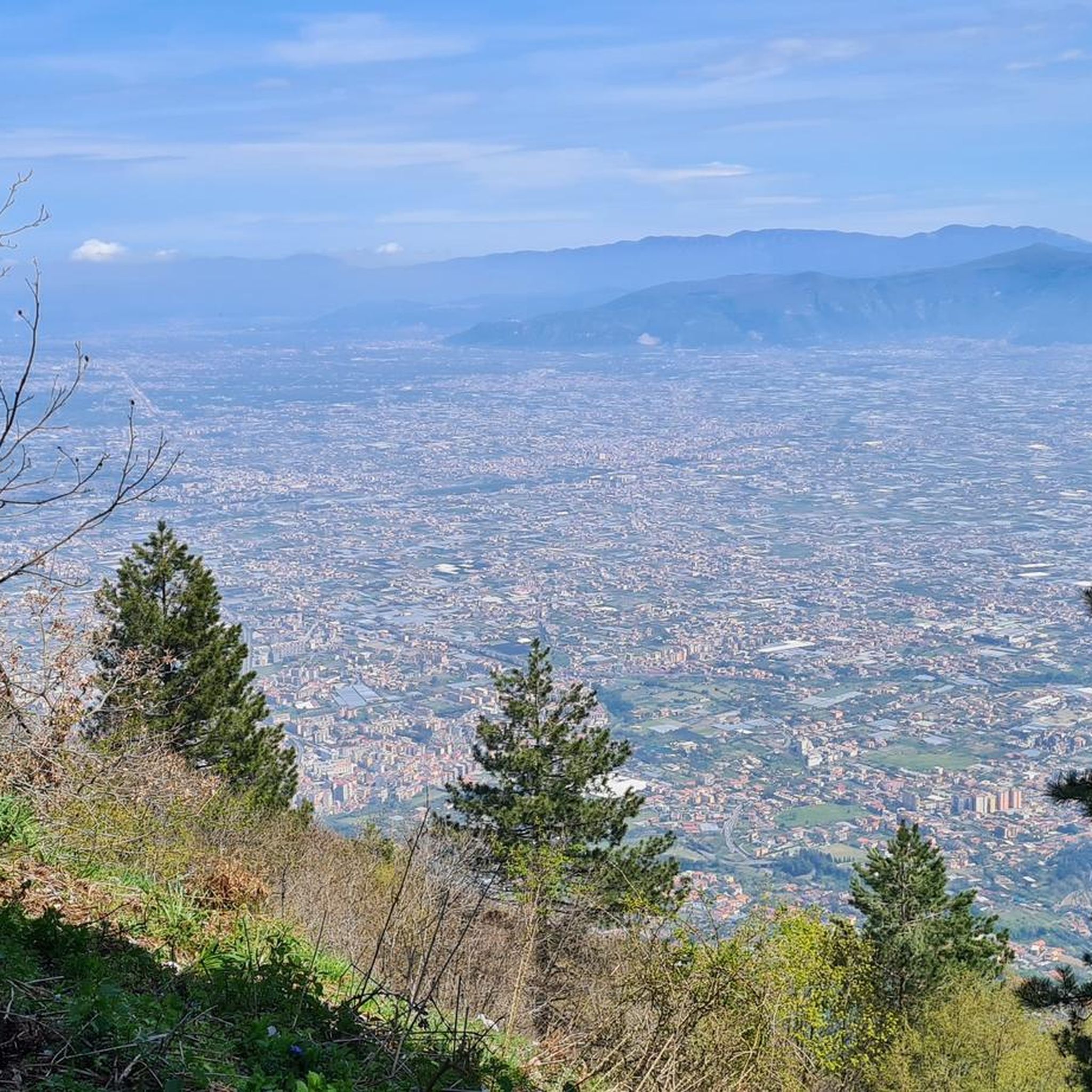
View of Castello di Lettere
Highlight • Viewpoint
Translated by Google •
Tip by

Sign up now to discover places like this
Get recommendations on the best single tracks, peaks, & plenty of other exciting outdoor places.
Sign up for free
Lauritano Castle
Highlight • Castle
Translated by Google •
Tip by

View of Castello di Lettere and Mount Vesuvius
Highlight • Viewpoint
Translated by Google •
Tip by
View of Lettere Castle
Highlight • Castle
Translated by Google •
Tip by
Start today with a free account
Your next adventure awaits.
Login or Signup
Tips from the Community

The trail has been cleared and is now easily accessible.
0
0

The Castle of Lettere and the remains of the cathedral represent the vestiges of ancient Lettere, when the territory was still part of the Duchy of Amalfi
0
0

The castle of Lettere was built around the tenth century to defend the borders of the northern part, it ensured control of the two sides of the Lattari Mountains.
1
0

Beautiful perspective of the castle of Lettere
6
0

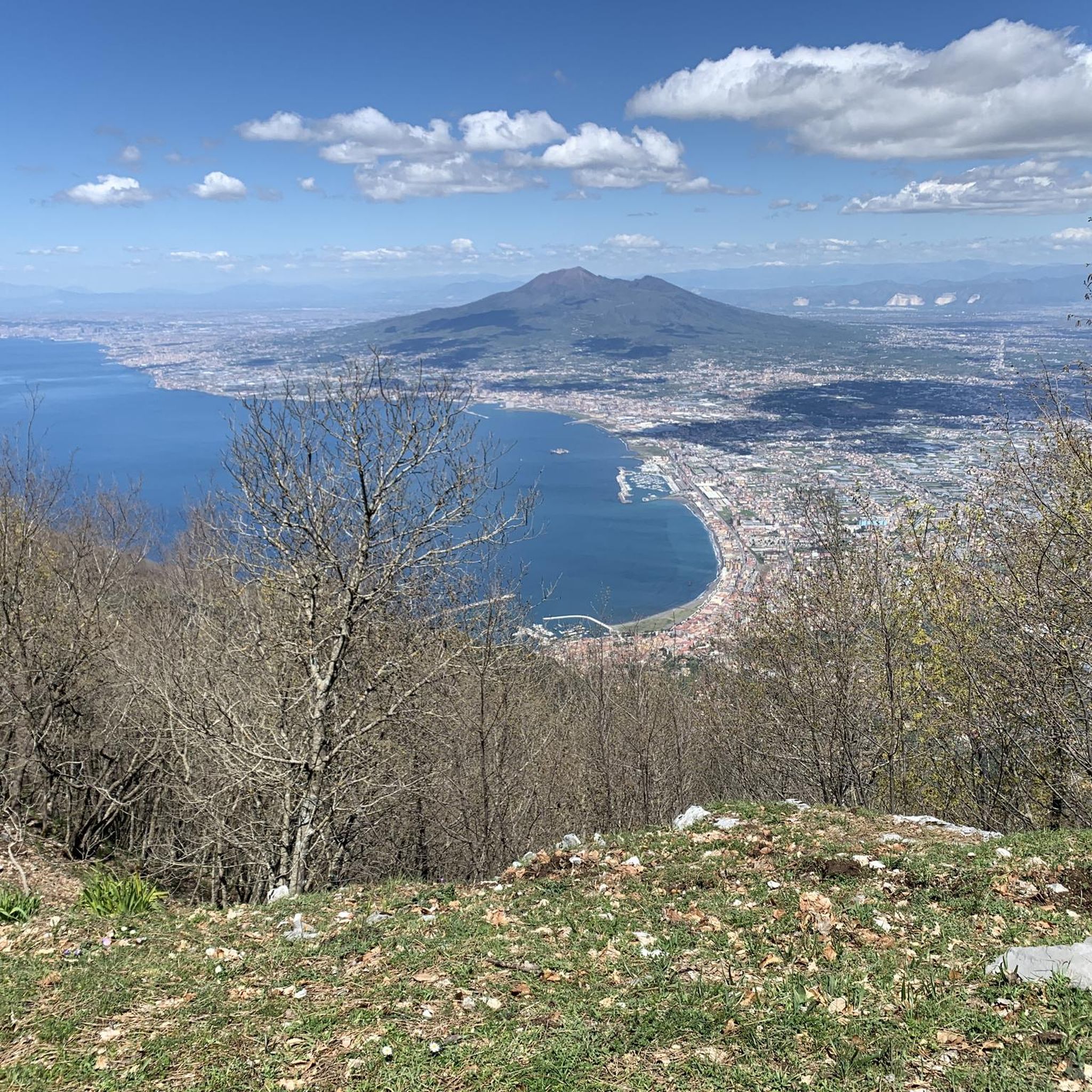
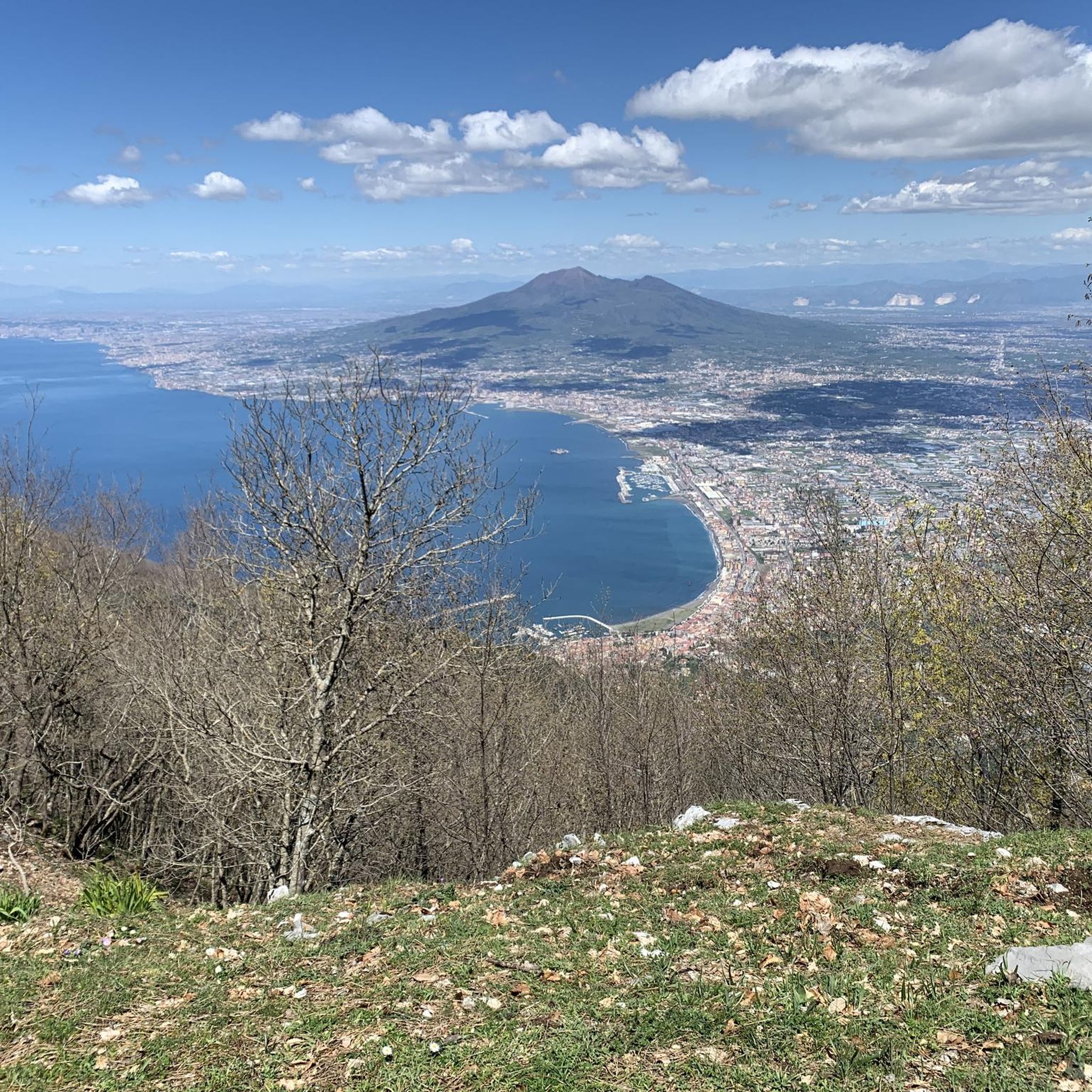
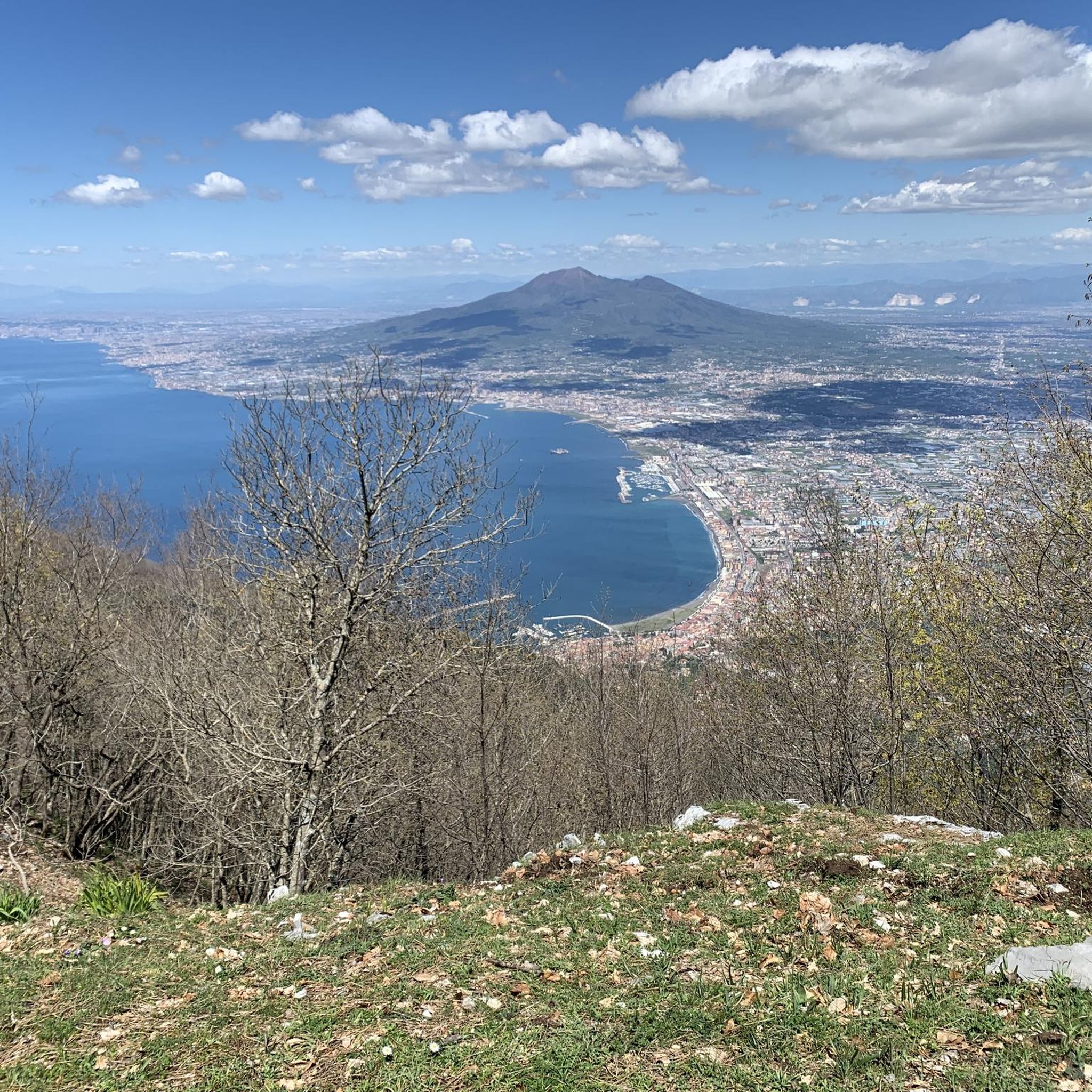
Panoramic point near Orsano. Splendid view of the Castello di Lettere and Mount Vesuvius.
12
0
The castle of Lettere was a military structure of Lettere in use from the 10th century until the end of the Aragonese domination; after a period of neglect, which reduced it to a ruin, it was restored and made open to visitors.
26
0
Panoramic point between Lettere and Orsano with a view of the castle of Lettere and Mount Vesuvius.
36
0
Frequently Asked Questions
What are the main historical castles and residences to visit in and around Castellammare di Stabia?
The primary historical sites include the Castello Medioevale (Castle by the Sea) in Castellammare di Stabia itself, the elegant Reggia di Quisisana, also in Castellammare di Stabia, and the strategically important Lettere Castle, located in the nearby town of Lettere but historically connected to the region.
Which castles offer the best panoramic views of the Gulf of Naples and Mount Vesuvius?
Both the Castello Medioevale in Castellammare di Stabia and the Lettere Castle provide stunning panoramic views. The Castello Medioevale offers impressive vistas of the Gulf of Naples and Mount Vesuvius from its position 100 meters above sea level. Similarly, Lettere Castle, due to its strategic location, boasts expansive views encompassing the entire Gulf of Naples and Mount Vesuvius.
Are there family-friendly castles to visit near Castellammare di Stabia?
Yes, Lettere Castle is considered family-friendly. Its historical significance and the archaeological park within its walls can be engaging for visitors of all ages. The Reggia di Quisisana, with its beautiful gardens and the Libero D'Orsi Archaeological Museum, also offers an enriching experience for families interested in history and nature.
What kind of historical insights can I gain from visiting these castles?
The Castello Medioevale showcases centuries of defensive architecture, from its 9th-century origins as a border fortress to 15th-century renovations against artillery. The Reggia di Quisisana offers a glimpse into royal life, particularly the Bourbon era, and houses an archaeological museum with artifacts from ancient Stabia. Lettere Castle provides deep insights into medieval life, trade, and defense, with its fortified village structure and archaeological museum.
What outdoor activities can I do near these castles?
The region around Castellammare di Stabia offers various outdoor activities. You can find numerous hiking routes, such as the 'Stabia Port – Belvedere di Pozzano loop' or the 'Scenic road to Sorrento – Ancient Baths of Stabia loop'. For cycling enthusiasts, there are routes like the 'View of Vesuvius loop' from Castellammare di Stabia. You can explore more options on the Hiking around Castellammare Di Stabia and Cycling around Castellammare Di Stabia guide pages.
Is public transport available to reach the castles?
While specific public transport routes directly to each castle can vary, Castellammare di Stabia is well-connected by local transport. From there, local buses or taxis might be required to reach the castle entrances. For Lettere Castle, located in the municipality of Lettere, you would typically need to travel to Lettere first, and then potentially use local transport or walk to the castle.
Are there any archaeological sites or museums associated with these castles?
Yes, the Reggia di Quisisana now hosts the Libero D'Orsi Archaeological Museum of Stabia, displaying artifacts from ancient Roman villas. Lettere Castle also features the Museum of the Archaeological Park of the Castello di Lettere, showcasing findings from excavations within its medieval walls.
What is the best time of year to visit the castles in this region?
The spring (April-June) and autumn (September-October) months are generally ideal for visiting the castles around Castellammare di Stabia. The weather is pleasant for exploring both indoor and outdoor areas, and the views are often clearest. Summer can be hot, while winter might offer a quieter experience but with potentially cooler and wetter conditions.
Can I combine a castle visit with a hike in the Monti Lattari mountains?
Absolutely. The Monti Lattari mountains provide a stunning backdrop to the region's castles. Lettere Castle, for instance, is situated in these mountains and offers a great starting or ending point for hikes. You can find various hiking routes in the area, including those with views of Mount Faito, on the Hiking around Castellammare Di Stabia guide page.
What makes the Reggia di Quisisana unique compared to other castles?
The Reggia di Quisisana stands out as a former royal summer residence and sanatorium, rather than a traditional defensive castle. Its unique L-shaped design maximizes views, and its extensive English-style gardens, complete with tree-lined walks and fountains, offer a serene experience. It also uniquely houses an archaeological museum, blending royal history with ancient Roman heritage.
Is there an entrance fee for the castles, and do I need to book in advance?
Entrance fees and booking requirements can vary. For the Castello Medioevale, which is often used for events, access might depend on the specific event or tour. The Reggia di Quisisana, housing a museum, typically has an entrance fee. Lettere Castle offers free access for those with a valid Pompeii Archaeological Park ticket. It's always advisable to check the official websites or local tourist information for the most current details on fees and booking.
Most popular routes around Castellammare Di Stabia
Most popular attractions around Castellammare Di Stabia

Get inspired with the komoot mobile app


Explore more
Looking for the best castles somewhere else? Discover other guides around Castellammare Di Stabia:
