Top 6 Caves around Massa Lubrense
Best caves around Massa Lubrense are found on the Sorrento Peninsula, an area known for its coastal landscapes and historical significance. The region features numerous sea caves and tuff caves carved into high cliffs. These natural formations offer insights into the area's geology and history. Exploration often involves boat, kayak, snorkeling, or diving, providing diverse ways to experience the subterranean wonders.
Best caves around Massa Lubrense
- The most popular caves is Matermania Cave, a cave that is about 30…
Last updated: August 25, 2026
Grotta del Noglio Access and Swimming Spot
Highlight • Cave
Tip by

Matermania Cave
Highlight • Cave
Tip by

Sign up now to discover places like this
Get recommendations on the best single tracks, peaks, & plenty of other exciting outdoor places.
Sign up for free
The Cave of Minerva (also known as the Sanctuary of Athena)
Highlight • Cave
puntacampanella.org/aspetti-archeologici/tempio-di-atena-punta-campanella
To go down (and back up) you have to use ropes fixed to the rock.
The photos were taken by @aannuziat (Angelo)
Translated by Google •
Tip by

Grotta dello Zoccolaro (Heart Cave)
Highlight • Cave
Translated by Google •
Tip by

Hermit's Cave and Sculpted Holy Family
Highlight • Cave
Translated by Google •
Tip by
Sign up for free to discover even more caves around Massa Lubrense.
Sign up for free
Already have an account?
Start today with a free account
Your next adventure awaits.
Login or Signup
Tips from the Community

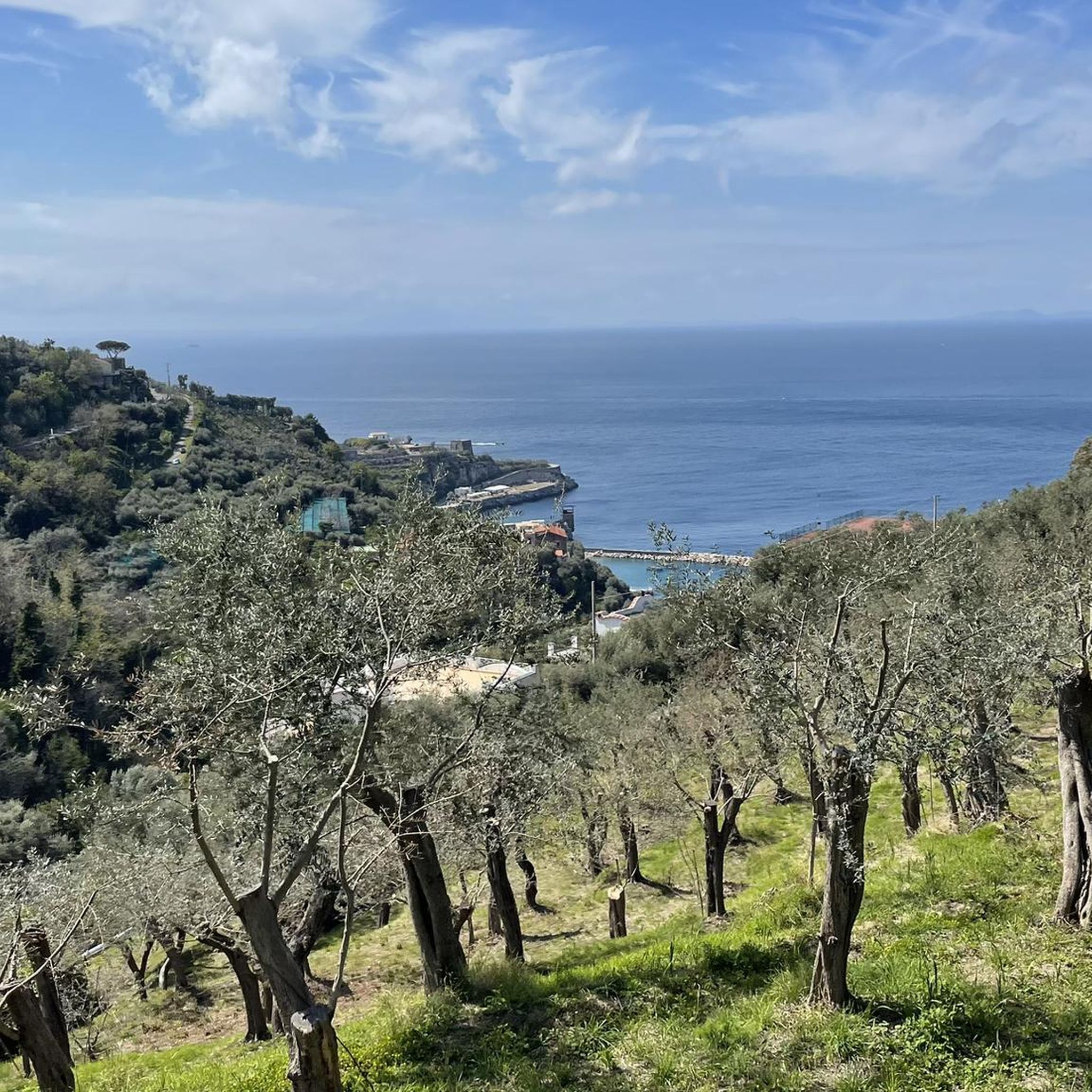
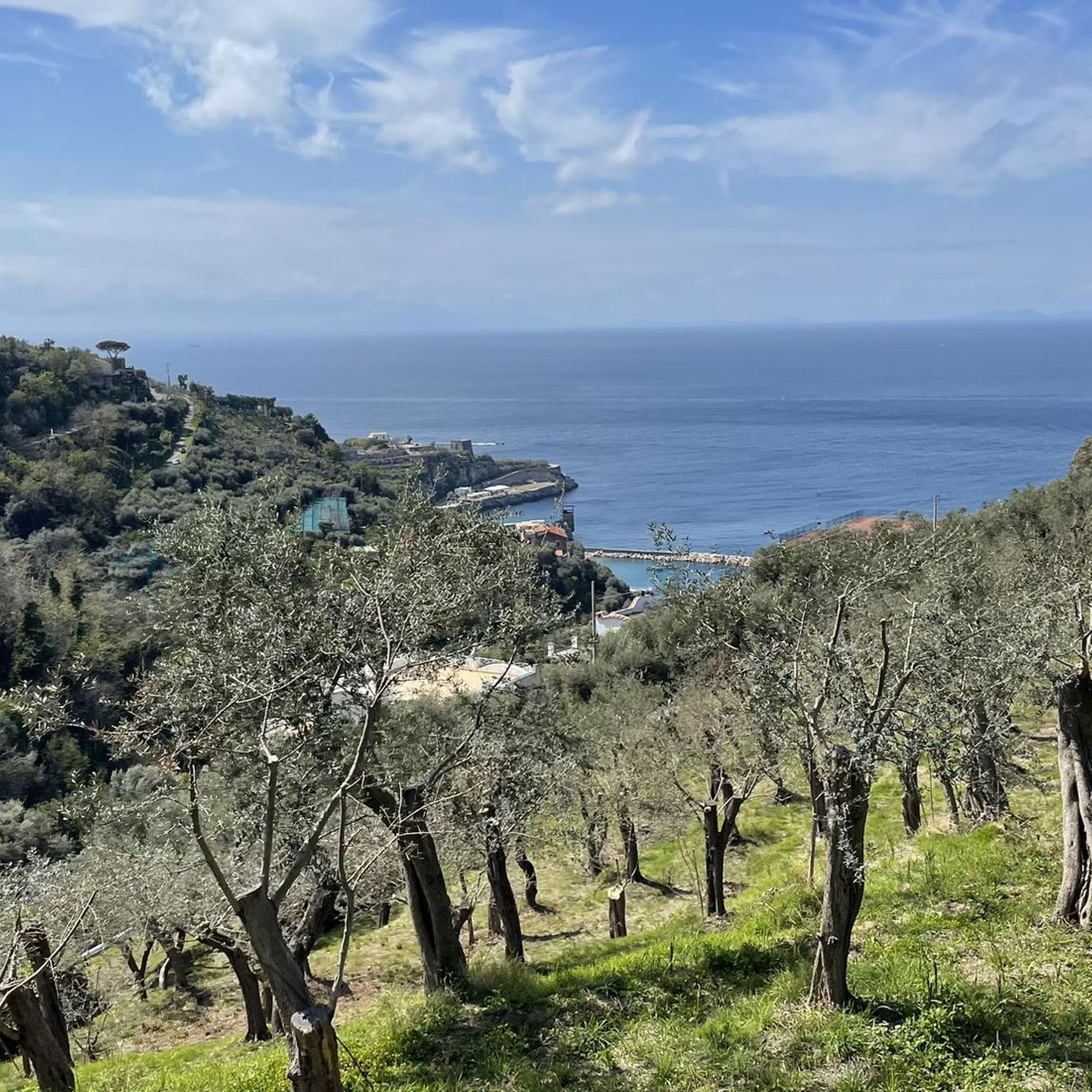
A short distance from the Chiosse house, a little higher up the slope you can glimpse this beautiful Grotta dello Zoccolaro, so called in the past centuries, when it served as a shelter for pigs or sheep, also thanks to its considerable size, roughly 5 meters by 5 meters by 15 deep. We got there thanks to Francesco who created two paths, not very easy at the moment, to get there in ten minutes from the main path. Given the considerable spaciousness of the cave, it is also an excellent refuge in the case of sudden storms in that area which is quite devoid of shelter. The second name, that is Grotta del Cuore, comes from the shape of the entrance to the cave, remarkably similar to the shape of a large heart.
1
0

The temple of Athena (or Athena): https://www.puntacampanella.org/aspetti-archeologici/tempio-di-atena-punta-campanella To go down (and back up) you have to use ropes fixed to the rock. The photos were taken by @aannuziat (Angelo)
3
0
In this cave, in the area called Trina del Monte, Potecariello, the hermit from Massaquano who lived in the first half of the last century and who left many signs of his passage on our mountains, often spent the night. In this cave, unfortunately poorly maintained today due to the carelessness and neglect of men, he who loved beauty and art even in its absolute simplicity, left to posterity on the upper part of the entrance to the cave a beautiful "Holy Family" carved in the rock and then colored in a simple but lasting way.
1
0

Descent towards the Minerva cave
0
0

Near the tower, in a crack in the ground, you can go down to the Grotta di Minerva or delle Sirene, where it is said that Partenope found refuge here when she was far from the island of Li Galli. The reflection of the sea, together with the reflections of light that penetrate from its openings, amplify the mystical aura of the place. Climbing routes are traced on the external walls of the cave overlooking the sea. The descent to the cave is not suitable for everyone, spurs of rock, slippery in places, force you to hold on to ropes set up for sections of mountaineering difficulty. Along the rocky wall of descent it is said that a rock epigraph was carved in the Oscan language that mentions the names of those who worked on the landing in the 2nd century BC.
0
0


Steep descent to the grotto but worth seeing
0
0

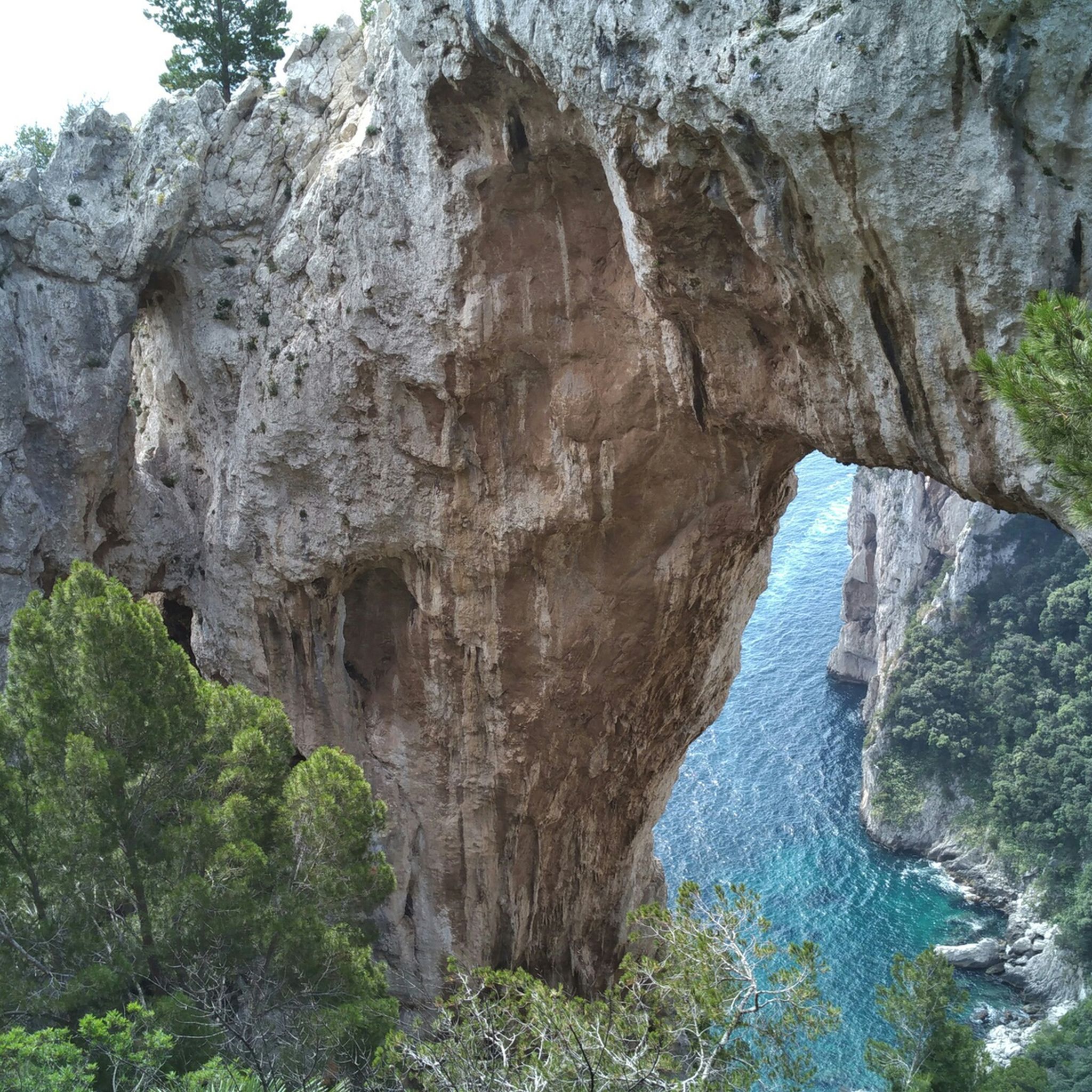
Steep steps lead below the Arco Naturale down to the Matromania Cave – a term deriving from the Latin name mater magna (Great Mother) by corruption.
0
0
Frequently Asked Questions
What types of caves can I explore around Massa Lubrense?
Massa Lubrense is known for its diverse cave types, including sea caves, historical caves, and tuff caves carved into the high cliffs. These offer a mix of natural beauty and historical significance.
Are there any historical or culturally significant caves in the area?
Yes, the region has several historical caves. For instance, The Cave of Minerva, also known as the Sanctuary of Athena, is a natural monument with historical ties to an ancient temple. Another is Hermit's Cave and Sculpted Holy Family, which features a rock carving by a hermit who once lived there.
Can I go swimming or diving in any of the caves?
Yes, several caves are suitable for water activities. The Grotta di Mitigliano is a standout for snorkeling and scuba diving, known for its depth, freshwater springs, and rich marine life. Grotta del Noglio Access and Swimming Spot also offers a challenging swimming spot, though access can be slippery.
What are the natural features of the Grotta di Mitigliano?
The Grotta di Mitigliano is characterized by its significant depth (12-15 meters) and an entrance about 7 meters high, extending 70 meters into the rock. It features freshwater springs, air chambers, and a third room called 'della Corvina' rich in marine life like small lobsters, corvinas, and Brotula fish. The walls are adorned with coralline growth, and the seabed is fine, whitish sand.
Are there any caves accessible by hiking?
While many caves are sea-accessible, some can be reached via land. For example, Matermania Cave, also known as Grotta del Matrimonio, involves a steep descent via steps below the Arco Naturale. Grotta dello Zoccolaro (Heart Cave) is also accessible via paths, offering a refuge in case of sudden storms.
What outdoor activities can I do near the caves?
The area around Massa Lubrense offers various outdoor activities. You can find numerous hiking routes, including challenging trails like the Punta Campanella loop with views of Capri. There are also cycling routes and running trails that allow you to explore the coastal landscapes and viewpoints.
Are there any family-friendly cave excursions in Massa Lubrense?
While some caves require more challenging access, exploring the sea caves by boat or kayak can be a family-friendly activity, offering a unique perspective on the coastline. Always check the specific tour operator for suitability for children.
What is the best way to explore the tuff caves along the Sorrento Coast?
Many of the tuff caves along the Sorrento Coast are best explored via kayak tours. These tours allow you to discover hidden coves and secluded beaches, offering a unique blend of natural beauty and historical insight into these caves, which often belonged to historical villas.
Are there any caves that require special equipment or permits for exploration?
Some caves, like The Cave of Minerva, require ropes for descent and ascent, indicating a more challenging exploration. Access to Grotta del Noglio also involves slippery sections and ropes. For specific caving activities, it's advisable to check with local guides or tour operators regarding necessary equipment and any permits.
What is the best time of year to visit the sea caves in Massa Lubrense?
The best time to visit the sea caves is generally during the warmer months, from spring to early autumn, when the sea is calmer and temperatures are ideal for swimming, snorkeling, and boat tours. Winter visits might be possible but depend heavily on sea conditions and weather.
Are there any famous caves nearby, even if not directly in Massa Lubrense?
Yes, while not within Massa Lubrense's municipal boundaries, iconic sea caves like the Grotta Azzurra and Grotta Verde are located on the nearby island of Capri, which is a popular excursion destination from Massa Lubrense.
What do visitors enjoy most about the caves around Massa Lubrense?
Visitors appreciate the unique blend of natural beauty and historical intrigue. The opportunity for activities like snorkeling and diving in caves like Grotta di Mitigliano, the challenging descents to historical sites like The Cave of Minerva, and the stunning coastal views from spots like Grotta del Noglio are frequently highlighted.
Most popular attractions around Massa Lubrense

Get inspired with the komoot mobile app


Explore more
Extend your search for the best caves by checking out these guides of the top ones around Massa Lubrense:
