Top 6 Castles around Gallo Matese
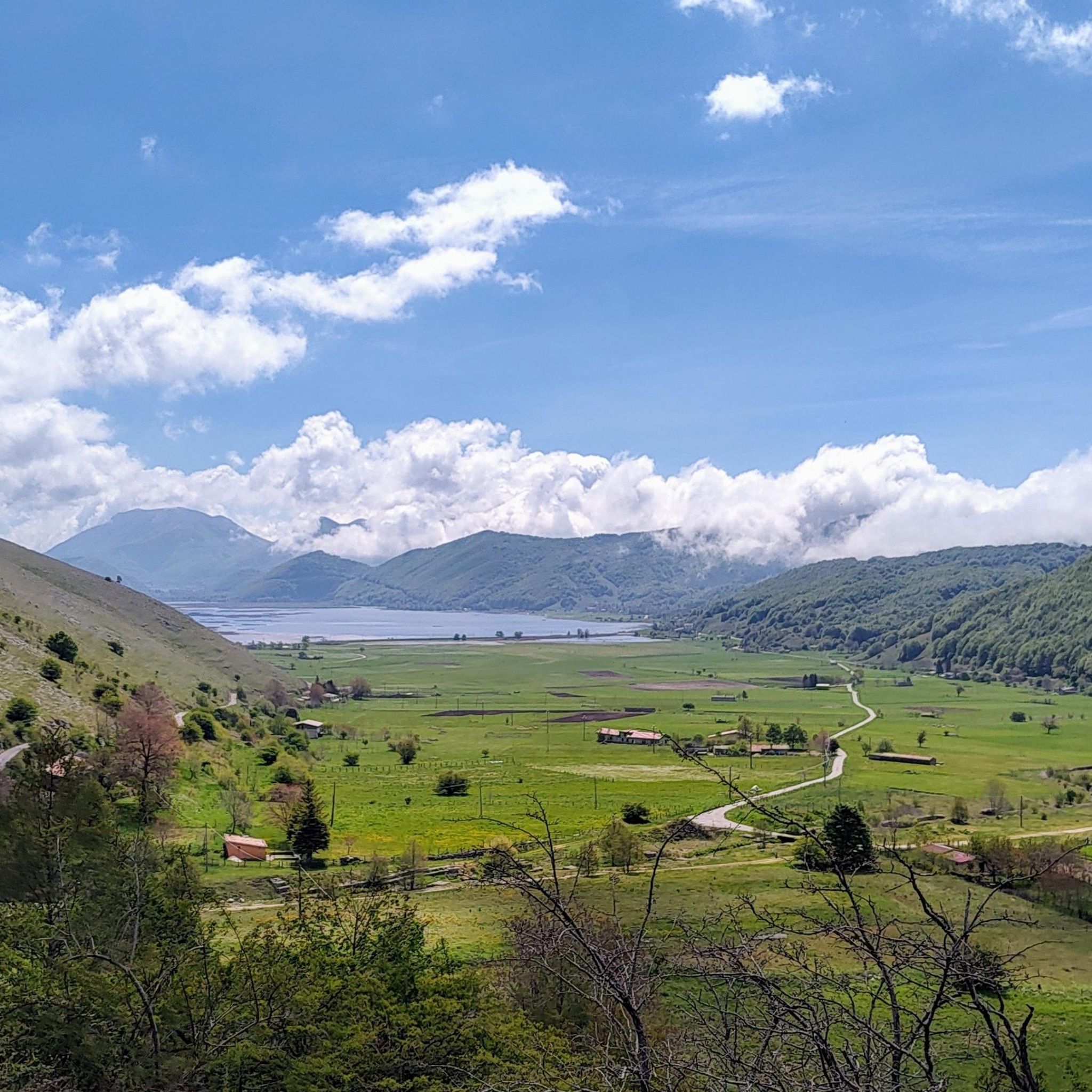
Best castles around Gallo Matese offer a glimpse into the region's rich history and diverse architectural styles. Gallo Matese is situated within the Matese region, an area known for its natural beauty and medieval origins. The castles are often strategically located, providing views of the surrounding valleys and mountains. Exploring these fortifications reveals layers of history, from ancient origins to medieval transformations.
Best castles around Gallo Matese
- The most popular castles is Roccamandolfi Castle, a castle that consists of…
Last updated: July 1, 2026
Roccamandolfi Castle
Highlight • Castle
Translated by Google •
Tip by

Prata Sannita
Highlight • Settlement
Translated by Google •
Tip by

Sign up now to discover places like this
Get recommendations on the best single tracks, peaks, & plenty of other exciting outdoor places.
Sign up for free
View of Monteroduni
Highlight • Viewpoint
Translated by Google •
Tip by

Start today with a free account
Your next adventure awaits.
Login or Signup

Other adventures around Gallo Matese

Tips from the Community

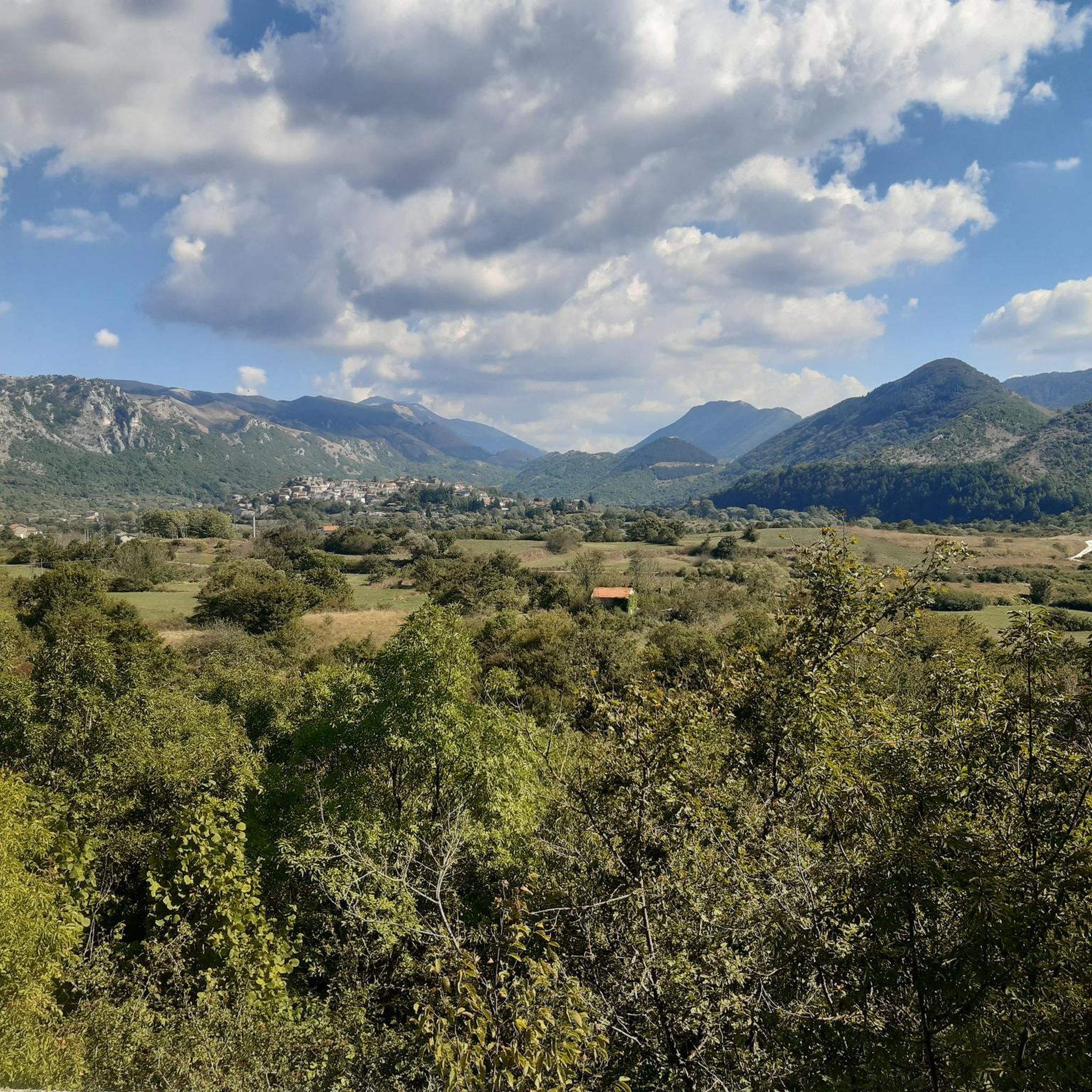
Monteroduni is known for the Pignatelli Castle, originally from the 8th century. The village, of very ancient origins and involved in the Samnite wars, developed around the castle which was the scene of numerous medieval battles. Today the castle, transformed into a noble residence by the Pignatellis in the eighteenth century, is a historical symbol of the town.
1
0

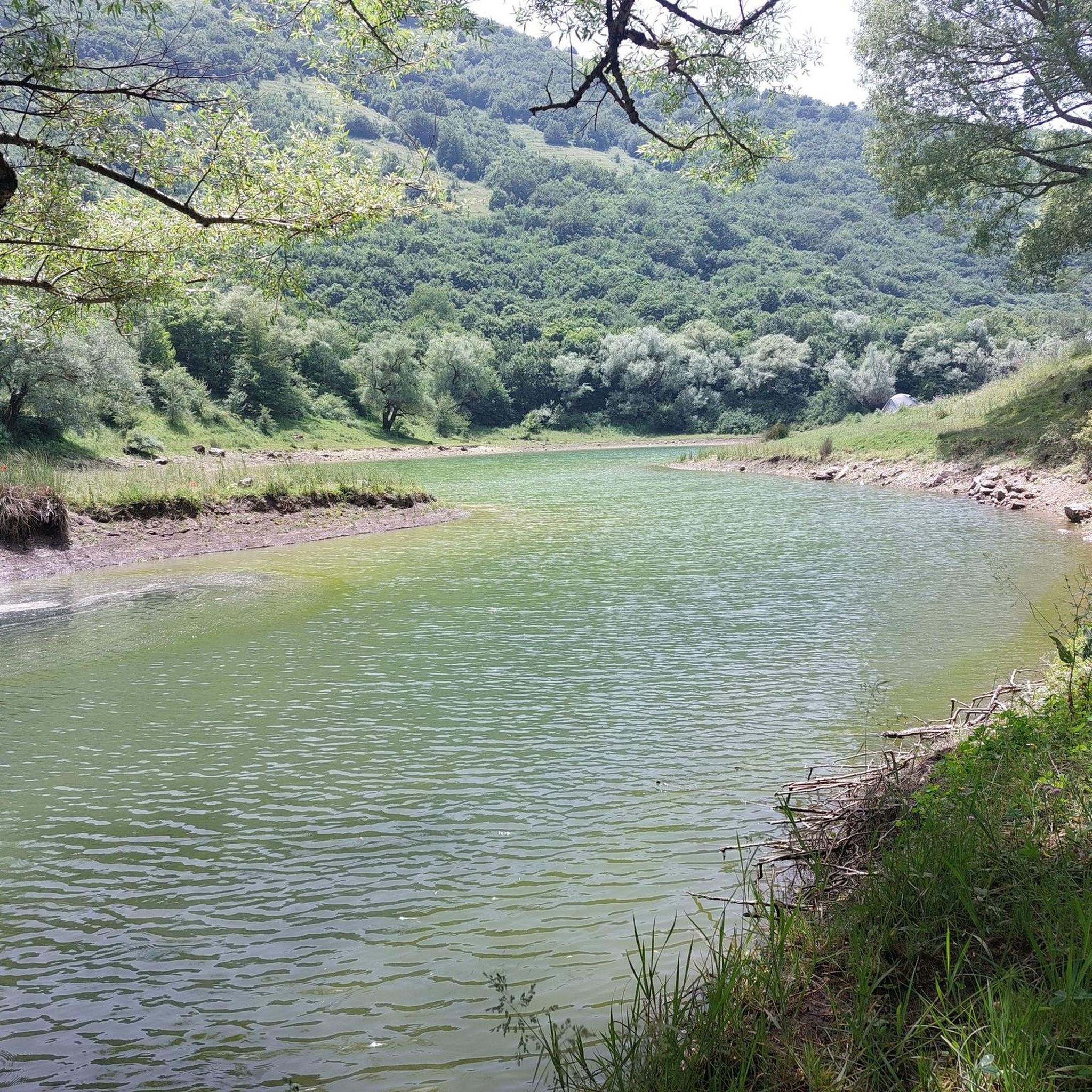
The medieval village of Prata Sannita is located on a rock ridge overlooking the valley of the river Lethe. It is characterized by narrow and winding alleys, stairways, arches and stone portals. Here is also the castle, a medieval fortress that witnessed important historical events and is now home to several museums.
1
0

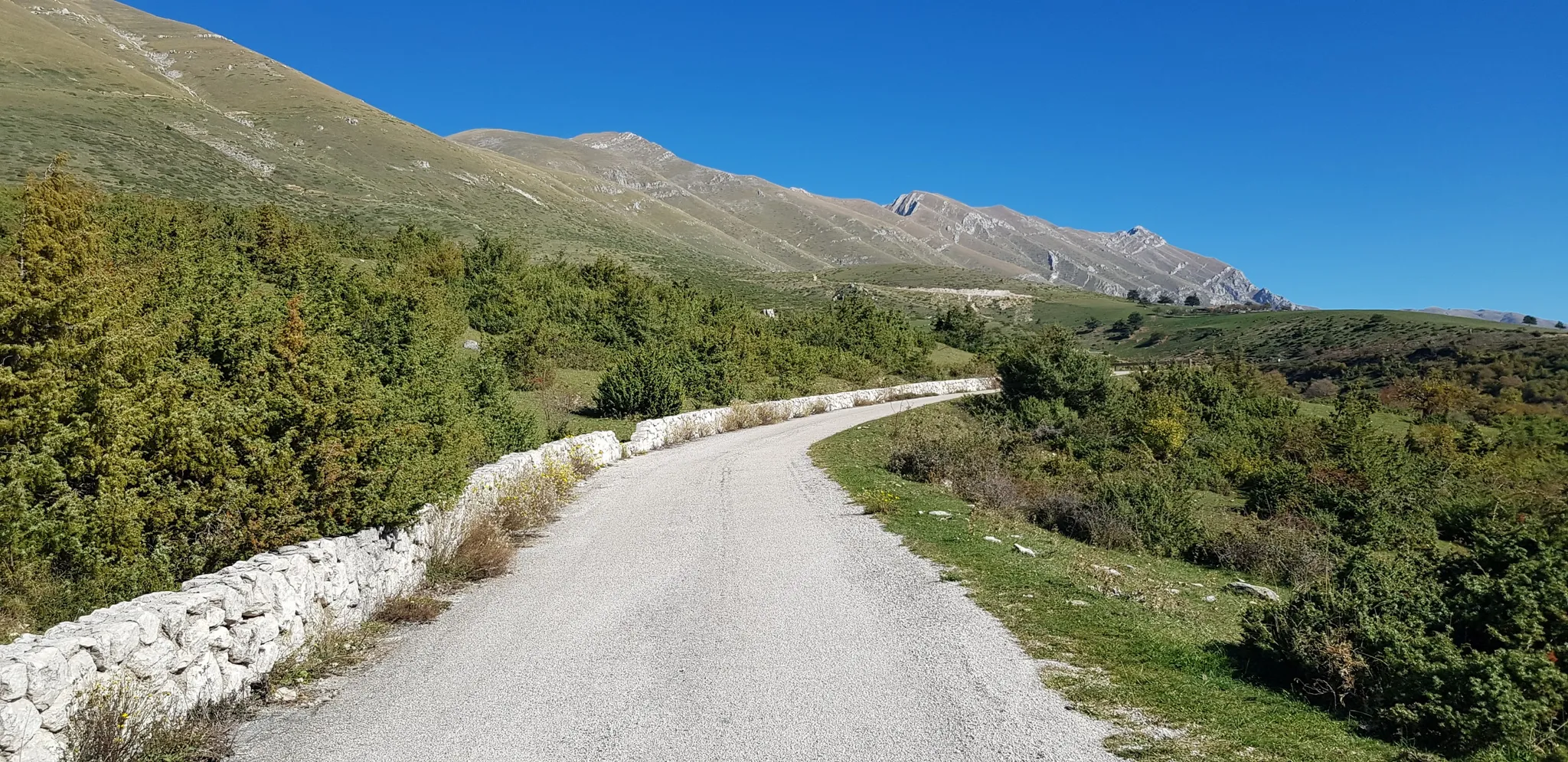
Roccamandolfi is known as the village of brigands. Numerous excursions start from here. The town is famous for the presence of the Tibetan bridge and the ancient Maginulfo Castle.
4
0

Nature, history, culture: those who visit Roccamandolfi are spoiled for choice. The country, in fact, offers interesting elements in all three areas. From a landscape point of view, its territory undoubtedly boasts characteristics that distinguish it from other Municipalities. To begin with, within its borders rises the most extreme point of Monte Miletto, the highest peak of the Matese chain. Added to this is the presence of several spectacular waterfalls and the beautiful plateau of Campitello di Roccamandolfi. Meta, the latter, privileged for excursions and picnics, especially in the summer. Here the traditional Festa del Pastore takes place, which from the 70s to today remains one of the most awaited events of the Molise summer. A rural festival that takes place between milking and shearing tests, musical entertainment and, above all, typical local dishes, based on meat - mostly sheep - and cheeses. Alongside the charm of an environmental context that is still wild and uncontaminated, the village in the province of Pentra can count on a particularly interesting past. Historically, in fact, it is known for having been the homeland of some of the most famous brigands of the nineteenth century. To these attractions, another one has recently been added which has greatly contributed to making the country known and encouraging the arrival of visitors: the Tibetan bridge. As for scenic beauty, Roccamandolfi is second to none, neither in terms of typology nor in the variety of elements that can be found there. It is no coincidence that in 2003 a part of its territory, with a total extension of about 50 hectares, was declared a protected area. We are talking about the magnificent Torrente Callora nature reserve, an obligatory destination for hiking and canyoning enthusiasts, which however deserves to be included in travel itineraries even by simple nature lovers. It takes its name from the stream that crosses it, which has a particularly important flow in the winter months. It flows inside a fissure in the rock and, along its path, gives rise to rapids and waterfalls. In the Reserve there are suggestive gorges, numerous cliffs, a gorge, valleys, a wooded area that climbs up to the slopes of the castle and a meadow area with areas dedicated to pastures. (source https://molisensi.com/2022/03/08/roccamandolfi-dal-ponte-tibetano-sulla-scia-dei-briganti/)
1
1
Frequently Asked Questions
What are some of the most historically significant castles in the Gallo Matese region?
The region boasts several castles with deep historical roots. The Roccamandolfi Castle, for instance, has Lombard origins and was notably demolished by Frederick II. Letino Castle dates back to the Lombard and Norman eras, featuring a sanctuary within its walls. Castello di Rupecanina is a fortified village with Sannitic, Roman, and Norman layers, showcasing ancient defensive architecture.
Are there any castles near Gallo Matese that offer panoramic views?
Yes, many castles in the area were strategically built for defense and offer stunning vistas. Letino Castle, situated at approximately 1,200 meters above sea level, provides breathtaking panoramic views of the Matese mountains and surrounding valleys. Castello del Matese offers fantastic views of the Volturno Valley and even Mount Vesuvius in the distance. The View of Monteroduni is also a popular viewpoint associated with the historic Pignatelli Castle.
What kind of outdoor activities can I do near these castles?
The area around Gallo Matese is excellent for outdoor enthusiasts. You can find numerous hiking, road cycling, and mountain biking routes. For example, the path to Roccamandolfi Castle leads through the Torrente Callora Natural Reserve, offering a scenic walk. You can explore various routes like the 'Lake Gallo Matese – Letino Castle loop' for mountain biking or 'Gallo Matese – Regional Park of Matese' for hiking. Find more routes on the hiking guide, road cycling guide, and MTB trails guide for the region.
Are there any family-friendly castles or activities in the area?
While specific 'family-friendly' categories aren't always listed, many castles offer engaging experiences for families. The medieval village of Prata Sannita, with its narrow alleys and stone portals, and a castle housing several museums, can be an interesting educational visit. The journey to Roccamandolfi Castle includes a scenic path and a Tibetan bridge, which can be an exciting adventure for older children.
What is the best time to visit the castles around Gallo Matese?
The Matese region, where Gallo Matese is located, is known for its natural beauty. Visiting during spring or autumn generally offers pleasant weather for exploring the outdoor castle ruins and enjoying the scenic views without the intense heat of summer or the chill of winter. These seasons also highlight the natural landscapes surrounding the castles.
Can I find any well-preserved castles or just ruins?
While many castles in the immediate vicinity are impressive ruins, such as Roccamandolfi Castle and Letino Castle, there are also more complete examples. Balsorano Castle (Castello Piccolomini), though a bit further afield in Abruzzo, is a well-preserved medieval-Renaissance fortress built in 1460, offering a different architectural experience.
Are there any unique historical features or legends associated with these castles?
Yes, the castles are rich in history and local lore. Roccamandolfi Castle is associated with the village of Roccamandolfi, known as the 'village of brigands,' with a dedicated Documentation Centre. Castello di Letino features an internal cemetery, housing remains since 1888, and guided tours often delve into local legends. Castello del Matese hosts a medieval jousting festival, reliving its history of sieges and battles.
What kind of architectural styles can be observed among the castles?
The castles around Gallo Matese showcase diverse architectural styles reflecting their long history. You can see origins from the Lombard and Norman eras at Letino Castle and Castello del Matese, with its surviving Norman towers and pre-Roman megalithic foundations. Castello di Rupecanina displays Sannitic, Roman, and Norman defensive structures, including a unique double-wall system. Balsorano Castle, built in 1460, is a prime example of medieval-Renaissance architecture.
Are there any castles that are part of a larger historical village or settlement?
Absolutely. Prata Sannita is a medieval village characterized by narrow alleys and stone portals, with its castle housing several museums. Castello del Matese is located within a small comune of the same name, featuring medieval streets and covered passages. Castello di Rupecanina is a fortified village with ancient dwellings and a substantial keep, showing layers of historical settlement.
What should I wear when visiting the castle ruins and surrounding areas?
Given that many castles are ruins and often require walking on uneven terrain or scenic paths, comfortable and sturdy footwear is highly recommended. Layers of clothing are also advisable, especially if visiting elevated sites like Letino Castle, where temperatures can be cooler and winds stronger. If you plan to hike, appropriate hiking gear is essential.
Are there opportunities for nature exploration near the castles?
Yes, the Matese region is rich in natural beauty. The path to Roccamandolfi Castle leads through the Torrente Callora Natural Reserve, known for its gorges, cliffs, and waterfalls. Near Castello del Matese, you can explore natural attractions like Lake Matese and the Valle dell'Inferno, a canyon with springs, caves, and streams. Many castle locations offer commanding views of valleys and mountains, perfect for nature lovers.
Most popular attractions around Gallo Matese

Get inspired with the komoot mobile app


Explore more
Looking for the best castles somewhere else? Discover other guides around Gallo Matese:
