Top 6 Castles around Sesto Campano
Best castles around Sesto Campano are found in the Molise region of Italy, an area characterized by its historical significance and varied terrain. This municipality offers a glimpse into the past with structures showcasing Longobard and medieval architecture. The region's landscape includes hilltops and valleys, providing strategic locations for ancient fortifications. These historical landmarks are integrated into the local villages, offering a comprehensive historical experience.
Best castles around Sesto Campano
- The most popular castles is Prata Sannita, a settlement that includes a medieval fortress. This castle, located within a village of narrow alleys and stone portals, has witnessed important historical events and now houses several museums.
- Another must-see spot is Castello di Pandone, a castle that was transformed into a medieval palace. Visitors can explore its Lombard origins, frescoes, and a modern art museum, with tickets costing €6.
- Visitors also love Aragonese Castle of Vairano Patenora, an imposing castle built on the remains of a Norman-Swabian structure. This fortress, with 4 towers, dominates the territory and highlights the city's medieval past.
- Sesto Campano is known for medieval fortresses, ancient castles, and structures with Longobard origins. The area features a variety of castles, from those transformed into noble palaces to those with robust defensive architecture.
- The castles around Sesto Campano are appreciated by the komoot community, with 9 upvotes and 4 photos shared by visitors.
Last updated: May 20, 2026
Prata Sannita
Highlight • Settlement
Translated by Google •
Tip by

Castello di Pandone
Highlight • Castle
Translated by Google •
Tip by

Sign up now to discover places like this
Get recommendations on the best single tracks, peaks, & plenty of other exciting outdoor places.
Sign up for free
Presenzano Castle
Highlight • Castle
Translated by Google •
Tip by

Aragonese Castle of Vairano Patenora
Highlight • Castle
Translated by Google •
Tip by
Start today with a free account
Your next adventure awaits.
Login or Signup

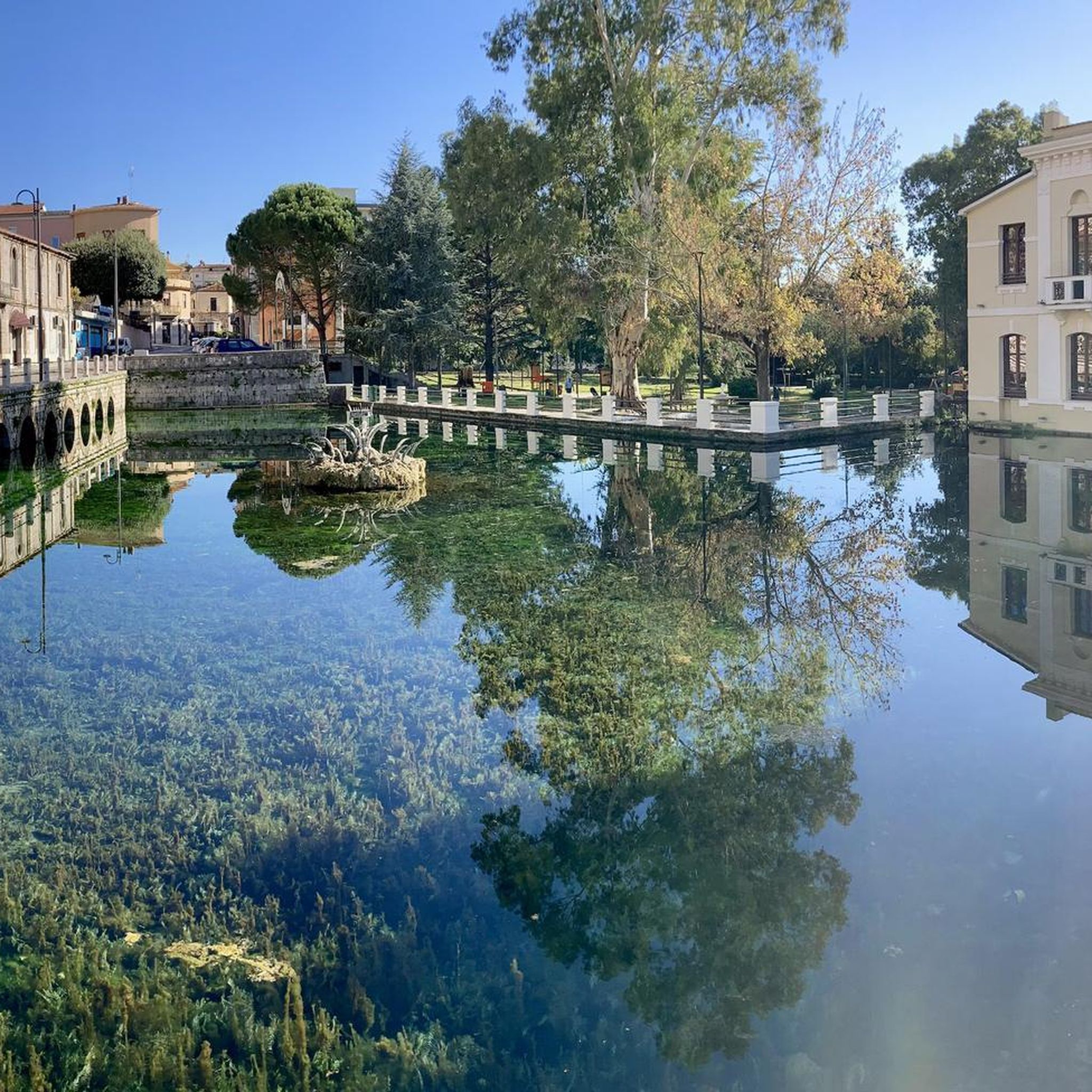
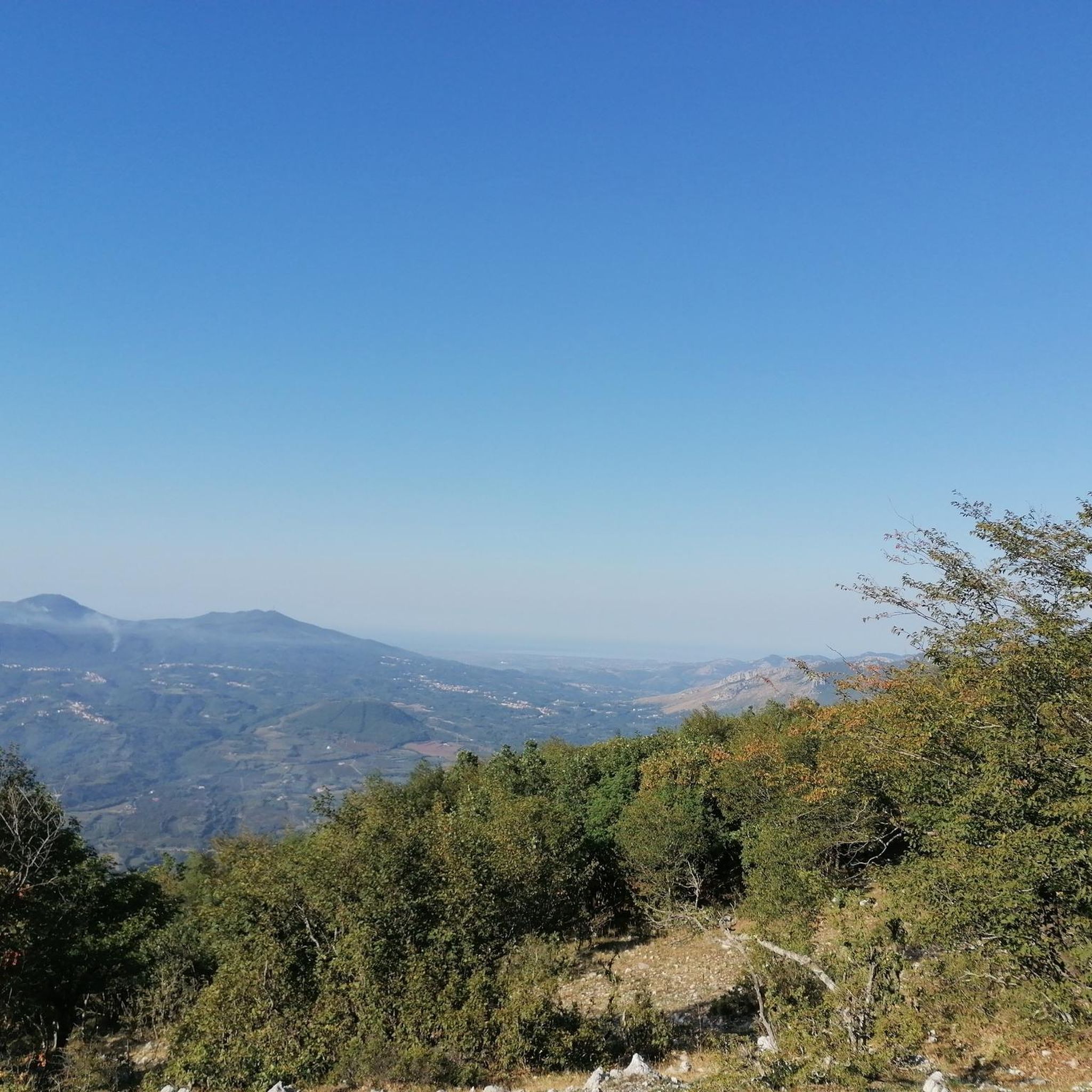


Tips from the Community

The frescoes and the modern art museum are definitely worth a visit. Tickets cost €6, and the complex is also open on Sundays (closed on Mondays). The visit lasts about an hour, if accompanied by the excellent volunteer guide included in the ticket.
0
0

Venafro Castle takes its name from the Pandone family, ancient owners of this medieval manor which was later transformed into a noble palace in the sixteenth century.
0
0

Pandone Castle is an ancient fortress transformed into a medieval palace. It recently became a national museum of Lombard origin, inside it houses sculptures and paintings by very famous painters such as Michelangelo, Raphael, Giotto, Leonardo da Vinci and Van Gogh.
0
0

Vairano Patenora, in Campania, stands out for its imposing Aragonese Castle, built on the remains of a Norman-Swabian structure between 1491 and 1503. This fortress, with four towers and a rich history, dominates the territory and testifies to the important medieval past of the city.
0
0
Presenzano, in the province of Caserta, is home to the amphitheater of ancient Rufrae, an important Samnite archaeological site. The town is also known for its medieval castle, now in ruins, and for the Romanesque Church of San Nicola, with three naves and Romanesque arches.
1
0
Vairano Patenora, in Campania, stands out for its imposing Aragonese Castle, built on the remains of a Norman-Swabian structure between 1491 and 1503. This fortress, with four towers and a rich history, dominates the territory and testifies to the important medieval past of the city.
1
0

The medieval village of Prata Sannita is located on a rock ridge overlooking the valley of the river Lethe. It is characterized by narrow and winding alleys, stairways, arches and stone portals. Here is also the castle, a medieval fortress that witnessed important historical events and is now home to several museums.
1
0
Frequently Asked Questions
What are the most historically significant castles in the Sesto Campano area?
The region boasts several castles with deep historical roots. In Sesto Campano itself, the Castello Spinola has Longobard origins and underwent a neoclassical restoration in 1802. The ancient medieval castle in Roccapipirozzi, sometimes called the Angioino Castle, is a remarkable example of medieval military architecture with its imposing cylindrical towers and strategic hilltop location. Further afield, Prata Sannita features a medieval fortress within a village of narrow alleys, and Aragonese Castle of Vairano Patenora stands on Norman-Swabian remains, dominating its territory with four towers.
Are there any family-friendly castles to visit near Sesto Campano?
Yes, Castello di Pandone is considered family-friendly. This ancient fortress was transformed into a medieval palace and now houses a national museum with sculptures and paintings. Tickets cost €6, and the visit can last about an hour, often with a volunteer guide included.
What kind of architecture can I expect to see at the castles around Sesto Campano?
You'll find a blend of architectural styles reflecting the region's long history. The Castello Spinola in Sesto Campano shows Longobard origins with neoclassical influences from its 1802 restoration. The Roccapipirozzi Castle is a prime example of medieval military architecture, adapted to its rocky spur with robust scarp walls and cylindrical towers. Other castles, like Castello di Pandone, have been transformed into noble palaces, showcasing Lombard origins and later frescoes.
What outdoor activities can I do near the castles in Sesto Campano?
The area around Sesto Campano offers various outdoor activities. You can find numerous routes for hiking, cycling, and running. For example, there are hiking routes like the 'Venafro and the Torricella – loop tour in the Parco dell'Olivo di Venafro' and more challenging options. Cycling enthusiasts can explore longer loops such as 'Lago di Castel San Vicenzo from Venafro'. For more details on routes, you can explore the hiking, cycling, and running guides for Sesto Campano.
Are there any castles that offer a glimpse into a complete medieval village experience?
Yes, the ancient medieval castle in Roccapipirozzi is intrinsically linked to the medieval village that winds around it. This provides a complete historical experience, allowing visitors to imagine life within and around the fortress, characterized by closely packed houses and narrow streets. Similarly, Prata Sannita is a medieval village on a rock ridge, featuring a fortress amidst winding alleys and stone portals.
What are the unique defensive features of the Roccapipirozzi Castle?
The Roccapipirozzi Castle is notable for its robust defensive architecture. Key features include its imposing cylindrical towers, particularly the 'Maschio' with a crown of corbels for defense, and a strong scarp wall. The castle's irregular shape was deliberately adapted to the rocky spur, and its walls contain deep embrasures and small holes for firearms. An angular tower with a sloping base provided lateral protection for a secondary entrance, and it even had an external retractable staircase for access to the main tower's first floor.
How long does it typically take to visit a castle in the Sesto Campano area?
The duration of a visit can vary. For instance, a visit to Castello di Pandone typically lasts about an hour, especially if accompanied by a volunteer guide. For larger complexes like the Roccapipirozzi Castle, which includes exploring the surrounding medieval village, you might want to allocate more time, perhaps 2-3 hours, to fully appreciate the site and its context.
Are there any castles near Sesto Campano that are currently in ruins but still worth seeing?
Yes, Presenzano Castle, located in the province of Caserta, is a medieval castle now in ruins. Despite its condition, it's situated near the amphitheater of ancient Rufrae, an important Samnite archaeological site, offering a combined historical experience for visitors interested in ancient history alongside medieval remnants.
What can I expect to find inside the castles that are open to the public?
Inside castles like Castello di Pandone, you can explore its transformation into a noble palace, featuring Lombard origins, frescoes, and a modern art museum. Prata Sannita's medieval fortress houses several museums, offering insights into local history and culture. Other castles, like the Roccapipirozzi Castle, focus more on their preserved defensive structures and the historical context of the surrounding village.
What is the best time of year to visit the castles around Sesto Campano?
While specific weather patterns for castle visits aren't detailed, generally, spring (April-June) and autumn (September-October) offer pleasant temperatures for exploring historical sites and the surrounding outdoor areas. These seasons avoid the peak heat of summer and the colder, potentially wetter conditions of winter, making for a more comfortable experience both inside and outside the castles.
Are there any cafes or restaurants near the castles for visitors?
While specific cafes directly adjacent to every castle are not detailed, the castles are often integrated into or near local villages and towns. For example, the Roccapipirozzi Castle is part of a medieval village, and Prata Sannita is a settlement. These locations typically offer local eateries where visitors can find refreshments and meals. Sesto Campano itself, as a municipality, will have options for cafes and restaurants.
What are the local efforts to preserve and make the castles accessible?
The Commune that owns the Roccapipirozzi Castle has proposed restoration plans to consolidate its boundary walls and develop pedestrian paths and gardens in the surrounding area. This indicates a commitment to its preservation and improved accessibility for visitors. Many historical sites in the region undergo continuous maintenance to ensure their longevity and visitor enjoyment.
Most popular attractions around Sesto Campano

Get inspired with the komoot mobile app


Explore more
Looking for the best castles somewhere else? Discover other guides around Sesto Campano:
