Top 4 Castles around Montescaglioso
Best castles around Montescaglioso are found in a historic town in Basilicata, Italy. The town is known for its Norman Castle, a significant historical landmark that has undergone various transformations throughout the centuries. The wider region features historical structures, including castles that transitioned from defensive strongholds to residential palaces. These sites offer insights into centuries of local heritage and architectural change.
Best castles around Montescaglioso
- The most popular castles is Bernalda Castle and Church of San Bernardino, a castle…
Last updated: July 1, 2026
Bernalda Castle and Church of San Bernardino
Highlight • Castle
Translated by Google •
Tip by

Malconsiglio Castle of Miglionico
Highlight • Castle
Translated by Google •
Tip by

Sign up now to discover places like this
Get recommendations on the best single tracks, peaks, & plenty of other exciting outdoor places.
Sign up for free
Marquis’s Palace of Laterza
Highlight • Castle
Tip by

Norman Castle of Ginosa
Highlight • Castle
Tip by
Castello Tramontano and Castle Park
Highlight • Castle
Translated by Google •
Tip by

Start today with a free account
Your next adventure awaits.
Login or Signup
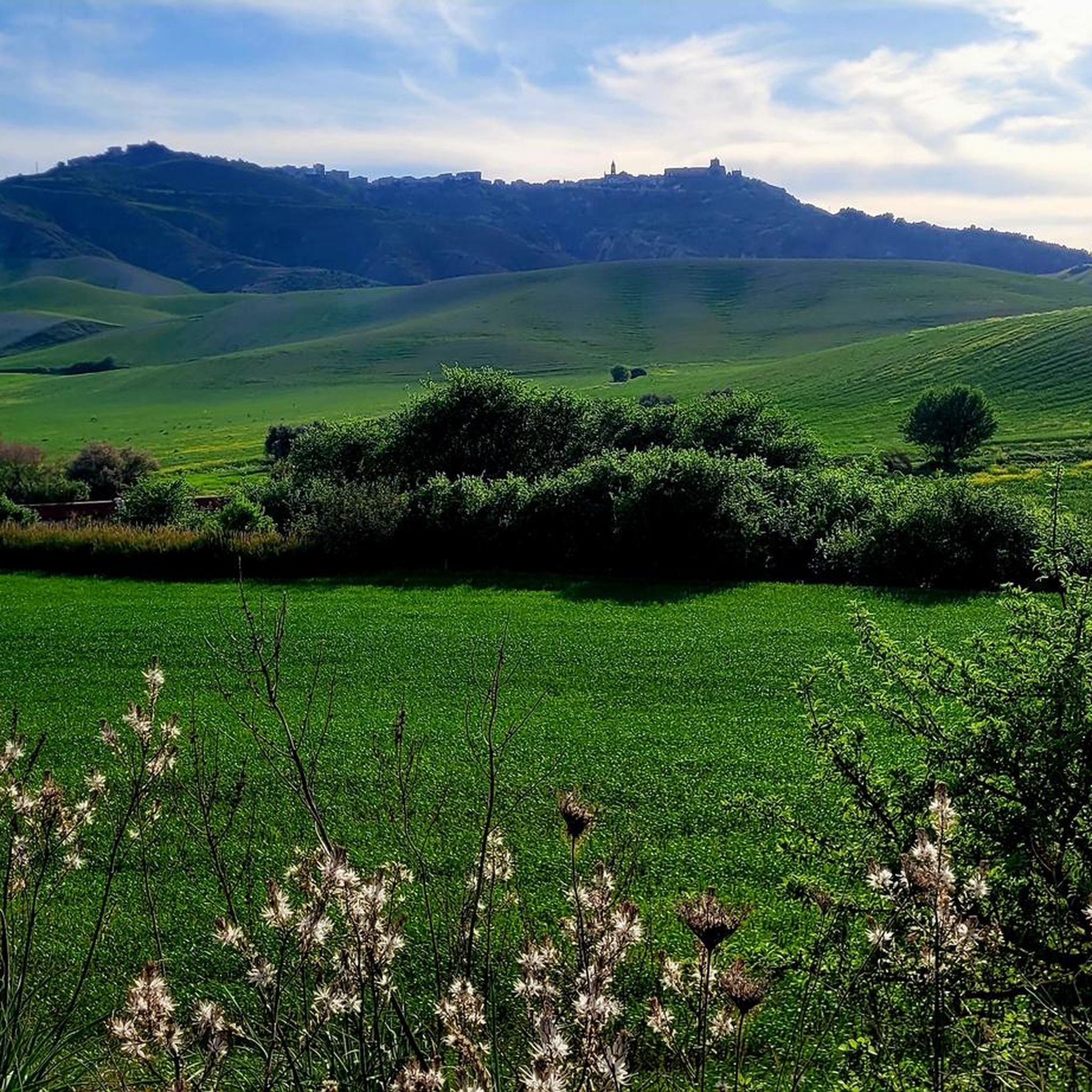
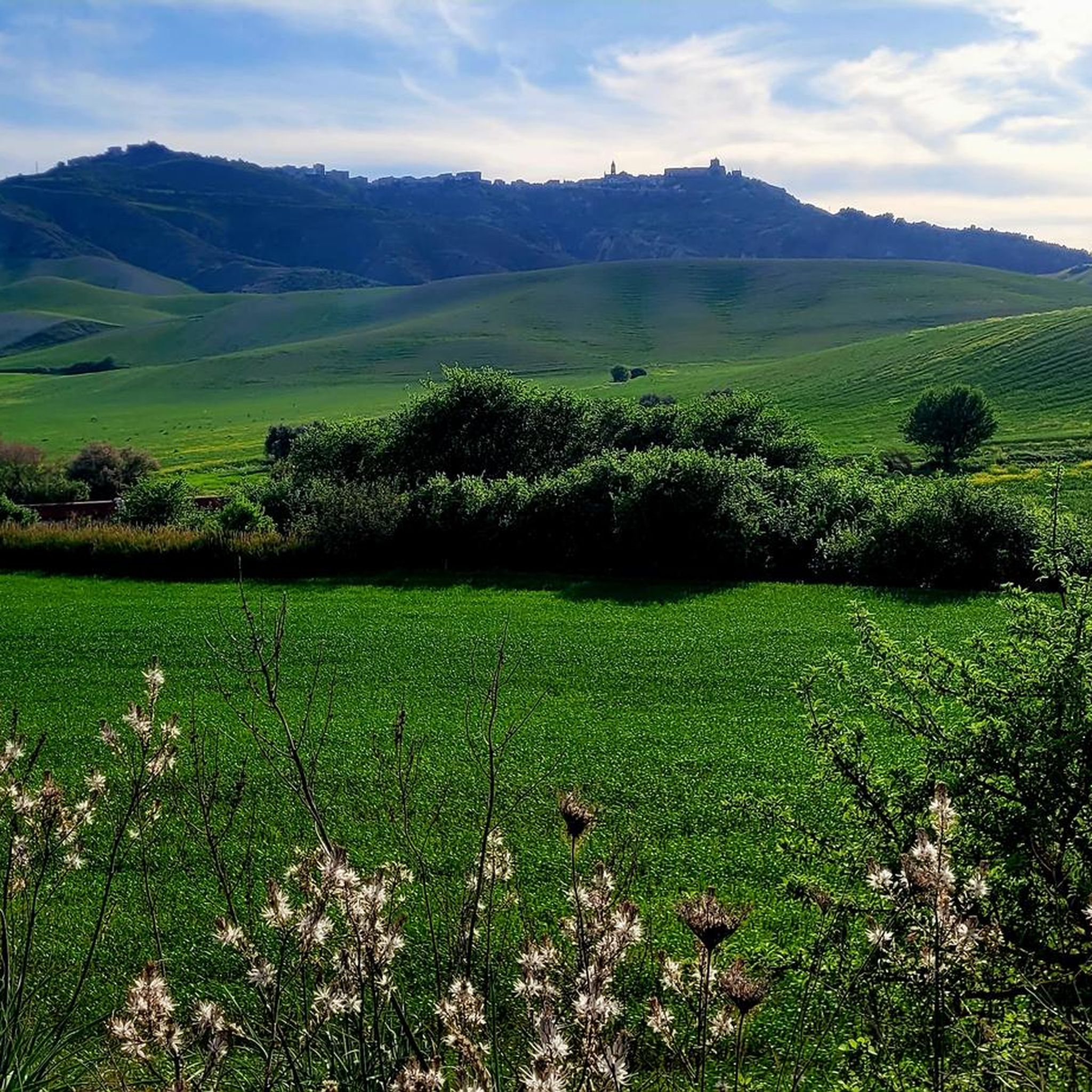
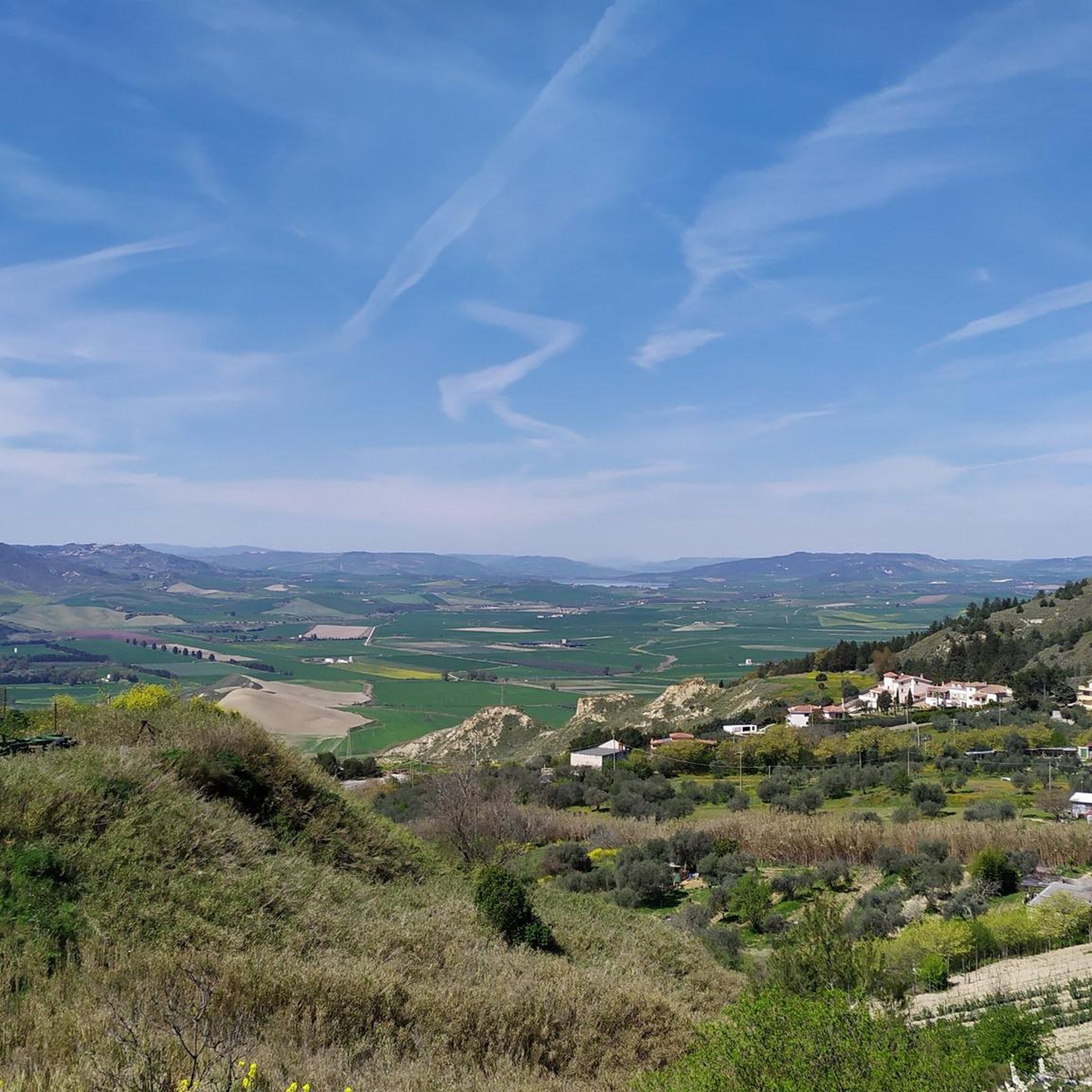
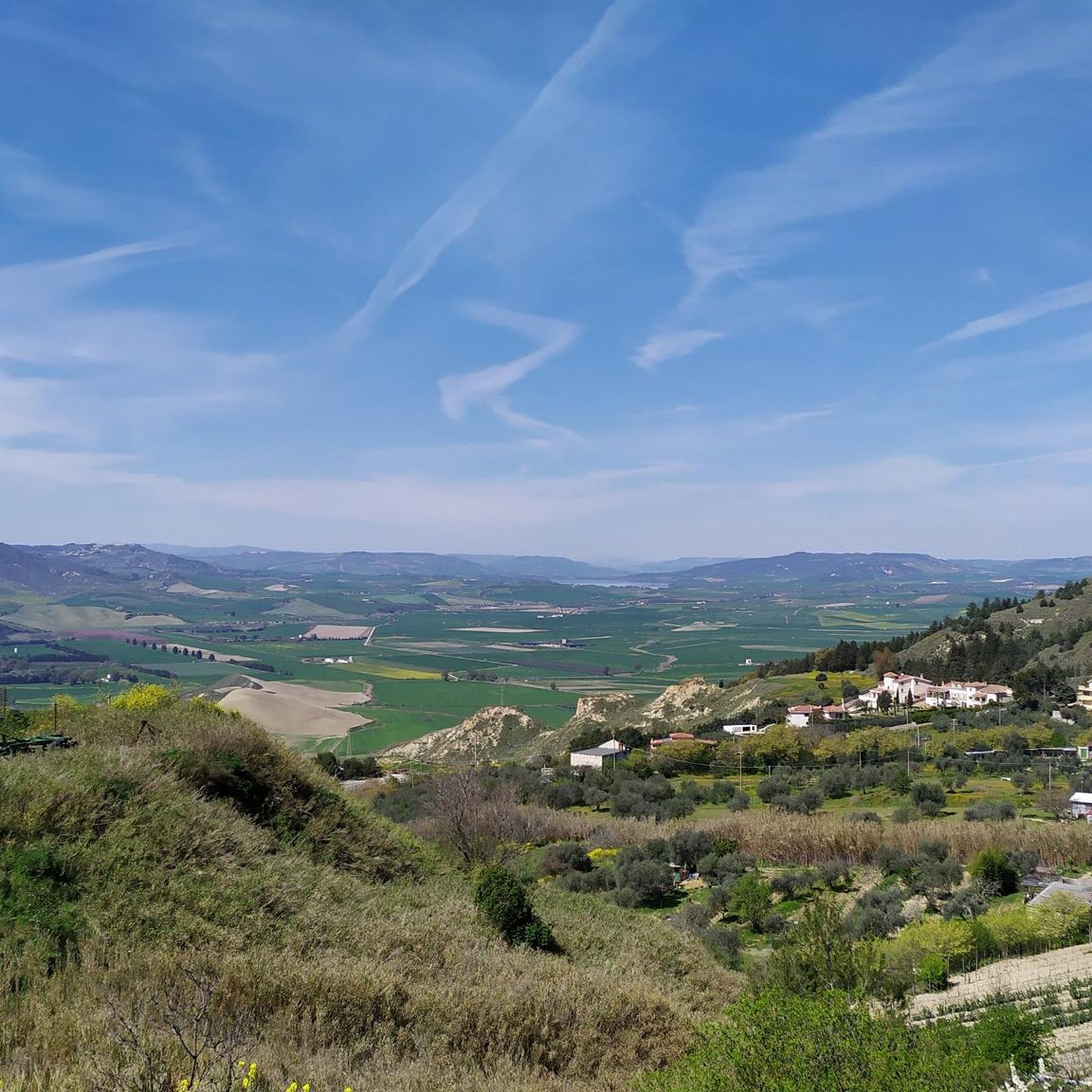
Tips from the Community

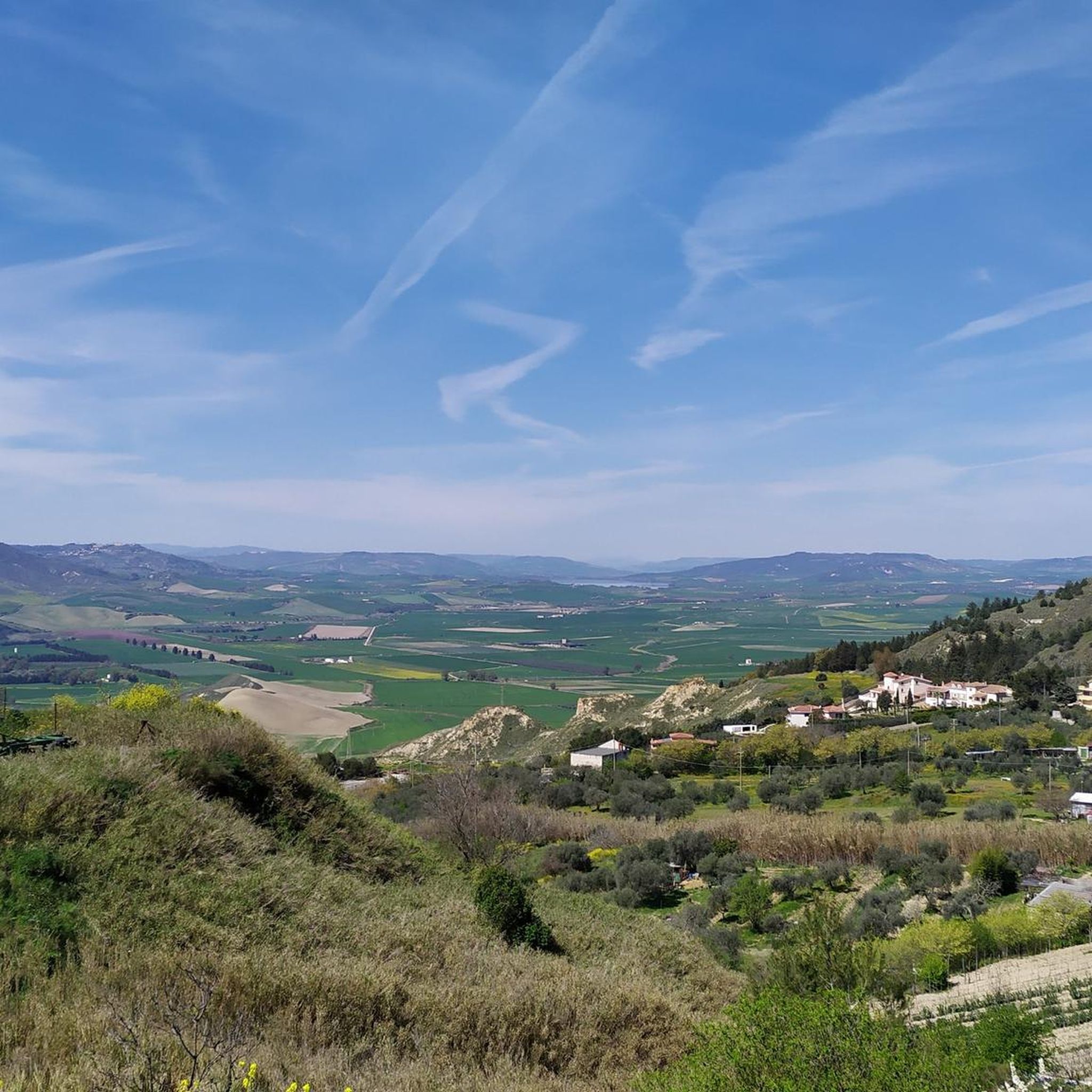
The historic center of Bernalda is a dive into an ancient and panoramic corner, white to soften the sun and made of well-maintained light stone. The church and the castle ramparts appear as a single entity, but this architectural aspect should be explored further. From below the town, it's a beautiful sight.
0
0

Fabulous Malconsiglio Castle, where the famous Conspiracy of the Barons took place.
0
0

[I imagine towns as boxes, each containing different things, which no other boxes, not even the most magical ones, can contain.] Fabrizio Caramagna. A big, magic box is the definition that best describes the Marquis’s palace of Laterza. A reference point for the cultural life of the town, the Marquis’s palace is a XVII century building, which has been given a new lease of life in the past few years, with exhibitions, performances, concerts and many other cultural events. It is a box full of historical hints, legends and charm, a kind of a doorway to the historical center. The building was originally conceived as a castle in 1393, when the feud of Laterza was still part of the principality of Taranto. That time was characterized by bitter conflicts among different towns, and Laterza had to face the assaults by Castellaneta and Matera. In the centuries, the castle was destroyed and a palace took its place. Today, some remains of the original building are still visible: part of the moat, part of the walls with their battlements, which protected the northern side of the so called castrum de tertia (the original Latin name of the village) and, towards south, a tunnel which led to the ravine and allowed people to escape from the castle. In 1546 Giovanni Battista I D’Azzia became Marquis of Laterza and let the castle be refurbished as a late Renaissance residential building, as witnessed in the inscription of 1548, still visible in the white-stone, bipartite emblem, above the entrance. The east side of the building has been remodelled several times over the centuries, while the south side still preserves many Renaissance architectural features and a balcony, from where the marquis used to announce his decisions to the population. On the north side, the building features some windows with bars, which lightened the prison of the palace. Inside the courtyard, a precious fresco representing Saint Anne can still be admired. The fresco was commissioned by Anna Capece, wife of Nicolò Perez-Navarrete, last lord of Laterza until 2 August 1806. In 1986, the building was ceded to the municipality of Laterza, which has dealt with its restoration and touristic relaunch eversince. Today, the Tourist Information office, the MuMa (the Museum of Majolica) and a conference hall are indeed located in different rooms of the palace.
0
0
One of Ginosa’s most striking landmarks, perhaps the most prominent historical site, is the Norman Castle. Built towards the end of the land spur in what is the northern end of the historical centre, the castle has commanding views over both Rioni di Casale and Rioni di Rivolta, and on to the surrounding plains beyond the ravine. The castle is the handiwork of Robert Guiscard, born in Normandy who was a significant figure in the Norman conquest of southern Italy during the 11th and 12th centuries. Guiscard became the Count of Apulia and Calabria between 1057 and 1059, and then Duke of Apulia and Calabria as well as Duke of Sicily between 1059 and 1085. He had the Ginosa castle built in 1080. A fortress, clearly occupying the most strategic spot being almost entirely surrounded by the ravine, built to protect the town against Saracen raids. At this time Puglia and much of southern Italy was being fought over between the Normans and the Byzantines. Today the castle looks more like a large palazzo than a Norman castle. This is because the distinctive Norman features, crenellated towers and a drawbridge, were removed or altered in the 16th century when the castle became the baronial seat of the Doria family. For example, the drawbridge was replaced by an arched bridge that links the castle’s entrance to Corso Vittorio Emanuele.
0
0

In one of the highest points of Matera stands its castle with an adjoining park, often home to musical events.
1
0

Municipality in the Basento valley of around 12,000 inhabitants, Bernalda boasts a characteristic historic center which stands on a plateau sloping towards the sea. From here it is splendid to observe the Ionian Sea and the hamlet of Metaponto. Also of particular beauty are the church of San Bernardino and the castle of Bernalda, probably built by the Normans.
1
0
The castle famous for being the site of the barons' conspiracy against King Ferdinand I of Naples. Usually visited independently.
1
0

With its imposing parallelogram structure and flanked by seven towers, the Malconsiglio Castle stands out in the center of Miglionico, on top of a cliff from which it dominates the entire Bradano Valley. Built starting from the 7th-9th century, it is known to have been the theater of the Conspiracy of the Barons, in 1485.
3
0
Frequently Asked Questions
Which castles around Montescaglioso offer the most significant historical insights?
The region is rich in history. The Malconsiglio Castle of Miglionico is famous as the site of the Conspiracy of the Barons in 1485. The Norman Castle of Montescaglioso itself, built in the 11th century, showcases centuries of architectural evolution. Additionally, the Marquis’s Palace of Laterza, originally a 14th-century castle, transformed into a Renaissance residential building, offers a glimpse into different eras.
Are there any family-friendly castles to visit near Montescaglioso?
Yes, several castles in the area are suitable for families. The Malconsiglio Castle of Miglionico, Bernalda Castle and Church of San Bernardino, Marquis’s Palace of Laterza, and Castello Tramontano and Castle Park are all categorized as family-friendly, offering engaging experiences for all ages.
What outdoor activities can I do near these castles?
The Montescaglioso area is great for outdoor enthusiasts. You can explore various cycling routes, including MTB trails, gravel biking, and road cycling routes. These routes often pass through scenic landscapes and offer opportunities to see the castles from different perspectives.
Which castle offers the best views or viewpoints?
The Norman Castle of Ginosa is strategically built on a land spur, providing commanding views over the surrounding plains and ravine. Similarly, Bernalda Castle stands in a historic center overlooking the Ionian Sea, and Castello Tramontano is located on one of Matera's highest points, offering excellent panoramas.
What is the best time of year to visit the castles around Montescaglioso?
The best time to visit is generally during the spring (April to June) and autumn (September to October) when the weather is mild and pleasant for exploring. Summers can be quite hot, while winters are cooler but still offer a unique, less crowded experience.
Are there any castles that have undergone significant architectural changes over time?
Yes, the Norman Castle of Montescaglioso itself is a prime example, evolving from a defensive stronghold to a palace with Neo-medieval modifications. The Marquis’s Palace of Laterza also transformed from a 14th-century castle into a Renaissance residential building, with visible remains of its original defensive structures.
Can I find parking facilities near the castles?
While specific parking details vary by location, Castello Tramontano and Castle Park in Matera is noted for having parking facilities. For other castles, it's advisable to check local town parking options nearby.
What makes the Norman Castle of Montescaglioso unique?
The Norman Castle of Montescaglioso is unique for its deep historical roots, dating back to the 11th century, and its architectural evolution from a Norman defense to a palatial residence. It features a central courtyard, a remaining quadrangular tower, and intriguing underground cisterns and deposits, offering a comprehensive look into its past.
Are there any castles known for hosting cultural events?
Yes, Castello Tramontano and Castle Park in Matera is known for often hosting musical and cultural events within its grounds. The Marquis’s Palace of Laterza also serves as a cultural hub, hosting exhibitions, performances, and concerts.
Which castle is known for a famous historical event?
The Malconsiglio Castle of Miglionico is particularly renowned for being the site of the Conspiracy of the Barons in 1485, a significant event in the history of the Kingdom of Naples. Historical re-enactments and multimedia shows often bring this event to life for visitors.
What kind of historical artifacts or features can be found inside these castles?
Inside the Norman Castle of Montescaglioso, you can explore cisterns, deposits, and what was once a hanging garden. The Marquis’s Palace of Laterza features visible remains of original walls, battlements, a tunnel, and a precious fresco representing Saint Anne within its courtyard.
Are there any castles that were originally built for defensive purposes?
Many castles in the region started as defensive structures. The Norman Castle of Montescaglioso was strategically built to control Porta Maggiore. The Norman Castle of Ginosa was built by Robert Guiscard in 1080 as a fortress to protect against Saracen raids. The Marquis’s Palace of Laterza was also originally conceived as a castle in 1393 for defense.
Most popular routes around Montescaglioso
Most popular attractions around Montescaglioso

Get inspired with the komoot mobile app


Explore more
Looking for the best castles somewhere else? Discover other guides around Montescaglioso:
