Top 4 Caves around Sant'Agata Di Esaro
Best caves around Sant'Agata Di Esaro are located in a region known for its significant speleo-archeological sites and natural formations. The area features an underground system extending over 500 meters of galleries, halls, and tunnels carved into calcareous rock. This landscape offers a blend of natural beauty and historical importance, with evidence of human activity spanning millennia. The caves are situated in the high valley of the Esaro river, providing a diverse natural environment for exploration.
Best caves around Sant'Agata…
Last updated: July 1, 2026
San Ciriaco Cave
Highlight • Cave
Translated by Google •
Tip by

U Vugliu Waterfall
Highlight • Waterfall
Translated by Google •
Tip by

Sign up now to discover places like this
Get recommendations on the best single tracks, peaks, & plenty of other exciting outdoor places.
Sign up for free
Maierà
Highlight • Settlement
Translated by Google •
Tip by

View of Grotta della Monaca
Highlight • Viewpoint
Translated by Google •
Tip by

San Michele Arcangelo Cave Sanctuary
Highlight • Religious Site
Translated by Google •
Tip by

Start today with a free account
Your next adventure awaits.
Login or Signup
Other adventures around Sant'Agata Di Esaro

Tips from the Community

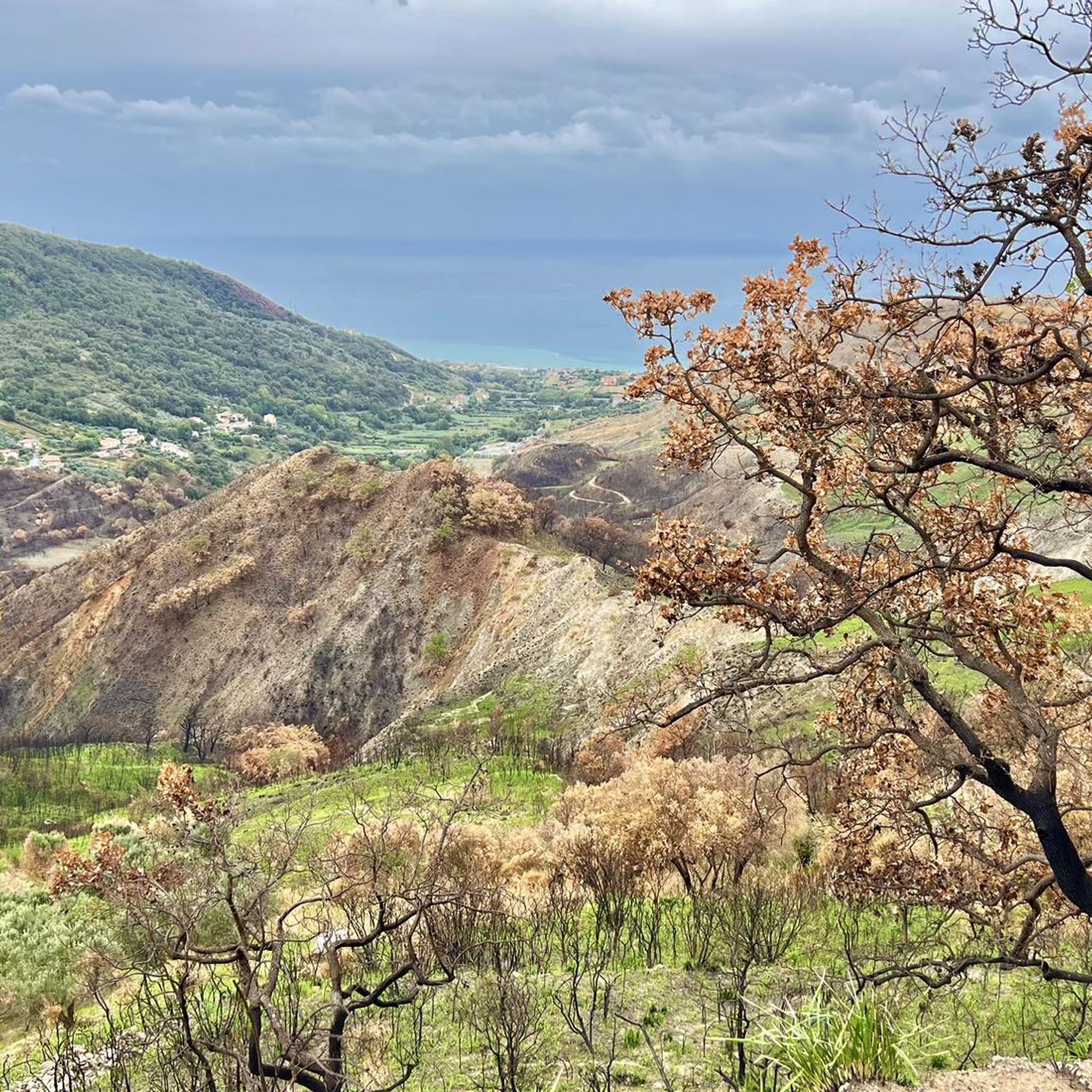
The Grotto of St. Cyriacus is the place where the saint prayed. A mystical and relaxing place where the sound of flowing water is amplified by the walls carved by the Corvino River, a natural spectacle.
0
0

The access to the waterfall is closed. The commune has installed a fence.
2
0

A route immersed in nature, you may have some small difficulties near the waterfall, where the terrain is a bit rough, but then you are struck by its spectacle.
2
0

Rock sanctuary inside two karst cavities, evidence of the Basilian tradition that spread in Calabria starting from the 5th century AD.
0
0

The Grota di San Ciarico offers a fantastic experience, even if the climb to Buonvicino is demanding. It is a magical cave, away from everything, which conveys a deep feeling of inner peace.
0
0

Ciriaco da Buonvicino, a priest and exorcist, is remembered with a pilgrimage to this cave every year on September 17th as in 2006 of the same year a rock had detached and fell into the city of Buonvicino, without any damage or injuries .
1
0

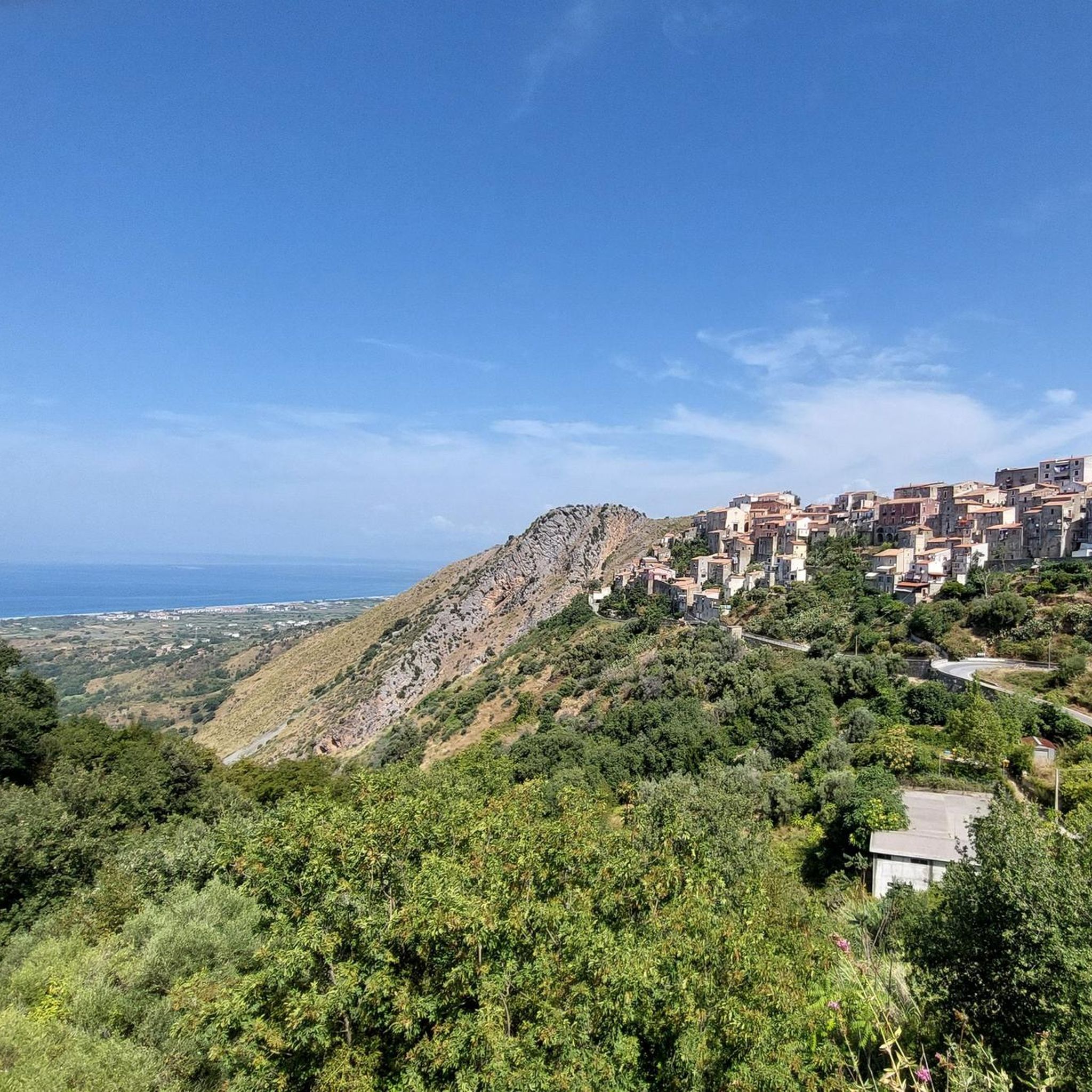
Grotta della Monaca is located in the municipality of Sant’Agata di Esaro, in the north-western sector of the Calabria region. The cavity dominates the high valley of the Esaro river with a majestic entrance (600 meters above sea level) and is connected to the Tyrrhenian coast through the mountain pass of the "Passo dello Scalone" (740 meters above sea level). Its name derives from a calcite concretion with anthropomorphic features present in one of the internal environments.
0
0

The name of this village derives from a Hebrew term, "M’arà", which means cave. In fact, here there are numerous natural cavities and the town rests on sheer rocks.
0
0
Frequently Asked Questions
What makes the caves around Sant'Agata Di Esaro unique?
The caves in this region offer a blend of natural beauty and profound historical significance. Sites like the Grotta della Monaca are not just geological wonders with extensive galleries, but also speleo-archeological sites with evidence of human activity spanning 20,000 years, including ancient mining and burial grounds. Other caves, such as San Ciriaco Cave, hold religious importance.
Are there any historically significant caves in the area?
Yes, the Grotta della Monaca is a site of immense historical and archaeological importance, considered one of the most fascinating in Southern Italy. It served as a mining site for iron, copper, malachite, and azurite from prehistoric times through to the post-medieval age, and contains Neolithic and Bronze Age burials. The settlement of Maierà also derives its name from the Hebrew term for cave, reflecting its numerous natural cavities and historical connection to these formations.
Can I visit the Grotta della Monaca?
Yes, the Grotta della Monaca is open for visits. Guided excursions are available, suitable for all ages, and typically last between 1.5 to 2 hours. A visitor center is also on-site to provide context on its speleo-archeological importance. You can get a good perspective of the area from the View of Grotta della Monaca.
What kind of natural features can I expect to see in these caves?
The caves are carved into calcareous rock, featuring extensive galleries, halls, and tunnels. The Grotta della Monaca, for instance, includes a wide natural vestibule (Pregrotta), the majestic Sala dei Pipistrelli (Bat Hall), and deep terminal tunnels. You'll also find impressive geological formations and, in some cases, underground rivers like the Corvino River in San Ciriaco Cave.
Are there guided tours available for the caves?
Yes, guided tours are available, particularly for the Grotta della Monaca. These tours offer an immersive experience, with expert guides explaining the cave's history, geology, archaeological excavation techniques, and local legends. This is generally recommended to fully appreciate the site's significance.
What outdoor activities can I do near the caves of Sant'Agata Di Esaro?
The region around Sant'Agata Di Esaro offers various outdoor activities. You can explore cycling routes, with options ranging from moderate to difficult, such as those found in the Cycling around Sant'Agata Di Esaro guide. Mountain biking enthusiasts can find trails like those in the MTB Trails around Sant'Agata Di Esaro guide. There are also running trails available, detailed in the Running Trails around Sant'Agata Di Esaro guide.
Are there family-friendly options for visiting caves?
Yes, guided excursions into the Grotta della Monaca are suitable for all ages, making it a family-friendly option. The tours are designed to be informative and engaging, allowing families to explore the natural beauty and historical aspects of the cave together.
What is the best time of year to visit the caves?
Visits to the Grotta della Monaca are available year-round, weather permitting. However, the region's climate means that spring and autumn often offer the most comfortable temperatures for exploring both the caves and the surrounding outdoor areas. Summer can also be a good time, as the caves provide a cool escape from the heat.
What should I wear or bring when visiting the caves?
Inside the caves, temperatures are consistently cool, so it's advisable to bring a light jacket or sweater even in warmer months. Comfortable, closed-toe shoes with good grip are essential for navigating uneven terrain. If you're on a guided tour, specific equipment might be provided or recommended, so it's always good to check with the tour operator beforehand.
Are there any religious or spiritual sites among the caves?
Yes, the region has caves with religious significance. The San Ciriaco Cave is remembered with an annual pilgrimage and is considered a mystical and relaxing place where Saint Cyriacus prayed. Additionally, the San Michele Arcangelo Cave Sanctuary is a rock sanctuary located within two karst cavities, reflecting the Basilian tradition that spread in Calabria.
Is there parking available near the main cave attractions?
For prominent sites like the Grotta della Monaca, visitor facilities typically include designated parking areas. It's always a good idea to check specific directions or visitor information for the cave you plan to visit to confirm parking availability and any potential fees.
What do visitors particularly enjoy about the caves in this region?
Visitors appreciate the unique combination of natural beauty and deep historical context. The mystical atmosphere of places like San Ciriaco Cave, where the sound of flowing water creates a sense of peace, is often highlighted. The rich archaeological findings and the impressive geological formations of the Grotta della Monaca also captivate many.
Are there any other notable natural formations besides the main caves?
Beyond the prominent caves, the Sant'Agata di Esaro area is known for its diverse natural environment, including the Esaro gorges and waterfalls. The Tesauro Cave is also mentioned as another natural feature in the area, contributing to the region's rich geological landscape.
Most popular routes around Sant'Agata Di Esaro
Most popular attractions around Sant'Agata Di Esaro

Get inspired with the komoot mobile app


Explore more
Extend your search for the best caves by checking out these guides of the top ones around Sant'Agata Di Esaro:
