Top 5 Caves in Volcans D'Auvergne
Caves in Volcans D'Auvergne are found within a vast natural park characterized by iconic volcanic landscapes. These subterranean sites offer insights into geological history and human heritage. They range from ancient lava flows to troglodytic dwellings, each presenting distinct features. The region's caves provide diverse experiences for visitors.
Best caves in Volcans D'Auvergne
- The most popular caves is Clierzou Caves, a cave that offers views of the Puy de Dome. This site involves a slightly steep climb.
- Another must-see…
Last updated: July 1, 2026
Clierzou Caves
Highlight • Cave
Translated by Google •
Tip by

Site du Goulet
Highlight • Structure
Translated by Google •
Tip by

Sign up now to discover places like this
Get recommendations on the best single tracks, peaks, & plenty of other exciting outdoor places.
Sign up for free
Jonas Caves
Highlight • Cave
You can observe the caves below during a hike, but the place can also be visited if you …
Translated by Google •
Tip by

Chalencon Caves
Highlight • Cave
Some troglodyte caves, and a nice panorama.
Translated by Google •
Tip by

Jussat Caves
Highlight • Cave
Translated by Google •
Tip by

Start today with a free account
Your next adventure awaits.
Login or Signup
Popular around Volcans D'Auvergne
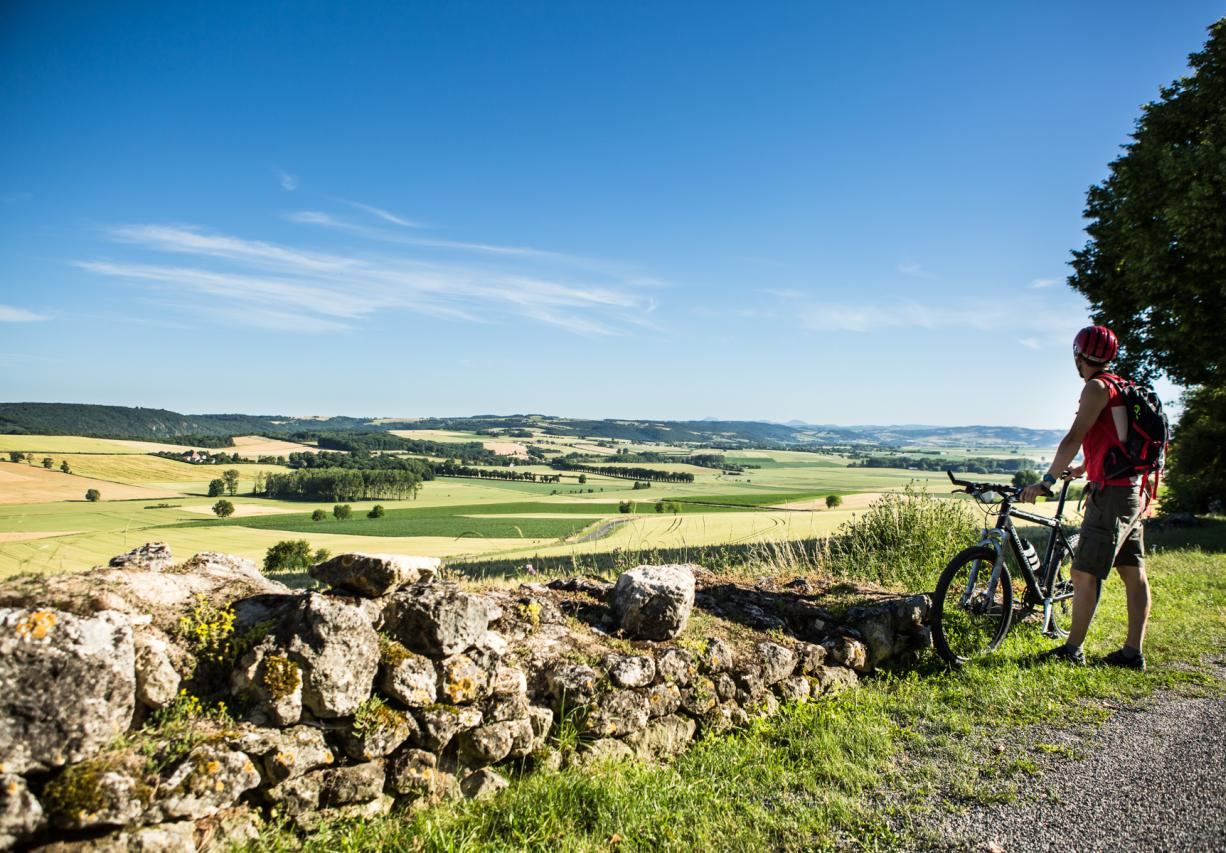
The Grande traversée du Massif Central by gravel bike
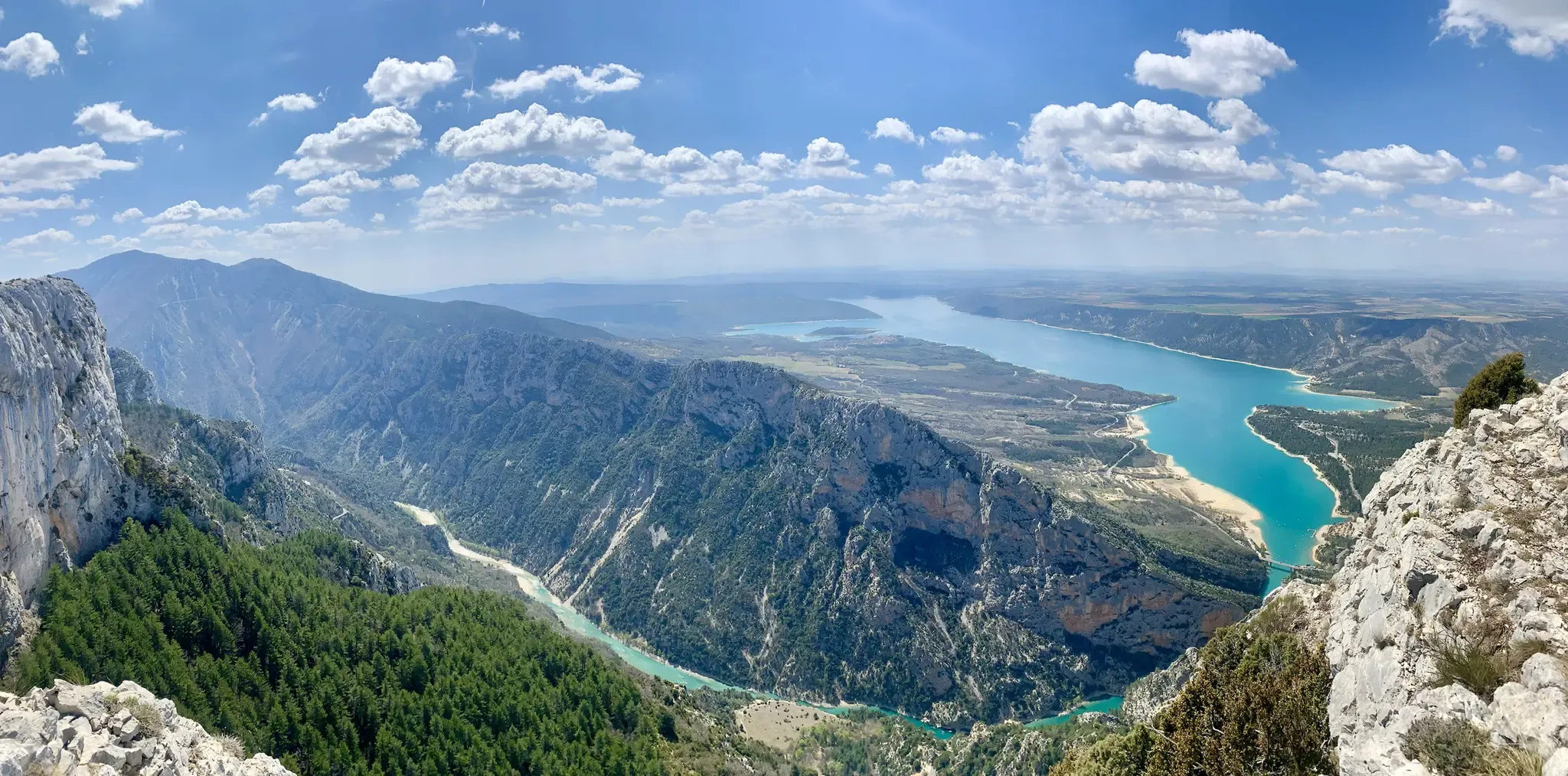
GR 4 – Crossing the south of France from Atlantic Coast to Provence
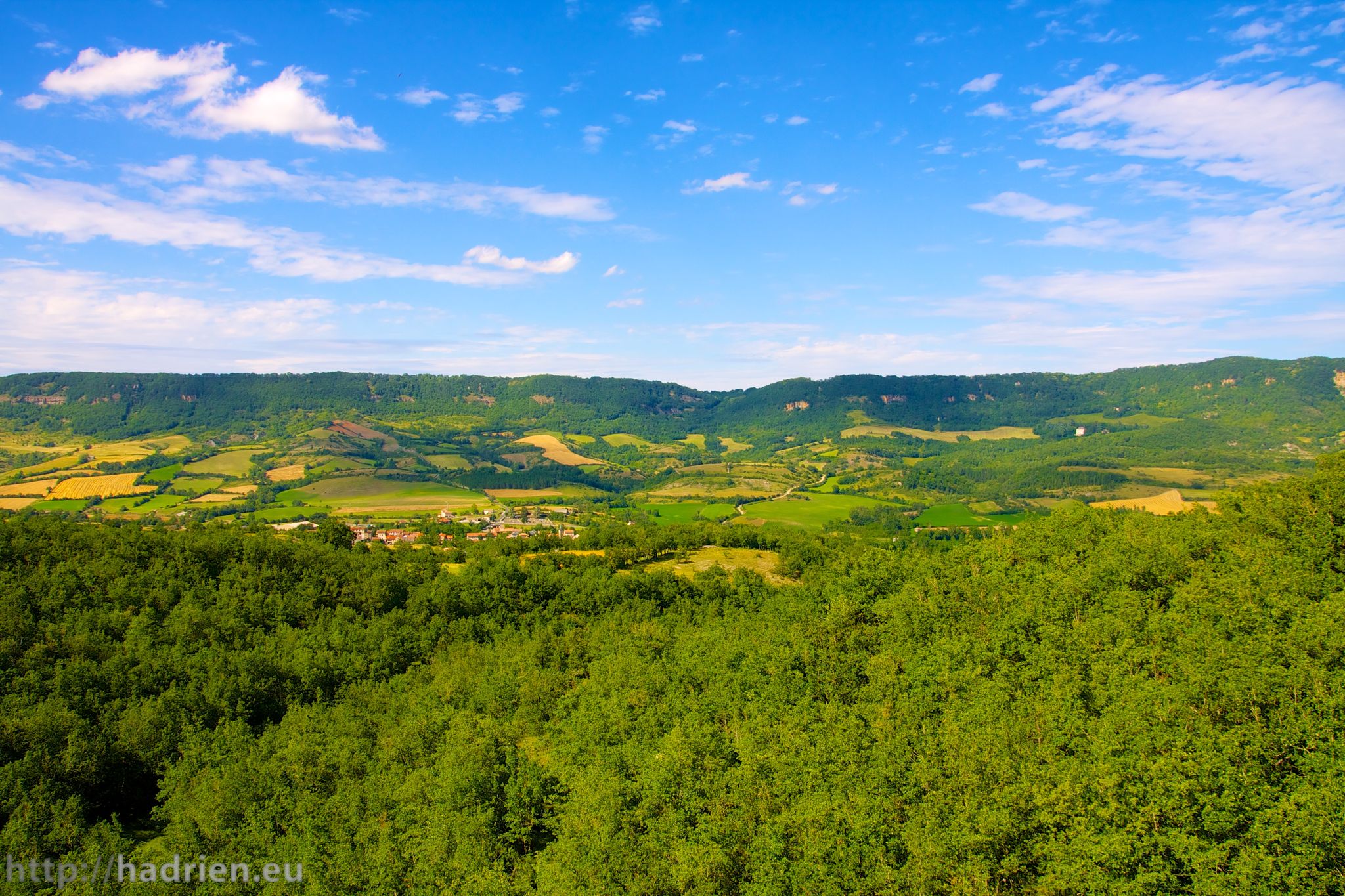
Tour of Aveyron — The mountains and valleys of Roquefort and Aligot
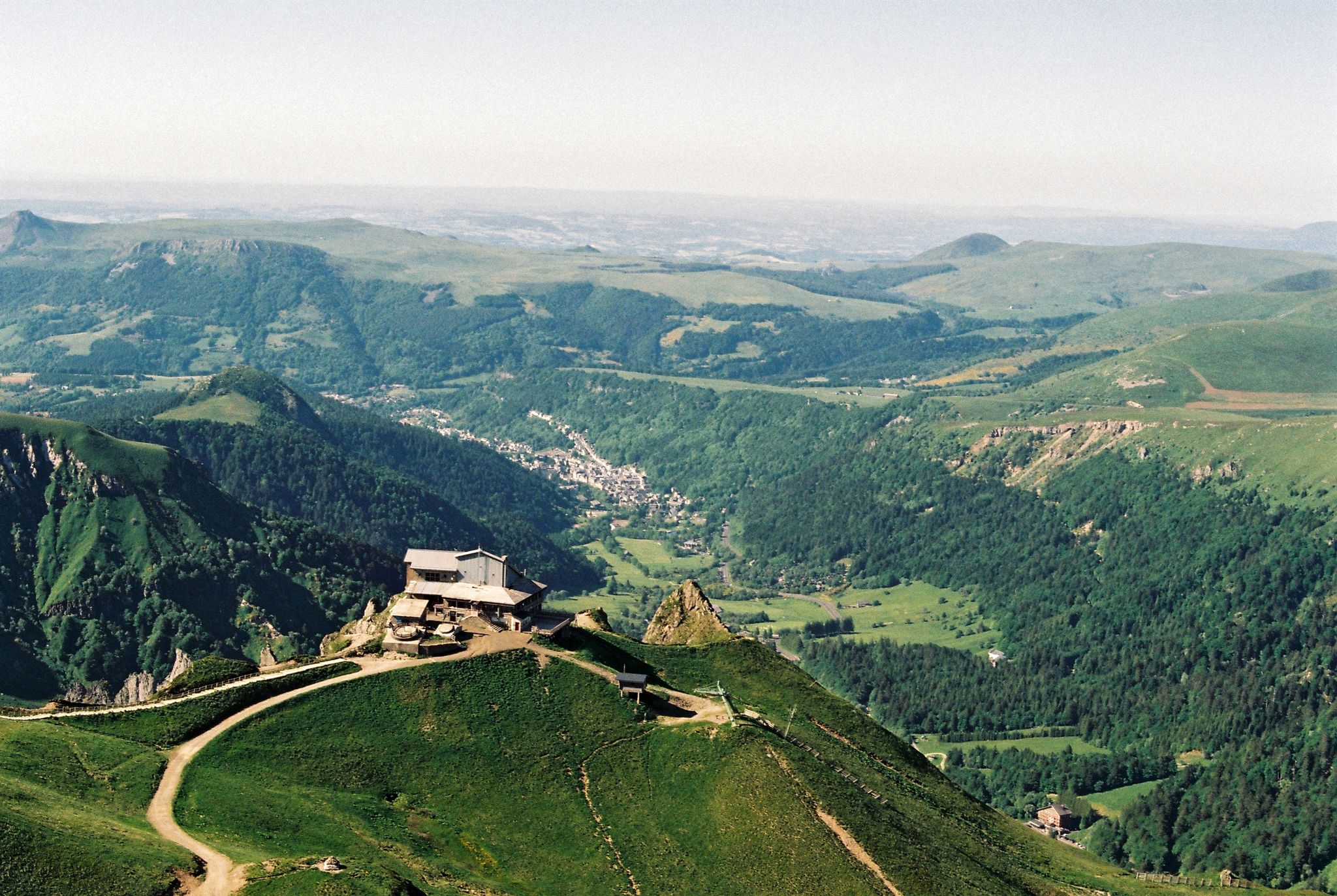
Crossing the volcanoes of Auvergne – Stromboliens, peléens and maars
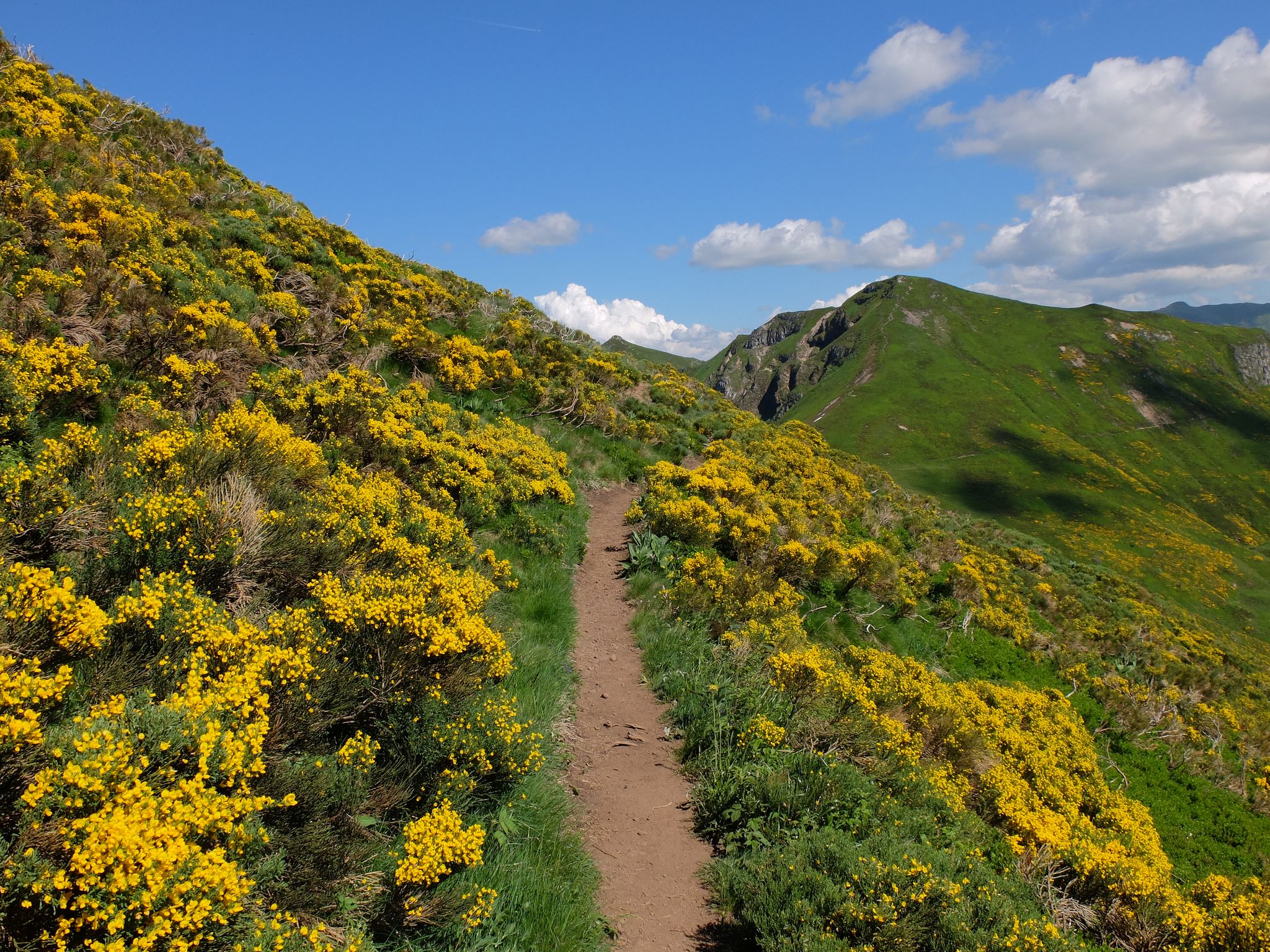
Tour des Volcans du Cantal (GR 400) – The biggest volcano in Europe
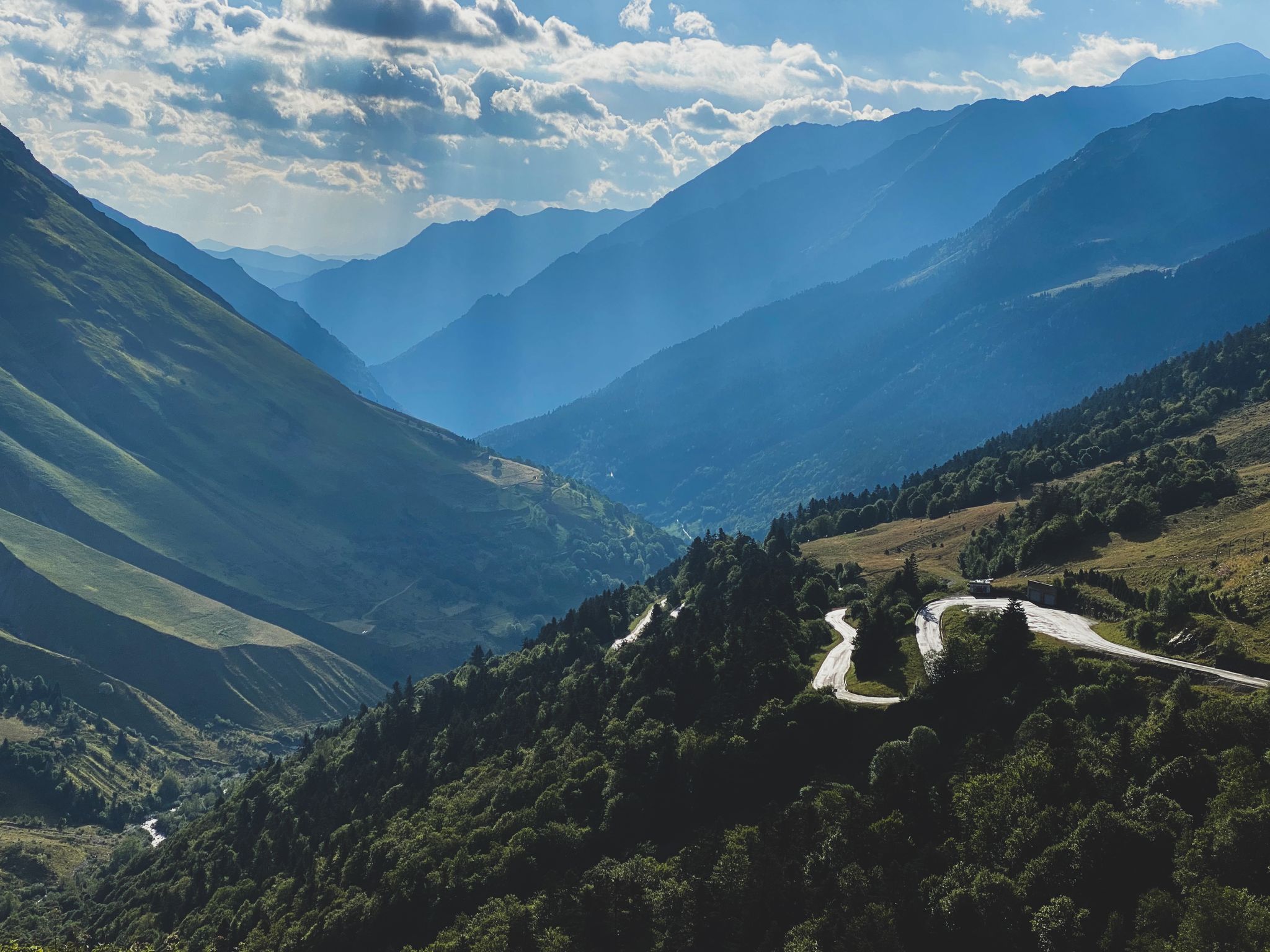
Born to Ride 2020
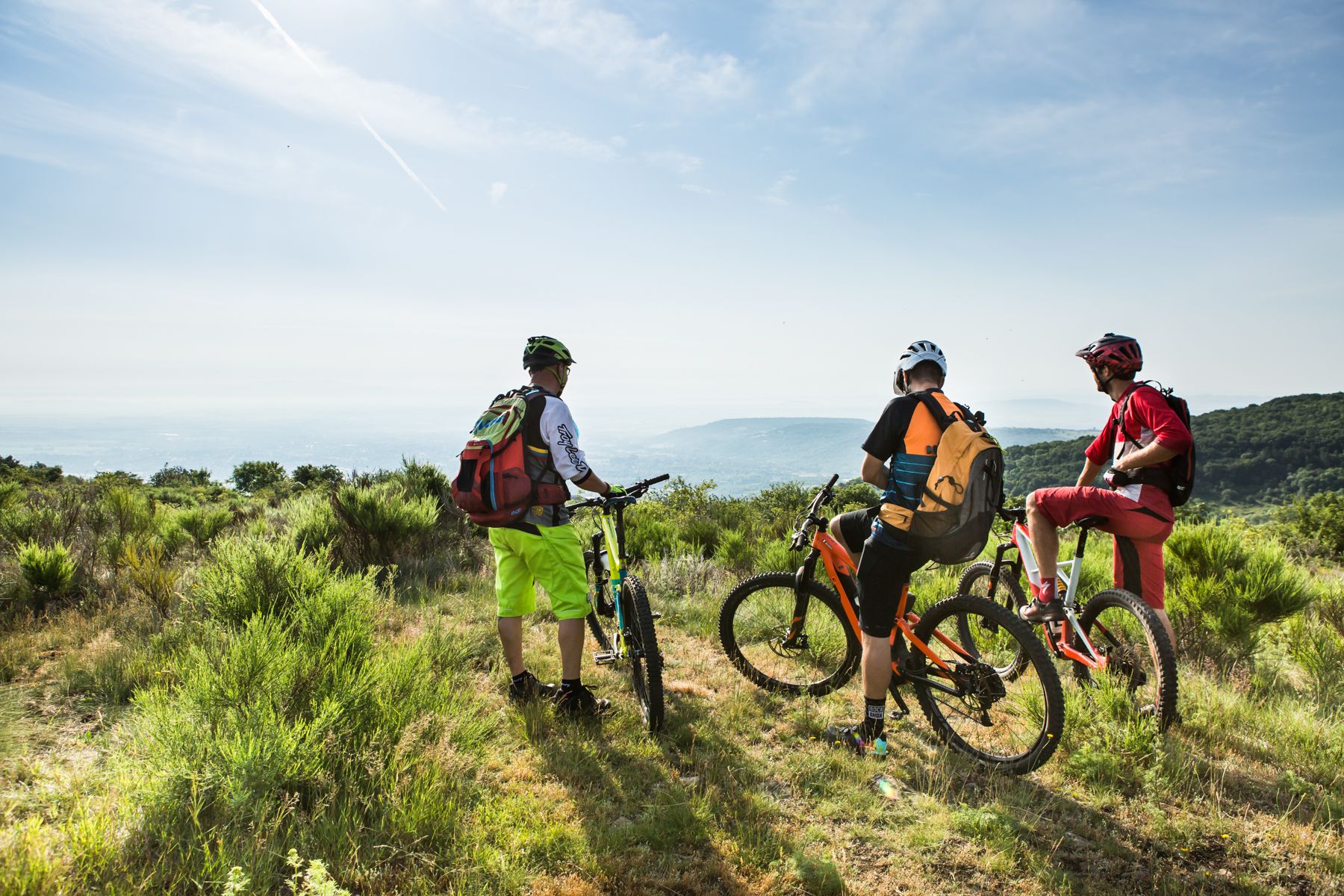
Puy-de-Dôme – the Volcanoes of Auvergne by MTB

Romain Bardet Experience – Cantal in 4 unforgettable loops
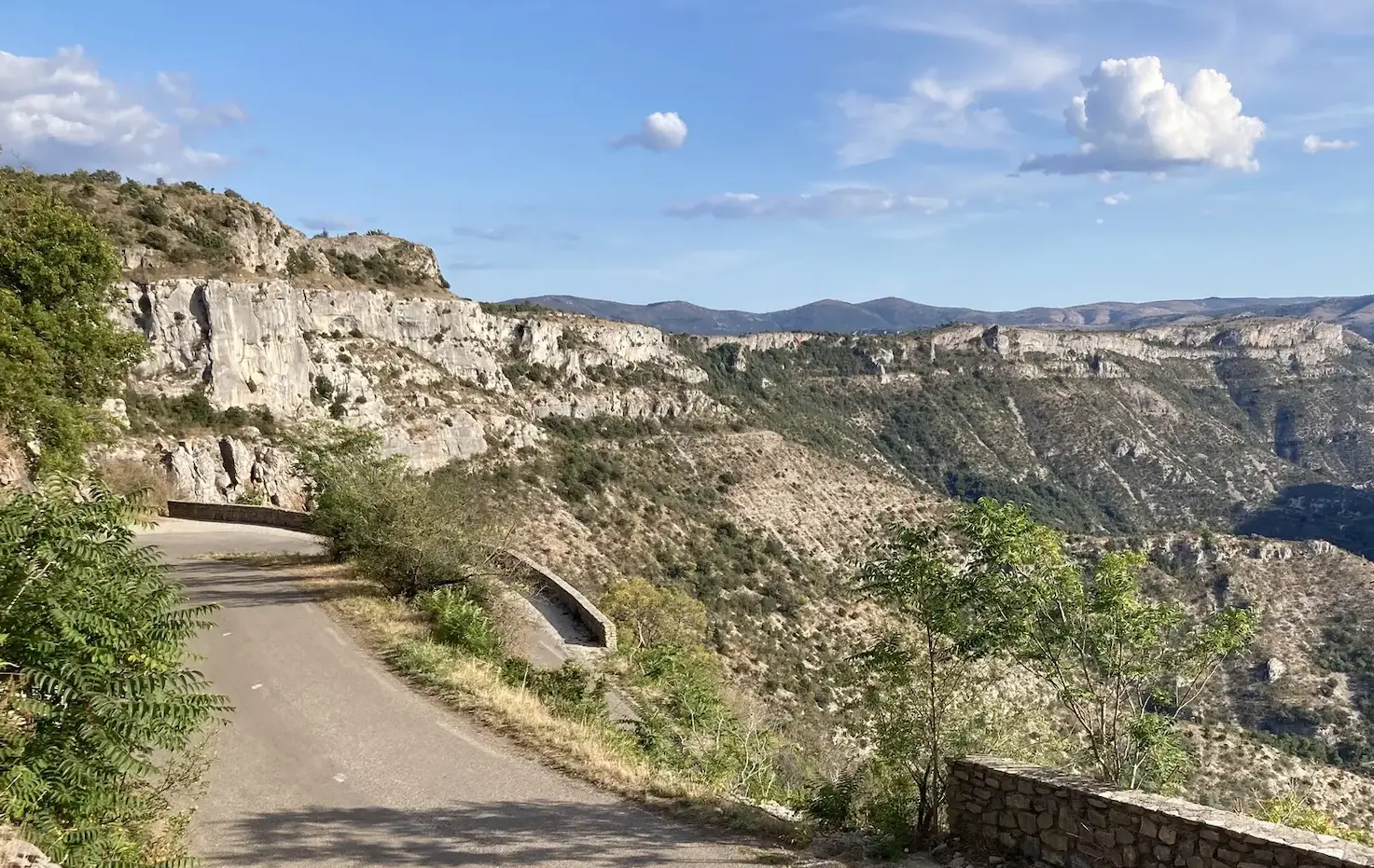
From north to south - On the slopes of the GTMC
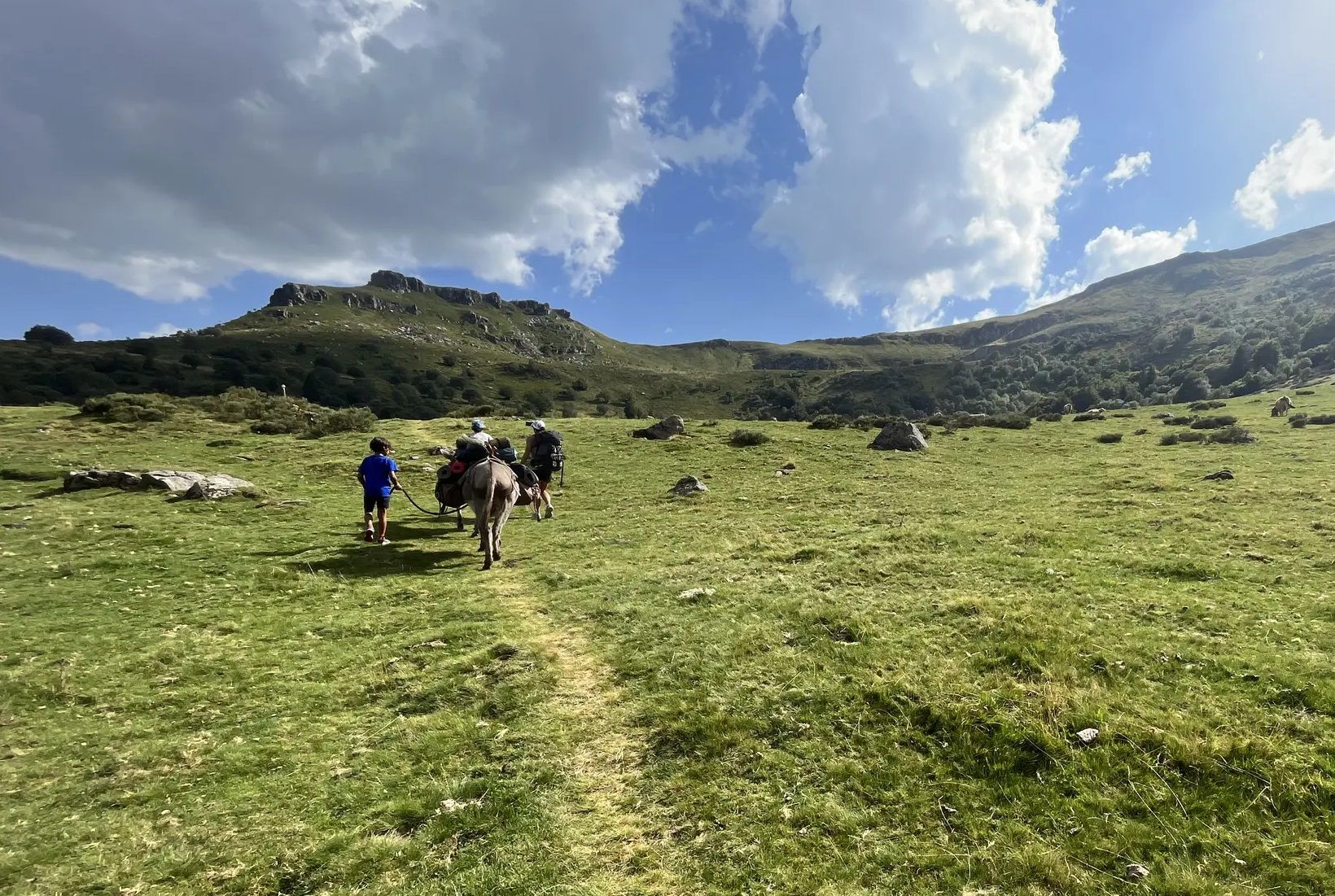
Hike with donkeys in France – a family adventure in the Mounts of Cantal
Other adventures in Volcans D'Auvergne


Tips from the Community


Carved into the limestone, these caves are located on the mountainside, along the cliff. In addition to offering a beautiful view of the Auzon Valley, they also serve as a wintering habitat for bats.
0
0

The troglodyte site of Jonas is a real fortress steeped in history. You can observe the caves below during a hike, but the place can also be visited if you want to spend more time discovering the place. Medieval tours are even organized to immerse yourself even more.
1
0

a beautiful loop beyond the caves, follow the blue marked path in the direction indicated 😜
0
0

Rather nice. Some troglodyte caves, and a nice panorama.
0
0
A slightly steep climb where you have to put your hands but great view of the Puy de Dome
0
0

The Site du Goulet is located on the edge of the "Cheires et Grottes de Volvic" nature reserve. Here you can visit the Volvic spring, fill up your drinking bottle with volcanic rock-filtered water or take a little exploration tour in the park, whose caves are used as wintering quarters for various rare bat species.
1
0

Frequently Asked Questions
What are some of the most popular caves to visit in Volcans D'Auvergne?
Among the highly-rated caves in the region are Clierzou Caves, known for views of the Puy de Dome, Chalencon Caves with their troglodyte formations and panoramic views, and the historical Jonas Caves, which offer medieval tours.
Are there caves in Volcans D'Auvergne that offer a glimpse into ancient human history?
Yes, the region is rich in historical caves. The Jonas Caves are a notable historical monument, inhabited from the 10th to 15th centuries, featuring a chapel with 11th-century frescoes. The Sarcoui Cave, though less developed, is known for its historical use by Merovingians who crafted sarcophagi from its lava boulders.
Which caves are suitable for families with children?
The Site du Goulet, near Volvic, is considered family-friendly and offers an exploration tour in a park where caves serve as wintering quarters for bats. The Grotte de la Pierre de Volvic also provides engaging experiences like a 'Scénovision' documentary and a 'Cave of Lights' with sound and light projections, making it suitable for all ages.
What unique geological features can be found in the caves of Volcans D'Auvergne?
The region's volcanic past has created diverse geological features. The Grotte de la Pierre de Volvic is carved into a 12,000-year-old lava flow. The Grottes du Cornadore are known for natural thermal baths warmed by deep geological processes. The Fontaines Pétrifiantes de Saint-Nectaire showcase petrifying fountains where mineral-rich water creates unique stone formations.
Are there any caves in the region that were used for agricultural or industrial purposes?
Yes, the Les 140 Caves de Montaigut-le-Blanc were historically used for wine conservation due to their stable, cool temperatures. Following the decline of local vineyards, some were repurposed for ripening Saint-Nectaire cheese. The Grotte de la Pierre de Volvic highlights the 20th-century stone quarrying industry, detailing the extraction of Volvic stone.
What outdoor activities can I do near the caves in Volcans D'Auvergne?
The Volcans D'Auvergne region offers various outdoor activities. You can find numerous MTB trails, cycling routes, and gravel biking opportunities. For example, explore MTB Trails in Volcans D'Auvergne, go Cycling in Volcans D'Auvergne, or try Gravel biking in Volcans D'Auvergne. Many routes offer views of the volcanic landscape and can be combined with a cave visit.
Are there any caves in Volcans D'Auvergne that are important for wildlife?
Yes, several caves serve as important habitats. The Site du Goulet and Jussat Caves are known as wintering quarters for various rare bat species. Visitors are often encouraged to respect these natural habitats.
What is the best time to visit the caves in Volcans D'Auvergne?
Many caves in the Volcans D'Auvergne region are accessible year-round, but specific opening hours and seasonal access can vary. For sites like the Grotte de la Pierre de Volvic, special events like the 'Father Christmas Cave' occur during the festive season. It's advisable to check individual cave websites for their current operating schedules.
Are there any caves in the region that offer viewpoints or panoramas?
Yes, some caves are situated to provide scenic views. The Clierzou Caves offer views of the Puy de Dome, while the Chalencon Caves provide a nice panorama. Additionally, the Jussat Caves, carved into the mountainside, offer a beautiful view of the Auzon Valley.
Can I find historical frescoes or art within the caves of Volcans D'Auvergne?
The Jonas Caves are particularly notable for their well-preserved 11th-century frescoes depicting the Passion of Christ, offering a rare artistic and historical insight into medieval life within the volcanic rock.
What are the parking and public transport options for visiting the caves?
Parking facilities are generally available at the more developed cave sites like the Grotte de la Pierre de Volvic, Grottes de Jonas, and Grottes du Cornadore. Public transport options vary by location, with some sites being more accessible by car. It is recommended to check specific visitor information for each cave for detailed transport and parking guidance.
Are there any caves in Volcans D'Auvergne that are dog-friendly?
While some outdoor areas around caves might be dog-friendly, access to the interior of developed cave systems is often restricted for pets due to safety or preservation reasons. For specific information regarding dog access, especially for sites like the Grotte de la Pierre de Volvic or Les 140 Caves de Montaigut-le-Blanc, it's best to consult their official visitor guidelines.
Most popular routes in Volcans D'Auvergne
Most popular attractions in Volcans D'Auvergne

Get inspired with the komoot mobile app


