Top 4 Castles around Naturpark Trudner Horn - Parco Naturale Monte Corno
Best castles around Naturpark Trudner Horn - Parco Naturale Monte Corno are situated in a region known for its rich biodiversity and natural landscapes. This area, located in South Tyrol, features a significant historical fortress that highlights its strategic importance. The castles here offer insights into medieval architecture and provide panoramic views of the Adige Valley. Visitors can explore these historical sites, which blend cultural heritage with the surrounding natural beauty.
Best castles around Naturpark Trudner Horn - Parco Naturale…
Last updated: May 20, 2026
Castello di Salorno (Haderburg)
Highlight • Castle
Translated by Google •
Tip by

Path of Visions
Highlight (Segment) • Trail
Translated by Google •
Tip by

Sign up now to discover places like this
Get recommendations on the best single tracks, peaks, & plenty of other exciting outdoor places.
Sign up for free
Burgschänke Haderburg
Highlight • Castle
Translated by Google •
Tip by

View of Enn Castle
Highlight • Viewpoint
Translated by Google •
Tip by

Start today with a free account
Your next adventure awaits.
Login or Signup
Popular around Naturpark Trudner Horn - Parco Naturale Monte Corno
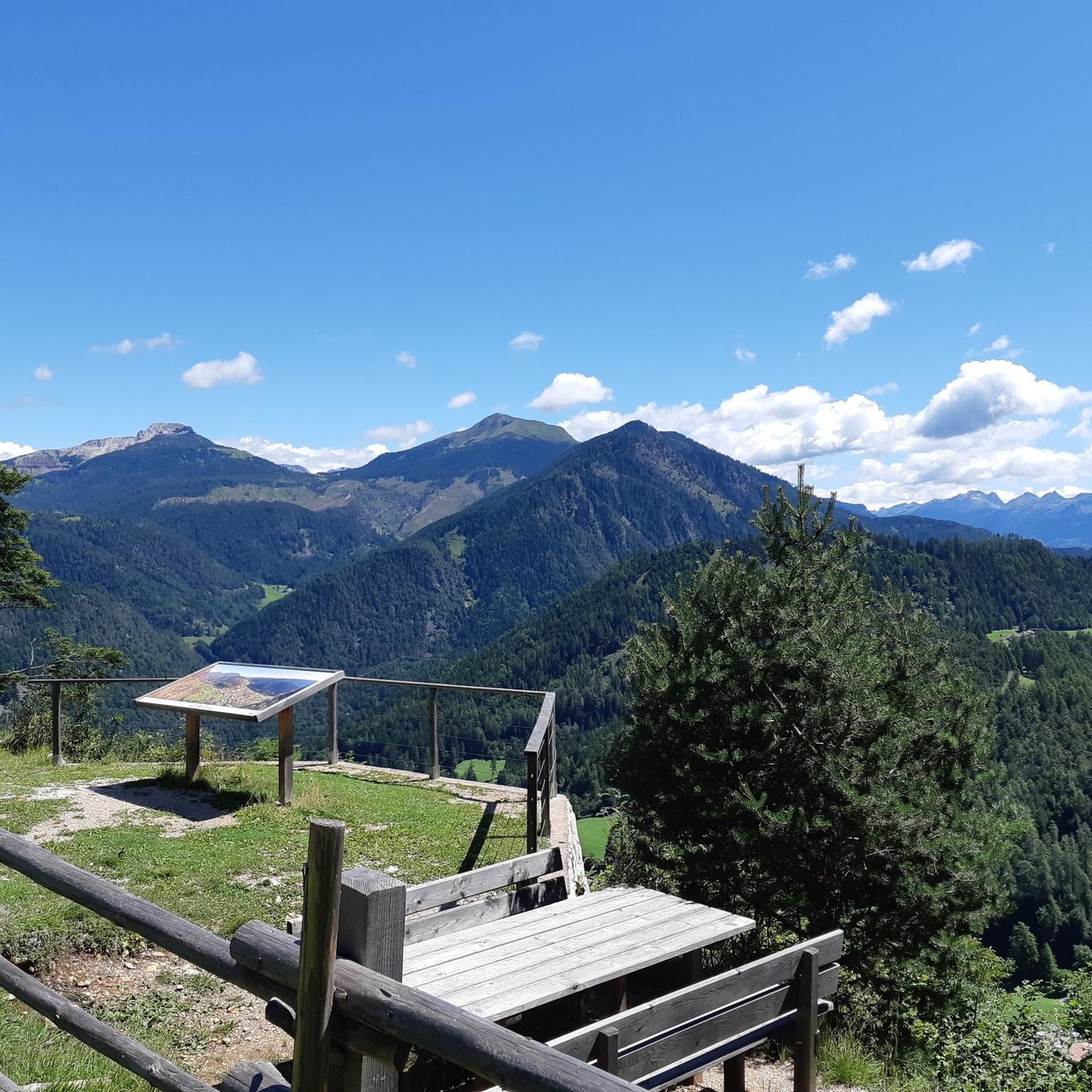
Hiking around Naturpark Trudner Horn - Parco Naturale Monte Corno
Cycling around Naturpark Trudner Horn - Parco Naturale Monte Corno
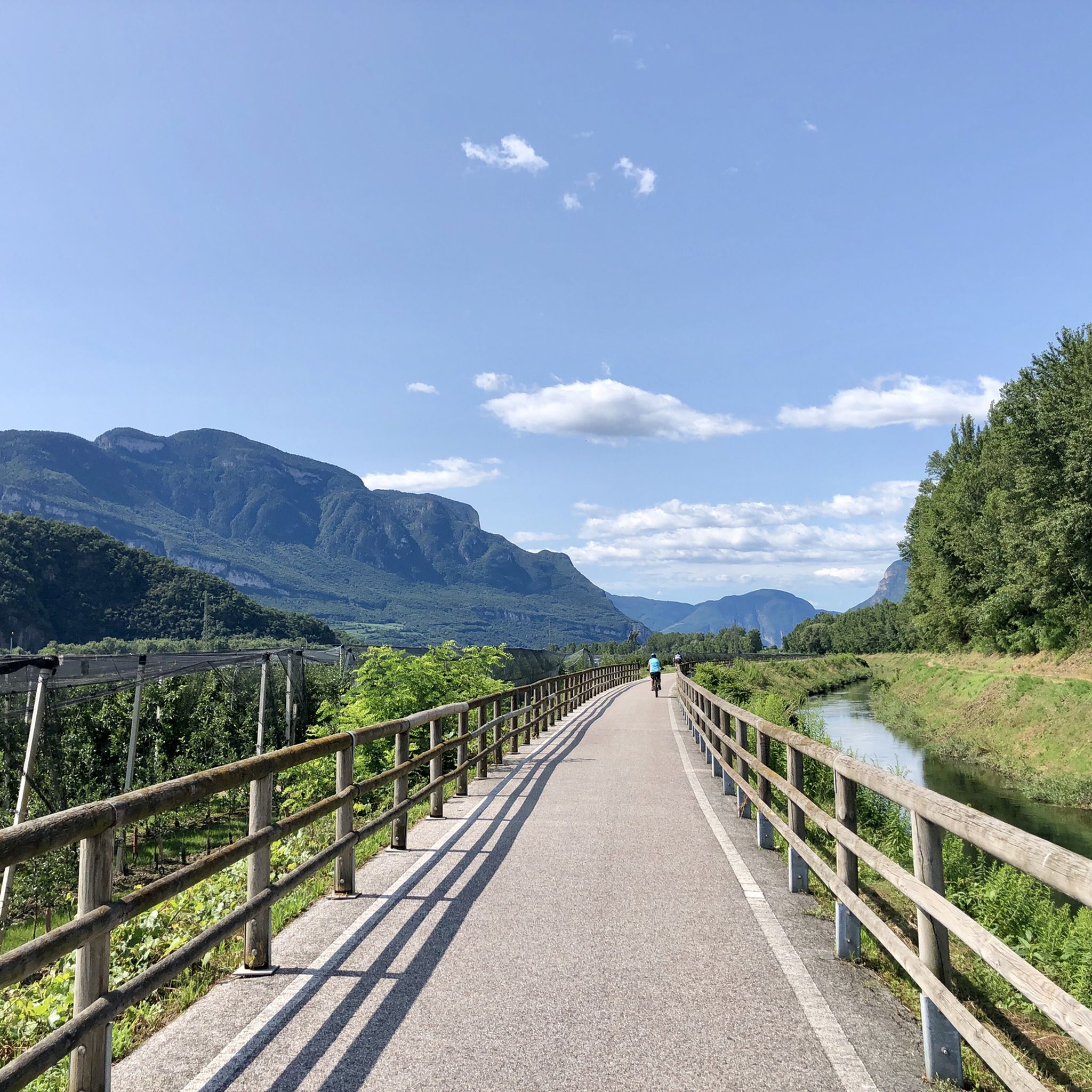
Road Cycling Routes around Naturpark Trudner Horn - Parco Naturale Monte Corno
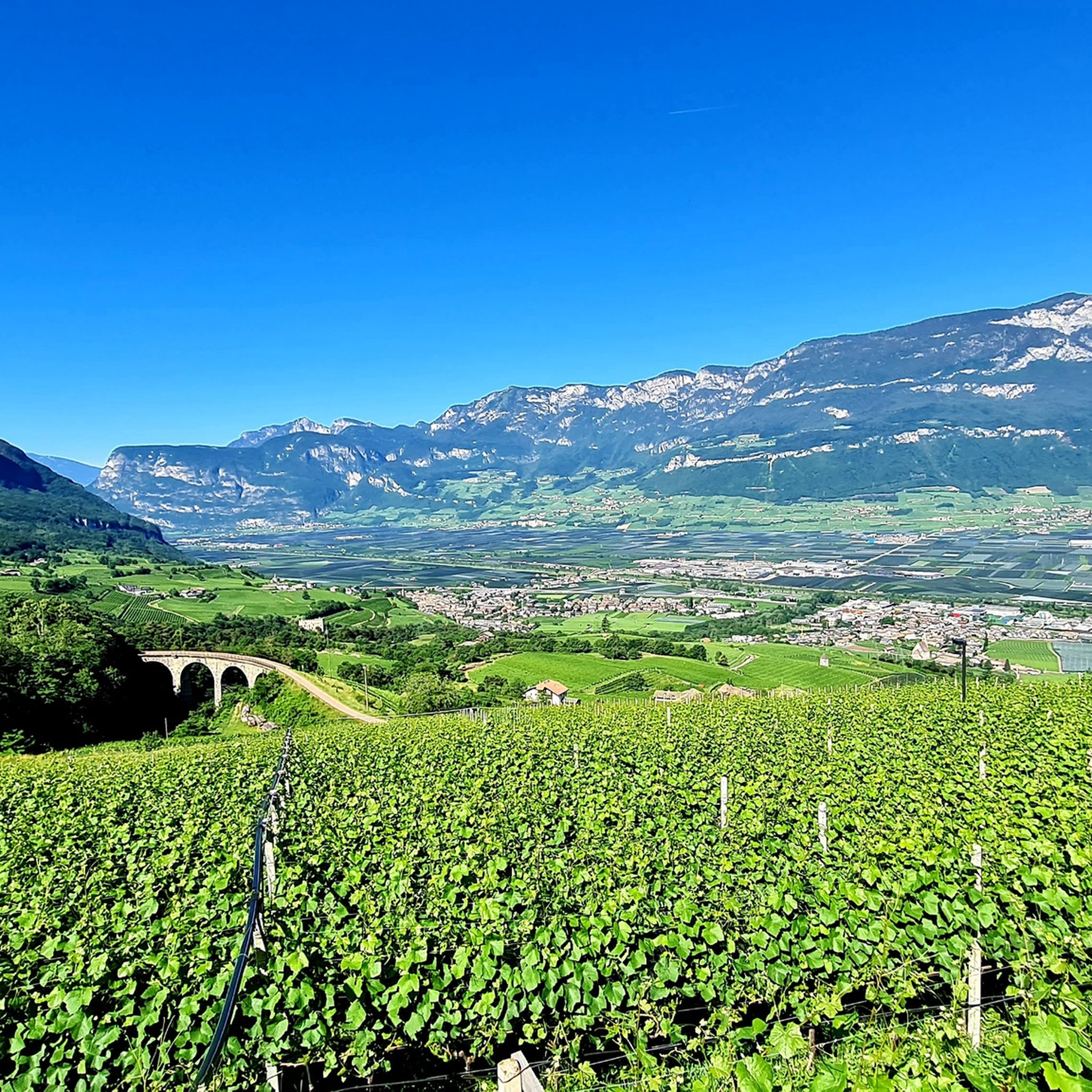
MTB Trails around Naturpark Trudner Horn - Parco Naturale Monte Corno
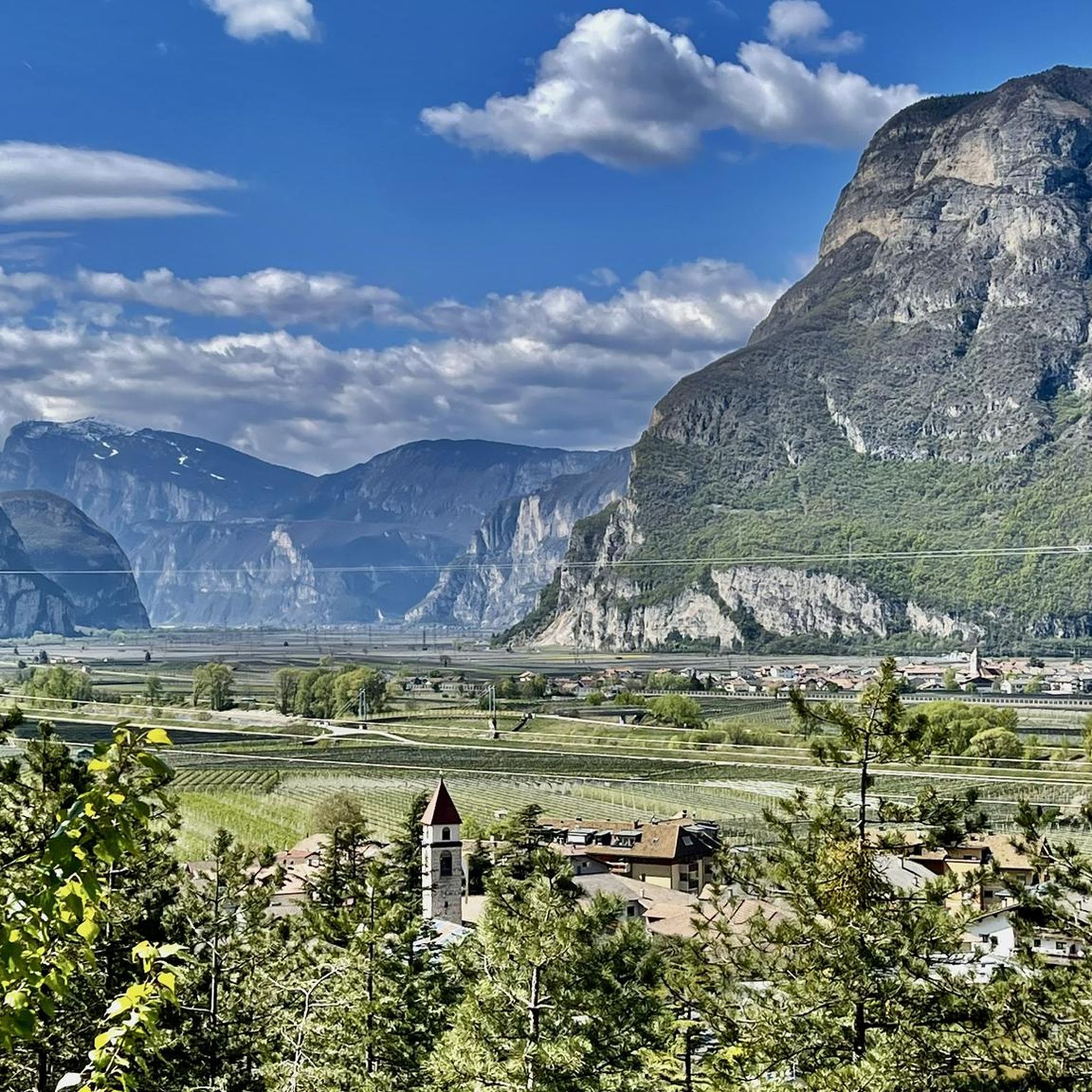
Running Trails around Naturpark Trudner Horn - Parco Naturale Monte Corno
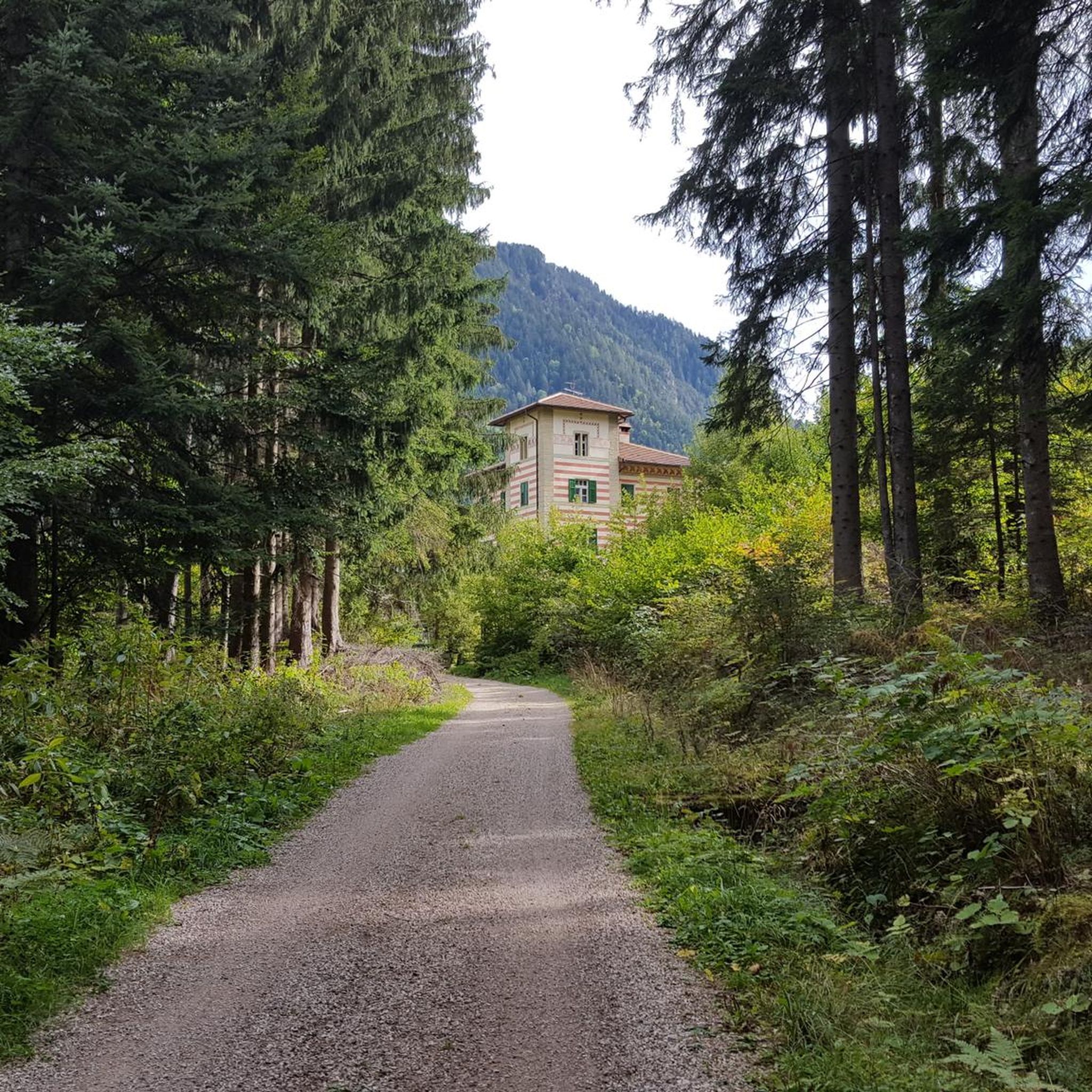
Gravel biking around Naturpark Trudner Horn - Parco Naturale Monte Corno
Mountain Hikes around Naturpark Trudner Horn - Parco Naturale Monte Corno
Tips from the Community

Very nicely done with a bench and an overview board that explains what the view shows.
0
0


breathtaking view. The climb is very steep but it's worth it.
0
2

When Duke Friedrich besieged the then 200-year-old Enn Castle towards the end of the 14th century, things looked different here. The fortress was badly damaged by numerous cannon shots. Enn Castle owes its current appearance to the architect Otto Schmidt. In the 1880s, he was commissioned by the Venetian patrician family Rubin de Cervin Albrizzi to restore the castle in the Negotiated style.
2
0

Interesting castle ruins with a beautiful view and a great castle tavern. The castle and tavern are closed on Thursdays and Fridays!
0
0

On weekends, the castle is sometimes "brought to life" by people dressed accordingly, giving you a taste of medieval atmosphere.
0
0

Beautiful ruins of Castel Salorno, a good restaurant inside, a bit steep climb up but definitely worth it
0
0
Frequently Asked Questions
What is the main historical castle to visit in Naturpark Trudner Horn - Parco Naturale Monte Corno?
The primary historical castle in the region is Castello di Salorno (Haderburg). Perched dramatically above the Adige Valley, this medieval fortress dates back to the 12th or 13th century and served as a crucial defensive stronghold. It offers panoramic views and a deep dive into the region's history.
Are there any family-friendly activities at the castles in the area?
Yes, Castello di Salorno (Haderburg) is considered family-friendly. The castle itself provides an engaging historical experience, and its on-site tavern, Burgschänke Haderburg, sometimes features costumed individuals on weekends, adding a medieval atmosphere that can be fun for all ages.
What kind of views can I expect from the castles in Naturpark Trudner Horn?
From Castello di Salorno (Haderburg), you can expect breathtaking panoramic views of the Bassa Atesina area and the entire Adige Valley. The castle's strategic position high above the valley provides extensive vistas of the surrounding natural landscape.
Is there a specific trail to reach Castello di Salorno (Haderburg)?
Yes, you can reach Castello di Salorno (Haderburg) via the Path of Visions. This picturesque, albeit steep, 20-minute walking path leads from the village of Salorno directly up to the castle, offering splendid panoramas of the Adige Valley and the colorful scenery of Bassa Atesina along the way.
Can I eat at the castle?
Yes, Castello di Salorno (Haderburg) houses the Burgschänke Haderburg, a castle tavern known as "Zum 18. Fass." It offers a unique dining experience with medieval dishes made from regional products in a historic setting.
Are there any easy walks or hikes to the castles?
Yes, the trail to Castello di Salorno (Haderburg), known as the Path of Visions, is an easy-rated hike. You can find more details about this and other easy hikes in the region on the Easy hikes around Naturpark Trudner Horn - Parco Naturale Monte Corno guide.
What is the historical significance of Castello di Salorno (Haderburg)?
Castello di Salorno (Haderburg) holds significant historical importance as it marks the historical linguistic border between German and Italian-speaking regions. It was built by the Earls of Salorno in the 13th century and played a crucial role as a defensive stronghold, changing hands multiple times throughout history, including under the Counts of Tyrol and the Habsburgs.
Are there cultural events held at Castello di Salorno (Haderburg)?
Yes, during the warmer months, typically from March to October, Castello di Salorno (Haderburg) hosts various cultural events. These can include musical, literary, and folk performances, as well as knight's festivals and book presentations. Guided tours for groups can also be arranged.
What is the best time of year to visit the castles in Naturpark Trudner Horn?
The warmer months, generally from March to October, are ideal for visiting the castles. During this period, Castello di Salorno (Haderburg) is fully accessible, and cultural events are often held. The weather is also more favorable for exploring the castle grounds and enjoying the scenic walking paths.
Can I learn more about the castle's history on-site?
Yes, Castello di Salorno (Haderburg) features the "Avventura Haderburg" Museum. This museum showcases the castle's historical background, its development, defensive systems, and the lives of its inhabitants, with over 100 artifacts on display.
Are there any cycling routes near the castles?
Yes, the region offers several cycling routes. For example, you can find routes like "From Salorno to Cauria – Trodena Park" in the Road Cycling Routes around Naturpark Trudner Horn - Parco Naturale Monte Corno guide. While the castle itself is reached by a steep footpath, the surrounding area is well-suited for road cycling.
What makes the architecture of Castello di Salorno (Haderburg) unique?
The architecture of Castello di Salorno (Haderburg) is notable for its medieval origins, with parts dating back to the 12th or 13th century. A unique feature is its donjon (main tower), which was constructed from porphyritic rock, distinguishing it from other structures typically built with limestone. The castle also saw significant extensions in the early 16th century to adapt to gunpowder warfare.
Most popular routes around Naturpark Trudner Horn - Parco Naturale Monte Corno
Most popular attractions around Naturpark Trudner Horn - Parco Naturale Monte Corno

Get inspired with the komoot mobile app


Explore more
Looking for the best castles somewhere else? Discover other guides around Naturpark Trudner Horn - Parco Naturale Monte Corno:
