Top 6 Castles around Arrábida/Espichel
Best castles around Arrábida/Espichel are situated in a region characterized by its diverse landscapes, from coastal cliffs to inland hills. This area offers historical fortifications that provide insights into Portugal's past and strategic importance. The castles are often positioned to command views of the Sado estuary, the Atlantic coastline, and the surrounding countryside. Visitors can explore these sites to understand their architectural evolution and historical roles.
Best castles around Arrábida/Espichel
- The most popular castles is Fort of São Filipe, Setúbal…
Last updated: June 30, 2026
Fort of São Filipe, Setúbal
Highlight • Castle
Tip by

Fortress of Santiago in Sesimbra
Highlight • Historical Site
Tip by
Sign up now to discover places like this
Get recommendations on the best single tracks, peaks, & plenty of other exciting outdoor places.
Sign up for free
São Filipe Fort
Highlight • Historical Site
Translated by Google •
Tip by

Sun Gate (Sesimbra Castle)
Highlight • Castle
Translated by Google •
Tip by

Sesimbra Castle Church
Highlight • Religious Site
Translated by Google •
Tip by
Sign up for free to discover even more castles around Arrábida/Espichel.
Sign up for free
Already have an account?
Start today with a free account
Your next adventure awaits.
Login or Signup
Popular around Arrábida/Espichel
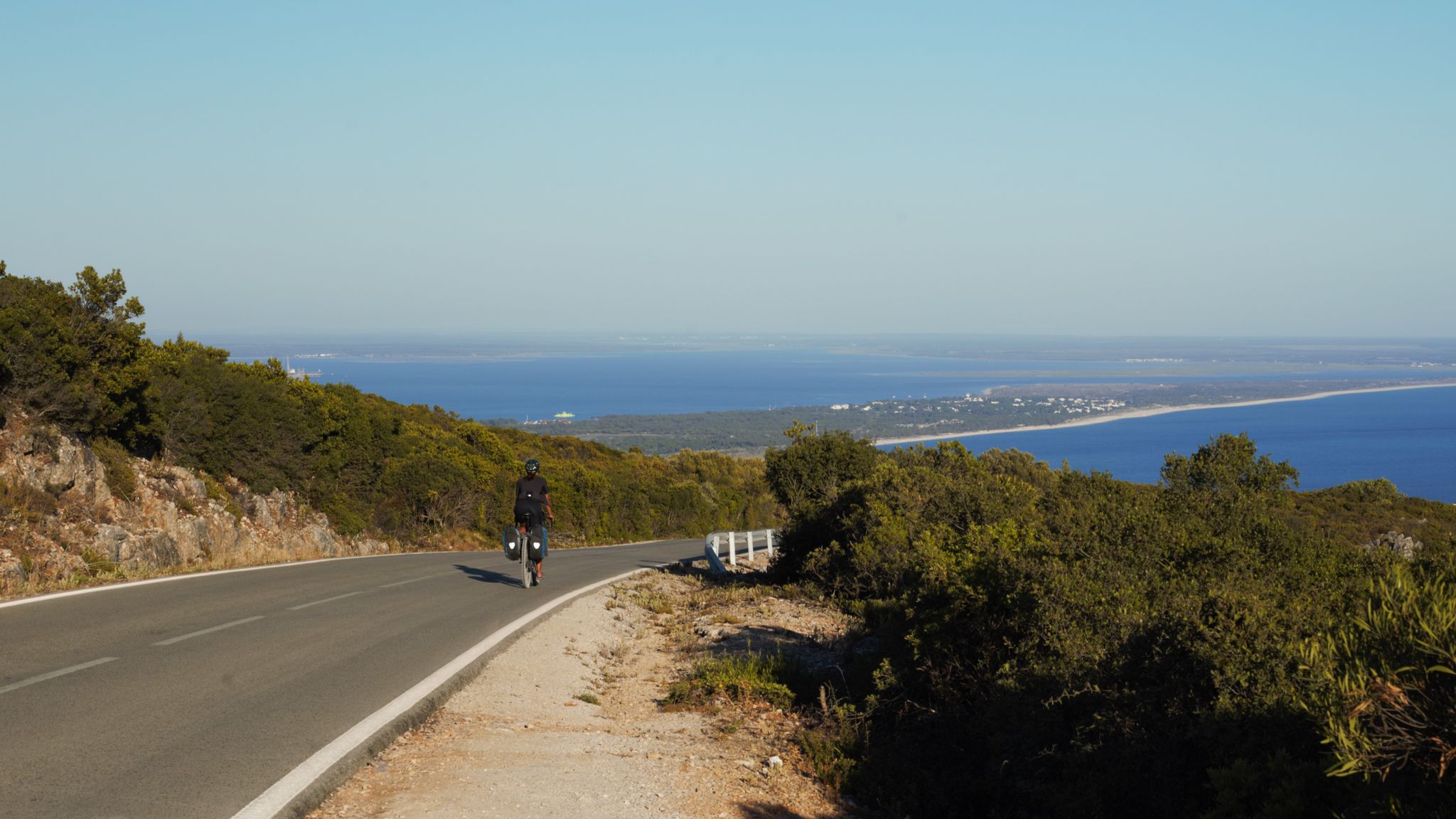
The breaking waves – cycle along the Atlantic coast of Portugal
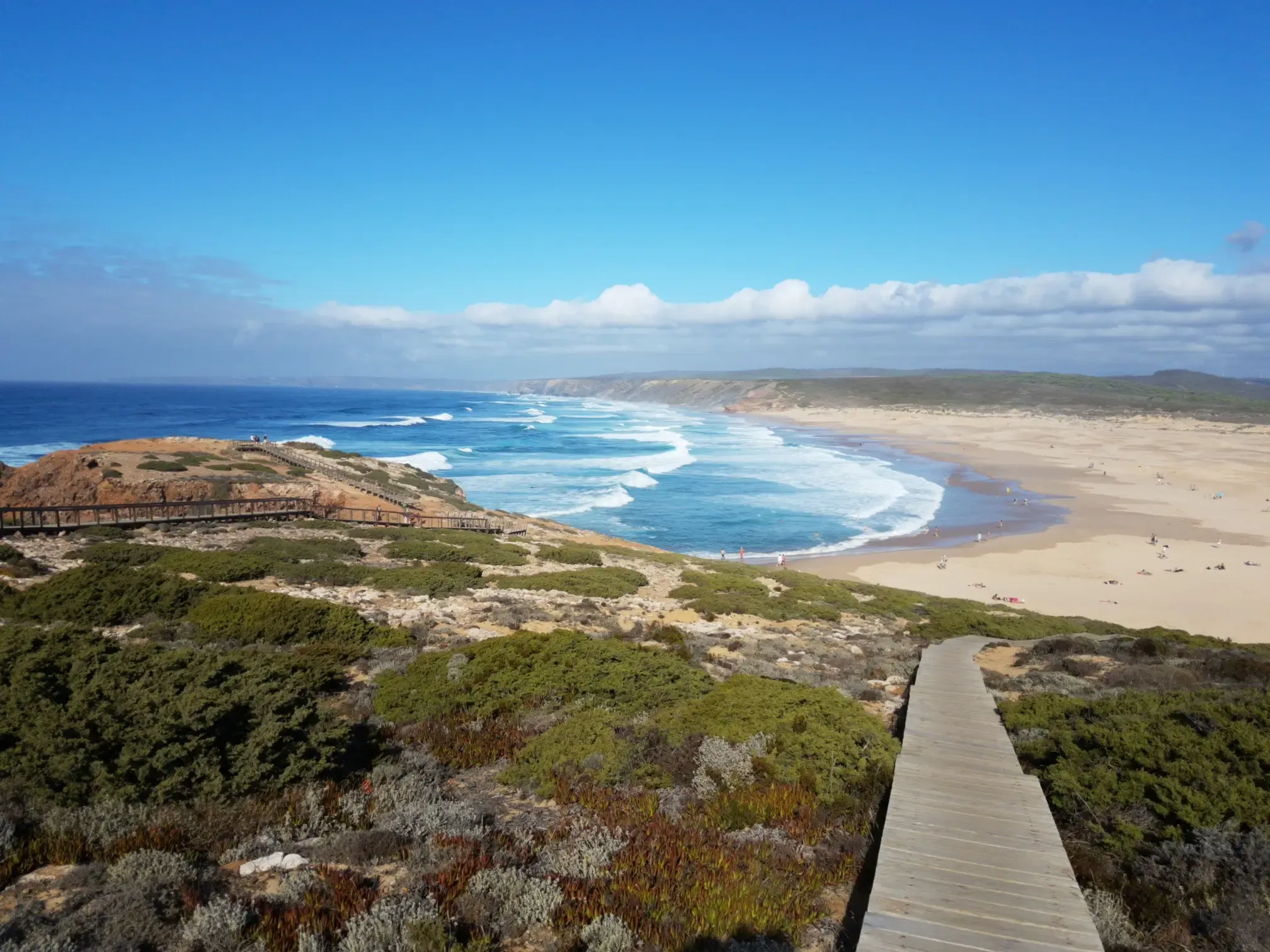
Lisbon to Santo António – The Atlantic Coast of Portugal (south)
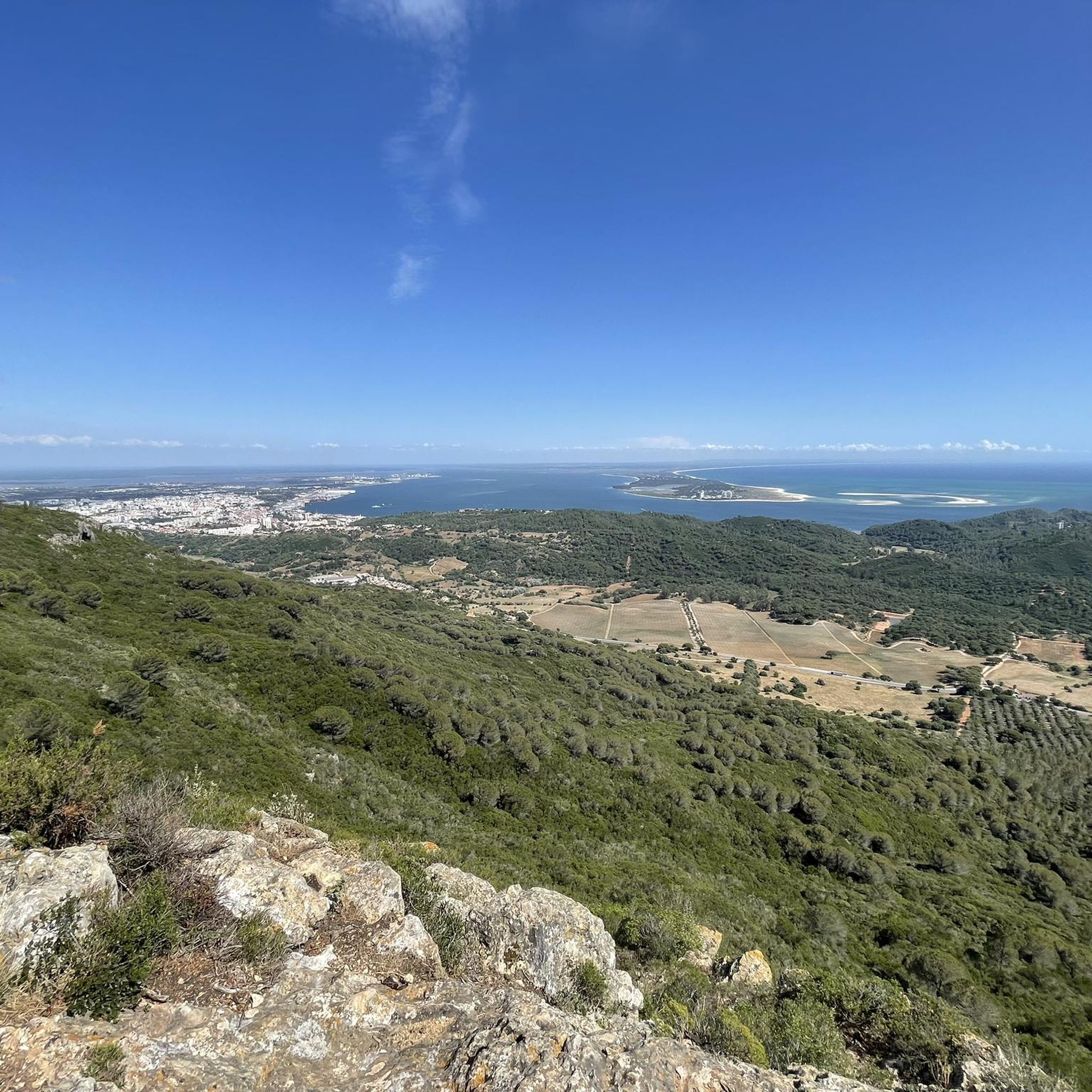
Hiking around Arrábida/Espichel
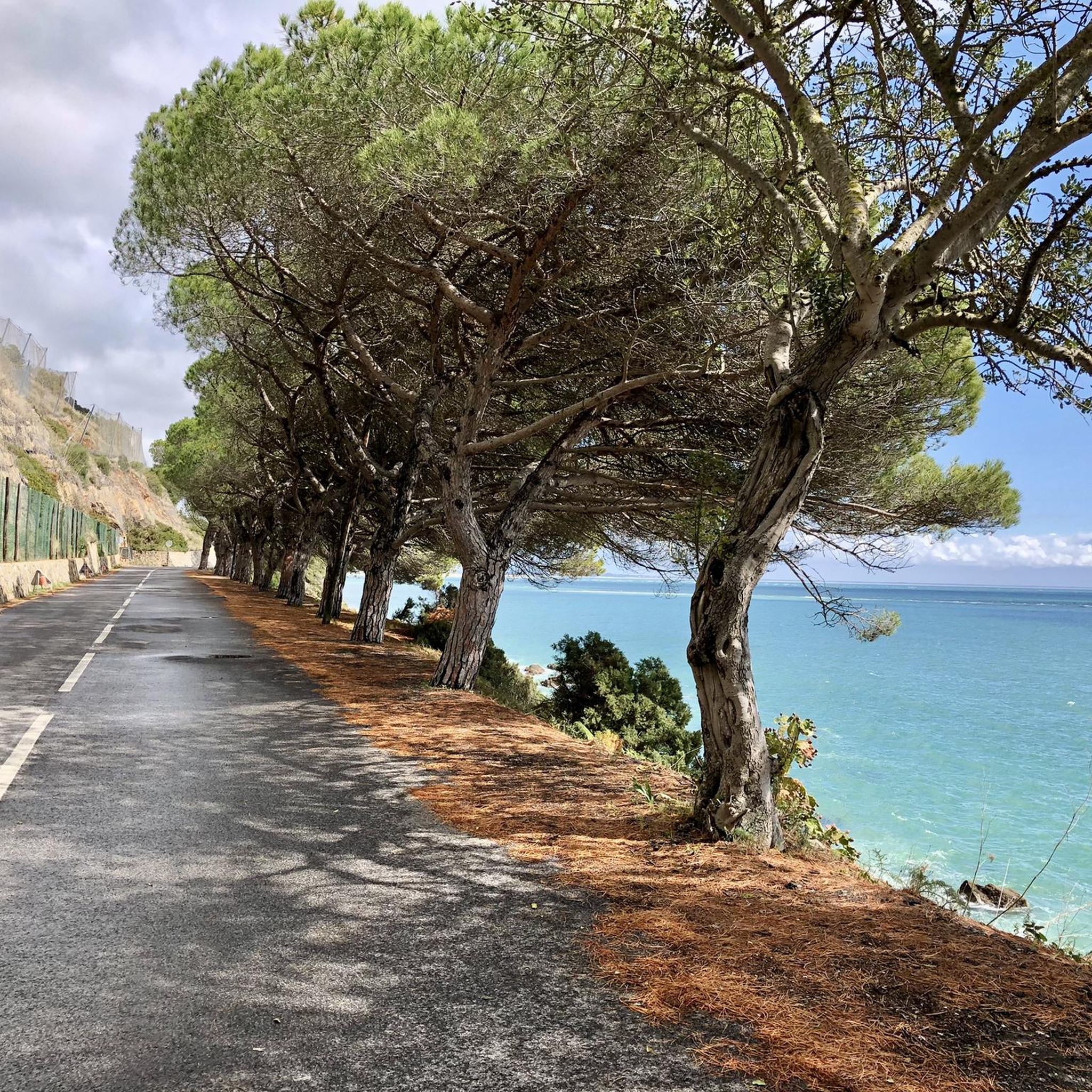
Road Cycling Routes around Arrábida/Espichel
Running Trails around Arrábida/Espichel
Cycling around Arrábida/Espichel
MTB Trails around Arrábida/Espichel

Gravel biking around Arrábida/Espichel


Tips from the Community

Very quiet and contemplative, no tourist spot
0
0

Sesimbra Castle is a rare gem: the last Portuguese castle by the sea to preserve its medieval essence. Classified as a National Monument, it holds stories and breathtaking views. Walking along its walls is like traveling back in time, with the town of Sesimbra and the vast blue of the ocean stretching out before your eyes.
1
0

A beautiful and well-preserved church here in the Castelo
4
0
Epic and very impressive castle
1
0
very impressive and very interesting
3
0
Very massive tower at Sesimbra Castle
3
0

The project for a modern fortification to defend this stretch of the Portuguese coast dates back to the 14th century, with the construction of the Fort of Santiago do Outão, intended to control the entrance to the river bar and access to the medieval town. Aiming to expand this defense, during the reign of D. João III (1521-1557), Brás Dias was given a regiment to be the administrator of the works of the Plaza and Castle of Setúbal (July 31, 1526). Financial difficulties, which even led to the abandonment of overseas positions in North Africa (Fortress of Azamor, Fortress of Arzila, Fortress of Alcácer-Ceguer and Fortress of Safim), may have delayed the development of these works. Dating back to the time of the Philippine dynasty, its relevance is demonstrated by the fact that the sovereign Philip I (1580-1598) himself attended in person, in 1582, the laying of the foundation stone of the new fortification, designed by the Italian architect and military engineer Filippo Terzi (1520-1597). This engineer worked on the works until mid-1594, when he signed a plan and section of the fortification (8 July 1594), which was sent to the Spanish War Council. After his death, the military engineer and architect from Cremona, Leonardo Torriani, was appointed to carry out the works, and they were completed in 1600. In the context of the restoration of independence, during the reign of King John IV (1640-1656), the Governor of Arms of Setúbal, João de Saldanha, expanded this defence by adding a low battery between 1649 and 1655. It is believed that this new structure was intended to make up for the lack of artillery in covering river access to the port. In the 18th century, the chapel inside acquired its tile covering, designed by Policarpo de Oliveira Bernardes (1736). During the Pombaline consulship (1750-1777), it was not immune to the earthquake of 1755 and was used as a School of Artillerymen. In the mid-19th century, a fire destroyed the Casa do Comando, then the residence of the Governor of Arms of Setúbal.
6
0
The Fort of São Filipe de Setúbal, also referred to as the São Filipe Castle or the São Filipe Fortress, is in the city of Setúbal in the Setúbal District, of Portugal. The fort was built on the orders of Philip II of Spain (Philip I of Portugal), who personally witnessed the laying of the cornerstone of the new fortification in 1582. It stands in a dominant position on the right bank of the mouth of the Sado River, overlooking the centre of Setúbal to its east and guarding access to the river. Named after the king during the Iberian Union, the fortress was designed by Giovan Giacomo Paleari Fratino and had the Italian military engineer Filipe Terzi, who worked for the Spanish Royal Court, as its chief engineer. It was completed in 1600 under the guidance of Leonardo Torreano due to the death of Terzi.
6
0
Frequently Asked Questions
What historical insights do the castles in Arrábida/Espichel offer?
The castles in the Arrábida/Espichel region provide a deep dive into Portugal's past. For instance, Sesimbra Castle was originally a 9th-century Moorish fort and played a significant role during the Reconquista. Fort of São Filipe, Setúbal, built under Philip II of Spain, showcases 16th-century military architecture and its strategic importance in defending the Sado River estuary. Palmela Castle, with its mix of architectural styles, reflects centuries of occupation and transformation.
Which castles offer the most impressive panoramic views?
For breathtaking panoramic views, Sesimbra Castle is unparalleled, offering 360-degree vistas of the town, coastline, and the Parque Natural da Arrábida. Palmela Castle also provides exceptional views of the Arrábida hills, vineyards, and the Sado estuary. The Fort of São Filipe, Setúbal, offers commanding views over the Sado River, the sea, and the Troia peninsula.
Are there any family-friendly castles in the Arrábida/Espichel region?
Yes, the Fortress of Santiago in Sesimbra is considered family-friendly. It offers extensive battlements and coastal views, and also houses the Sesimbra Maritime Museum, which can be engaging for all ages. Sesimbra Castle, with its open grounds and lack of entrance fee, is also a great option for families to explore.
What outdoor activities can I do near these castles?
The region around the castles is excellent for outdoor activities. You can find numerous hiking trails, such as the 'View of the Arrábida coast – Cape Espichel Lighthouse loop,' or explore gravel biking routes like the 'Cabo Espichel Lighthouse – View of the Arrábida Valley loop.' For more options, check out the hiking guide, gravel biking guide, and MTB trails guide for Arrábida/Espichel.
Is there an entrance fee for the castles?
Many castles in the region, such as Sesimbra Castle, do not have an entrance fee, making them accessible and rewarding experiences. However, specific attractions within castle grounds, like museums or converted Pousadas (historic hotels), may have their own charges.
Can I stay overnight in any of the castles?
Yes, part of Palmela Castle has been converted into a Pousada, a historic luxury hotel. This offers a unique opportunity to not only explore its walls but also experience staying within a historical monument, providing an immersive historical experience.
What is the best time to visit the castles in Arrábida/Espichel?
The castles are generally enjoyable year-round. However, visiting during spring (April-May) or autumn (September-October) offers pleasant weather for exploring the outdoor grounds and enjoying the panoramic views without the intense heat of summer or the cooler, wetter days of winter. Sunset views from Sesimbra Castle are particularly recommended.
Are there any religious buildings within the castle grounds?
Yes, several castles incorporate religious structures. Sesimbra Castle Church is a well-preserved religious building located within the historic Sesimbra Castle. Palmela Castle's enclosure also includes the Church of Santiago and the ruins of the Church of Santa Maria, showcasing the blend of military and religious history.
What do visitors enjoy most about the castles in this region?
Visitors frequently highlight the stunning panoramic views, especially from the battlements of Sesimbra Castle, which offer vistas of the Atlantic Ocean and the town below. The historical significance and the tangible connection to Portugal's past, along with the well-preserved architecture, are also highly appreciated. The Fort of São Filipe is also noted for its great views over the river, sea, and Troia peninsula.
Are there any hidden or lesser-known fortifications worth visiting?
While Sesimbra Castle and Palmela Castle are the most prominent, the region also features the Fortress of Santiago in Sesimbra, a 16th-century coastal defense fort overlooking the town, and the Fort of São Filipe in Setúbal. These offer additional historical context and unique perspectives on the region's defensive past.
How accessible are the castles by public transport?
Accessibility by public transport varies. Sesimbra Castle is located above the town of Sesimbra, which is reachable by bus from Lisbon. Palmela Castle is situated inland and may require a combination of public transport and a short taxi ride or walk from the nearest town. It's advisable to check local bus schedules for the most up-to-date information.
What should I wear when visiting the castles?
Given that many castles are on hilltops or cliffs and involve walking, comfortable shoes are highly recommended. Layers of clothing are also practical, as coastal areas can be windy, and temperatures can change throughout the day. Sun protection, such as a hat and sunscreen, is advisable, especially during warmer months, due to exposed areas.
Most popular routes around Arrábida/Espichel
Most popular attractions around Arrábida/Espichel

Get inspired with the komoot mobile app


Explore more
Looking for the best castles somewhere else? Discover other guides around Arrábida/Espichel:
