Top 5 Castles around Muralto
Best castles around Muralto offer a glimpse into the region's rich history, with its name originating from "murus altus," signifying ancient fortifications. While Muralto itself holds remnants of an ancient Lombard fortress, the closely integrated city of Locarno provides a prominent castle experience. This area was once a strategically important location, with historical structures dating back centuries.
Best castles around Muralto
- The most popular castles is Visconti Castle, a castle of ancient origin. It was conquered in 1342 by…
Last updated: May 18, 2026
Iron House
Highlight • Historical Site
Translated by Google •
Tip by

Visconti Castle
Highlight • Castle
Translated by Google •
Tip by

Sign up now to discover places like this
Get recommendations on the best single tracks, peaks, & plenty of other exciting outdoor places.
Sign up for free
Hotel Castello Seeschloss
Highlight • Castle
Tip by

San Materno Castle Museum
Highlight • Castle
Translated by Google •
Tip by
Fortezza di Pro
Highlight • Historical Site
Translated by Google •
Tip by

Start today with a free account
Your next adventure awaits.
Login or Signup
Popular around Muralto
100% Women: Switzerland is too steep? No way!

Trails and the sweet life in Ascona-Locarno
100% Women: Fürs Biken geschaffen – die Schweiz
Road Cycling Routes around Muralto
MTB Trails around Muralto
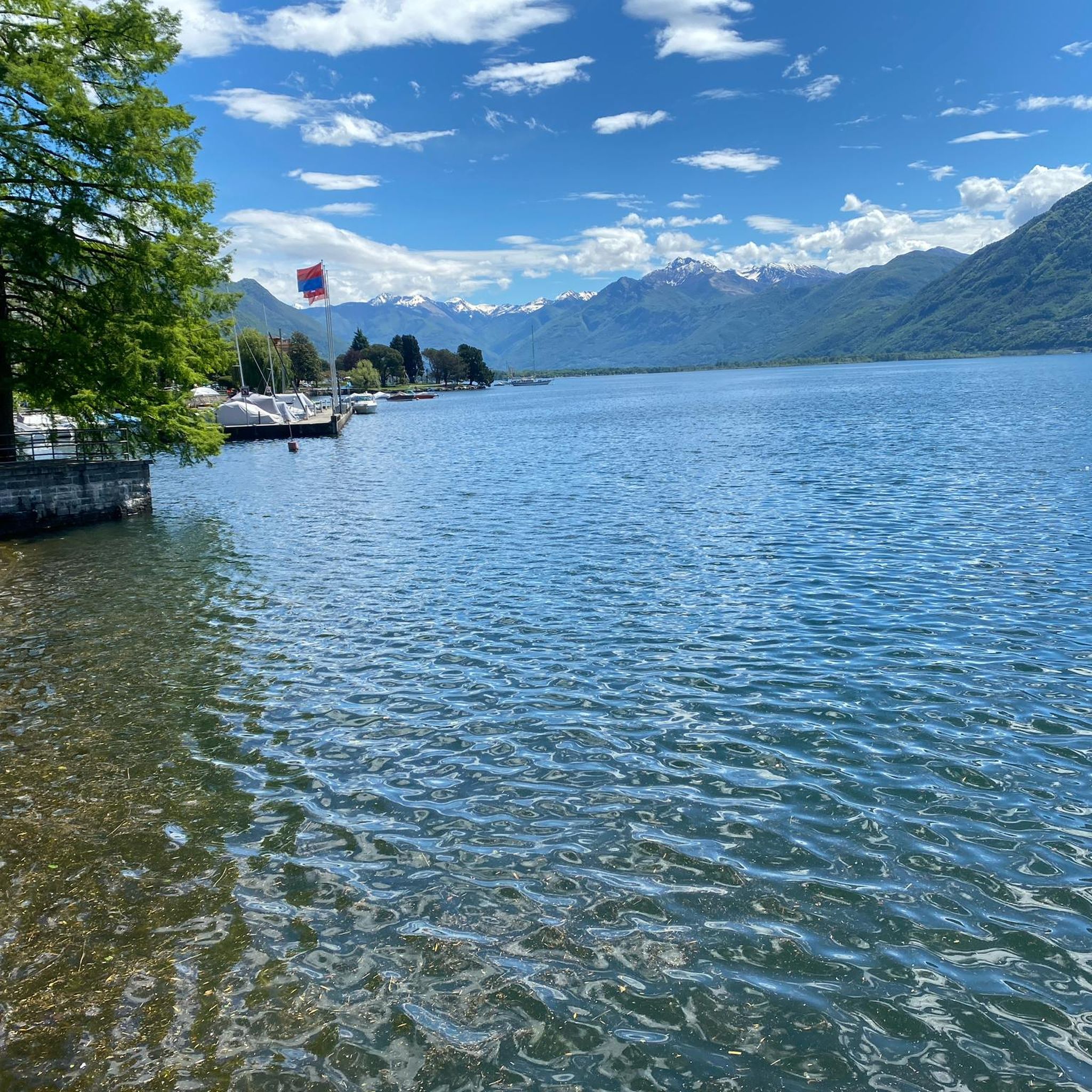
Cycling around Muralto
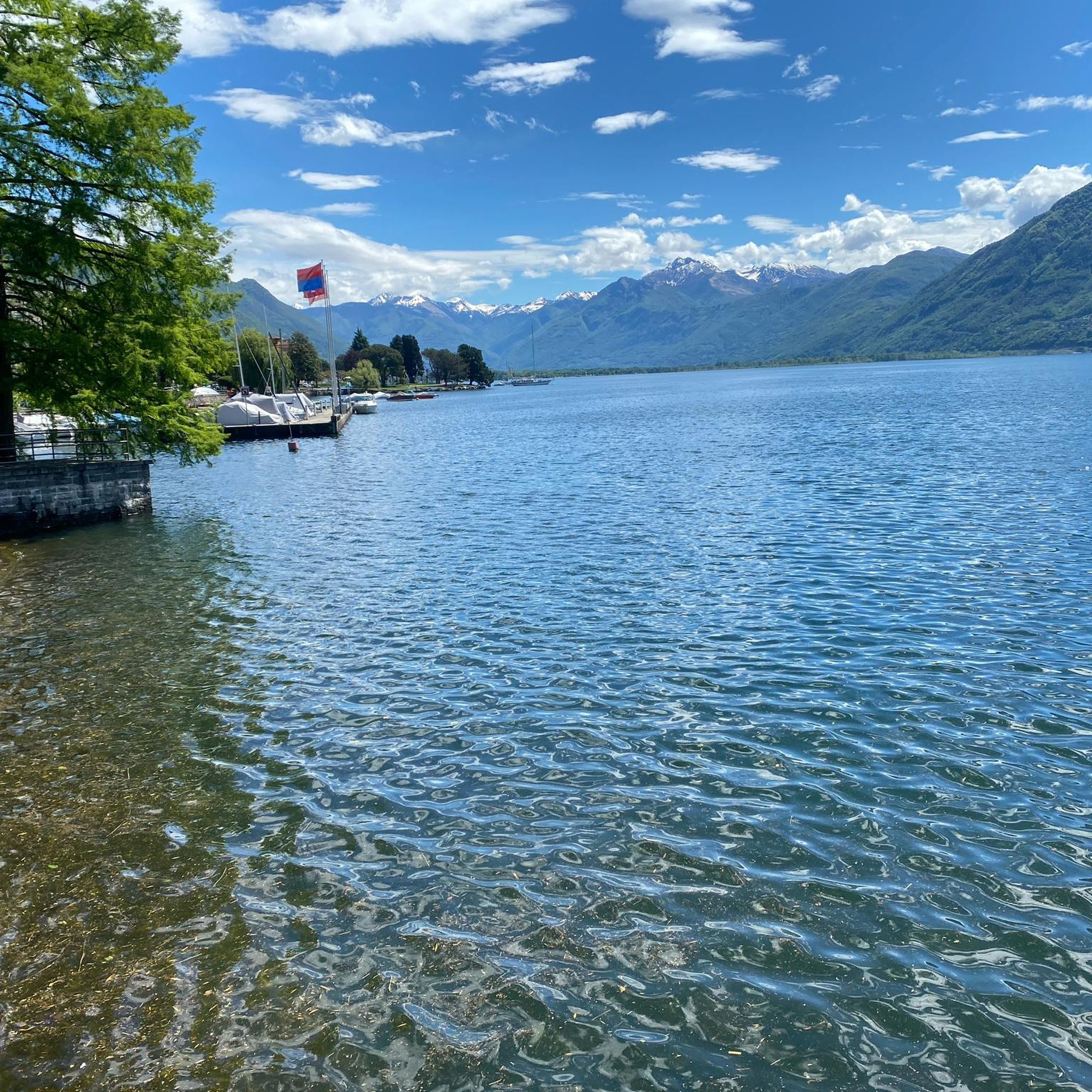
Hiking around Muralto
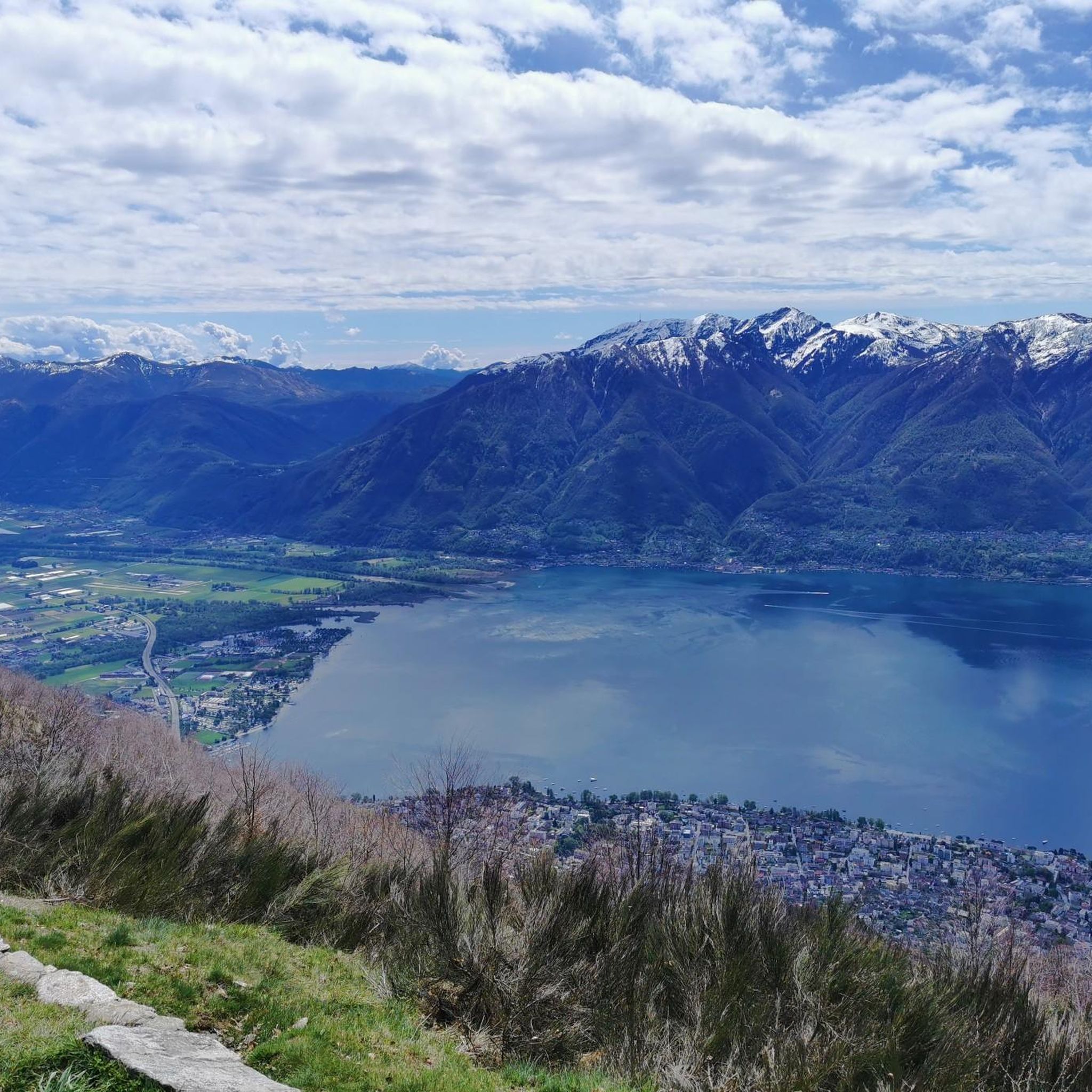
Running Trails around Muralto
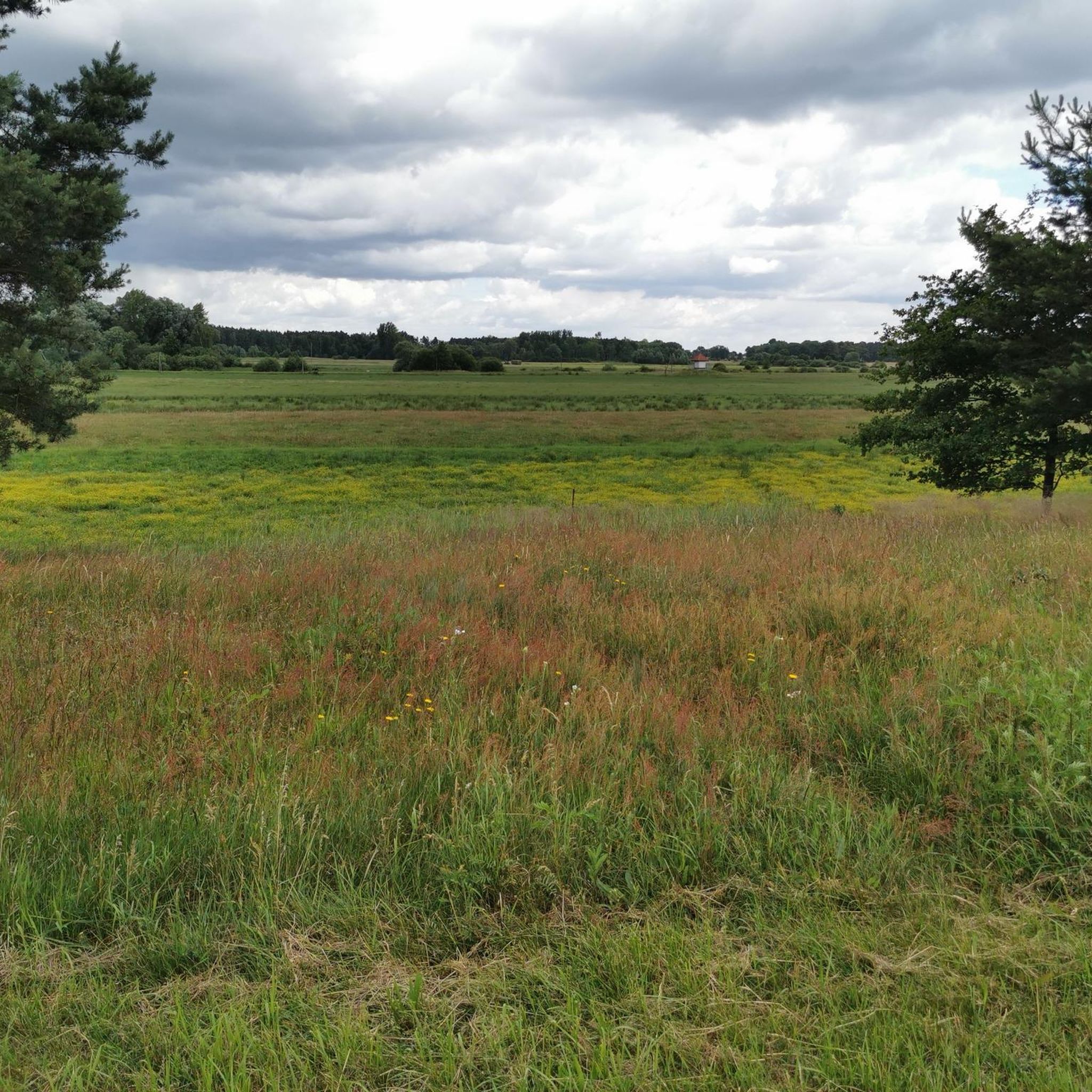
Gravel biking around Muralto
Mountain Hikes around Muralto


Tips from the Community

The historic fortress was built in 1558 by Peter von Pro of Uri as a barracks for his mercenaries and as a warehouse. The building was added to the inventory of cultural assets of the Canton of Ticino in 1997.
0
0

The castle houses two museums and is very close to the city centre. From there it is just a few minutes' walk to Piazza Grande
0
0

Medieval structure in good condition and well integrated into the urban context
0
0

Built in 1560 according to the wishes of the Uri mercenary leader Peter A Pro, as a military base for the recruitment of mercenaries. The complex includes one massive square-plan building with a projecting top part, with walkway and machicolations. Adjacent is a rectangular two-floor building, with iron gratings on the ground floor windows. Inside are corridors and hiding places. It’s also known as “La Vignaccia”. Close to Minusio are also the ruins of the “Fraccia”, a wall with towers built during the Fourteenth Century. Unfortunately, it's not open to the public.
0
0
The castello was built in the first half of the 13th century and was the residence of the Milanese Noble family de'Ghiriglioni. The small fortress originally encompassed an area of 41 x 54 metres enclosed by a wall with 4 guard towers at each corner. The south-eastern wall bordered directly on the lake and had its own jetty. Moats around the three remaining walls offered further protection from potential aggressors. After 400 years the de'Ghiriglioni family returned to Milan in the 17th century. While the Western area of the castle was almost completely destroyed over the centuries, the Eastern part remains and ist today the Hotel Castello Seeschloss. You can stay in the south-eastern tower.
0
0

The historic San Materno Castle revives, after careful restoration, as a modern space for exhibitions of the municipality of Ascona in all its splendor. Thanks to a happy agreement between the community and the Kulturstiftung Kurt and Barbara Alten, the castle houses a permanent collection of more than forty works by German artists, the most important from the end of the nineteenth century until after the First World War.
1
0
Of ancient origin, it was conquered in 1342 by the Milanese Visconti family and subsequently expanded. In 1532, after the victory of the Confederates over the Milanese, it was largely demolished and of the five towers only one remained. The castle currently houses the Archaeological Museum, which houses a considerable collection of Roman glasses from archaeological excavations in the region, including the famous "Bird's Chalice".
3
0

Built as a recruiting ground for Swiss mercenaries in the 16th century, this fort is now privately owned and one of the most interesting monuments in the area.
2
0
Frequently Asked Questions
Which castles are a must-visit near Muralto?
The most prominent castle experience near Muralto is the Visconti Castle in Locarno. This medieval fortress, a Swiss heritage site, houses an Archaeological Museum with a significant collection of Roman glasses. While Muralto itself has remnants of ancient fortifications, the Visconti Castle offers a more complete and preserved historical journey.
What is the historical significance of Muralto's name regarding castles?
The name Muralto originates from the Latin 'murus altus,' meaning 'high wall,' dating back to the 12th century. This refers to an ancient Lombard fortress, remnants of which can still be seen today. It signifies Muralto's past as a strategically important location with deep historical roots in fortifications.
Are there any castles near Muralto that are family-friendly?
Yes, the Visconti Castle in Locarno is considered family-friendly. Its Archaeological Museum can be an engaging experience for children and adults alike, offering insights into medieval local life and history.
How can I reach the castles near Muralto using public transport?
The Visconti Castle in Locarno is easily accessible from Muralto, being just a short distance away. Locarno has good public transport connections, and the castle is located very close to the city center, just a few minutes' walk from Piazza Grande.
What unique historical facts are associated with the Castello Visconteo in Locarno?
The Castello Visconteo has a rich history, with parts dating back to the late 12th or 13th century. A fascinating aspect is the speculation by Italian historian Marino Vigano' that it may have been partially designed by Leonardo da Vinci, particularly its Rivellino, which has been recognized as a Da Vinci project after years of study.
Are there any historical sites near Muralto that are not open to the public?
Yes, the Iron House, built in 1560 as a recruiting ground for Swiss mercenaries, is a significant historical monument in the area. However, it is privately owned and unfortunately not open to the public.
What kind of outdoor activities can I do near the castles around Muralto?
The region around Muralto offers various outdoor activities. You can explore cycling routes like the 'Vallemaggia Cycle Path' or 'Swiss Sea Cycle Route' for touring bicycles, or try gravel biking routes such as the 'Tenero–Bellinzona Cycle Path'. There are also running trails like the 'Locarno, Ascona, and Maggia Delta Loop'. For more details, visit the Cycling around Muralto, Gravel biking around Muralto, and Running Trails around Muralto guides.
Is there a castle near Muralto that has been converted into a hotel?
Yes, the Hotel Castello Seeschloss was originally built in the first half of the 13th century as the residence of the Milanese Noble family de'Ghiriglioni. While the western part was largely destroyed, the eastern part remains and now operates as a hotel, allowing guests to stay in its south-eastern tower.
What can I expect to see at the San Materno Castle Museum?
The historic San Materno Castle Museum in Ascona, after careful restoration, serves as a modern exhibition space. It houses a permanent collection of over forty works by important German artists from the late nineteenth century until after the First World War.
What is the Fortezza di Pro and its historical purpose?
The Fortezza di Pro is a historical fortress built in 1558 by Peter von Pro of Uri. Its primary purpose was to serve as barracks for his mercenaries and as a warehouse. The building was added to the inventory of cultural assets of the Canton of Ticino in 1997.
What do visitors appreciate most about the castles around Muralto?
Visitors appreciate the rich history and well-preserved structures. The Visconti Castle, for instance, is noted for its good condition and integration into the urban context, offering a compelling journey through history and housing interesting museum collections.
Most popular routes around Muralto
Most popular attractions around Muralto

Get inspired with the komoot mobile app


Explore more
Looking for the best castles somewhere else? Discover other guides around Muralto:
