Top 4 Caves around Thundorf
Caves around Thundorf offer a range of natural and historical underground experiences within the Thurgau canton of Switzerland. The region features various geological formations, including natural caves, rock shelters, and historical rock cellars. These sites provide insights into local geology and past human activity. The landscape surrounding Thundorf is characterized by forests and ravines, where some of these cave systems are located.
Best caves around Thundorf
- The most popular caves is Bruderloch Cave, a cave that features impressive, artificially…
Last updated: June 30, 2026
Bruderloch Cave
Highlight • Cave
Translated by Google •
Tip by

Lourdes Grotto at Wallenstein Castle Site
Highlight • Religious Site
Translated by Google •
Tip by

Sign up now to discover places like this
Get recommendations on the best single tracks, peaks, & plenty of other exciting outdoor places.
Sign up for free
Rock hill
Highlight • Natural Monument
Translated by Google •
Tip by

Tobel Waterfall and Tunnel
Highlight • Waterfall
Translated by Google •
Tip by

Start today with a free account
Your next adventure awaits.
Login or Signup
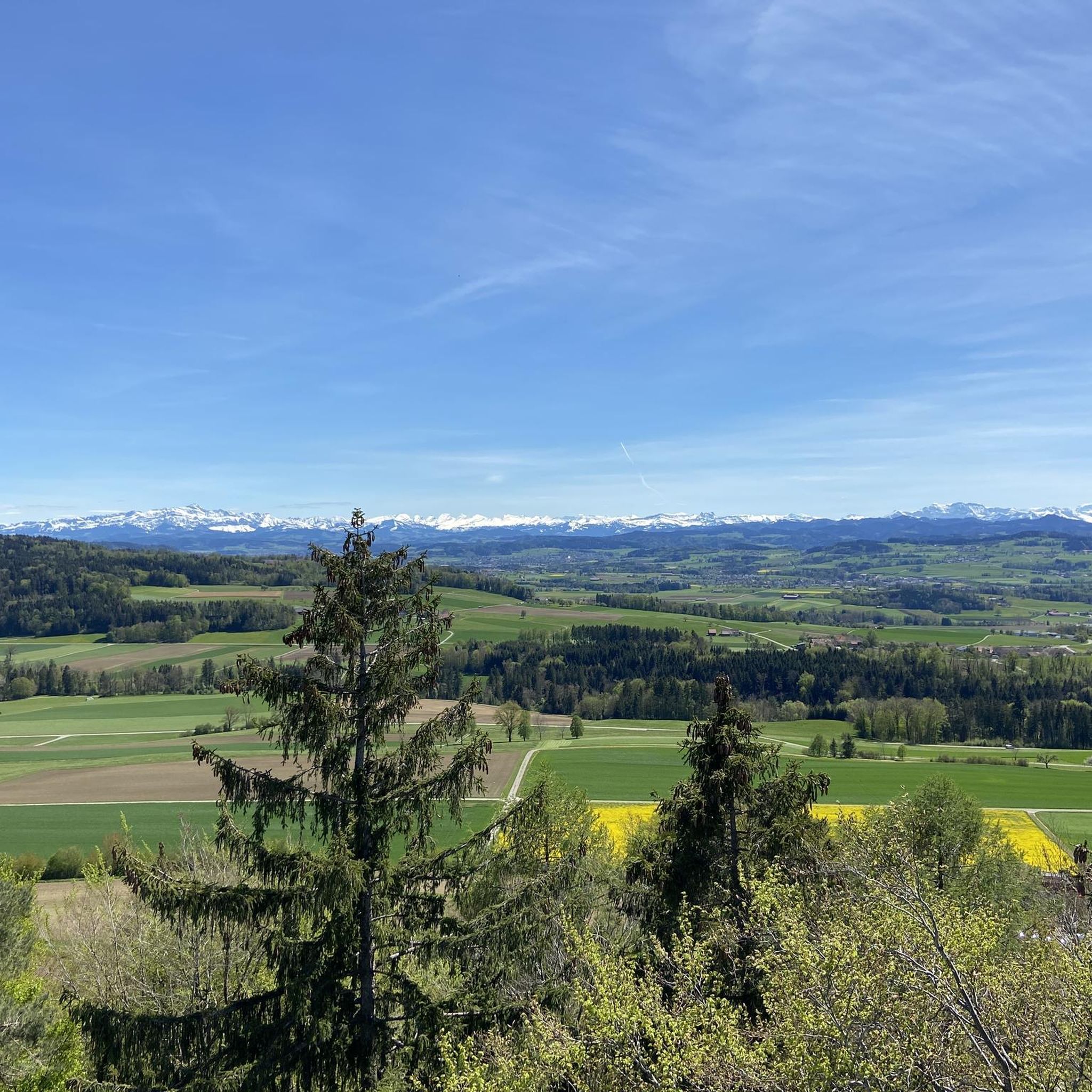
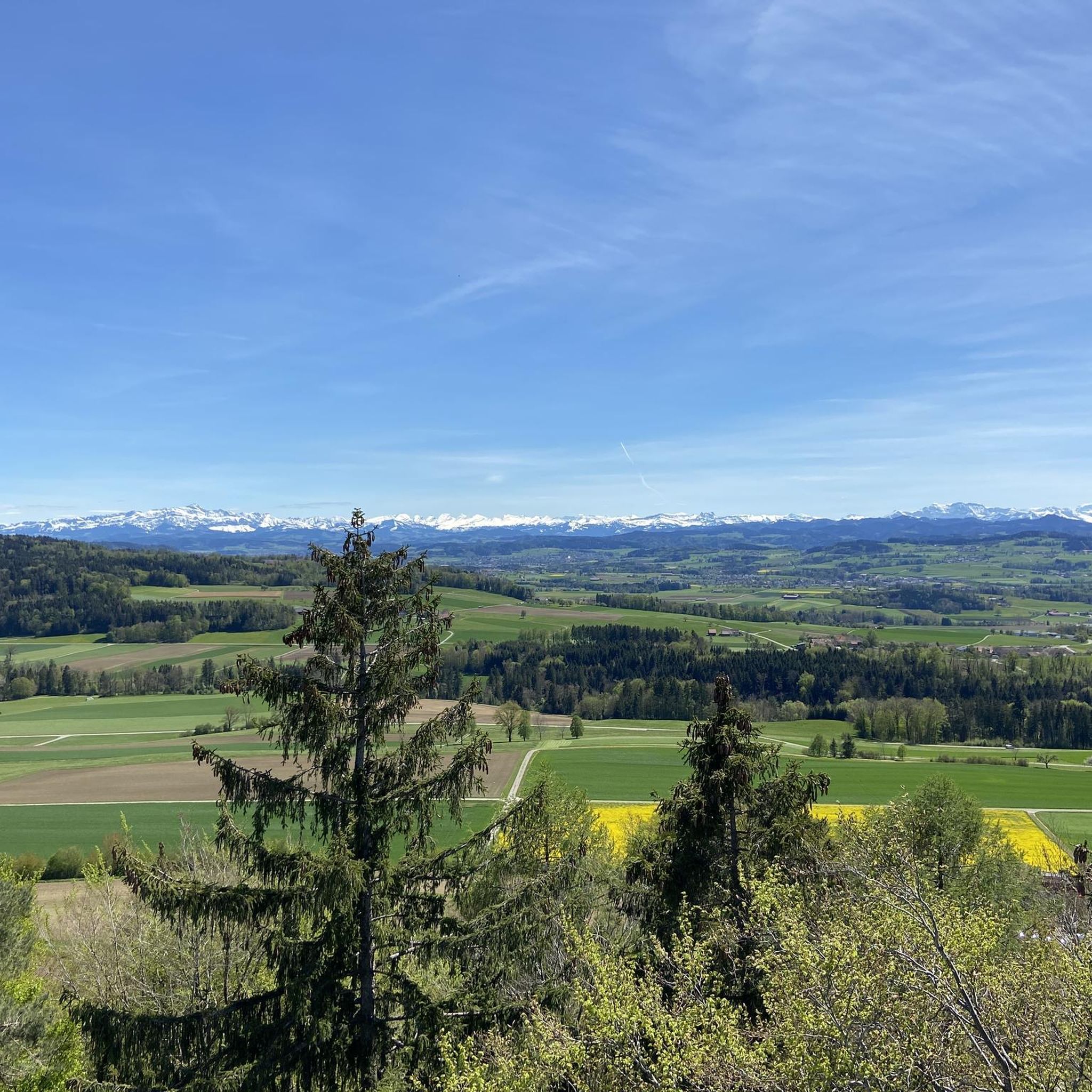
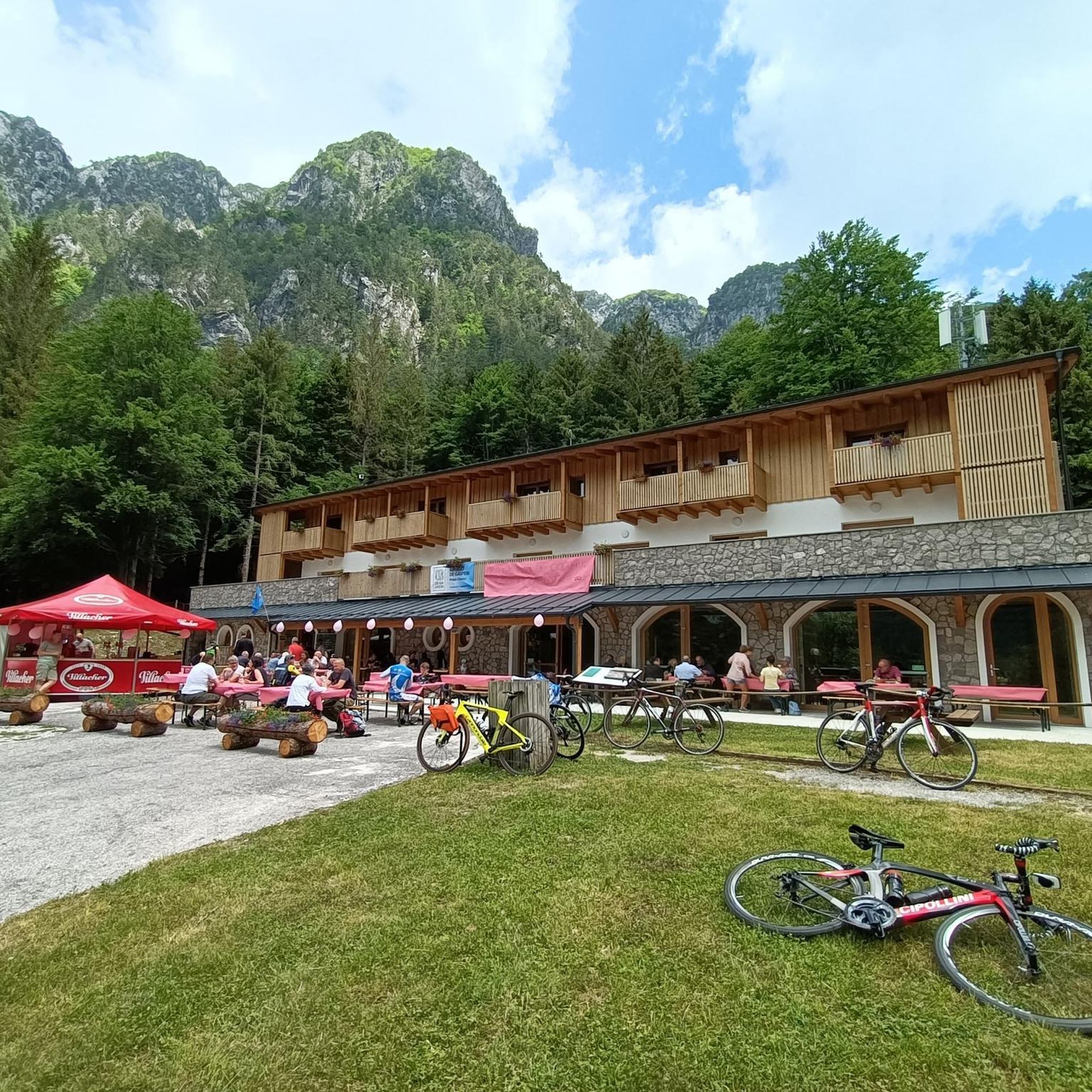
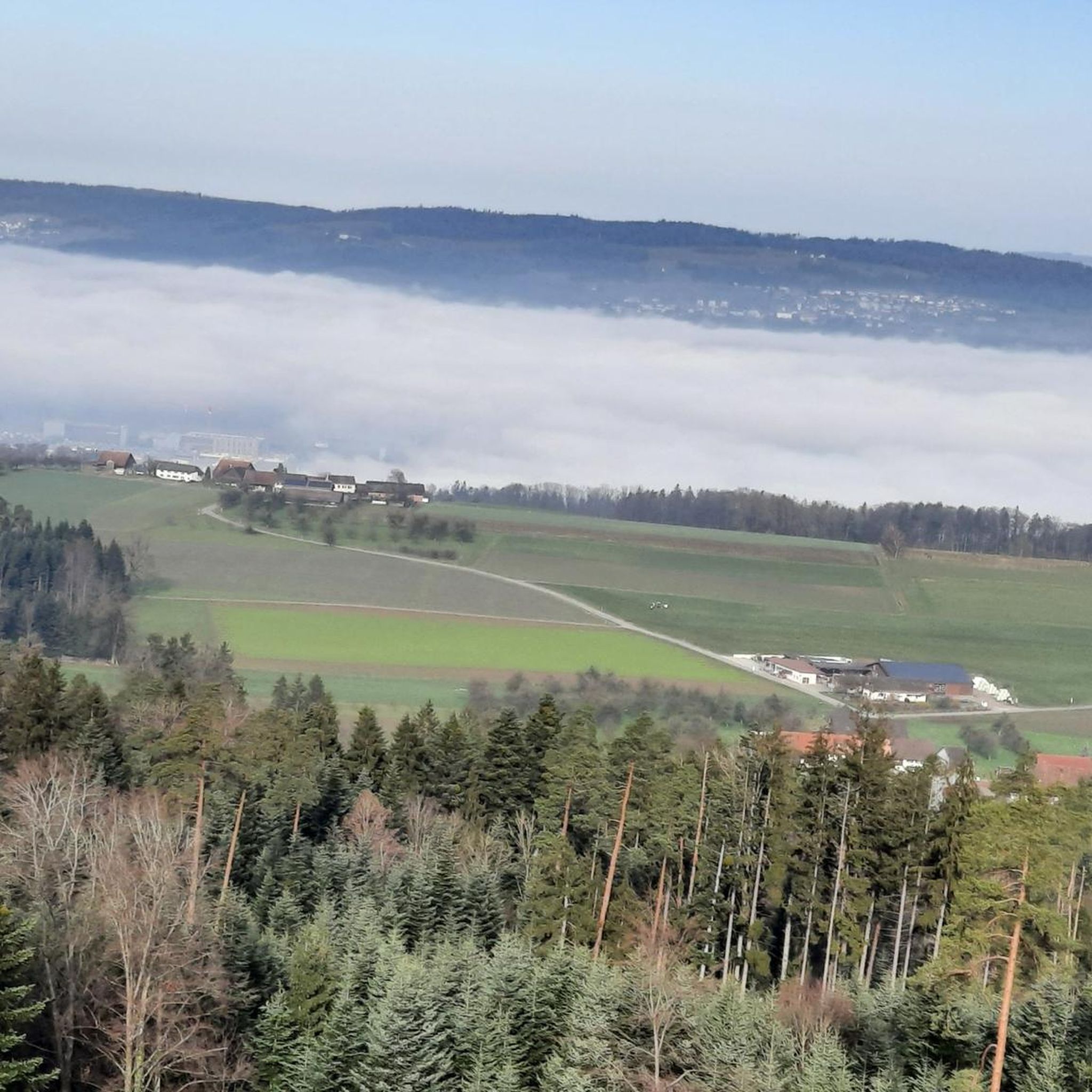
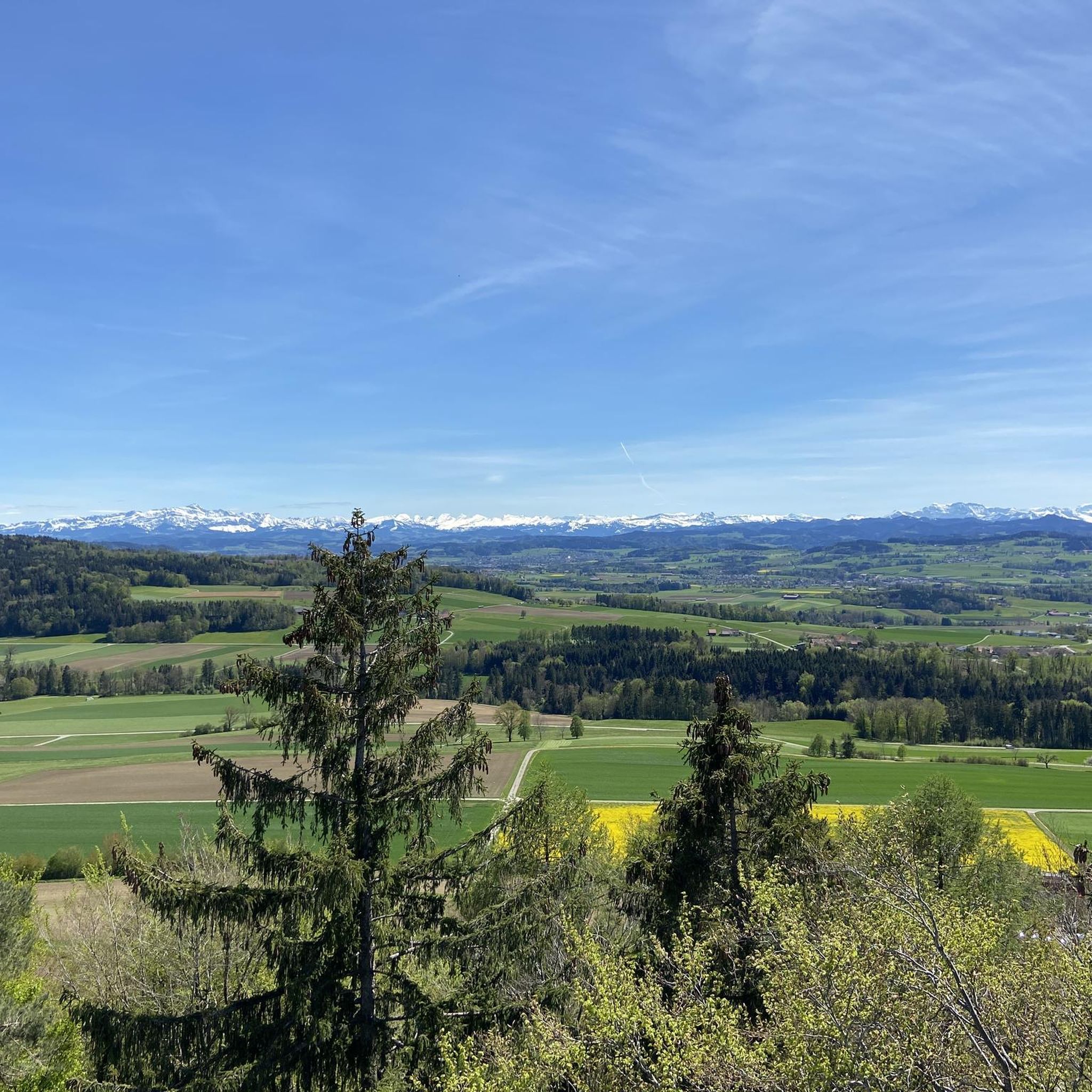
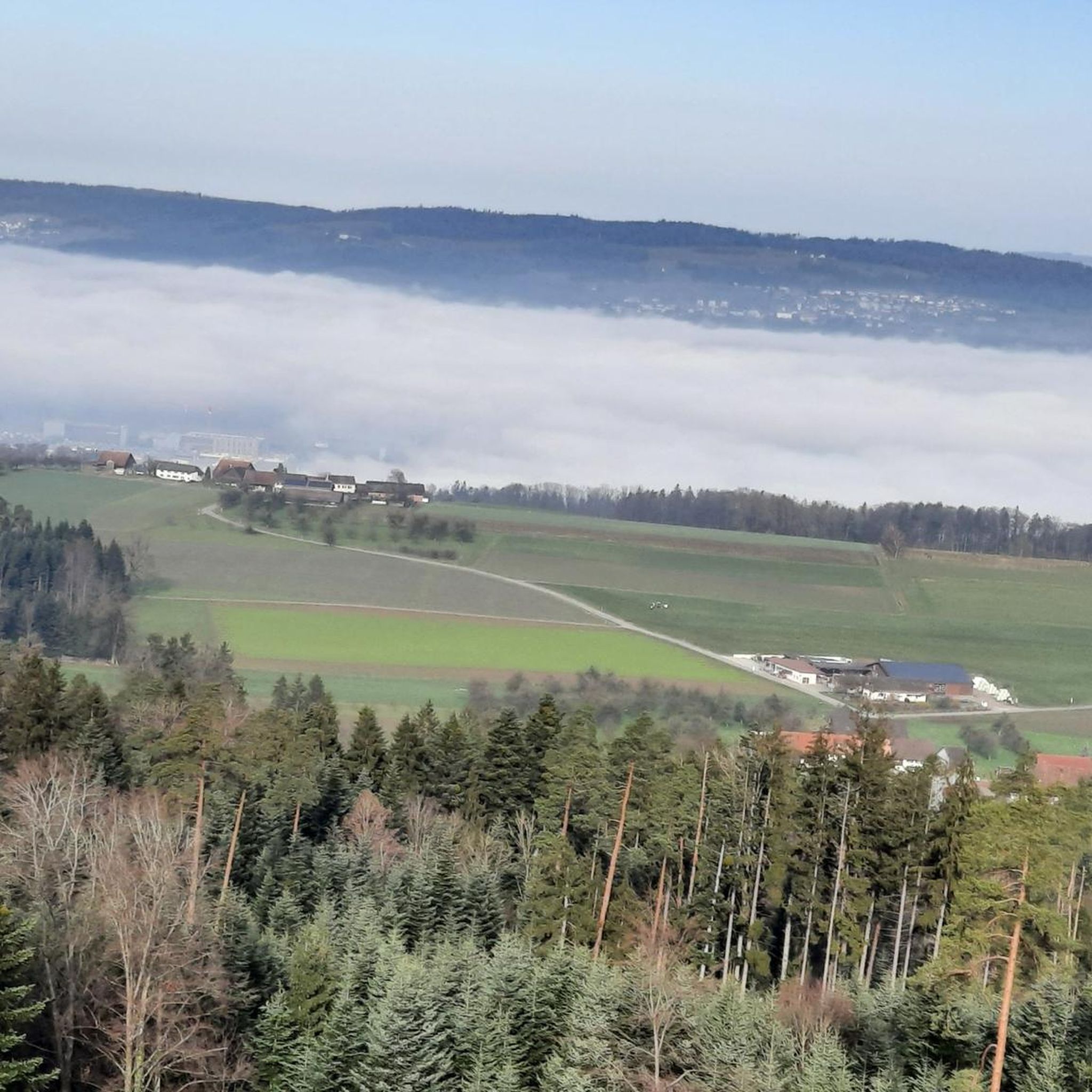
Tips from the Community

Small Töbeli with tunnel and waterfall.
0
0


A small waterfall in the ravine that can be seen from the hiking trail. In winter it was too slippery to climb down there and examine the door.
0
0

At the back of the cave is a spring. 3 rooms lead off from the main corridor.
2
1

A beautiful forest path leads to the grotto
1
0

New signs have recently been put up on the Way of the Cross, which tell something about the story at the respective points. At the end of the crossroads you can drive the steep road to Mammern and still have a great panorama.
2
0
Artificially created cave from the Middle Ages or even earlier! THE SOURCE IS DRINKING WATER! According to the board! Also easy to walk for taller people, about 10m deep with 4 chambers!
0
0
Frequently Asked Questions
What types of caves can I explore around Thundorf?
The Thundorf region offers a mix of natural caves, historical rock cellars, and sites featuring waterfalls with tunnels. For example, you can visit the impressive Bruderloch Cave with its artificially created chambers and spring, or the historical Aumühle Rock Cellar.
Are there family-friendly caves near Thundorf?
While the immediate Thundorf area features more rustic or historical sites, the broader region of Switzerland offers highly accessible options. The Tobel Waterfall and Tunnel near Thundorf provides an easy-to-observe natural feature. For a more developed experience, the St. Beatus Caves near Interlaken and the Höllgrotten Caves near Baar are known for their well-lit paths and unique formations, suitable for families.
What are some unique natural features to see in the caves around Thundorf?
The Bruderloch Cave is notable for its impressive, artificially created chambers and an internal spring. The Tobel Waterfall and Tunnel offers a small waterfall in a ravine with a nearby tunnel entrance. For more extensive natural formations, the St. Beatus Caves boast spectacular stalactites and stalagmites, while the Höllgrotten Caves feature interesting stone formations and small underground lakes.
Are there historical cave sites in the Thundorf area?
Yes, the Aumühle Rock Cellar is a historical site and cave, with its entrance located directly behind a tower. Additionally, the Rock hill is a place with history, associated with Brother Klaus, the patron saint of Switzerland.
What is the best time of year to visit caves around Thundorf?
Caves generally maintain a consistent temperature year-round, making them suitable for visits in any season. However, access to some natural cave entrances or surrounding trails might be easier in spring, summer, or autumn. For example, the St. Beatus Caves maintain 8-10°C, and Hölloch Cave is 6°C, offering a cool escape in summer and a warmer option in winter compared to outside temperatures.
What should I wear for caving in the Thundorf region?
Given that caves are typically cool and damp, even in summer, it's advisable to wear layers of clothing. Sturdy, closed-toe shoes with good grip are essential, especially for natural or less developed sites. For more adventurous caving, like in Hölloch Cave, waterproof clothing and headlamps are necessary.
What outdoor activities can I do near the caves around Thundorf?
The Thundorf region offers various outdoor activities. You can find numerous cycling routes, including gravel biking and road cycling. Explore options like the 'Gravel biking around Thundorf' guide or the 'Road Cycling Routes around Thundorf' guide for detailed routes. There are also general 'Cycling around Thundorf' routes available for touring bicycles. These guides provide routes of varying difficulties and distances.
Are there options for advanced caving near Thundorf?
For those seeking a more advanced caving experience, the Hölloch Cave in Muotathal, while a bit further from Thundorf, is the largest cave in Switzerland and offers tours ranging from shorter excursions to strenuous multi-day expeditions. These can involve crawling, navigating slippery terrain, and are recommended for adventurers comfortable with confined, damp environments.
How accessible are the caves around Thundorf by public transport?
Specific public transport details for each cave vary. For the more developed show caves like St. Beatus Caves and Höllgrotten Caves, public transport options are generally available, often involving a combination of train and bus. For the more rustic caves directly around Thundorf, access might require a short walk from the nearest bus stop or a private vehicle.
What do visitors enjoy most about the caves around Thundorf?
Visitors appreciate the unique blend of natural beauty and historical significance. The Bruderloch Cave is often highlighted for its impressive chambers and the cool approach. The Tobel Waterfall and Tunnel is enjoyed for its picturesque setting in a ravine. The community has shared over 60 photos and given more than 70 upvotes, indicating a positive experience with the diverse underground environments.
Are there any caves near Thundorf that offer overnight stays?
In the broader Thurgau canton, the Hohlenstein cave and climbing crag is known as a rustic option where visitors can stay overnight. It's an undeveloped setting, so you would need to bring your own mattress and other essentials for a primitive experience.
Can I find cafes or pubs near the caves in the Thundorf area?
While the immediate vicinity of some natural cave entrances might be remote, the towns and villages surrounding Thundorf, such as Thundorf itself or nearby Frauenfeld, offer various amenities including cafes, restaurants, and pubs. It's advisable to check local listings for options closest to your chosen cave destination.
Most popular routes around Thundorf
Most popular attractions around Thundorf

Get inspired with the komoot mobile app


Explore more
Extend your search for the best caves by checking out these guides of the top ones around Thundorf:
