The 5 Most Amazing Peaks in the Cordillera Occidental Colombia
Best mountain peaks in the Cordillera Occidental Colombia are found in the westernmost range of the Colombian Andes, a region known for its diverse ecosystems and significant natural landscapes. This area features critical páramo environments and is part of the Coffee Cultural Landscape, offering a blend of natural beauty and cultural heritage. The Cordillera Occidental is a biodiversity hotspot, home to a variety of flora and fauna across its different elevations. It provides opportunities for exploring high-altitude environments and experiencing…
Last updated: June 29, 2026
Hill of the Three Crosses
Highlight • Summit
Translated by Google •
Tip by

El Rosario Summit
Highlight • Summit
Translated by Google •
Tip by
Sign up now to discover places like this
Get recommendations on the best single tracks, peaks, & plenty of other exciting outdoor places.
Sign up for free
Pico de Águila
Highlight (Segment) • Summit
Translated by Google •
Tip by

Telecommunications Towers Summit
Highlight • Monument
Translated by Google •
Tip by

Cerro Azul
Highlight • Settlement
Translated by Google •
Tip by
Morro de la Cruz
Highlight • Viewpoint
Translated by Google •
Tip by
Start today with a free account
Your next adventure awaits.
Login or Signup
Popular around Cordillera Occidental Colombia
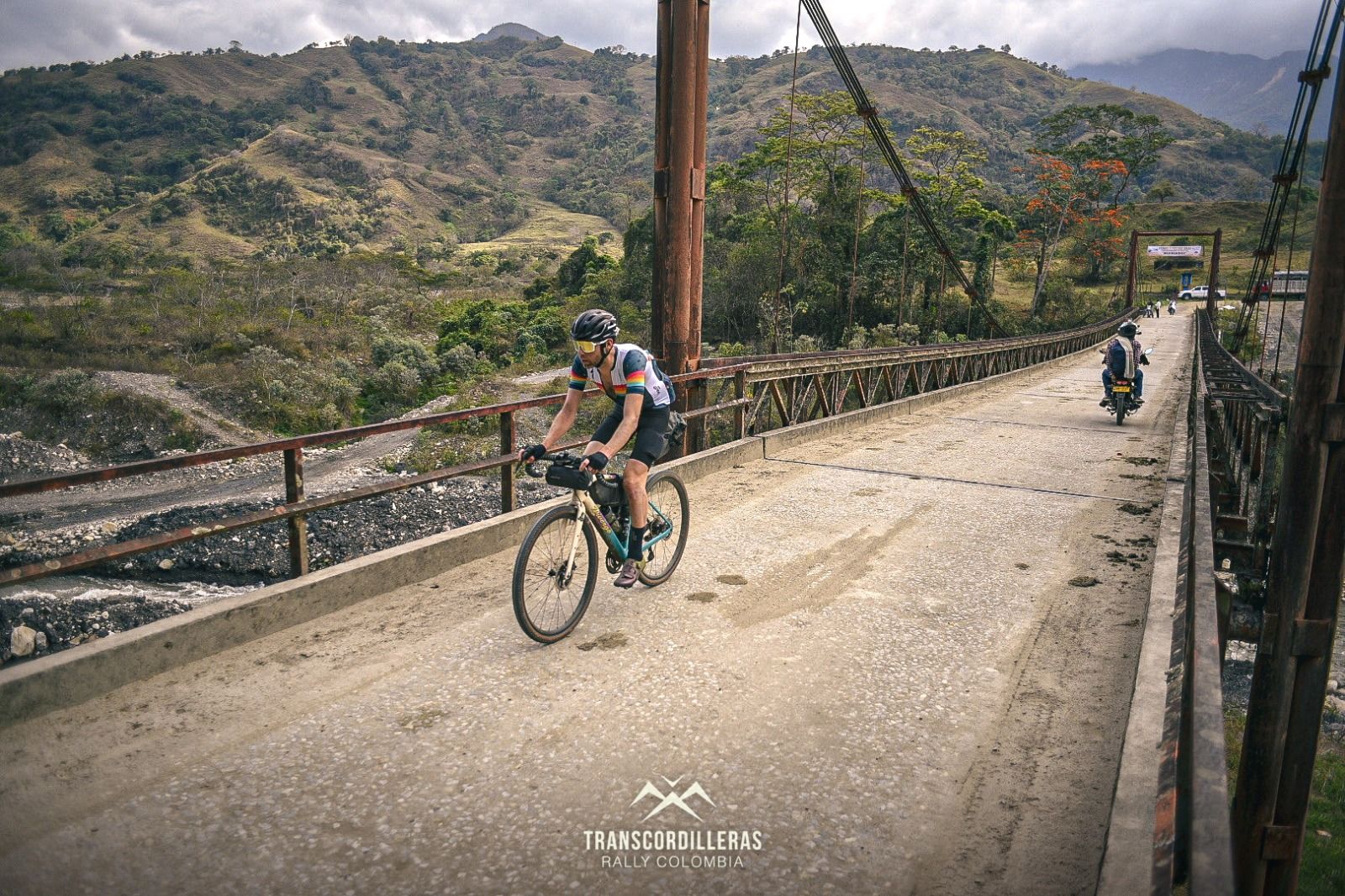
Transcordilleras 2022 — eight-day bikepacking race through the Andes
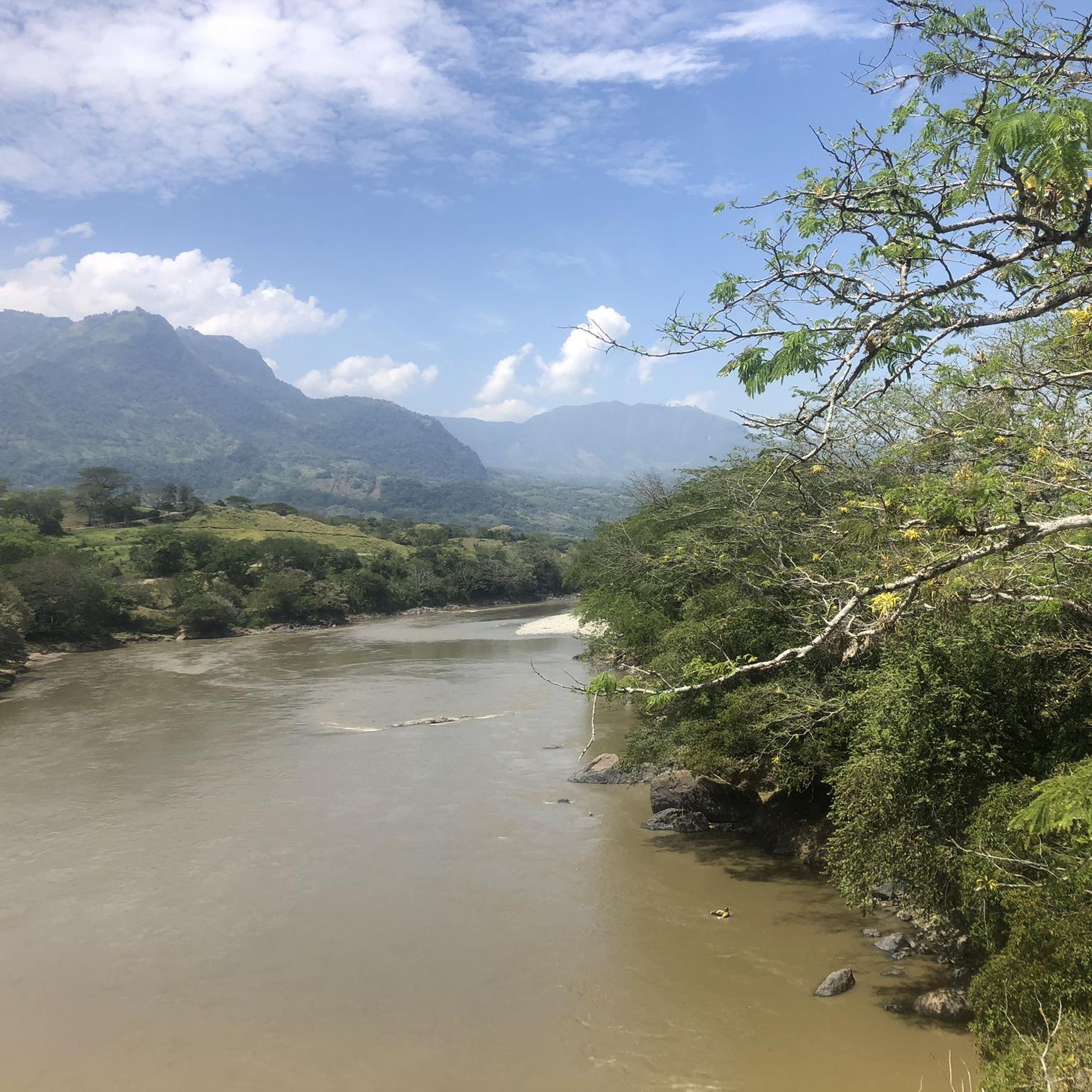
Hiking in the Cordillera Occidental Colombia
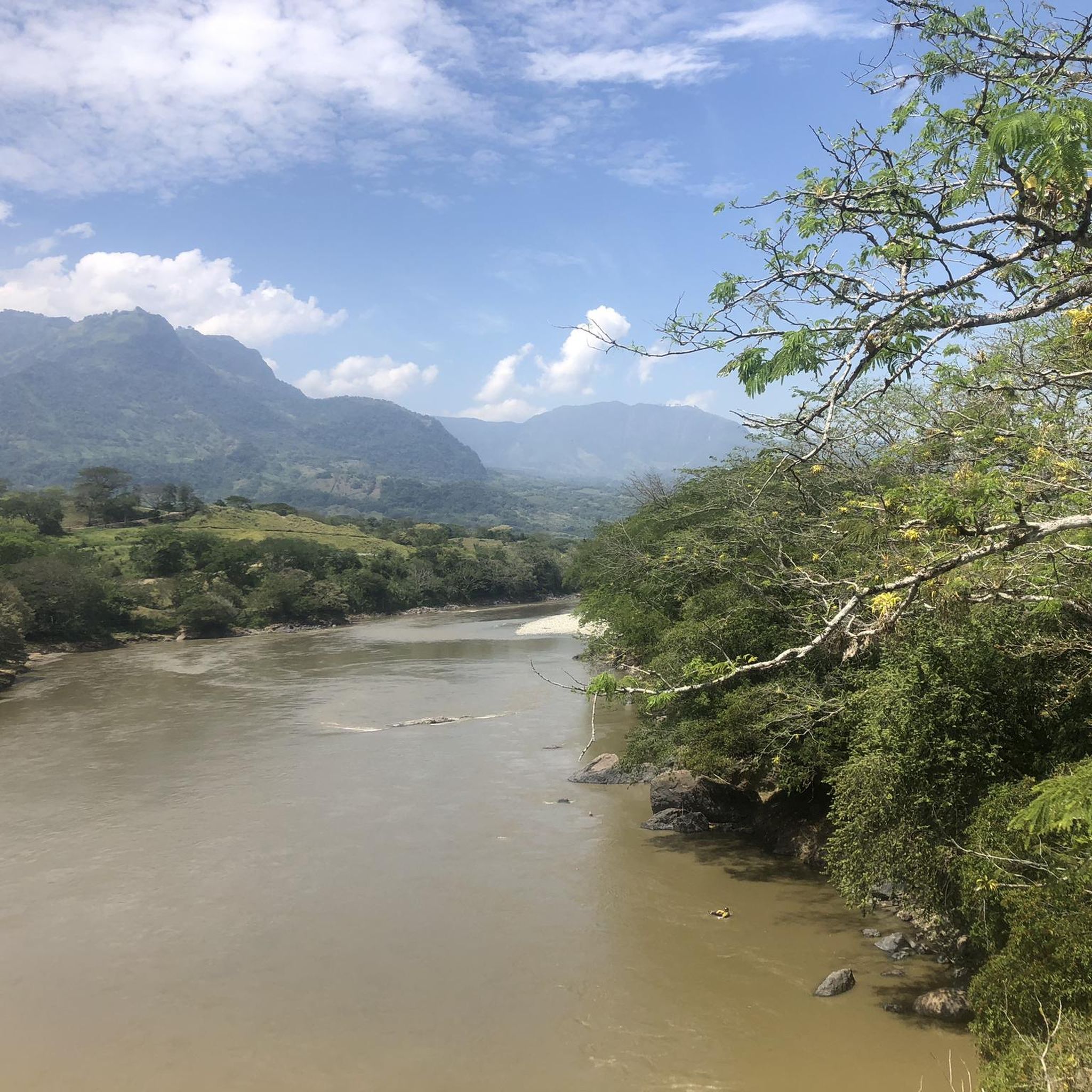
Road Cycling Routes in the Cordillera Occidental Colombia
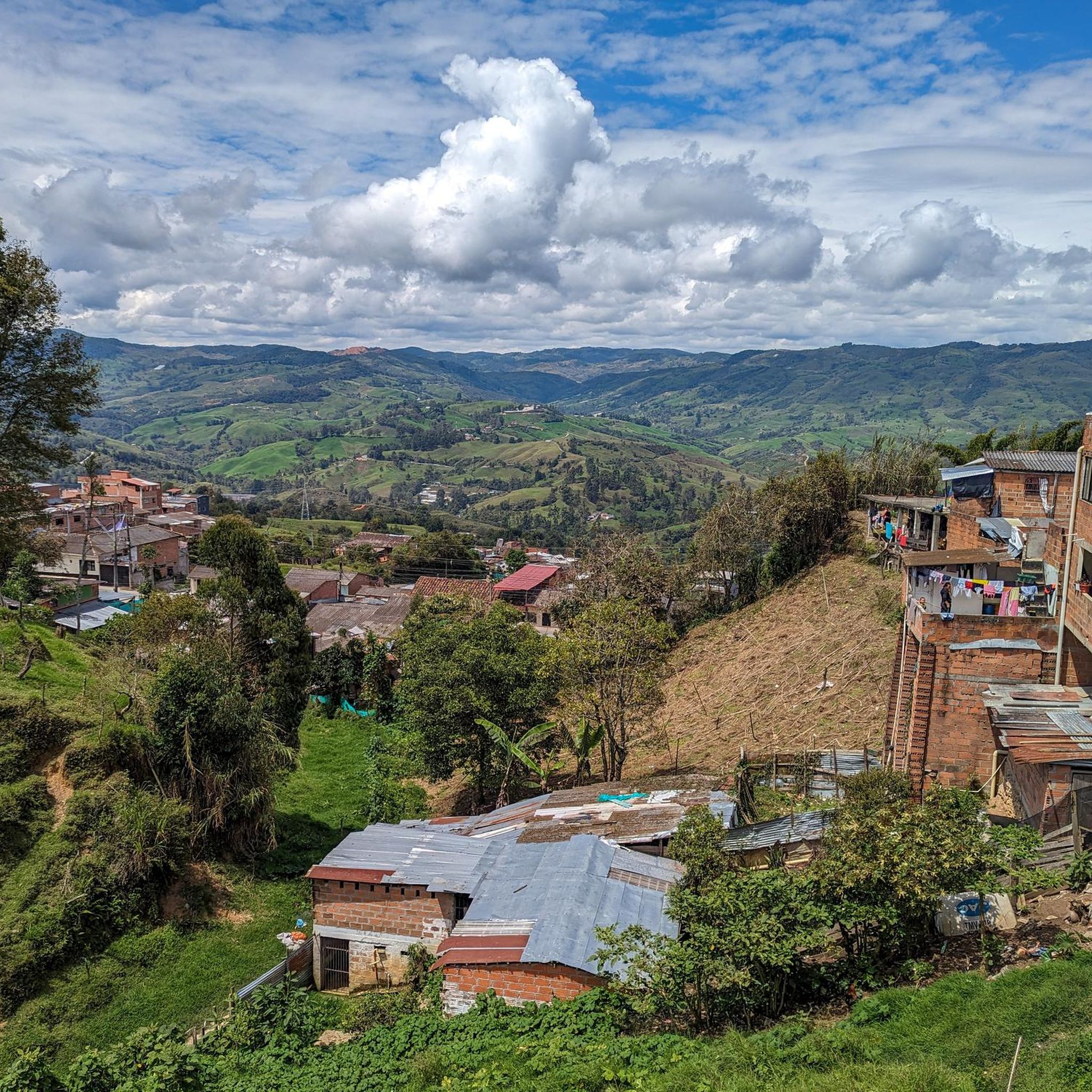
MTB Trails in the Cordillera Occidental Colombia
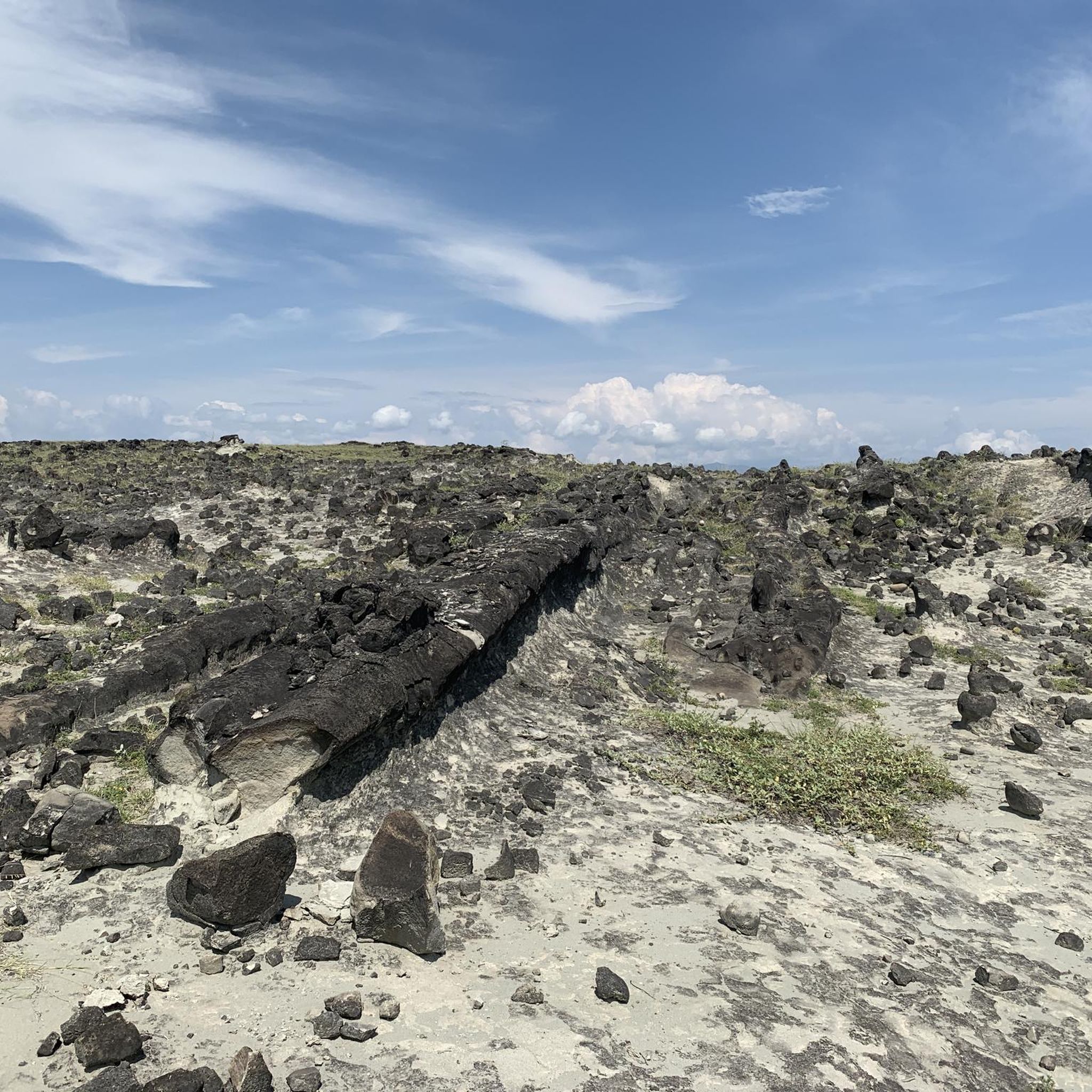
Running Trails in the Cordillera Occidental Colombia
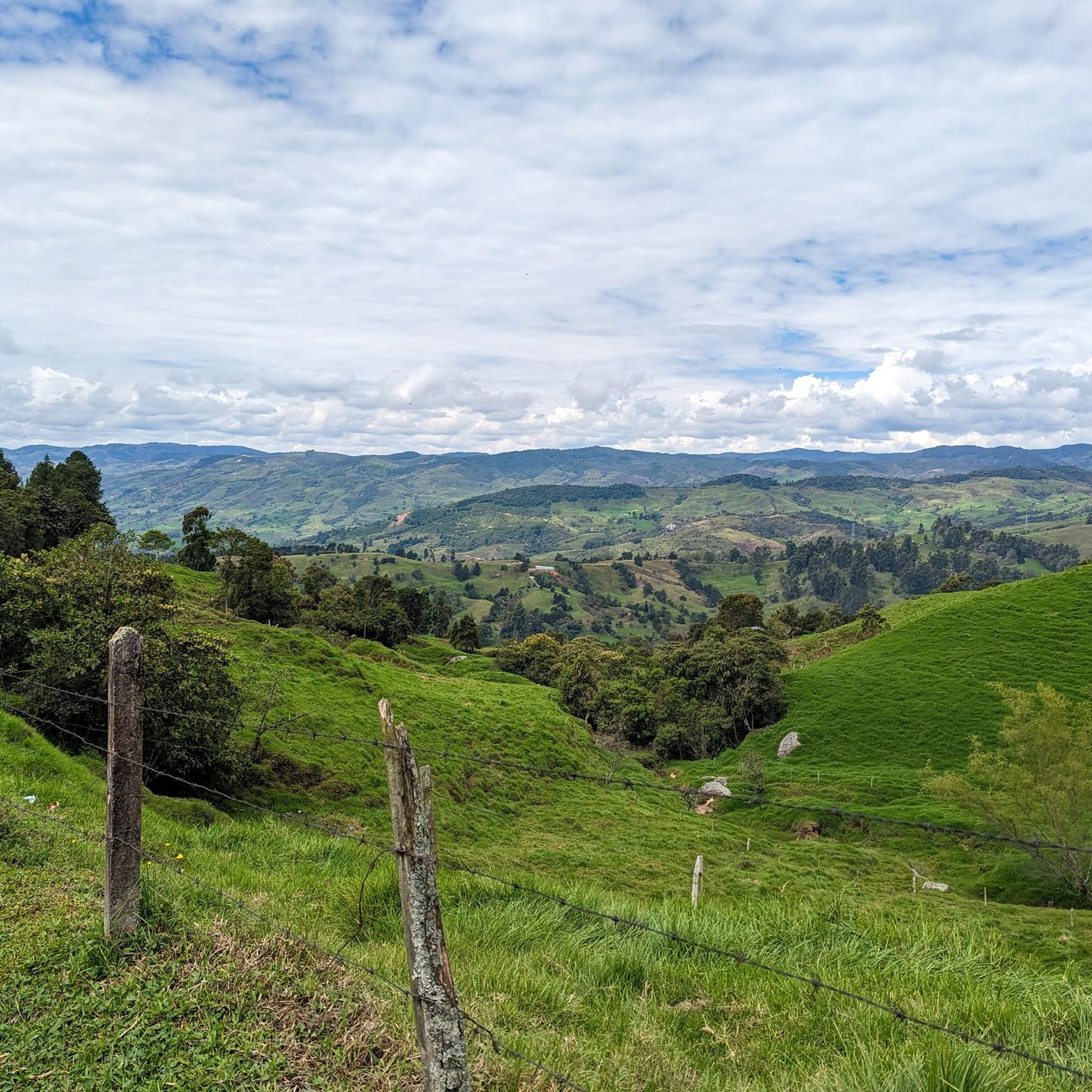
Cycling in the Cordillera Occidental Colombia
Other adventures in the Cordillera Occidental Colombia

Tips from the Community

The cluster of communication antennas marks the distant summit towards which the surrounding trails lead. The views from here are spectacular and more than compensate for the effort of the climb.
0
0


Cerro Azul is a town in Valle del Cauca and has an elevation of 1,638 meters. Cerro Azul is located near the town of San Isidro and Huasanó.
0
0
summit between the technical ascents called la Gorda, at this point you find points to buy food and hydration and you can start the journey to cascade del lili and/or El otoño
0
0
Highest Point of the Ascent where we find the three Crosses
0
0
Buziraco is the name of the supposed Demon that "haunts" the Hill of the Three Crosses: this is the story behind the legend of this "evil being" that took over the mountain with all its power.
0
0
One of the hills with the best panoramic view of our JAMUNDI municipality awaits you to discover it and then refresh yourself in the waters of the San Pablo River.
0
0
Frequently Asked Questions
What are some notable mountain peaks to explore in the Cordillera Occidental Colombia?
The Cordillera Occidental offers several distinct mountain peaks. Cerro Tatamá is the highest, located within a protected park known for its exceptional biodiversity and páramo ecosystems. Azufral features a stunning turquoise crater lake, Laguna Verde, and is a semi-dormant volcano. The Farallones de Cali rise above the city of Cali, offering diverse ecosystems and rich wildlife. Further north, Farallones del Citará provides a demanding trekking experience with rugged beauty, while Páramo de Frontino is a vital water reservoir with unique high-altitude flora and fauna.
Which mountain peaks are popular among komoot users in the Cordillera Occidental Colombia?
Komoot users frequently visit several peaks in the region. Beyond the well-known ones, Telecommunications Towers Summit offers spectacular views after a rewarding climb. Another favorite is Morro de la Cruz, which provides panoramic views of the Jamundí municipality. For a more challenging experience, Cerro Azul is also appreciated by the community.
Are there challenging mountain peaks for experienced hikers in the Cordillera Occidental Colombia?
Yes, the region offers several challenging ascents. Pico de Águila is known for its good incline and demanding climb, best tackled in the morning. The Farallones del Citará also present challenging terrains and steep climbs, ideal for adventurous trekkers seeking rugged, untouched landscapes. Additionally, the ascent to Cerro Tatamá, while rewarding, involves navigating through diverse and often humid ecosystems within a protected natural park.
Are there any mountain peaks suitable for less experienced hikers or families in the Cordillera Occidental Colombia?
While many peaks offer intermediate or challenging routes, the Farallones de Cali National Natural Park provides a range of natural routes, including gentle walks, making it suitable for various fitness levels. The trek to Azufral is considered moderate, leading to the stunning Laguna Verde, and can be a rewarding experience for those with some hiking experience but not necessarily advanced skills.
What unique natural features can I expect to see at these mountain peaks?
The Cordillera Occidental is rich in unique natural features. At Azufral, you'll find the vivid turquoise Laguna Verde, along with two smaller lakes and active fumaroles. Cerro Tatamá is home to one of Colombia's most unaltered páramo ecosystems, boasting exceptional biodiversity including over 560 species of orchids and 620 bird species. Páramo de Frontino features crucial páramo ecosystems with moors, wetlands, and the scenic Laguna Campanas. The Farallones de Cali are notable for the Pance River with its natural pools and unique 'bubbles' rock formations.
What kind of wildlife can be observed around the mountain peaks?
The Cordillera Occidental is a biodiversity hotspot. Tatamá National Natural Park is a prime destination for birdwatching, with many endemic species. In the Farallones de Cali National Natural Park, you might spot species such as the spectacled bear, white-tailed deer, and nearly 626 bird species. Páramo de Frontino is a sanctuary for biodiversity, offering chances to see rare páramo deer and the majestic Andean condor.
What outdoor activities can I do near these mountain peaks?
Beyond peak bagging, the Cordillera Occidental offers a variety of outdoor activities. You can find numerous cycling routes, including challenging options like the "View of Calima Lake – Alto de los Toros loop" or moderate rides such as the "Miravalle Hills loop from Comuna 18." For hikers, there are many waterfall hikes, like the "Vuelta por la cascada Velo de Dragón desde Jardín." Mountain biking enthusiasts can explore trails like the "Pance River Bridge – Pance Village loop." For more details on these activities, visit the respective guides for Cycling, Waterfall Hikes, and MTB Trails in the Cordillera Occidental Colombia.
Are there specific hiking trails near these mountain peaks?
Yes, the region provides numerous hiking opportunities. For instance, near the Farallones de Cali, you can find trails leading to Pico de Loro, offering panoramic views. The trek to Azufral is a well-defined route leading to Laguna Verde. For those interested in waterfall hikes, trails like "Vuelta por la cascada Velo de Dragón desde Jardín" and "Cueva del Esplendor Trail" are available. You can find more information on these and other routes in the Waterfall Hikes in the Cordillera Occidental Colombia guide.
What is the best time to visit the mountain peaks in the Cordillera Occidental Colombia?
The Cordillera Occidental generally experiences a favorable climate year-round, but conditions can vary with elevation. Mornings are often recommended for ascents, especially for peaks with good inclines like Pico de Águila, to avoid the midday sun. The region's high humidity, particularly around areas like Tatamá, means that cloud cover and rain can occur at any time, so being prepared for varied weather is always advisable.
What cultural experiences are available near the mountain peaks?
Much of the Cordillera Occidental, especially its southern departments, is part of Colombia's UNESCO World Heritage Coffee Cultural Landscape. This means you can explore coffee-scented mountains, visit colorful villages like Salento and Filandia, and tour coffee plantations. The lake at Azufral also holds spiritual significance for indigenous communities, adding a cultural layer to the natural beauty.
Are there facilities or amenities available near the mountain peaks?
Some popular spots offer basic facilities. For example, at El Rosario Summit, visitors can find points to buy food and hydration. Near the Farallones de Cali National Natural Park, glamping options are available for those seeking comfort amidst nature. However, for more remote peaks like Cerro Tatamá or Farallones del Citará, amenities are scarce, and visitors should be self-sufficient.
What makes the Cordillera Occidental a significant region for nature lovers?
The Cordillera Occidental is a critical region for nature lovers due to its exceptional biodiversity and diverse ecosystems. It encompasses everything from primary Andean tropical and subtropical rainforests to temperate cloud forests and vital páramo habitats. Areas like Tatamá National Natural Park are among the most pristine and biodiverse on Earth, making the entire range a hotspot for ecotourism, birdwatching, and exploring unique flora and fauna.
Most popular routes in the Cordillera Occidental Colombia
Most popular attractions in the Cordillera Occidental Colombia

Get inspired with the komoot mobile app


Explore more
See even more amazing summits in the Cordillera Occidental Colombia with these guides:
