Top 8 Castles in Norddjurs
Castles in Norddjurs offer a historical perspective on this Danish municipality. The region is characterized by its coastal landscapes and agricultural areas, providing a backdrop for several historic estates. These sites reflect centuries of Danish heritage and architectural evolution. Norddjurs features a collection of castles and manor houses, many of which have been preserved or adapted for modern use.
Best castles in Norddjurs
- The most popular castles is Meilgaard Castle, a castle that dates its estate mention to 1345.…
Last updated: June 29, 2026
Meilgaard Castle
Highlight • Castle
Translated by Google •
Tip by

Rugaard Castle
Highlight • Castle
Translated by Google •
Tip by

Sign up now to discover places like this
Get recommendations on the best single tracks, peaks, & plenty of other exciting outdoor places.
Sign up for free
Katholm Castle
Highlight • Castle
In 1545, a first manor house was built. The castle was built in its place in the Renaissance …
Showing Translation
Tip by

Sostrup Castle & Monastery
Highlight • Castle
Translated by Google •
Tip by
Rosenholm Castle
Highlight • Castle
In the following years, he built a castle on this site and named it Rosenholm after …
Showing Translation
Tip by
Sign up for free to discover even more castles in Norddjurs.
Sign up for free
Already have an account?
Start today with a free account
Your next adventure awaits.
Login or Signup



Tips from the Community

In April 1559, Jørgen Rosenkrantz acquired the Holm farm from the king near Hornslet. In the following years, he built a castle on this site and named it Rosenholm after his family. The Rosenkrantz family has owned the castle ever since, and today Rosenholm is the Danish house that has been in the same family for a long time. Between 1740 and 1745, the castle was restored and the large park of approx. 5 hectares was laid out with avenues of lime trees, arbors, and beech hedges. The rose garden around the fountain is a charming place. The castle is furnished with hundreds of pieces of furniture, paintings, and tapestries, offering visitors a fascinating glimpse into the life of a noble family over centuries. Today, Rosenholm Castle unites past and present culture by hosting exciting guided tours, conferences, company celebrations, weddings, etc. The castle is one of the largest and most beautiful Danish Renaissance manors. https://www.visitaarhus.de/region-aarhus/reiseplanung/rosenholm-slot-gdk1078933
2
0
Sostrup is an island fortress built on an artificial island of granite rocks and hundreds of oak piles. The posts are intended to retain moisture so that they do not become porous. Therefore, it is important that the moat does not dry out. Many noble families owned Sostrup in the past. The powerful Scheel family owned the castle from 1612 for 211 years. At that time, the castle was called Skeel, after the original spelling of the family name. The last member of the Scheel family to own the castle was Jørgen Scheel, the Wild Count. He traveled for 15 years on several study trips through Europe and brought cultural currents to Sostrup: artworks, 11,600 books, furniture, hand-painted wallpaper, etc. In 1960, a group of Cistercian nuns took over the castle and transformed it into a monastery. In 1992, the Maria Hjerte Monastery and the Maria Hjerte Church were established under the leadership of Abbess Theresa Brenninkmeijer. In 2013, the abbess and 26 nuns left the monastery and Denmark. Today, Sostrup Castle is owned by Thomas Kirk Kristiansen, the fourth generation of the Lego family. He bought the castle on January 1, 2025, and the castle now focuses on magic and adventure in the "Drakonheart" project – a camp for children with unique abilities and high creativity. The castle is not open to the public. https://www.visitaarhus.de/region-aarhus/reiseplanung/schloss-und-kloster-sostrup-gdk605633
2
0
Schloss Meilgaard is a historic manor house on the Djursland peninsula in eastern Jutland, Denmark. The striking white castle, which dates back to 1573 in its core, is located in a picturesque forest and nature landscape near Glesborg. The castle itself is privately owned and actively used for forestry and agriculture. Therefore, the interiors cannot be visited. However, the beautifully landscaped Meilgaard Slotspark is accessible to the public. You can take wonderful walks here and admire the estate from the outside. The historic restaurant Meilgaard Slotskro is located on the grounds, offering Danish cuisine in a stately ambiance.
2
0
Gut Katholm has been documented as a farm since the 15th century. In 1545, a first manor house was built. The castle was built in its place in the Renaissance style in 1588–1591 and extended in 1622 with a lower west wing. The Katholm estate is 1170 hectares in size and is used for agriculture. The public has access to the castle outside the moat. The "Hulvej" leading from the castle to Grenaa consists of a narrow, low-lying road where buses and trucks once got stuck between the old beech trees. The traces left on the bark of the trees give the hollow way its character. https://de.wikipedia.org/wiki/Schloss_Katholm
2
0
Schloss Rugård on the Djursland peninsula is a historic manor house, picturesquely situated between forests and the Baltic Sea coast. The imposing Renaissance-style main building was built in 1580. The estate covers 965 hectares of land and is still privately managed today. The manor farm originally dates from 1580 and was built by the Arenfeldt family. It has been owned by the Mourier-Petersen family since 1866. The castle building itself is privately owned and not accessible to the public, but it is scenically located in a wooded coastal region. The castle is located on the southeastern coast of Djursland, near the distinctive viewpoint Jernhatten and the Mols Bjerge National Park. The wooded coastal landscape is ideal for cycling tours or hikes.
2
0


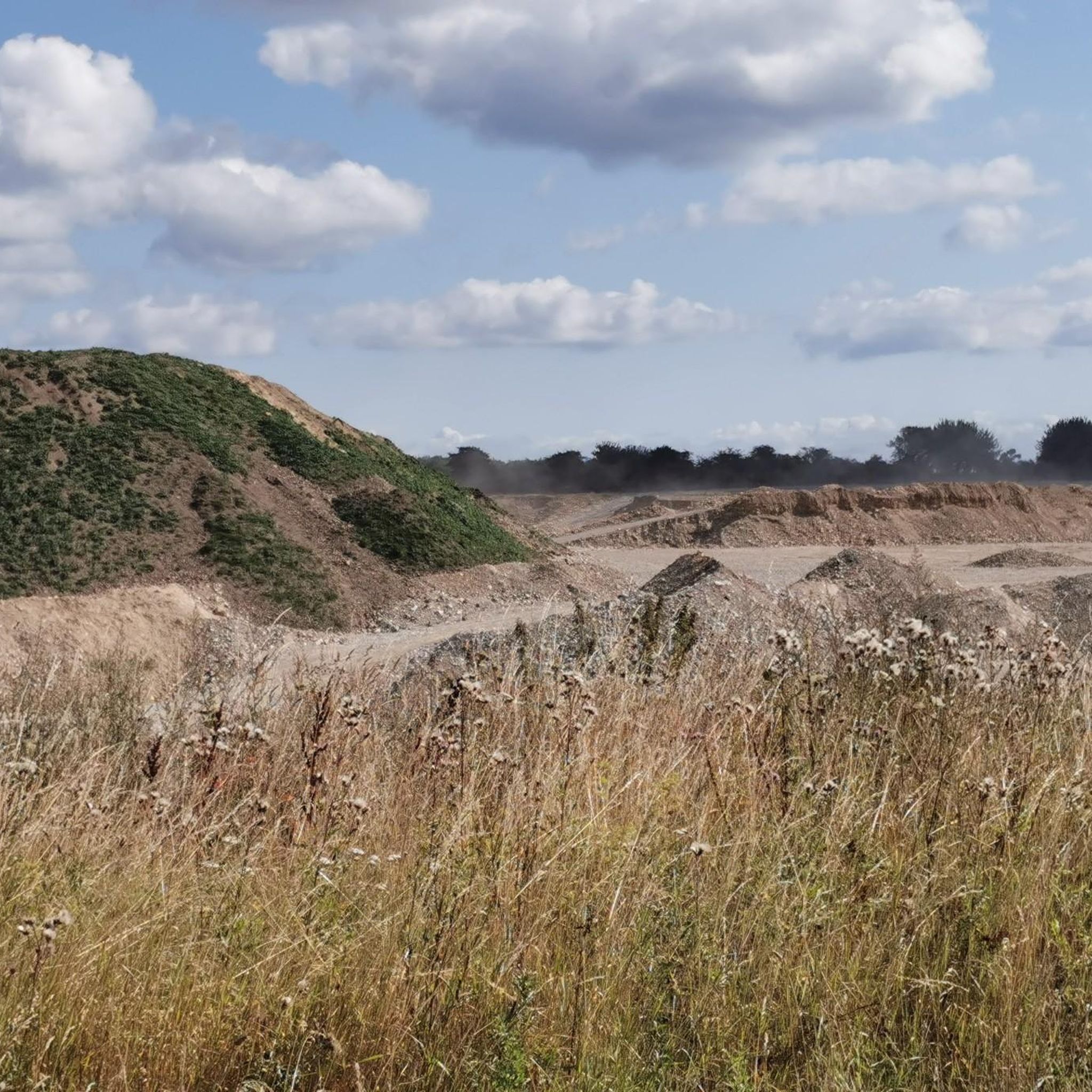
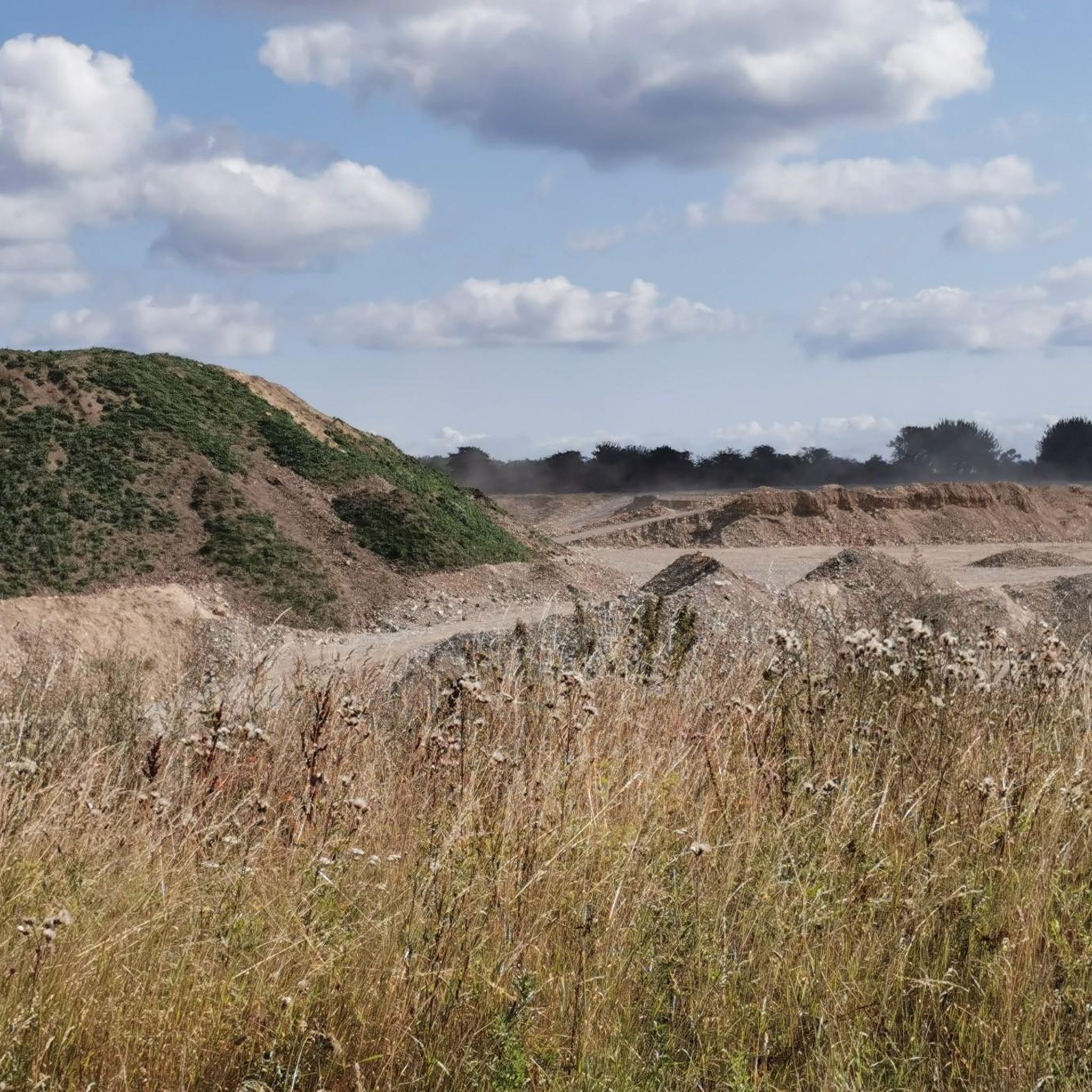
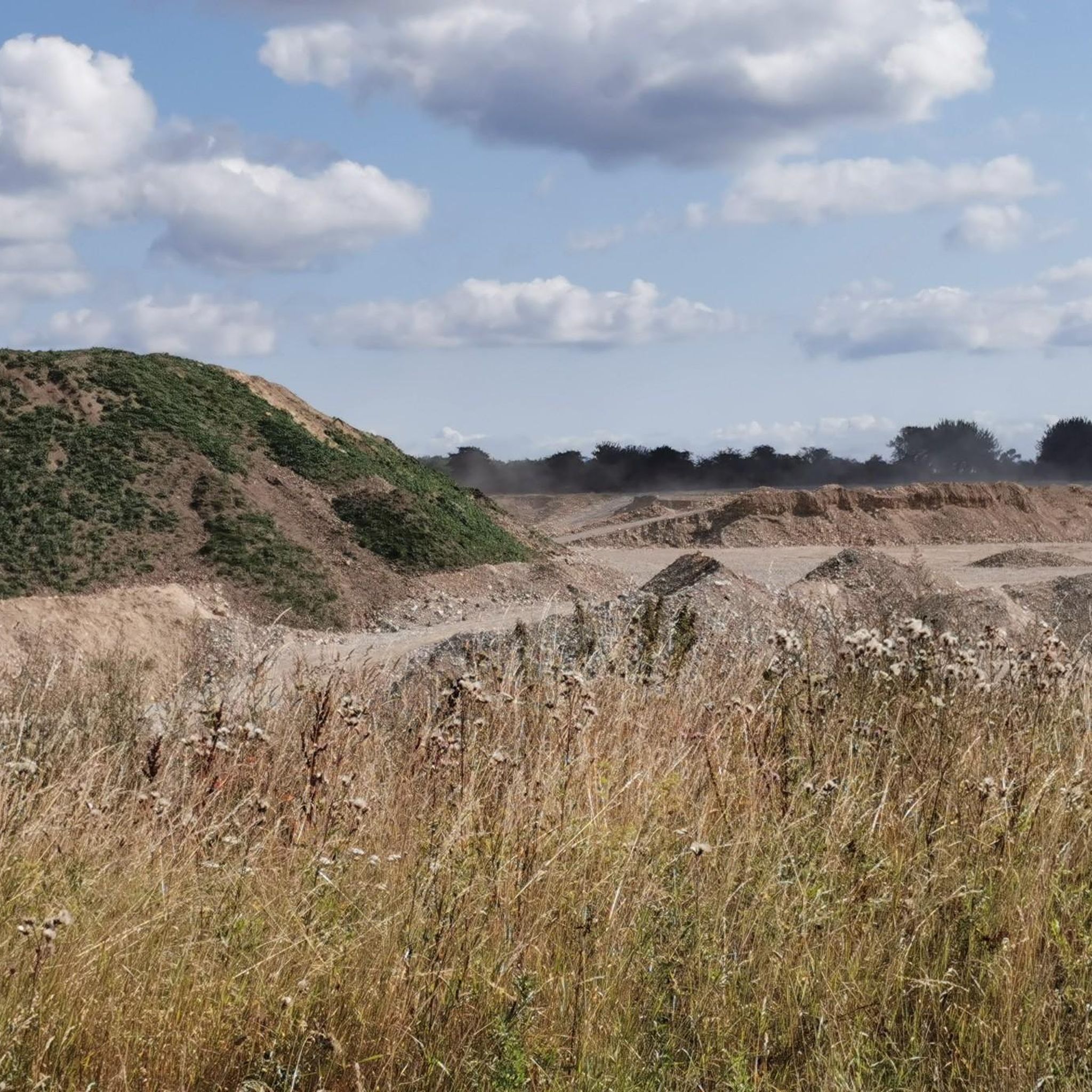
There is currently a construction site on the site. You have to take a small detour and then enter the site from the back.
0
0

You are not allowed into the inner courtyard of the actual castle as it is privately owned. However, you can take a lovely stroll around the park and get great views of the castle and the moat from there!
0
0
Frequently Asked Questions
What are some of the most historically significant castles in Norddjurs?
Norddjurs is rich in history, featuring several significant castles. Meilgaard Castle, first mentioned in 1345, boasts a structure from 1573 with later rebuilds. Sostrup Castle & Monastery, a Renaissance-style castle from 1599-1606, has a unique history as a manor, then a monastery, and is now undergoing restoration. Another notable site is Gammel Estrup - The Danish Manor & Estate Museum, one of Denmark's best-preserved Renaissance manor houses, with parts dating back to the 14th century.
Which castles in Norddjurs offer family-friendly activities?
Gammel Estrup - The Danish Manor & Estate Museum is particularly family-friendly. It offers exhibitions, a manor playground, and a magnificent baroque garden. Rugaard Castle and Rosenholm Castle are also noted as family-friendly, though access might be limited to exterior views or specific areas.
What are the public access options for castles like Meilgaard and Sostrup?
Meilgaard Castle appears to be privately owned, but you can still get a good view from afar. Sostrup Castle & Monastery, after functioning as a monastery, was sold in 2014 and is undergoing restoration with plans to open as a conference center, offer rentable rooms, and feature a restaurant. It's advisable to check their current status before visiting. Gammel Estrup - The Danish Manor & Estate Museum is open to the public as a museum.
Are there entry fees for the castles in Norddjurs?
Gammel Estrup - The Danish Manor & Estate Museum, as a functioning museum, has an entry fee. For privately owned castles like Meilgaard Castle and Rugaard Castle, access is generally limited to exterior views, so there are no entry fees for viewing from public areas. For Sostrup Castle & Monastery, once its restoration is complete and it opens as a commercial venue, there may be fees for specific services or access.
What is the best time of year to visit the castles in Norddjurs?
The best time to visit Norddjurs castles is generally during the warmer months, from spring to early autumn (May to September). During this period, the weather is more pleasant for exploring the castle grounds and surrounding natural areas. The magnificent baroque garden at Gammel Estrup, for example, would be particularly beautiful in bloom. Some castles may have limited access or opening hours during winter.
Are there hiking or cycling trails near the castles in Norddjurs?
Yes, Norddjurs offers various outdoor activities near its historical sites. For cycling, you can find routes like the 'Rugaard Manor – Grenaa–Ålsrode–Balle Loop' which passes by Rugaard Castle. There are also gravel biking routes in the region, such as 'Coastal Path Near Bonnerup – View of the Baltic Sea loop from Fjellerup'. For running, you can explore trails like the 'Fjellerup badestrand loop'. You can find more details on these routes in the Gravel biking in Norddjurs, Running Trails in Norddjurs, and Road Cycling Routes in Norddjurs guides.
What kind of natural features or viewpoints can I find around the castles?
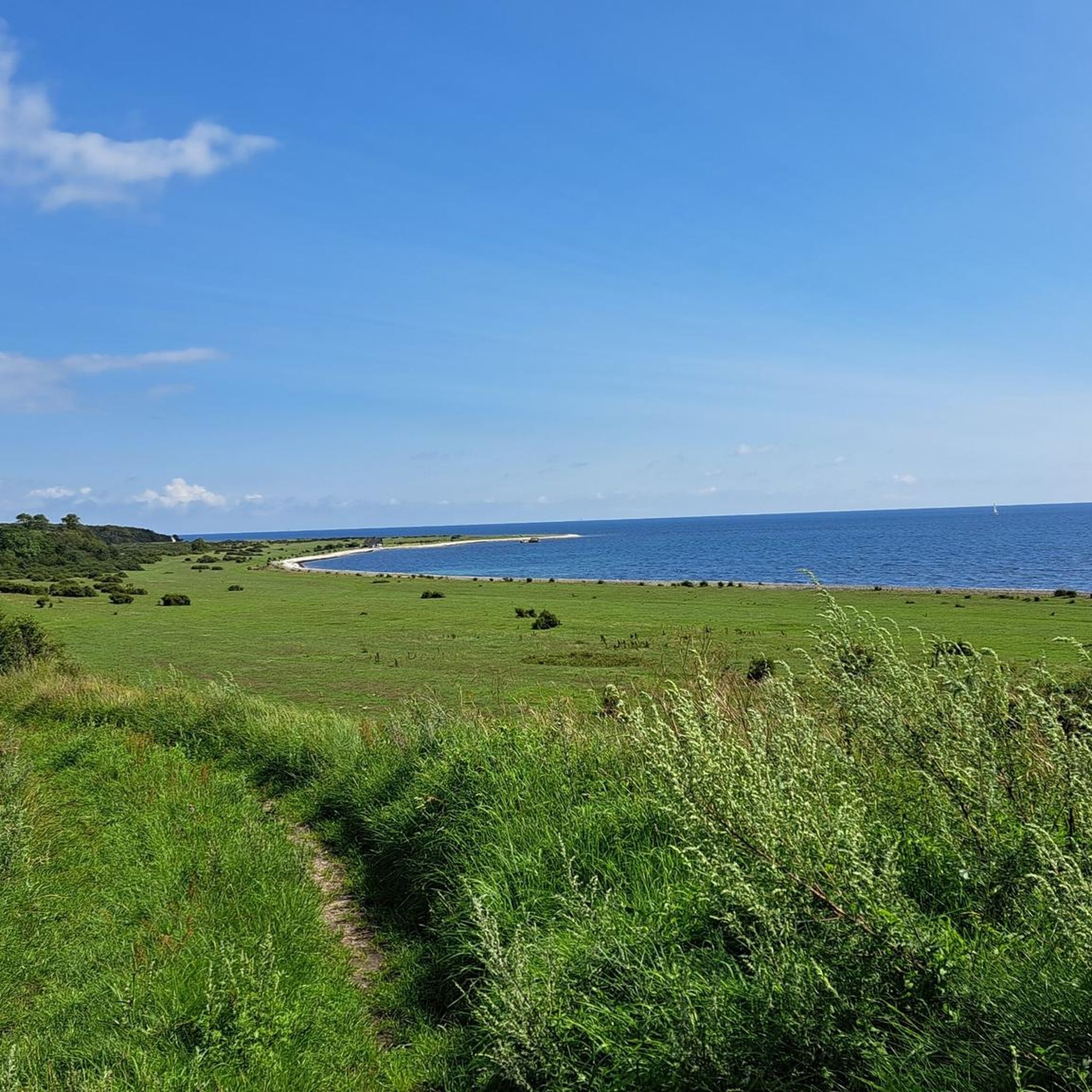
Rugaard Castle is uniquely situated on a slope overlooking a lake, N'rresa, with an easterly view of the lake and the Kattegat sea. The surrounding landscapes of Norddjurs are characterized by coastal areas and agricultural lands, offering scenic backdrops for the castles. Gammel Estrup also features a magnificent baroque garden.
Can I bring my dog to the castles or nearby trails in Norddjurs?
While specific castle policies for dogs vary, generally, privately owned castles like Meilgaard Castle and Rugaard Castle can be viewed from public areas, making them accessible for walks with dogs outside the private grounds. For museums like Gammel Estrup, dogs are typically not allowed inside buildings but may be permitted in outdoor areas or gardens on a leash. Many of the nearby hiking and cycling trails in Norddjurs are dog-friendly, but always ensure your dog is on a leash and you clean up after them.
Are there cafes or restaurants near the castles in Norddjurs?
Gammel Estrup - The Danish Manor & Estate Museum has a manor kitchen that might offer refreshments. Rosenholm Castle is noted as a great spot for a coffee break. Sostrup Castle & Monastery, upon completion of its restoration, plans to feature a restaurant. For other castles, you might find cafes and restaurants in nearby towns like Glesborg or Grenaa.
How long should I plan for a visit to the castles in Norddjurs?
For a comprehensive visit to Gammel Estrup - The Danish Manor & Estate Museum, including the museum, gardens, and playground, you could easily spend 2-4 hours. For castles like Meilgaard Castle or Rugaard Castle, which are primarily viewed from the outside, a visit might be shorter, perhaps 30 minutes to an hour, allowing time to appreciate the architecture and surroundings. If you combine a castle visit with nearby hiking or cycling, your total time will extend accordingly.
Are there options for wheelchair access at Norddjurs castles?
Accessibility varies greatly between the castles. Gammel Estrup - The Danish Manor & Estate Museum, as a modern museum, likely offers some level of accessibility, particularly in newer or renovated sections and ground-level areas. However, historic buildings often present challenges due to their original architecture. For privately owned castles like Meilgaard Castle and Rugaard Castle, exterior viewing from public roads might be accessible, but the grounds themselves could be uneven. It's recommended to check directly with specific castle venues for detailed accessibility information.
How can I get to the castles in Norddjurs using public transport?
Public transport options to reach the castles in Norddjurs can be limited, as many are located in rural areas. While specific routes vary, buses are the most common form of public transport in the region. For Gammel Estrup, you might find bus connections from larger towns. For Meilgaard Castle and Sostrup Castle & Monastery, public transport might drop you off some distance away, requiring a walk or taxi. Planning your journey in advance using local public transport websites is advisable.
Most popular attractions in Norddjurs

Get inspired with the komoot mobile app


Explore more
Looking for the best castles somewhere else? Discover other guides in Norddjurs:
