Top 11 Caves in Drôme
Caves in Drôme offer a diverse range of subterranean experiences within the natural landscapes of the region. The Drôme department, situated in France, features geological formations shaped by millennia of natural processes, including significant underground networks and historical sites. Visitors can explore various cave types, from ice caves to grottoes with archaeological significance. The region's caves provide insights into geological history and past human habitation.
Best caves in Drôme
- The most popular caves is Font d'Urle Ice Cave, a…
Last updated: May 18, 2026
Font d'Urle Ice Cave
Highlight • Cave
Translated by Google •
Tip by

The Saracens' Bridge
Highlight • Natural Monument
Translated by Google •
Tip by

Sign up now to discover places like this
Get recommendations on the best single tracks, peaks, & plenty of other exciting outdoor places.
Sign up for free
Baume des Eyguiers Grotto
Highlight • Cave
Translated by Google •
Tip by

Le Trou de Souris Rock Arch
Highlight • Natural Monument
Translated by Google •
Tip by

Thaïs Cave
Highlight • Cave
visites-nature-vercors.com/fr/grotte-de-thais/decouvrir
Translated by Google •
Tip by

Rochecourbière Cave
Highlight • Cave
Translated by Google •
Tip by

Moulin-Marquis Waterfall and Bournillon Cave
Highlight • Waterfall
Translated by Google •
Tip by

Grand Assiriau Chasm
Highlight • Cave
Translated by Google •
Tip by

Moulin Marquis Spring
Highlight • Cave
Translated by Google •
Tip by

Grotte de Brudour
Highlight • Cave
Translated by Google •
Tip by

Sign up for free to discover even more caves in Drôme.
Sign up for free
Already have an account?
Start today with a free account
Your next adventure awaits.
Login or Signup
Popular around Drôme

Triathlon 360 – my journey around the world
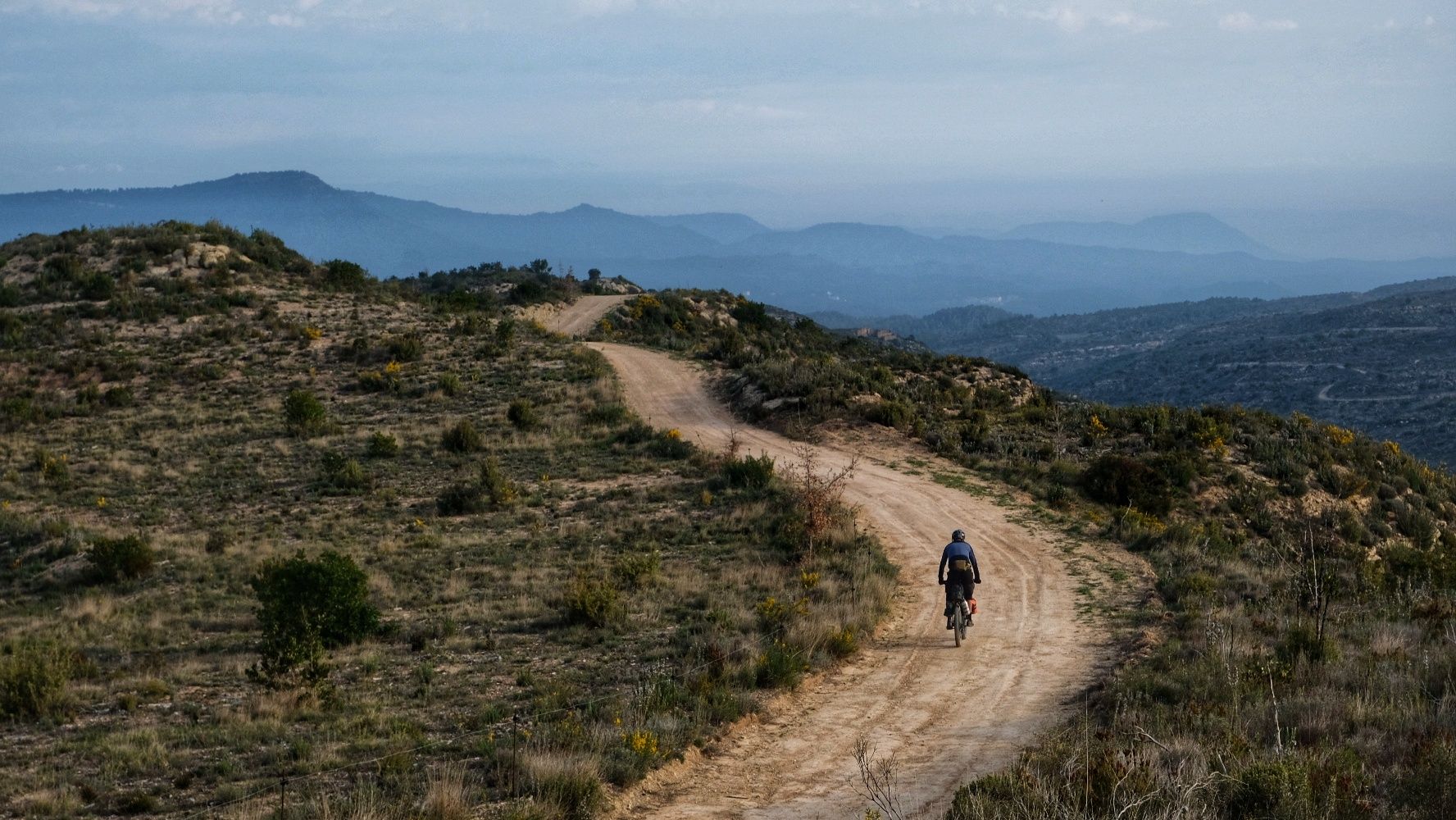
European Divide Trail — 7,600 km across the continent
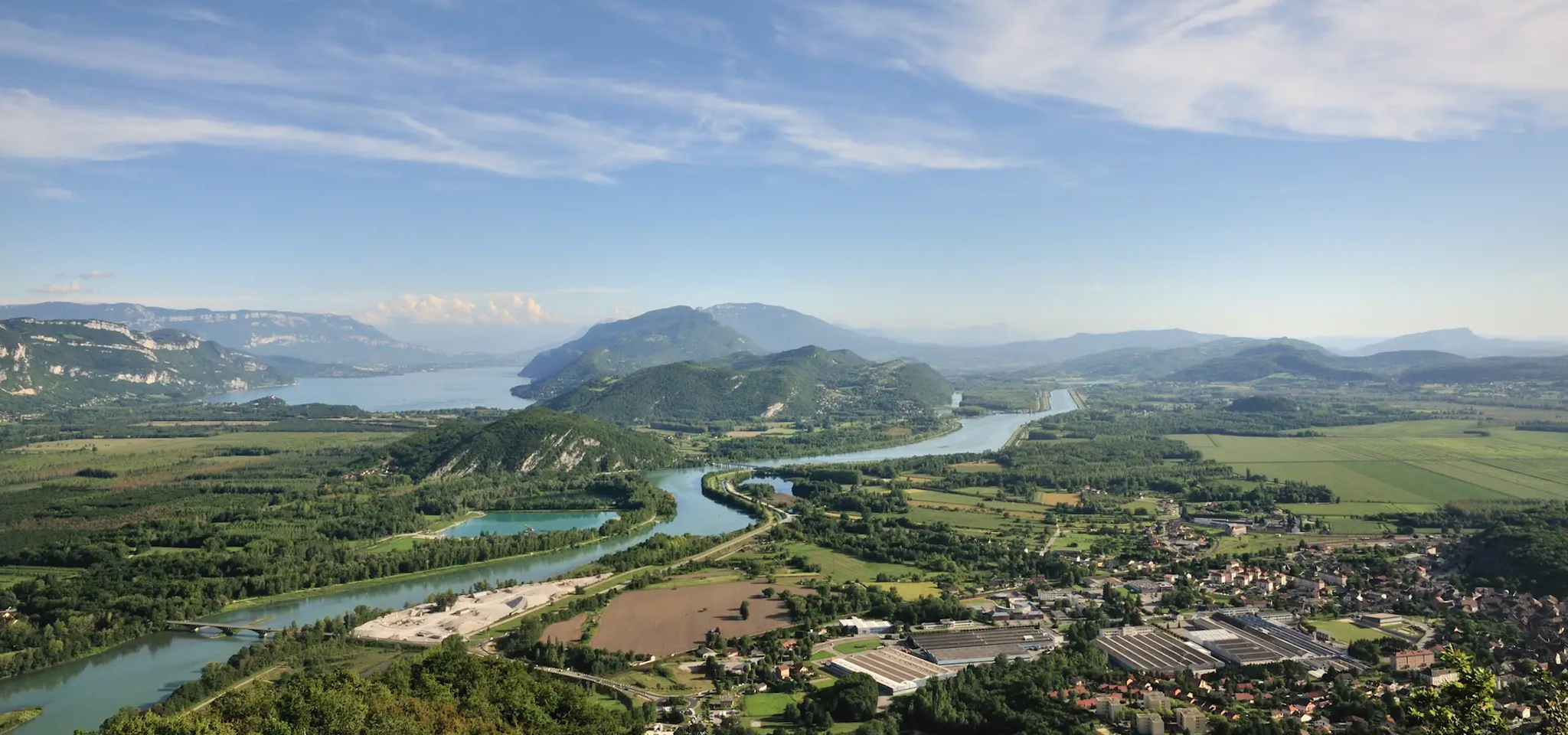
GR 9 from the Jura to the Mediterranean – Crossing contrasts

Road to Lisbon – bikepacking the Alps, Pyrenees and Picos de Europa
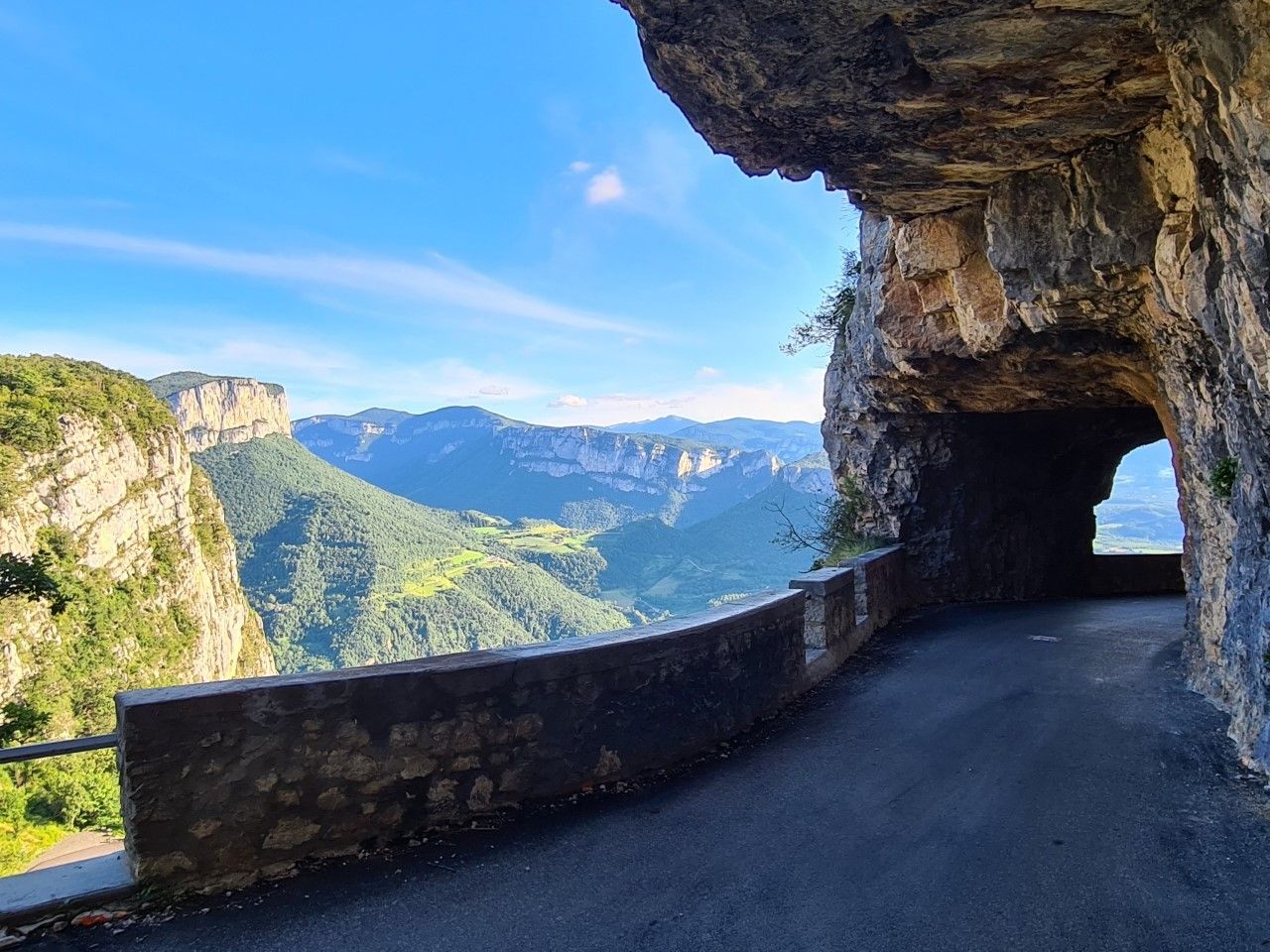
La Grande Traversée du Vercors — In the West of the Alps
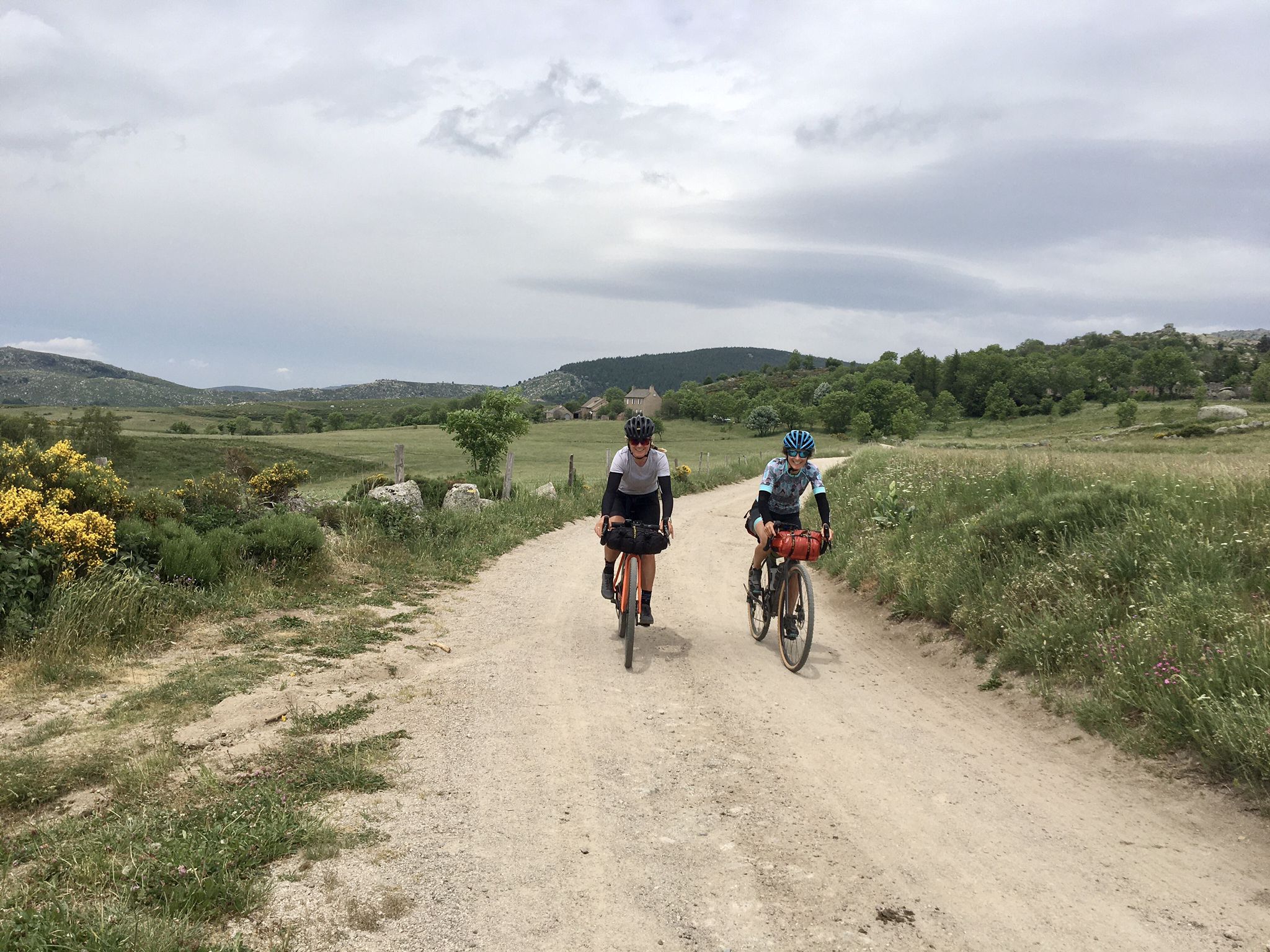
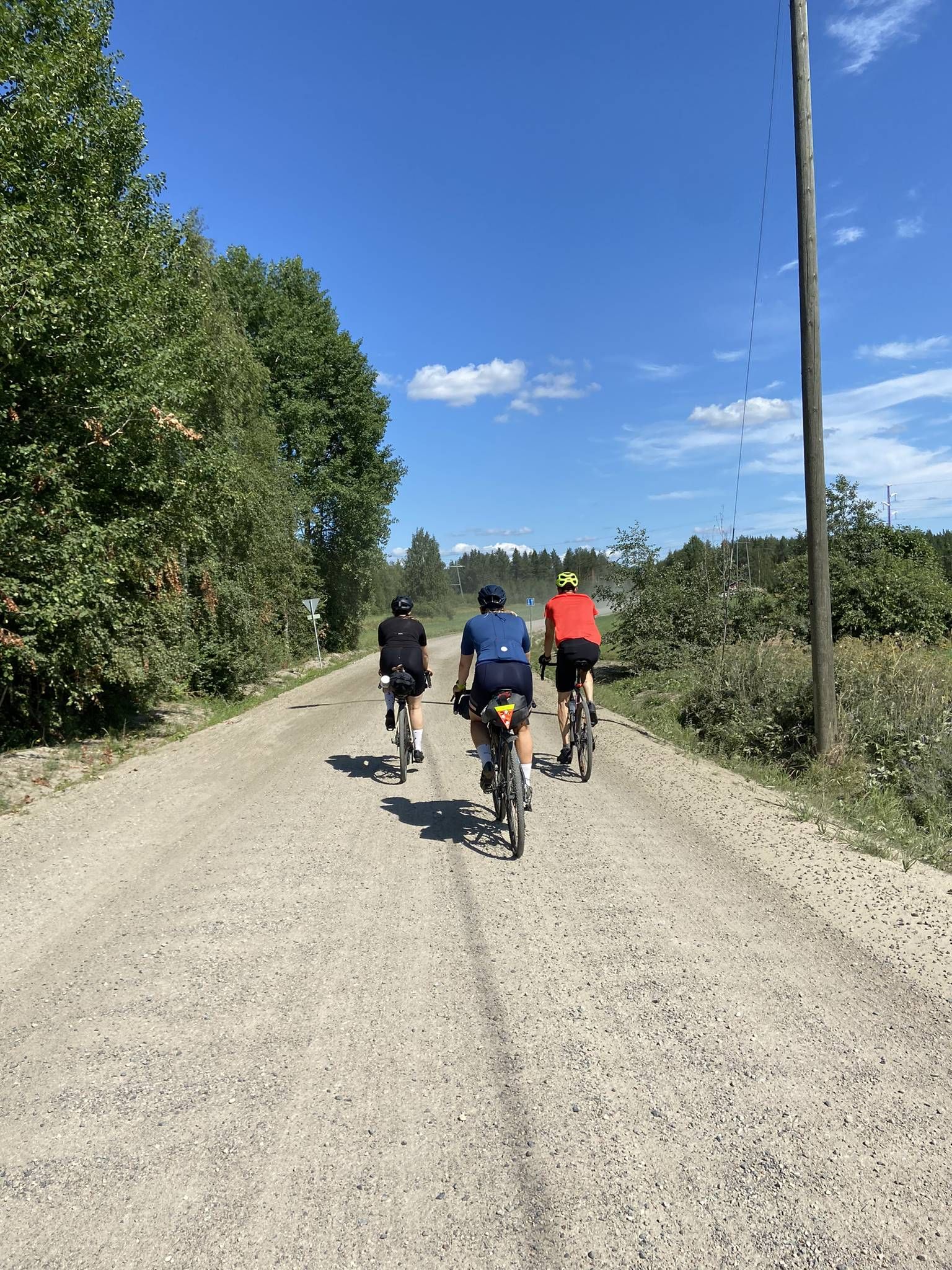
Ardèche Cévennes Divide – Bikepacking on a gravel bike
Naples to North Cape — Two friends, one purpose and many scoops of ice-cream
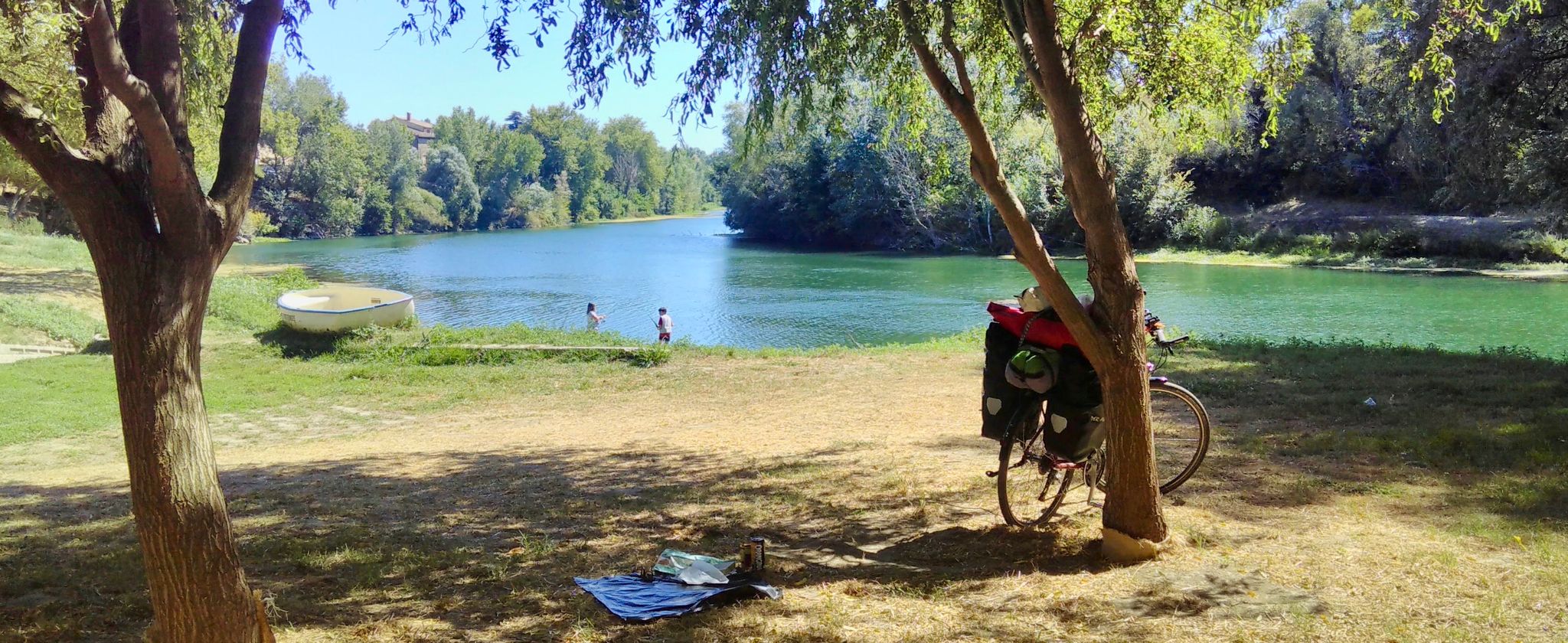
Via Rhôna — cycling the Rhone Valley Way from Lyon to the Mediterranean
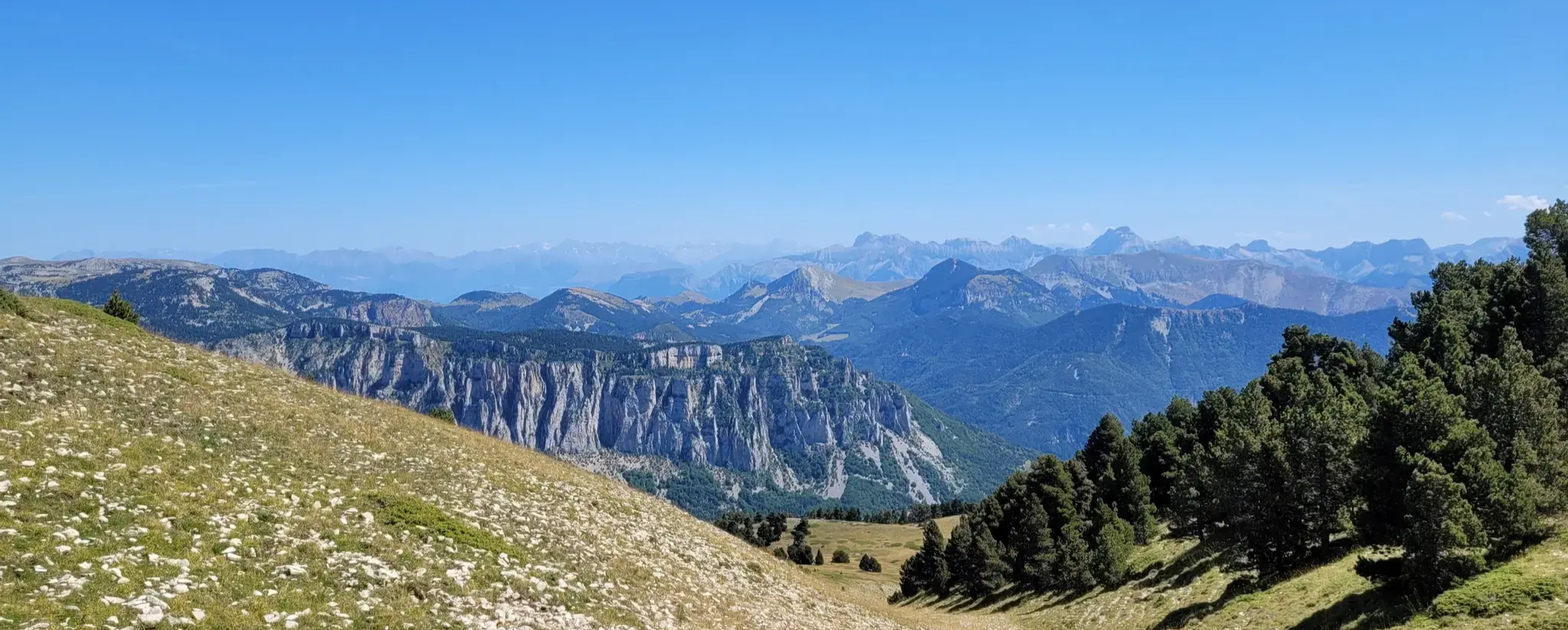
GR 91 - From the Vercors High Plateaux to Provence
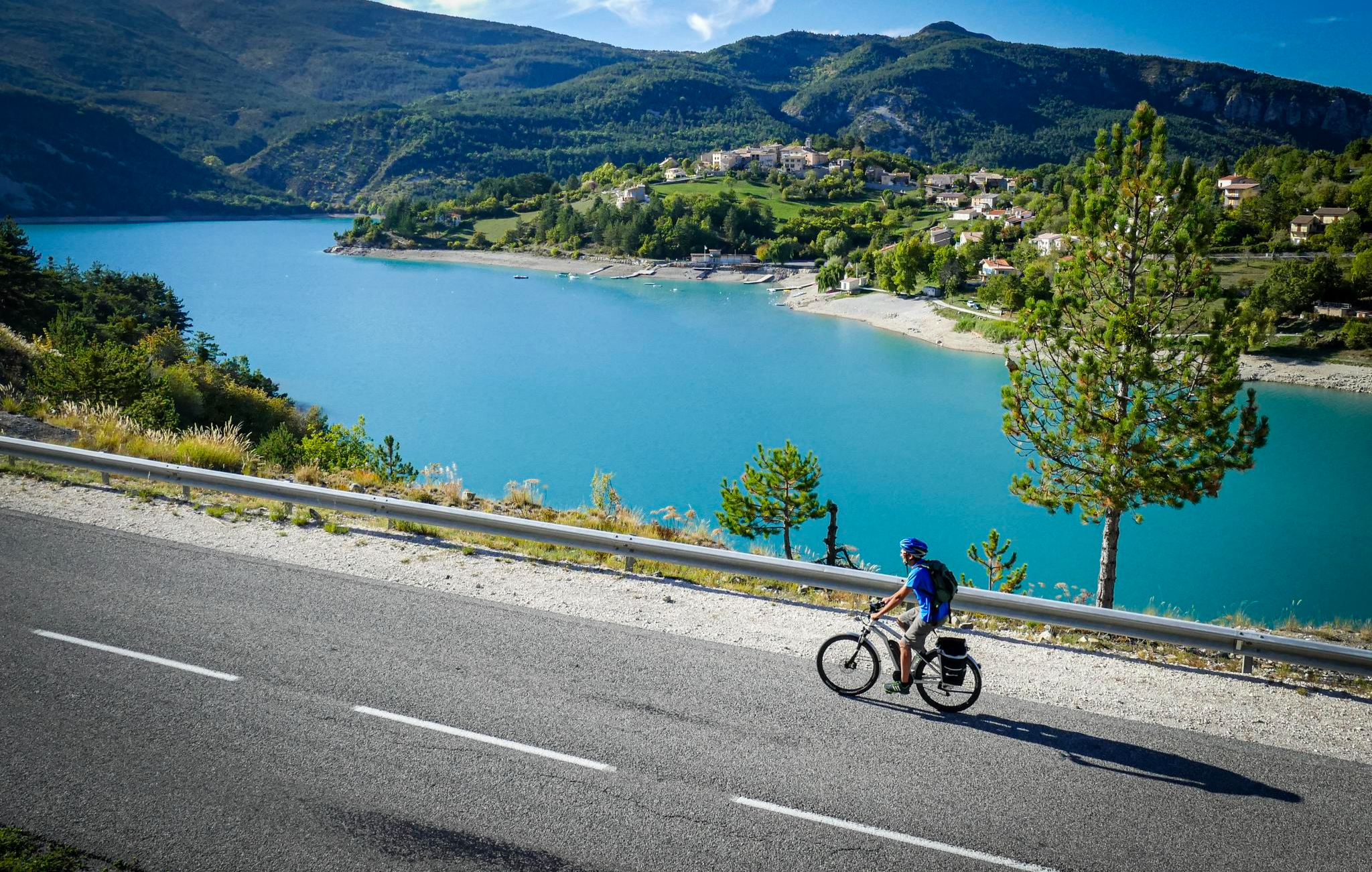
P'tites Routes du Soleil (Little Routes of the Sun)
Other adventures in Drôme


Tips from the Community

Beautiful hike, sunny arrival, last metre steep, but the place is magnificent.
0
0

the spring gushes from a small cave-like crevice
0
0
the waterfall dominates the Bournillon cave
0
0

Good physical condition is necessary given the percentage of the uphill slope
0
0

The source of the Moulin Marquis is a few dozen meters from the first waterfalls and the atmosphere there is very pleasant.
0
0

The Moulin-Marquis waterfall or Bournillon waterfall is a French waterfall about 400 meters high. It is located in Choranche in Isère, in the Bournillon cirque, downstream from the Bourne gorges.
1
0

Small, easily accessible cave.
0
0

Magnificent and impressive natural cavity that can be explored with a lamp. At the bottom there are beautiful ice formations even in summer. This phenomenon is due to the shrinkage of the cavity which traps cold air at the bottom. When moisture seeps through the ceiling, the temperature is low enough for the water to freeze and form stalactites.
1
0
Frequently Asked Questions
What unique geological features can I expect to see in Drôme's caves?
Drôme's caves showcase a variety of impressive geological formations. For instance, the Font d'Urle Ice Cave is known for its natural cavities and ice formations that can persist even in summer. You can also find natural arches like The Saracens' Bridge and the Le Trou de Souris Rock Arch, which are geological curiosities formed by natural processes.
Do any caves in Drôme have historical or archaeological significance?
Yes, several caves in the Drôme region offer insights into history and prehistory. The Grotte de la Luire, for example, served as a makeshift hospital for the French Resistance during World War II. The Thaïs Cave in Saint-Nazaire-en-Royans is particularly rich in archaeological heritage, having been inhabited by Homo Sapiens for over 3,000 years during the last ice age, with discoveries including tools and engraved bones.
Are there family-friendly caves in Drôme?
Many caves in Drôme are suitable for families. The Thaïs Cave is listed as family-friendly and offers guided tours that delve into its formation and prehistoric occupants. The Rochecourbière Cave is also noted as a small, easily accessible cave, making it a good option for families.
When is the best time of year to visit the caves in Drôme?
Caves in Drôme can generally be visited year-round, though specific opening hours and tour availability may vary by season. For caves like the Font d'Urle Ice Cave, the ice formations are present even in summer due to trapped cold air, offering a unique experience regardless of the season. It's always advisable to check the specific cave's operating schedule before your visit.
What should I wear when visiting caves in Drôme?
When visiting caves in Drôme, it's recommended to wear comfortable clothing and sturdy, closed-toe shoes, as cave environments can be cool and damp, and paths may be uneven. For caves like the Font d'Urle Ice Cave, adapted footwear is specifically advised due to potentially slippery surfaces.
Is parking available at Drôme's main cave attractions?
Parking facilities are typically available at the more developed cave attractions in Drôme. For instance, the Font d'Urle Ice Cave has parking and a map displayed at its departure point. For other caves, it's best to check their official websites or visitor information for specific parking details.
What outdoor activities can I combine with a visit to Drôme's caves?
The Drôme region offers numerous outdoor activities that pair well with cave exploration. You can find a variety of hiking trails, including moderate routes like the 'Canyon des Gueulards et Gorges d'Omblèze' or more challenging options like the 'Les Trois Becs Loop Trail'. For cyclists, there are extensive MTB trails, such as 'The 3 Cols Trail' or 'The town center – Die loop'. Many of these routes are located near the natural landscapes where the caves are found.
Are there guided tours available for caves in Drôme?
Yes, guided tours are available for several caves in Drôme, enhancing the visitor experience with expert insights. The Grotte de la Luire offers guided tours, sometimes including light shows or lantern-lit visits. The Thaïs Cave also provides guided tours that explain its geological formation and prehistoric significance.
What makes the Grotte de la Luire a significant cave to visit?
The Grotte de la Luire in Saint-Agnan-en-Vercors is significant for several reasons. It's recognized as the largest Vauclusian spring globally, with an extensive underground network. Beyond its impressive geology, it holds poignant historical importance as a refuge and hospital for the French Resistance during World War II. Visitors can explore its vast halls on guided tours, often experiencing it with lanterns.
Can I explore natural grottoes and rock shelters in Drôme?
Absolutely. Drôme is home to several natural grottoes and rock shelters. The Baume des Eyguiers Grotto is a notable example, nestled in a rocky bar and formed by ancient sedimentary deposits and water erosion. These sites offer a glimpse into the region's geological past and provide natural shelters.
Are there any caves in Drôme that feature waterfalls or springs?
Yes, the Drôme region has caves associated with water features. The Moulin-Marquis Waterfall and Bournillon Cave is one such location where you can experience both a waterfall and a cave. Additionally, the Grotte de la Luire is known as a significant Vauclusian spring, indicating its connection to underground water sources.
What is the difficulty level for exploring caves in Drôme?
The difficulty level for exploring caves in Drôme varies. Some, like the Rochecourbière Cave, are small and easily accessible. Others, such as the Font d'Urle Ice Cave and Baume des Eyguiers Grotto, are rated as intermediate. More challenging experiences might be found at sites like The Saracens' Bridge or the Grand Assiriau Chasm, which are listed as challenging. It's important to check the specific highlight's details for difficulty ratings.
Most popular routes in Drôme
Most popular attractions in Drôme

Get inspired with the komoot mobile app


Explore more
Extend your search for the best caves by checking out these guides of the top ones in Drôme:
