Top 5 Gorges in Pays de la Loire
Canyons in Pays de la Loire are characterized by river valleys and gorge-like formations, particularly where rivers have carved into the landscape. The region features the Loire Valley, a UNESCO World Heritage site, known for its varied riverside landscapes, including cliffs and tufa hillsides. Geological features Pays de la Loire include dramatic river meanders and deep notches formed by runoff. These areas offer diverse natural environments for exploration.
Best canyons in Pays de la Loire
- The most popular canyons is…
Last updated: May 17, 2026
Saulges Caves and Prehistory Museum
Highlight • Gorge
Translated by Google •
Tip by

Puits d'Enfer
Highlight • Gorge
Translated by Google •
Tip by

Sign up now to discover places like this
Get recommendations on the best single tracks, peaks, & plenty of other exciting outdoor places.
Sign up for free
Le Petit Douet - MTB
Highlight (Segment) • Gorge
It is reached by mountain bike from one side by a small steep and …
Translated by Google •
Tip by

Coulée de Launay
Highlight • Gorge
Translated by Google •
Tip by

Trézenne Valley
Highlight • Gorge
Translated by Google •
Tip by
Start today with a free account
Your next adventure awaits.
Login or Signup
Popular around Pays de la Loire
GR 36 long-distance footpath – Cross France from the Channel to the Pyrenees
GR3 from the ocean to its source – The Loire, a wild European river
Nantes-Brest Canal – Cycling along Brittany's towpaths
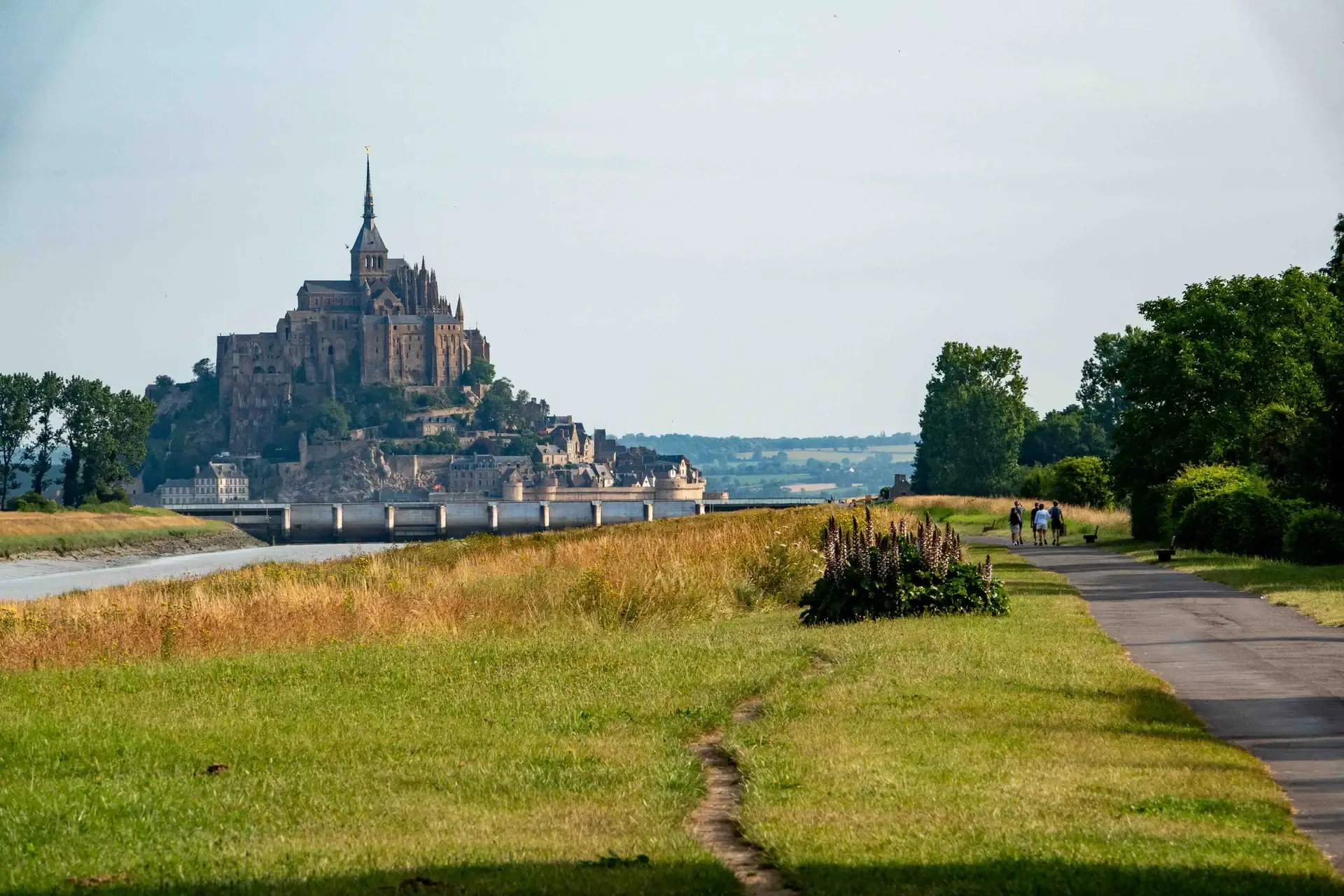
GR 22 to Mont-Saint-Michel – Miquelot's Walk
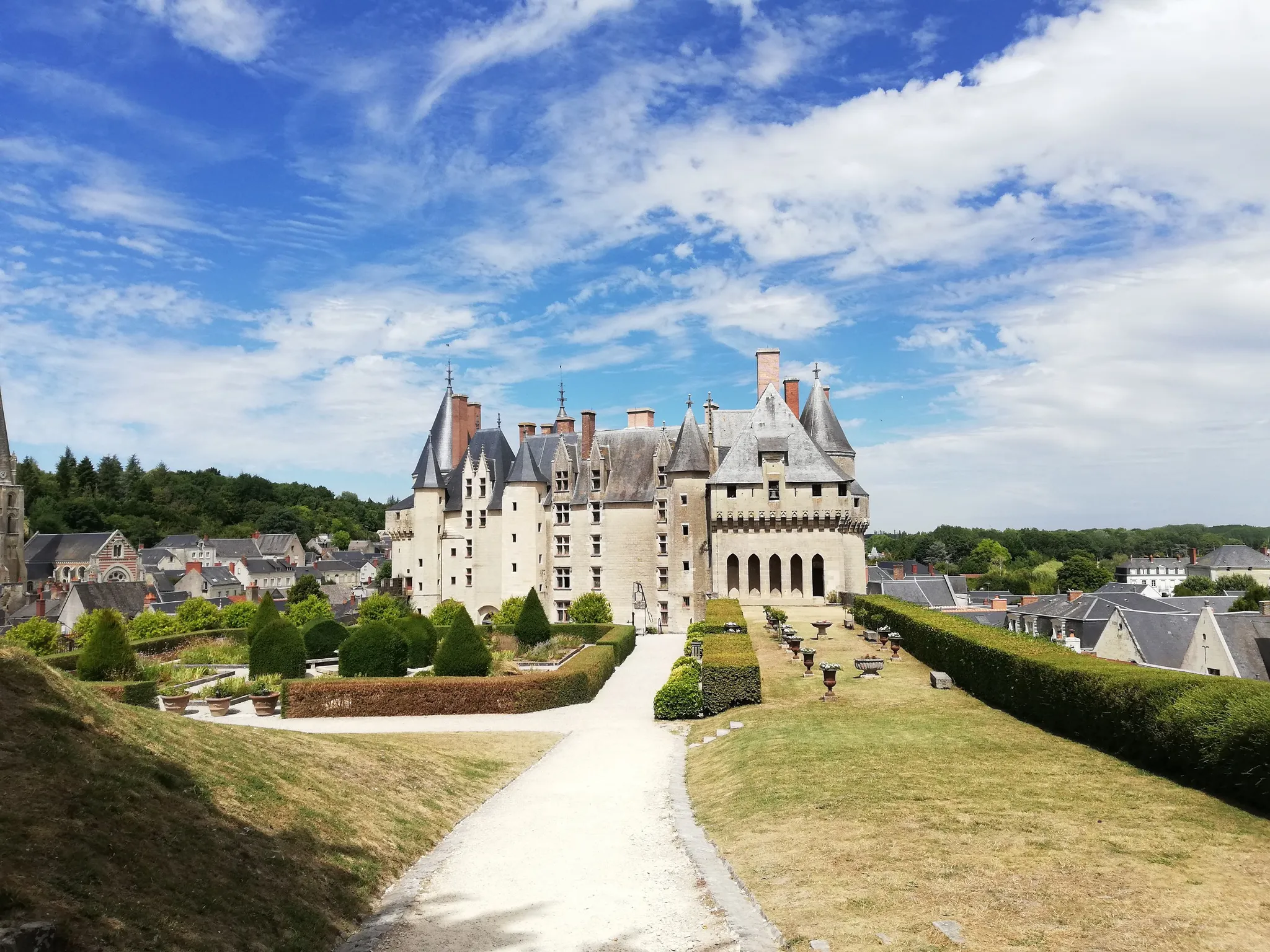
From one Châteaux to another – a long hike in the Loire Valley
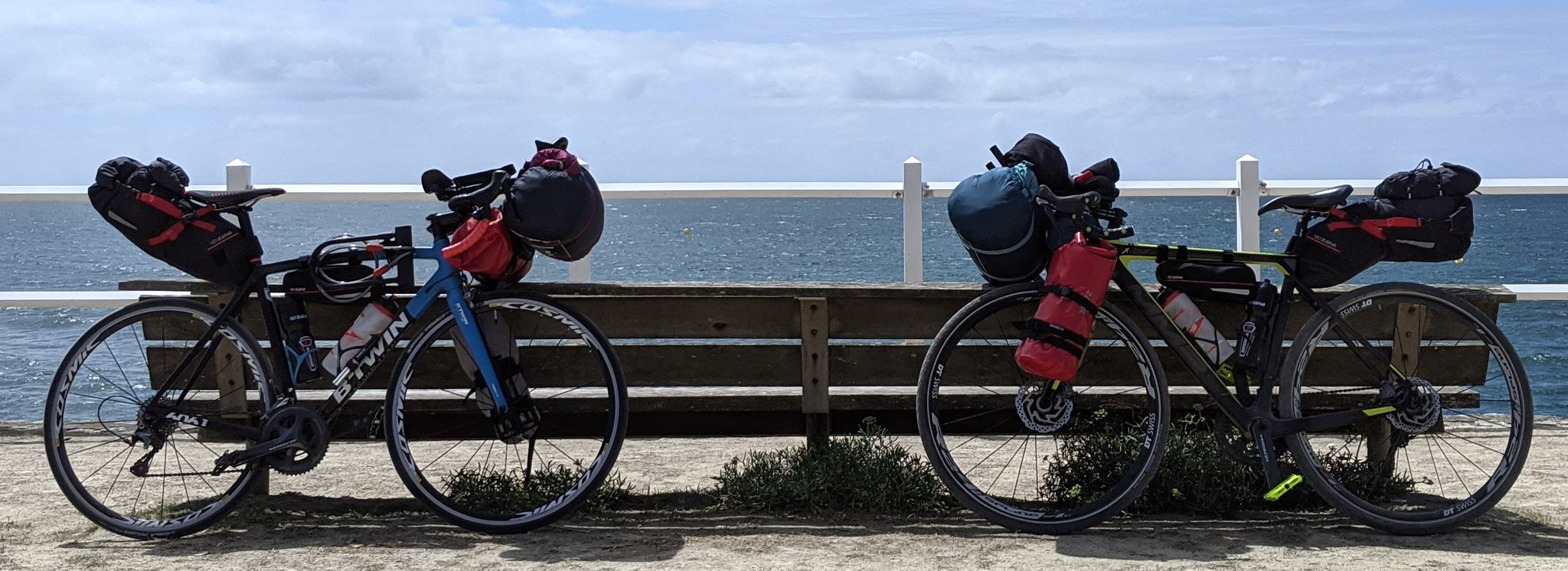
La Vélodyssée — From north to south via the ocean
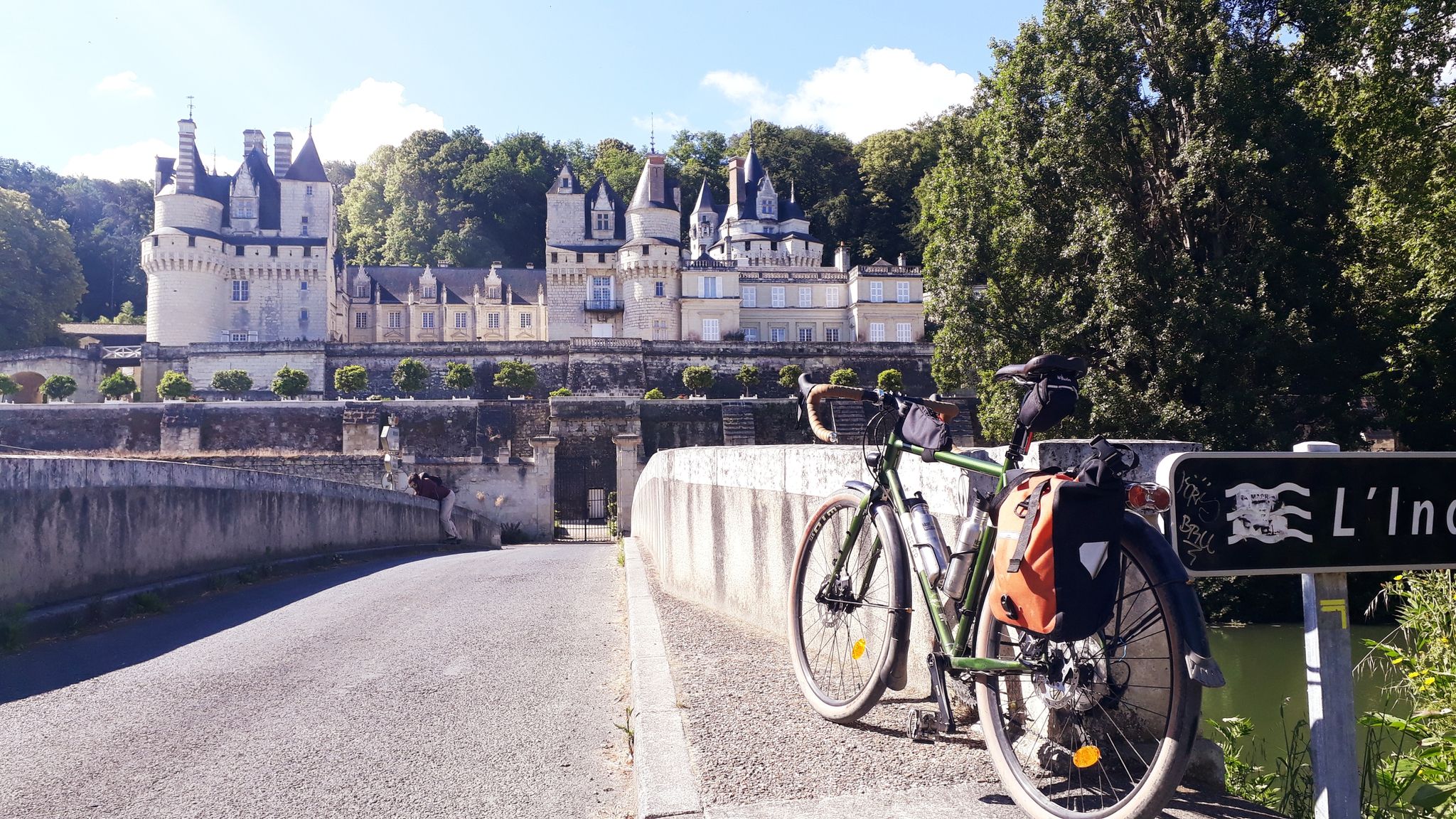
La Loire à vélo – Between nature and castles
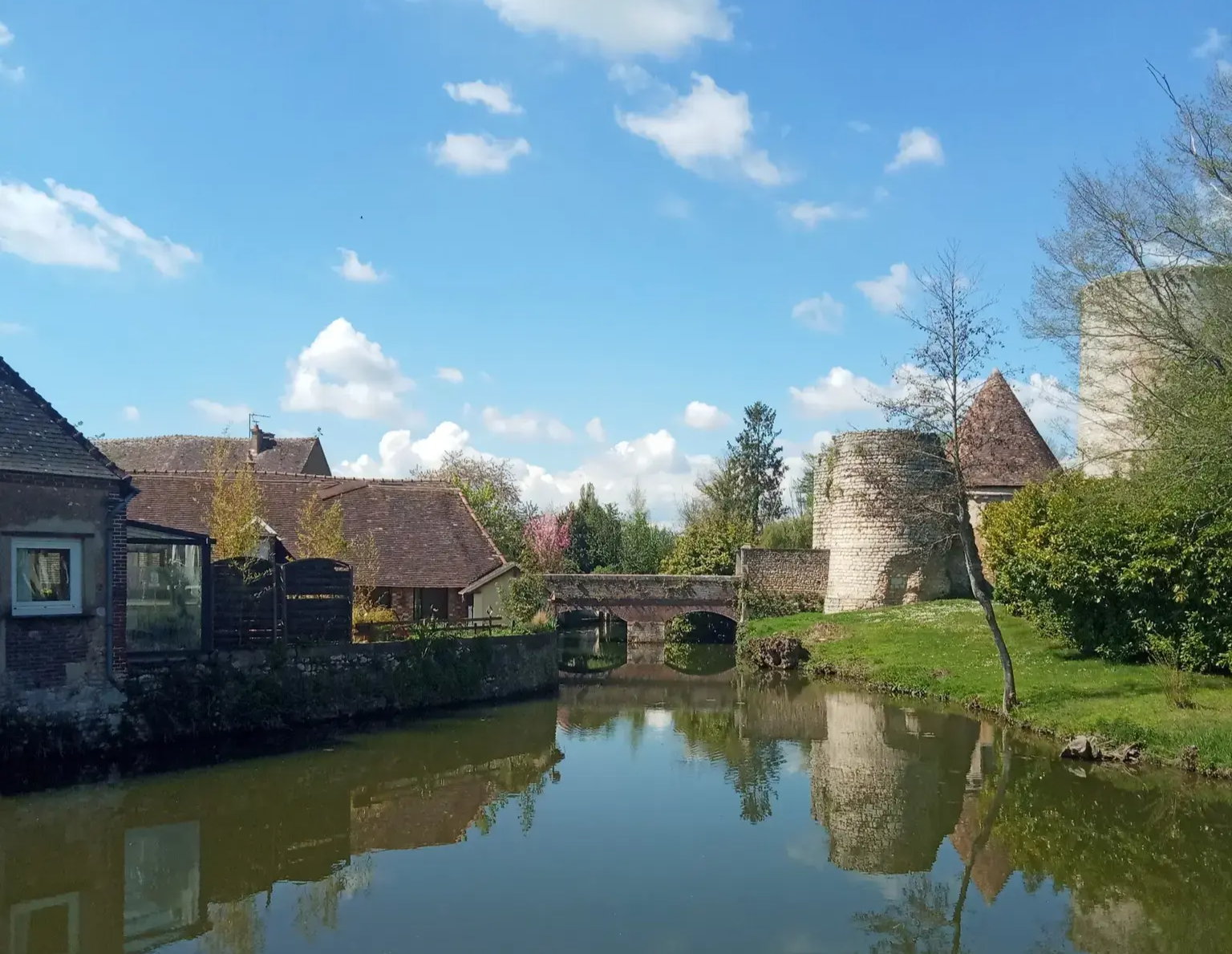
GR 35 — Walk from the Loir to the Loire
History and gastronomy - La Régalante
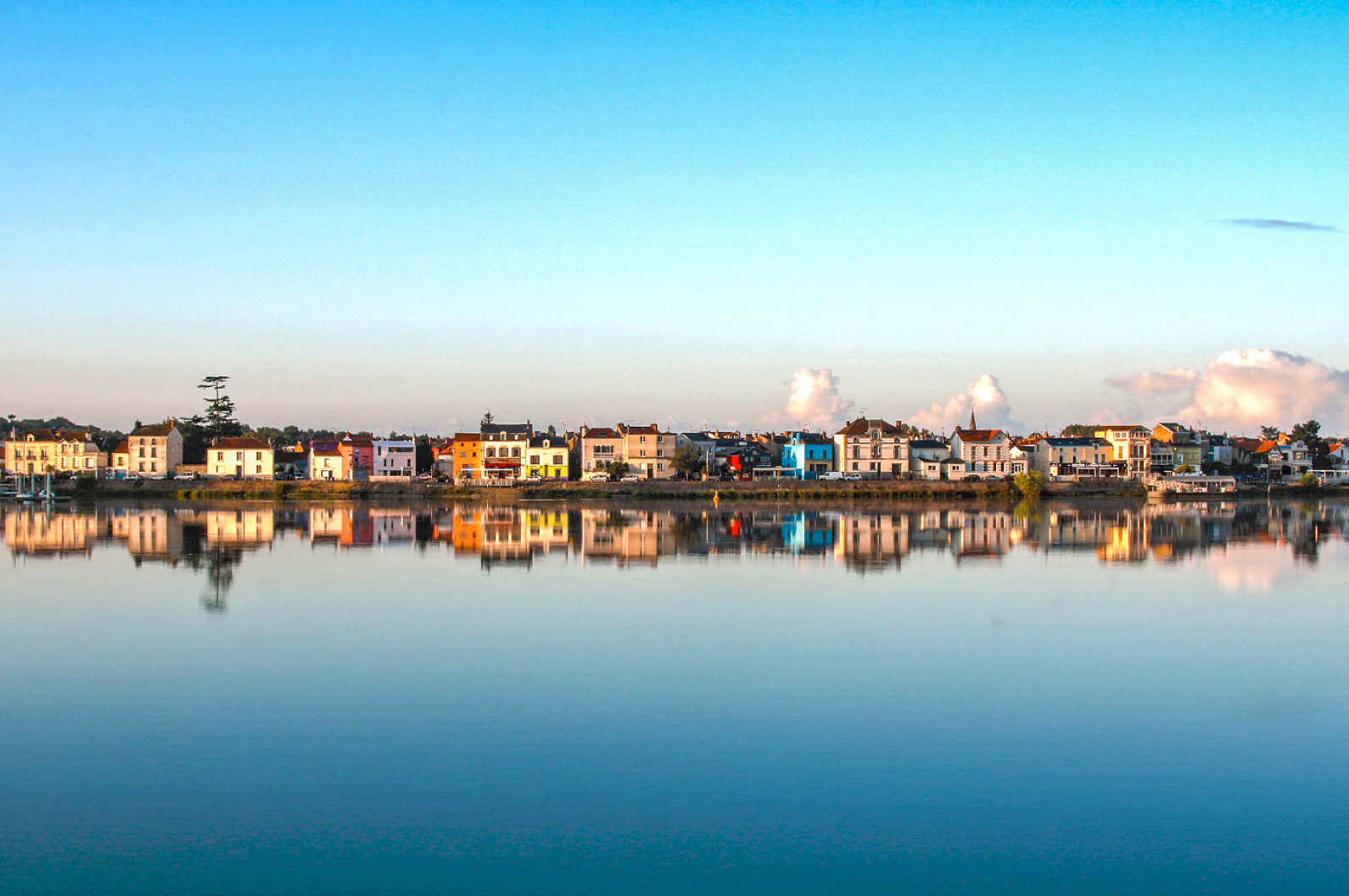
La Vélidéale - From the Limousin to the Atlantic
Other adventures in Pays de la Loire


Tips from the Community


The coulees are steep, deep and narrow notches, dug down to the Loire by runoff. The original stream may have disappeared. In Anjou, this term designates a slope covered with vines (the coulee de Serrant in Savennières).
0
0
Small valley formed by a tributary of the Evre and comprising several fresh woodlands, lawns with siliceous vegetation, as well as wet bocage meadows at the bottom of the valley. You can observe interesting flora: - Discover or rediscover the Fritillary Guinea Fowl: This emblematic plant of our region, called "Gogane" is magnificent but fragile, if you pick it, you weaken its bulb and prevent it from reproducing. (Mid-March to mid-April) - Observe Pentecost or its real name the male Orchis, the dried tubers are used to make salep (traditional hot drink from Turkey). This plant from the orchid family flowers particularly on the side of the road. (March to June) - White asphodel flowers from May to September. In the past, during periods of scarcity, people readily ate it to make up for the lack of more substantial food, although it was difficult to digest. Coated with oil, it was used as a torch, because it is resistant to fires. It is said that “La Treizenne”, a stream which runs through Le Fuilet and Saint Rémy-en-Mauges, bears this name because it powered 13 water mills. There is no longer any trace of all these mills but there was certain activity. The owners of these mills also had windmills to continue the activity in the summer, a period when water ran out. Sources: village-potier-du-fuilet.over-blog.com and SMIBE
0
0

Really a must, to do if you are in the region
0
0

If you are looking for a hike combining nature, history and art, you can visit the Caves of Saulges and the prehistory museum. This site offers a unique opportunity to explore the caves and shelters that were occupied by humans around 25,000 years ago, during the Paleolithic period. Some caves are decorated with rock art, such as paintings, carvings and graffiti. You can also visit the Prehistory Museum, which features archaeological collections and interactive exhibits related to prehistoric life in Mayenne. The site is located in the Erve valley, which is a protected natural area with rich biodiversity. The hiking trails allow you to admire the landscapes of the valley and the limestone cliffs. The site is open from April to November. You can check opening hours and prices on the website. Don't forget to bring comfortable shoes, a flashlight and a camera to immortalize your experience.
2
0


Small Hollow Valley, steeped in nice relief. You have to cross 3 turnstiles to cross it. It is reached by mountain bike from one side by a small steep and narrow path covered with vegetation or from the other side, by a small hollow and rocky path very steep. Once at the bottom, cross on foot between the 2 turnstiles to enjoy the scenery and enjoy this little haven of peace.
2
0

Open Monday to Sunday from 10 a.m. to 6 p.m.
0
0
Frequently Asked Questions
What are some of the most unique gorge-like formations to explore in Pays de la Loire?
Pays de la Loire offers several distinctive natural formations. You can visit Puits d'Enfer, a coastal gorge where the sea dramatically rushes into the rock at high tide. Inland, explore Le Petit Douet - MTB, a small hollow valley with notable relief, or the Coulée de Launay, characterized by steep, narrow notches carved by runoff towards the Loire, often associated with vine-covered slopes.
Are there any historical or cultural sites near the gorges in Pays de la Loire?
Yes, the Saulges Caves and Prehistory Museum offer a unique blend of nature, history, and art. This site allows you to explore caves and shelters occupied by humans around 25,000 years ago, some featuring rock art. The Prehistory Museum showcases archaeological collections related to prehistoric life in Mayenne, all set within the protected Erve valley.
What kind of geological features can I expect to see in Pays de la Loire's river valleys?
The region's river valleys, particularly along the Loire, showcase varied geological features. You'll find dramatic river meanders, deep notches formed by runoff, and tufa hillsides rising 40 to 50 meters high between Montsoreau and Saumur. The Sarthe River, for instance, has carved majestic meanders into granite rock, creating gorges with vertical drops of nearly 70 meters in areas like Le Canyon des Toyères.
What outdoor activities can I do near the canyons and gorges in Pays de la Loire?
Beyond exploring the gorges themselves, the region offers diverse outdoor activities. You can find numerous routes for gravel biking, mountain biking, and cycling. The areas around the Sarthe River are also popular for fishing and kayaking.
What makes the Loire Valley within Pays de la Loire a significant natural area?
The Loire Valley, a UNESCO World Heritage site, is renowned for its exceptional cultural landscape and the Loire River itself, often called Europe's last untamed river. It features varied landscapes including cliffs, sand banks, and islands. The river and its many affluents have carved the surface of plateaus and broken through limestone bedrock, creating numerous scenic viewpoints and rich biodiversity. You can learn more about its significance on Wikipedia.
Are there any areas with unique flora and fauna near the gorges?
Yes, the Trézenne Valley, formed by a tributary of the Evre, is known for its interesting flora. Here you can observe the Fritillary Guinea Fowl (Gogane) from mid-March to mid-April, the male Orchis (Pentecost) from March to June, and White Asphodel from May to September. The valley also features fresh woodlands, lawns with siliceous vegetation, and wet bocage meadows.
What should I know about visiting Le Canyon des Toyères?
Le Canyon des Toyères, located in the Alpes Mancelles, is a picturesque area where the Sarthe River has carved majestic meanders into granite, creating gorges with a vertical drop of nearly 70 meters. It offers remarkable viewpoints and is popular with nature lovers, fishing enthusiasts, and kayakers. However, please note that access to the belvedere in Saint-Pierre-des-Nids is currently closed until further notice for necessary repairs.
What do visitors enjoy most about the gorge-like formations in Pays de la Loire?
Visitors particularly appreciate the natural beauty and unique characteristics of these sites. For instance, Puits d'Enfer is considered a 'must-see' for its dramatic tidal spectacle. The Le Petit Douet - MTB is cherished as a 'little haven of peace' for its scenery. The region's diverse natural environments, from coastal features to inland river landscapes, offer varied exploration opportunities.
Are there any specific tips for exploring Le Petit Douet - MTB?
When visiting Le Petit Douet - MTB, be aware that it's a small hollow valley with notable relief. You'll need to cross between three turnstiles to navigate it. The paths leading in can be steep, narrow, and covered with vegetation or rocky. Once at the bottom, it's recommended to cross on foot to fully enjoy the scenery and peaceful atmosphere.
What is the significance of the 'coulees' found in areas like Coulée de Launay?
In regions like Anjou, 'coulees' refer to steep, deep, and narrow notches carved by runoff towards the Loire River. The original stream that formed them may have disappeared. In the case of Coulée de Launay, these formations are often associated with slopes covered with vineyards, adding to the unique landscape of the area.
Can I find viewpoints or panoramas of the river valleys in Pays de la Loire?
Yes, the region offers several excellent viewpoints. Le Canyon des Toyères provides a remarkable panorama of the Sarthe River's meanders. Along the Loire Valley, you can find captivating riverside landscapes and panoramic views from locations such as Champtoceaux, Oudon Tower, and the Folies Siffait at Le Cellier.
What is the best time of year to visit the gorges and river valleys in Pays de la Loire?
The best time to visit largely depends on your interests. For enjoying the unique flora in areas like the Trézenne Valley, spring (March to June) is ideal for seeing plants like the Fritillary Guinea Fowl and Orchis in bloom. Coastal features like Puits d'Enfer are impressive year-round, but their appearance is significantly influenced by tidal conditions, so checking tide times is recommended.
Most popular routes in Pays de la Loire
Most popular attractions in Pays de la Loire

Get inspired with the komoot mobile app


Explore more
Already discovered everything in this region? See additional gorges in Pays de la Loire for your next adventure:
