Top 3 Castles in Thessaly - Central Greece
Best castles in Thessaly - Central Greece are found across a landscape rich in history, from towering rock formations to ancient plains. This region, encompassing Thessaly and Central Greece, features a diverse array of fortified sites, including ancient acropolises, Byzantine strongholds, and Venetian fortresses. Visitors can explore sites that blend natural beauty with profound historical significance, offering panoramic views and insights into centuries of civilization. The area provides a unique journey through Greece's past, set against varied geographical backdrops.
Best…
Last updated: May 17, 2026
Delphi Archaeological Site
Highlight • Historical Site
As you wander through this archaeological area, you'll discover the Oracle of Delphi, the Temple …
Tip by

Delphi Archaeological Museum
Highlight • Historical Site
Tip by
Sign up now to discover places like this
Get recommendations on the best single tracks, peaks, & plenty of other exciting outdoor places.
Sign up for free
Kastro Venetian Fortress
Highlight • Castle
Translated by Google •
Tip by

Castello Rosso (Kokkinokastro)
Highlight • Castle
Translated by Google •
Tip by

Byzantine Castle of Trikala
Highlight • Castle
Translated by Google •
Tip by

Start today with a free account
Your next adventure awaits.
Login or Signup
Popular around Thessaly - Central Greece
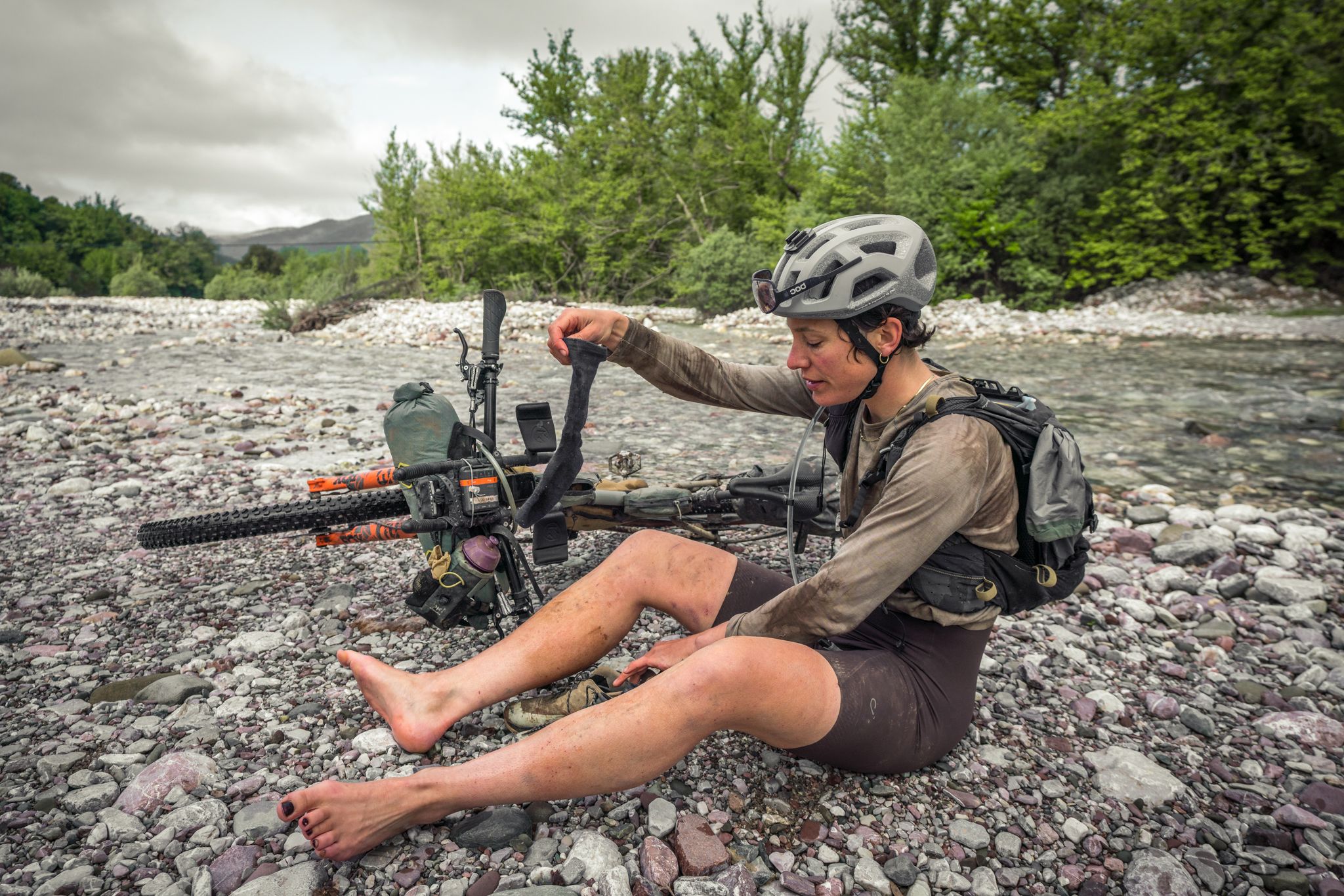
Hellenic Mountain Race — Bikepacking through the Greek mountains
Holy mountains and their stories
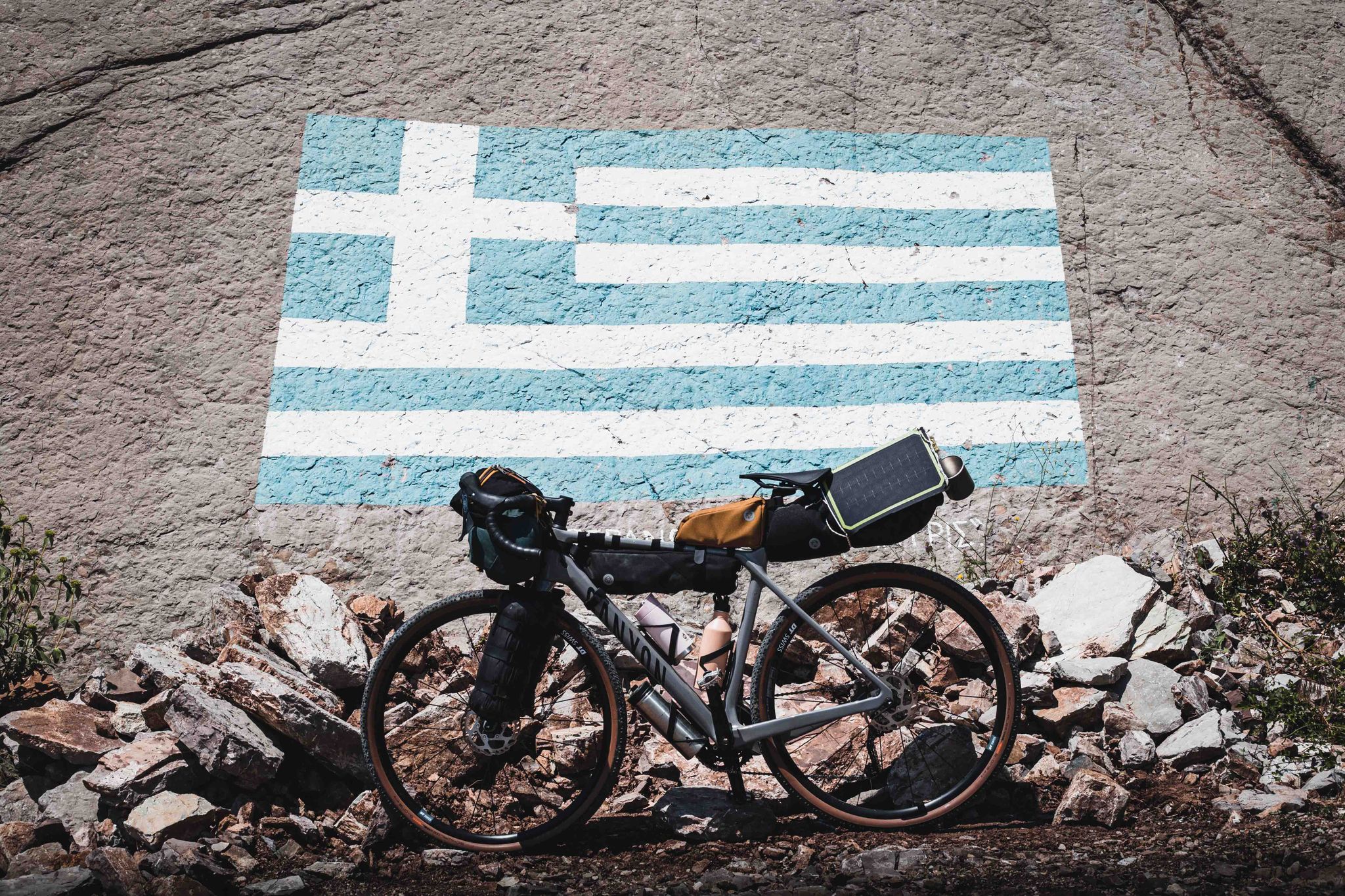
Bikepacking Griekenland: van berg tot zee
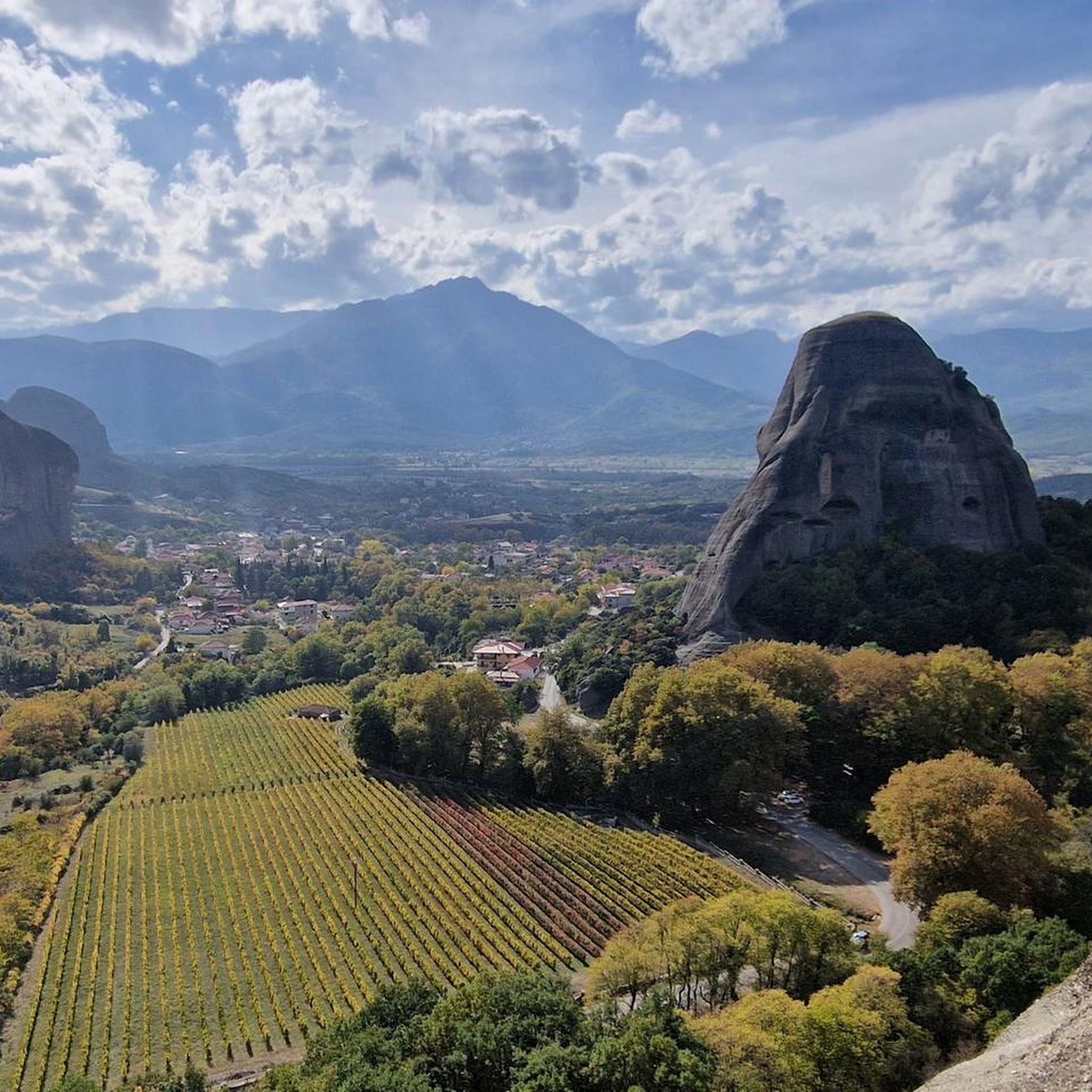
Hiking in Thessaly - Central Greece
Running Trails in Thessaly - Central Greece
Cycling in Thessaly - Central Greece
Road Cycling Routes in Thessaly - Central Greece
MTB Trails in Thessaly - Central Greece
Mountain Hikes in Thessaly - Central Greece


Tips from the Community

The museum is worth a visit.
0
0

This is the Kástro. Only a few remains of the walls of the 13th century Venetian fortress, located at the highest point of the city, remain.
1
0

A visit to the Byzantine castle is definitely worthwhile. The route there leads through the old town of Trikala and there is a forest area next to it with a small church and a great view of the mountains, the Meteora rocks and the city. Entry is free and there is a café in front of it where you can relax.
0
0

A visit to Delphi is worthwhile, especially on one of the guided tours with a guide.
0
0

The Delphi Museum, adjacent to the archaeological site, is a treasure trove of ancient artefacts such as sculptures and ceramics from the ancient city. You can see iconic items like the Charioteer of Delphi and the Sphinx of Naxos, each with its own story to tell. The museum delves into the history of Delphi, offering insight into the culture and artistry of ancient Greece. It's a must-visit for history buffs and art enthusiasts. There's a fee to enter. Your ticket will also give you access into the archeological site.
0
0
The Historical City of Delphi was considered the centre of the world in ancient Greece As you wander through this archaeological area, you'll discover the Oracle of Delphi, the Temple of Apollo, and ancient treasuries. Surrounded by olive groves and the Pleistos Valley, the views are wonderful too. This UNESCO World Heritage Site is an immersive journey into the ancient past of Greek civilisation. It's open during daylight hours and admission is paid.
0
0

Delphi on the 2,455 meter high Parnassus was one of the most important places in ancient times. Oracles were once used for prophecy, and several of them were scattered throughout Greece. However, most of them made a pilgrimage to Delphi and asked the oracle their questions about the future. “Oracle” means “prophecy” and this is exactly what happened in the Temple of Apollo in the ancient city of Delphi. Based on a myth, the Oracle of Delphi became a place to get political and philosophical advice, divination and economic advice.
1
1
Frequently Asked Questions
What are some of the most historically significant castles in Thessaly and Central Greece?
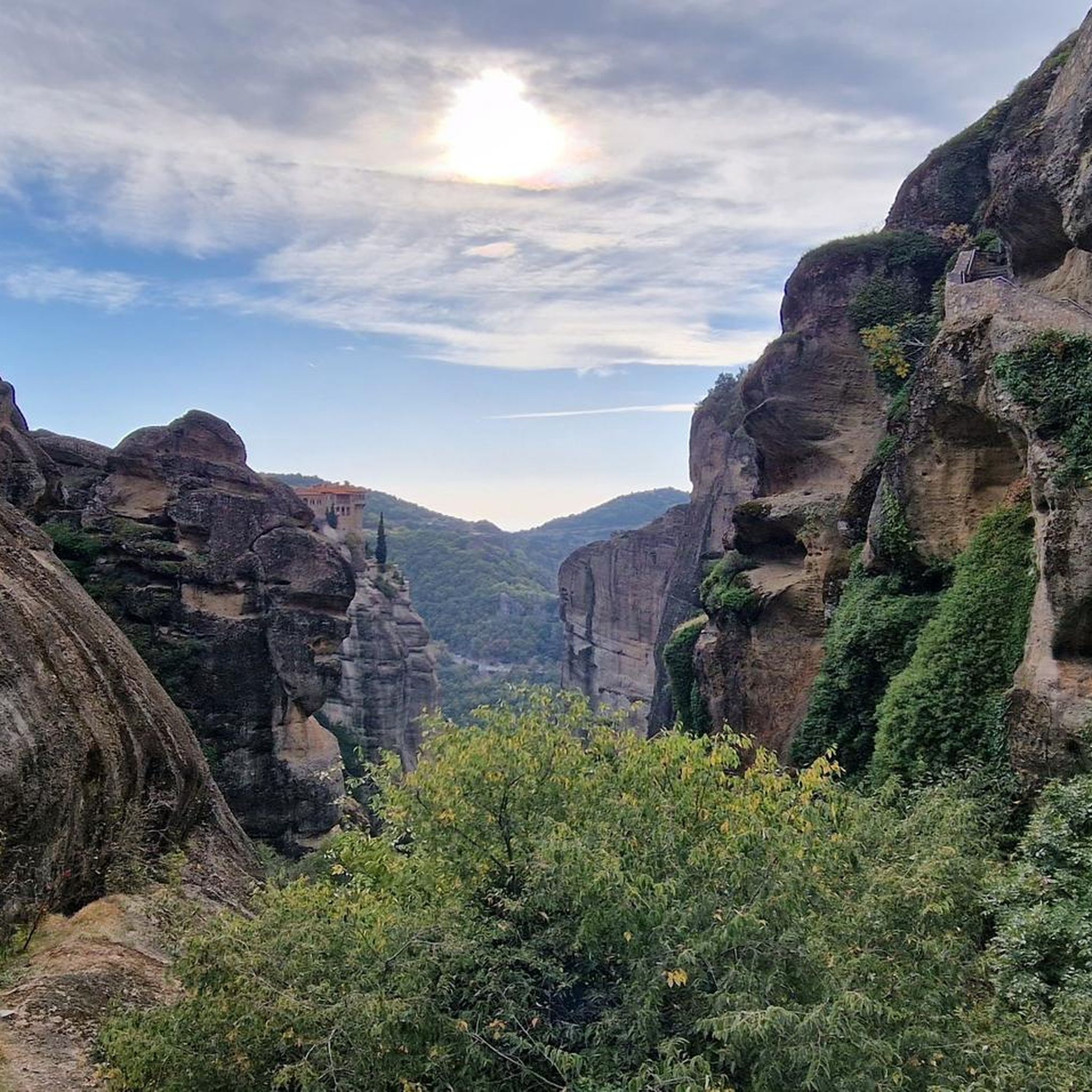
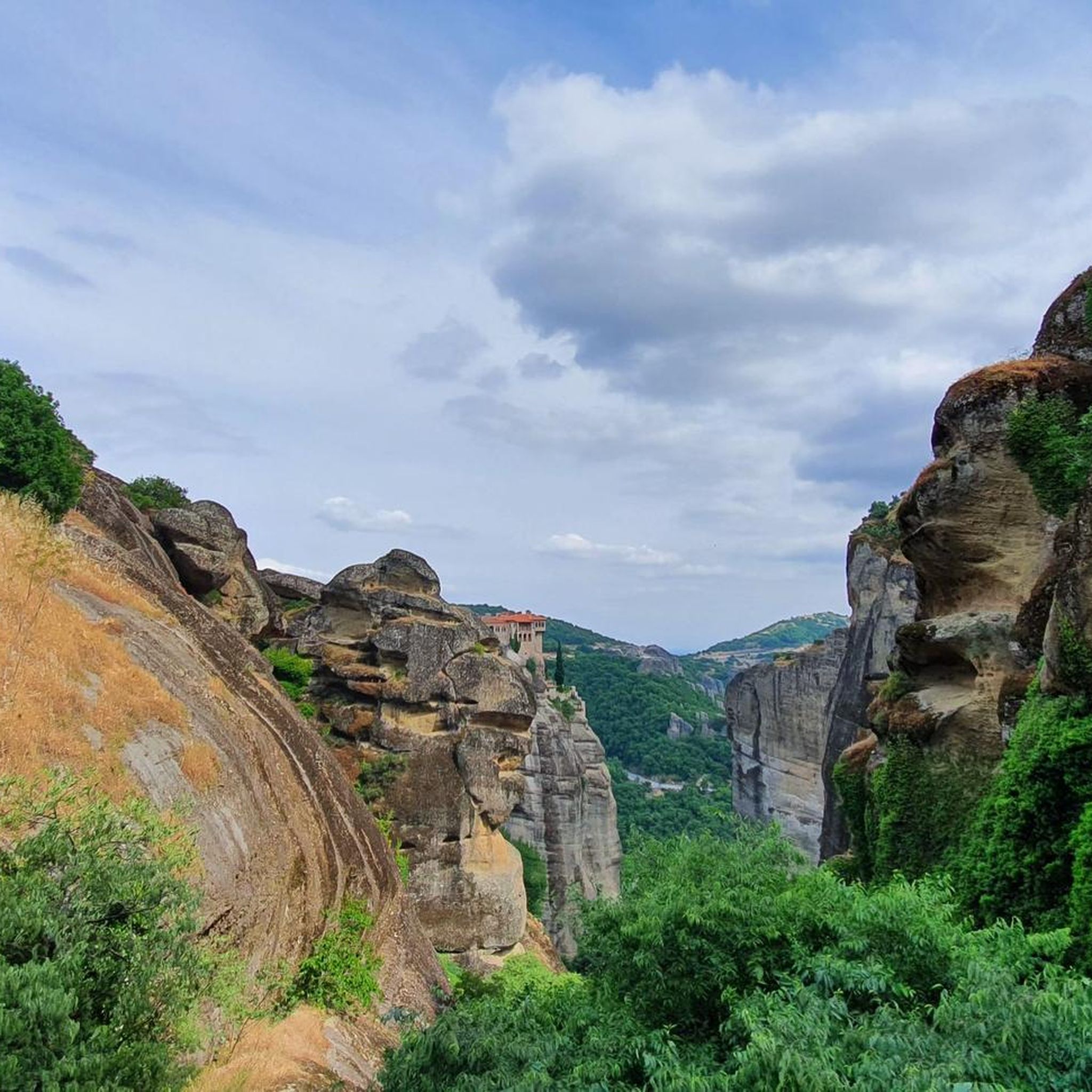
The region is rich in historical fortifications. The Delphi Archaeological Site, considered the center of the world in ancient Greece, features the Oracle of Delphi and the Temple of Apollo. The Byzantine Castle of Trikala, originally built by Emperor Justinian in the 6th century AD, offers a journey through various eras. The Acropolis of Ancient Farsalos, dating back to the late 6th – early 5th century BC, is identified as the mythical Phthia, birthplace of Achilles. While not conventional castles, the Meteora Monasteries are often called 'castles in the sky' due to their dramatic, ancient defensive positions.
Are there any family-friendly castles to visit in the region?
Yes, several sites are suitable for families. The Delphi Archaeological Museum, adjacent to the archaeological site, is a treasure trove of ancient artifacts that can engage curious minds. The Byzantine Castle of Trikala is also considered family-friendly, offering free entry and an open-air amphitheater that hosts cultural events during the summer. Its grounds are pleasant for exploration.
What kind of views can I expect from the castles in Thessaly and Central Greece?
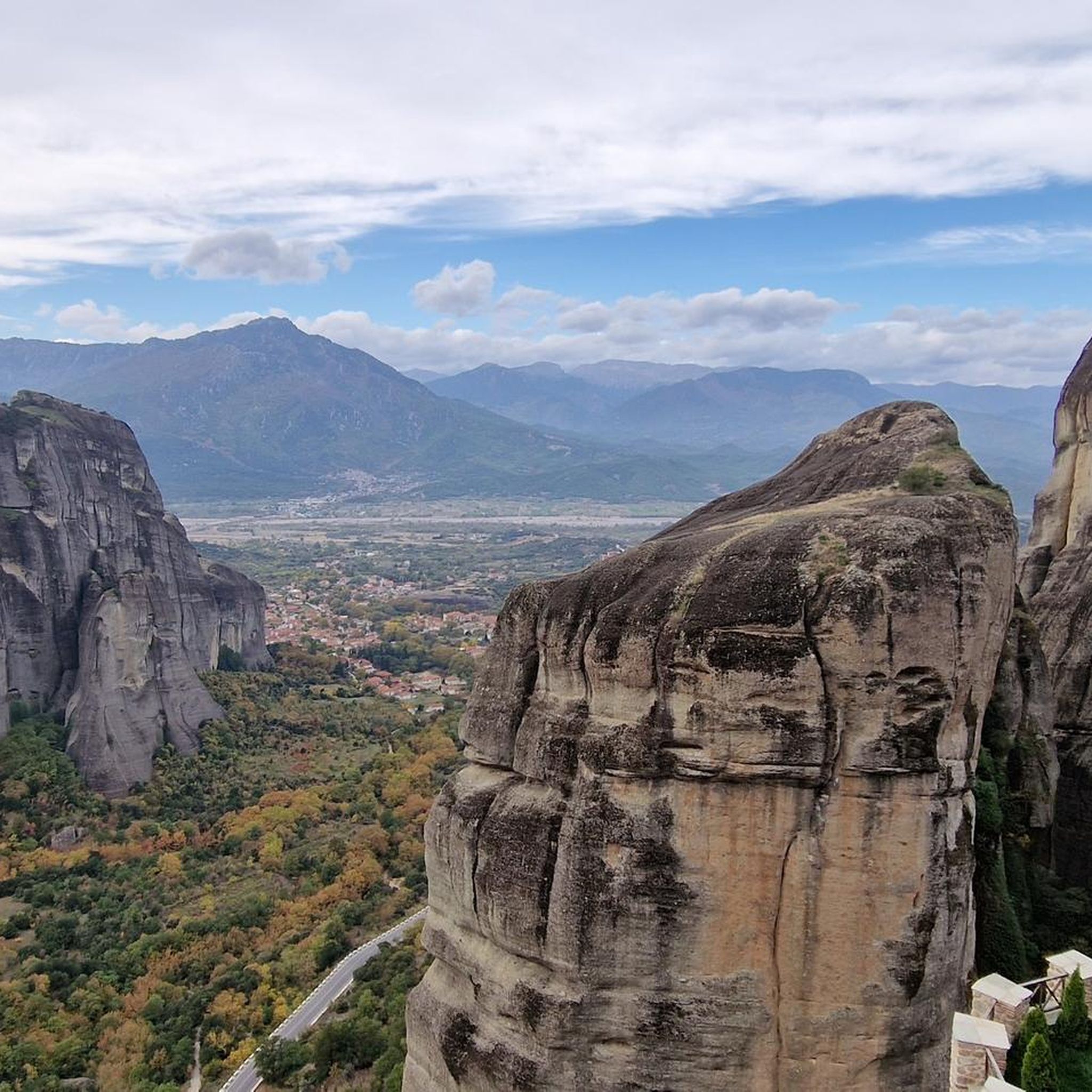
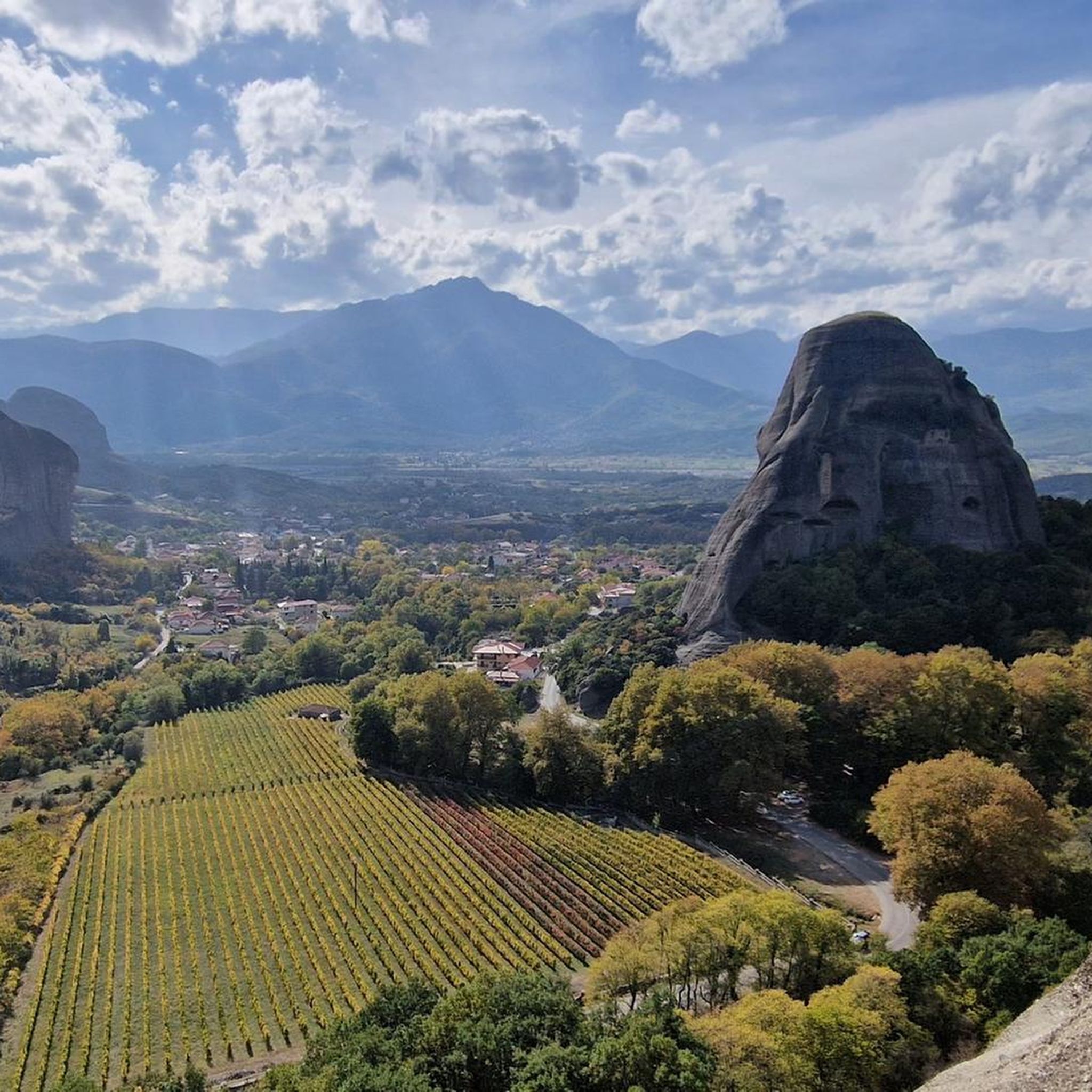
Many castles in the region offer spectacular panoramic views. From the Delphi Archaeological Site, you can enjoy wonderful views surrounded by olive groves and the Pleistos Valley. The Byzantine Castle of Trikala provides stunning vistas of Trikala city and the surrounding region, sometimes even glimpses of the Meteora rocks. The Acropolis of Ancient Farsalos offers panoramic views of the city and the plain stretching towards Mount Olympus and Mount Kissavos. The Kastro Venetian Fortress, located at the highest point of its city, also serves as a great viewpoint.
What is the best time to visit the castles in Thessaly and Central Greece?
The best time to visit is generally during the spring (April to June) and autumn (September to October) when the weather is mild and pleasant for exploring outdoor sites. Summers can be very hot, especially at exposed archaeological sites. Winter visits are possible, but some facilities or access might be limited, and the weather can be colder and wetter.
Are there any unique natural features associated with the castles in this region?
Absolutely. The Meteora Monasteries, often referred to as 'castles in the sky,' are a prime example. They are dramatically perched atop towering sandstone pillars, creating an otherworldly landscape that combines stunning natural beauty with profound cultural significance. The Delphi Archaeological Site is also surrounded by beautiful natural scenery, including olive groves and the Pleistos Valley.
What outdoor activities can I do near the castles in Thessaly and Central Greece?
The region offers various outdoor activities. Near the Meteora Monasteries, you can find numerous routes for mountain biking and road cycling, such as the 'Roussanou Monastery – View of Meteora Monasteries loop' or the 'Roussanou Monastery – Meteora Monasteries loop'. There are also running trails available throughout the wider Thessaly - Central Greece region. You can explore more options on the MTB Trails, Road Cycling Routes, and Running Trails guides for the region.
What should I wear when visiting castles in Central Greece, especially Meteora?
When visiting castles and historical sites, especially the Meteora Monasteries, it's advisable to wear comfortable walking shoes as many sites involve significant walking and stair climbing. For Meteora, modest dress is required for entry into the monasteries (shoulders and knees covered for both men and women). Layers are always a good idea, as weather can change, particularly in mountainous areas.
Are there any castles that are less well-known but still worth visiting?
Beyond the most popular sites, the region holds several hidden gems. The Acropolis of Ancient Farsalos offers impressive ancient and Byzantine walls and a deep historical context, including its identification as the mythical Phthia. The Castle of Kastri (Larissa), believed to be founded around 920 AD, provides insight into Byzantine defensive architecture and strategic views. Damasio Castle, though ruined, is one of the largest castles in mainland Greece, showcasing the scale of Byzantine fortifications.
What do visitors enjoy most about the castles in Thessaly - Central Greece?
Visitors particularly appreciate the blend of historical depth and stunning natural beauty. The opportunity to walk amidst remnants of various eras, from ancient Greek to Byzantine and Venetian, is a major draw. The panoramic views from many castle sites, often encompassing vast plains, mountains, and even the sea, are frequently highlighted. The unique experience of places like Meteora, where history, nature, and spirituality converge, is also highly valued.
Is there an entrance fee for all castles, and what are the general access conditions?
Entrance fees vary by site. For example, the Delphi Archaeological Site and Delphi Archaeological Museum typically have an admission fee, though students may enter for free. The Byzantine Castle of Trikala offers free entry. For the Meteora Monasteries, there is a small entrance fee for each monastery. Access to many sites involves walking and climbing stairs, so comfortable footwear is recommended. For specific details on Meteora, you can check visitor information.
Can I find cafes or restaurants near the castles?
Yes, you can often find amenities nearby. For instance, there is a cafe in front of the Byzantine Castle of Trikala where you can relax. In the Meteora area, particularly in the village of Kastraki and Kalabaka, there are various cafes and restaurants catering to visitors. Larger towns like Trikala and Larissa also offer a wide range of dining options.
Are there any castles that are particularly important for understanding Byzantine history in the region?
The region is rich in Byzantine history. The Byzantine Castle of Trikala, originally built by Emperor Justinian, is a significant example. The Meteora Monasteries, dating back to the 14th century, are active Byzantine monasteries housing priceless artifacts and frescoes. The Acropolis of Ancient Farsalos also saw a radical renovation by Emperor Justinian, with surviving sections of Byzantine walls. The Castle of Kastri (Larissa) and Damasio Castle are further examples of Byzantine fortifications from the 10th century, highlighting their strategic importance against invasions.
Most popular routes in Thessaly - Central Greece
Most popular attractions in Thessaly - Central Greece

Get inspired with the komoot mobile app


Didn’t find what you were looking for?
Explore Thessaly - Central Greece’s best castles region by region:
Explore more
Looking for the best castles somewhere else? Discover other guides in Thessaly - Central Greece:
