Top 5 Gorges in Subcarpathian Voivodeship
Best canyons in Subcarpathian Voivodeship are characterized by gorge-like river valleys and significant rock formations within its mountainous terrain in southeastern Poland. These natural features, carved by rivers, offer picturesque landscapes and geological interest. The region provides opportunities for exploring diverse natural attractions and unique geological features.
Best canyons in Subcarpathian Voivodeship
- The most popular canyons is Sine Wiry Nature Reserve – Wetlina River Viewpoint, a viewpoint that protects a dramatic gorge carved by the Wetlina River Valley. This…
Last updated: July 13, 2026
Osława Bend – Wysoczany–Mokre Route
Highlight • River
Translated by Google •
Tip by

Jasiołka Gorge Forests
Highlight • Forest
Translated by Google •
Tip by

Sign up now to discover places like this
Get recommendations on the best single tracks, peaks, & plenty of other exciting outdoor places.
Sign up for free
Olzy Cliff in Rudawka Rymanowska
Highlight • Natural Monument
Translated by Google •
Tip by

Sine Wiry Nature Reserve – Wetlina River Viewpoint
Highlight • Viewpoint
Translated by Google •
Tip by

Ciechania Valley
Highlight • Gorge
Translated by Google •
Tip by
Start today with a free account
Your next adventure awaits.
Login or Signup
Popular around Subcarpathian Voivodeship
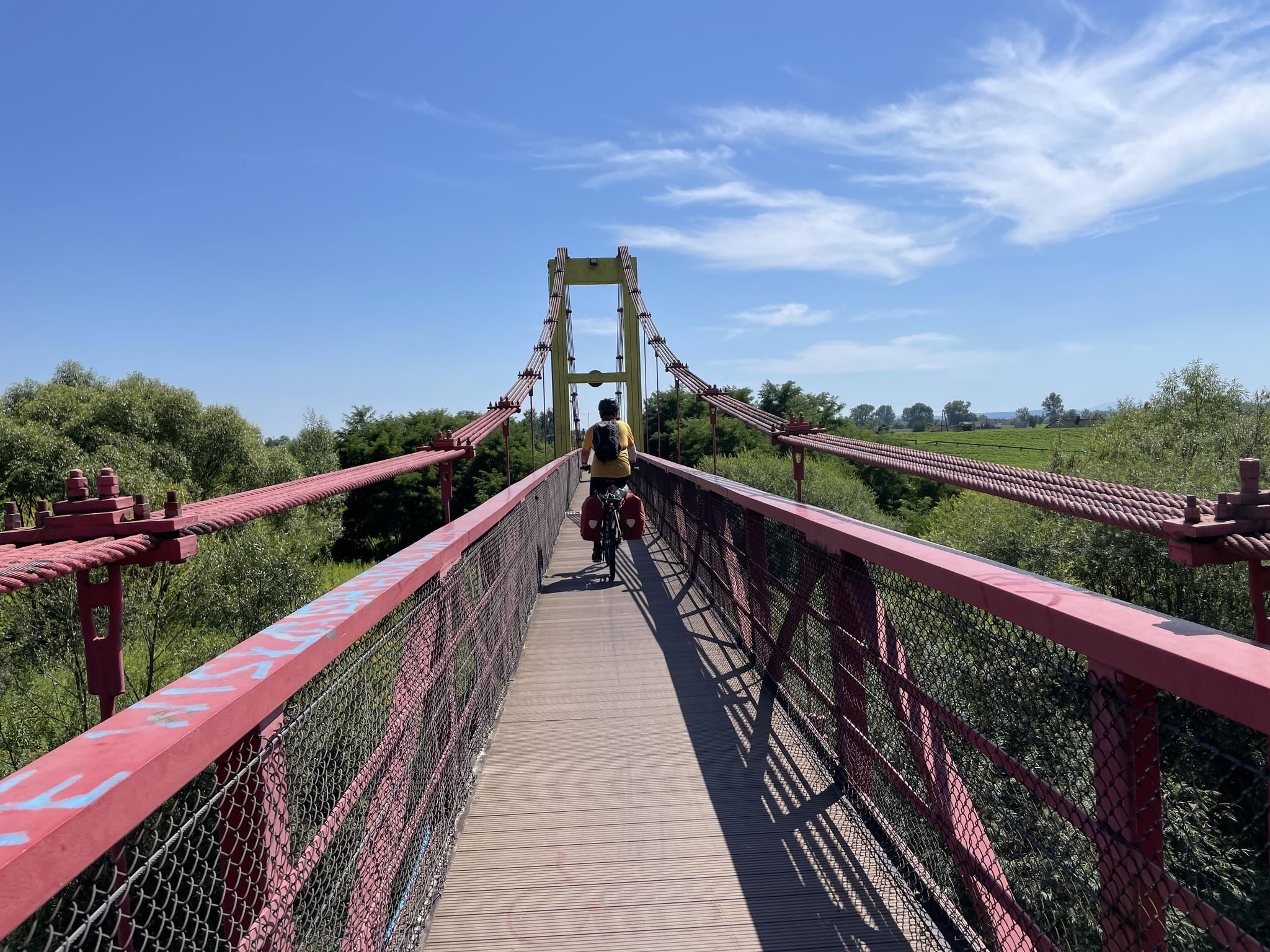
EuroVelo 4 (section in Poland) – Wonderful Vistula river vibes and historic Polish cities
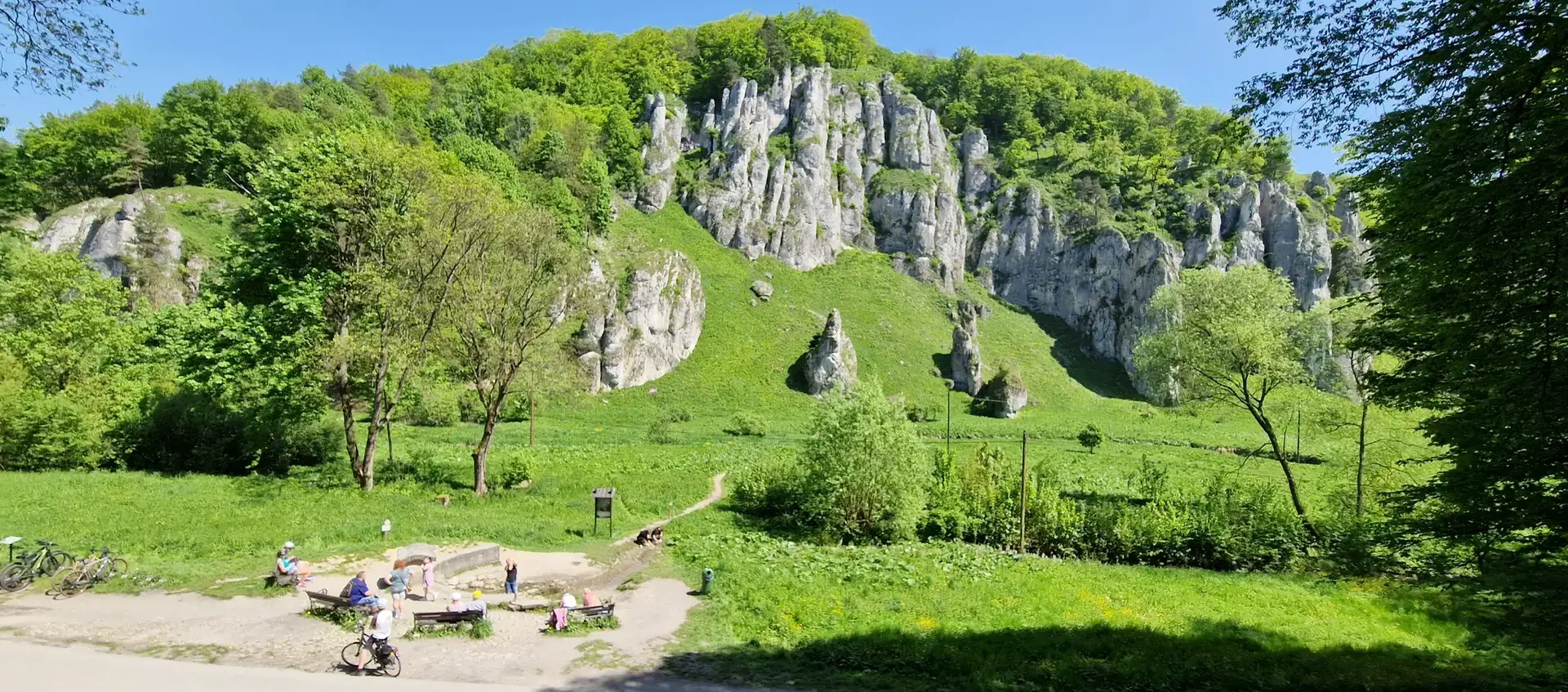
Bike Pilgrimage on the Royal Route – St. James' Way via Regia
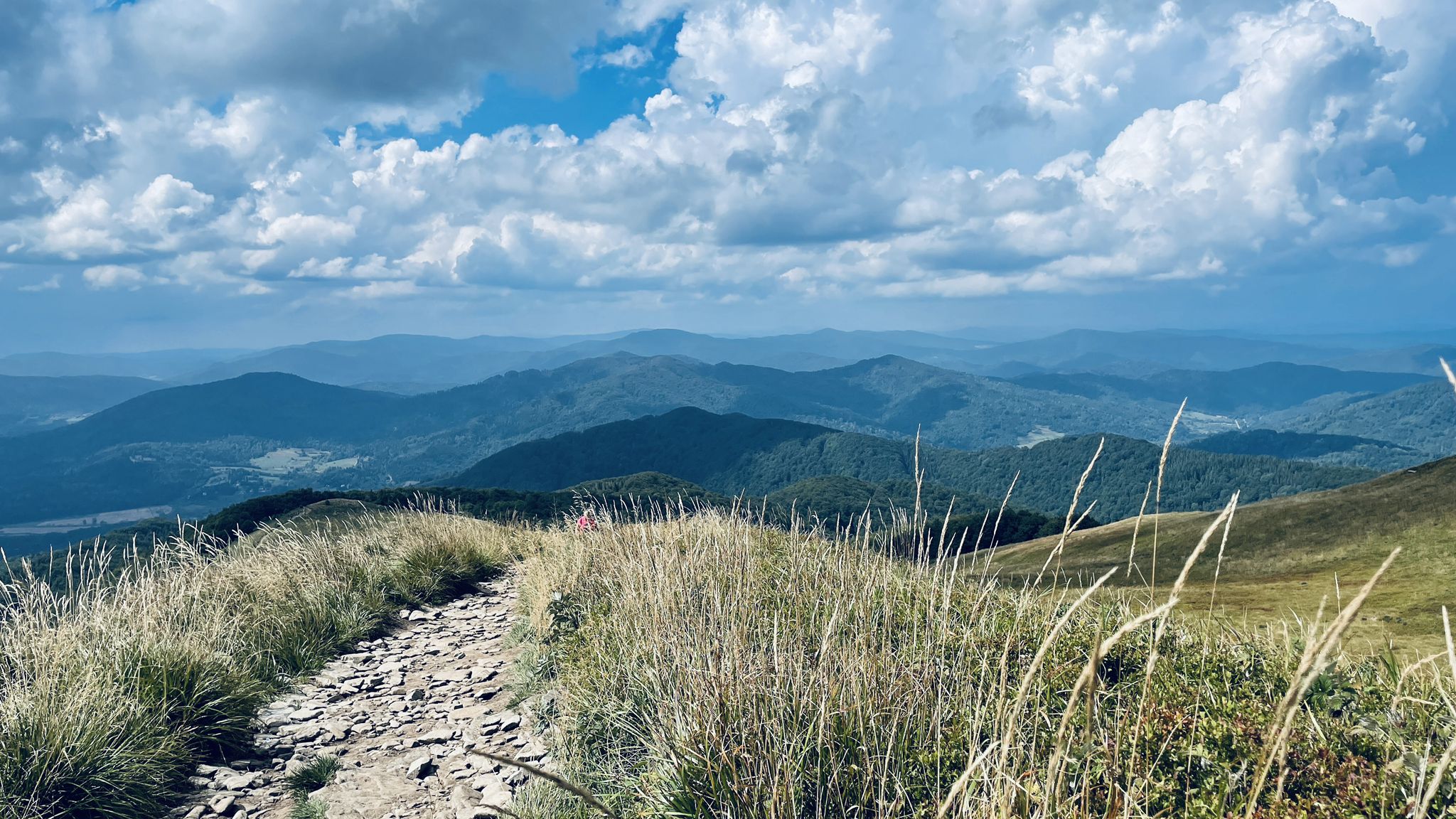
Main Beskids Trail — the longest Polish Mountain Trail
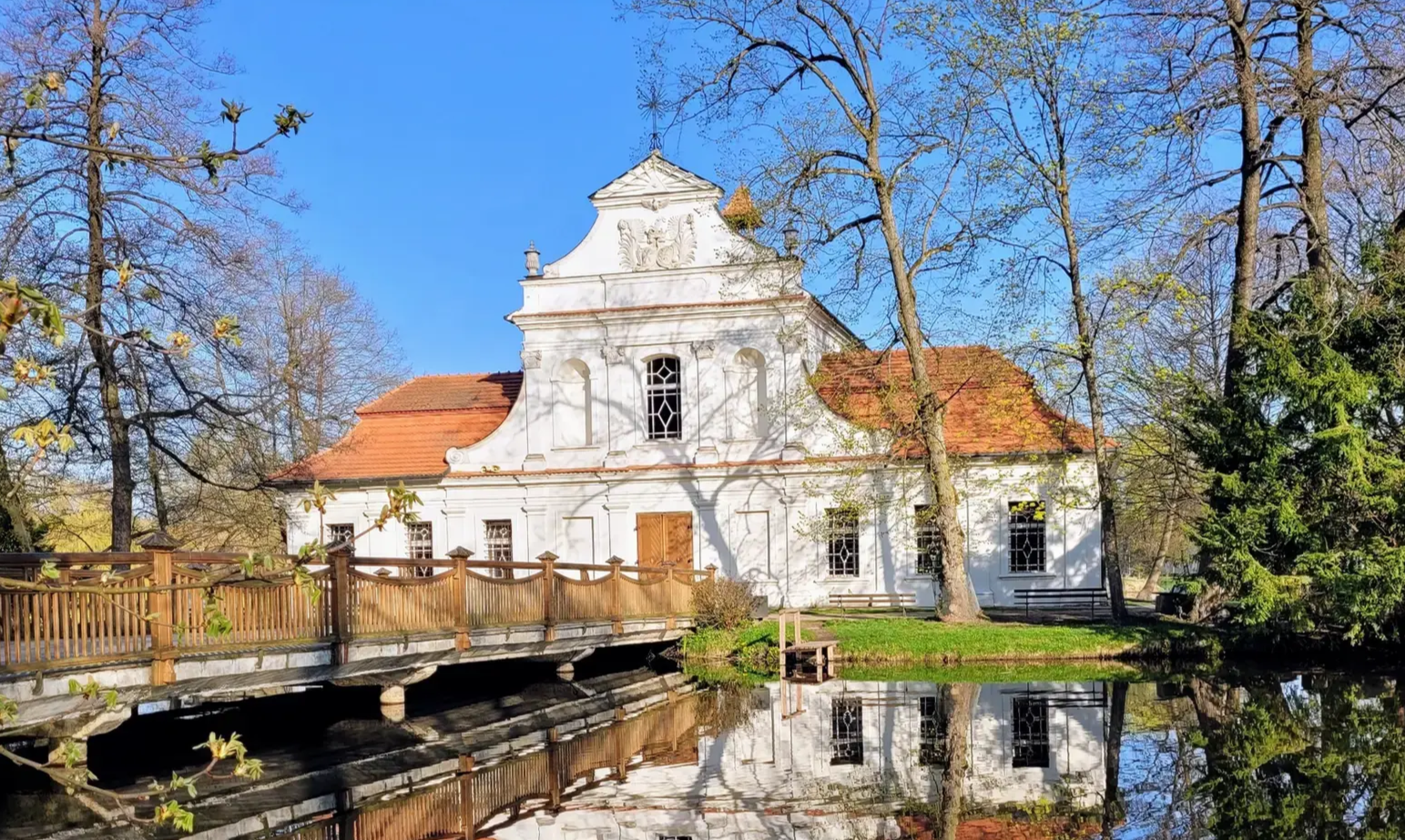
Central Roztocze Trail - beautiful forests and magnificent monuments
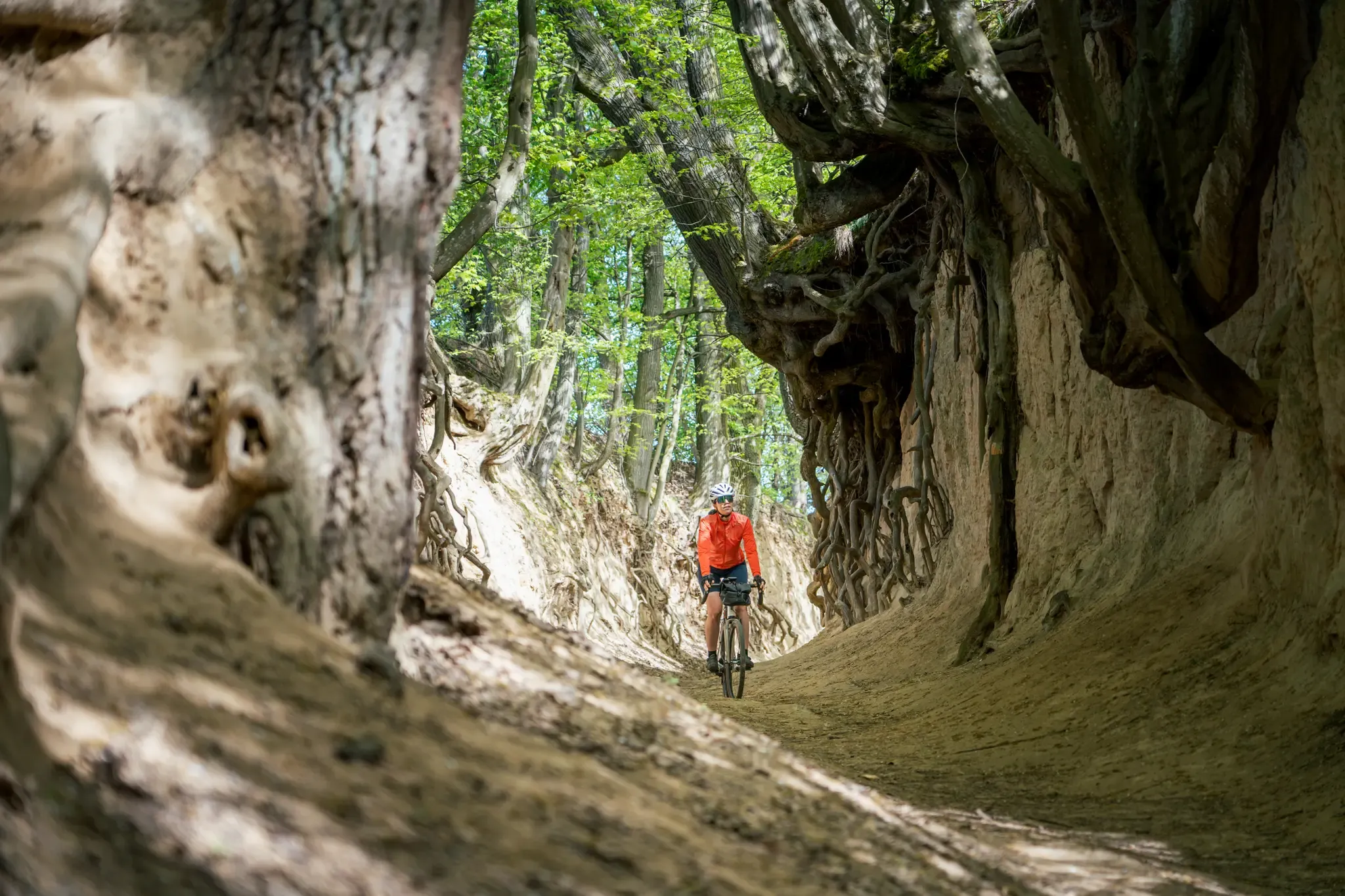
Ancient trees & historic cities – gravel biking in south-eastern Poland
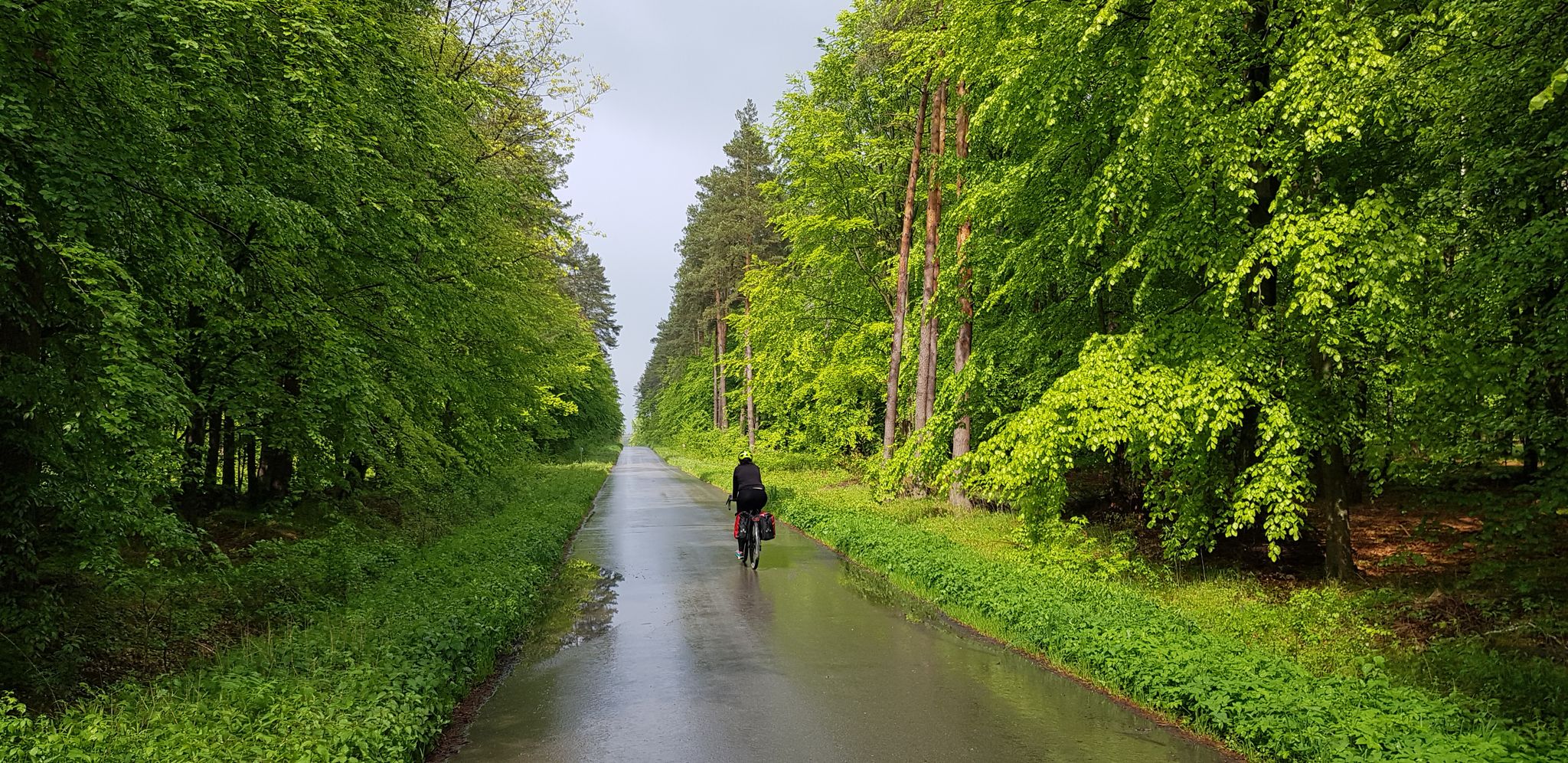
To the east, Eden – La Green Velo Szlak (part one)
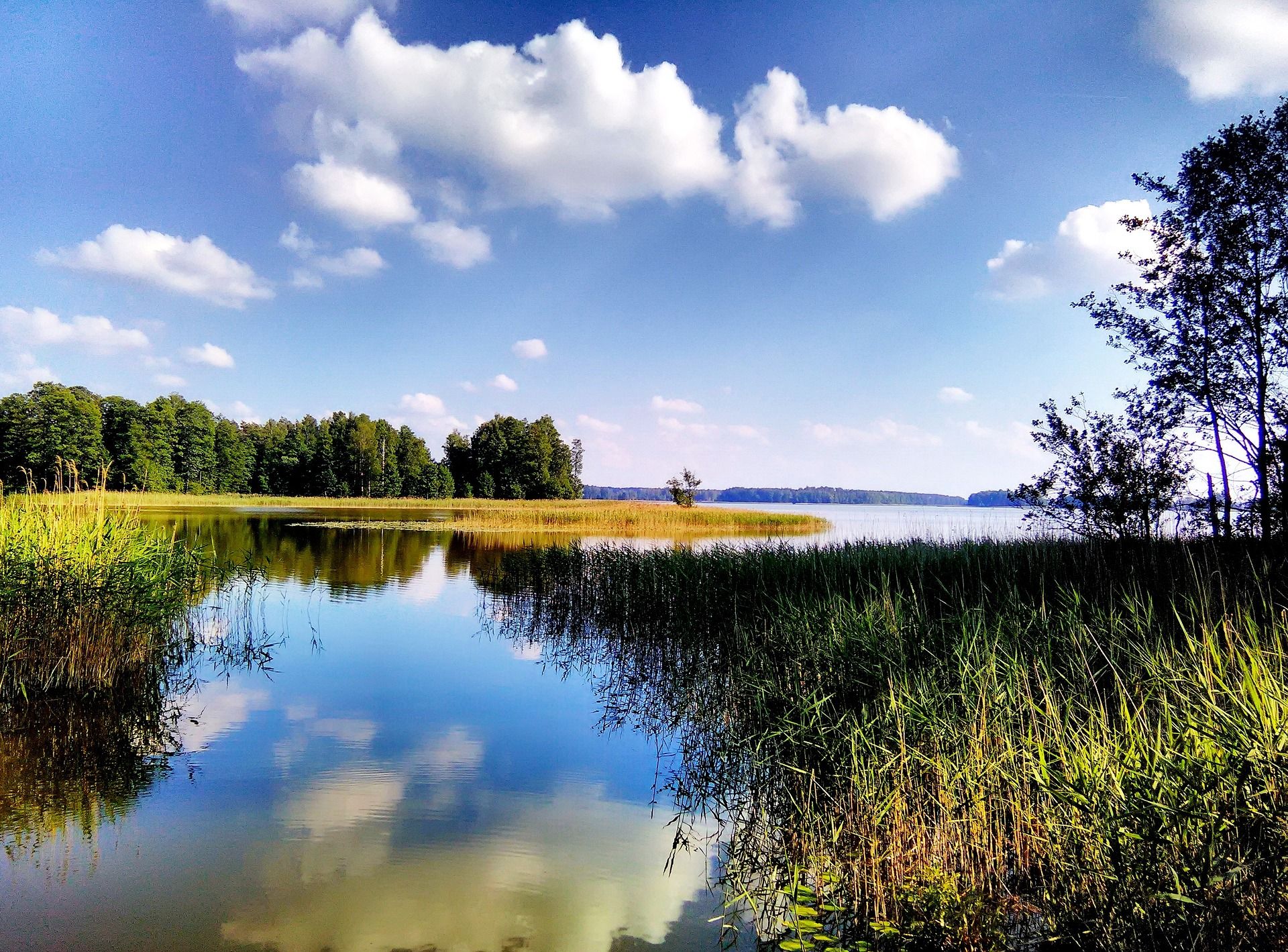
Where Poland's wild soul lives – explore five regions by bike
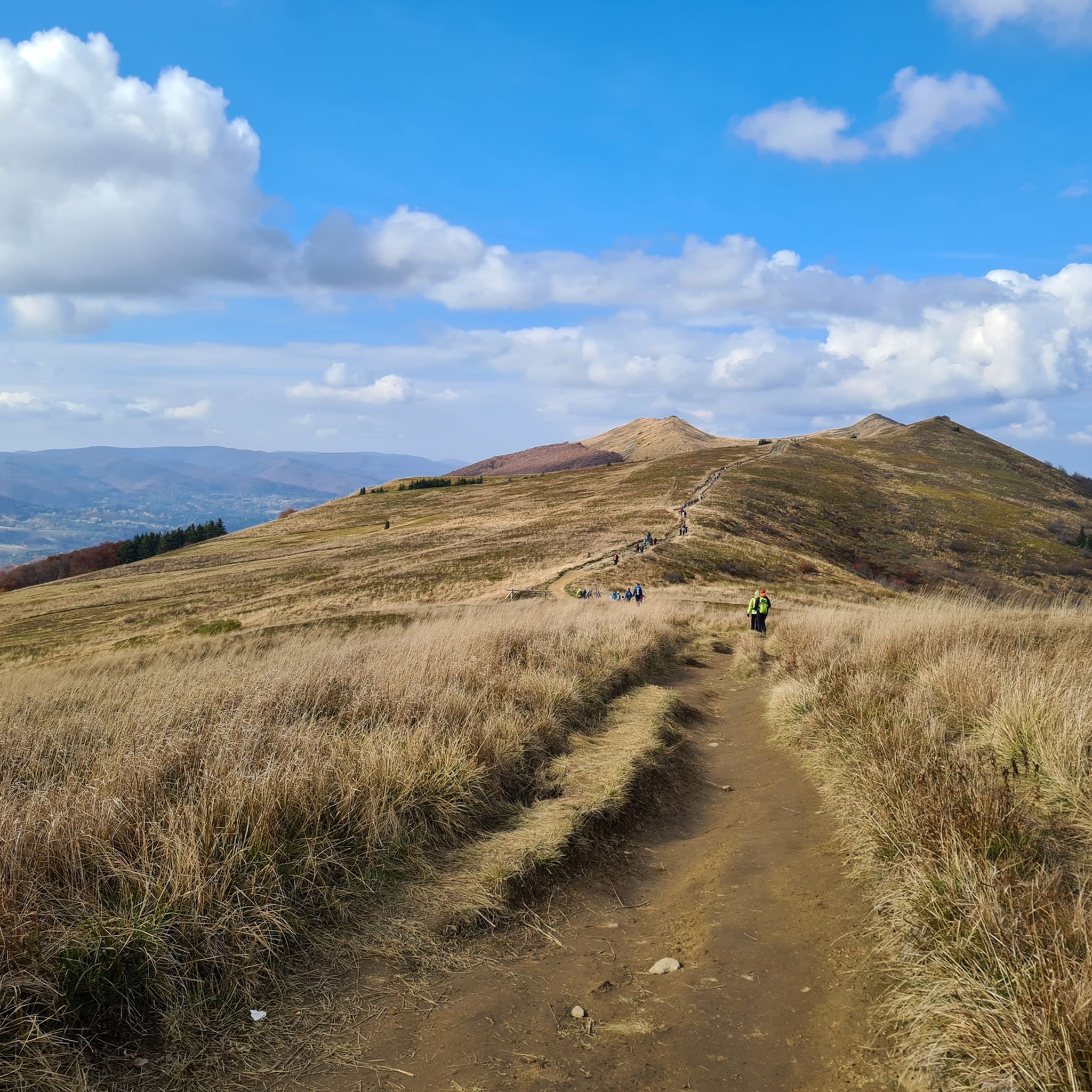
Hiking in Subcarpathian Voivodeship
Running Trails in Subcarpathian Voivodeship
Cycling in Subcarpathian Voivodeship
Other adventures in Subcarpathian Voivodeship


Tips from the Community

a picturesque route in the footsteps of the adventures of the good soldier Švejk
0
0

A very picturesque valley located in the Magura National Park. It was once occupied by the village of Ciechania, but after World War II it was abandoned by its inhabitants. Only a few relics remain of the village: a chapel, an Orthodox church and a cemetery. The valley is inaccessible to tourists, but the Magura National Park organizes weekend guided tours in the summer. Advance registration required. https://mpn.gov.pl/udostepnianie-doliny-ciechani
1
0
Sine Wiry is a landscape reserve located in the former villages of Łuh, Zawój and Polanki. It stretches along the Wetlina River, which breaks through numerous rock steps. At this point the river flows right next to the road. This is the easiest viewpoint to the Wetlina Gorge. Getting down to the water is also extremely easy here.
1
0

A beautiful forest near the "Przełom Jasiołki" reserve in the Jaślicki Landscape Park. The forest stands include riparian forest with gray alder, oak-hornbeam forest and Carpathian beech forest.
2
0

The reserve "Przełom Osławawy pod Mokrem" was established in 2000, on the area of 322.45 ha in two villages: Wysoczany in the Komańcza commune and Mokre in the Zagórz commune, in the Sanok poviat. Located on the border of the Low Beskids and the Bieszczady Mountains, it protects the watershed section of the Osława, which is surrounded by a 50-meter outlier in the vicinity of Duszatyn - the Łokienia hill. Squeezing between steep slopes, it falls with a noise from the rocky thresholds creating cascades and after 1.7 km it returns almost to the same place from which it came out. The gorge of Osława through a sandstone and slate plateau hill, created a picturesque bend here, limited by steep, forest-covered slopes. Together with an extensive river terrace and a bed full of rock thresholds, it is a unique and at the same time unique in terms of landscape corner of the Bukowskie Foothills. Source and more: https://www.zielonepodkarpacie.pl/rezerwaty-przyrody/przelom-oslawy-pod-mokrem/
0
0

Rudawka Rymanowska is famous for its health climate, the Wisłok gorge and the picturesque geological phenomenon on a national scale. The wall of the Olza River is an outcrop of the Carpathian flysch in the gorge section of the Wisłok River. It is the largest mine of menilite shale in the Polish Carpathians - a variety of opal, to which we owe our oil deposits. Its presence reminds that the area was flooded with the sea, known by geologists as the Tethys Ocean. Crumbling slate shows the ancient aquatic world of fossil fish. You can find traces of them in the form of rock prints and even skeletons. The variety of geological processes is reflected in a blaze of colors ranging from chocolate through red to yellow clearances - the effect of wind erosion. The wall is very spectacular and is a treat for enthusiasts of geotourism and others. The attractiveness of this place is also increased by the spa atmosphere. The aura of the cooler months is soothed by the warm and dry wind blowing from the mountains to the valleys. On the other hand, the air is naturally mineralized and moisturized by iodine and essential oils intensely secreted by rich vegetation. In winter, the so-called icefalls, the entire wall is decorated with countless icicles.
1
0
Frequently Asked Questions
What are some notable natural features to explore in the canyons of Subcarpathian Voivodeship?
The region is characterized by picturesque gorge-like river valleys and significant rock formations. You can experience the dramatic gorge carved by the Wetlina River at Sine Wiry Nature Reserve – Wetlina River Viewpoint, known for its cascades and unique rock thresholds. The Jasiołka Gorge Forests offer beautiful riparian and beech forests. Another highlight is Olzy Cliff in Rudawka Rymanowska, a geological phenomenon showcasing Carpathian flysch and menilite shale.
Are there family-friendly canyon areas in Subcarpathian Voivodeship?
Yes, the Sine Wiry Nature Reserve – Wetlina River Viewpoint is considered family-friendly. It offers an accessible viewpoint and easy access to the Wetlina River, making it suitable for visitors of all ages to enjoy the natural beauty.
What kind of geological formations can be found in the canyons of Subcarpathian Voivodeship?
The region features diverse geological formations, primarily composed of flysch rocks. At Olzy Cliff in Rudawka Rymanowska, you can observe a significant outcrop of Carpathian flysch and the largest mine of menilite shale in the Polish Carpathians. The Wisłoka River ravines within Magura National Park also showcase fancifully sculpted sandstones, such as those found in the Kornuty nature reserve, and prominent features like 'Devil's Rock'.
What outdoor activities can I do near the canyons in Subcarpathian Voivodeship?
Beyond exploring the gorges, the region offers various outdoor activities. You can find numerous hiking trails, including easy options like the Nature trail Folusz in Magurski National Park or the Pichurów Viewpoint Trail. For cycling enthusiasts, there are routes like the 'Forteczna trasa rowerowa' or the 'Narol Green Bicycle Route No. 1'. You can explore more options on the Easy hikes in Subcarpathian Voivodeship and Cycling in Subcarpathian Voivodeship guide pages.
Are there any historical sites or cultural remnants near the canyons?
Yes, the Ciechania Valley, located in Magura National Park, is a historical site. It was once home to the village of Ciechania, which was abandoned after World War II. Today, you can still find remnants such as a chapel, an Orthodox church, and a cemetery, offering a glimpse into the region's past. Access to the valley is generally restricted, but Magura National Park organizes guided tours in summer.
What is the best time of year to visit the canyons in Subcarpathian Voivodeship?
The best time to visit depends on your preferences. Spring and summer offer lush greenery and pleasant hiking conditions. However, the cooler months can also be appealing, especially at locations like Olzy Cliff in Rudawka Rymanowska, where the wall is adorned with countless icefalls in winter, creating a spectacular sight.
What kind of wildlife can I expect to see in the canyon areas?
The region, particularly within Magura National Park, is known for its rich biodiversity and diverse wildlife. While specific sightings are never guaranteed, the dense forests and natural habitats provide opportunities for observing various species. The Sine Wiry Landscape Reserve also boasts rich vegetation, supporting a healthy ecosystem.
Are there any challenging trails or gorges for experienced hikers?
Some areas offer more challenging terrain. For instance, the Ciechania Valley is categorized as challenging. The gorge of Osława, part of the Osława Bend – Wysoczany–Mokre Route, involves squeezing between steep slopes and navigating rocky thresholds, offering a more rugged experience for those seeking adventure.
Where can I find a picturesque river bend with steep, forest-covered slopes?
The Osława Bend – Wysoczany–Mokre Route features a unique and picturesque bend of the Osława River. Here, the river has carved a gorge through a sandstone and slate plateau hill, creating a dramatic landscape limited by steep, forest-covered slopes and an extensive river terrace with rock thresholds and cascades.
What makes the San River Valley significant in the Subcarpathian Voivodeship?
While not a canyon in the traditional sense, the San River is a major waterway in the Subcarpathian Voivodeship, forming part of Poland's border with Ukraine. Its valley offers beautiful landscapes and is an integral part of hiking routes like the Carpathian Trail, showcasing wild and untamed nature throughout the region. For more information, you can refer to the San River Wikipedia page.
What are the characteristics of the forests found in the gorges of Subcarpathian Voivodeship?
The forests in the gorge areas are diverse and rich. For example, the Jasiołka Gorge Forests, near the 'Przełom Jasiołki' reserve, include riparian forest with gray alder, oak-hornbeam forest, and Carpathian beech forest, contributing to the region's natural beauty and biodiversity.
Most popular routes in Subcarpathian Voivodeship
Most popular attractions in Subcarpathian Voivodeship

Get inspired with the komoot mobile app


Explore more
Already discovered everything in this region? See additional gorges in Subcarpathian Voivodeship for your next adventure:
