Top 2 Caves in Kreis Segeberg
Best caves in Kreis Segeberg are primarily centered around the unique Segeberger Kalkberghöhle, a significant gypsum cave in Schleswig-Holstein. This geological formation is Germany's second-longest gypsum cave, estimated to be around 20,000 years old. The region is notable for its crucial role as a bat sanctuary, hosting over 30,000 bats of various species during winter. Additionally, the cave is home to the endemic Segeberger Höhlenkäfer, a unique cave beetle found nowhere else.
Best caves in Kreis Segeberg
- The most popular…
Last updated: May 17, 2026
Kalkberg, Bad Segeberg
Highlight • Natural Monument
The view in good weather is fantastic.
And it is the only rock mountain in the big circle! The next one should be in the Harz …
Translated by Google •
Tip by

Noctalis Bat Centre Bad Segeberg
Highlight • Structure
Translated by Google •
Tip by

Sign up now to discover places like this
Get recommendations on the best single tracks, peaks, & plenty of other exciting outdoor places.
Sign up for free
Bad Segeberg: City of Karl May and Bats
Highlight • Settlement
Translated by Google •
Tip by

Kalkberg and Noctalis Bat Centre
Highlight (Segment) • Natural Monument
Around 800 bats use the Kalkberg cave as summer quarters.
Translated by Google •
Tip by

Bat Cave
Highlight • Cave
The best time is in April, as some bats are still flying …
Showing Translation
Tip by

Start today with a free account
Your next adventure awaits.
Login or Signup
Popular around Kreis Segeberg
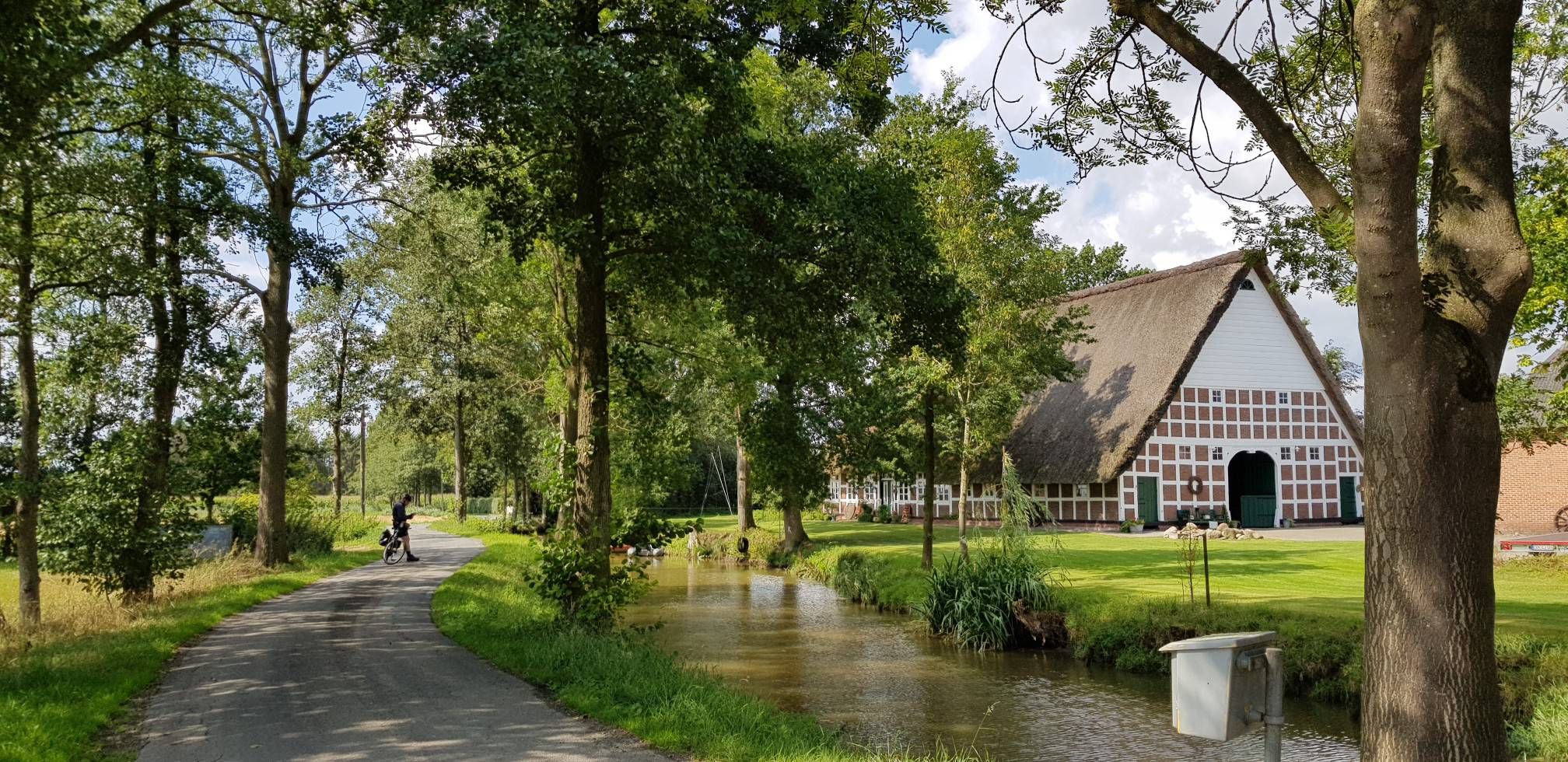
The Monks' Trail – From Bremen to the Baltic Sea
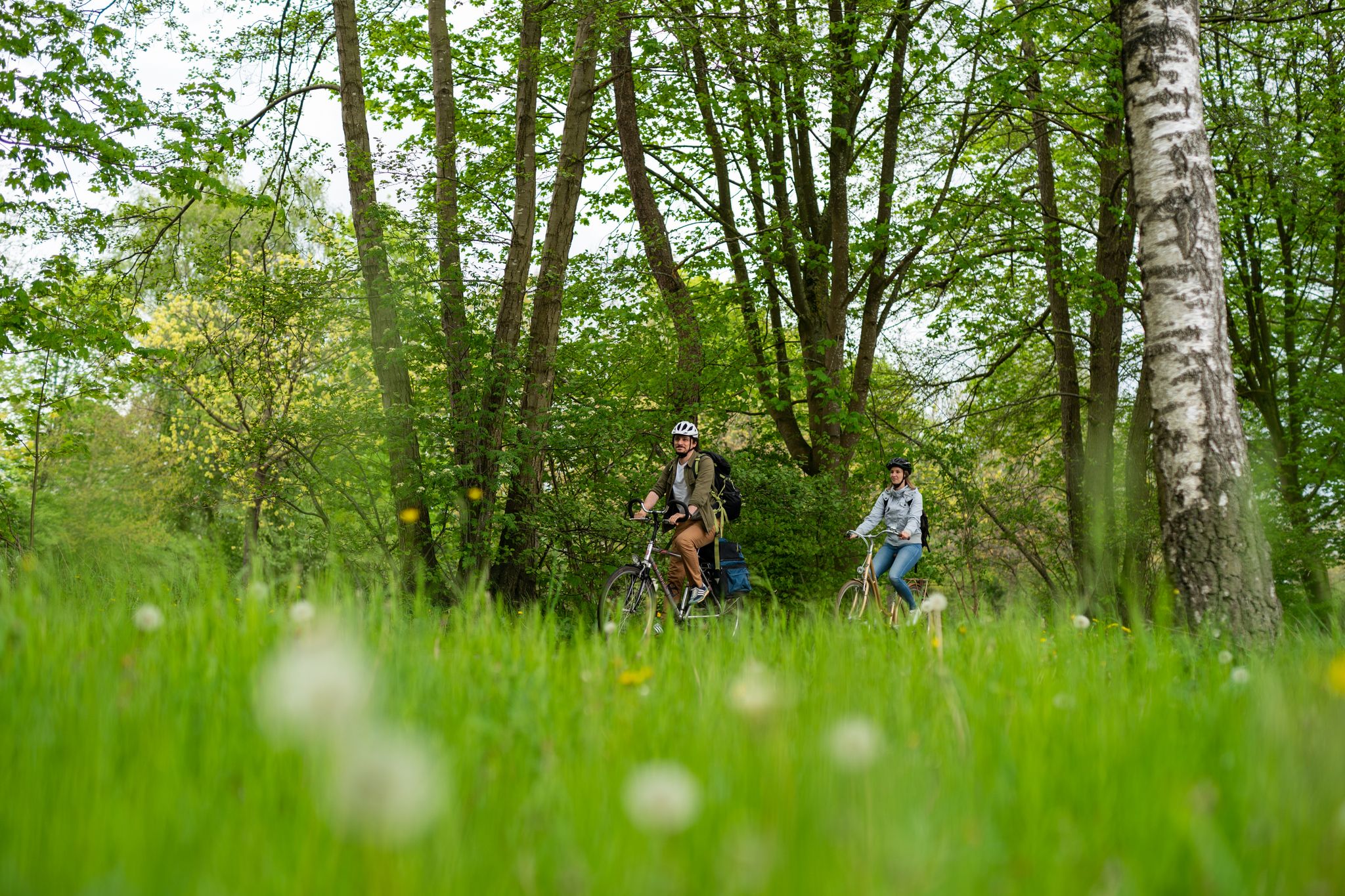
Between nature and history – Ochsenweg cycle path
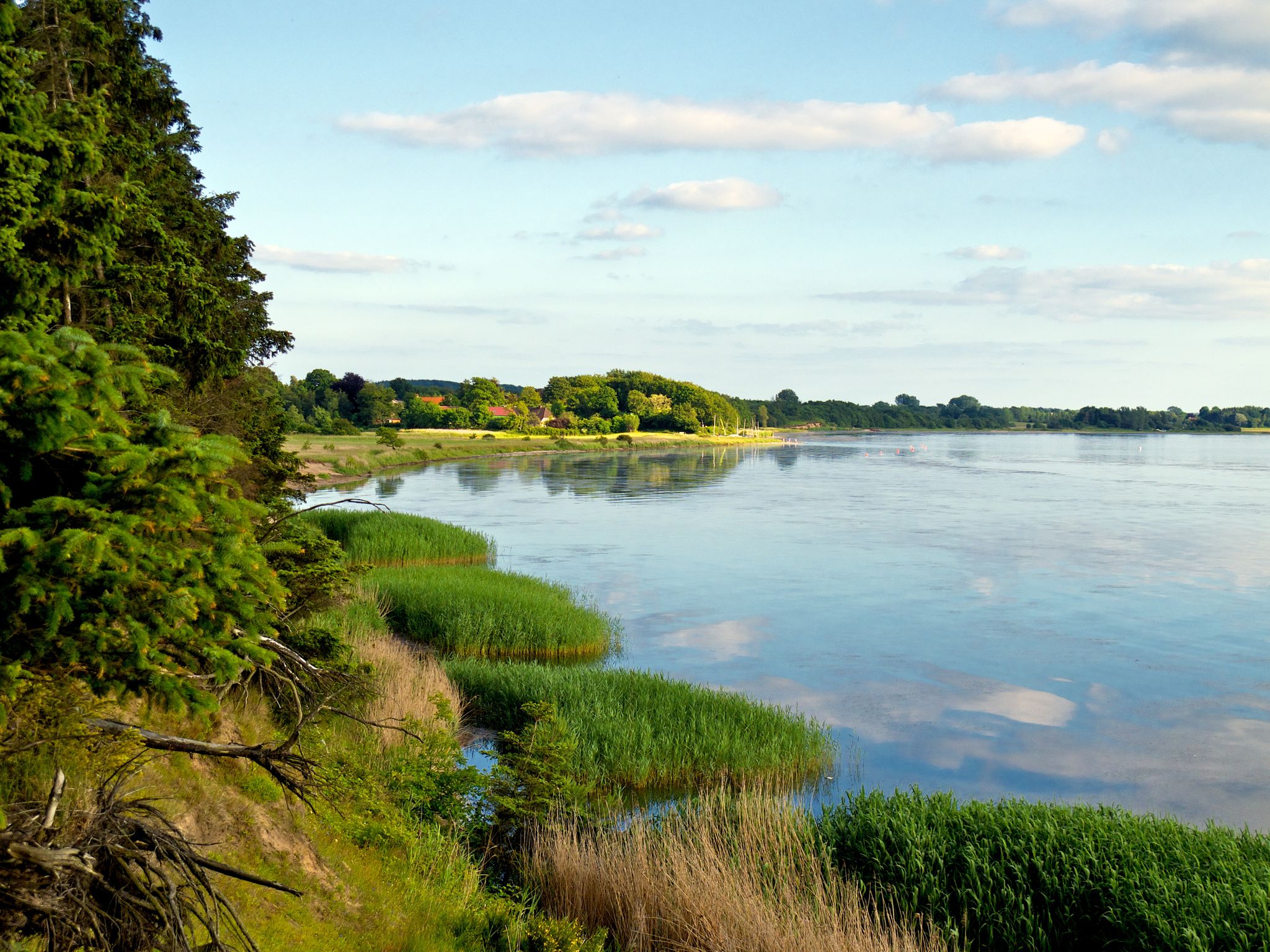
Germany’s blossoming inland — marsh, lakes and fjords in spring
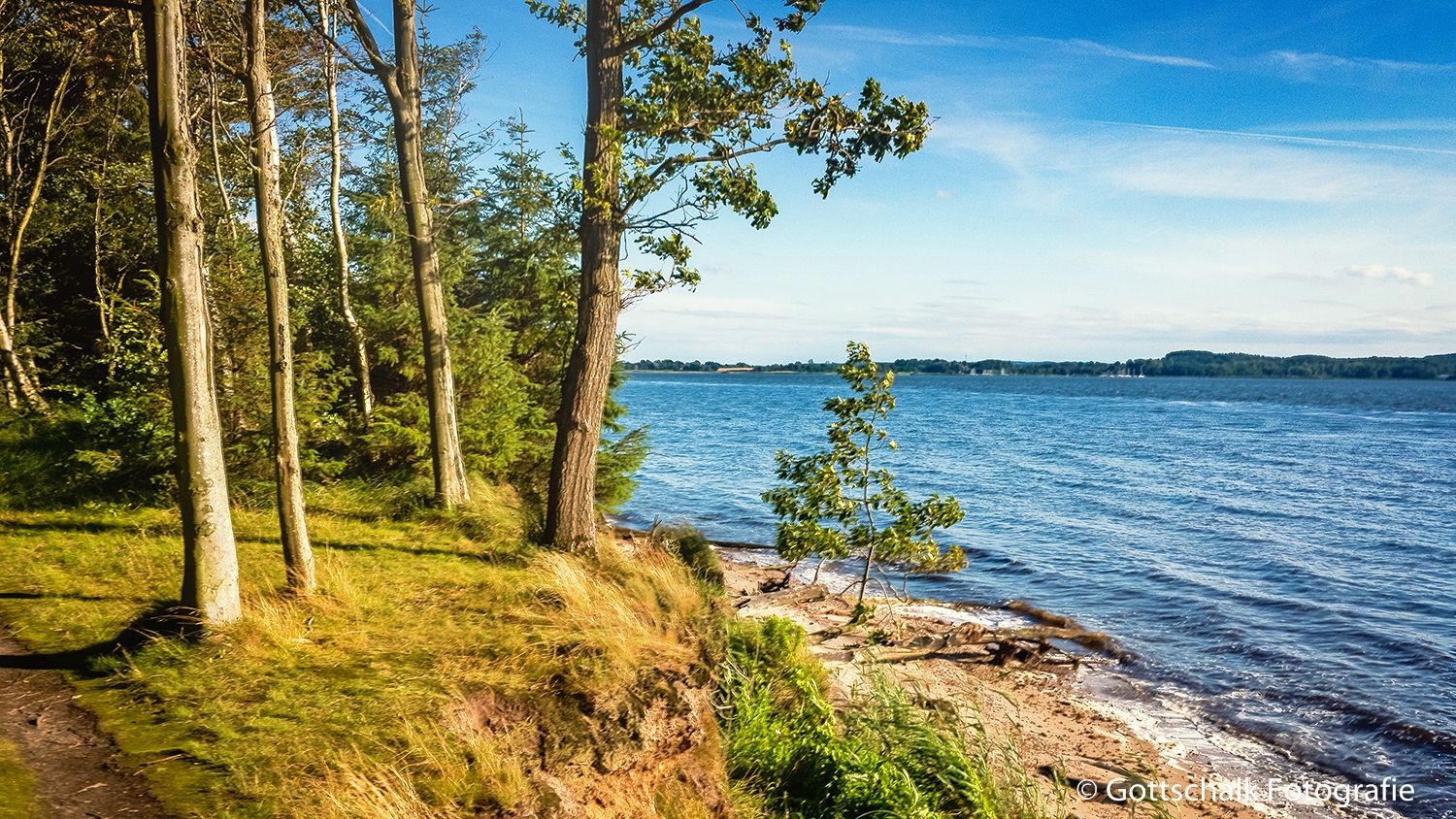
Germany’s golden inland – hike marsh, lakes and fjords in autumn
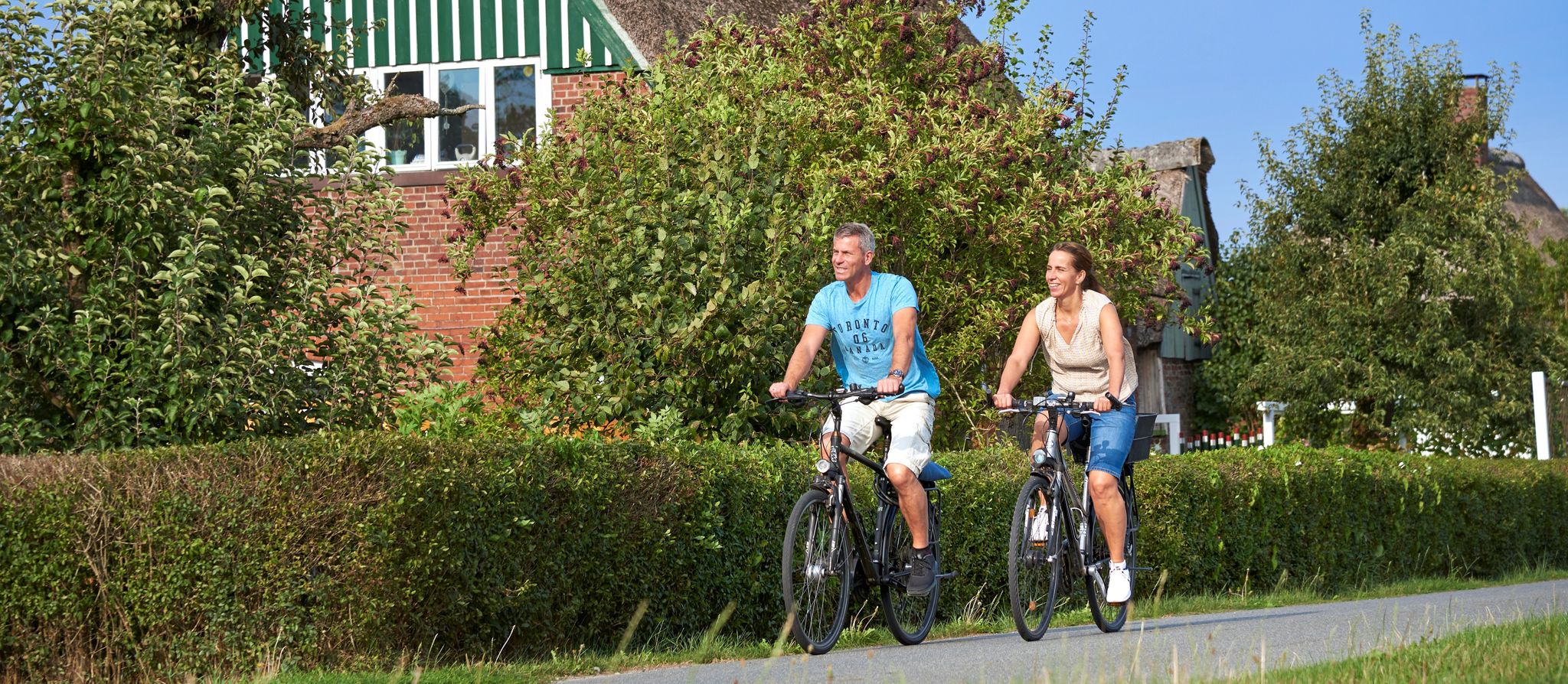
Exploring Germany’s Elb and Auenland Holstein — day trips by bike
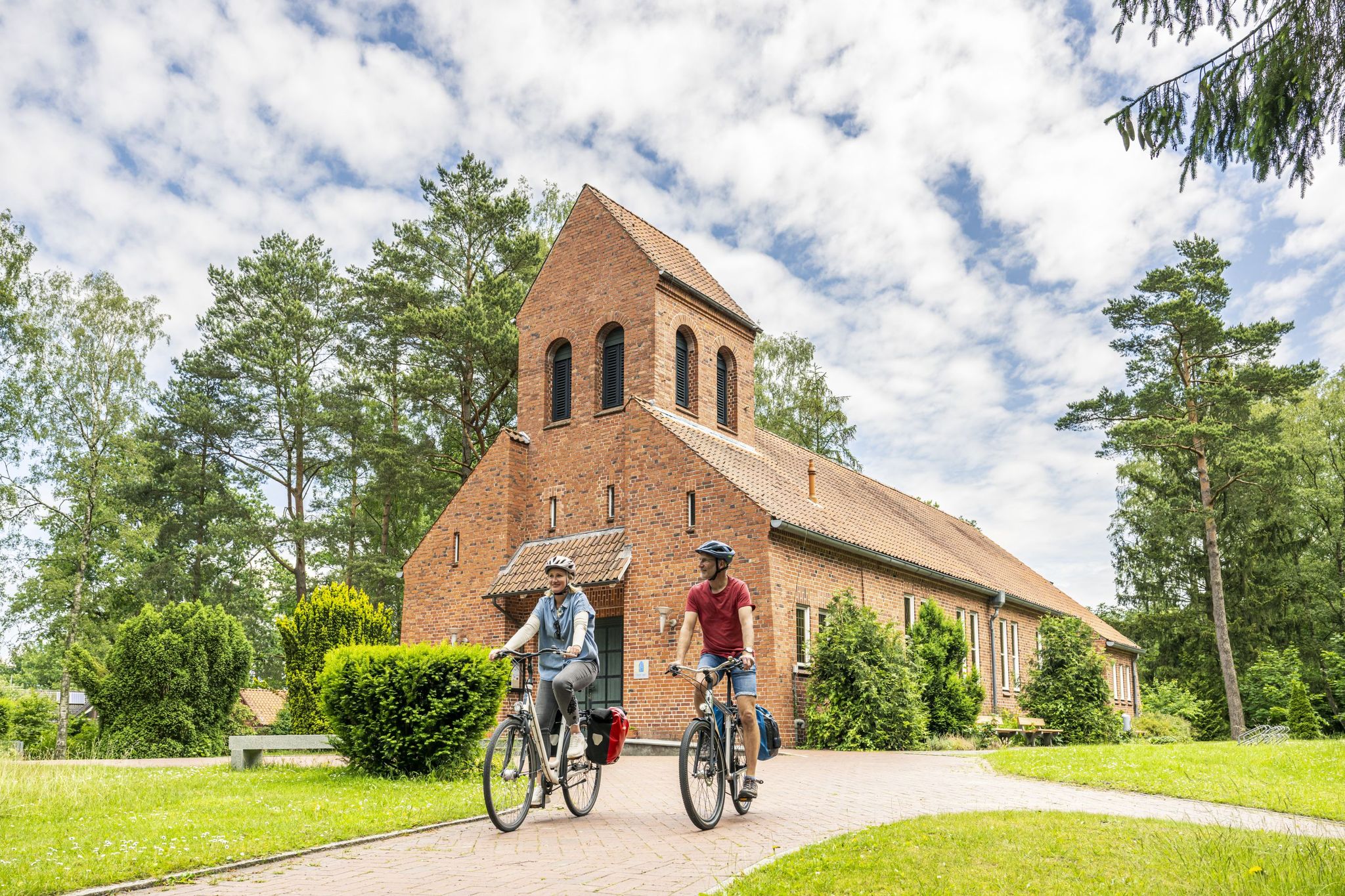
Mönchsweg – Radeln auf den Spuren der Mönche in Schleswig-Holstein
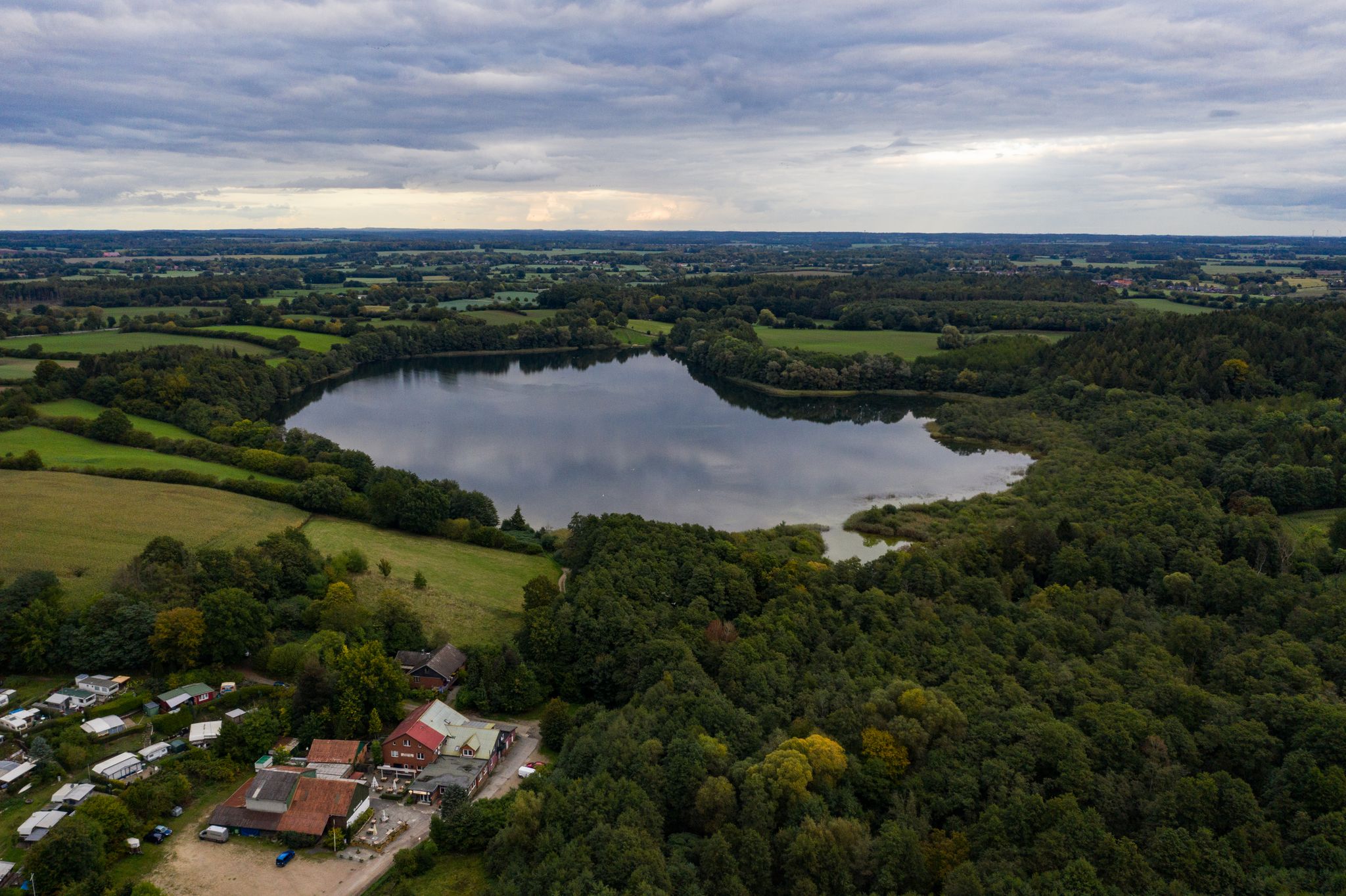
Wandern im Kreis Segeberg und Mittelholstein
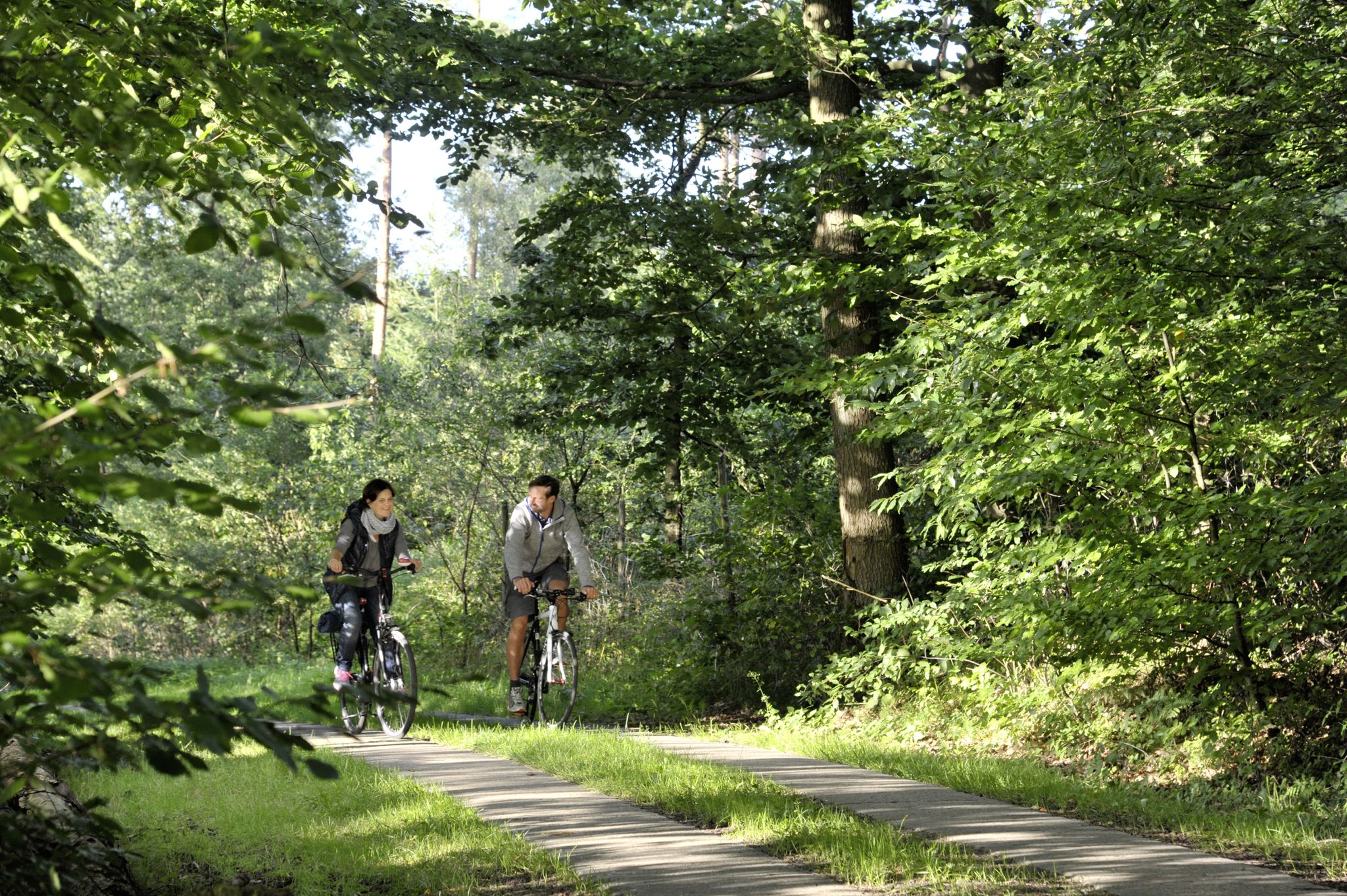
Radfahren rund um Kellinghusen & Hohenlockstedt
Bad Bramstedt im Herzen des Holsteiner Auenlandes
Hiking in Kreis Segeberg
Other adventures in Kreis Segeberg


Tips from the Community

The bat cave with the attached exhibition -Noctalis- is definitely worth a visit for young and old alike. The best time is in April, as some bats are still flying around in the cave. In summer, they have left their winter quarters and return in autumn. Please check the opening hours on the website.
0
0

Noctalis – World of Bats is a bat centre in Bad Segeberg, Schleswig-Holstein. It was opened on March 1, 2006 and is the first of its kind in Germany. Noctalis is located in the immediate vicinity of the Kalkberghöhle natural monument in Bad Segeberg, one of the largest German
0
0

Information about Bad Segeberg with a focus on Karl May and the local bats.
1
0

Wild West feeling in the north. Saloons, restaurants, souvenirs.
0
0

Owls like bats too. To eat. That's why you meet the barn owl on the roof of Noctalis in the evening after sunset.
3
0
Tip: The evening Karl May events end with fireworks.
7
0
Concerts take place in the Kalkbergarena: e.g. we visited Kro.
6
0
Tip: The 91 m high limestone mountain is not made of lime (calcium carbonate) but of gypsum (calcium sulphate).
7
0
Frequently Asked Questions
What is the most significant cave in Kreis Segeberg?
The most prominent and significant cave in Kreis Segeberg is the Segeberger Kalkberghöhle in Bad Segeberg. It is the only show cave in Schleswig-Holstein and is renowned for its unique geological features and its role as a vital bat sanctuary.
What makes the Segeberger Kalkberghöhle unique?
The Segeberger Kalkberghöhle is unique because it is Germany's second-longest gypsum cave, despite its name. It's also a crucial wintering ground for over 30,000 bats of eight different species and is home to the endemic Segeberg Cave Beetle, *Choleva septentrionis holsatica*, found nowhere else in the world.
Is the Segeberger Kalkberghöhle suitable for families?
Yes, the Segeberger Kalkberghöhle is considered family-friendly. Guided tours offer an educational experience for all ages, and the adjacent Noctalis Bat Centre provides interactive exhibits about bats, making it a great day out for families.
When is the best time to visit the Segeberger Kalkberghöhle?
The Segeberger Kalkberghöhle is open to visitors from April to September. This period avoids the bats' hibernation season, ensuring you can experience the cave. Visiting in April might offer a chance to see some bats still flying around before they leave their winter quarters.
Are there guided tours available for the Segeberger Kalkberghöhle?
Yes, guided tours are available for the Segeberger Kalkberghöhle. These tours typically last about 35 minutes and cover approximately 600 meters of the cave, providing insights into its formation, unique geology, and wildlife.
What facilities are available near the Segeberger Kalkberghöhle?
Directly adjacent to the Kalkberghöhle is Noctalis – World of Bats, a multimedia exhibition dedicated to bats. Bad Segeberg also offers various cafes, restaurants, and accommodation options nearby. You can find more information about the area at badsegeberg-tourismus.de.
What geological features can be observed in the Segeberger Kalkberghöhle?
Despite its name, the Segeberger Kalkberghöhle is primarily a gypsum cave, making it Germany's second-longest of its kind. The Kalkberg itself is a unique natural monument, and visitors can learn about its formation and the geological processes that created the cave during guided tours.
Are there other outdoor activities to do near the caves in Kreis Segeberg?
Yes, Kreis Segeberg offers a variety of outdoor activities. You can explore numerous running trails, enjoy gravel biking, or tackle MTB trails. The area around the Kalkberg and Lake Segeberg provides scenic routes for various sports.
What should I wear when visiting the Segeberger Kalkberghöhle?
The Segeberger Kalkberghöhle maintains a consistent temperature of approximately 9-10°C and 100% humidity. It is advisable to wear warm clothing and sturdy, comfortable shoes, even during summer, to ensure a pleasant visit.
Can I visit the Segeberger Kalkberghöhle during winter?
No, the Segeberger Kalkberghöhle is closed to visitors from October to March. This closure is essential to protect the thousands of bats that use the cave as their winter hibernation quarters, ensuring their undisturbed rest.
Where can I find information about parking for the Segeberger Kalkberghöhle?
Parking options for the Segeberger Kalkberghöhle are available in Bad Segeberg. Specific details regarding parking locations and fees can typically be found on the official website of the Kalkberghöhle or Bad Segeberg tourism.
Are dogs allowed in the Segeberger Kalkberghöhle?
Information regarding dog access to the Segeberger Kalkberghöhle is not explicitly provided. It is generally recommended to check with the cave's official management or visitor information center directly before planning your visit with a dog, especially given the sensitive bat habitat.
Most popular routes in Kreis Segeberg
Most popular attractions in Kreis Segeberg

Get inspired with the komoot mobile app


Didn’t find what you were looking for?
Discover more caves in Kreis Segeberg region by region:
Explore more
Extend your search for the best caves by checking out these guides of the top ones in Kreis Segeberg:
