Top 4 Castles around Grattersdorf
Castles around Grattersdorf offer a glimpse into the region's rich history, set amidst the natural beauty of the Bavarian Forest. While no prominent intact castles stand directly in Grattersdorf, historical records indicate medieval castle sites. The area is characterized by its mountainous terrain, including the Büchelstein and Brotjacklriegel, providing scenic viewpoints. Visitors can explore historical sites and enjoy the landscape that once hosted noble families.
Best castles around Grattersdorf
- The most popular castles is Winzer Castle Ruins 🏰, a…
Last updated: June 28, 2026
Winzer Castle Ruins 🏰
Highlight • Castle
Translated by Google •
Tip by

Ranfels Castle Chapel
Highlight • Religious Site
1144: First documented mention.
1207: The owners were the bishops of Passau, who enfeoffed the nobles von Hals with it in 1243. These conferred the rule on. …
Translated by Google •
Tip by

Sign up now to discover places like this
Get recommendations on the best single tracks, peaks, & plenty of other exciting outdoor places.
Sign up for free
Schlossberg Castle Ruins (Hofkirchen in the Bavarian Forest)
Highlight • Castle
Translated by Google •
Tip by

Start today with a free account
Your next adventure awaits.
Login or Signup
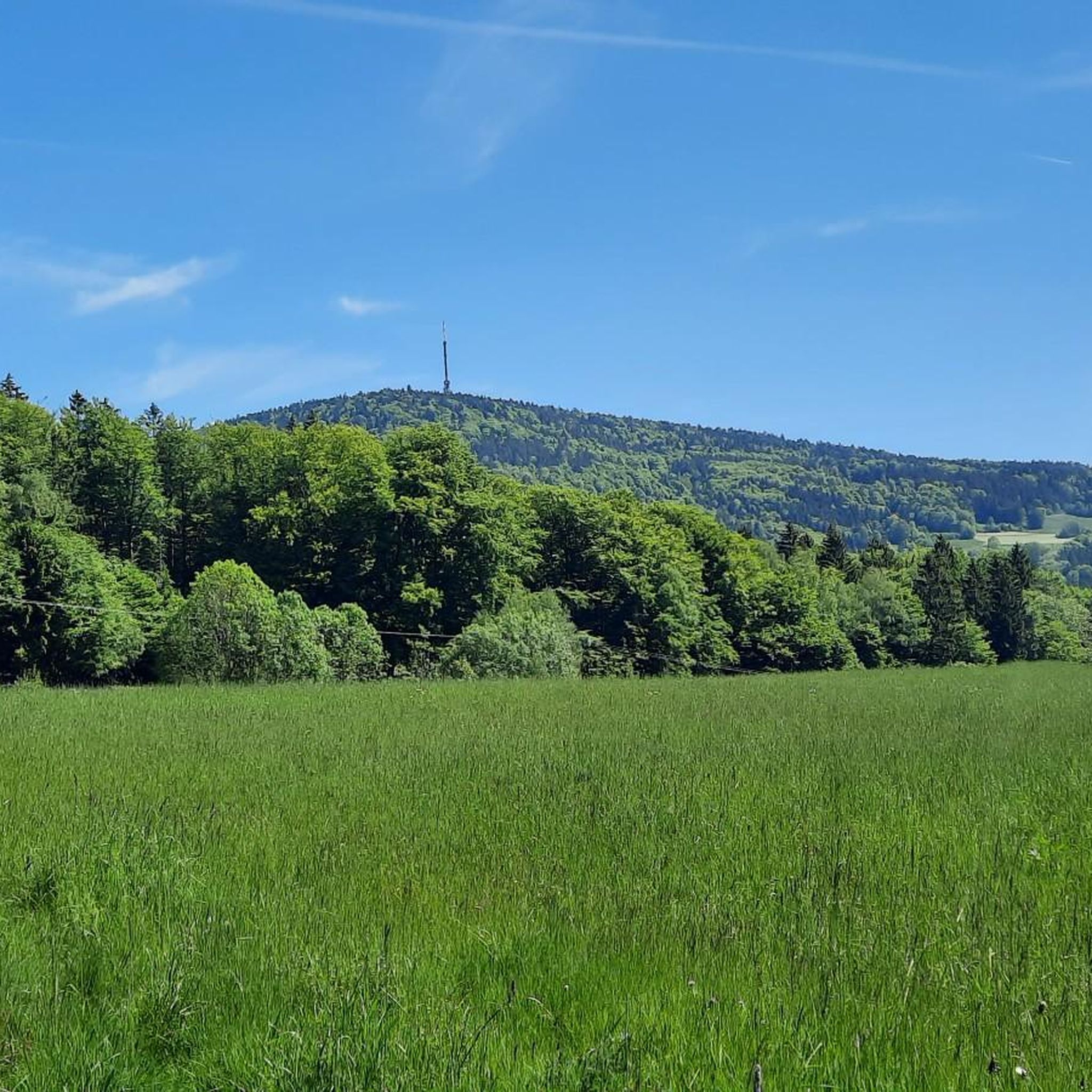
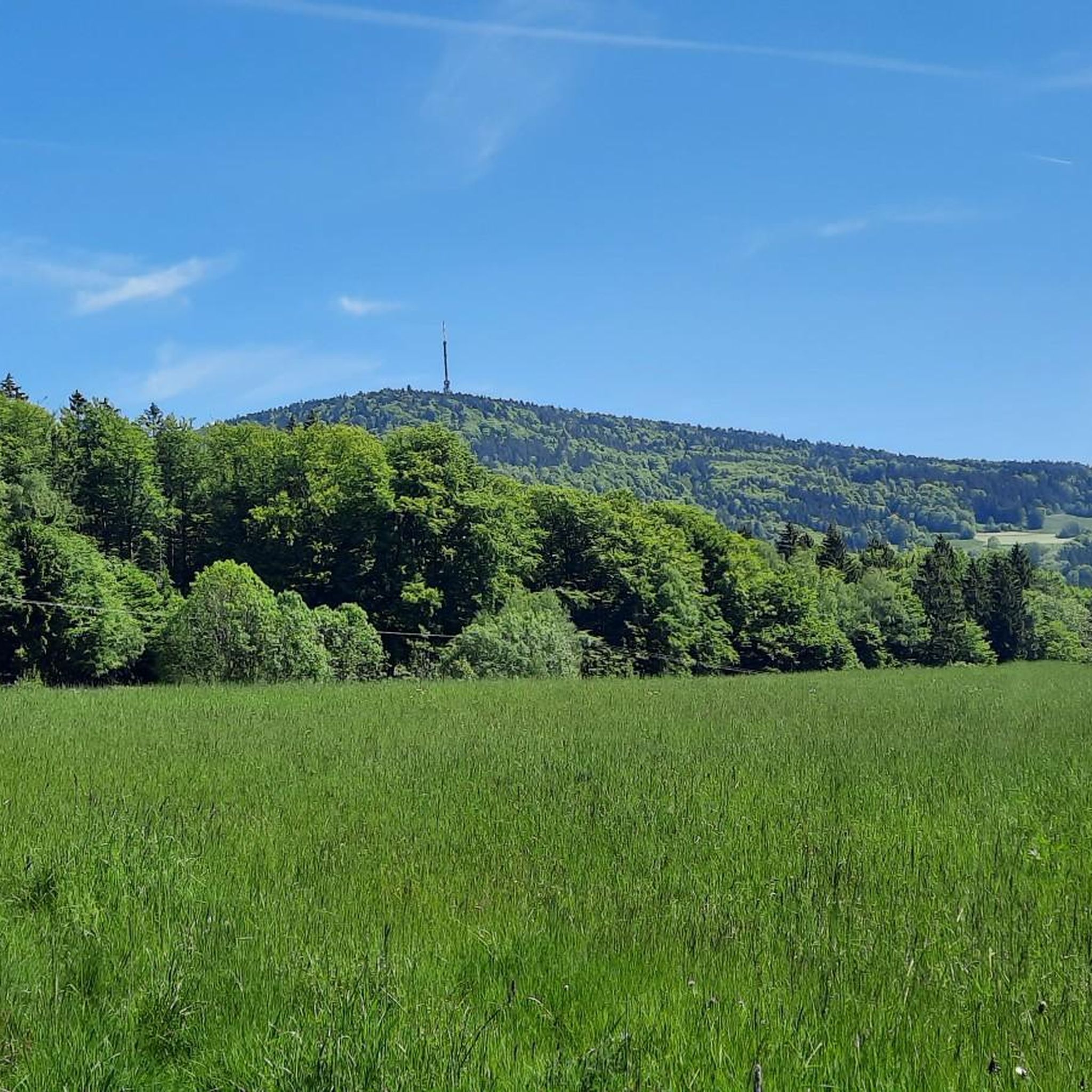
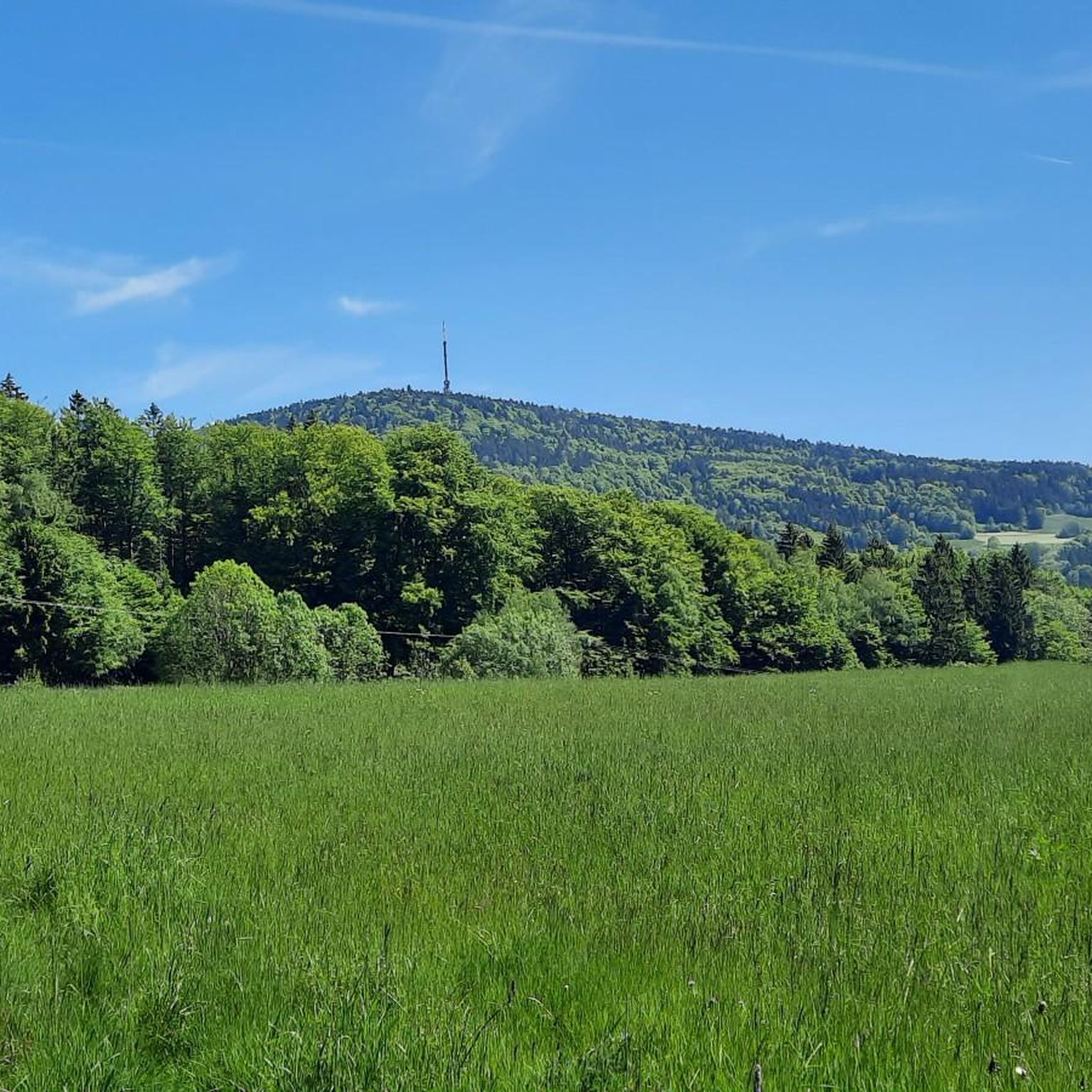
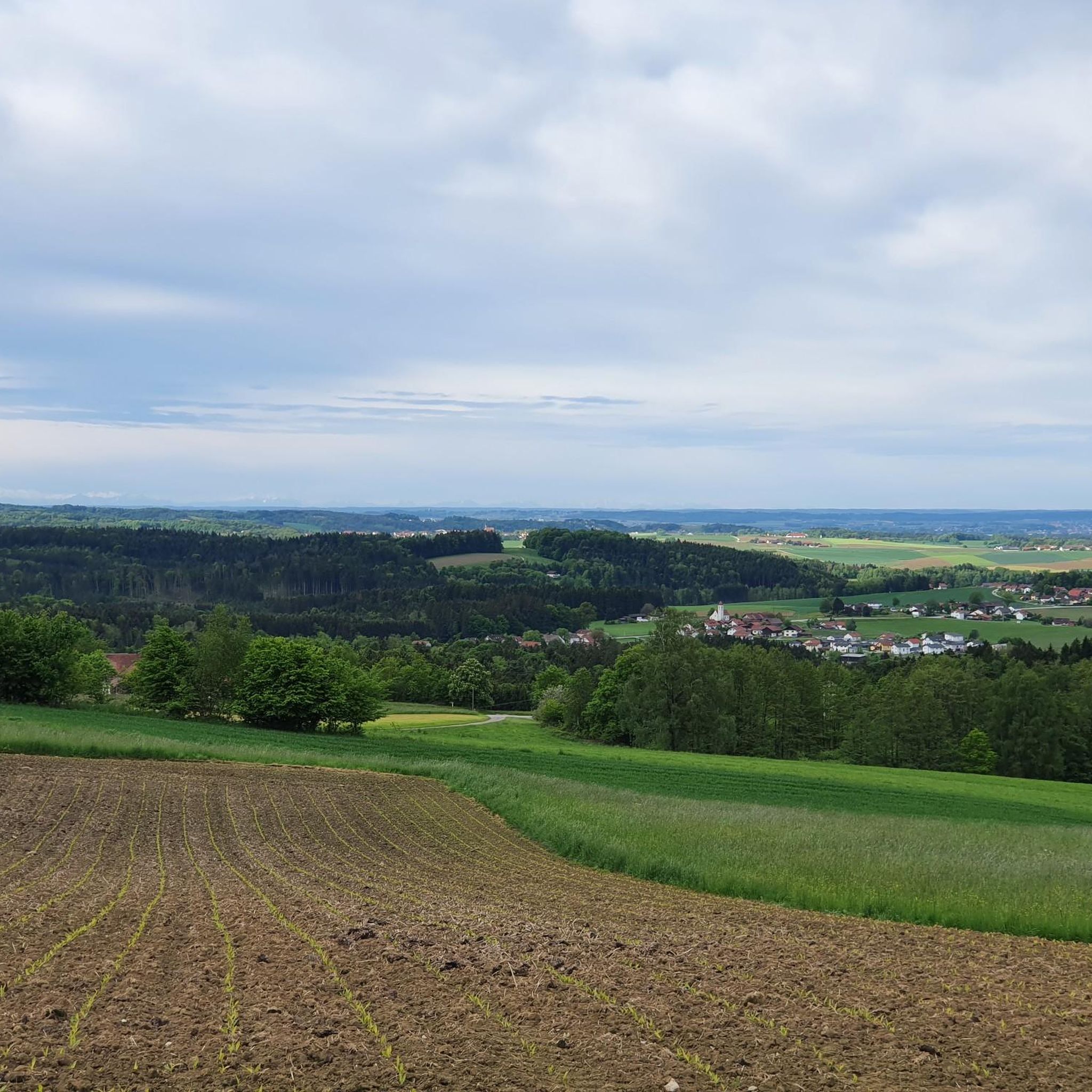
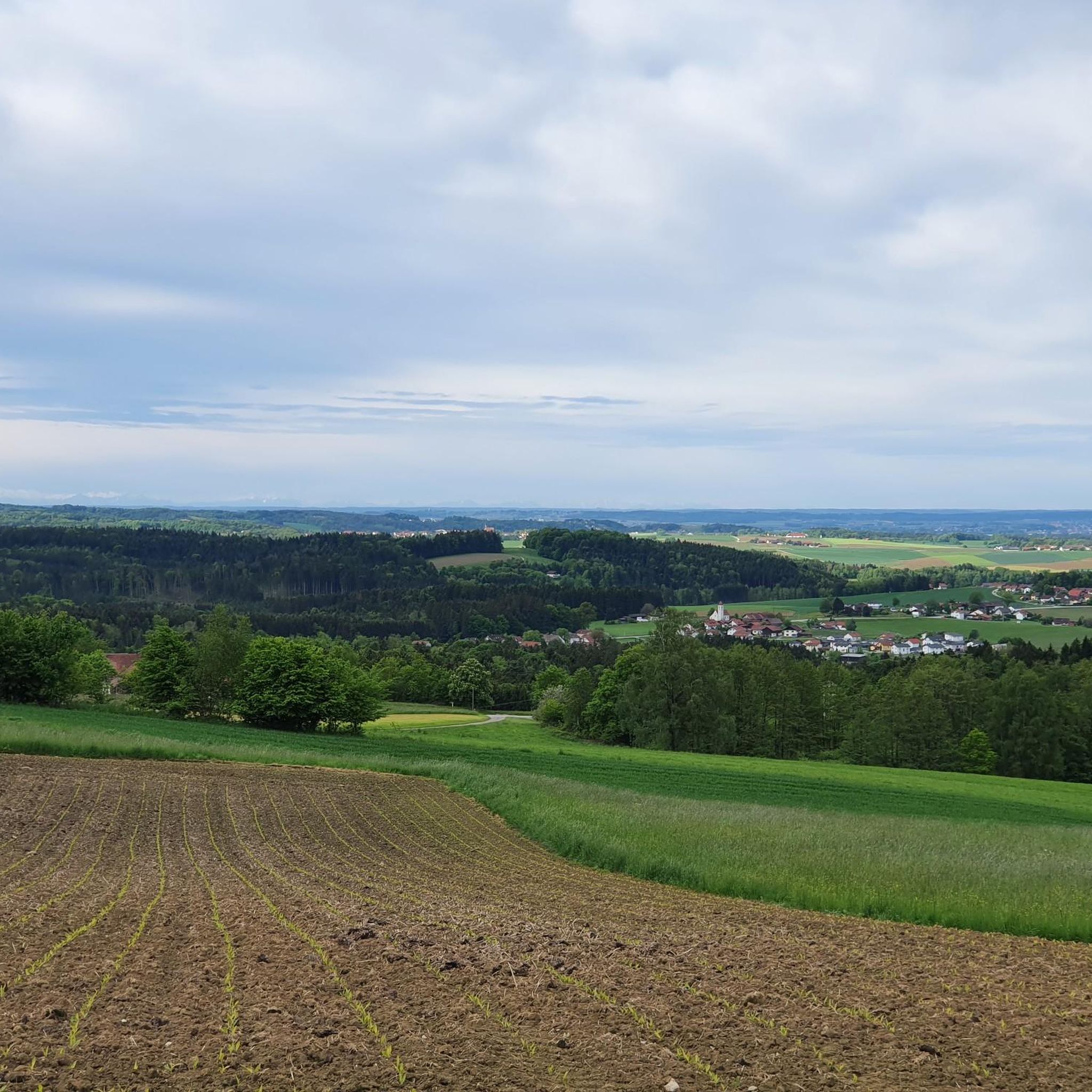
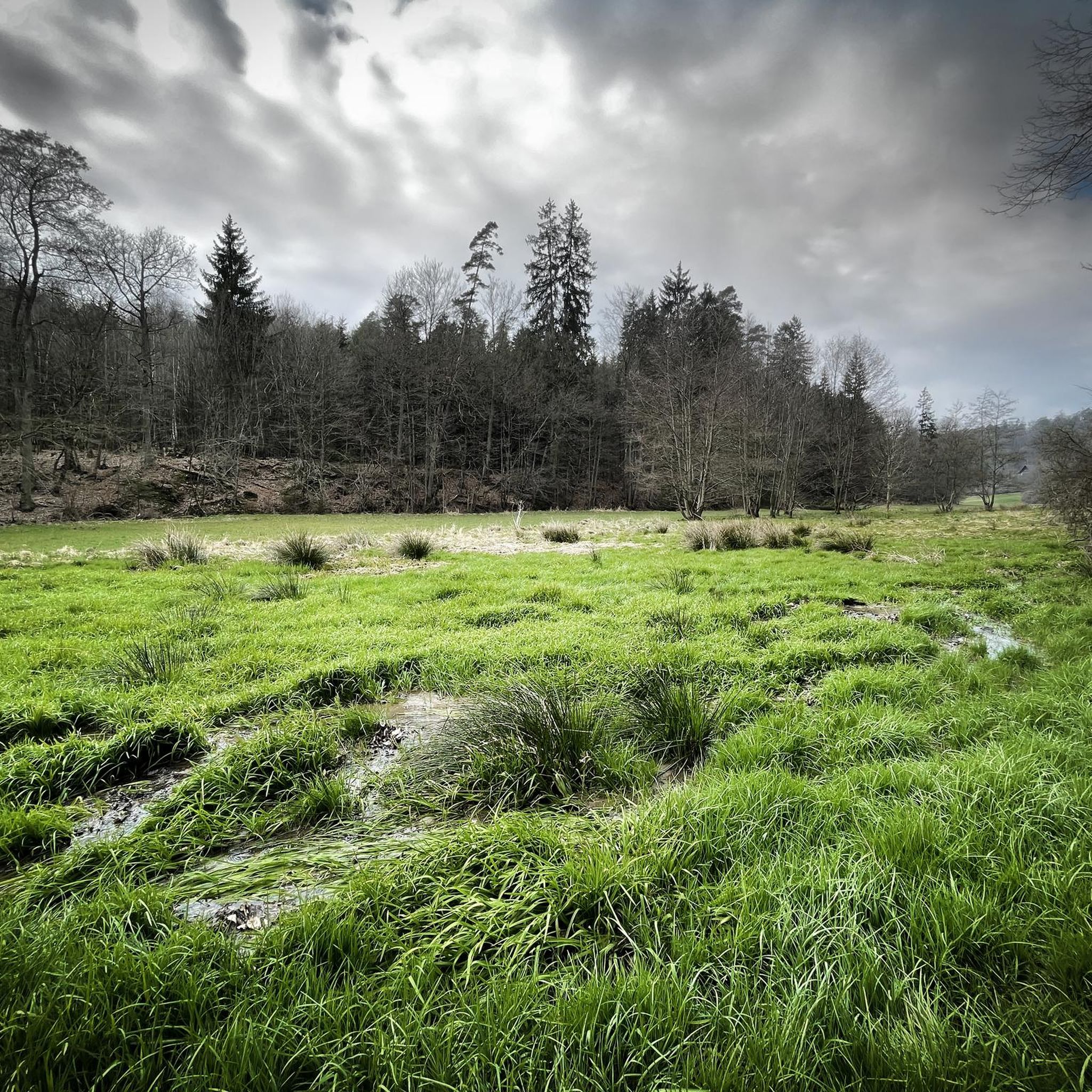
Tips from the Community

This castle ruin belongs to the market town of Winzer, over which it also towers. Winzer belongs to the Deggendorf district and has little to do with the market town of Hofkirchen in the northern Passau district. Hofkirchen has Hilgartsberg Castle within its municipal area, which was largely destroyed in the War of Succession but is certainly worth a visit (despite the ugly empty wooden huts in the castle courtyard).
1
0


Good eye-catcher on the mountain there.
1
0
Very well maintained castle. The detour is worth it and if you come over the back, you should plan on having a bit of strength to carry your bike over the stairs.😉💪
0
0

If you look up from below, you think it's just standing on the castle wall
0
0

Castle story Ranfels 1144: First documented mention. 1207: The owners were the bishops of Passau, who enfeoffed the nobles von Hals with it in 1243. These conferred the rule on. 1259-1262: The brothers Albertus and Fridericus de Ranvels lived here. 1375: After the Halser family died out, the Landgraves zu Leuchtenberg took over Ranfels. 1417: When it was sold to Etzel I, it came into the possession of the imperial counts of Ortenburg. 1438: Etzel sold it to Duke Heinrich von Niederbayern. The castle was destroyed in the Landshut War of Succession. 1517: Rebuilt by the knight Johann von Dachsberg zu Asbach. In 1518 he established the castle chaplaincy with the associated castle chapel. A fundamental renovation followed in 1520. 1784: The castle was bought by the St. Anna women's monastery in Munich. 1833: The Bavarian state bought it. As a result, components and furnishings were sold, and the remaining parts of the building were used as a parsonage. 1845: Due to the long distance to the parish of Schöllnach, the castle benefice was converted into a curate benefice and its own cemetery was built. The former castle chapel had fundamentally changed its appearance in the meantime through enlargements and additions. 1923: Ranfels was raised to a parish. The former castle chapel still serves as a parish church today. The gate building and the adjoining residential buildings are still preserved from the castle complex. The idyllic castle garden in the inner courtyard is accessible; on special occasions it is used as a festival area.
2
0

The castle ruin Winzer, also called Burg Oberwinzer, is the freely accessible ruin of a hilltop castle at 347.6 m above sea level. N
4
0

From up there you have a great view over the Danube plain.
2
0
Frequently Asked Questions
What kind of castles can I expect to find around Grattersdorf?
The Grattersdorf area is rich in history, featuring mostly castle ruins and historical castle sites rather than fully intact castles. You'll find remnants of medieval structures, like the Winzer Castle Ruins 🏰 and Schlossberg Castle Ruins, which offer insights into the region's past and often provide excellent views. There are also well-preserved historical religious buildings with castle connections, such as the Ranfels Castle Chapel.
Are there good viewpoints near the castles in the Grattersdorf region?
Yes, many of the castle sites double as excellent viewpoints. For instance, the Winzer Castle Ruins 🏰 offer a worthwhile view on clear days after a crisp ascent. Similarly, the Schlossberg Castle Ruins provide a great panorama over the Danube plain. Beyond castles, natural landmarks like the Büchelstein and Brotjacklriegel also offer extensive views over the Bavarian Forest and beyond.
What outdoor activities can I do near these castle sites?
The region around Grattersdorf is ideal for various outdoor activities. You can find numerous hiking trails, including easy and moderate options like the 'Little Büchelstein Viewpoint – Büchelstein Viewpoint loop' or the 'Wallfahrt Rastbuche Chapel – View of Brotjacklriegel loop'. For more details on hiking, check out the Hiking around Grattersdorf guide. Mountain biking and mountaineering routes are also available, offering different levels of challenge.
Are there hiking trails directly accessible from the castle ruins?
While specific trails directly from each ruin aren't detailed, the castle sites are often integrated into the local trail network. For example, accessing the Winzer Castle Ruins 🏰 involves a crisp ascent via Burgweg or Friedhofsstrasse, which are part of local walking paths. The broader Grattersdorf area offers many routes, and you can explore options in the Hiking around Grattersdorf guide to find trails that pass near historical sites.
What is the best time of year to visit the castles and explore the Grattersdorf area?
The best time to visit the castles and enjoy the outdoor activities around Grattersdorf is generally during the spring, summer, and autumn months. These seasons offer pleasant weather for hiking and exploring the ruins and natural viewpoints. Winter visits are possible, but some trails might be challenging due to snow or ice, and the focus would shift more towards winter sports or serene, snowy landscapes.
Are the castle sites around Grattersdorf suitable for families?
Yes, many of the castle ruins and natural attractions in the Grattersdorf area can be family-friendly, especially for families who enjoy walking and exploring. The ascents to places like Winzer Castle Ruins 🏰 are manageable, and the historical context combined with scenic views can be engaging for children. The nearby hiking trails also include 'easy' difficulty options suitable for family outings.
Can I bring my dog to the castle walks near Grattersdorf?
Generally, dogs are welcome on public hiking trails and in outdoor areas around the castle ruins, provided they are kept on a leash and owners clean up after them. Specific restrictions might apply to interior areas of religious buildings like Ranfels Castle Chapel, so it's always best to check local signage. The natural setting of the region makes it a great place for walks with your canine companion.
How long should I plan for a visit to the castle sites?
The time needed depends on which sites you visit and how much you wish to explore. For a single ruin like Winzer Castle Ruins 🏰, you might spend 1-2 hours including the ascent and enjoying the view. If you plan to combine a castle visit with a longer hike or explore multiple sites, a half-day or full-day excursion would be more appropriate. The Ranfels Castle Chapel, with its idyllic castle garden, might also warrant a leisurely visit.
What other historical landmarks are there in the Grattersdorf area besides castles?
Beyond the castle sites, Grattersdorf has other significant historical landmarks. The Late Gothic Hall Church (Spätgotische Saalkirche), particularly the Catholic Parish Church of St. Aegidius, built around 1450 and later influenced by the Puchberger family, is a notable site with medieval archaeological findings. These offer a deeper look into the region's rich past.
What are the terrain and difficulty levels for hiking in the Grattersdorf area?
The Grattersdorf area, being part of the Bavarian Forest, features mountainous terrain. Hiking trails range from easy to moderate difficulty. For example, the 'Little Büchelstein Viewpoint – Büchelstein Viewpoint loop' from Kerschbaum is rated easy, while longer routes like the 'Wallfahrt Rastbuche Chapel – View of Brotjacklriegel loop' are moderate. The region's natural features, including the Büchelstein and Brotjacklriegel, contribute to varied elevations and scenic paths. You can find detailed difficulty grades in the Hiking around Grattersdorf guide.
Are there any less crowded castle ruins to visit near Grattersdorf?
While the specific popularity of each ruin can vary, the Schlossberg Castle Ruins near Hofkirchen offer a great view and are a notable landmark. The Ranfels Castle Chapel, with its accessible idyllic garden, provides a serene historical experience. As the region focuses more on natural beauty and historical sites rather than grand, tourist-heavy castles, you're likely to find a more tranquil experience at most locations.
Most popular routes around Grattersdorf
Most popular attractions around Grattersdorf

Get inspired with the komoot mobile app


Explore more
Looking for the best castles somewhere else? Discover other guides around Grattersdorf:
