Top 3 Caves around Bad Rodach
Caves around Bad Rodach are primarily represented by man-made rock cellars and historical sites with cave-like structures rather than natural cave systems. The region is characterized by its thermal spa, hiking and cycling opportunities, and historical landmarks. The local landscape features forests and gentle mountains, providing an environment for outdoor exploration above ground.
Best caves around Bad Rodach
- The most popular caves is Grave of the Dark Countess, a historical site that includes a shelter in the immediate vicinity…
Last updated: May 16, 2026
Grave of the Dark Countess
Highlight • Historical Site
Translated by Google •
Tip by

Rock Cellar at Kirchberg Brünn
Highlight • Cave
Translated by Google •
Tip by
Sign up now to discover places like this
Get recommendations on the best single tracks, peaks, & plenty of other exciting outdoor places.
Sign up for free
Rock Cellar at Pfadelsberg
Highlight • Structure
Translated by Google •
Tip by
Historic Beer Cellars
Highlight • Historical Site
Translated by Google •
Tip by
Historic Cellars on Weitramsdorfer Straße
Highlight • Cave
Translated by Google •
Tip by
Start today with a free account
Your next adventure awaits.
Login or Signup
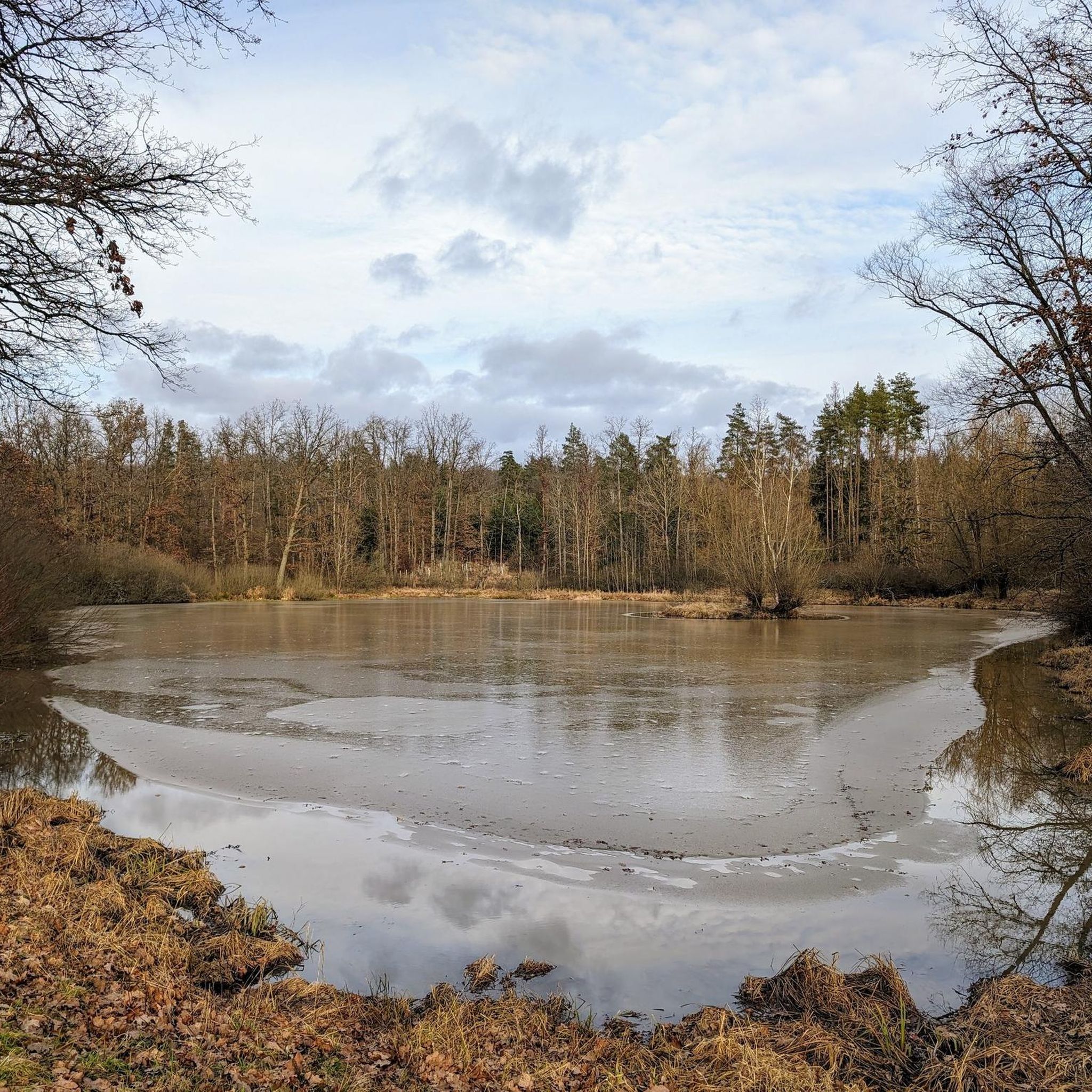
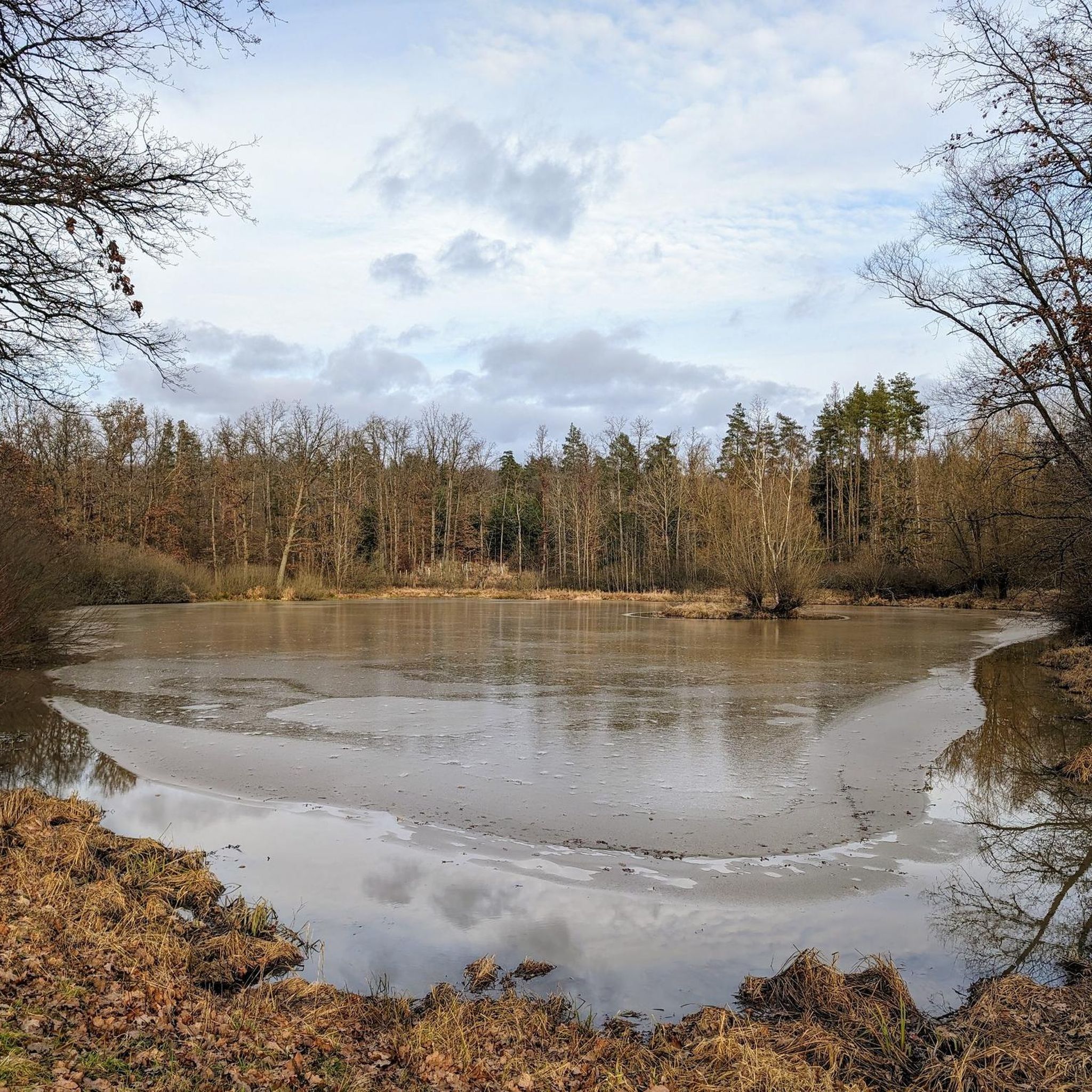
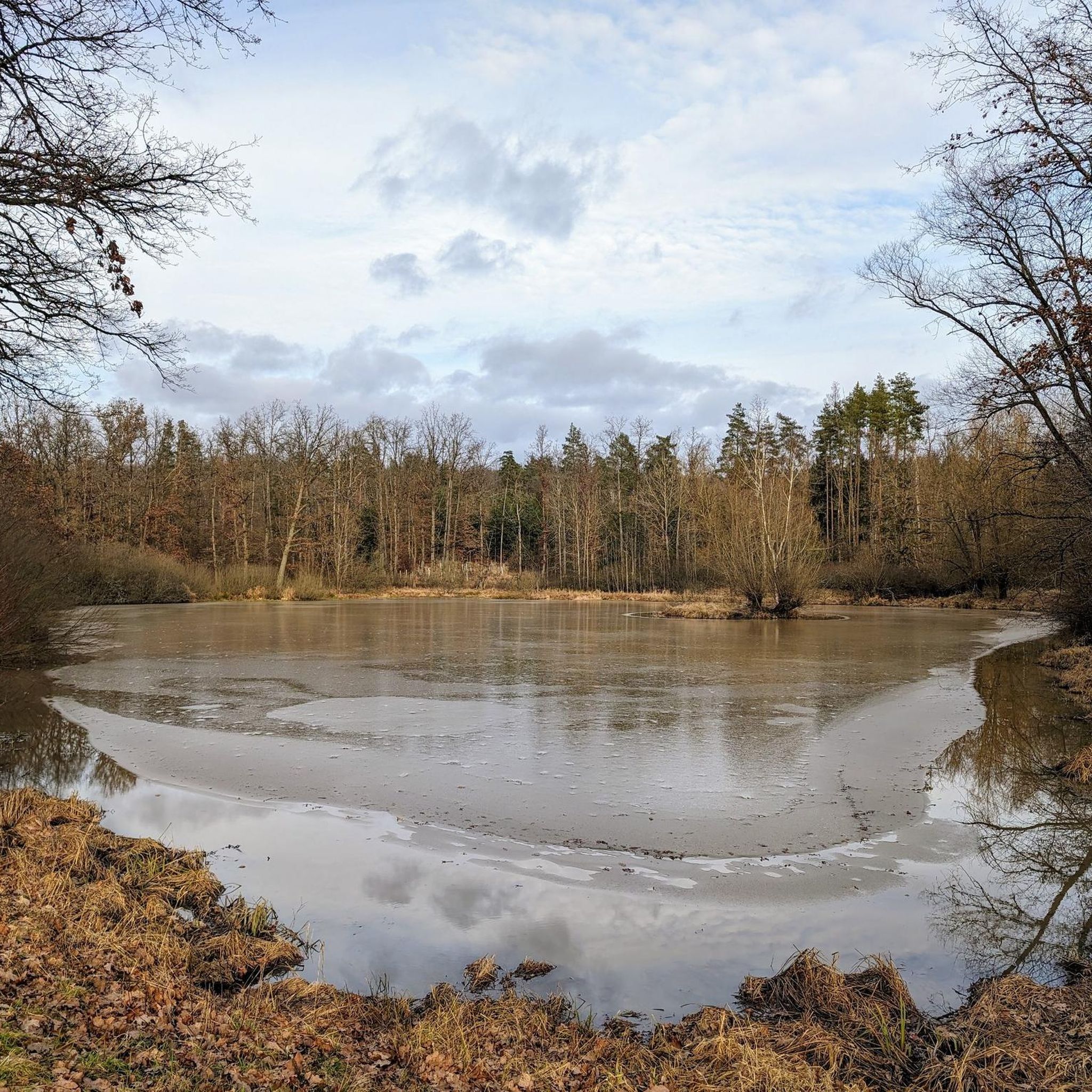
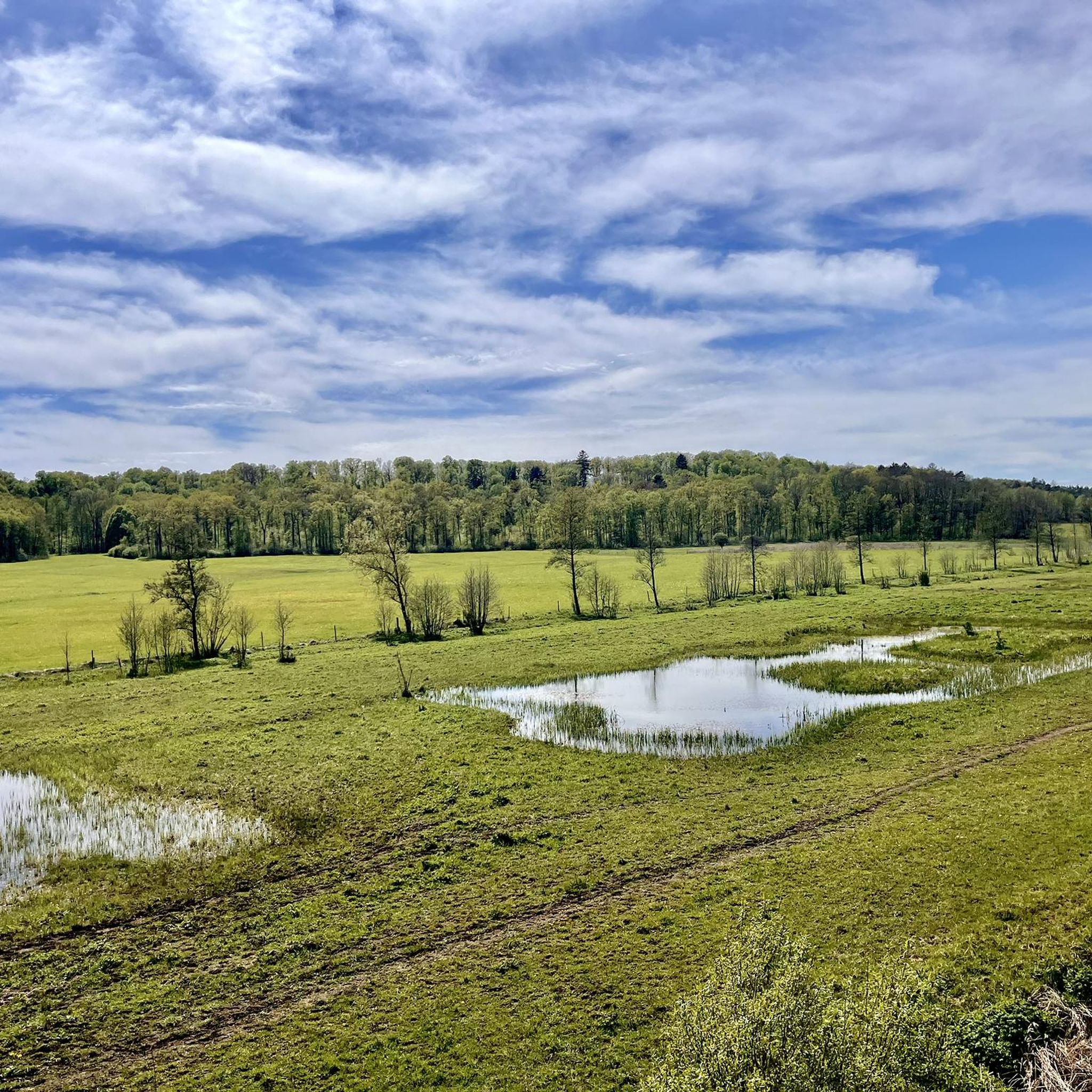

Tips from the Community

Will it still open?
0
1

Surely not even the two mysterious gentlemen themselves would have ever suspected that their stay here would last more than thirty years when they arrived in Hildburghausen on February 7, 1807. That evening, an elegantly dressed couple checked into the English Court Hotel and, from then on, attracted attention with their strange hermit lifestyle. This very conspicuously secluded lifestyle intensified after they moved to the castle in the neighboring village of Einhausen. Above all, no one saw the always-veiled lady. She died in the solitude of Einhausen Castle on November 25, 1837, and was buried—according to her wishes—on Hildburghausen's town hill. Source: https://www.thueringen.info/grab-der-dunkelgraefin.htm If you follow the link, you will see that incorrect images are mistakenly declared as graves. The actual grave (not a cellar hole) is further up and you have to follow the path for another 100 meters.
9
0
Very beautiful and beautifully decorated shelter in the immediate vicinity of the Dark Countess's grave.
13
0
Surely not even the two mysterious gentlemen themselves would have ever suspected that their stay here would last more than thirty years when they arrived in Hildburghausen on February 7, 1807. That evening, an elegantly dressed couple checked into the English Court Hotel and, from then on, attracted attention with their strangely reclusive lifestyle. This very conspicuously secluded lifestyle intensified after they moved to the castle in the neighboring village of Einhausen. In particular, no one ever saw the always-veiled lady. She died in the solitude of Einhausen Castle on November 25, 1837, and was buried—according to her wishes—on Hildburghausen's town hill. Source: https://www.thueringen.info/grab-der-dunkelgraefin.html
10
0

Located on the cycle path towards Eisfeld 👍
0
0
Above Brno on the old railway line, hidden in a beech and elm forest, is the Brno Rock Cellar. This was used to store potatoes and beer from what was then the Volk brewery. During the Second World War it served as an air raid shelter.
17
1

Dark Count and Dark Countess is the name for a mysterious couple who lived at Eishausen Castle near Hildburghausen from 1810 to 1837 and rarely appeared in public. Because of their reclusive life and their unclear identity, they were known in literature as “the Dark Counts” (Comte et Comtesse des Ténèbres). For a long time she was considered Marie Thérèse Charlotte of France, daughter of the executed French King Louis XVI. and his wife Marie-Antoinette, which has now been refuted through anthropological and molecular genetic analyses. (Source: Wikipedia)
2
0
There used to be breweries and corresponding cellars for storage in every town. There are some here, some are very well maintained, others less so. We can only hope that such traditions live on. In rural areas, cellars are used even more frequently. This also raises the question of what use the cellars still have. A bat roost is often made out of it.
14
0
Frequently Asked Questions
What kind of caves can I expect to find around Bad Rodach?
While Bad Rodach is primarily known for its thermal spa, hiking, and historical sites, the 'caves' in this guide refer mostly to fascinating man-made rock cellars and historical underground structures. These include former storage cellars, air-raid shelters, and even a bat sanctuary, rather than extensive natural cave systems.
Are there any natural caves near Bad Rodach?
Directly within the Bad Rodach area, there are no notable natural caves highlighted as tourist attractions. The region's geological features are more suited to above-ground exploration, with forests and gentle mountains ideal for hiking. The 'caves' featured in this guide are predominantly historical, man-made cellars.
What are some of the most interesting cave-like sites to visit near Bad Rodach?
You can explore several unique historical sites. The Rock Cellar at Kirchberg Brünn, for instance, was built in 1859 and served as a potato and beer storage, and later as an air-raid shelter. Another interesting spot is the Rock Cellar at Pfadelsberg, which is now a bat sanctuary.
Are the caves around Bad Rodach suitable for families?
Many of the historical cellars and sites are accessible and can be interesting for families, offering a glimpse into local history and past uses. For example, the Grave of the Dark Countess is listed as family-friendly and offers a mysterious story that might intrigue older children. These sites are generally less about challenging exploration and more about historical discovery.
Can I bring my dog to the cave sites?
Information regarding dog access varies by specific location. Generally, outdoor historical sites like the rock cellars might allow dogs on leash, but it's always best to check local signage or specific highlight details on Komoot before your visit, as some areas, especially bat sanctuaries, may have restrictions.
What is the story behind the 'Grave of the Dark Countess'?
The Grave of the Dark Countess is shrouded in mystery. It marks the burial place of a reclusive lady who arrived in Hildburghausen in 1807 with an equally mysterious companion. Her identity remained a secret throughout her life and even after her death in 1837, adding to the intrigue of this unique historical site.
Are there any hiking trails that include these cave-like features?
Yes, several hiking routes in the region incorporate these historical sites. For instance, the 'Georgenberg Beer Garden – Dragon's Cave – St. Georgenberg loop from Bad Rodach' is a moderate 7.8 km hike that includes a cave. You can find more hiking options, including family-friendly routes, in the Hiking around Bad Rodach guide.
What is the 'Drachenhöhle' (Dragon's Cave) near Bad Rodach?
The 'Drachenhöhle' is a specific cave mentioned in local hiking routes, such as the 'Georgenberg Beer Garden – Dragon's Cave – St. Georgenberg loop'. While not a large natural cave system, it's a point of interest along a popular hiking trail, offering a small natural feature to explore during your walk.
What is the best time of year to visit the historical cellars and cave sites?
The historical cellars and outdoor sites can generally be visited year-round. However, spring and autumn offer pleasant temperatures for hiking the surrounding trails. If visiting sites that serve as bat sanctuaries, be mindful of potential seasonal closures or restrictions during hibernation periods (typically winter) to protect the animals.
What are the 'Historic Beer Cellars' and 'Historic Cellars on Weitramsdorfer Straße'?
These are examples of the numerous man-made rock cellars found in the region. The Historic Beer Cellars and Historic Cellars on Weitramsdorfer Straße were historically used for storing beer, potatoes, and other foods. Some have been preserved, while others now serve as bat roosts or are no longer in use, offering a glimpse into the area's past.
Are there any facilities or amenities near these cave sites?
Amenities vary by specific location. Some sites are quite secluded, while others might be near villages or hiking trailheads where you can find cafes or restaurants. For example, the Grave of the Dark Countess has a beautifully decorated shelter nearby. It's advisable to check the specific highlight details on Komoot for information on nearby facilities.
Most popular routes around Bad Rodach
Most popular attractions around Bad Rodach

Get inspired with the komoot mobile app


Explore more
Extend your search for the best caves by checking out these guides of the top ones around Bad Rodach:
