The 4 Most Amazing Peaks around Frücht
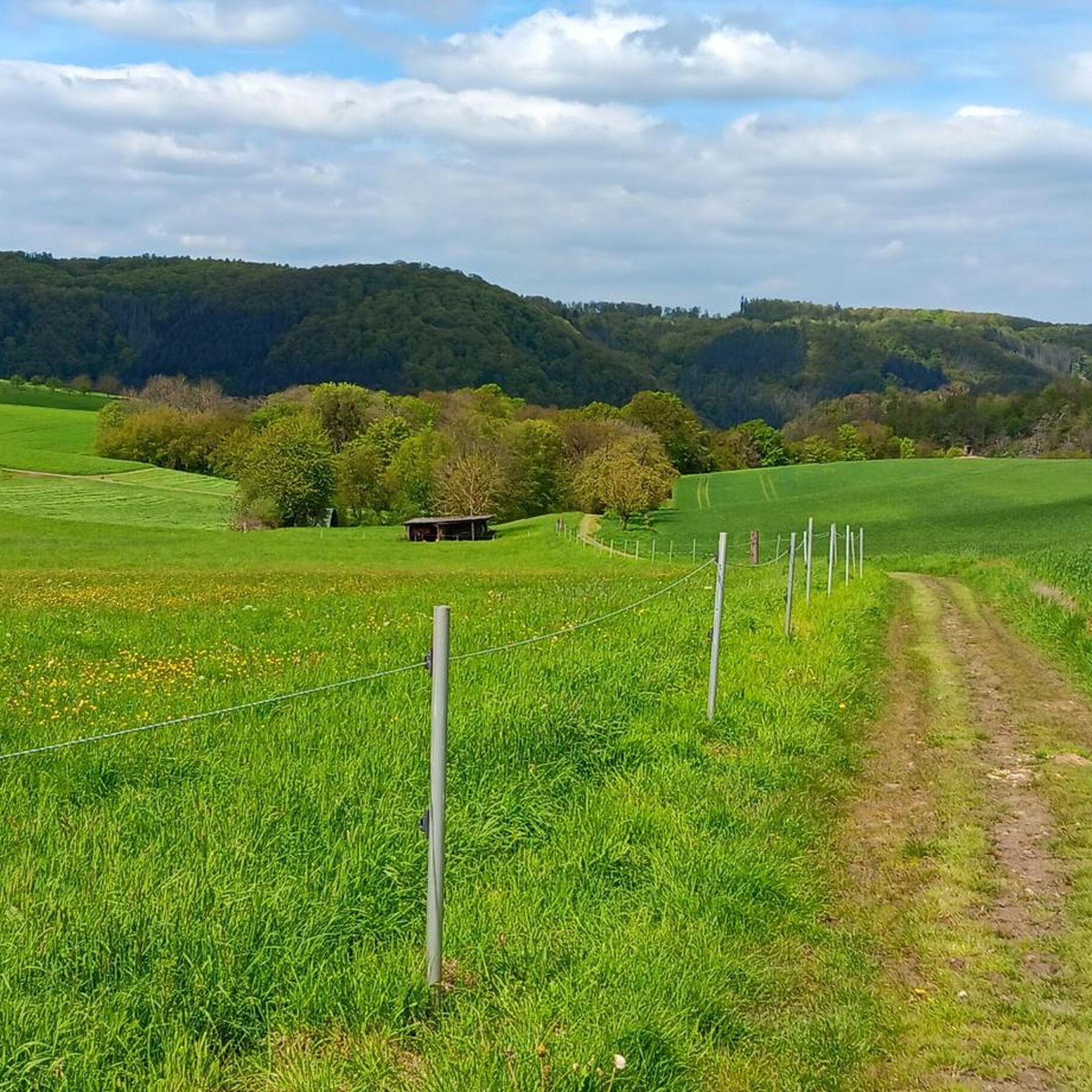
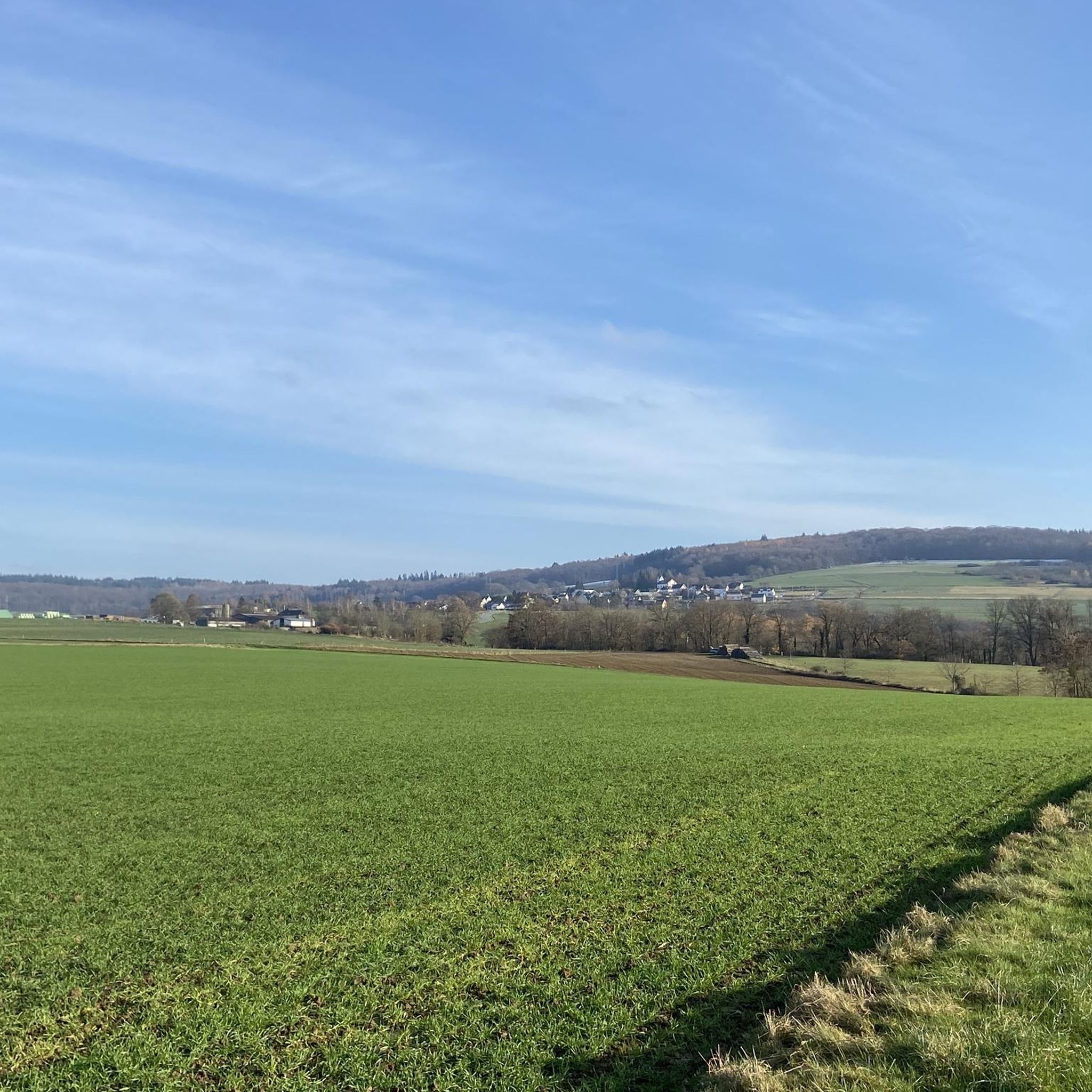
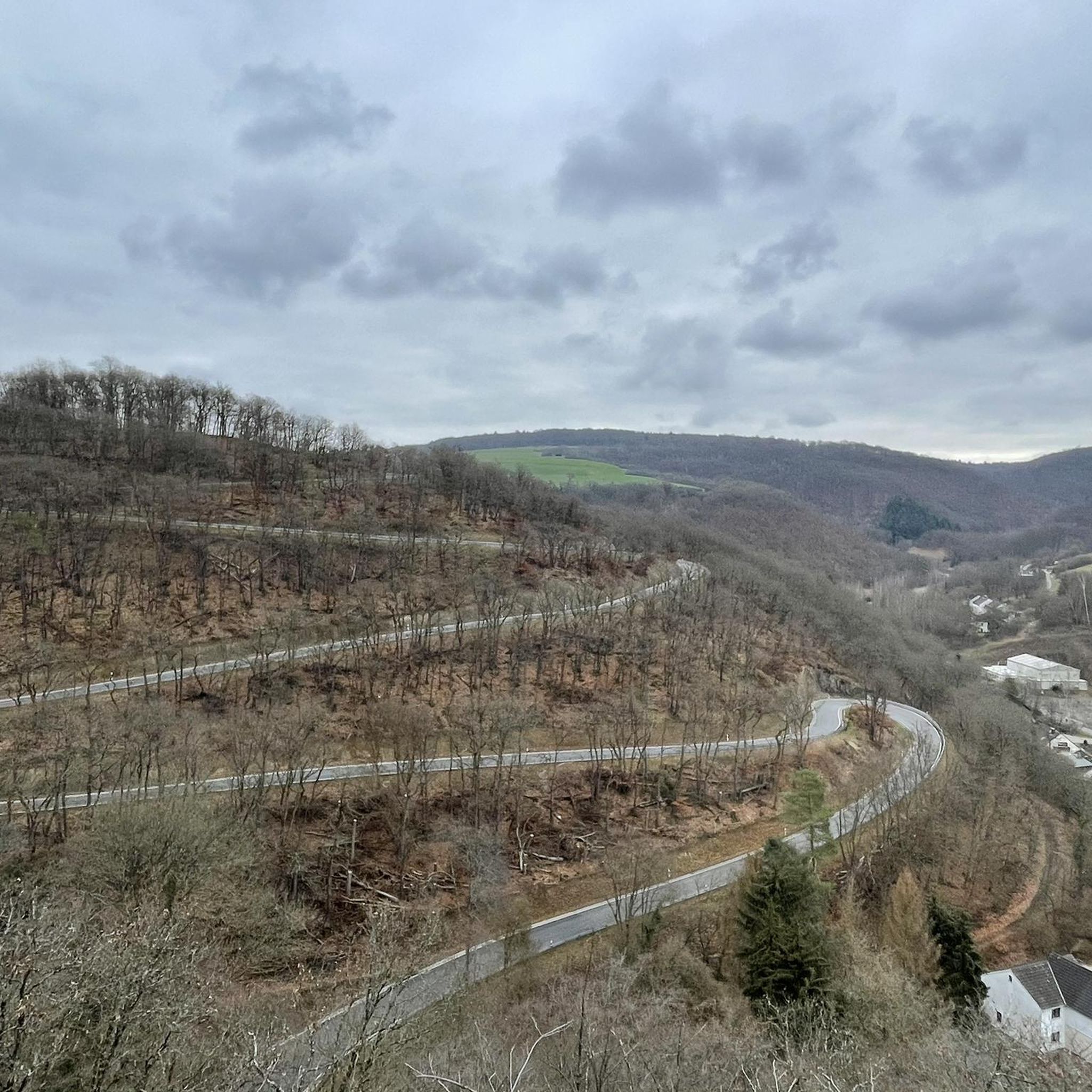
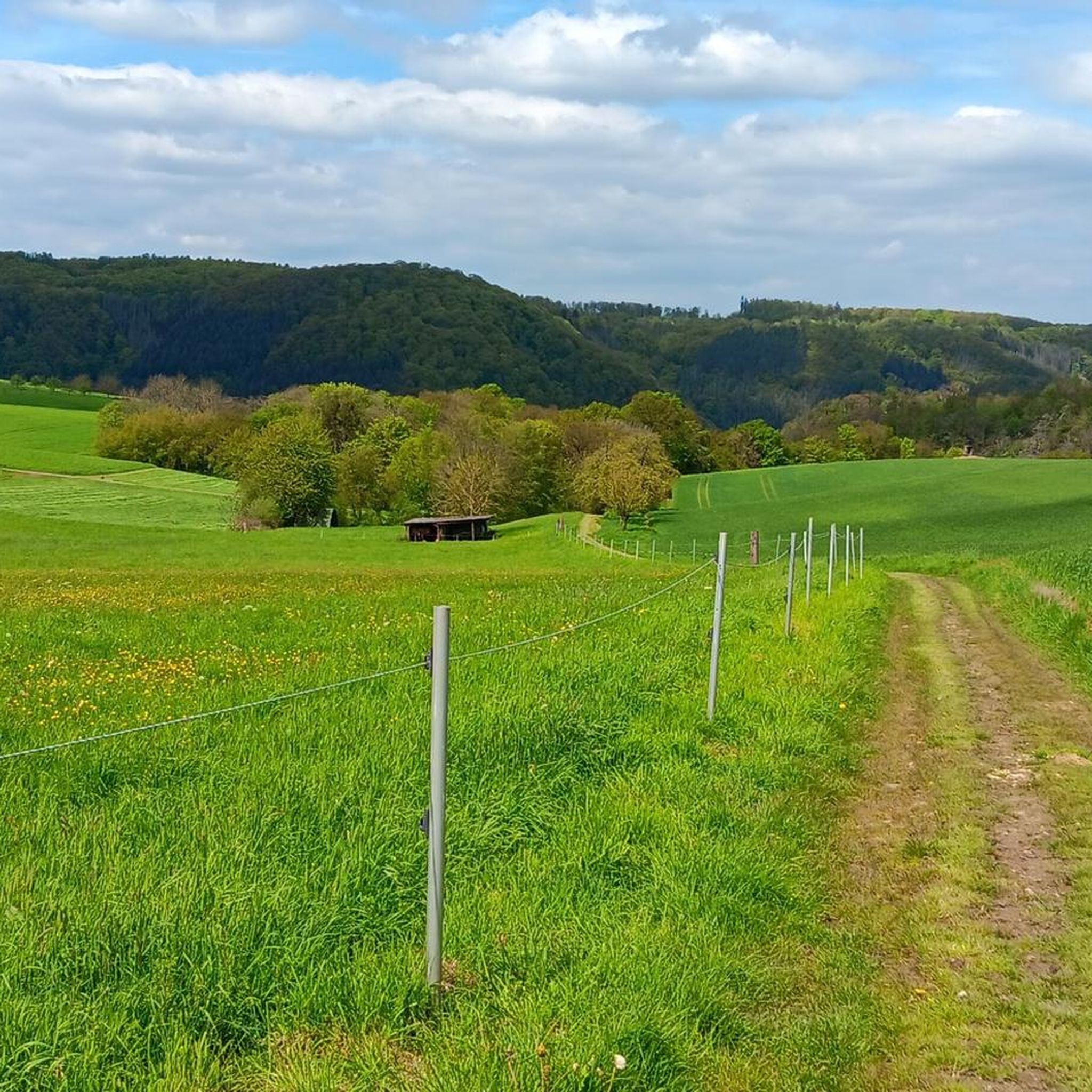
Best mountain peaks near Frücht, Germany, are found within the Taunus Mountains in Rhineland-Palatinate. This region, situated at an elevation of approximately 260 meters, offers a variety of well-marked hiking trails. The terrain around Frücht features natural viewpoints and distinct summits, providing opportunities for outdoor exploration. The area is characterized by its forested landscapes and scenic vistas over river valleys.
Best mountain peaks around Frücht
- The most popular mountain peaks is Hohe Lay Viewpoint, a viewpoint that offers a nice view over the Lahn Valley. This location provides beautiful vistas of Arnstein Monastery, Langenau Castle, and Nassau.
- Another must-see spot is View of Koblenz and the Rhine Valley from the Kühkopf summit cross and shelter, a viewpoint with facilities. Visitors can expect a great view of Koblenz and the Rhine Valley, making it a perfect place for a break.
- Visitors also love Summit cross with a view of Jammertal, a summit with a nice view over the Jammertal. This spot, known as The Lieselei, offers scenic outlooks.
- Frücht is known for its viewpoints and summits. The region offers a variety of mountain peaks to see and explore, ranging from scenic overlooks to distinct high points.
- The mountain peaks around Frücht are appreciated by the komoot community, with 255 upvotes and 24 photos shared by visitors.
Last updated: October 1, 2026
St. John's Church Niederlahnstein
Highlight • Religious Site
Translated by Google •
Tip by

Hohe Lay Viewpoint
Highlight • Viewpoint
Translated by Google •
Tip by

Sign up now to discover places like this
Get recommendations on the best single tracks, peaks, & plenty of other exciting outdoor places.
View of Koblenz and the Rhine Valley from the Kühkopf summit cross and shelter
Highlight • Viewpoint
Translated by Google •
Tip by

Hohenmalberg
Highlight • Summit
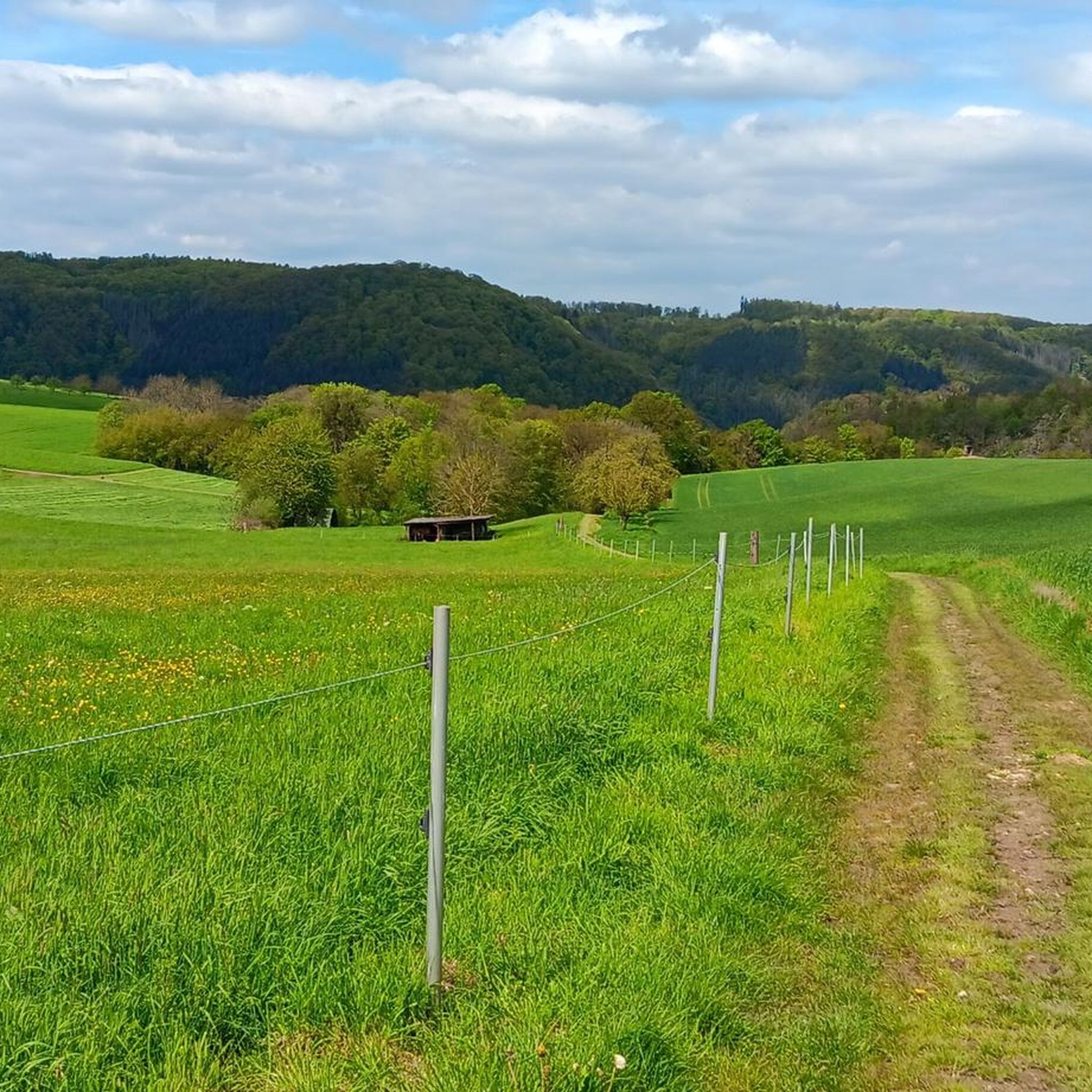
At 376 meters above sea level, the Hohenmalberg is one of the prominent elevations above Bad Ems. The summit area is characterized by an open forest clearing with a meadow and a fireplace. A small, locked hut is also located at the summit and appears to be privately used. The Hohenmalberg is a popular stop on hikes between Friedrichssegen, Frücht, and the Malberg.
Showing Translation
Tip by

Start today with a free account
Your next adventure awaits.
Tips from the Community

Summit of the Hohenmalberg At 376 meters above sea level, the Hohenmalberg is one of the prominent elevations above Bad Ems. The summit area is characterized by an open forest clearing with a meadow and a fireplace. A small, locked hut is also located at the summit and appears to be privately used. The Hohenmalberg is a popular stop on hikes between Friedrichssegen, Frücht, and the Malberg.
0
0

St. John's Church, beautiful to look at. Exterior with flood marks
6
0

The Johanneskirche in Niederlahnstein was built around 1130-1136 and is one of the oldest gallery churches on the Middle Rhine. In 1906 it became a monastery church and was integrated into the construction of a tasting facility.
4
0

Beautiful vantage point with a wide view over Koblenz and the Rhine Valley. In addition to a large brick shelter, there are numerous seating options and a large summit cross. Perfect place for a rest😉👍
5
0

The Johanniskirche is a Catholic church in Lahnstein (Rhineland-Palatinate). The late Romanesque basilica, the current building of which was erected in the 12th century, is located with the attached former St. John's monastery of the Congregation of the Sacred Heart of Jesus and Mary not far from the mouth of the Lahn in the Rhine and the private Johannes-Gymnasium Lahnstein in the district of Niederlahnstein. The church, which belongs to the Limburg diocese, bears the patron saint of St. John. Source and more: https://de.wikipedia.org/wiki/Johanniskirche_(Lahnstein)
4
0

"The Johanneskirche in Niederlahnstein was built around 1130-1136 and is one of the oldest gallery churches on the Middle Rhine and the most important in terms of art history. The churches in Koblenz (Liebfrauenkirche) and Boppard were built based on it. A steep central nave is particularly common in the churches of the Middle Rhine. (St. Peter's Church in Bacharach) The former parish church from the 12th century burned down in 1794. It remained a ruin until 1856/57. Then it was rebuilt as a "flat-roofed four-bay pillar basilica with sparse decoration" under the direction of Richard Görz and Edurad Zeis, but as is unusual for Romanesque basilicas, with an additional gallery floor. (Cornelius;116) The nave, the choir and the three lowest floors of the tower still date from the 12th century. A fourth tower, which was built towards the end of the The church, which was built in the 12th century, collapsed in 1884 as a result of a fire in 1794. The tower roof structure of the surviving towers is now the oldest on the Middle Rhine. The Johanneskirche in Niederlahnstein was the former parish church of the town and had belonged to the Archbishops of Trier since 1047. In 1906 it became a monastery church and was integrated into the construction of a monastery complex. The interior and exterior color paintings were done in the 20th century based on a medieval find." Source: Cornelius, Hans: The Rhine from Cologne to Mainz. Cologne 1979. ; The Rhine Valley from Bingen and Rüdesheim to Koblenz. A European cultural landscape. Vol. 2. Published by the State Office for Monument Preservation Rhineland-Palatinate. Mainz 2001; The Rhine Valley from Bingen and Rüdesheim to Koblenz. A European cultural landscape. Vol. 2. Published by the State Office for Monument Preservation Rhineland-Palatinate. Mainz 2001; Images: Imhof Verlag; red. Edit. AKZ https://www.regionalgeschichte.net/mittelrhein/niederlahnstein/kulturdenkmaeler/st-johannes.html
4
0

The St. John's Church was built around 1130.
4
0

It is definitely worth climbing the stairs to the "Hohe Lay" view. There you have a nice view and a bench.
8
0
Frequently Asked Questions
What are some notable viewpoints and summits to explore around Frücht?
You can find several rewarding spots. The Hohe Lay Viewpoint offers beautiful vistas over the Lahn Valley, including Arnstein Monastery and Nassau. For a panoramic view of Koblenz and the Rhine Valley, visit the Kühkopf summit cross and shelter, which is also a great spot for a break. Another summit is the Hohenmalberg, an elevation of 376 meters with an open forest clearing and fireplace, popular for hikers.
Are there any challenging mountain experiences near Frücht?
Yes, for those seeking a more demanding ascent, the Summit cross with a view of Jammertal, also known as Lieselei, offers a challenging experience. The path leading up is narrow, steep, and partially exposed, requiring sure-footedness and a good level of fitness.
What historical or cultural sites can I find near the mountain peaks?
While exploring the peaks, you can visit St. John's Church Niederlahnstein. Built around 1130, it is the oldest gallery church on the Middle Rhine and lies along the Way of St. James. It also serves as a venue for the Lahnsteiner Burgspiele in summer.
Are there family-friendly options for exploring the mountain peaks around Frücht?
Absolutely. The St. John's Church Niederlahnstein is considered family-friendly. Additionally, the View of Koblenz and the Rhine Valley from the Kühkopf summit cross and shelter is a great family-friendly spot, offering a wonderful view and facilities like benches and a hut for a comfortable break.
What outdoor activities can I do near these mountain peaks?
The region around Frücht is excellent for various outdoor activities. You can find numerous hiking trails, including the 'Schweizertal' to Miellen on the Lahn. For more specific routes, explore the hiking guide for Frücht. There are also dedicated MTB trails and traffic-free bike rides available.
What is the terrain and difficulty like for hiking around Frücht?
The Taunus Mountains offer varied terrain. While Frücht itself is at an elevation of approximately 260 meters, the surrounding peaks and trails can range from intermediate to challenging. For instance, the ascent to the Summit cross with a view of Jammertal is steep and requires sure-footedness, while other viewpoints like Hohe Lay are more accessible for general hiking and biking.
What natural features can I expect to see on the trails?
You'll encounter lush forests, especially around highlights like the Hohe Lay Viewpoint and the Kühkopf summit. The region is part of the Taunus Mountains, offering scenic valleys, rock formations, and expansive views over the Lahn and Rhine valleys.
Are there any circular mountain walks available near Frücht?
Yes, the hiking guide for Frücht includes routes like the 'Panorama Loop Trail Frücht – Schweizertal Trail loop from Bad Ems West', which offers a moderate circular walk through the scenic landscape.
What do visitors enjoy most about the mountain peaks and viewpoints in this area?
Visitors frequently praise the stunning panoramic views, especially from spots like the Hohe Lay Viewpoint and the Kühkopf summit, which offer great vistas of the Lahn and Rhine valleys. The well-maintained trails and opportunities for peaceful breaks at scenic spots with benches and huts are also highly appreciated.
What is the best time to visit the mountain peaks around Frücht?
The Taunus Mountains are generally enjoyable for hiking and outdoor activities from spring through autumn, when the weather is mild and the trails are dry. While winter hiking is possible, some paths, especially those with steep and exposed sections like the ascent to the Summit cross with a view of Jammertal, should only be attempted in dry conditions.
Most popular attractions around Frücht

Get inspired with the komoot mobile app


Explore more
See even more amazing summits around Frücht with these guides:
