Top 4 Castles around Palterndorf-Dobermannsdorf
Best castles around Palterndorf-Dobermannsdorf offer insights into the region's medieval past and defensive architecture. The area features the Wehrturm Palterndorf, a prominent Gothic fortified tower first documented in 1414. This structure, once part of a fortified farmstead, provides a historical perspective on local life and defense. While other historical fortifications like the former Burg Palterndorf are no longer visible, the existing structures highlight the area's strategic importance.
Best castles around Palterndorf-Dobermannsdorf
- The most popular castles is Jedenspeigen Castle, a…
Last updated: May 16, 2026
Jedenspeigen Castle
Highlight • Castle
Translated by Google •
Tip by

Hauskirchen Castle
Highlight • Castle
Translated by Google •
Tip by

Sign up now to discover places like this
Get recommendations on the best single tracks, peaks, & plenty of other exciting outdoor places.
Sign up for free
Prinzendorf Castle
Highlight • Castle
A visit was not possible.
Translated by Google •
Tip by

Niederabsdorf Castle
Highlight • Castle
More about the story:
de.wikipedia.org/wiki/Schloss_Niederabsdorf
Translated by Google •
Tip by
Start today with a free account
Your next adventure awaits.
Login or Signup
Popular around Palterndorf-Dobermannsdorf
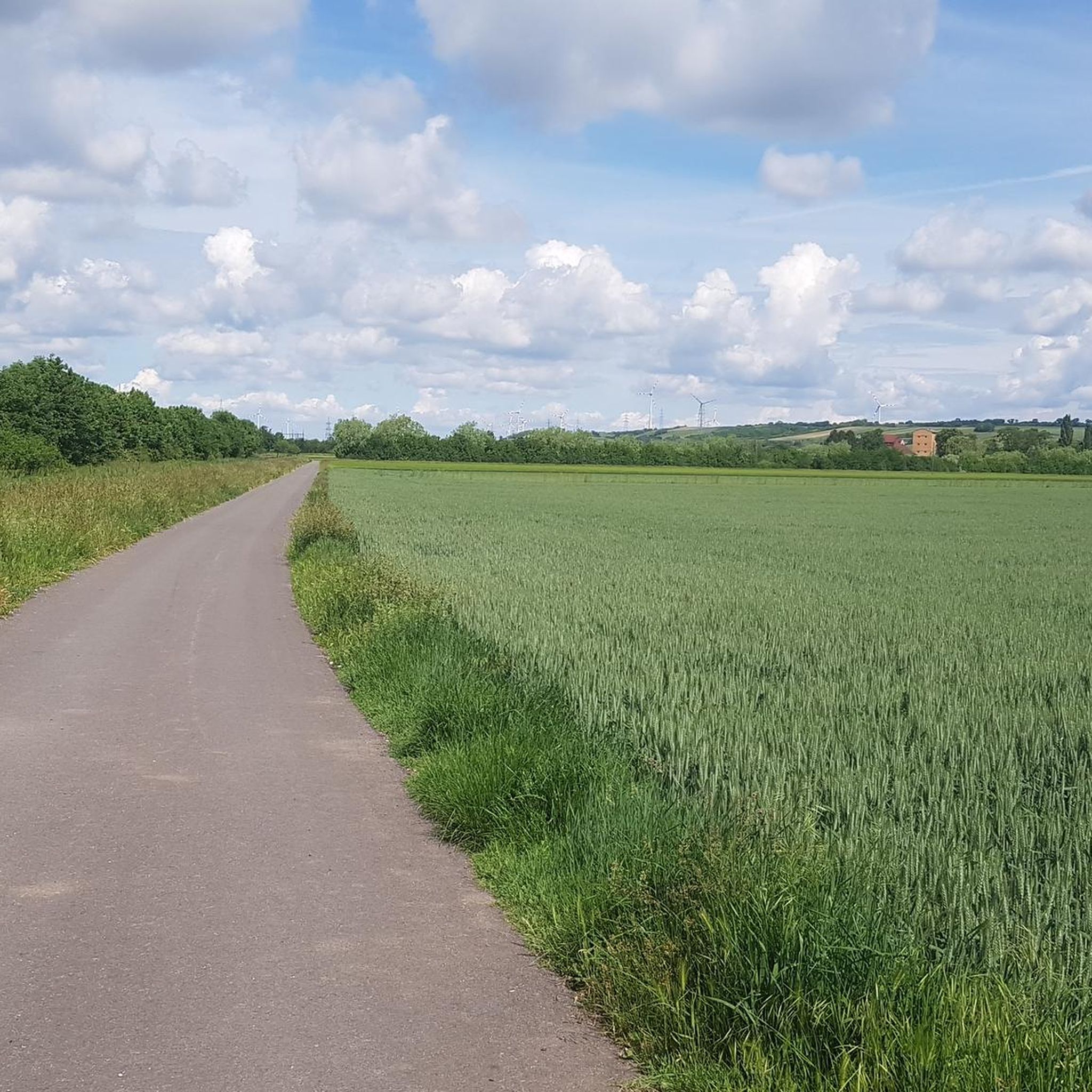
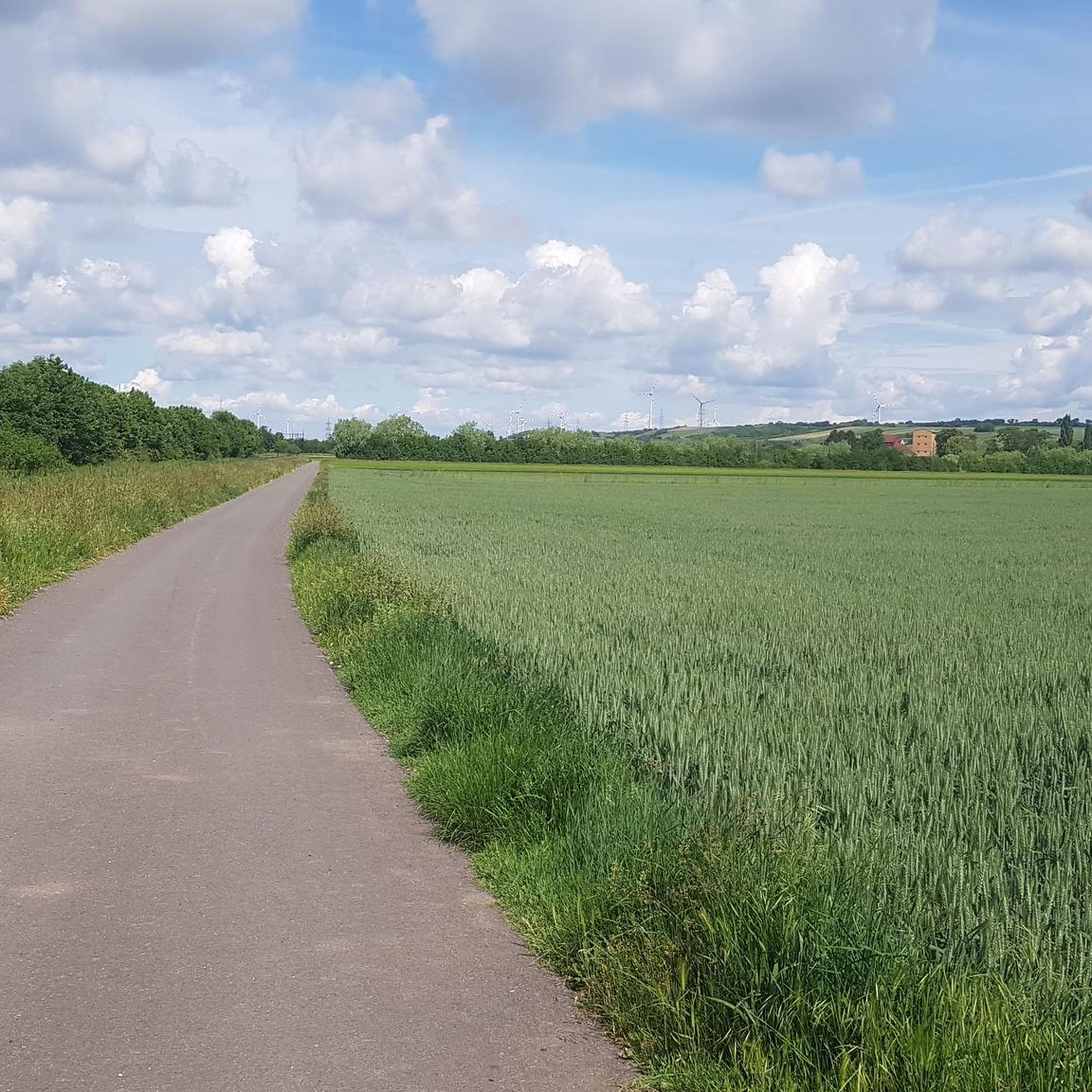
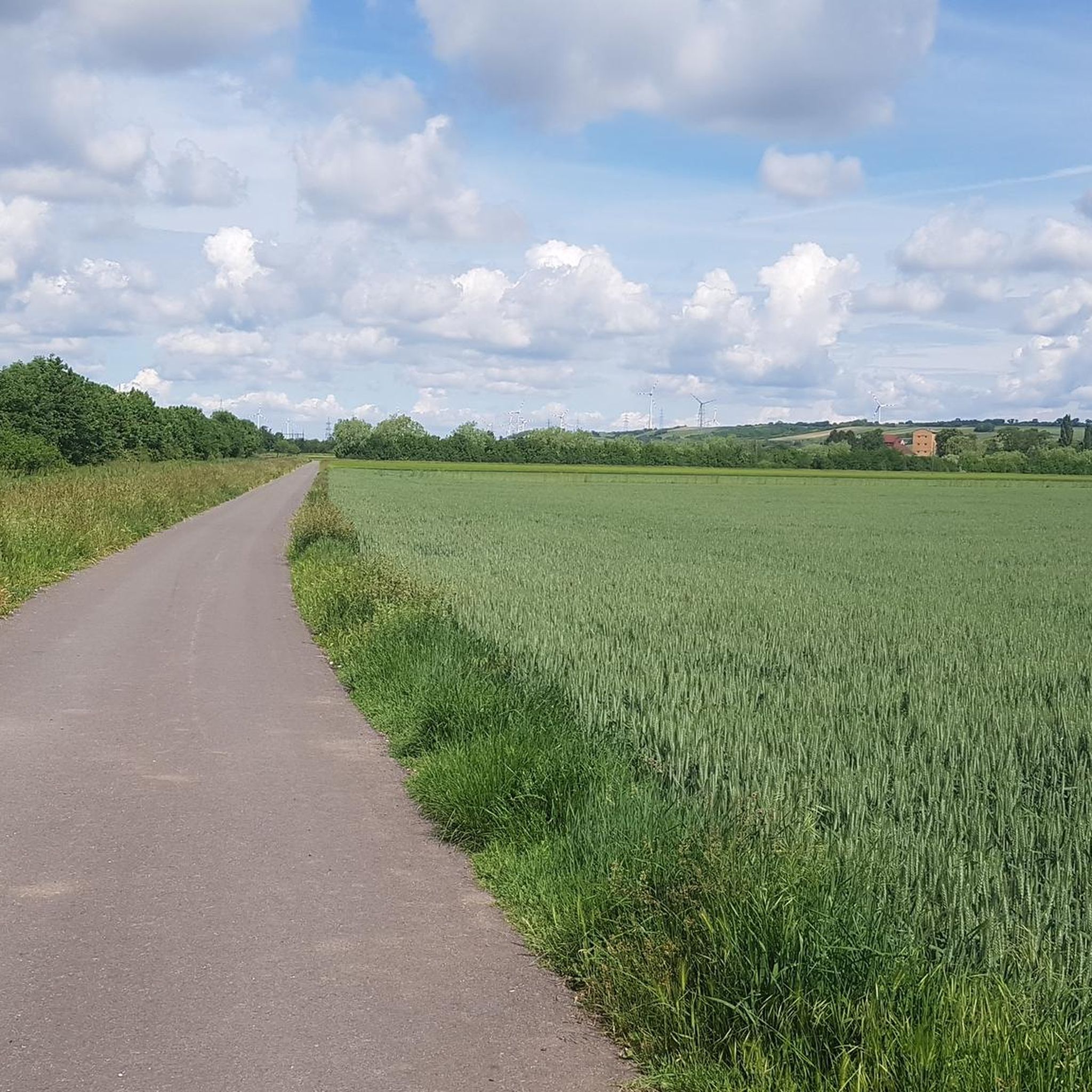
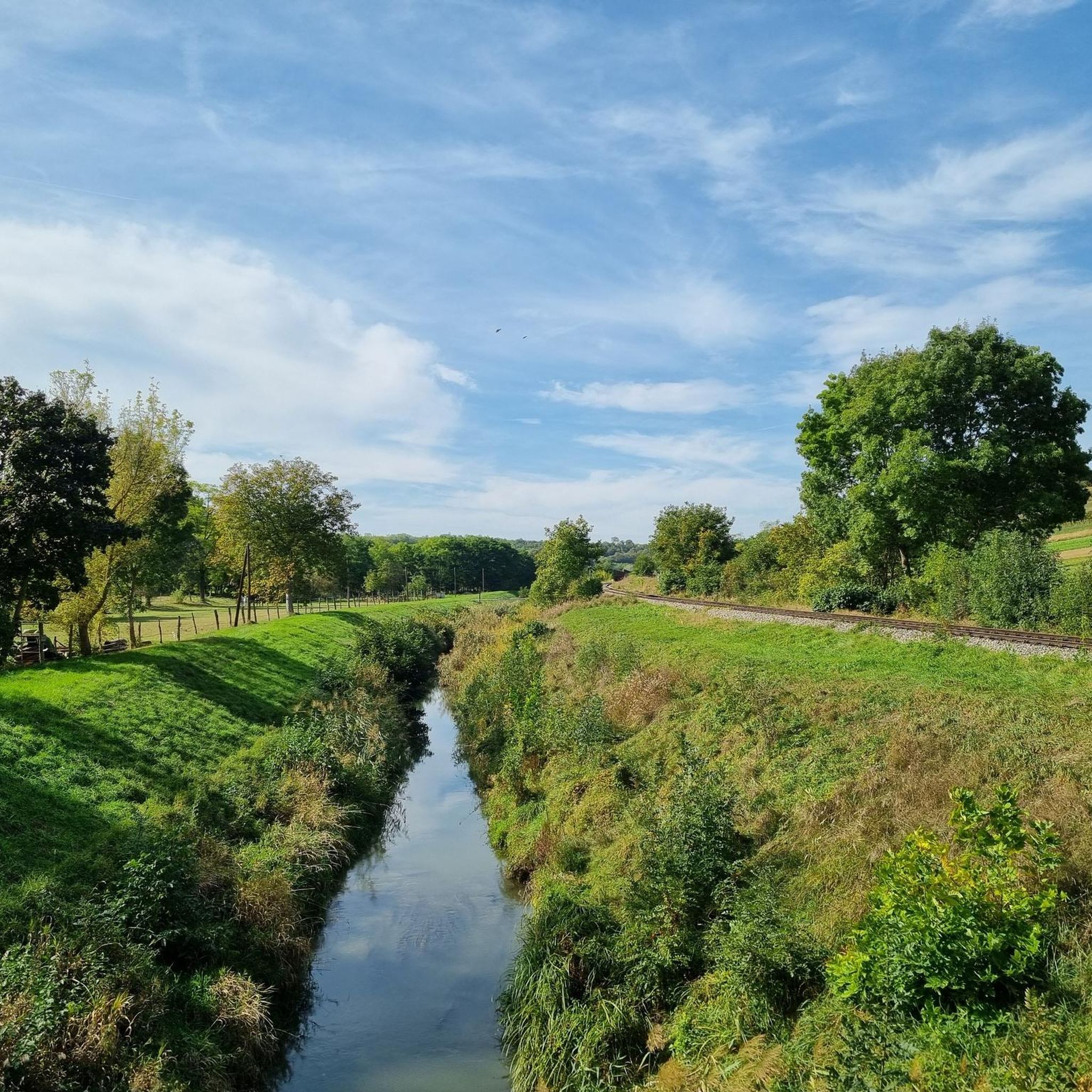

Tips from the Community

Converted into a sugar factory in the 19th century, it now serves as a farm and riding stable. Only the farmyard remains of the castle.
0
0

The artist Hermann Nitsch (1938-2022) was one of the Viennese Actionists. In 1998, the palace hosted his 6-Day Play, the artist's 100th performance and the only continuous performance of his life's work. In 2025, after his death, the last three days of the festival (second version) were performed again at Pentecost.
0
0

Hauskirchen Castle: This early Baroque castle, significantly altered over the centuries, originally formed a fortified complex together with the Hauskirchen parish church. Franz Anton Pilgram was involved in the planning of the elongated Baroque building of Prinzendorf Castle.
0
0

The castle, a mighty two-story square building with a defensive moat, was mentioned in writing as early as 1296. Today, including the area in front of and around the castle, the cultural center of the community, where numerous interesting musical events take place every year. More about the story: https://de.wikipedia.org/wiki/Schloss_Jendenspeigen
0
0
First mentioned in a document in 1045. Today privately owned and used as a riding property. More about the story: https://de.wikipedia.org/wiki/Schloss_Niederabsdorf
0
0
The community bought the castle in 1960 and sold it in 1967. The castle is now owned by several families. Story: House churches were probably founded around 1100 by Hugo of Liechtenstein under the name "Hugeschirichen". It originally only consisted of a fortified building and a small church. In 1110 he also founded the associated parish. After 1142, Wichard von Stronsdorf from the Chadolde clan handed over the “Hugeschirchen” estate to Klosterneuburg Abbey. According to Dopsch, the name "Hugo" contained in the place name could be identical to Hugo I of Liechtenstein, who was wealthy in the area and appears in documents several times between 1120 and 1243. Around 1200, Gerbirgis von Eibesthal gave the monastery new ownership of house churches in the form of three and a half peasant fiefs. In 1312 Hermann von Eibesthal sold local property to the duke. In 1319 a “Frewe von Hauskirchen” appeared. In 1590, splinter ownership of various noble families can already be identified, including: Liechtenstein, Fünfkirchen and Joseph Gröbl. Hans Nußkircher named himself after the place in 1590. In 1599 the property passed to Hans Reinhard Ehrenreiter, who probably built the castle around 1602/03. The castle can probably only be seen as an indirect successor to the older seat. In 1838 Hauskirchen belonged to the Knights of Gyra, and in 1846 it belonged to Liechtenstein again.
0
0
The Orgies Mysteries Theater was also performed here.
1
0

Although the castle is privately owned by Hermann Nitsch, who regularly organizes theater events ("orgies-mystery games"), a detour from the Sylvaner Radweg is still worthwhile. A visit was not possible.
1
0
Frequently Asked Questions
What is the most significant historical fortification in Palterndorf-Dobermannsdorf?
The most significant historical fortification is the Wehrturm Palterndorf, a prominent medieval fortified tower. First documented in 1414, it stands as the only Gothic village tower of its kind north of the Danube in Lower Austria. It was part of a fortified farmstead and has been renovated to house a museum.
What can I expect to see and do at the Wehrturm Palterndorf?
The Wehrturm Palterndorf offers a unique glimpse into medieval defensive architecture. Inside, you'll find an exhibition detailing the tower's history, the region's connection with the Teutonic Order, and the Amber Road. A significant draw is the top platform, which provides an impressive panoramic view extending to the Small Carpathians in Slovakia. Tours are available, often requiring prior appointment.
Are there other historical castles to visit in the Palterndorf-Dobermannsdorf region?
Yes, beyond the Wehrturm, you can explore other historical sites. Jedenspeigen Castle houses an exhibition about the Battle of Dürnkrut and Jedenspeigen. Niederabsdorf Castle, though now a private riding property, has a history dating back to 1045. Hauskirchen Castle is an early Baroque castle that originally formed a fortified complex with the local parish church.
Is the Wehrturm Palterndorf suitable for families with children?
Yes, the Wehrturm Palterndorf is noted as being suitable for children. Its historical exhibits and the panoramic view from the top platform can be engaging for younger visitors.
What kind of exhibitions are available at the castles in the area?
At the Wehrturm Palterndorf, you'll find an exhibition covering the tower's history, the Teutonic Order's presence, and the Amber Road. Jedenspeigen Castle hosts a permanent exhibition and documentation about the Battle of Dürnkrut and Jedenspeigen, a significant knight battle between Rudolf of Habsburg and Ottokar of Bohemia.
Are there any castles with panoramic views in the region?
Yes, the Wehrturm Palterndorf offers an impressive panoramic view from its top platform, extending all the way to the Small Carpathians in Slovakia.
What outdoor activities can I do near the castles in Palterndorf-Dobermannsdorf?
The region offers various outdoor activities. You can find numerous cycling routes, such as the 'Oil Derricks of Zayatal – Sulphur Spring loop' or the 'Palterndorf Watchtower – Palterndorf–Gösting Cycle Path loop'. For hiking, consider routes like the 'Johannes Chapel – Palterndorf Watchtower loop'. You can explore more options in the Cycling around Palterndorf-Dobermannsdorf and Hiking around Palterndorf-Dobermannsdorf guides.
Are there hiking trails that include historical sites or castles?
Yes, for example, the 'Johannes Chapel – Palterndorf Watchtower loop' is a moderate 8.8 km hiking route that includes the Wehrturm Palterndorf. You can find more hiking options that may pass by historical sites in the Hiking around Palterndorf-Dobermannsdorf guide.
What is the history behind the castles in this region?
The castles and fortifications in Palterndorf-Dobermannsdorf reflect a rich medieval past. The Wehrturm Palterndorf dates back to at least 1414 and was part of a fortified farmstead. Historical records also suggest a former Burg Palterndorf from the 12th century, though no visible remains exist today. Other castles like Jedenspeigen Castle and Niederabsdorf Castle have histories stretching back to the 11th and 12th centuries, undergoing various transformations over time.
How can I access the Wehrturm Palterndorf?
The Wehrturm Palterndorf is accessible via an external wooden staircase, which was added during its 2005 renovation. The original entrance was a high-level entry, a defensive feature. Tours are available, though often require prior appointment.
Are there any lost or less visible historical fortifications in the area?
Yes, historical records mention a former Burg Palterndorf (Palterndorf Castle) dating back to the 12th century, but it was last mentioned in 1504 and has no visible remains today. Additionally, the local Parish Church itself shows traces of its former defensive capabilities, indicating its role in the area's historical fortifications.
What do visitors appreciate most about the castles around Palterndorf-Dobermannsdorf?
Visitors appreciate the insights into the region's medieval past and defensive architecture. The community has shared 29 photos and given 23 upvotes, highlighting the historical significance and visual appeal of structures ranging from defensive towers to historical residences like Jedenspeigen Castle and the unique Wehrturm Palterndorf.
What is the best time of year to visit the castles in Palterndorf-Dobermannsdorf?
While specific seasonal data for castle visits isn't available, the region's outdoor activities, such as hiking and cycling, are generally most enjoyable during spring, summer, and early autumn when the weather is mild and pleasant. This would also be an ideal time to explore the castles and their surroundings.
Most popular routes around Palterndorf-Dobermannsdorf
Most popular attractions around Palterndorf-Dobermannsdorf

Get inspired with the komoot mobile app


Explore more
Looking for the best castles somewhere else? Discover other guides around Palterndorf-Dobermannsdorf:
