Top 6 Castles around Großhofen
Best castles around Großhofen are found within the broader Gänserndorf region, offering historical sites and cultural landmarks. This area, part of Lower Austria, features a landscape characterized by agricultural plains and proximity to the Danube River. Visitors can explore various historical structures that reflect the region's past. The region provides opportunities for exploring landmarks and natural features near these historical sites.
Best castles around Großhofen
- The most popular castles is Schloss Hirschstetten, a historical site. The entrance portal, castle…
Last updated: May 16, 2026
Sachsengang Castle
Highlight • Castle
Translated by Google •
Tip by

Süßenbrunn Castle
Highlight • Castle
Translated by Google •
Tip by
Sign up now to discover places like this
Get recommendations on the best single tracks, peaks, & plenty of other exciting outdoor places.
Sign up for free
Essling Castle
Highlight • Castle
Translated by Google •
Tip by
Obersiebenbrunn Castle / St. Antonius Monastery
Highlight • Castle
Translated by Google •
Tip by

Schloss Hirschstetten
Highlight • Castle
Translated by Google •
Tip by

Sign up for free to discover even more castles around Großhofen.
Sign up for free
Already have an account?
Start today with a free account
Your next adventure awaits.
Login or Signup

Tips from the Community

Around 1120, Adalbert von Sachsengang was documented as the first representative of the family named after the castle. When Emperor Ferdinand III put Sachsengang up for sale in 1655, it was already in very poor condition. Johann Konrad von Richthausen became the new lord of the castle. He primarily engaged in alchemical experiments in Sachsengang. As early as 1659, he sold the castle to Dr. Jakob von Thavonat, a South Tyrolean, who had it expanded into a palace. His descendants still live in and manage the castle today.
0
0

The Sachsengang fortress, probably one of the oldest and perhaps the oldest, fortification around Vienna, was one of the most important in the medieval chain of castles that stretched from Eßling to Stopfenreuth. In 1659, the South Tyrolean Baron Dr. Jakob von Thavonat bought the Sachsengang castle and converted it into a palace. His descendants still live in and manage the castle today. More on the history: http://www.burgenkunde.at/niederoesterreich/sachsengang/sachsengang.htm
1
0
According to documents, the castle was taken over by Dietrich von Pillichsdorf in 1320 as a permanent house together with the Prun(n) estate. After wars with the Turks, the fortress house fell into desolation around 1529. In the last quarter of the 16th century, the town was repopulated by Urban Sueß (Siess) and a castle was built, whereby the place name Sueßen Brunn (Siessenprunn) was newly composed of the family name and the old domain name. Around 1600 the castle was owned by the Barons of Landau, from 1622 by the Losensteins, from 1660 by the Auersperg, from 1667 by the Grundmanns, from 1802 by the Barons of Walterskirchen, from 1813 by Count Kokorzowa, from 1816 owned by Baron von Bartenstein, in the 19th century owned by the Dubsky von Trebomyslice, around 1900 owned by the Bösch family and since 1926 owned by the Theresian Academy. In 2008 the castle was acquired by the Ludwig Reiter shoe manufacturer, which renovated the building and moved there in March 2011.
0
0
According to a document from 1287, the area was a fiefdom of the Lords of Eslarn. The property went to Baron von Teufel in 1579. In an engraving by Georg Matthäus Vischer from 1672, the castle is shown as a new building. The property passed to the Kinsky family in 1722, after which it was renovated and expanded. Then in 1760 the castle belonged to Franz Stephan of Lorraine and went to the Habsburg family fund in 1797. The castle was badly damaged during the Battle of Aspern in 1809 and was then restored. The castle was adapted and restored between 1988 and 1991.
1
0

Hirschstetten Castle was destroyed in a bomb attack on March 12, 1945. The entrance portal, the castle chapel and a few outbuildings were spared.
0
0

On the northern bank of the Danube, Sachsengang is the oldest inhabited fortification.
0
0

You can see from the monastery that it was once a castle. Unfortunately you couldn't get in.
0
0
Obersiebenbrunn Palace is a baroque palace with gardens, which was acquired by the Coptic Church in 2001. Since then, the Coptic Monastery of St. Anthony and the Coptic Museum have been located there. This provides information about the Egyptian-Christian religious community.
0
0
Frequently Asked Questions
Where are the castles around Großhofen located?
The castles are not directly within Großhofen itself, but rather in the broader Gänserndorf region of Lower Austria. Großhofen serves as a locality within this area, which features historical sites and cultural landmarks accessible from the municipality.
What kind of historical sites can I expect to find near Großhofen?
You can expect to find a variety of historical structures, including ancient fortifications, baroque palaces, and former castles that have been converted or repurposed over time. Each site offers a glimpse into the region's rich past.
What is unique about <a href="https://www.komoot.com/highlight/5128684" target="_blank" rel="noopener">Schloss Hirschstetten</a>?
Schloss Hirschstetten is a historical site that was largely destroyed in 1945. However, its entrance portal, castle chapel, and some outbuildings were spared and remain today, offering a poignant look at its resilience.
Can I visit <a href="https://www.komoot.com/highlight/4710037" target="_blank" rel="noopener">Obersiebenbrunn Castle</a>?
Obersiebenbrunn Castle, a baroque palace, was acquired by the Coptic Church in 2001. It now houses the Coptic Monastery of St. Anthony and the Coptic Museum, providing insight into the Egyptian-Christian religious community. While the exterior is visible, access to the interior may be limited to specific monastery or museum hours.
What is special about <a href="https://www.komoot.com/highlight/7210183" target="_blank" rel="noopener">Sachsengang Castle</a>?
Sachsengang Castle is an ancient fortification, considered one of the oldest around Vienna. It was converted into a palace in 1659, and remarkably, its descendants continue to live in and manage the property to this day.
What is the history of <a href="https://www.komoot.com/highlight/6454386" target="_blank" rel="noopener">Essling Castle</a>?
Essling Castle has a long history, passing through various noble families. It was significantly damaged during the Battle of Aspern in 1809 but was subsequently restored. Further adaptations and restorations took place between 1988 and 1991.
What is the current use of <a href="https://www.komoot.com/highlight/363302" target="_blank" rel="noopener">Süßenbrunn Castle</a>?
Süßenbrunn Castle, after a long history of various owners, was acquired by the Ludwig Reiter shoe manufacturer in 2008. The company renovated the building and moved its operations there in March 2011.
Are there hiking opportunities near the castles around Großhofen?
Yes, the region around Großhofen offers various hiking opportunities. You can find routes like the 'Muscovy Ducks at the Rußbach – Marchfeldkanal Path loop' or 'Hiking loop from Deutsch-Wagram'. For more details, explore the Hiking around Großhofen guide.
Can I go cycling near the castles in the Großhofen region?
Absolutely. The area provides several cycling routes, including the 'Kinderwald Sunset View – Parbasdorf 1809 Memorial loop' and the 'ADAMAH BioHof Cycling Stop loop'. Check out the Cycling around Großhofen guide or the Road Cycling Routes around Großhofen guide for more options.
What is the best time of year to visit the castles near Großhofen?
The Gänserndorf region, where these castles are located, experiences a continental climate. Spring and autumn generally offer pleasant weather for exploring historical sites and engaging in outdoor activities like hiking and cycling. Summer can also be enjoyable, though it may be warmer.
Are there family-friendly castles or activities in the area?
While specific family-friendly activities at each castle vary, Schloss Hirschstetten is noted as family-friendly. The broader region also offers easy hiking and cycling routes suitable for families, as detailed in the komoot guides for the area.
What natural features can I see near these castles?
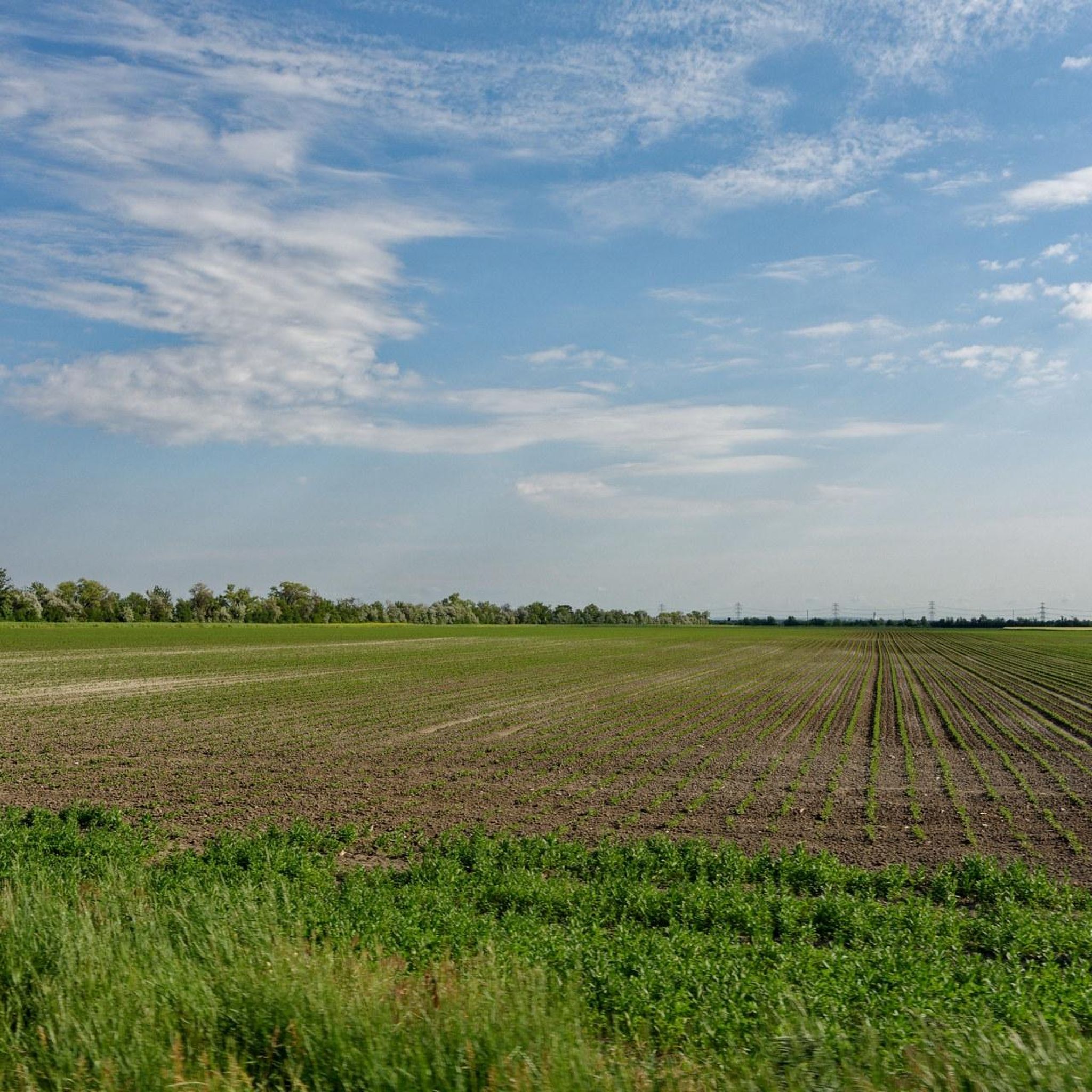
The region is characterized by agricultural plains and its proximity to the Danube River. While specific natural features directly adjacent to each castle vary, the landscape offers opportunities for exploring the natural environment alongside historical sites.
Most popular attractions around Großhofen

Get inspired with the komoot mobile app


Explore more
Looking for the best castles somewhere else? Discover other guides around Großhofen:
