Top 5 Castles around Redlham
Best castles around Redlham are situated in Upper Austria, a region characterized by its Alpine foothills and historical significance. The area around Redlham, including the neighboring Attnang-Puchheim, offers a blend of cultural heritage and natural landscapes. This location provides a setting for exploring historical sites and enjoying the local environment.
Best castles around Redlham
- The most popular castles is Puchheim Castle, a Renaissance castle that has served as a Redemptorist monastery since 1851. It houses a music school, a…
Last updated: November 25, 2026
Wolfsegg Castle
Highlight • Castle
Translated by Google •
Tip by

Puchheim Castle
Highlight • Castle
Translated by Google •
Tip by

Sign up now to discover places like this
Get recommendations on the best single tracks, peaks, & plenty of other exciting outdoor places.
Schloss Neuwartenburg
Highlight • Castle
Translated by Google •
Tip by
Schloss Aigen
Highlight • Castle
Translated by Google •
Tip by

Köppach Castle
Highlight • Castle
Translated by Google •
Tip by
Start today with a free account
Your next adventure awaits.
Tips from the Community


The castle stands within an area enclosed by a stone wall. On the access side, a double-leaf wrought-iron gate replaces a former gatehouse. The castle is two-story, hook-shaped. It has a broken mansard roof with four corner turrets resting on consoles, each with a broken roof and a bulbous dome crowned by a finial. The ground-floor windows have wrought-iron sashes. In the castle courtyard is a triangular coat of arms of the Querrer family bearing the year 1593. The castle has been rebuilt frequently; its current appearance dates from the end of the 20th century. The former castle chapel no longer stands. The Schausberger family has been fundamentally renovating the castle since the 1970s. Today, the castle is enlivened by cultural events.
0
0

The Pollheimersche lordship of Wartenburg is documented as early as 1319. Their original seat of power was Wartenburg Castle on the southern foothills of the Hausruck above the Vöckla, and from 1639 the Alt-Wartenburg Castle to the north, both derelict today. Neu-Wartenburg Castle is located on the right Vöcklauf, below the castle. The palace was built by the Viennese architect Anton Erhard Martinelli between 1730 and 1732 on behalf of Johann Albert Graf Saint-Julien-Wallsee (1673–1766). Count Wallsee bought the manor in 1729 from Nütz von Goisernburg, who had been there since 1640. He had Emperor Charles VI. invited to a falcon hunt for 3 days and wanted to offer him accommodation befitting his status. Already in 1754 he had to sell the property again because of debts. Through the Ghelen family, it passed to the nobles von Grechtler in 1766, to Thaddäus von Reischach in 1785 and to Ludwig Ratzesberg in 1847, until Albert Graf von Saint-Julien was able to bring it back into family ownership in 1869. The last heiress of the Saint-Julien family was adopted by Elisabeth Countess von Strachwitz; the castle has belonged to the von Strachwitz family since 1973.
1
0

Beautiful well-kept small garden area. Relatively quiet location. Apartments are always being rented.
0
0
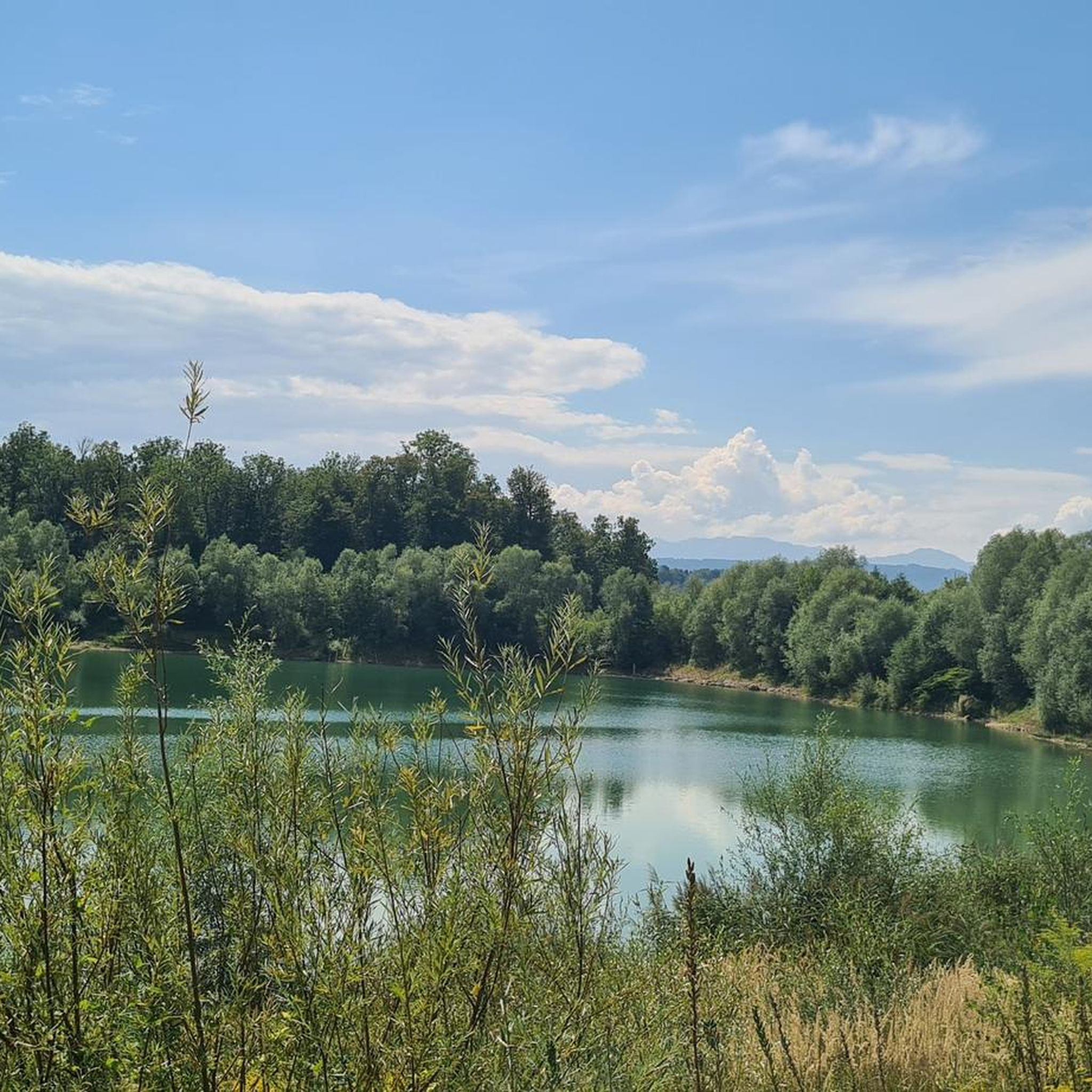
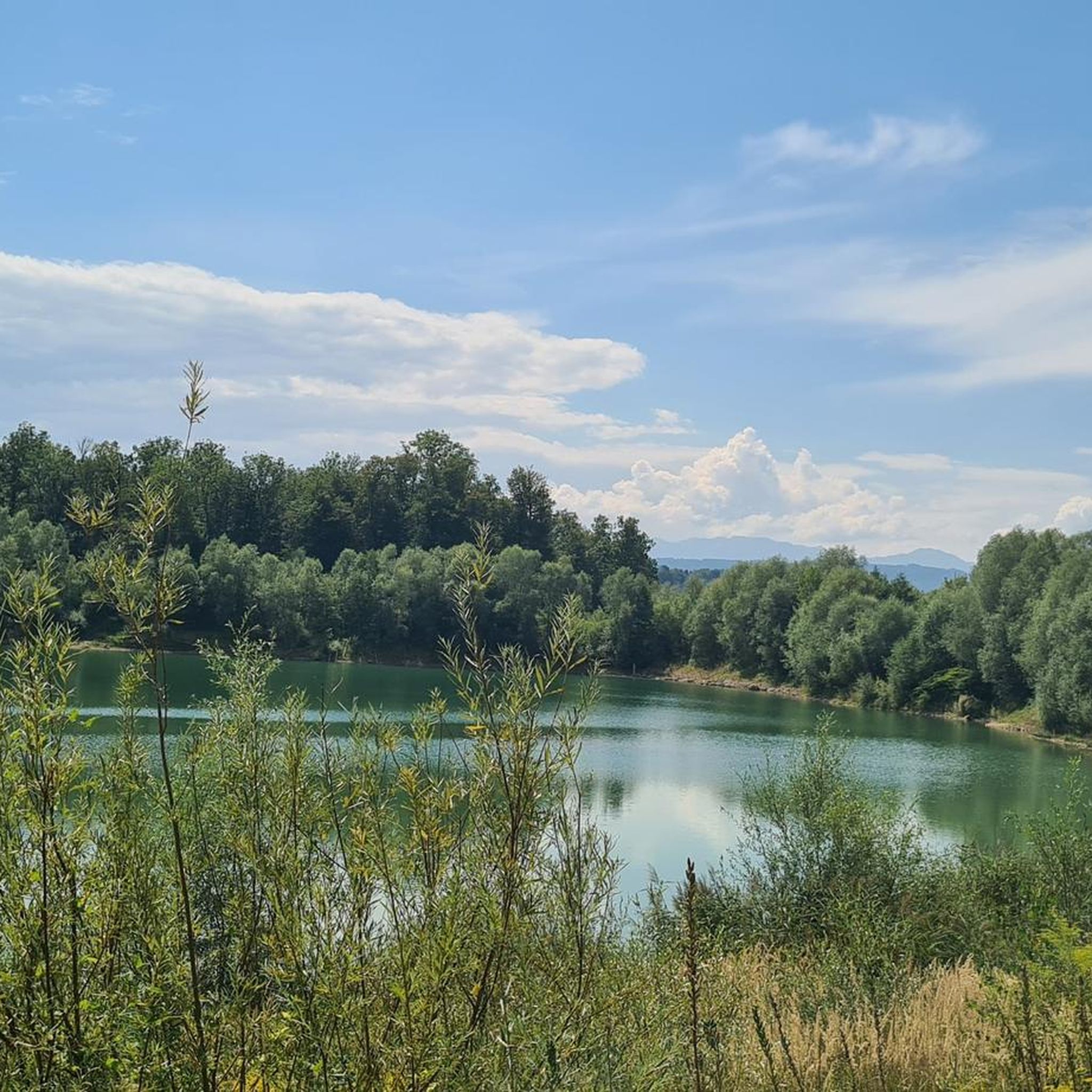
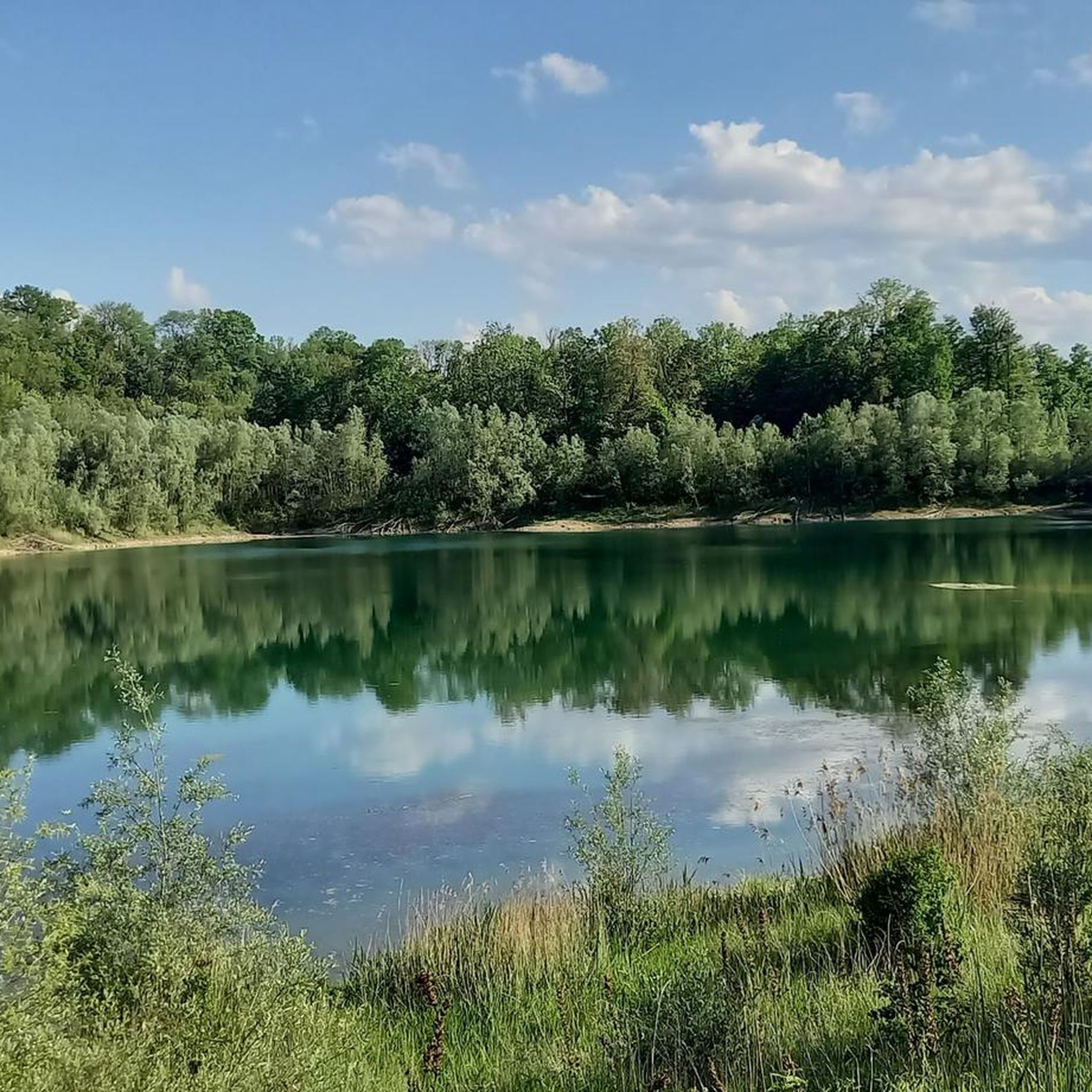
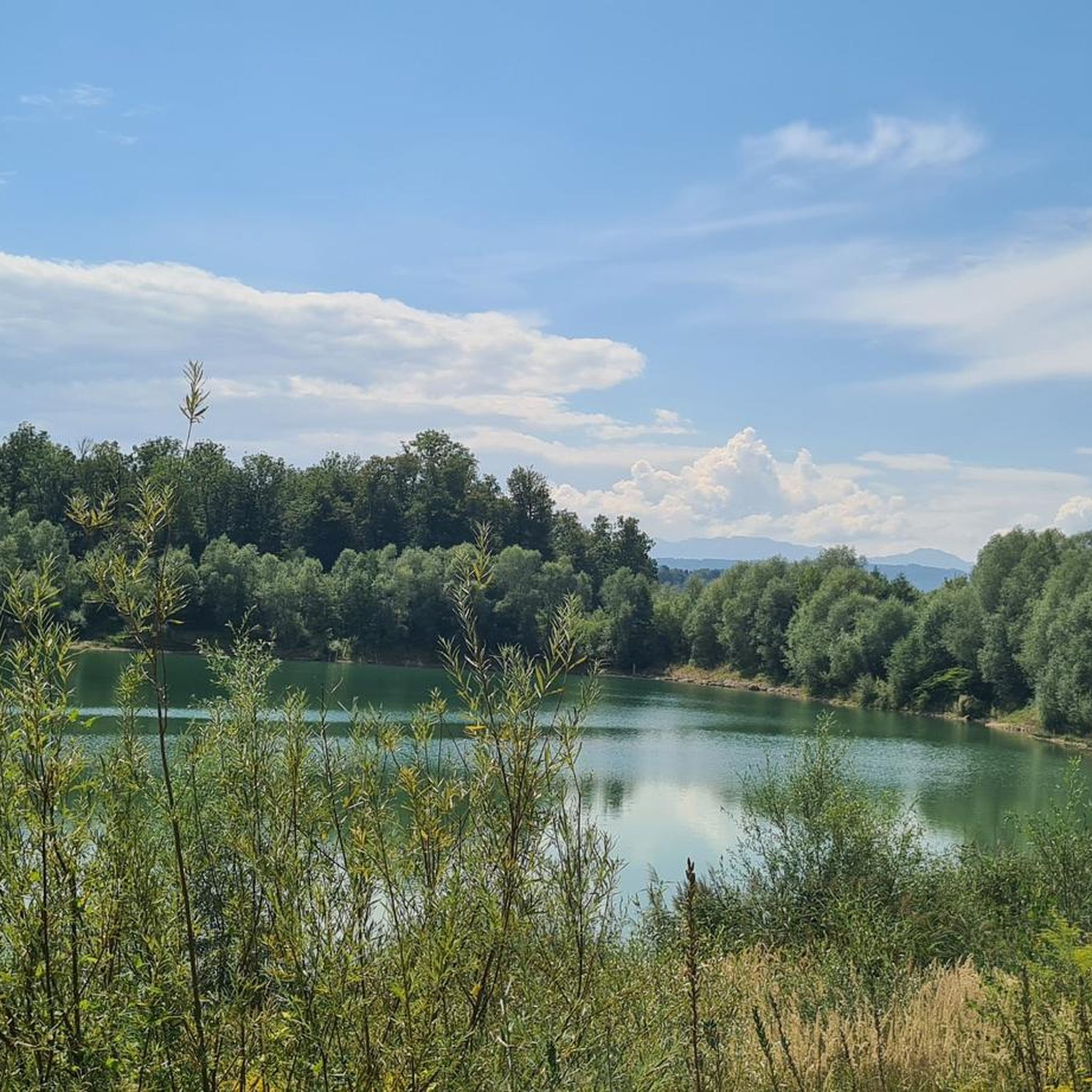
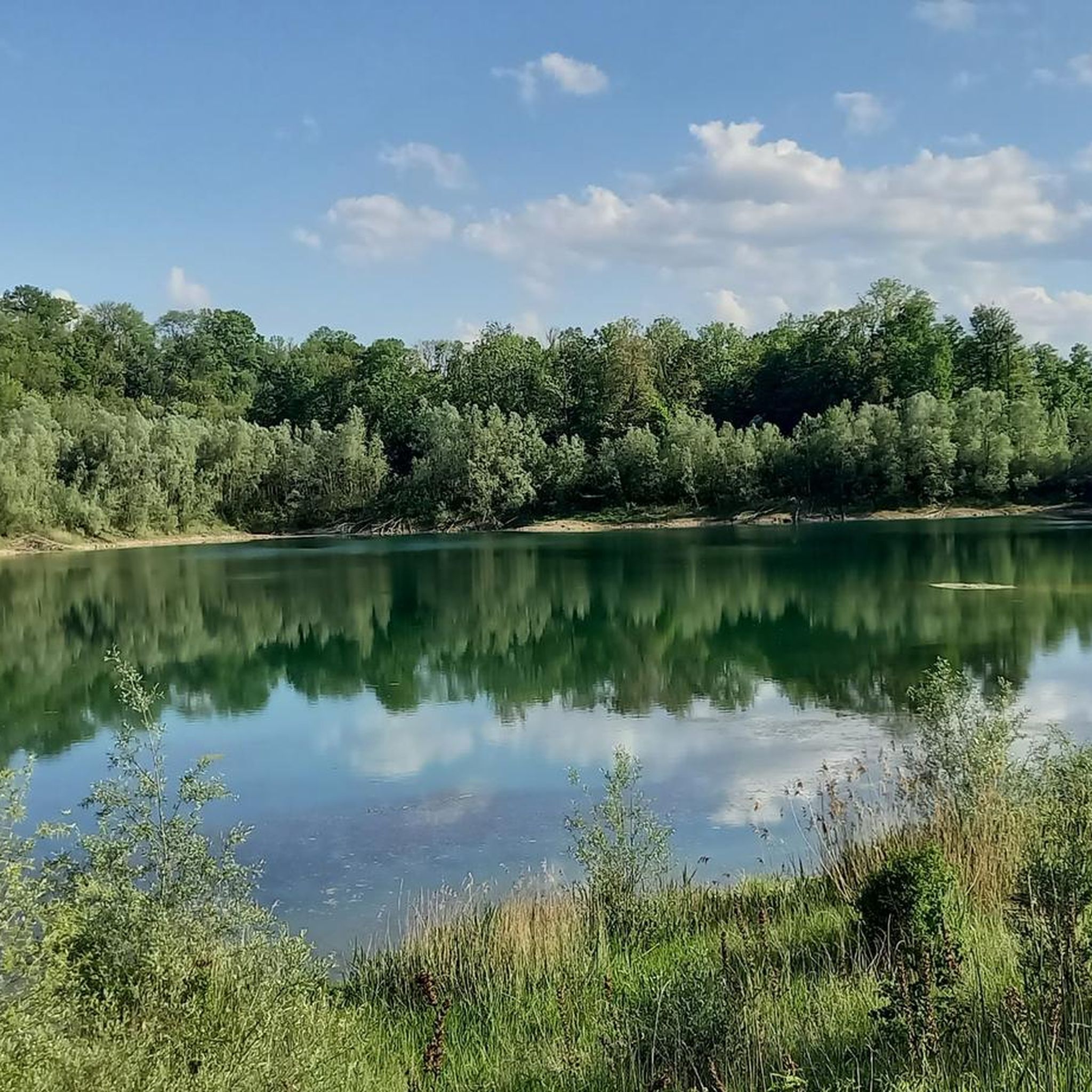
The chateau was sold to the pharmacist Ottokar Daubrava without the forest property. On August 11, 1921, the castle was purchased by Johann Kiener from Atzbach. The remaining parts of the once extensive complex (hospital building) are still privately owned today. A pond is still reminiscent of the demolished castle; the remains of the castle are buried under the meadow next to it.
2
0
The outer form of today's castle building goes back to Truchsess Jakob (1546-1589) and his wife Johanna (1548-1613). In the years that followed, they had it rebuilt from scratch in place of the one that had been destroyed by a chimney fire in 1578 and, as Zimmer's chronicle says, "a bewildered building made of wood and frame work". In the powerful, regular four-wing complex with the protruding corner towers, contemporary demands for living comfort and representation could finally be realized. The functional rooms were on the ground floor, the guest apartments were on the first floor and above them the living quarters of the count's couple. The highlight of a series of representative rooms is the main hall on the second floor of the west wing, the knight's hall, at the end of the main staircase rising from the portal hall. In front of this are the banquet hall and the picture room in the north wing. The building did not last long. On December 28, 1646, the troops of the Swedish Field Marshal Wrangel set it on fire during one of their campaigns through the Uplands. Although parts of the castle were preserved, the top floor in particular - and thus the main floor - went up in flames. The beginning of the reconstruction work was delayed until 1651 due to the hardship of the post-war period. The decisive phase in the furnishing of the representative rooms fell between 1691 and 1700. The leadership in the redesign of the representative rooms, both in terms of the stucco and the equipment As for sculptures, it was in the hands of the sculptor and plasterer Balthasar Krimmer (1653-1702) from Wangen. Drastic structural changes took place in the first half of the 18th century, when the guest apartments on the first floor were redesigned in Rococo style. In the late 19th century, a series of dining rooms were designed in keeping with the taste of the time. At that time, the palace chapel also received its neo-Gothic appearance. With the completion of the Gothic room, the adjoining rooms and the corridor at the end of the 19th century, the conversion work at Wolfegg Castle was complete.
3
0
The castle is only open to guests twice a year for major international concert series. Guided tours are also offered here. The royal family lives in the palace.
3
0

The palace and park are privately owned by the Strachwitz family and are not open to the public.
0
0
Frequently Asked Questions
What is the historical significance of the castles around Redlham?
The castles in the Redlham area, such as Puchheim Castle, boast a rich history dating back centuries. Puchheim, for instance, evolved from an 800-year-old fortress into a Renaissance castle and now serves as a cultural and spiritual center. Other castles like Wolfsegg Castle also have origins in earlier structures, rebuilt after fires, showcasing architectural styles from different eras and reflecting the region's past.
Are there family-friendly castles to visit near Redlham?
Yes, Puchheim Castle is considered family-friendly. Its public park is freely accessible for walks, and the castle itself hosts various cultural activities. While tours of the castle might require prior arrangement, the grounds offer a pleasant environment for families to explore together.
What outdoor activities can I combine with a castle visit?
The Redlham area offers various outdoor activities. You can enjoy cycling tours like the 'Stadt-Land Tour – Oberösterreich' or the 'Römerweg along the Ager River'. For running, consider routes like the 'Puchheim Basilica loop'. If you prefer hiking, there are easy trails such as the 'Ager Weir Redlham Au – Lake Redlham loop'. You can find more details on these activities in the Cycling around Redlham, Running Trails around Redlham, and Easy hikes around Redlham guides.
Are there hiking or walking trails near the castles?
Yes, the region around Redlham and its castles is well-suited for walking and hiking. For example, the grounds of Puchheim Castle include a public park perfect for leisurely strolls. Additionally, you can combine a visit with a hike through the 'Puchheimer Au' water meadows. For more structured routes, check the Easy hikes around Redlham guide.
What is the best time of year to visit the castles around Redlham?
The castles and their surroundings can be enjoyed throughout the year. The public park at Puchheim Castle is accessible in all weather conditions. Autumn offers picturesque scenery, and events like the 'Puchheimer Advent' market typically take place in late November, adding a festive atmosphere.
Can I bring my dog to the castle grounds or nearby trails?
While specific dog policies for individual castle interiors may vary, the public park at Puchheim Castle is generally accessible for walks. Many of the surrounding hiking and walking trails are also dog-friendly, allowing you to explore the natural beauty with your pet. Always ensure your dog is on a leash and follow local regulations.
How much time should I allocate for visiting a castle?
The time needed can vary. For castles like Puchheim Castle, where the park is freely accessible and there are cultural centers, you might spend anywhere from an hour for a quick stroll to several hours if attending an event or exploring the basilica. For privately owned castles like Schloss Neuwartenburg, which can only be viewed from the outside, a shorter visit of 30-60 minutes might suffice.
Are any castles around Redlham accessible for visitors with mobility challenges?
The public park at Puchheim Castle is generally accessible for walks, making it suitable for visitors with mobility challenges to enjoy the outdoor grounds. For specific accessibility within castle buildings or for guided tours, it is advisable to inquire directly with the respective castle administration beforehand.
What kind of events are held at the castles?
Some castles, like Puchheim Castle, are vibrant cultural centers. They host events such as the 'Puchheimer Advent' market and house a regional music school and a tower gallery. Wolfsegg Castle is known for hosting international concert series twice a year. Schloss Aigen also enlivens its premises with cultural events.
Can I visit the interiors of all castles around Redlham?
No, not all castles are fully open to the public for interior visits. Schloss Neuwartenburg, for example, is privately owned and can only be visited from the outside. Wolfsegg Castle is typically only open for major international concert series and guided tours. For Puchheim Castle, while the public park and pilgrimage basilica are accessible, castle tours often require prior arrangement.
Are there cafes or pubs near the castles for refreshments?
While the guide data doesn't specify cafes directly within the castle grounds, the castles are located in or near towns like Attnang-Puchheim and Redlham. These areas typically offer local cafes, restaurants, and pubs where you can find refreshments before or after your castle visit.
What makes <a href="https://www.komoot.com/highlight/5381067" target="_blank" rel="noopener">Köppach Castle</a> unique?
Köppach Castle, though now largely privately owned with apartments, is notable for its well-kept small garden area and relatively quiet location. While the original extensive complex has changed, a pond still remains, reminiscent of the demolished castle, with its historical remains buried nearby.
Most popular routes around Redlham
Most popular attractions around Redlham

Get inspired with the komoot mobile app


Explore more
Looking for the best castles somewhere else? Discover other guides around Redlham:
