Top 5 Castles around Ronco Sopra Ascona
Best castles around Ronco Sopra Ascona offers a captivating experience in a village known for its medieval charm and views over Lake Maggiore. While Ronco sopra Ascona itself features historical buildings like the Church of San Martino and Oratorio della Madonna del Pozzuolo, prominent standing castles are found in the wider Ascona-Locarno region. The area is characterized by its narrow alleys, stone stairways, and preserved rustic medieval structure, providing a rich cultural landscape.
Best castles around Ronco Sopra Ascona
- The…
Last updated: August 7, 2026
Iron House
Highlight • Historical Site
Translated by Google •
Tip by

Visconti Castle
Highlight • Castle
Translated by Google •
Tip by

Sign up now to discover places like this
Get recommendations on the best single tracks, peaks, & plenty of other exciting outdoor places.
Sign up for free
San Materno Castle Museum
Highlight • Castle
Translated by Google •
Tip by
Fortezza di Pro
Highlight • Historical Site
Translated by Google •
Tip by

Start today with a free account
Your next adventure awaits.
Login or Signup
Popular around Ronco sopra Ascona
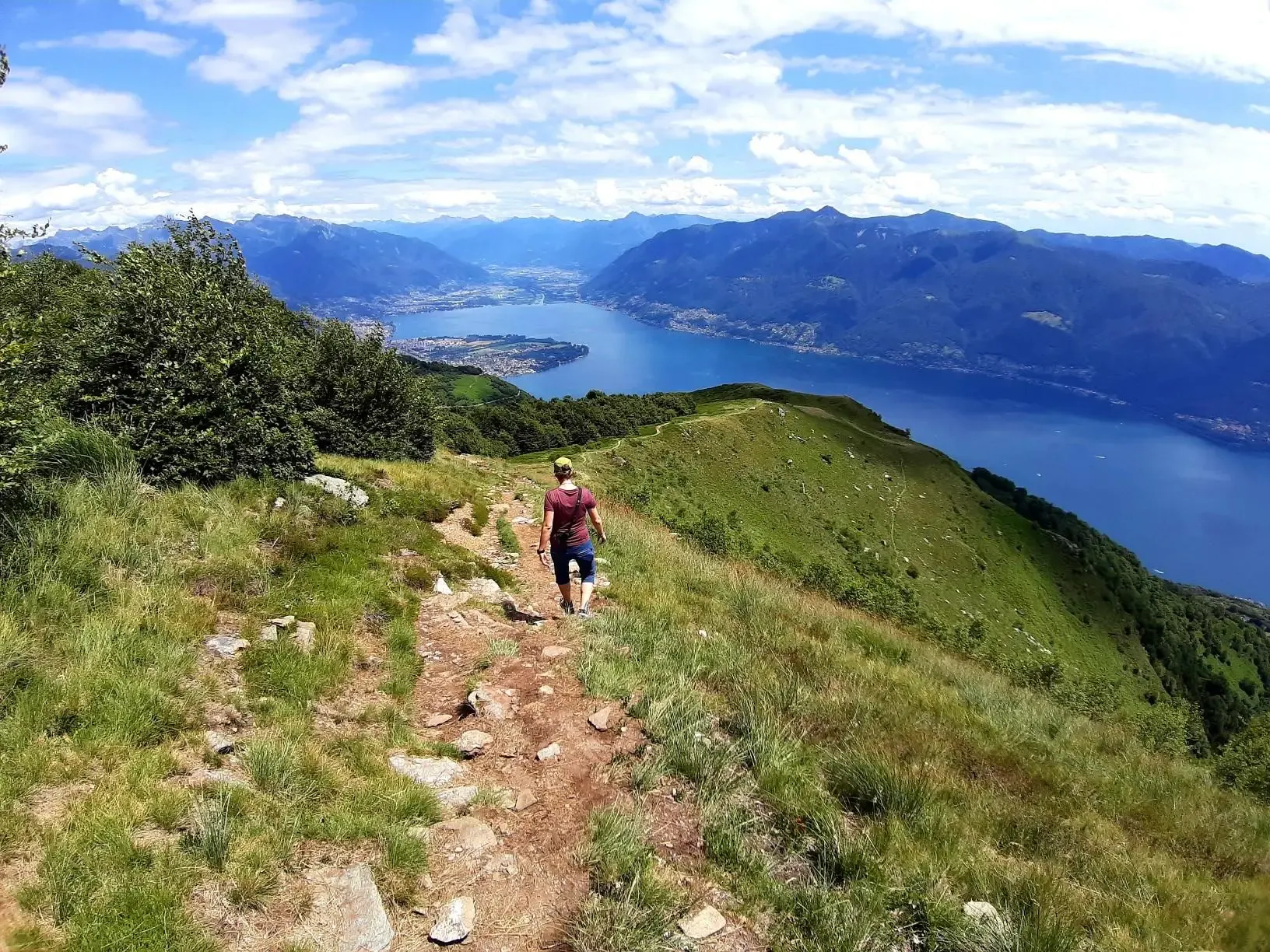
Autumn magic – vibrant, scenic hikes in Ticino
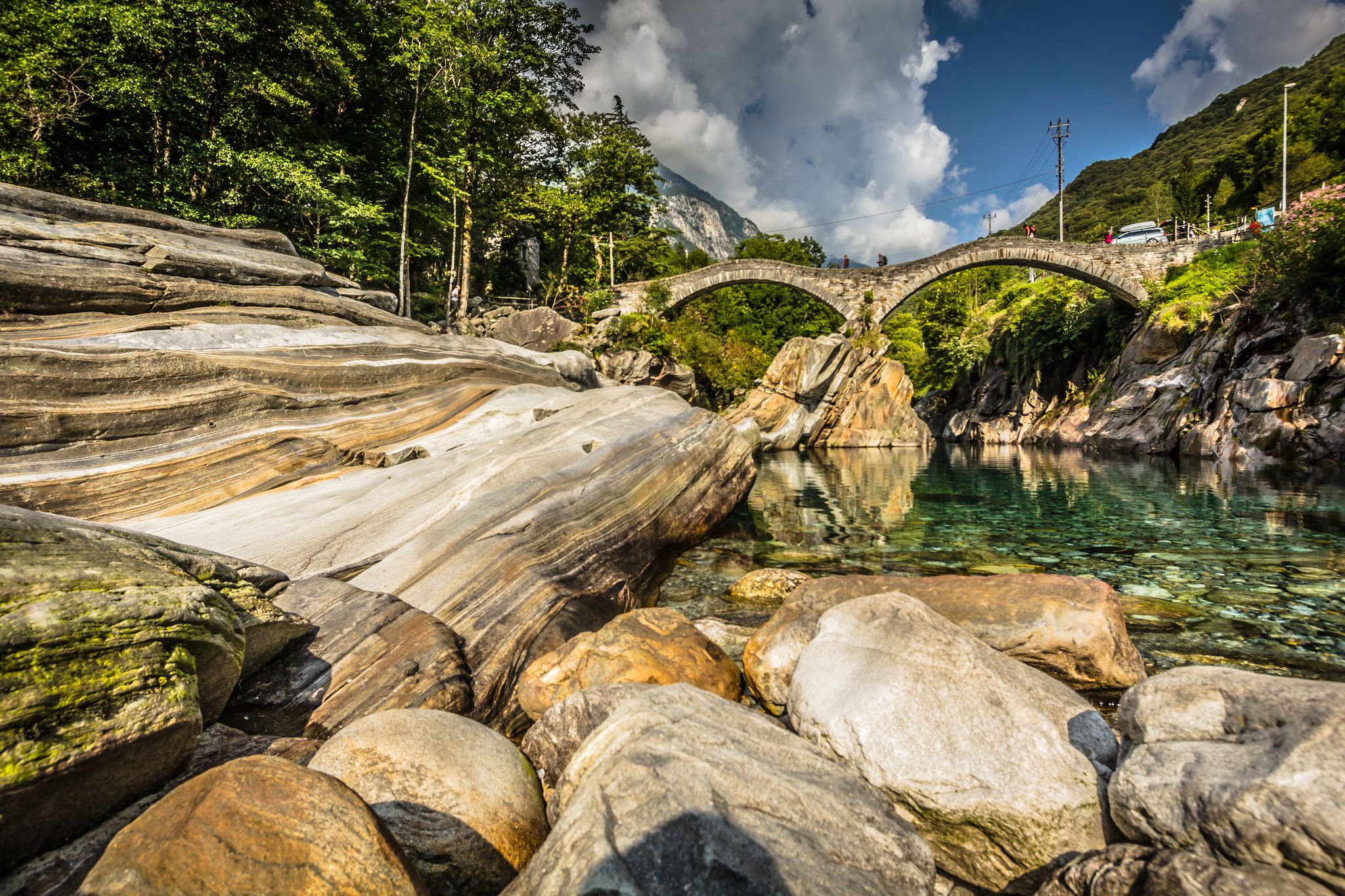
From palm trees to glaciers
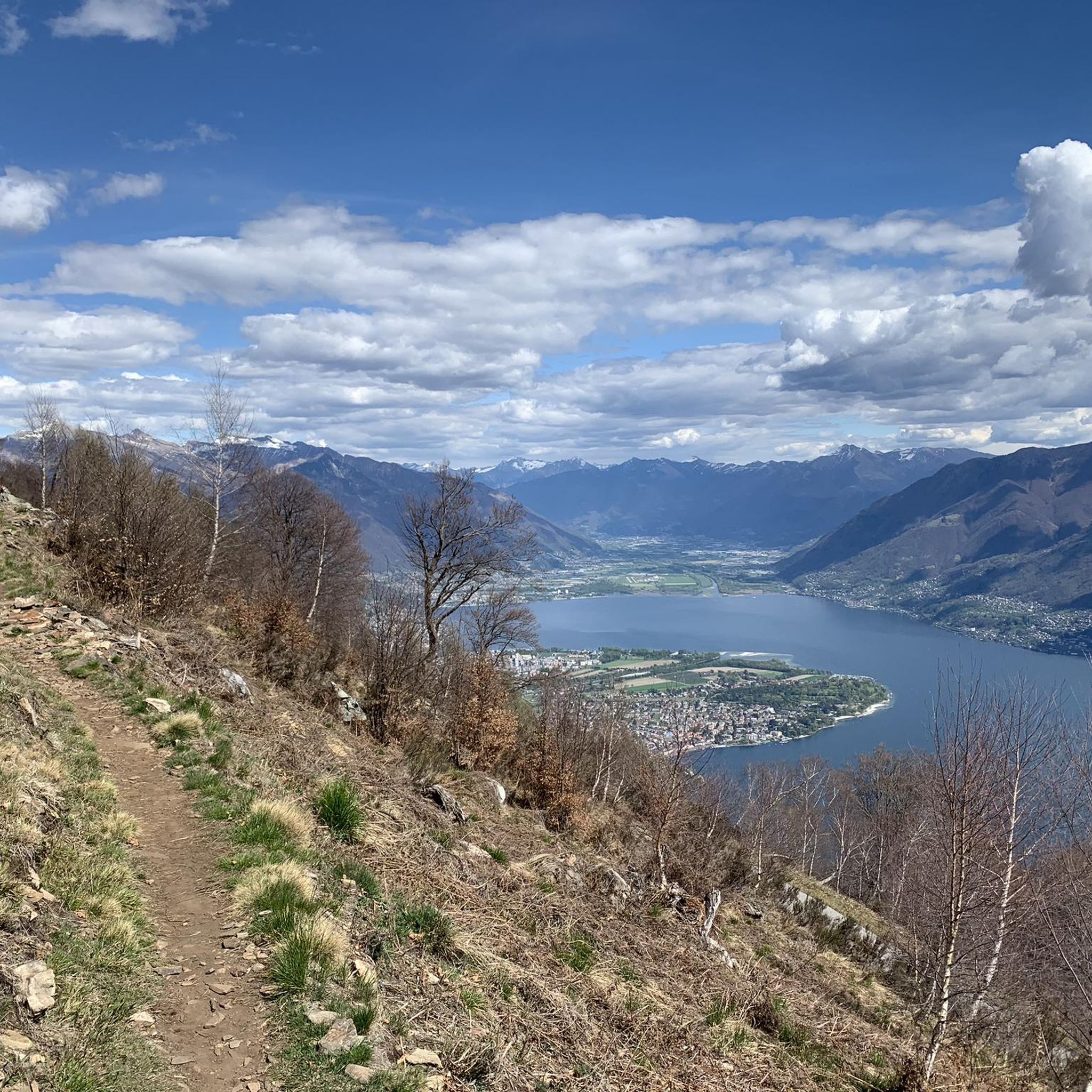
Road Cycling Routes around Ronco Sopra Ascona
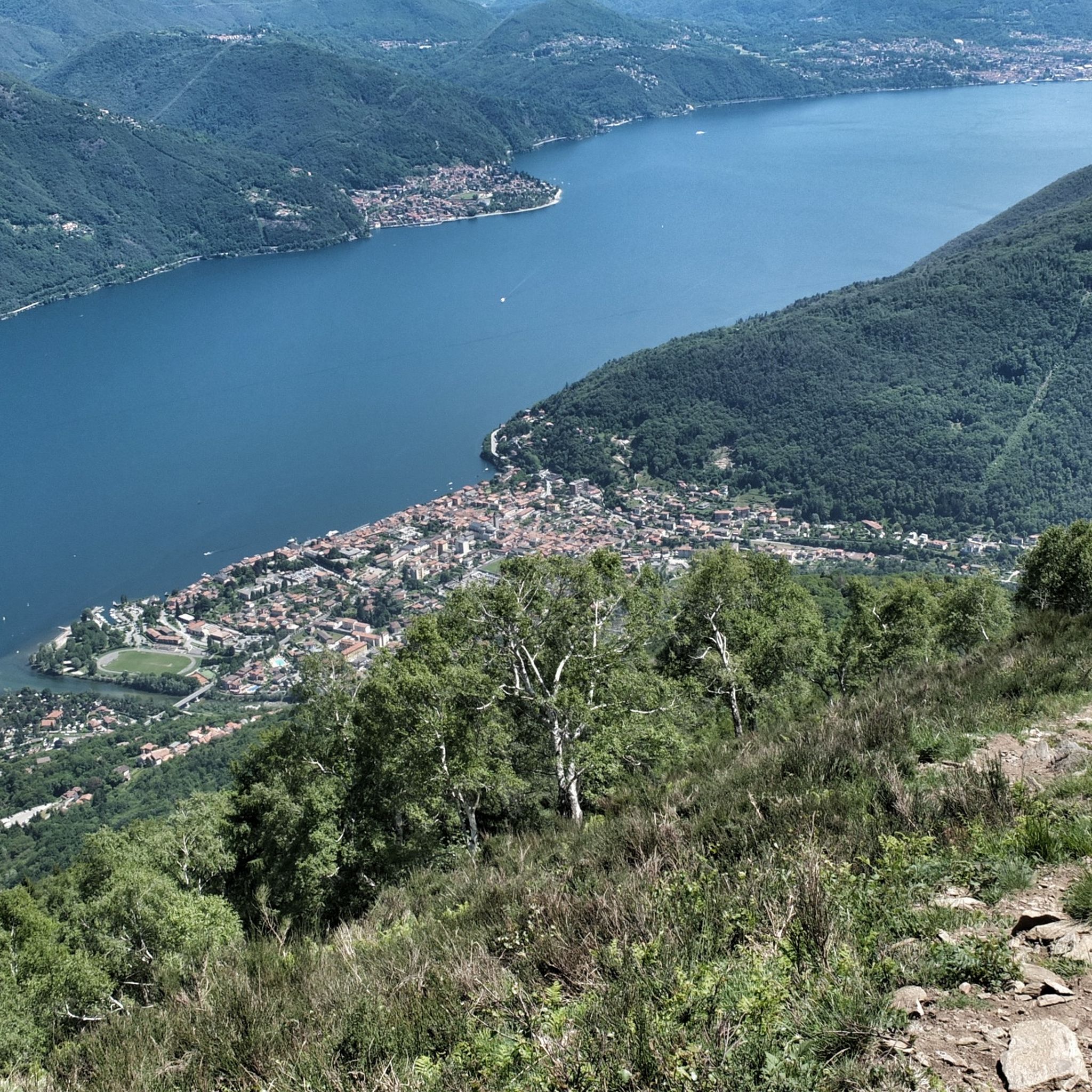
Hiking around Ronco Sopra Ascona
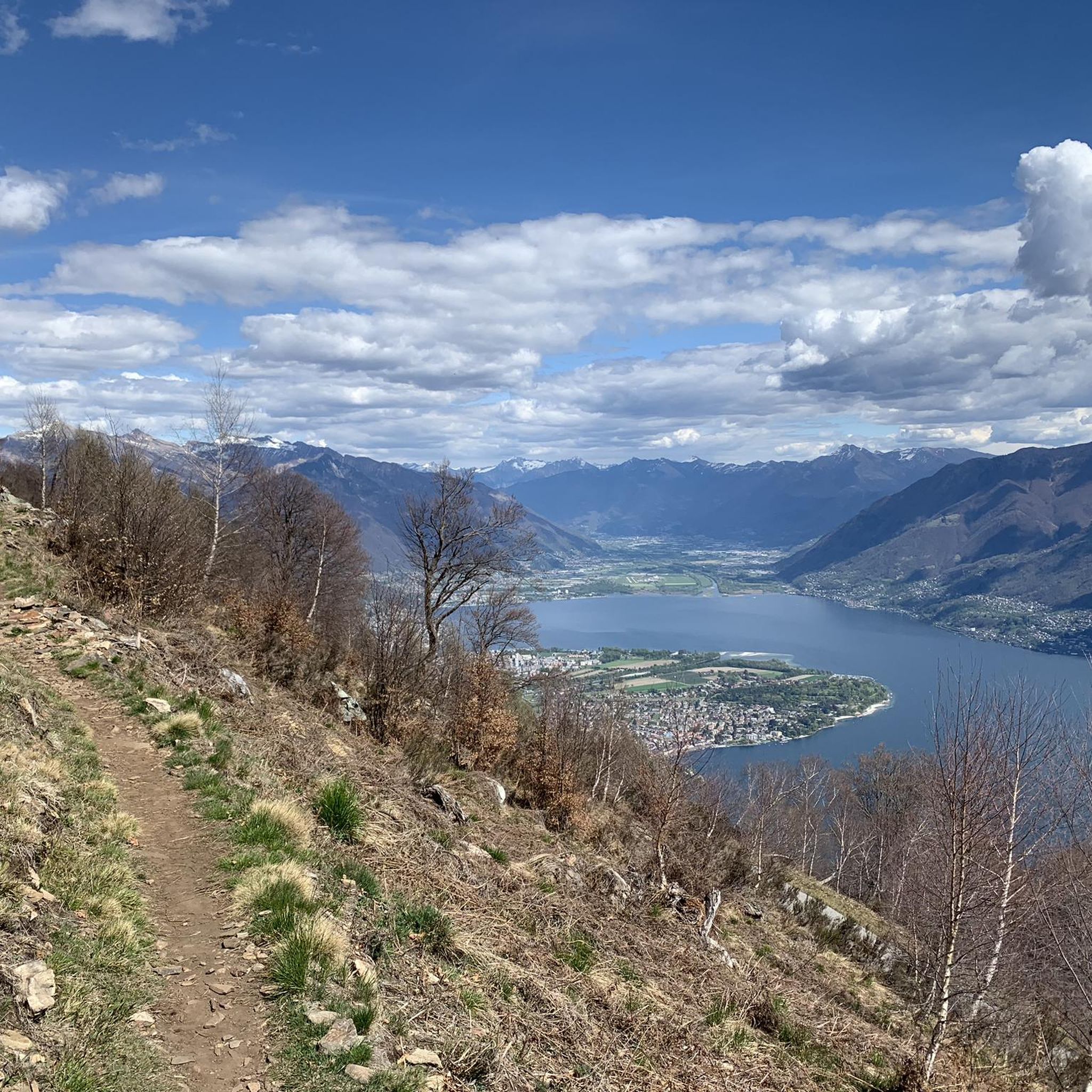
Cycling around Ronco Sopra Ascona
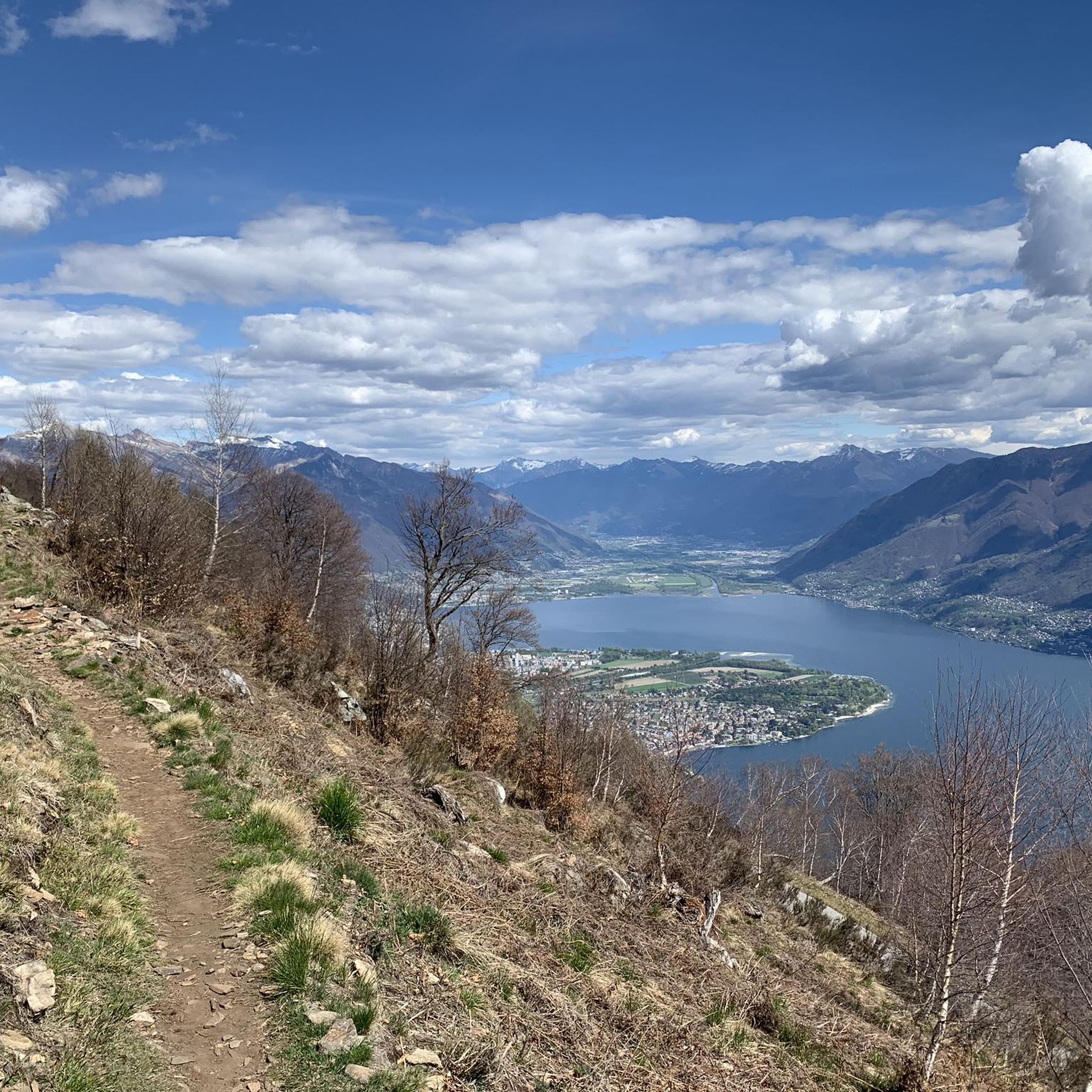
Running Trails around Ronco Sopra Ascona
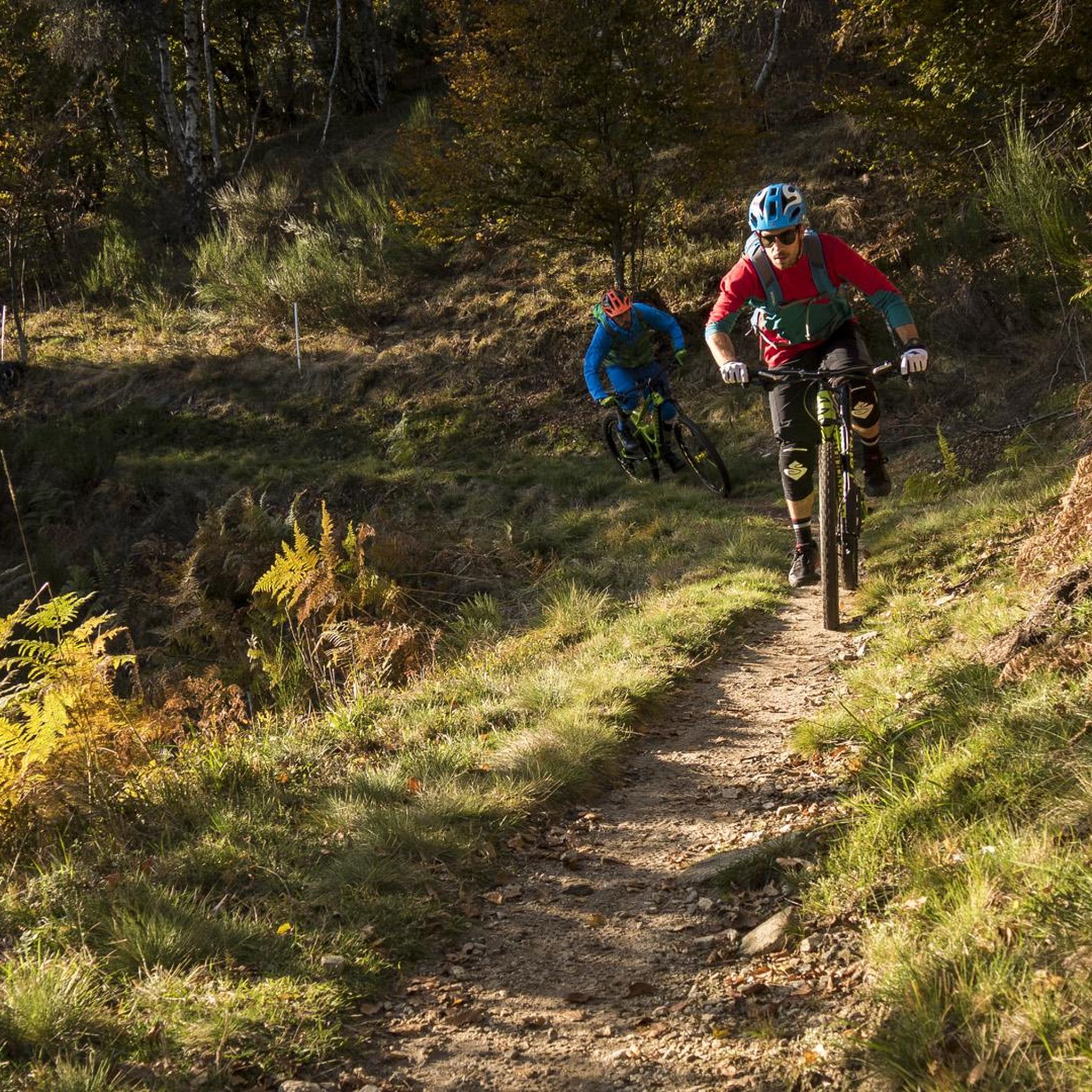
MTB Trails around Ronco Sopra Ascona
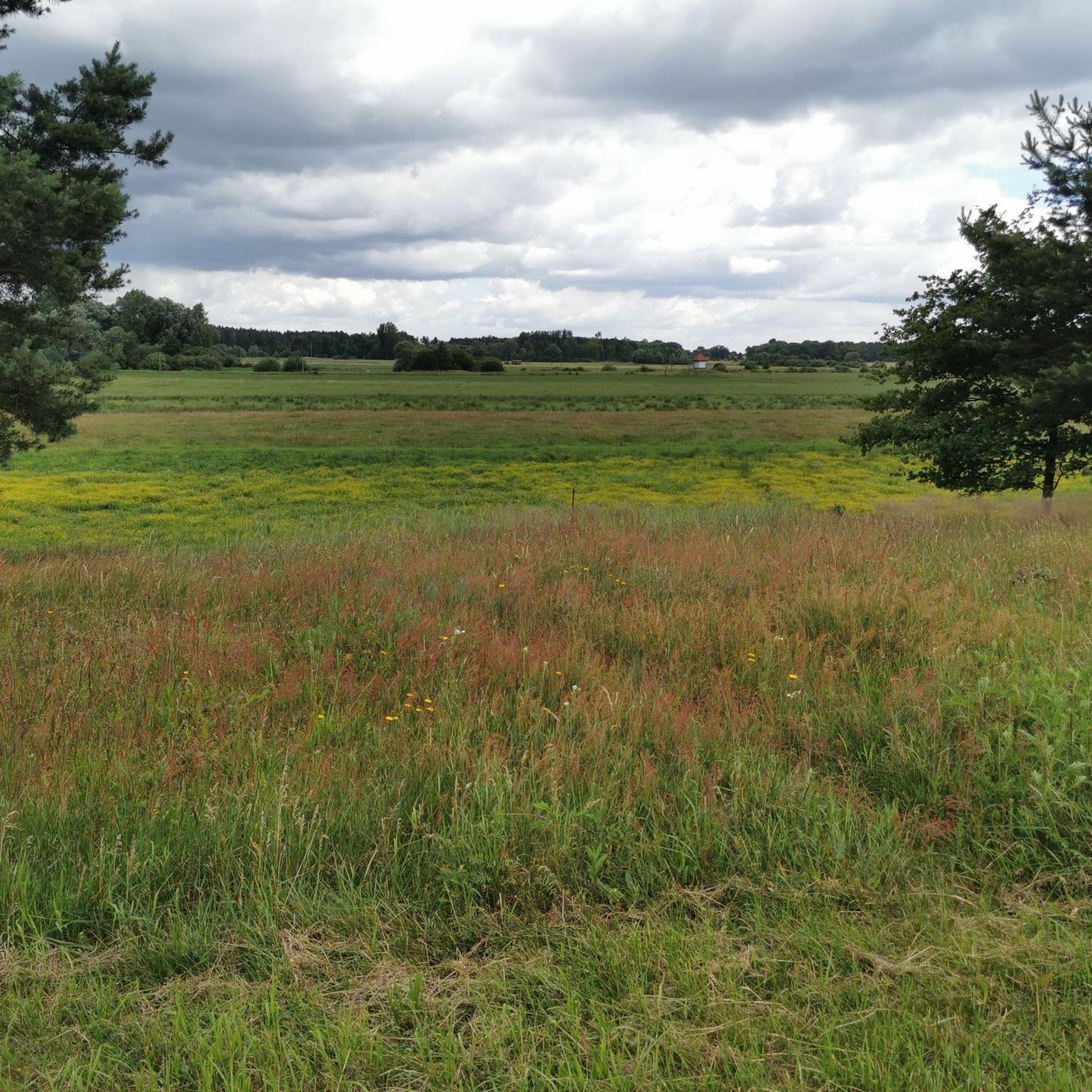
Gravel biking around Ronco Sopra Ascona

Mountain Hikes around Ronco Sopra Ascona
Other adventures around Ronco Sopra Ascona


Tips from the Community

The historic fortress was built in 1558 by Peter von Pro of Uri as a barracks for his mercenaries and as a warehouse. The building was added to the inventory of cultural assets of the Canton of Ticino in 1997.
0
0

The castle houses two museums and is very close to the city centre. From there it is just a few minutes' walk to Piazza Grande
0
0

Medieval structure in good condition and well integrated into the urban context
0
0

Built in 1560 according to the wishes of the Uri mercenary leader Peter A Pro, as a military base for the recruitment of mercenaries. The complex includes one massive square-plan building with a projecting top part, with walkway and machicolations. Adjacent is a rectangular two-floor building, with iron gratings on the ground floor windows. Inside are corridors and hiding places. It’s also known as “La Vignaccia”. Close to Minusio are also the ruins of the “Fraccia”, a wall with towers built during the Fourteenth Century. Unfortunately, it's not open to the public.
0
0

The historic San Materno Castle revives, after careful restoration, as a modern space for exhibitions of the municipality of Ascona in all its splendor. Thanks to a happy agreement between the community and the Kulturstiftung Kurt and Barbara Alten, the castle houses a permanent collection of more than forty works by German artists, the most important from the end of the nineteenth century until after the First World War.
1
0
Of ancient origin, it was conquered in 1342 by the Milanese Visconti family and subsequently expanded. In 1532, after the victory of the Confederates over the Milanese, it was largely demolished and of the five towers only one remained. The castle currently houses the Archaeological Museum, which houses a considerable collection of Roman glasses from archaeological excavations in the region, including the famous "Bird's Chalice".
3
0

Built as a recruiting ground for Swiss mercenaries in the 16th century, this fort is now privately owned and one of the most interesting monuments in the area.
2
0
Frequently Asked Questions
Are there actual castles directly in Ronco sopra Ascona?
While Ronco sopra Ascona is a village rich in medieval charm with historical buildings like the Church of San Martino and Oratorio della Madonna del Pozzuolo, it does not feature prominent standing castles within its immediate vicinity. The village itself offers a preserved rustic medieval structure with narrow alleys and stone stairways. Traditional castle structures are found in the wider Ascona-Locarno region.
Which castles can I visit near Ronco sopra Ascona?
The most notable castle you can visit is the Visconti Castle in Locarno, which houses an Archaeological Museum. Another historical site is San Materno Castle Museum in Ascona, which serves as an exhibition space for art. While not always open to the public, Iron House and Fortezza di Pro are significant historical sites in the area that were once military strongholds.
Are there family-friendly castles to visit in the region?
Yes, the Visconti Castle in Locarno is considered family-friendly, offering an archaeological museum that can be interesting for various ages. Additionally, the Hotel Castello Seeschloss, a former castle residence, provides a unique historical experience, though it operates as a hotel.
What is the best time of year to visit castles near Ronco sopra Ascona?
The best time to visit is generally from spring to autumn. Be aware that some attractions, like the Visconti Castle's museum, are closed during the winter season, typically from November to March. Visiting during warmer months allows for more comfortable exploration of the castle grounds and surrounding areas.
What kind of historical insights do these castles offer?
The castles and historical sites in the region provide a glimpse into centuries of history. For example, the Visconti Castle showcases Roman artifacts from regional excavations. Sites like the Iron House and Fortezza di Pro were built as military bases and barracks for mercenaries, reflecting the region's strategic importance in past centuries.
Are there any outdoor activities or routes near these historical sites?
Yes, the area around Ronco sopra Ascona offers various outdoor activities. You can find numerous running, road cycling, and mountain biking routes. For instance, there are running trails like the Pizzo Leone Trail, road cycling routes such as the Sacro monte di Brissago loop, and MTB trails offering panoramic views of Lake Maggiore.
What are the parking options for visiting castles around Ronco sopra Ascona?
Parking availability varies by location. For castles in urban centers like Locarno (e.g., Visconti Castle), public parking garages or street parking might be available nearby. For other sites, especially those in more rural or elevated areas, parking might be limited, and it's advisable to check specific location details beforehand.
Can I reach these castles using public transport from Ronco sopra Ascona?
Public transport is generally available to reach towns like Locarno and Ascona, where the main castles are located. From Ronco sopra Ascona, you can typically use local bus services to connect to larger transport hubs, and then proceed to the castle sites. Checking local bus schedules and routes is recommended for planning your journey.
What should I wear for exploring castles and historical sites in this region?
Comfortable walking shoes are essential, as many sites involve walking through historical grounds, potentially uneven terrain, or up stairs. Depending on the season, layers of clothing are advisable, as temperatures can vary. A light jacket or rain protection is also recommended, especially during spring and autumn.
Are there any lesser-known historical sites or castles worth exploring?
Beyond the main attractions, the region has several historical sites that offer unique insights. The Iron House and Fortezza di Pro, while not always publicly accessible, are significant historical structures that tell stories of mercenary recruitment and military history in the 16th century. Exploring the charming medieval village of Ronco sopra Ascona itself, with its historical churches, also offers a rich cultural experience.
What do visitors enjoy most about the castles and historical sites in this area?
Visitors often appreciate the blend of history and scenic beauty. The Visconti Castle is valued for its well-preserved medieval structure and its integration into the urban context, being just a few minutes' walk from Piazza Grande. The historical sites collectively offer insights into the region's past, from medieval military bases to residences and museums, all set against the stunning backdrop of Lake Maggiore.
Most popular routes around Ronco Sopra Ascona
Most popular attractions around Ronco Sopra Ascona

Get inspired with the komoot mobile app


Explore more
Looking for the best castles somewhere else? Discover other guides around Ronco Sopra Ascona:
