Top 3 Caves around Kraichtal
Caves around Kraichtal are found within the hilly landscape of the Kraichgau region in Baden-Württemberg, Germany. This area features natural subterranean formations, often associated with ravines and nature trails. While not known for large show caves, the region offers smaller, accessible natural features. These sites provide insights into local geology and wildlife habitats.
Best caves around Kraichtal
- The most popular caves is Badger and Fox Burrows on the Nature Discovery Trail, an other natural feature that includes visible badger…
Last updated: November 25, 2026
Badger and Fox Burrows on the Nature Discovery Trail
Highlight • Natural
Translated by Google •
Tip by

Altacker Cave (Badger and Fox Burrow)
Highlight • Cave
Well explained by informative display boards.
Can be driven in both directions.
Translated by Google •
Tip by

Sign up now to discover places like this
Get recommendations on the best single tracks, peaks, & plenty of other exciting outdoor places.
Maxi Cave
Highlight • Cave
Translated by Google •
Tip by

Secret Passage in Naturpark Stromberg-Heuchelberg
Highlight • Cave
Translated by Google •
Tip by

Start today with a free account
Your next adventure awaits.
Popular around Kraichtal
Trail running between woodlands & wine in the Land of 1000 Hills
Oases of calm – hill sofas in the land of 1,000 hills
Spring in the land of 1,000 hills – Kraichgau-Stromberg in Germany
Zu Fuß durchs Land der 1000 Hügel
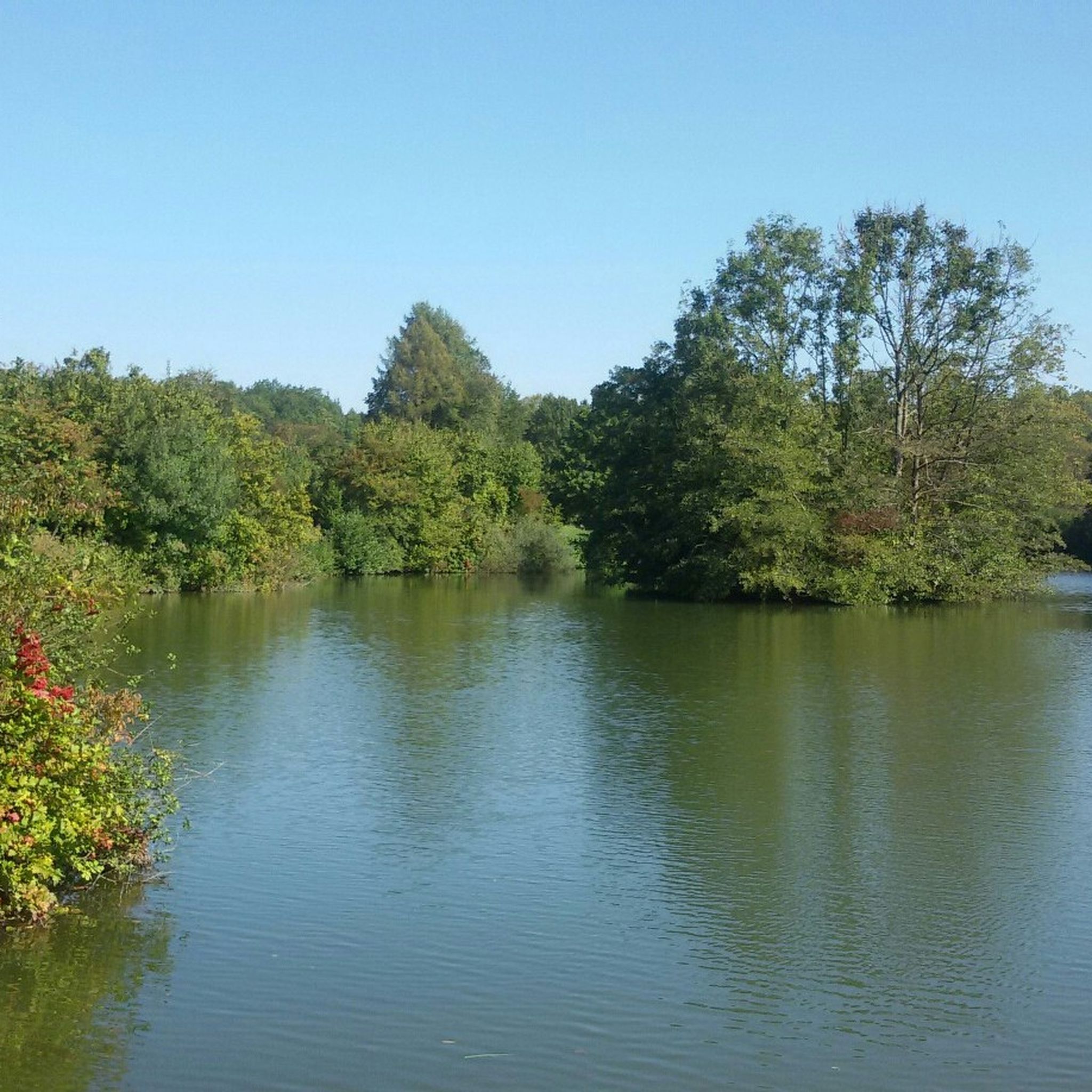
Hiking around Kraichtal
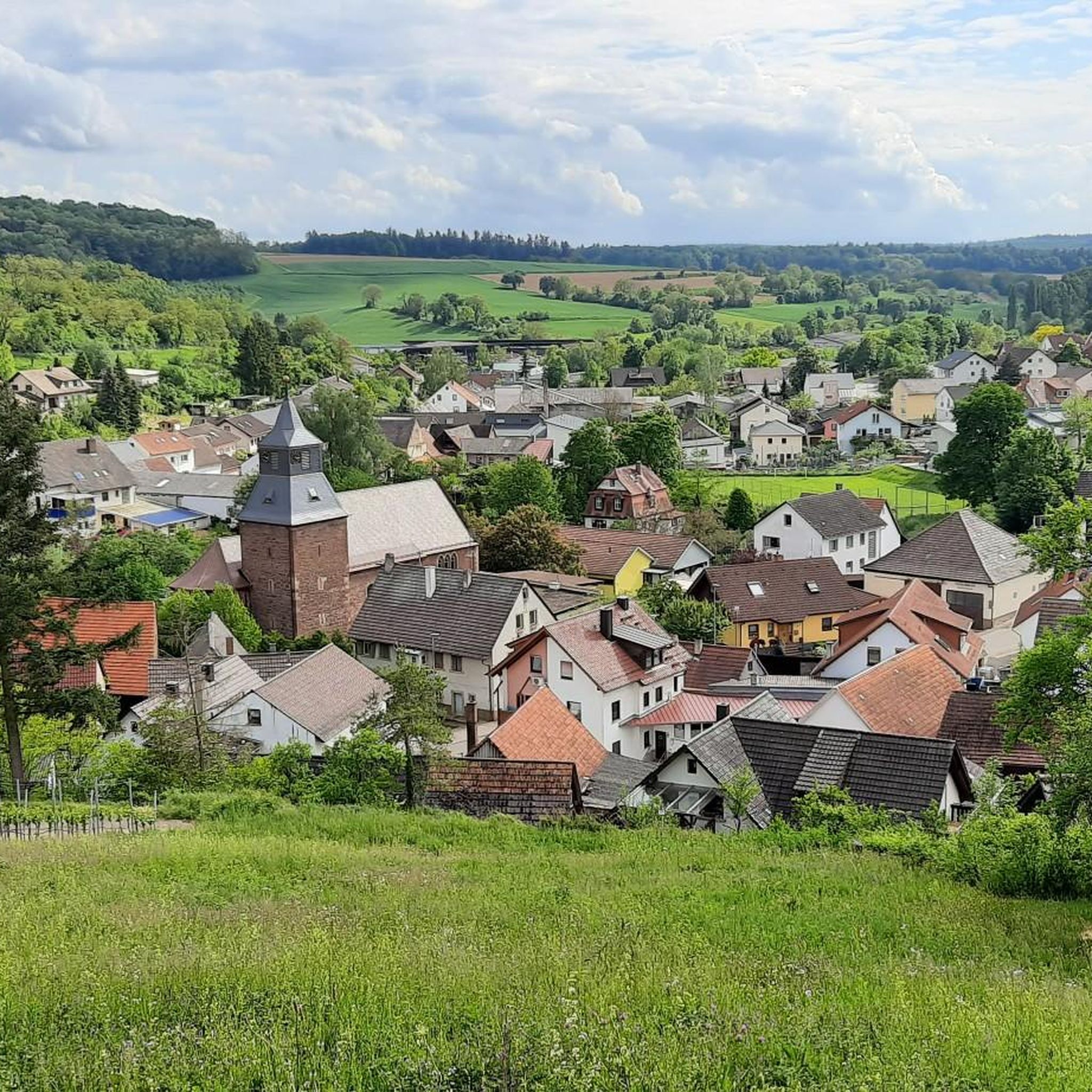
Cycling around Kraichtal
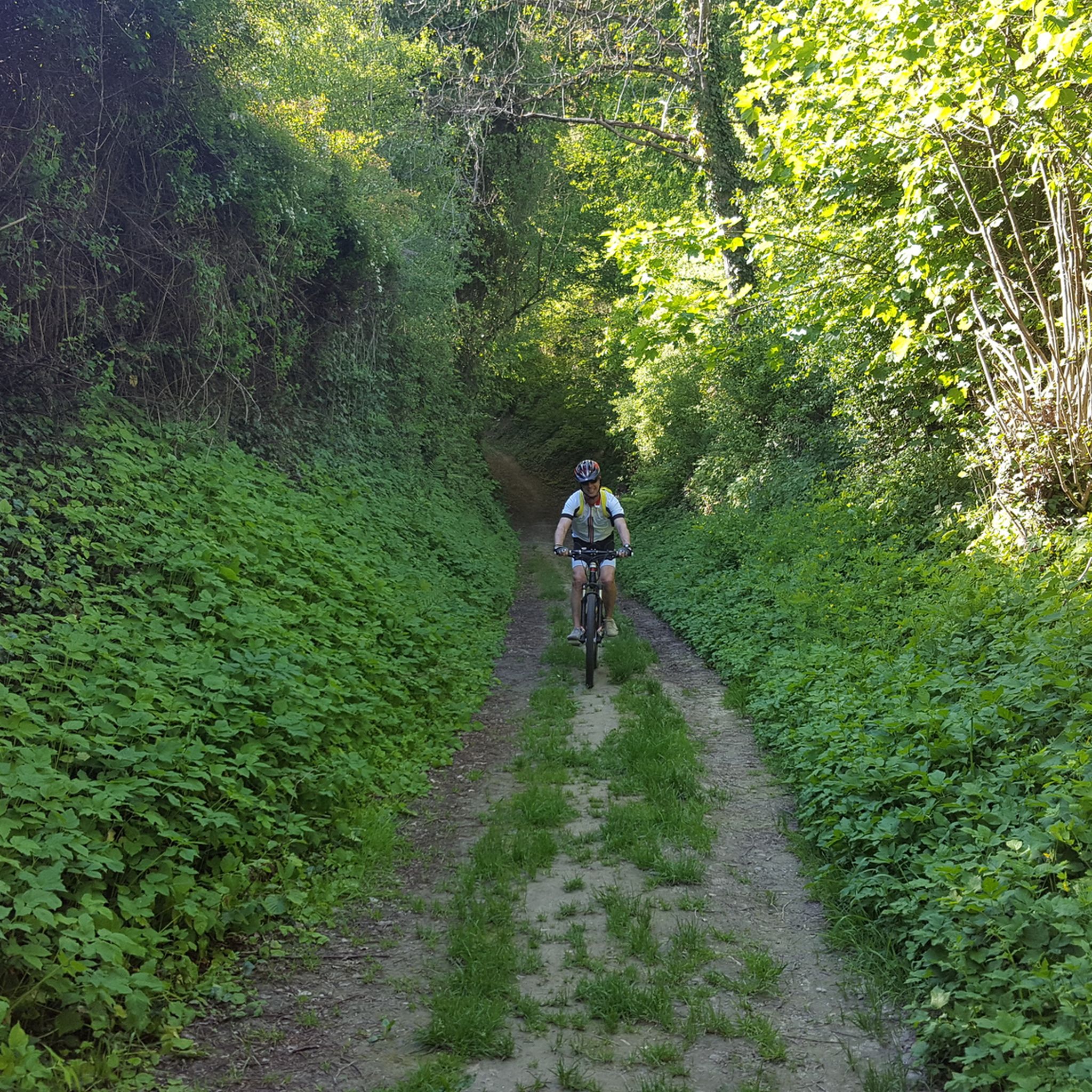
MTB Trails around Kraichtal
Running Trails around Kraichtal
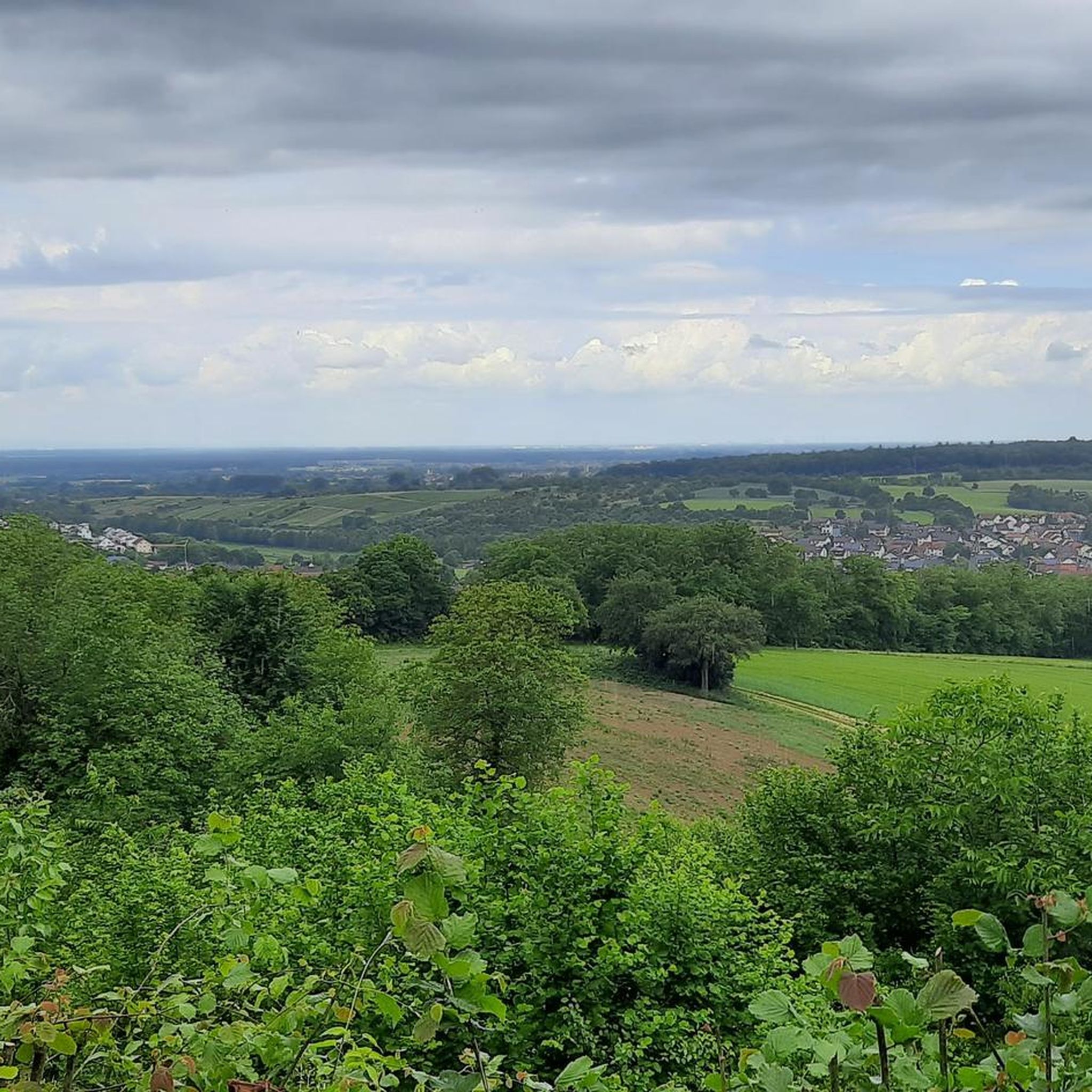
Road Cycling Routes around Kraichtal
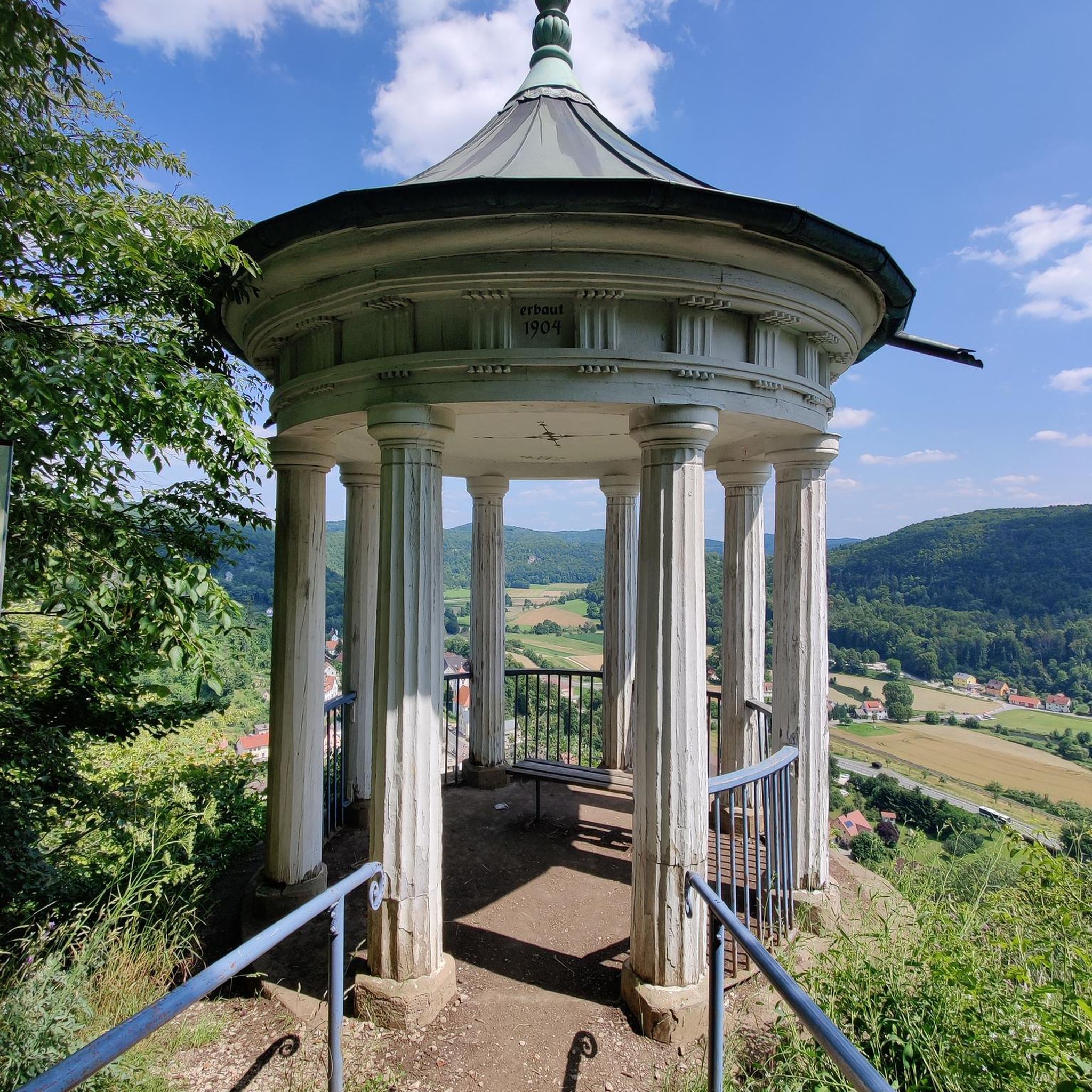
Gravel biking around Kraichtal
Other adventures around Kraichtal

Tips from the Community

The passage isn't so secret these days. Most importantly, it's blocked; just like the entire castle grounds are no longer accessible. Just like it was a long time ago 😉
1
0


Here you can lie in wait at dusk and see if you can spot a badger
3
0
One of the many caves on the cave path near Tairnbach
1
0

To remain quiet in the twilight. Maybe a badger will show up!
4
1

The many ravines have their own charm.
4
1

Very long ravine. Well explained by informative display boards. Can be driven in both directions.
2
0

Very exciting for children to discover the tracks and decide whether it's in the badger or the burrow
7
0
Frequently Asked Questions
Are there family-friendly caves around Kraichtal?
Yes, for a family-friendly experience directly in Kraichtal, you can explore the Badger and Fox Burrows on the Nature Discovery Trail. This trail features information boards and visible badger constructions, making it an engaging outdoor activity for all ages. Another option is the Altacker Cave (Badger and Fox Burrow), which is also well-explained by informative display boards.
What kind of natural features or geological formations can I expect to see in the Kraichtal region's caves?
Within Kraichtal, the 'caves' are primarily natural burrows and passages, such as the Badger and Fox Burrows, which offer insights into local wildlife habitats. For more dramatic geological formations, the broader Baden-Württemberg region, particularly the Swabian Alb, features impressive subterranean landscapes. These include the unique water-filled passages of Wimsener Höhle, the deep vertical shafts of Tiefenhöhle, and the extensive chambers of Höhle Fels.
When is the best time to visit caves in the Kraichtal region and beyond?
For the local burrows and passages in Kraichtal, they are generally accessible year-round, though spring and autumn offer pleasant hiking weather. For the larger caves in the Swabian Alb, specific seasons apply: Wimsener Höhle is open from April to October. Tiefenhöhle is closed annually from November to Easter to protect hibernating bats. Always check specific opening times before planning your visit.
What should I wear or bring when visiting caves in this region?
Even in summer, cave interiors maintain a cool temperature. For caves like Wimsener Höhle, temperatures range from 8 to 12 degrees Celsius, so warm clothing is advisable. Sturdy, comfortable shoes with good grip are also recommended, especially for potentially damp or uneven surfaces. A headlamp or flashlight can be useful for exploring less illuminated sections, though guided tours often provide lighting.
Do any caves in the broader region have historical or archaeological significance?
Yes, the Höhle Fels in the Swabian Alb is a UNESCO World Heritage site of immense archaeological importance. It has yielded significant finds, including tens of thousands of cave bear bones, a swan flute made of mammoth ivory, flint tools, and the oldest prehistoric statue, the Venus of Höhle Fels. These discoveries offer a unique glimpse into prehistoric human life.
Are there any challenging cave experiences in the Kraichtal area?
While the local 'caves' are generally more about observation, some passages can be challenging. For instance, the Maxi Cave is described as quite overgrown, and its complete accessibility can be unclear. Similarly, the Secret Passage in Naturpark Stromberg-Heuchelberg, while historically interesting, is currently blocked and inaccessible. For more significant challenges, the vertical descent into Tiefenhöhle in the Swabian Alb offers a unique, physically demanding experience.
What unique experiences do the larger caves in the Baden-Württemberg region offer?
The broader Baden-Württemberg region offers diverse cave experiences. The Wimsener Höhle is unique as Germany's only water cave accessible by boat, providing a mystical journey into its depths. Tiefenhöhle is Germany's only vertical cave developed for public viewing, allowing visitors to descend into its impressive shafts. Höhle Fels offers a journey through a UNESCO World Heritage site with rich archaeological history and unique biodiversity.
What outdoor activities can I do near the caves in Kraichtal?
The Kraichtal area is excellent for outdoor activities. You can find numerous hiking trails, including the K1 - Family Hiking Trail Kraichtal, or explore routes like the 'Sunken lane at Kleiner Kraichbach'. For cyclists, there are traffic-free bike rides, such as the 'Highlights of Kraichgau' loop. Many of these routes pass by natural landmarks and offer scenic views of the Kraichgau landscape.
Are there easy hiking trails near the local Kraichtal caves?
Yes, there are several easy hiking trails in the vicinity. For example, you can enjoy the 'View Over the Kraichgau Valley' loop from Kleiner Kraichbach, which is an easy 5.8 km route. Other easy options include the 'View of Gochsheim' loop or the 'Old Schoolhouse' loop from Menzingen. These trails are perfect for a relaxed stroll before or after visiting local natural features. You can find more options in the Easy hikes around Kraichtal guide.
What do visitors enjoy most about the natural features and trails in Kraichtal?
Visitors frequently appreciate the well-maintained nature discovery trails and the informative display boards that explain local wildlife and geology, such as those found near the Badger and Fox Burrows. The opportunity to observe natural habitats and enjoy the peaceful, green landscapes of the Kraichgau region is a highlight for many.
Are there any caves in the region that are UNESCO World Heritage or Geopark sites?
Yes, the Höhle Fels in the Swabian Alb is part of a UNESCO World Heritage site due to its significant archaeological discoveries. Additionally, the Tiefenhöhle (Laichingen Vertical Cave), also in the Swabian Alb, is recognized as a UNESCO Geopark, highlighting its exceptional geodiversity and geological importance.
Most popular routes around Kraichtal
Most popular attractions around Kraichtal

Get inspired with the komoot mobile app


Explore more
Extend your search for the best caves by checking out these guides of the top ones around Kraichtal:
