Top 6 Caves around Loßburg
Caves around Loßburg primarily consist of historical mining tunnels and exploration sites, reflecting the region's industrial past within the northern Black Forest. This area is characterized by its forested landscapes and a history of ore extraction. While prominent natural caves are less common directly in Loßburg, the broader Baden-Württemberg region offers diverse geological formations. These subterranean sites provide insights into the area's heritage and geological features.
Best caves around Loßburg
- The most popular caves is Lower Sophia Mine, a…
Last updated: June 28, 2026
Lower Sophia Mine
Highlight • Historical Site
Translated by Google •
Tip by

Holy Three Kings Silver Mine
Highlight • Historical Site
Translated by Google •
Tip by

Sign up now to discover places like this
Get recommendations on the best single tracks, peaks, & plenty of other exciting outdoor places.
Sign up for free
Wolfgang and Eberhard Mine Entrance
Highlight • Historical Site
Translated by Google •
Tip by
Dorothea Exploration Tunnel (Grube Dorothea)
Highlight • Cave
Showing Translation
Tip by

Hallwangen Visitor Mine
Highlight • Historical Site
Opening hours (May 1st - October 31st): every Tuesday at 4 p.m. (one guided tour), 1st and 3rd Sunday of the month, 2 p.m. …
Translated by Google •
Tip by

Sign up for free to discover even more caves around Loßburg.
Sign up for free
Already have an account?
Start today with a free account
Your next adventure awaits.
Login or Signup
Popular around Loßburg
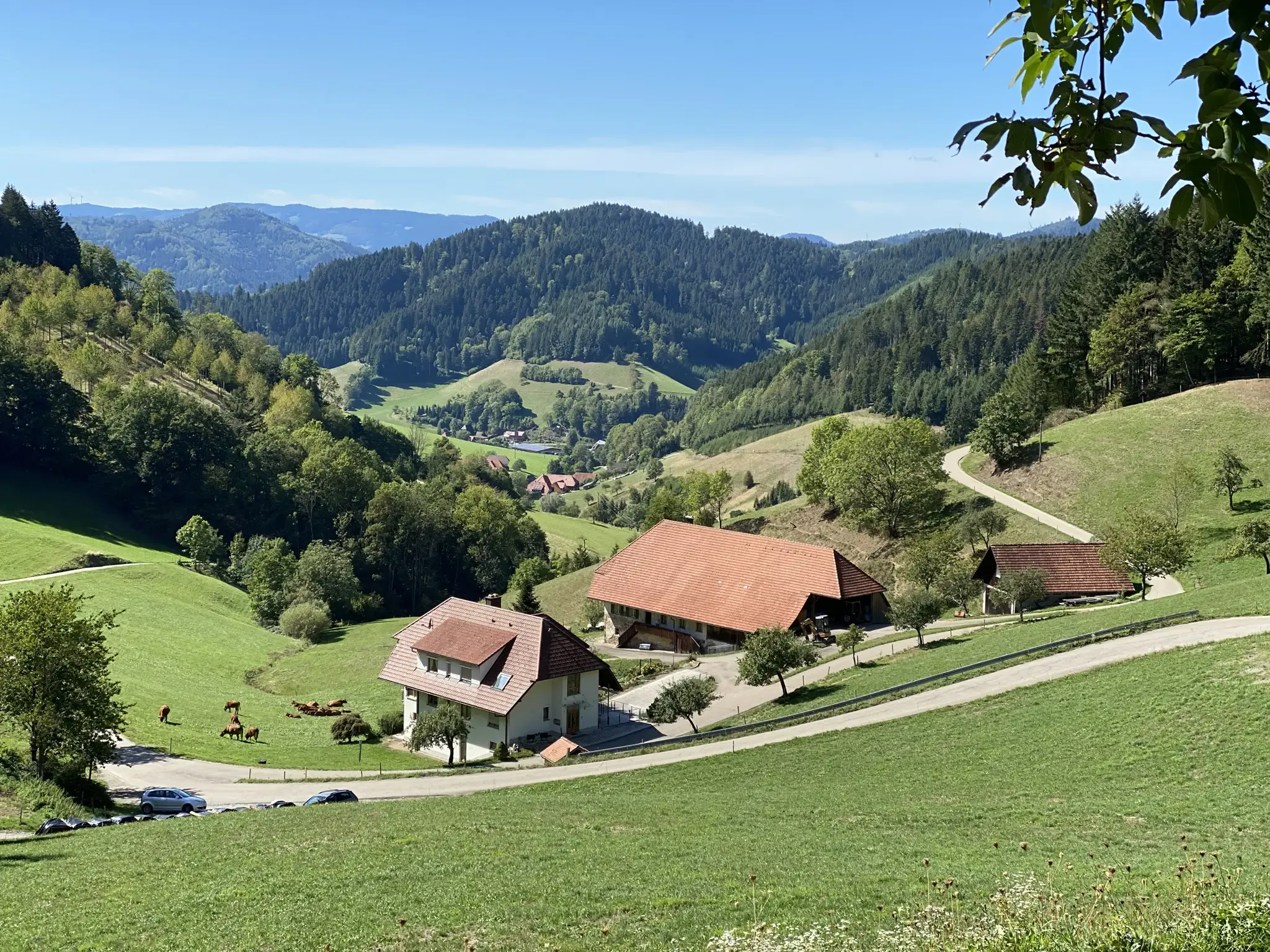
Kinzigtäler Jakobusweg – With Jakob through the Black Forest
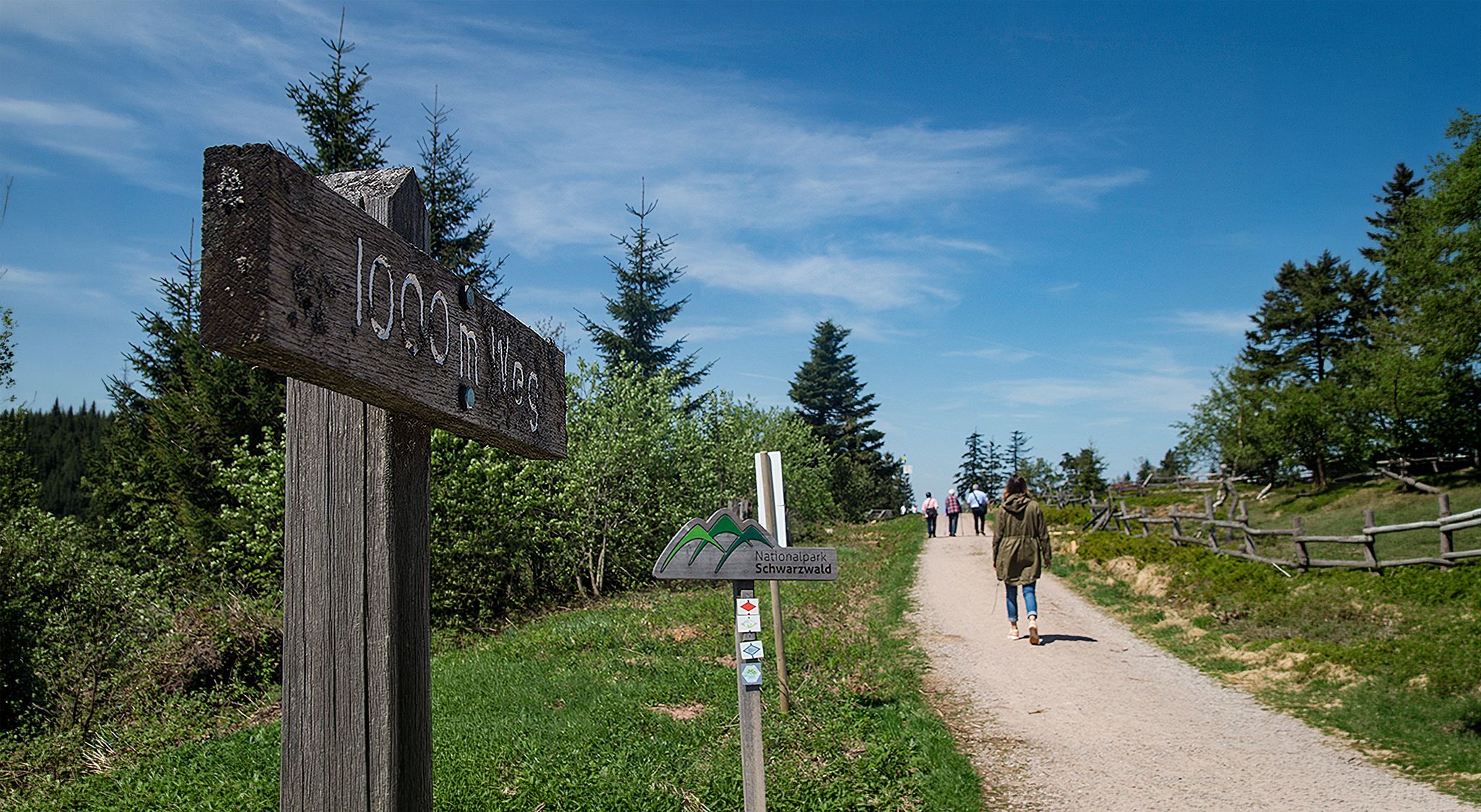
Barrier-free hikes in the Black Forest National Park
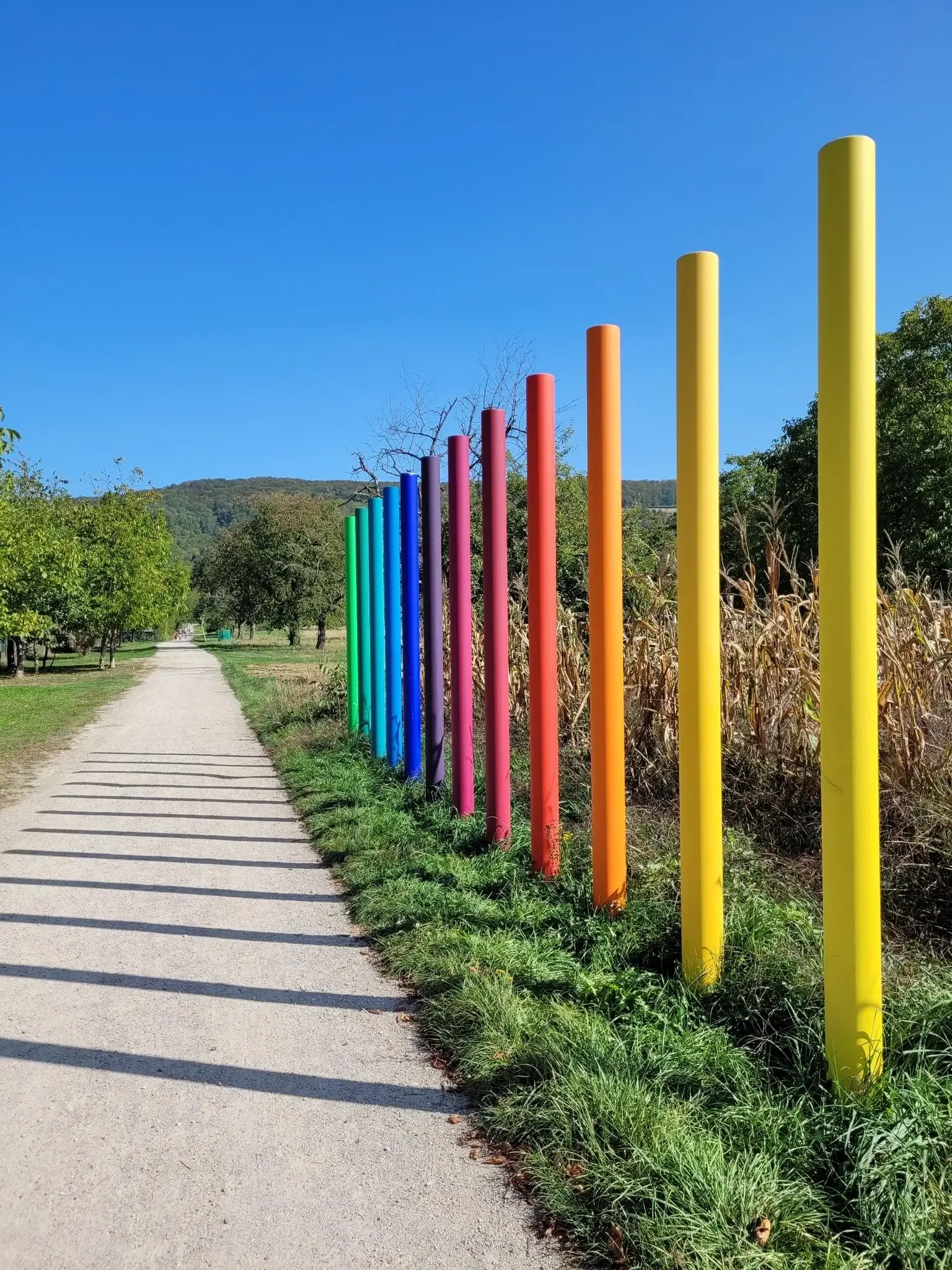
Outdoor Art – art trails in the Black Forest
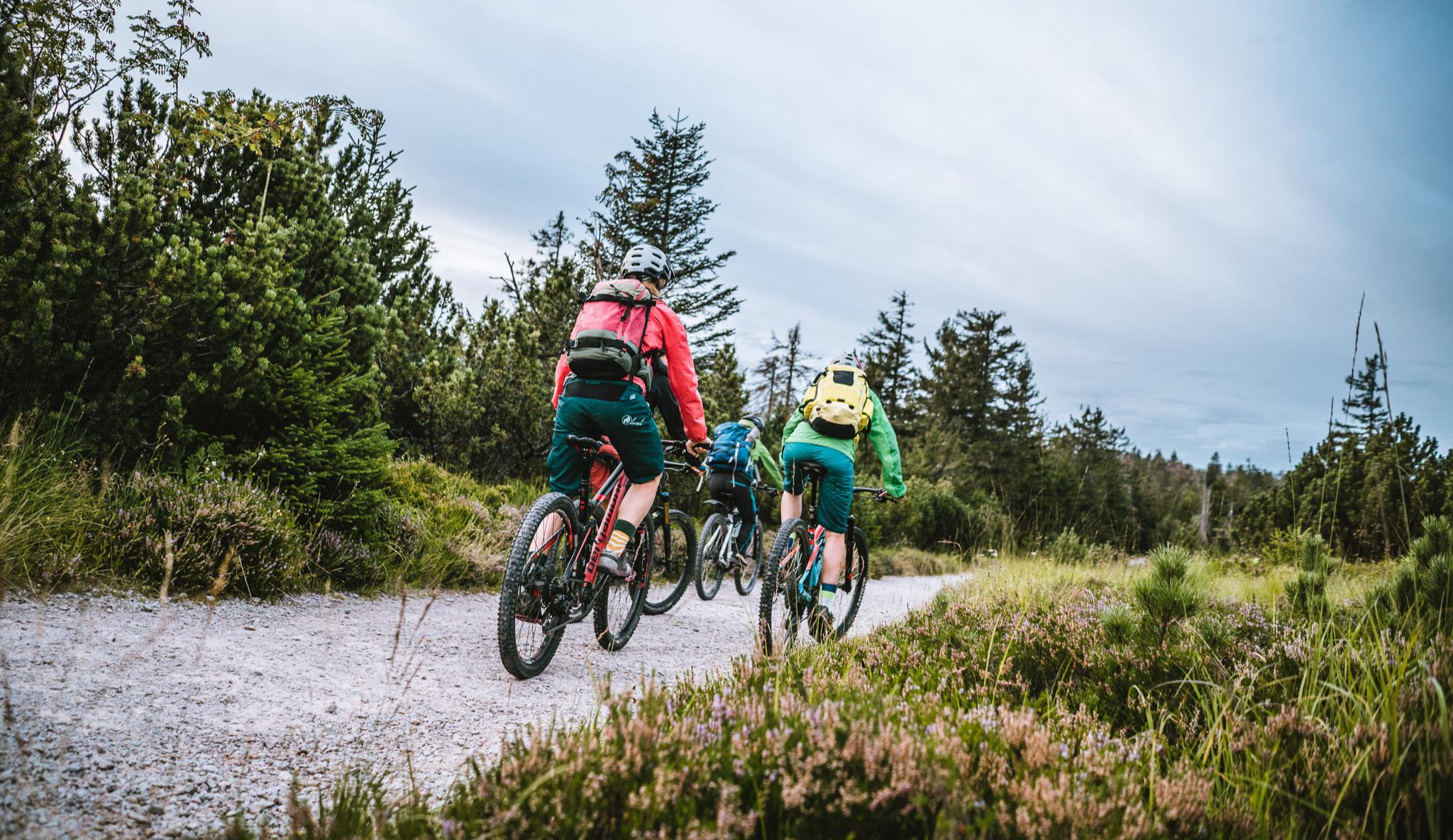
Let's gravel! Superb riding in the Black Forest National Park
By the water – along the rivers and lakes of the Black Forest
Discover the Black Forest on flowy trails
Exploring Southern Germany – Karlsruhe to Constance by bike
Trekking Schwarzwald 8-day tour from Forbach to Alpirsbach
Trekking Black Forest 7-day tour from Alpirsbach to Biberach
Trekking Schwarzwald 7-day tour from Malschbach to Alpirsbach
Other adventures around Loßburg


Tips from the Community

The Dorothea mine was created as an exploratory tunnel in 1988. The main aim was to find barite. However, this is not economically viable as it is too heavily interspersed with iron and manganese ores. During the construction of the tunnel, remains of the old Dorothea mine, which was already mentioned in 1536, were also found. The operation of the exploratory tunnel was discontinued as early as 1992. Between 2007 and 2009, further investigations took place, but these activities have now been completely discontinued.
3
0

The Sophia Untere mine is one of the few in the Forbach Valley whose entrance is not backfilled today. Cobalt was mined there - which was unique in the Northern Black Forest. The mine is first mentioned in 1593, it was probably in operation until 1757, after which it was closed down and backfilled. The entrance to the mine was only rediscovered around 1995. Guided tours are possible on request. https://www.nationalparkregion-schwarzwald.de/poi/baiersbronn-friedrichstal-grube-sophia
4
0

In the 18th century, mining played an important role in the Alpirsbach monastery. In the area of today's Alpirsbach town center, the Wolfgang and Eberhard mines brought in the most revenue. Two parallel barite veins contained rich cobalt ores in some places. The ore veins were opened up by extensive mine works, which, with the exception of the surface shafts, have been preserved to this day. Mining and blue dye production contributed significantly to Alpirsbach's economic boom at that time. Source: Display board
10
0
The "Untere Sophia" mine is one of the oldest mines in the area. It is already marked on a map by Georg Gadner from 1593. At that time, however, the tunnel was still called "St. Johannis am Friesenberg."
7
0

Here you can see something beautiful, very worth seeing
1
0

So much history right on your own doorstep
3
1

Cobalt was mined there - which was unique in the northern Black Forest. The mine was first mentioned in 1593 and was probably in operation until 1757, after which it was shut down and filled in. It was only around 1995 that the entrance to the pit was rediscovered.
3
0

Frequently Asked Questions
What kind of caves can I expect to find around Loßburg?
Around Loßburg, you will primarily find historical mining tunnels and exploration sites, reflecting the region's past in ore extraction. These are not natural caves but offer a unique glimpse into the area's industrial heritage. For natural caves with impressive geological formations, you would need to travel further into the broader Baden-Württemberg region.
Are there any historical mining tunnels I can visit near Loßburg?
Yes, Loßburg is known for its historical mining tunnels. You can visit sites like the Lower Sophia Mine, one of the oldest mines in the area where cobalt was extracted. Another significant site is the Dorothea Exploration Tunnel (Grube Dorothea), where remnants of an old mine from 1536 were discovered.
What is the significance of the Wolfgang and Eberhard Mine Entrance?
The Wolfgang and Eberhard Mine Entrance is a historical site where mining played an important role in the Alpirsbach monastery's revenue during the 18th century. Extensive mine works from that period are still preserved today, showcasing the region's economic history tied to cobalt and other ores.
Are there any natural show caves suitable for families in the wider region?
While not directly in Loßburg, the wider Black Forest region offers natural show caves. The Erdmanns Cave (Erdmannshöhle) in Hasel is a stalactite cave with impressive formations and guided tours that are suitable for all ages, including families with small children, due to easy steps. You can learn more about it on Wikipedia.
What are the largest man-made caves in the broader area?
The Schlossberg Caves in Homburg (Saarland region, further west from Loßburg) are reported to be the largest Buntsandstein (red sandstone) caves in Europe. These are extensive man-made tunnels resulting from sand mining, featuring vast labyrinths and imposing dome halls with unique color patterns.
Can I find caves with prehistoric significance near Loßburg?
For caves with prehistoric significance, you would need to venture to the Swabian Alb, south of Stuttgart. Caves like the Bärenhöhle (Bear Cave) are famous for discoveries of human and animal bones, and some caves in the Swabian Alb are even recognized as UNESCO World Heritage sites for their Ice Age art and artifacts.
Are there any water caves accessible to the public in the region?
Yes, the Wimsener Höhle in the Swabian Alb is Germany's only water cave accessible to the public. It offers unique boat tours through an underground river, providing a distinct caving experience compared to dry caverns.
What kind of outdoor activities can I combine with a visit to the caves around Loßburg?
The area around Loßburg offers various outdoor activities. You can find numerous running trails, including the 'Little Kinzig Reservoir' loop or the 'Raftsmen's Trail in the Kinzig Valley'. There are also easy hikes, such as the 'Water adventure tour in the magic land' or the 'Kinzig Spring' loop. For more options, explore the Running Trails around Loßburg or Hiking around Loßburg guides.
What do visitors appreciate most about the caves and mining tunnels near Loßburg?
Visitors appreciate the historical insights provided by the mining tunnels, such as the Lower Sophia Mine, which offers a glimpse into the region's past industrial activities. The informative panels at sites like the Ferdinand Tunnel (Straßburgerin Mine) Silver Mine Entrance are also highly valued for explaining the geology and history of mining in the Forbach Valley.
Are guided tours available for the mining tunnels in Loßburg?
Yes, for some of the historical mining tunnels like the Lower Sophia Mine, guided tours are available upon request. These tours provide deeper insights into the mining operations and the unique discovery of cobalt in the Northern Black Forest.
What should I know about visiting the Ferdinand Tunnel (Straßburgerin Mine) Silver Mine Entrance?
At the Ferdinand Tunnel (Straßburgerin Mine) Silver Mine Entrance, you'll find informative panels detailing the geology and mining history of the Forbach Valley. If you look into the tunnel entrance, you can observe the remains of a barite vein, which was an accompanying material for iron, silver, and copper ore deposits.
Is there an entry fee or permit required for the historical mining tunnels around Loßburg?
Specific details on entry fees or permits for each historical mining tunnel around Loßburg vary. For sites like the Lower Sophia Mine, guided tours are available upon request, which may involve a fee. It's advisable to check with local tourism information or the specific site's contact for the most current information regarding access and costs.
Most popular routes around Loßburg
Most popular attractions around Loßburg

Get inspired with the komoot mobile app


Explore more
Extend your search for the best caves by checking out these guides of the top ones around Loßburg:
