Top 4 Caves in St. Pölten
Best caves in St. Pölten are situated within a region known for its varied natural landscape, encompassing the Traisental valley and proximity to the foothills of the Alps. While St. Pölten itself features smaller, unique subterranean sites, the broader Lower Austria region offers more extensive cave systems. The area provides opportunities to explore both historical cave dwellings and natural formations.
Best caves in St. Pölten
- The most popular caves is Restored Cave Dwelling in the Vineyards of Lower Traisental,…
Last updated: August 21, 2026
Restored Cave Dwelling in the Vineyards of Lower Traisental
Highlight • Cave
In the middle of the vineyards you will find this restored cave dwelling from earlier times. You can …
Translated by Google •
Tip by

Trockenes Loch Cave
Highlight • Cave
Translated by Google •
Tip by

Sign up now to discover places like this
Get recommendations on the best single tracks, peaks, & plenty of other exciting outdoor places.
Sign up for free
Maria-Theresia Schurf Cave
Highlight • Cave
Translated by Google •
Tip by

Maria im Engelreich Grotto
Highlight • Religious Site
Translated by Google •
Tip by
Start today with a free account
Your next adventure awaits.
Login or Signup
Popular around St. Pölten
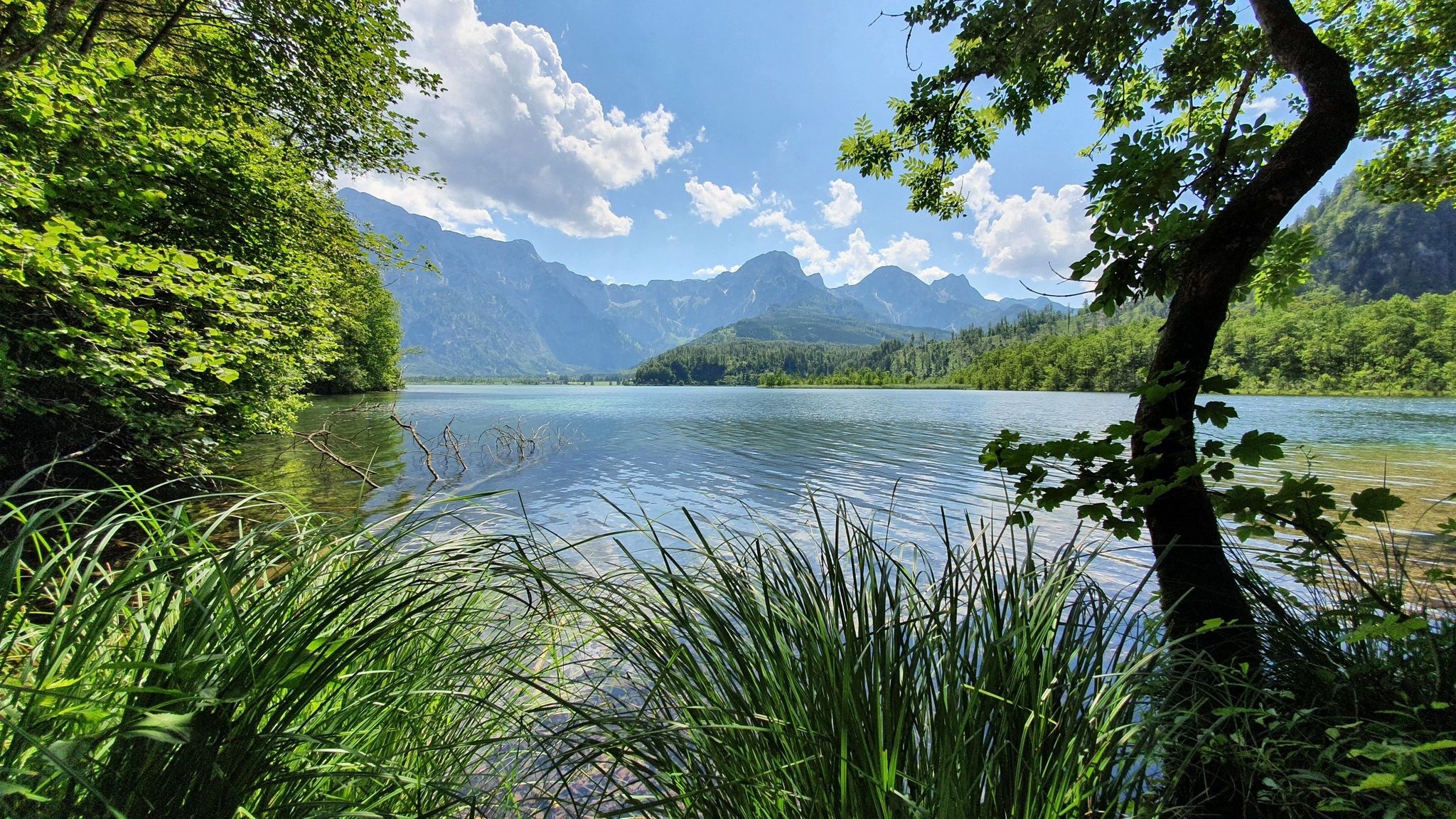
Voralpenweg 04 – From Vienna to Bad Reichenhall
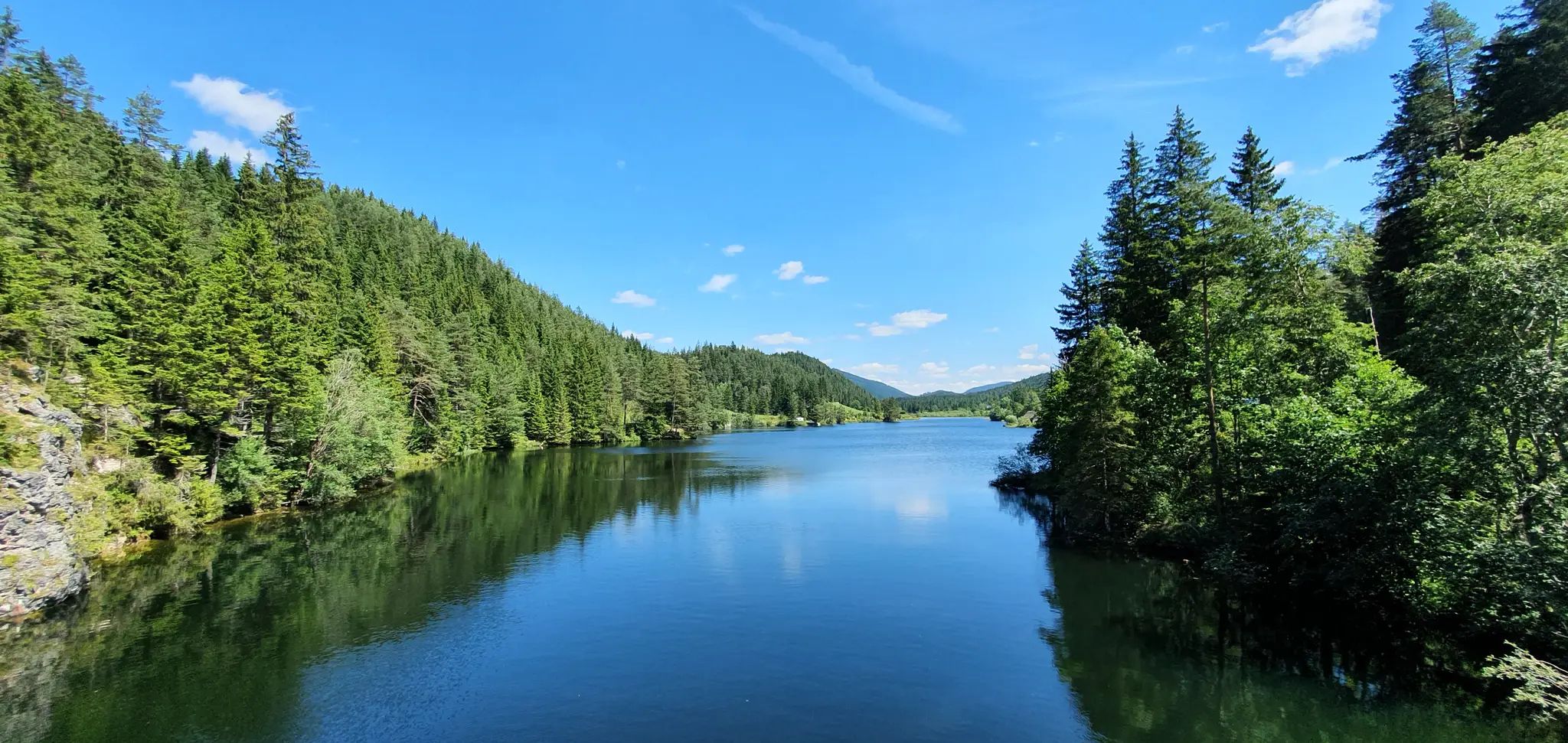
The Traisental cycle path – on a pilgrimage through the Mostviertler Alps
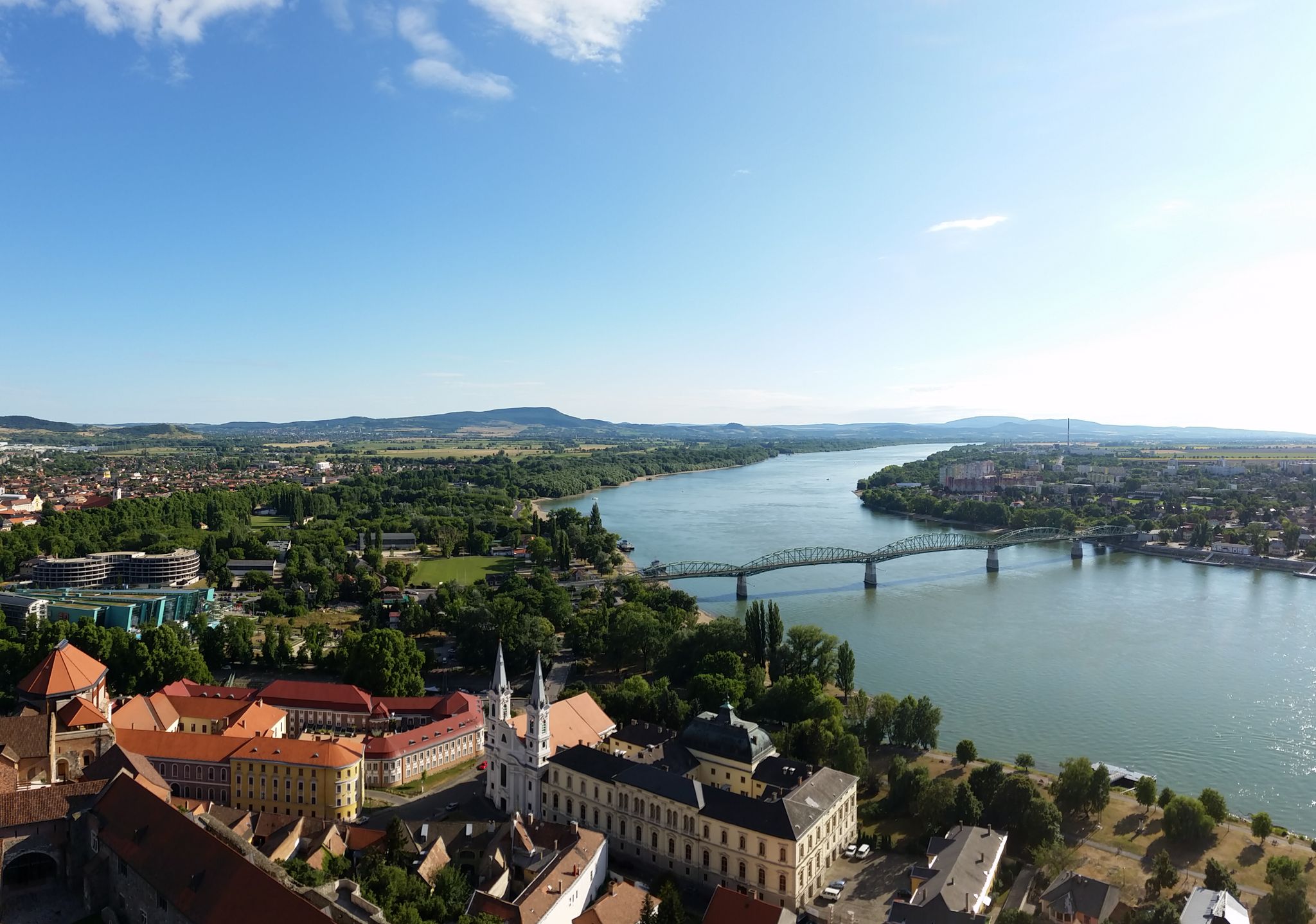
The Danube Cycle Path – From Donaueschingen to Budapest
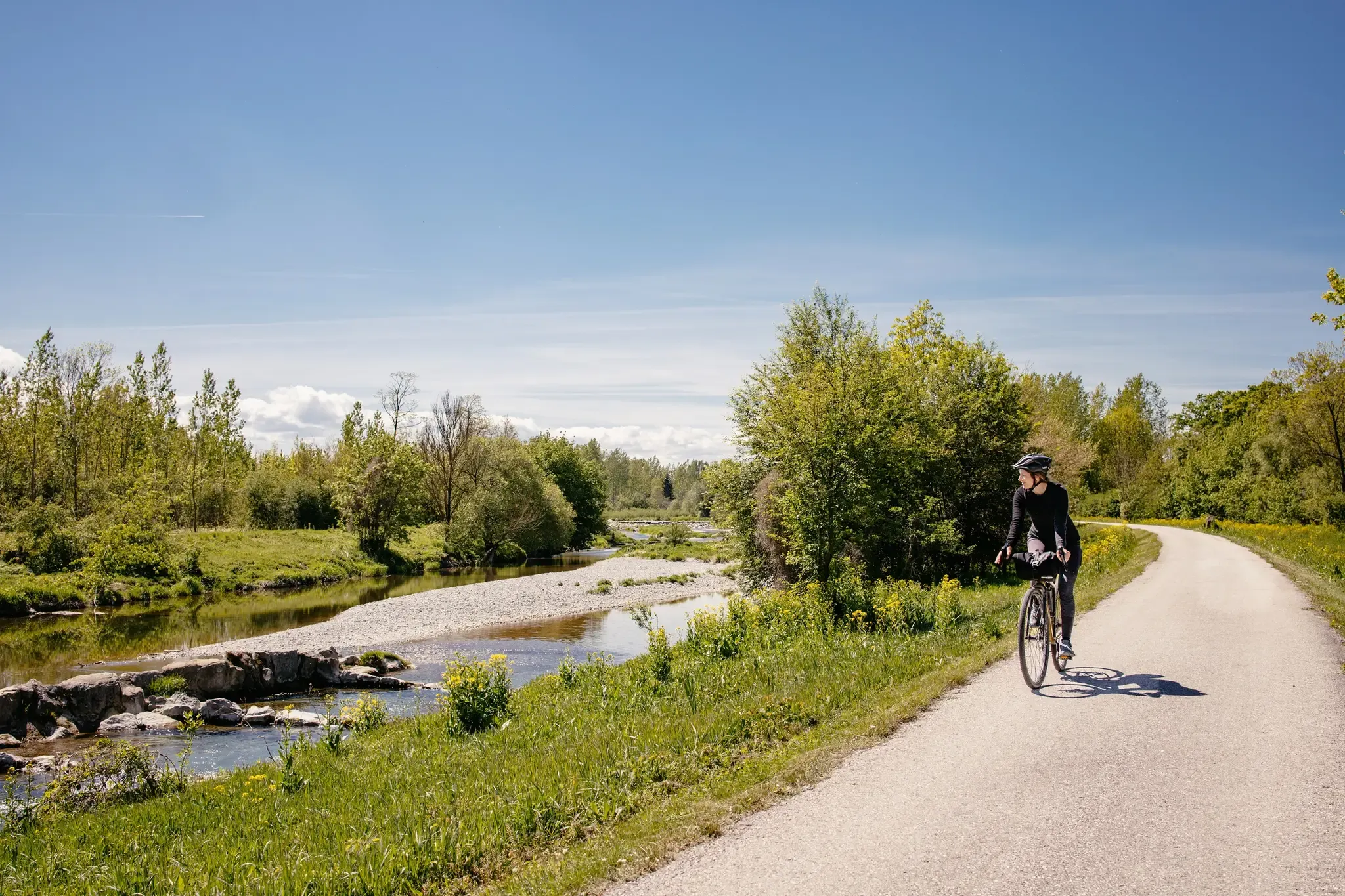
Traisental Cycle Path – river cycling through the Mostviertel Alps
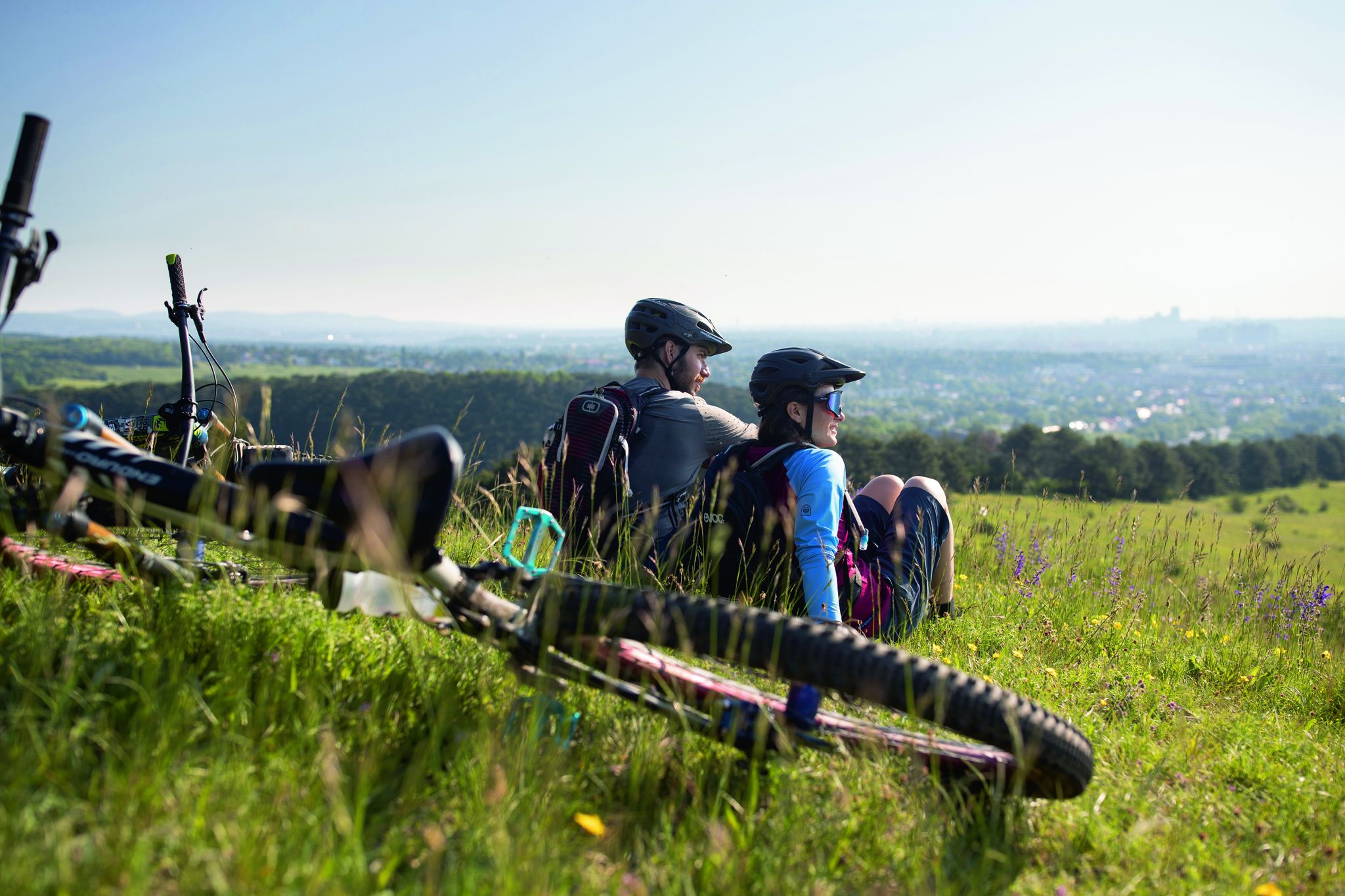
Fun, flow and elevation gain – MTB trails in the Vienna Woods
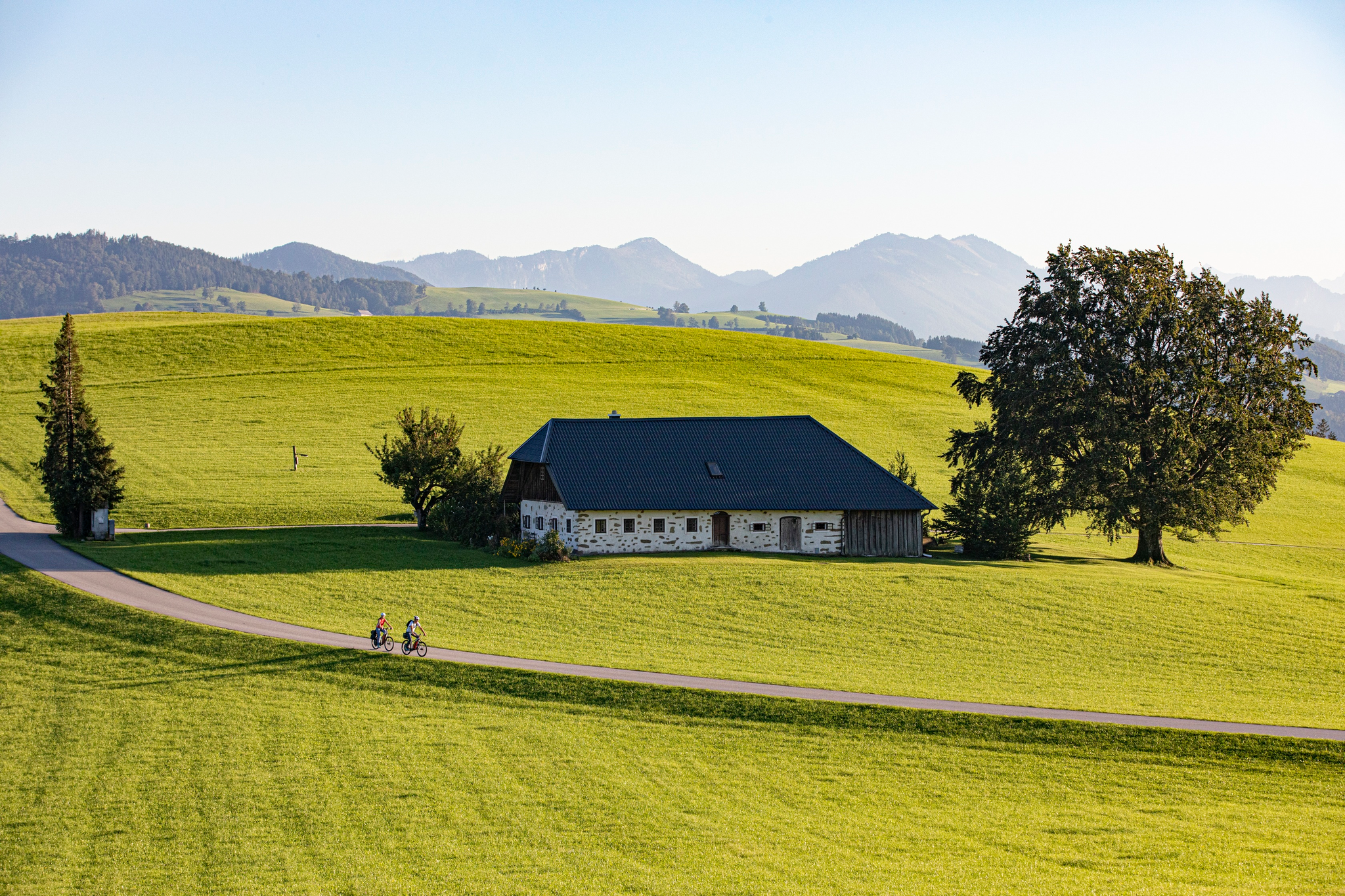
Pleasure cycling in the Mostviertel – between pear trees and vineyards
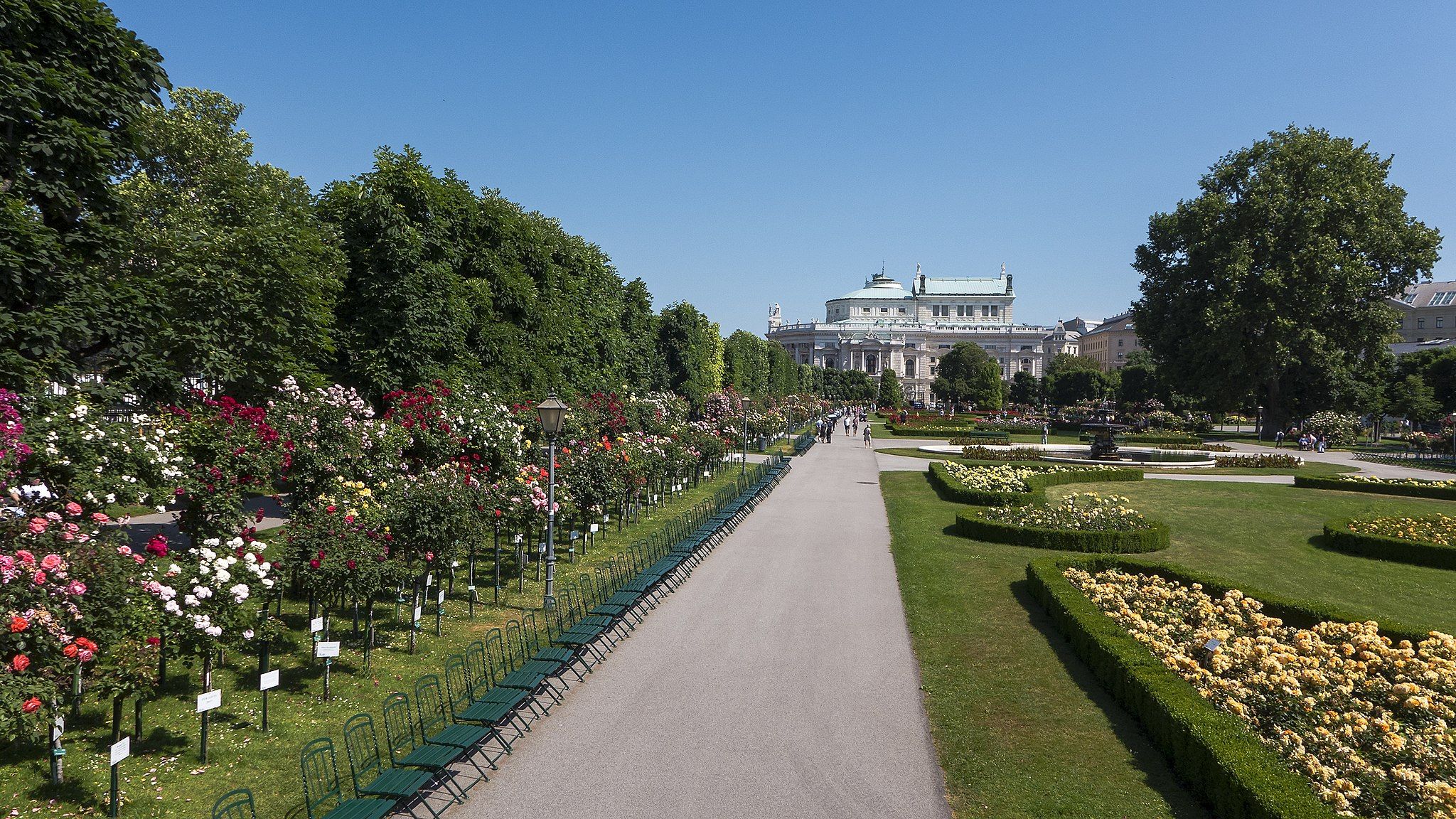
City hikes in Austria – on foot through Vienna, Wels & St. Pölten
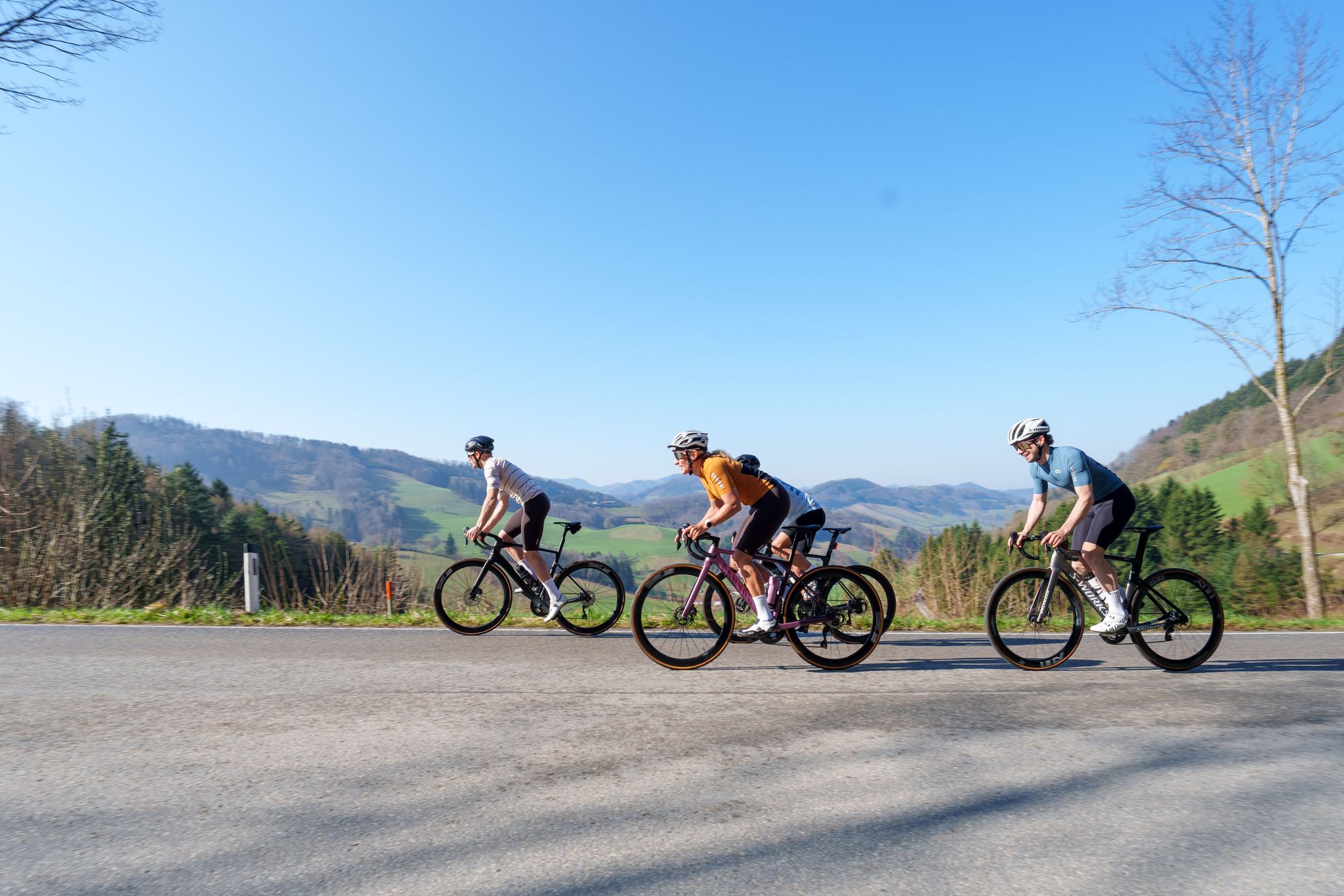
Rennrad Routen vom Feinsten
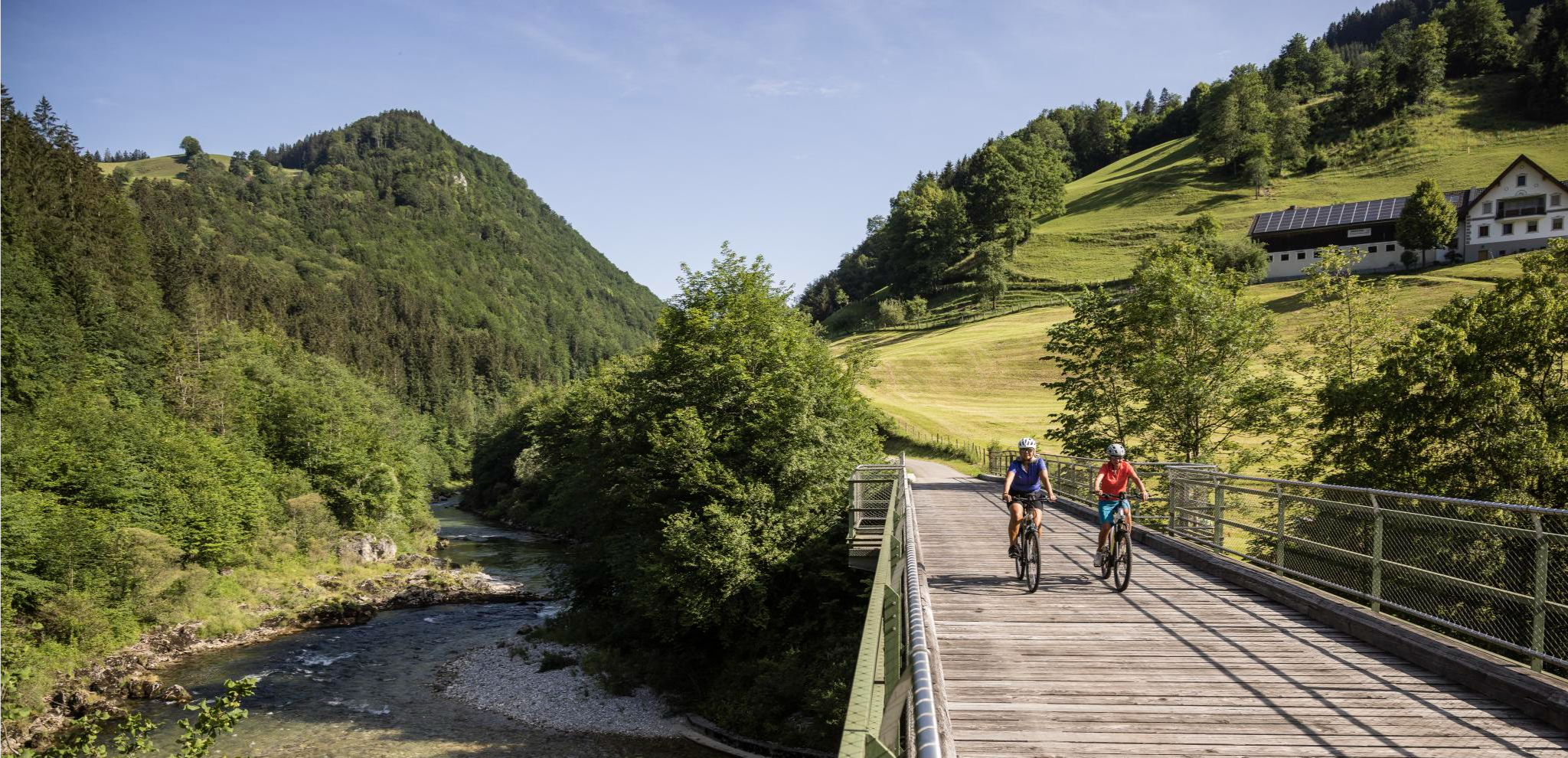
Flussradeln im Mostviertel: Genussvolle Touren entlang klarer Flüsse
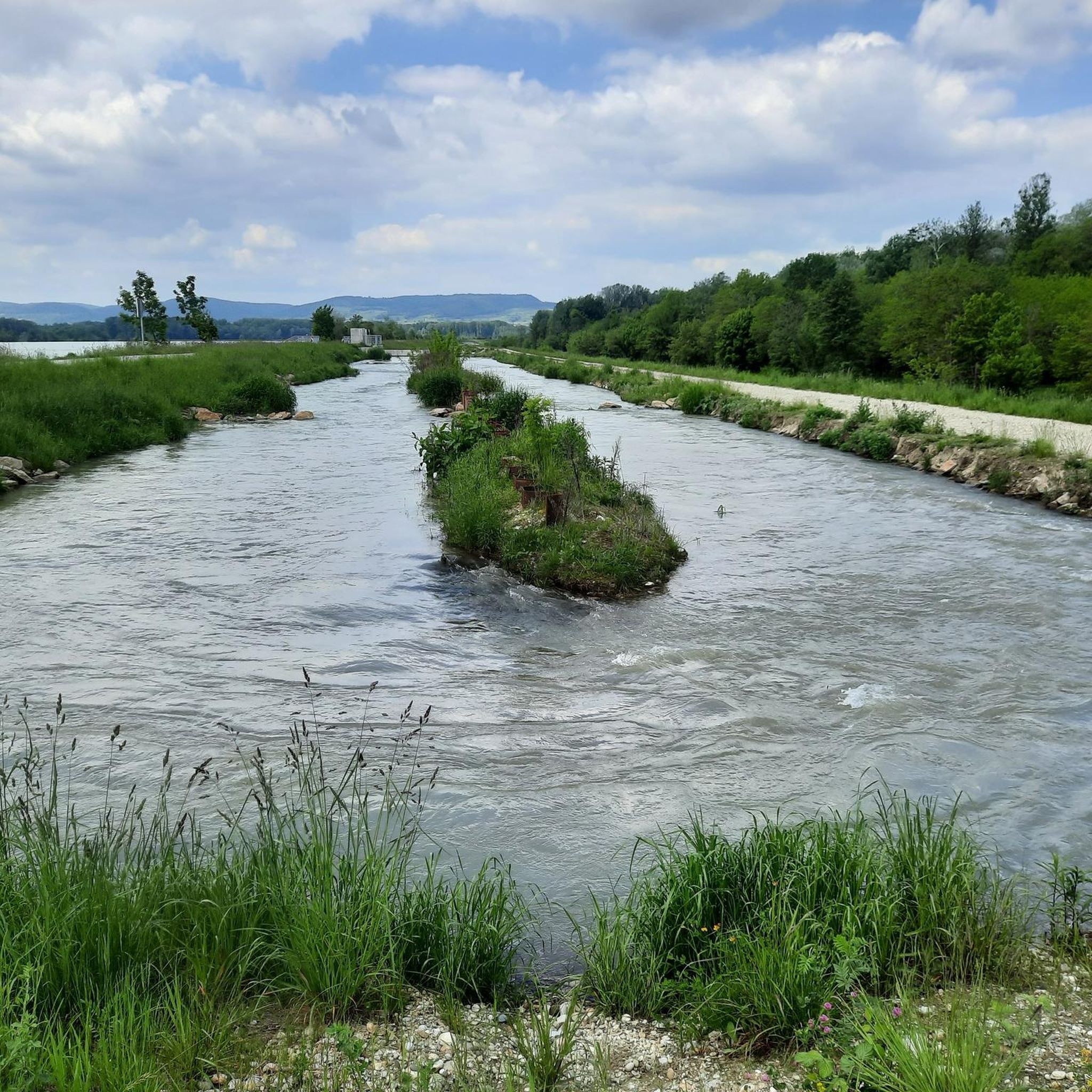
Cycling in St. Pölten
Other adventures in St. Pölten


Tips from the Community

The Dry Hole is a large cave, located right next to the Wet Hole, and is perfect for exploring. Be sure to bring a flashlight or headlamp.
3
0

This is how some poor people had to live in the past! In the middle of the vineyards you will find this restored cave dwelling from earlier times. You can also go inside and look at the furnishings. You can also buy drinks inside for a fee. There is also a beautiful view over the lower Traisental.
2
0
A short detour from the vineyard cycle path you will find this Mary's Grotto with a lovely rest area in front of it. A sign on the cycle path shows the way there.
3
0
Some people used to have to live like this! You have to see it to see it, because it doesn't look all that uncomfortable.
1
0

This is a great place to plan a break. Super exciting, great view of the vineyards and cool drinks 👍
1
0

The Pöll family lived in this cave until the First World War. They earned their living as day laborers for farmers in the village. In 2010, the dwelling cave was restored to a condition that corresponded to the original form as a viewing object. A visit to this highlight is worthwhile, something you rarely see. Drinks can also be bought here.
1
1

Very hidden, small entrance. A bit uncomfortable when getting in and out (especially whether you can fit through). Inside: really cool but slippery. Torches absolutely necessary. Very adventurous for children and highly recommended!
0
0
Frequently Asked Questions
What types of caves can I explore near St. Pölten?
Near St. Pölten, you can discover a variety of subterranean sites. These include unique historical cave dwellings like the Restored Cave Dwelling in the Vineyards of Lower Traisental, natural exploration caves such as Trockenes Loch Cave, and even grottos like Maria im Engelreich Grotto. The broader Lower Austria region also offers impressive show caves with extensive geological formations.
Are there any family-friendly cave experiences in the St. Pölten region?
Yes, several caves are suitable for families. The Restored Cave Dwelling in the Vineyards of Lower Traisental offers an interesting historical insight. The Maria-Theresia Schurf Cave is described as a very adventurous experience, especially for children, though it requires torches and can be narrow. Further afield, the Seegrotte Hinterbrühl, with its boat ride on Europe's largest underground lake, is also a popular family destination.
What are some of the most impressive show caves in the broader Lower Austria region, accessible from St. Pölten?
For those willing to travel a bit further from St. Pölten, the Lower Austria region boasts several impressive show caves. The Ötscher Dripstone Cave in the Ötscher-Tormäuer Nature Park is one of the deepest, featuring vast halls and ancient dripstone formations. The Seegrotte Hinterbrühl is famous for Europe's largest underground lake, offering guided tours and a boat ride. The Alland Dripstone Cave also showcases magnificent sinter formations with an illuminated visitor path.
What should I bring when exploring caves near St. Pölten?
For caves like Trockenes Loch Cave, a flashlight or headlamp is essential for exploration. If you plan to visit Maria-Theresia Schurf Cave, torches are absolutely necessary due to its cool, slippery, and dark interior. Generally, comfortable clothing and sturdy, non-slip footwear are recommended for cave environments.
Can I find historical sites related to caves near St. Pölten?
Yes, the Restored Cave Dwelling in the Vineyards of Lower Traisental is a unique historical site. It offers a glimpse into how people lived in the past, with historical furnishings and a beautiful view over the Traisental valley. The Seegrotte Hinterbrühl also has a rich history, including its use as an aircraft factory during World War II.
What are the geological highlights of the caves in the St. Pölten area?
While local caves near St. Pölten offer unique features, the broader Lower Austria region is home to significant geological formations. The Ötscher Dripstone Cave features impressive stalactite organs and dripstone formations dating back millions of years, along with an underground lake. The Alland Dripstone Cave is known for its magnificent sinter formations, and the Seegrotte Hinterbrühl houses Europe's largest underground lake.
Are there any caves near St. Pölten that are particularly adventurous?
The Maria-Theresia Schurf Cave is noted for its adventurous nature. It has a hidden, small entrance that can be uncomfortable for entry and exit due to its narrowness. Inside, it's cool and slippery, making torches essential for navigation. It's highly recommended for those seeking a more challenging exploration.
What outdoor activities can I combine with a visit to the caves near St. Pölten?
The St. Pölten region offers various outdoor activities. You can find numerous easy hikes, such as loops around Ratzersdorfer See. For more challenging adventures, there are mountain hikes like the Tirolerkogel Summit loop. Mountain biking enthusiasts can explore MTB trails, including the Laurenzi Route. The Maria im Engelreich Grotto is also a short detour from a vineyard cycle path.
When is the best time of year to visit caves in the St. Pölten region?
The best time depends on the specific cave. The Ötscher Dripstone Cave is typically open from May to October. However, the Seegrotte Hinterbrühl maintains a constant year-round temperature of 9°C, making it a suitable option even in winter. For local exploration caves, warmer, drier months might be more comfortable, but always be prepared for cool and potentially wet conditions inside.
Are there any caves near St. Pölten that offer refreshments or rest areas?
Yes, the Restored Cave Dwelling in the Vineyards of Lower Traisental allows visitors to purchase drinks inside. Additionally, the Maria im Engelreich Grotto features a lovely rest area right in front of it, perfect for a break during a cycle tour.
What makes the Ötscher Dripstone Cave a significant attraction?
The Ötscher Dripstone Cave, located in the Ötscher-Tormäuer Nature Park, is one of Lower Austria's deepest caves. It's renowned for its spacious halls, impressive stalactite organs, and ancient dripstone formations. Visitors can explore a 575-meter-long system, including an underground lake, through guided tours that delve into its mystical underground world.
Most popular routes in St. Pölten
Most popular attractions in St. Pölten

Get inspired with the komoot mobile app


Didn’t find what you were looking for?
Discover more caves in St. Pölten region by region:
Explore more
Extend your search for the best caves by checking out these guides of the top ones in St. Pölten:
