J.N. "Ding" Darling National Wildlife Refuge
J.N. "Ding" Darling National Wildlife Refuge
Top 6 Lakes in J.N. "Ding" Darling National Wildlife Refuge
Best lakes in J.N. "Ding" Darling National Wildlife Refuge are characterized by a unique convergence of freshwater and saltwater environments. This area, a significant portion of Sanibel Island, protects one of the country's largest undeveloped mangrove ecosystems. The refuge's aquatic features, including large impoundments and interconnected systems, provide a rich habitat for diverse wildlife. These water bodies are central to the refuge's ecological value and offer opportunities for wildlife observation and outdoor activities.
Best lakes in J.N. "Ding" Darling National…
Last updated: July 11, 2026
Observation Tower at J.N. "Ding" Darling National Wildlife Refuge
Highlight • Viewpoint
Tip by

Mangrove Overlook Deck
Highlight • Viewpoint
Tip by

Sign up now to discover places like this
Get recommendations on the best single tracks, peaks, & plenty of other exciting outdoor places.
Sign up for free
Bailey Tract
Highlight • Natural
Tip by

Mangrove Head Pond Trail
Highlight (Segment) • Trail
Tip by

Start today with a free account
Your next adventure awaits.
Login or Signup
Tips from the Community

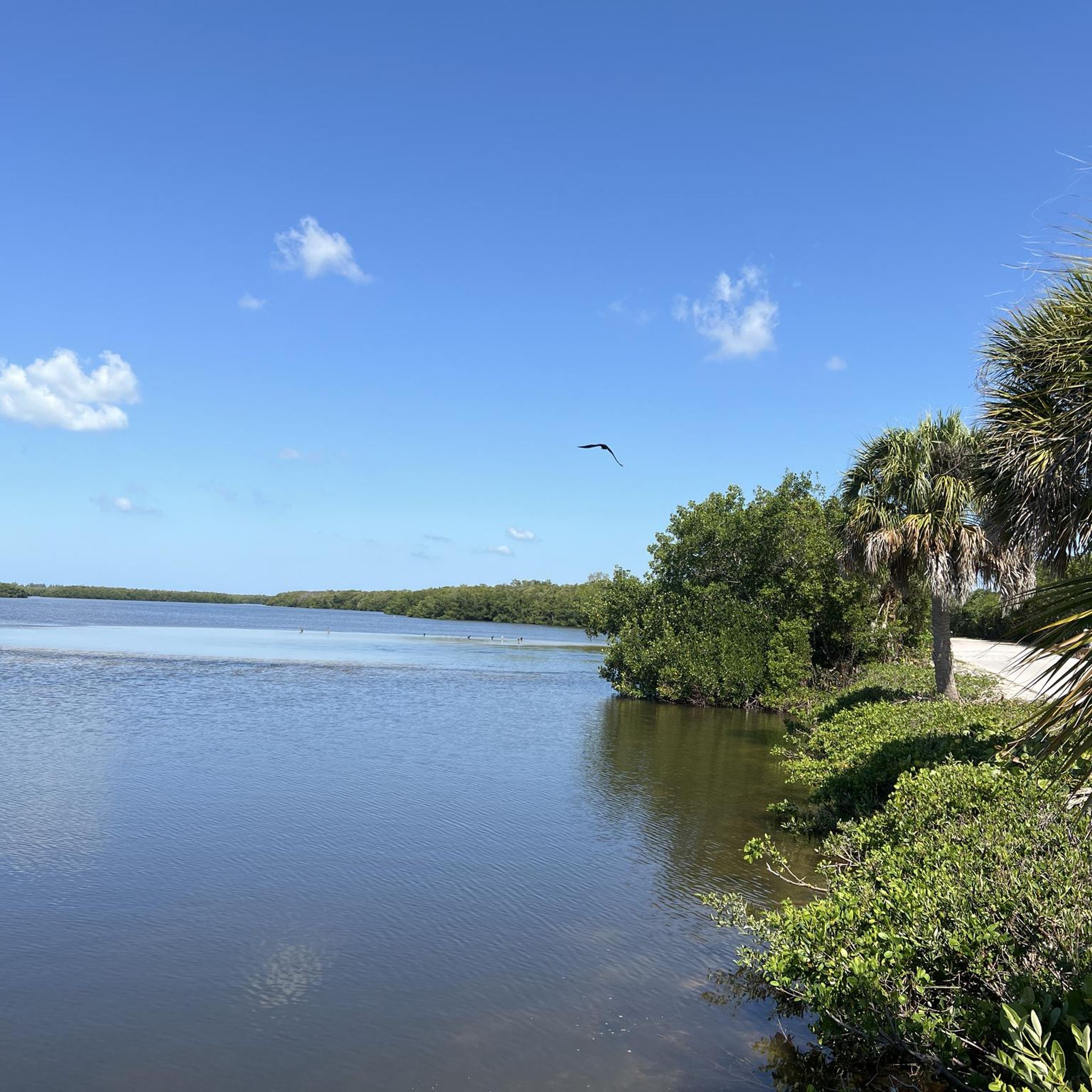
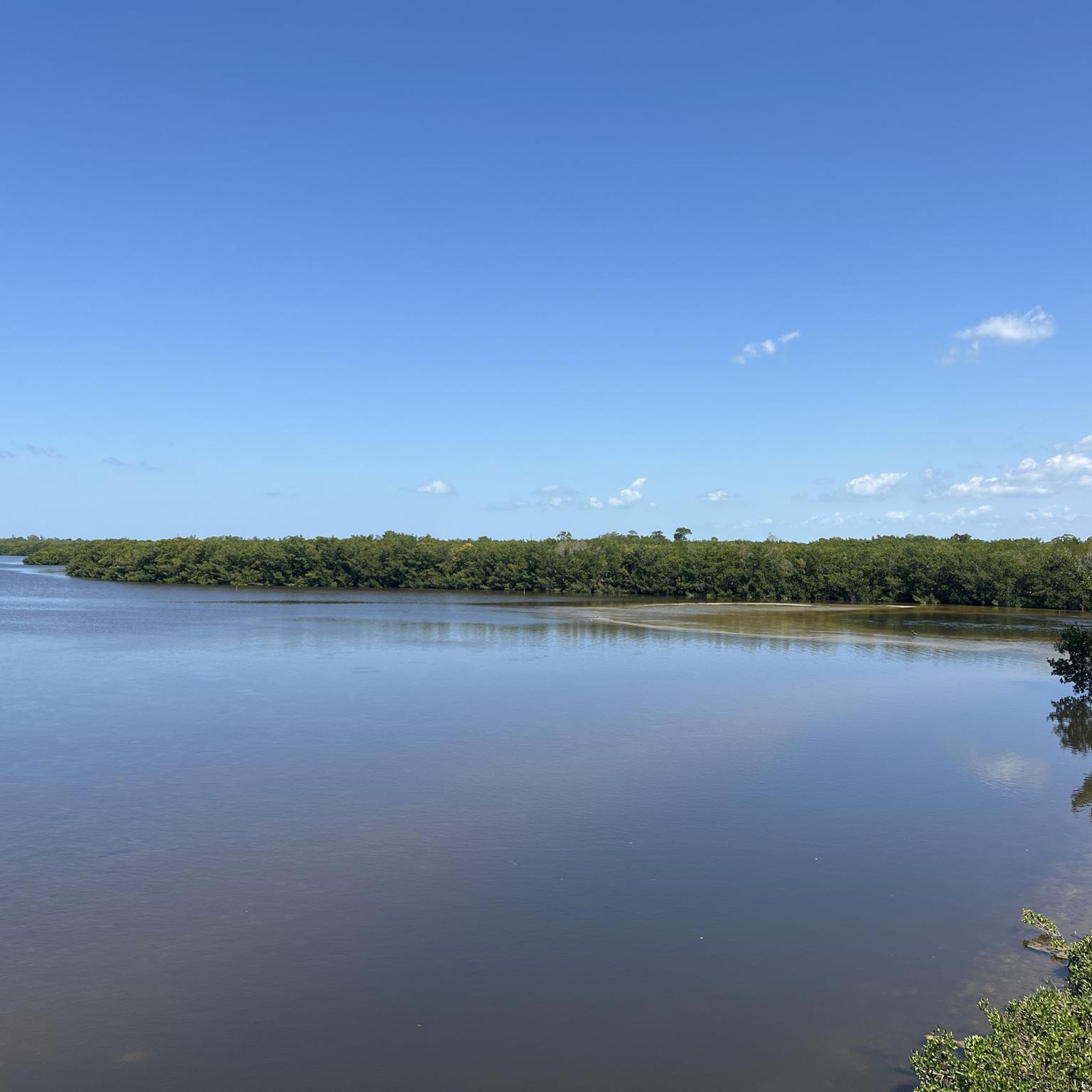
A beautiful place to look out over the lake.
1
0
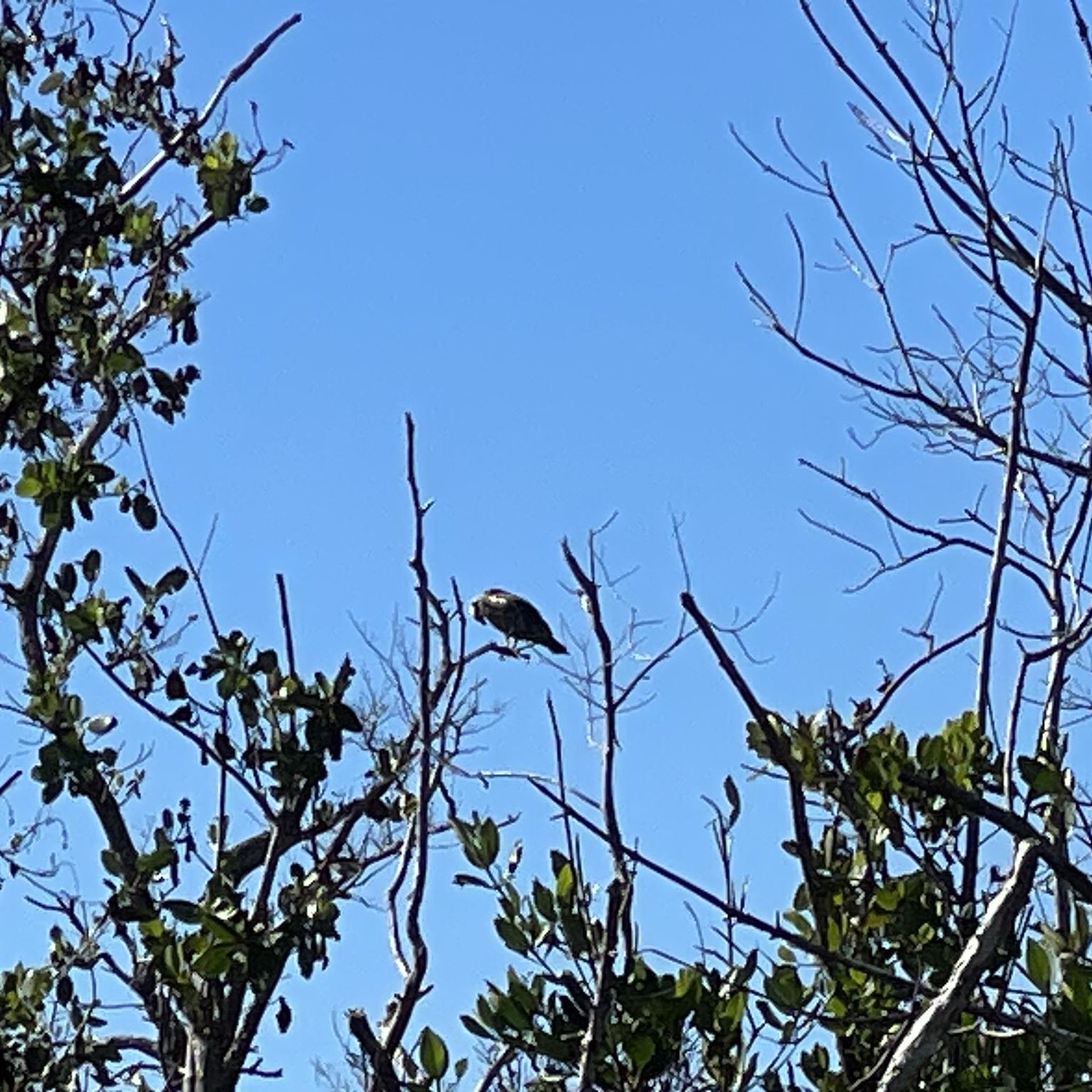
You can overlook most of the park and watch birds.
0
0

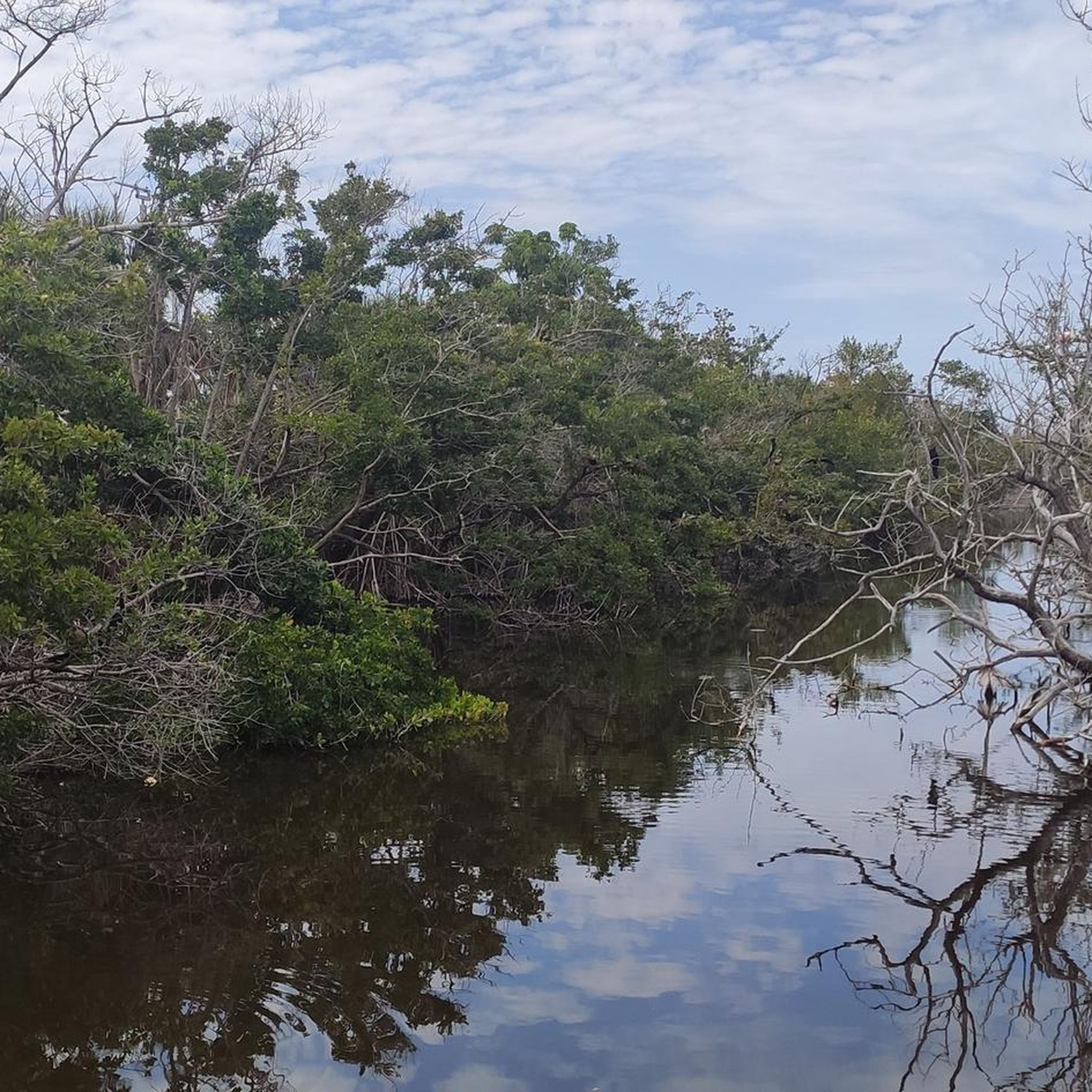
This trail takes you along a soft dirt path beside Mangrove Head Pond, offering scenic views of the water. Information boards and benches along the way provide opportunities for breaks and excellent birdwatching.
0
0
To reach the Mangrove Overlook, you'll navigate through some mangroves to reach a charming lookout deck with breathtaking views of the water. It's certainly worth taking the short detour off the main road to immerse yourself in the beauty and enjoy a refreshing break.
0
0

This is a really good well-built split-level watchtower with super views. It is on a small causeway so you can watch out for wildlife and view the scenery on both sides of the lagoon. It is yet another fantastic overlook on Wildlife Drive.
1
0
This is a super good overlook with vistas out over the park and lagoon complete with a small bike park stand. The overlook is on 'Wildlife Drive', a one-way paved road through J.N. "Ding" Darling National Wildlife Refuge. This has a 15 MPH speed limit even for bikers!
0
0

Bailey Tract is part 'J.N. "Ding" Darling National Wildlife Refuge' and free to visit from sunrise to sunset by foot or bike. The wetlands are a great place to see all kinds of wildlife. Free parking available.
1
0

There's a two-level watchtower here which provides great views over park.
2
0
Frequently Asked Questions
What unique natural features can I expect to see around the lakes in J.N. "Ding" Darling National Wildlife Refuge?
The refuge is renowned for its unique convergence of freshwater and saltwater environments, supporting one of the country's largest undeveloped mangrove ecosystems. You'll encounter diverse aquatic features, including large impoundments along Wildlife Drive, freshwater ponds at Bailey Tract, and the estuarine waters of Tarpon Bay. These habitats are home to exceptional bird populations, alligators, and various fish species.
Are there specific spots for excellent birdwatching near the lakes?
Absolutely. The refuge is world-famous for birdwatching. The "Large Lake" along Wildlife Drive, especially from the Observation Tower, is a prime spot to see roseate spoonbills and migratory birds. The ponds at Bailey Tract also offer excellent birding opportunities, and the Mangrove Overlook Deck provides vistas for observing avian life within the mangrove ecosystem.
What are the best times to visit the lakes for wildlife viewing?
The winter months are particularly spectacular for birdwatching, as the refuge hosts numerous migratory bird populations. However, the unique blend of habitats ensures diverse wildlife viewing opportunities year-round. Early mornings and late afternoons are generally best for spotting active wildlife.
Are there family-friendly activities or trails around the lakes?
Yes, many areas are family-friendly. The Observation Tower and Mangrove Overlook Deck are easily accessible viewpoints. The Bailey Tract offers hiking and biking trails suitable for families, and the Mangrove Head Pond Trail provides an easy dirt path with information boards for breaks and birdwatching.
What kind of outdoor activities can I do near the lakes in the refuge?
Beyond wildlife observation, you can enjoy various activities. Tarpon Bay is excellent for boat fishing, kayaking, and stand-up paddleboarding. The refuge also offers extensive cycling and running opportunities. You can find numerous routes, such as easy road cycling loops like the "Mangrove Overlook Deck loop from Sanibel Island" or running trails like the "Indigo Trail Loop." For more details on routes, check out the Road Cycling Routes, Cycling, and Running Trails guides for the refuge.
Are there opportunities for fishing in the lakes or aquatic areas?
Yes, fishing is a popular activity. Tarpon Bay offers excellent saltwater fishing for species like snook, redfish, and spotted seatrout. For freshwater fishing, the ponds within the Bailey Tract are productive for largemouth bass, bluegill, and gar. For regulations and specific fishing areas, it's advisable to check the official refuge website: fws.gov/refuge/jn-ding-darling/visit-us/activities/fishing.
Is there an entrance fee or permit required to visit the lakes and refuge?
Wildlife Drive, the main access route through the refuge, typically has an entrance fee per vehicle, cyclist, or pedestrian. However, areas like the Bailey Tract are free to visit from sunrise to sunset by foot or bike. For the most current information on fees and permits, please consult the official J.N. "Ding" Darling National Wildlife Refuge website.
What do visitors enjoy most about the aquatic areas of J.N. "Ding" Darling National Wildlife Refuge?
Visitors consistently praise the exceptional opportunities for wildlife observation, particularly the abundant birdlife and frequent alligator sightings. The scenic views from spots like the Observation Tower and the peaceful exploration of the mangrove ecosystems from the Mangrove Overlook Deck are also highly valued. The refuge's unique natural beauty and the chance to immerse oneself in a thriving ecosystem are key attractions.
Are the trails around the lakes wheelchair accessible?
While the refuge strives for accessibility, specific trail conditions can vary. The Observation Tower is noted as wheelchair accessible. Wildlife Drive itself is a paved road that can be traversed by car, tram, or bicycle, offering views of the aquatic habitats. For detailed accessibility information on specific trails, it's best to check with the J.N. "Ding" Darling National Wildlife Refuge Visitor & Education Center.
Where can I find parking when visiting the lakes and trails?
Parking is available at various points throughout the refuge. For instance, the Bailey Tract offers free parking. Along Wildlife Drive, there are designated pull-offs and parking areas near observation points and trailheads. The Visitor & Education Center also provides parking facilities.
Are there any guided tours available for exploring the aquatic environments?
Yes, guided tours are available, particularly for activities like kayaking and stand-up paddleboarding in Tarpon Bay, often provided by Tarpon Bay Explorers. These tours offer an intimate way to explore the mangrove estuary and learn about the ecosystem. The Visitor & Education Center can provide information on available tours and programs.
What is the significance of the mangrove ecosystems in the refuge?
The refuge protects one of the country's largest undeveloped mangrove ecosystems, which is crucial for the region's biodiversity. These intricate networks of creeks, bayous, and mangrove thickets serve as vital nurseries for many fish species, provide shelter for birds and other wildlife, and protect the coastline from erosion and storm surges. Observing them from spots like the Mangrove Overlook Deck highlights their ecological importance.
Most popular routes in J.N. "Ding" Darling National Wildlife Refuge
Most popular attractions in J.N. "Ding" Darling National Wildlife Refuge

Get inspired with the komoot mobile app


Explore more
Still not found your perfect lake in J.N. "Ding" Darling National Wildlife Refuge? Check out the guides of these regions to see even more beautiful places.
