The 3 Most Amazing Peaks in San José
Best mountain peaks in San José, Costa Rica, are found within a mountainous region characterized by volcanic activity, lush rainforests, and diverse ecosystems. This area offers access to impressive volcanic and non-volcanic peaks, providing varied hiking experiences. The landscape ranges from cloud forests to high-altitude páramo, with many peaks offering panoramic views.
Best mountain peaks in San José
- The most popular mountain peaks is Cerro Chirripó Summit, a summit that offers a challenging multi-day hike. On clear days, it…
Last updated: July 6, 2026
Cerro Chirripó Summit
Highlight • Summit
Tip by

The Cross of Escazú
Highlight (Segment) • Summit
Tip by

Sign up now to discover places like this
Get recommendations on the best single tracks, peaks, & plenty of other exciting outdoor places.
Sign up for free
Cerro Terbi (3,760 m)
Highlight • Summit
Tip by
Cerro La Asunción Trailhead
Highlight • Trail
Translated by Google •
Tip by

Crestones Peak
Highlight • Natural Monument
Tip by
Start today with a free account
Your next adventure awaits.
Login or Signup

Tips from the Community

A parking space is also a real highlight for some people. Stop, turn off the engine and park. If you like that, as long as you don't start the engine again
1
0

The Crestones aren't really a separate peak from Cerro Terbi, they are more of a line of rocky spires that form an out-crop on the ridge of Cerro Terbi.
2
0
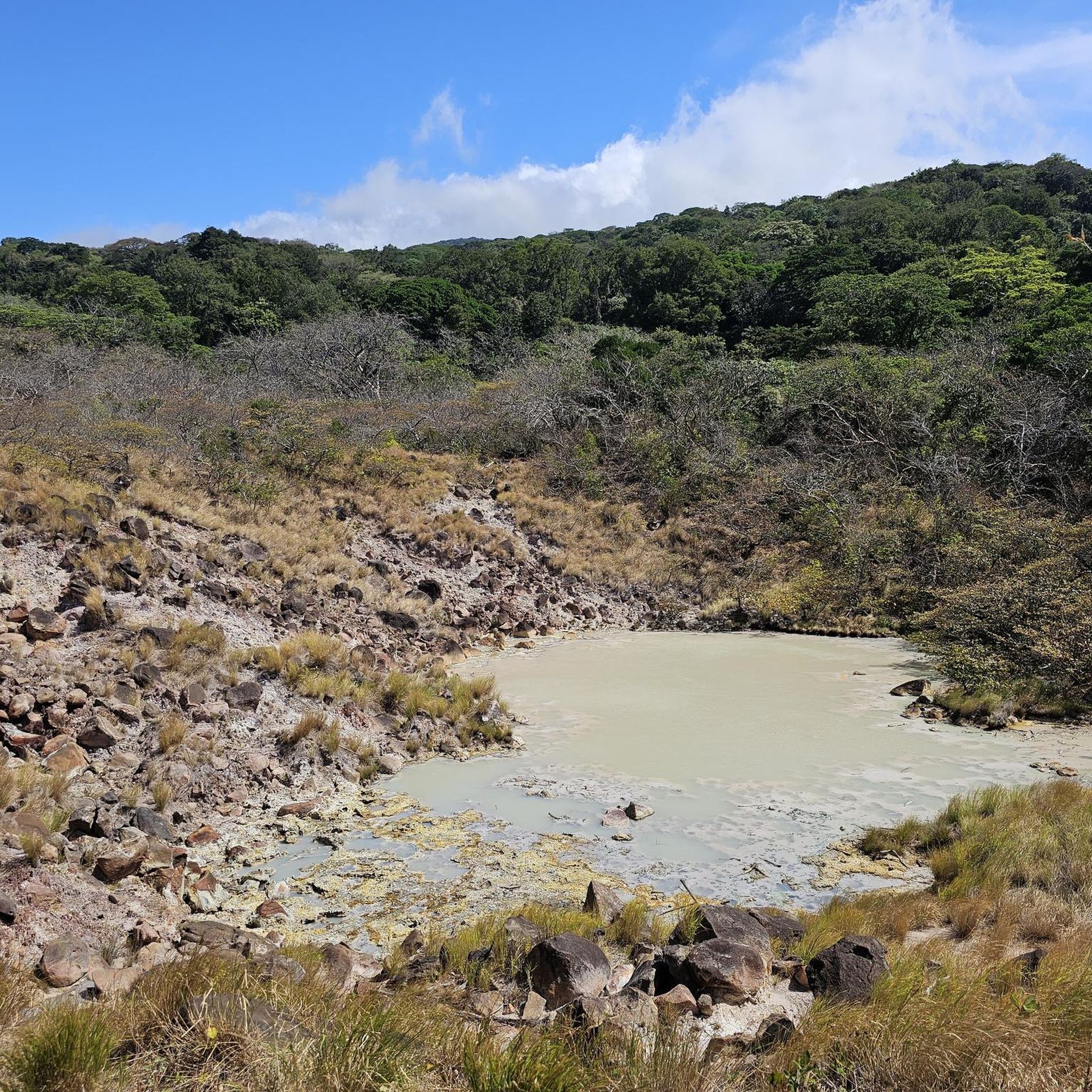
Cerro Terbi is the 5th highest peak in Costa Rica. The Crestones aren't really a separate peak(s) from Cerro Terbi; they are more of an out-cropping on a ridge of Cerro Terbi. The lower areas of this mountain area are covered with lush, wildlife-rich rainforest. The upper slopes consist of Paramo, similar to the vegetation found on the Paramo in the Andes of South America. For route information click here: https://www.komoot.com/tour/292242878
2
0
Having come up from the park office in a seven hour slog for 14km and 2000m, we had a 2.30am wake up call at the refuge and hiked for 2hrs to get to the summit of Cerro Chirripo at 5.30am. After watching the sunrise we then decended Chirripo and hiked up Cerro Crestones straight afterwards. A great hike all told with great weather and scenery. We then had a five hour decent from the refuge to the park gate to finish off a hard two days of hiking. A great few days out. For route information click here: https://www.komoot.com/tour/292242878
3
1

The highlight is sunrise on the summit - this requires a start at the base camp at 3:00 a.m. Then you can be back in time for breakfast.
1
1

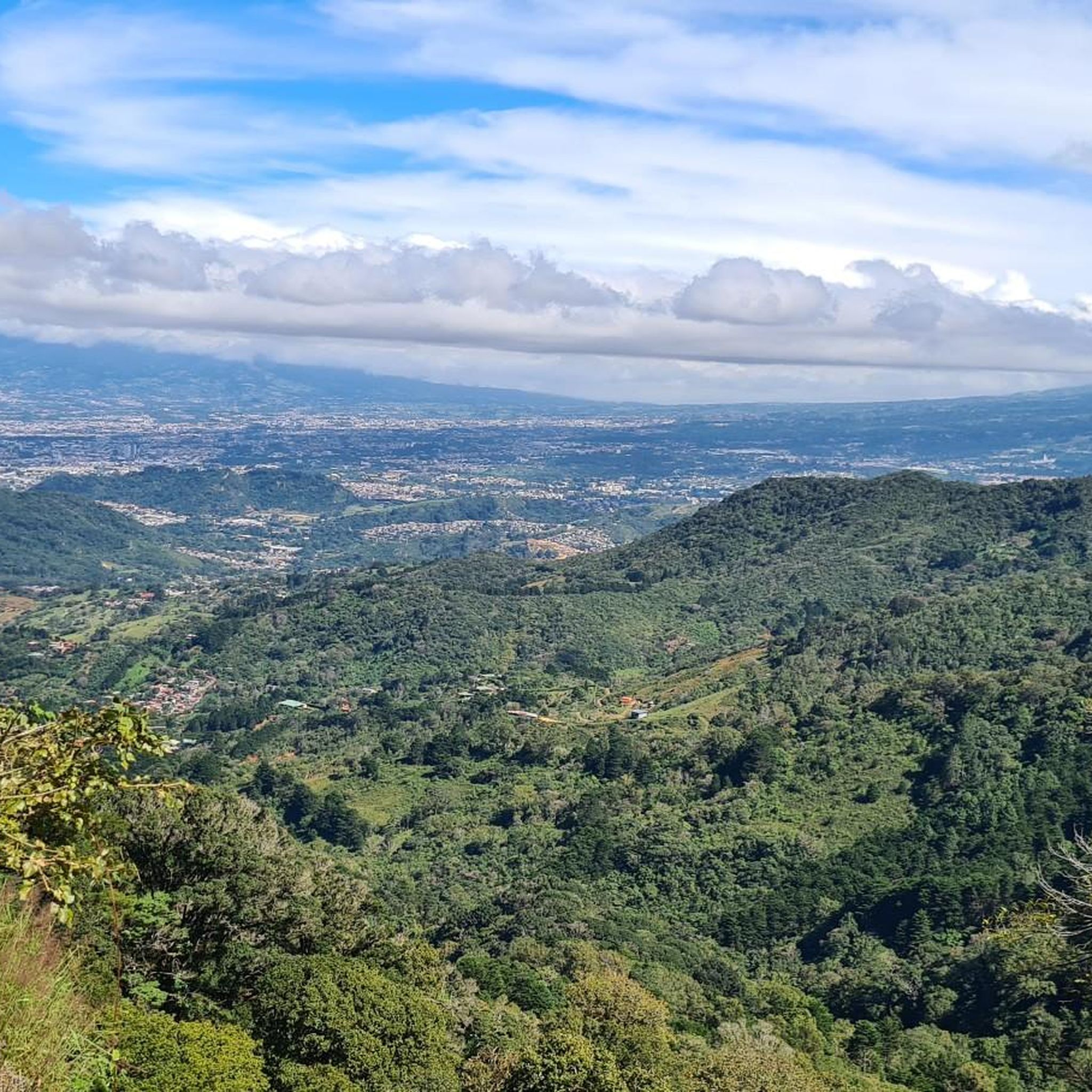
Behind the cross on top of the mountain in the left corner go further a little down. Very nice view! Also hike down to river and way back to street possible.
0
0

In good weather you can see both oceans. Optimal starting position for this is an ascent in the dry season. In the rainy season, the path is very muddy and it is often very foggy and barely visible on the summit. At the basecamp Crestone it can also have only 15 degrees, a separate sleeping bag is advisable. For the ascents, a permit is required, since only a limited number of people may be in the National Park. The ranger station is located in San Gerardo de Rivas. (Starting point of the tour)
2
1
Frequently Asked Questions
What are some of the most notable mountain peaks to explore in San José, Costa Rica?
San José, Costa Rica, offers access to several impressive peaks. Among them, Cerro Chirripó Summit stands as the highest in the country, known for its challenging multi-day hike and incredible views. Other significant peaks include Cerro Terbi (3,760 m) and The Cross of Escazú, which offers rewarding vistas closer to the city. Additionally, the active volcanoes Irazú and Poás are popular day trips for their unique crater landscapes.
What is the highest mountain peak in San José, Costa Rica, and what makes it special?
Cerro Chirripó Summit is the highest peak in Costa Rica, reaching 12,530 feet (3,820 meters) in the Cordillera de Talamanca. It's renowned for its diverse ecosystems, including cloud forests and sub-páramo, and on clear days, you can see both the Pacific Ocean and the Caribbean Sea from its summit. It's a challenging multi-day hike and a UNESCO World Heritage Site.
Are there any active volcanoes near San José, Costa Rica, that I can visit?
Yes, two prominent active volcanoes are easily accessible from San José. Irazú Volcano, Costa Rica's highest active volcano, features multiple craters, one with a stunning green-blue lake. Poás Volcano is known for having one of the world's largest active craters and a striking turquoise acid lake. Both offer well-maintained paths and are popular for day trips.
What kind of views can I expect from the mountain peaks in San José, Costa Rica?
The mountain peaks around San José offer a variety of breathtaking views. From Cerro Chirripó, you can potentially see both the Pacific Ocean and the Caribbean Sea. Peaks like The Cross of Escazú provide expansive panoramic views of the surrounding valleys and city. Volcanic peaks like Irazú and Poás offer otherworldly landscapes with their craters and colorful lakes.
What is the best time of year to hike the mountain peaks in San José, Costa Rica?
The dry season, typically from December to April, is generally the optimal time for hiking the mountain peaks in San José, Costa Rica. During this period, paths are less muddy, and there's a higher chance of clear skies, offering better visibility from summits like Cerro Chirripó. The rainy season can bring very muddy conditions and frequent fog, obscuring views.
Are permits required for hiking certain mountain peaks in San José, Costa Rica?
Yes, for certain peaks, especially those within national parks, permits are required. For instance, an ascent of Cerro Chirripó requires a permit, as only a limited number of people are allowed in the National Park. The ranger station is located in San Gerardo de Rivas, which is the starting point for the tour.
Are there challenging multi-day hikes available in the San José mountain region?
Absolutely. The ascent to Cerro Chirripó Summit is a prime example of a challenging multi-day hike. It typically involves a significant slog to a basecamp, followed by an early morning ascent to the summit for sunrise. The total experience can span several days, offering a deep immersion into the region's diverse ecosystems.
What kind of natural environments can I expect to encounter on these mountain peaks?
The mountain peaks in San José, Costa Rica, showcase a rich variety of natural environments. On Cerro Terbi and Cerro Chirripó, you'll find lush, wildlife-rich rainforests in the lower areas, transitioning to unique Paramo vegetation on the upper slopes. Volcanoes like Barva are characterized by dense cloud forests and crater lagoons.
What outdoor activities can I do near the mountain peaks in San José, Costa Rica?
Beyond peak bagging, the region around San José offers a variety of outdoor activities. You can find numerous hiking opportunities, including easy, moderate, and difficult trails. For example, explore routes like the "Mirador SIWÕ' loop" or the "Cerro Chirripó – Las Cañuelas – The Bamboo loop." There are also options for gravel biking, such as the "Piedras Negras Trail – Japis River loop." You can find more details on these activities in the Hiking in San José and Gravel biking in San José guides.
Are there family-friendly hiking options near the mountain peaks in San José, Costa Rica?
Yes, there are family-friendly hiking options available. While some peaks are very challenging, you can find easier routes suitable for families. Examples include the "View of the Río Barú – Upper Nauyaca Waterfall loop" or the "Savegre River – Waterfall on the Río Savegre loop." For more specific family-friendly routes, consult the Family-friendly hikes in San José guide.
What should I pack for a hike to a high-altitude peak like Cerro Chirripó?
For high-altitude peaks like Cerro Chirripó, it's crucial to pack for varying conditions. Even at basecamp, temperatures can drop to around 15 degrees Celsius, so a separate sleeping bag is advisable. Layers of clothing, rain gear (especially in the rainy season), sturdy hiking boots, sufficient water, and snacks are essential. Don't forget a headlamp for early morning summit pushes.
Most popular routes in San José
Most popular attractions in San José

Get inspired with the komoot mobile app


Explore more
See even more amazing summits in San José with these guides:
