Top 13 Lakes in Horlitzer Berg
Lakes in Horlitzer Berg are primarily characterized by their origin as former mining areas within the Muskau Arch. These bodies of water, often referred to as opencast mining lakes or residual holes, have transformed into natural landscapes. The region's unique geology, shaped by past lignite and clay mining, has created a distinctive environment for these lakes. Visitors can explore areas where former pits have filled with groundwater, leading to the formation of new aquatic ecosystems.
Best lakes in Horlitzer Berg
…Last updated: July 4, 2026
Felixsee Lookout Tower
Highlight • Viewpoint
Translated by Google •
Tip by

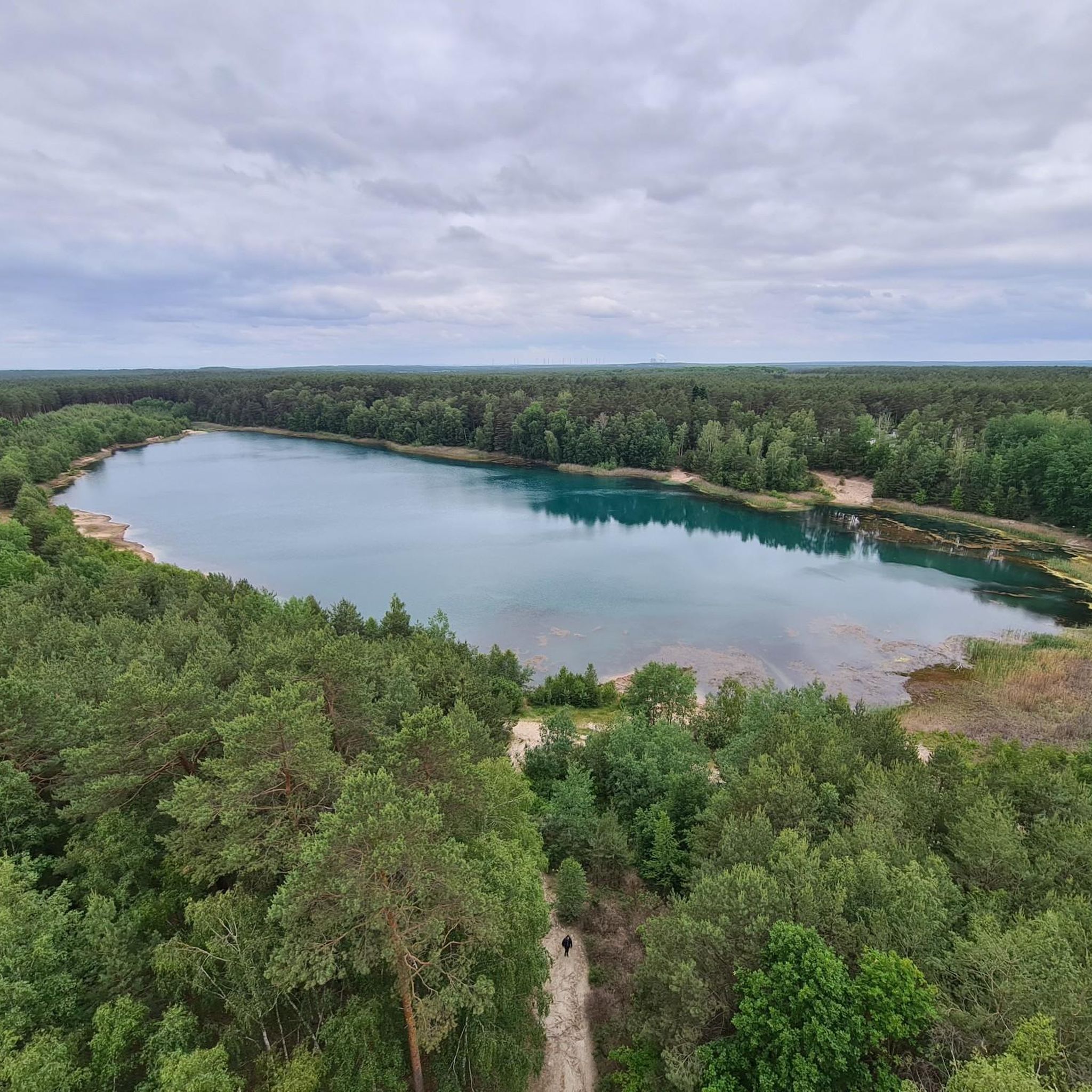
Felixsee and the Observation Tower
Highlight • Lake
Translated by Google •
Tip by

Sign up now to discover places like this
Get recommendations on the best single tracks, peaks, & plenty of other exciting outdoor places.
Sign up for free
Soll (Kettle Hole) of Groß Kölzig
Highlight • Natural Monument
Translated by Google •
Tip by
Restloch Julius (Sunken Forest) in the Muskauer Faltenbogen
Highlight • Lake
Translated by Google •
Tip by
Luisensee
Highlight • Lake
The "Franz" mine, put into operation in 1851 and shut down in 1928, was one of the …
Translated by Google •
Tip by
Sign up for free to discover even more lakes in Horlitzer Berg.
Sign up for free
Already have an account?
Start today with a free account
Your next adventure awaits.
Login or Signup
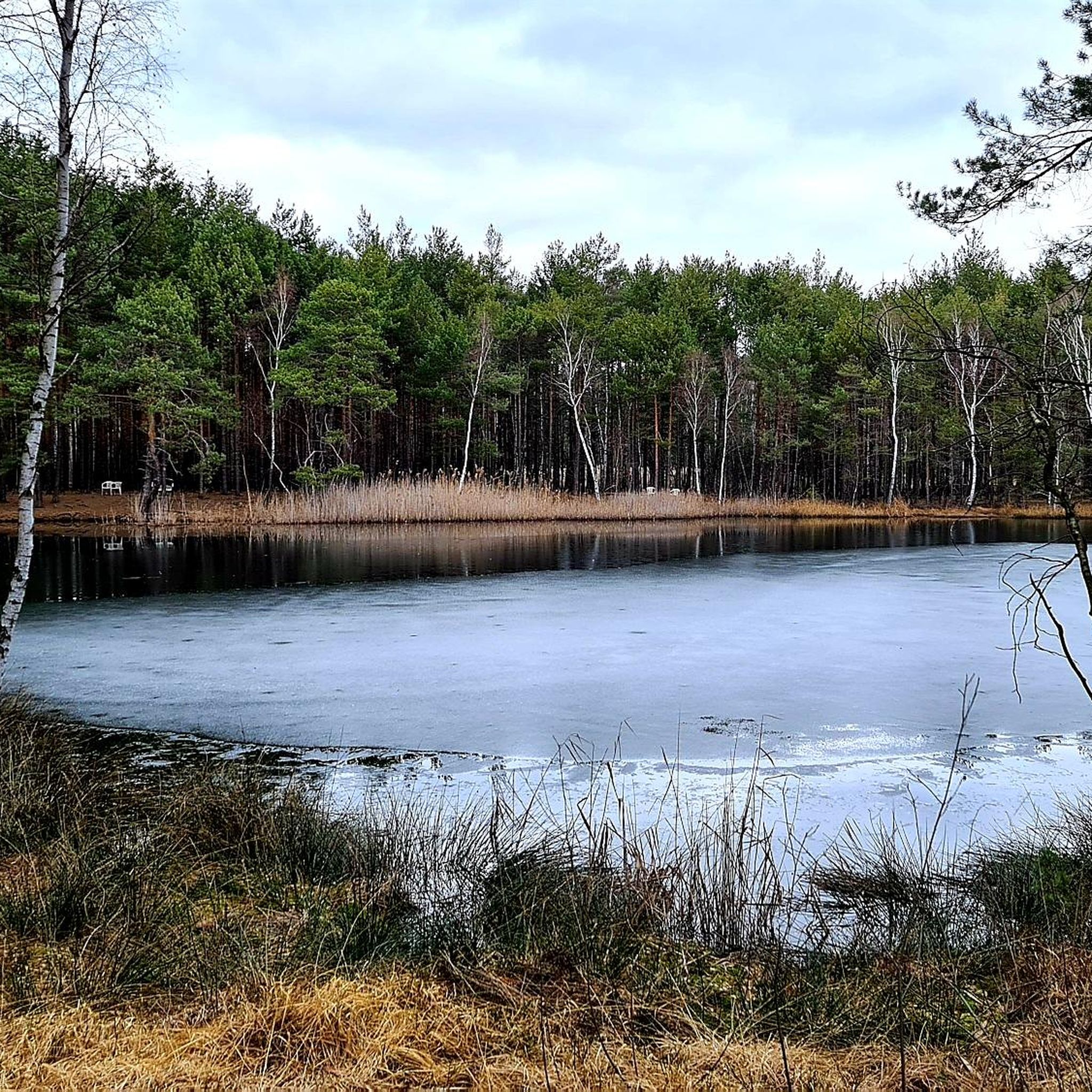
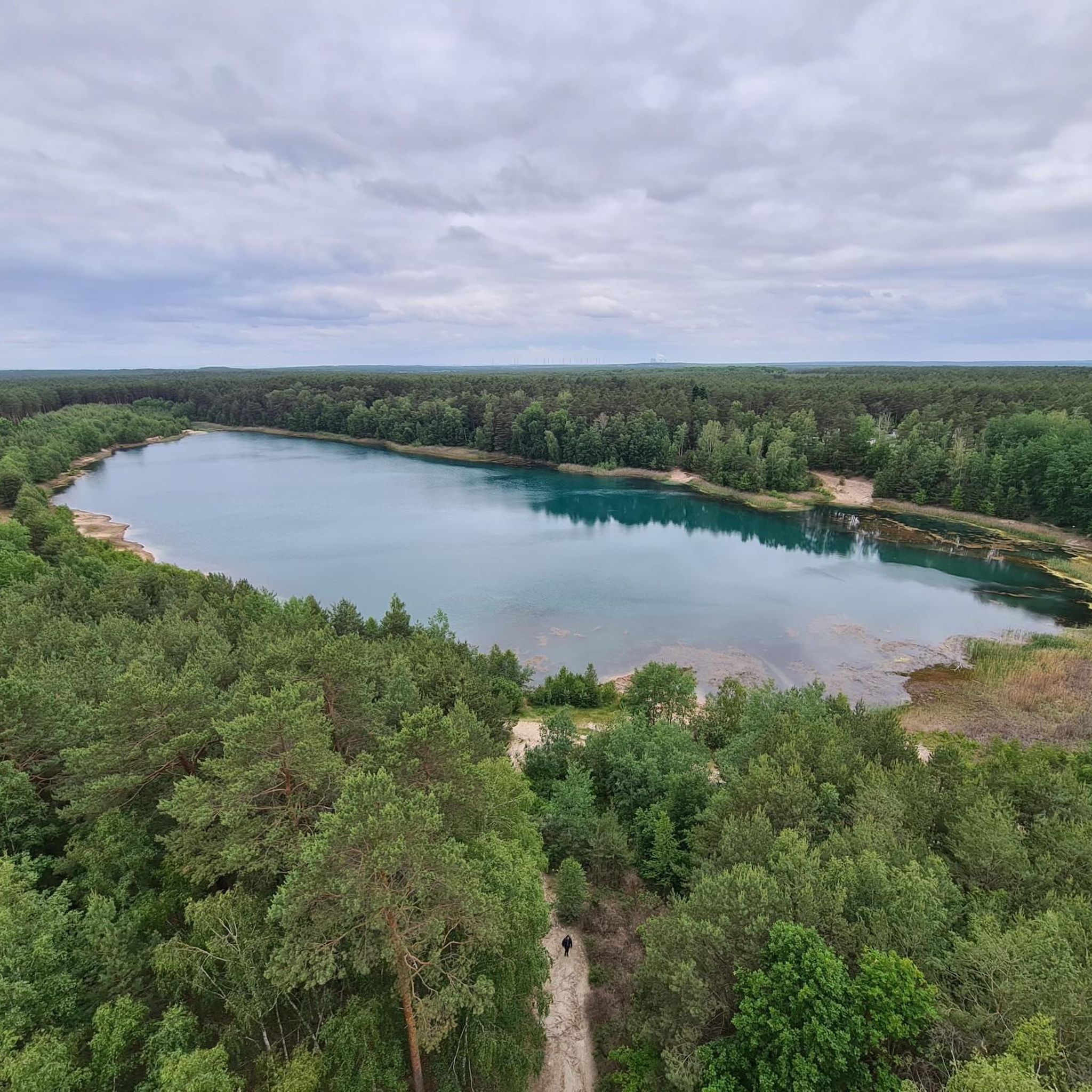
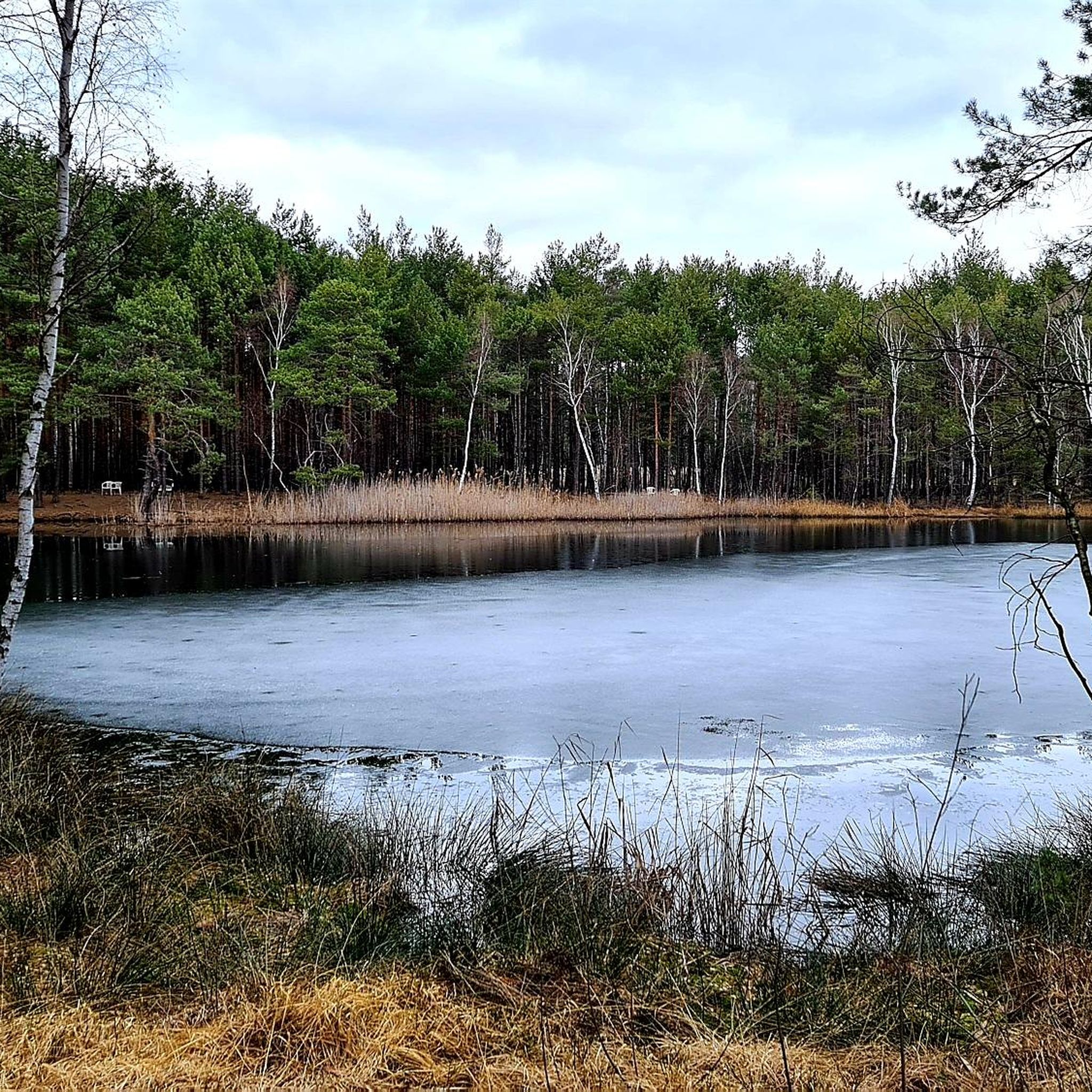
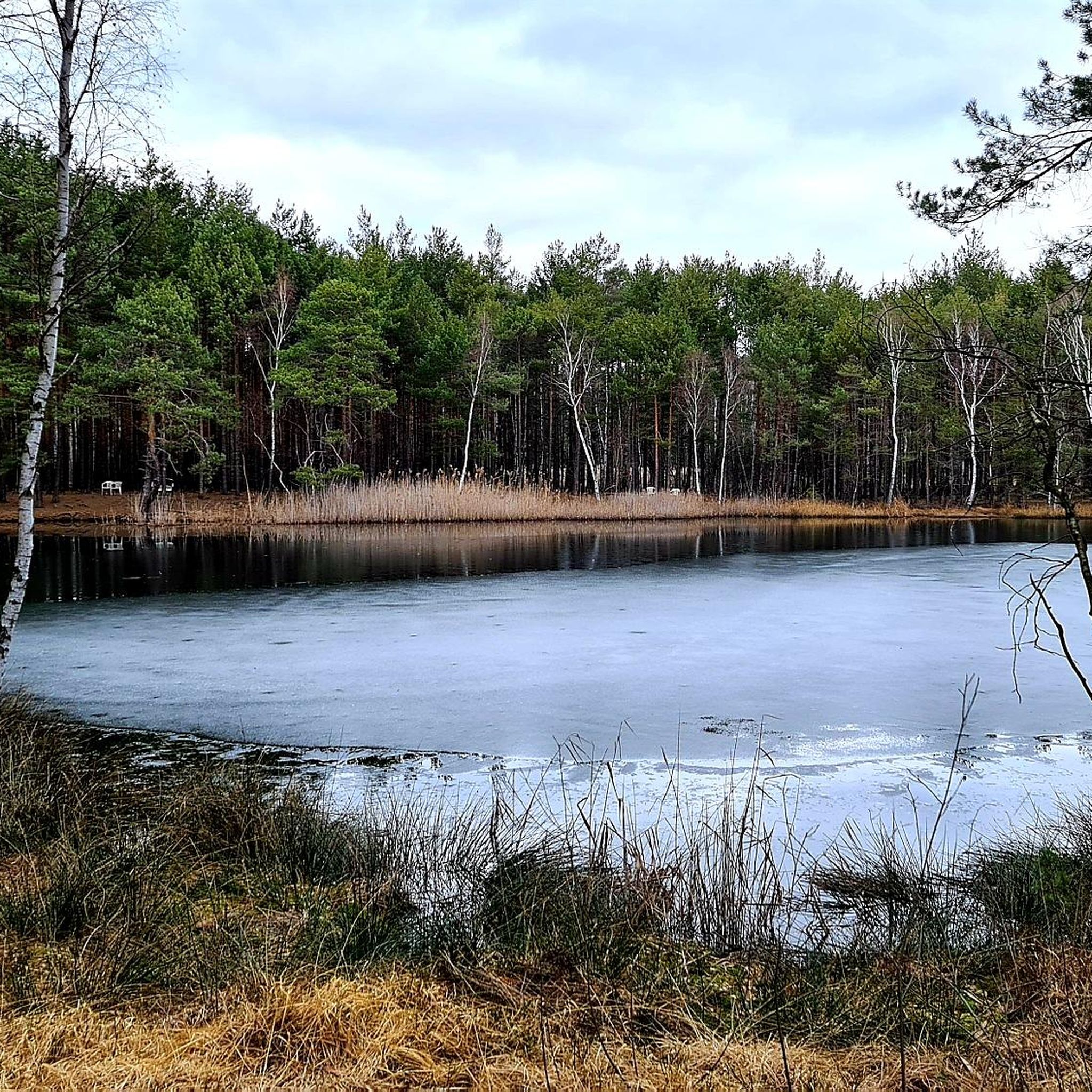
Tips from the Community


Nice swimming opportunities on the east bank.
1
0
There are plenty of these remaining holes in Lusatia.
1
0

Next time I'm in Döbern, I have to hike to Groß Kolzig.
0
0

Very informative, I didn't know that!
1
0

Sölle are landforms that were created during the Ice Age. In Low German, Soll means something like water hole. When the inland ice melts at the end of the cold period, so-called dead ice blocks can be buried in the ground. Over time they melt and small lakes form. They gradually silt up and what remains are shallow depressions with vegetation in moist locations. The target in Groß Kölzig is only filled with water after heavy rainfall. Source: Geopark office information board.
6
0
nice water. Always good to cool down in summer!
1
0
Frequently Asked Questions
What is the origin of the lakes in Horlitzer Berg?
The lakes in Horlitzer Berg are primarily former mining areas within the Muskau Arch. These bodies of water, often referred to as opencast mining lakes or residual holes, formed as former pits filled with groundwater after lignite and clay mining ceased, creating unique natural landscapes.
Are there any viewpoints to enjoy the lake scenery in Horlitzer Berg?
Yes, the Felixsee Lookout Tower offers an impressive view over Lake Felix and the surrounding natural and idyllic cultural landscape of the Muskauer Faltenbogen. It stands 36m high with 160 steps to its viewing platform.
Can I find family-friendly activities around the lakes?
Several lakes are noted as family-friendly. Luisensee and Giesersee are both categorized as family-friendly, offering pleasant natural surroundings for walks and relaxation. The Felixsee Lookout Tower is also considered family-friendly.
Are there hiking opportunities near the lakes in Horlitzer Berg?
Yes, there are numerous hiking opportunities. For example, you can find routes like the "Felixsee and the Observation Tower – Felixsee Lookout Tower loop from Felixsee" which is an easy 4.9 km hike. More hiking routes, including those starting from bus stations, can be found in the Hikes from bus stations in Horlitzer Berg guide.
What unique natural features or historical sites can I see around the lakes?
A notable unique feature is the Restloch Julius (Sunken Forest) in the Muskauer Faltenbogen. This lake formed in a former lignite mining area where, after mining ceased, the chambers filled with groundwater, submerging the pine forest and creating a fascinating 'sunken forest'. Luisensee is also a former opencast mine, the "Franz" pit, which has transformed into a natural area with plant cover and trees.
Are there cycling routes available near the lakes?
Yes, the area offers various cycling routes. For instance, the "Blue Lagoon – Kromlau Castle loop from Döbern" is a moderate 41 km MTB trail. You can explore more options in the MTB Trails in Horlitzer Berg guide.
What do visitors enjoy most about the lakes in Horlitzer Berg?
Visitors appreciate the unique natural landscapes created by the former mining areas, such as the fascinating Sunken Forest. The peaceful atmosphere of places like Giesersee and the impressive views from the Felixsee Lookout Tower are also highly rated.
Is it possible to reach the lakes using public transport?
While specific public transport details for each lake are not provided, komoot offers guides for Hikes from bus stations in Horlitzer Berg, indicating that some areas around the lakes are accessible via bus routes, particularly for starting hiking tours.
Are the trails around the lakes dog-friendly?
The guide data does not explicitly state whether all trails are dog-friendly. However, many natural areas in Germany are generally welcoming to dogs on a leash. It's always recommended to check local signage or specific highlight details for any restrictions.
What is the best time of year to visit the lakes in Horlitzer Berg?
The guide data does not specify a 'best' time of year. However, given the focus on outdoor activities like hiking and cycling, spring, summer, and early autumn typically offer pleasant weather conditions for exploring the lake landscapes and trails.
Are there any amenities like cafes or accommodation near the lakes?
The guide data does not provide specific information on cafes, pubs, or accommodation directly at the lakes. However, for longer routes like the "Cyclist’s Rest Garden Café – Kuthen Bridge loop from Graustein - Syjk", amenities might be available along the way or in nearby towns.
Most popular routes in Horlitzer Berg
Most popular attractions in Horlitzer Berg

Get inspired with the komoot mobile app


Explore more
Still not found your perfect lake in Horlitzer Berg? Check out the guides of these regions to see even more beautiful places.
