Top 4 Lakes around Santiago Do Cacém
Best lakes around Santiago do Cacém are found in the Alentejo region of Portugal, offering diverse aquatic environments. The area features natural lagoons and significant dams, providing varied ecological features and recreational opportunities. These water bodies are set within landscapes of dunes, moorland, and pine woods, making them destinations for outdoor enthusiasts. The region is known for its natural features, including wetlands and reservoirs.
Best lakes around Santiago do Cacém
- The most popular lakes is Campilhas Reservoir, a lake…
Last updated: August 27, 2026
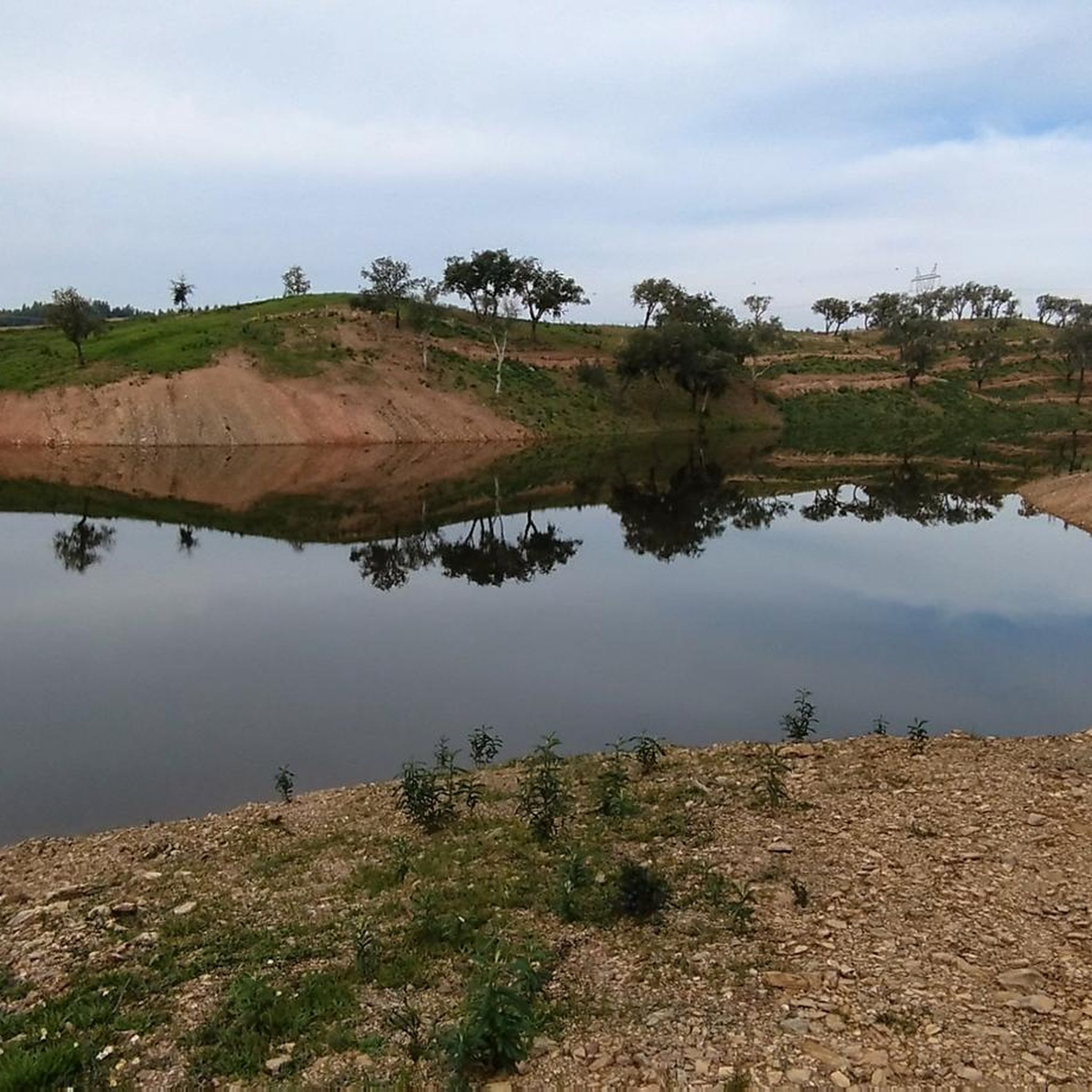
Campilhas Reservoir
Highlight • Lake
Translated by Google •
Tip by

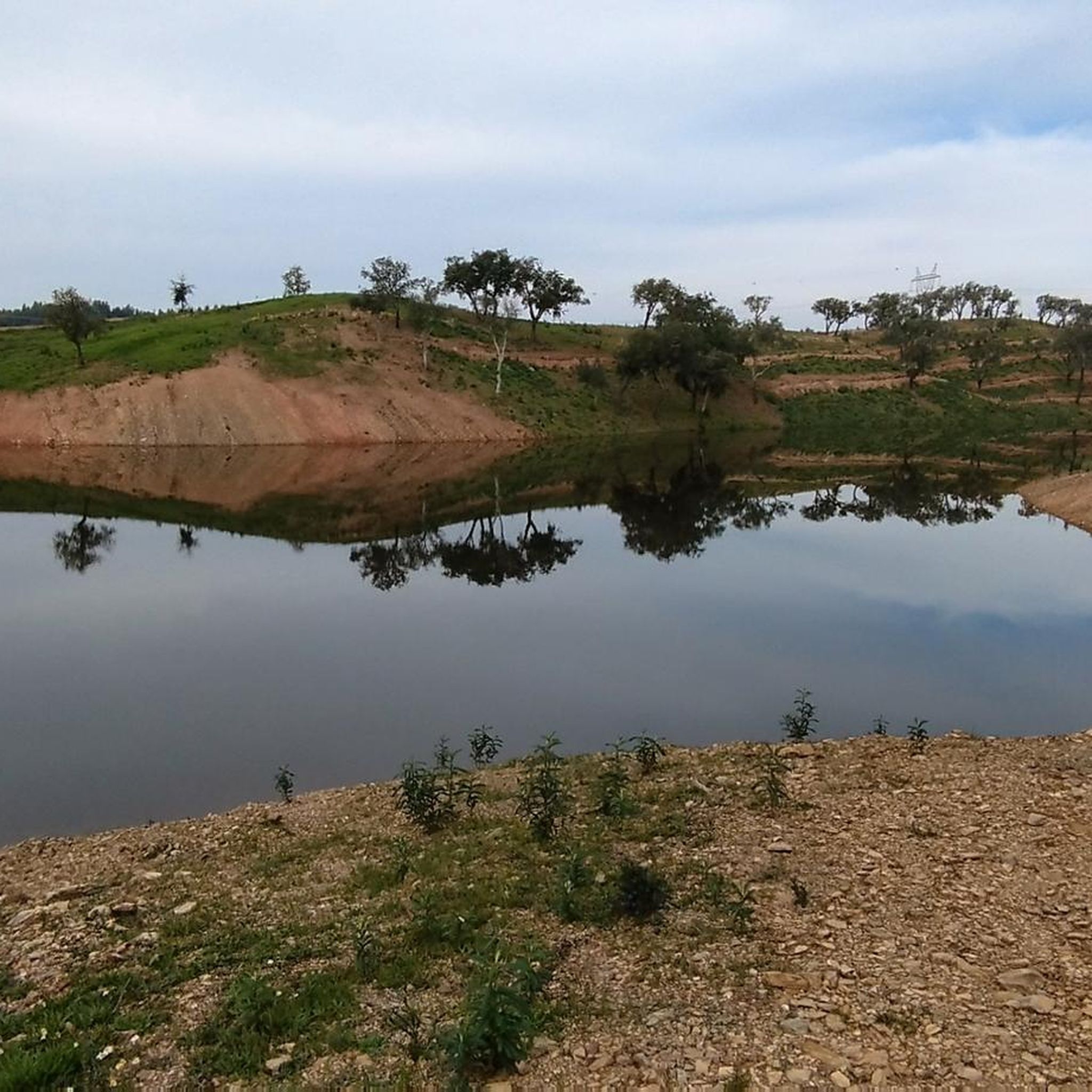
Ribeira de Moinhos Lagoon
Highlight • Lake
Translated by Google •
Tip by

Sign up now to discover places like this
Get recommendations on the best single tracks, peaks, & plenty of other exciting outdoor places.
Sign up for free
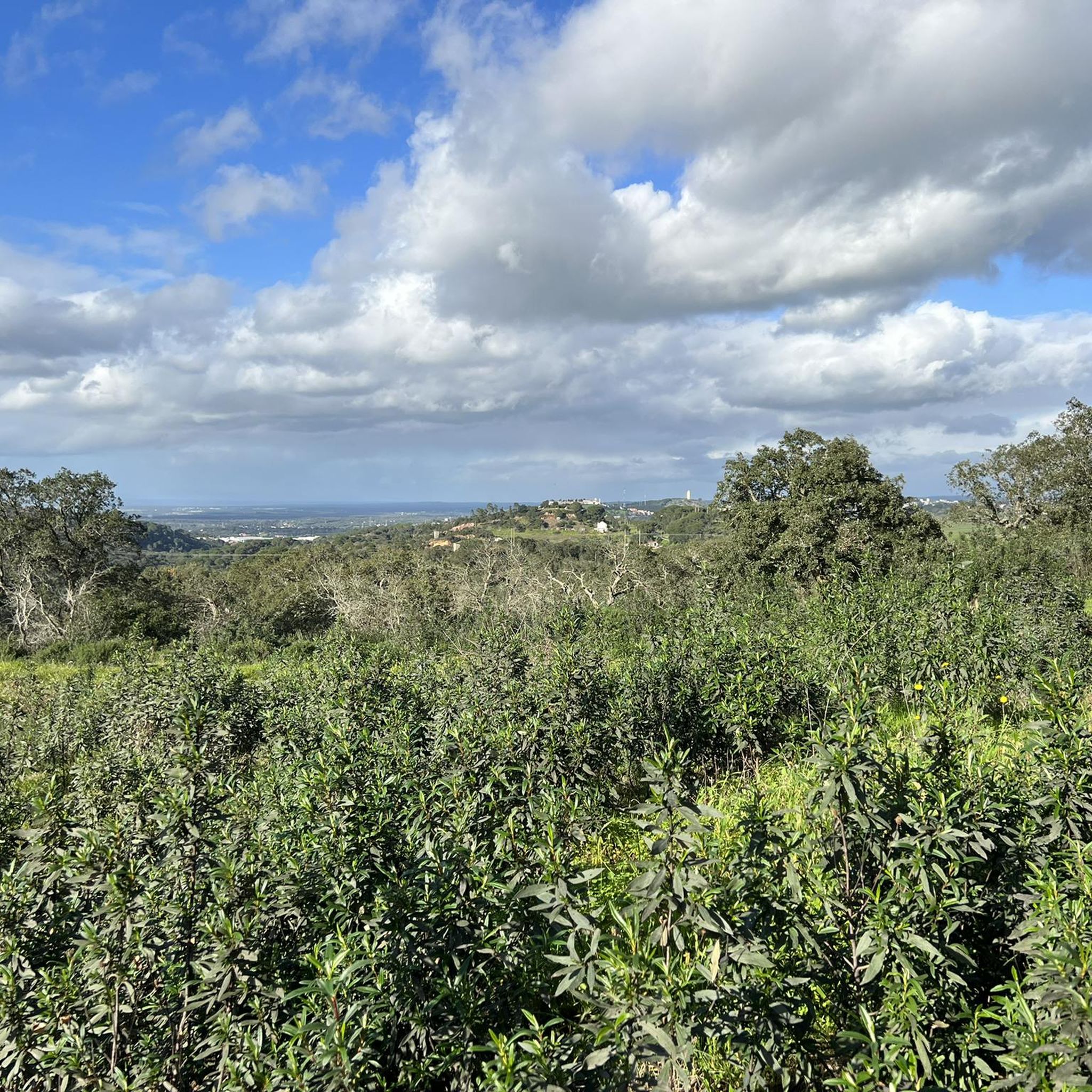
View over the Lagoa de Santo André
Highlight • Viewpoint
Showing Translation
Tip by

Santo André and Sancha Lagoons Nature Reserve
Highlight • Lake
Translated by Google •
Tip by

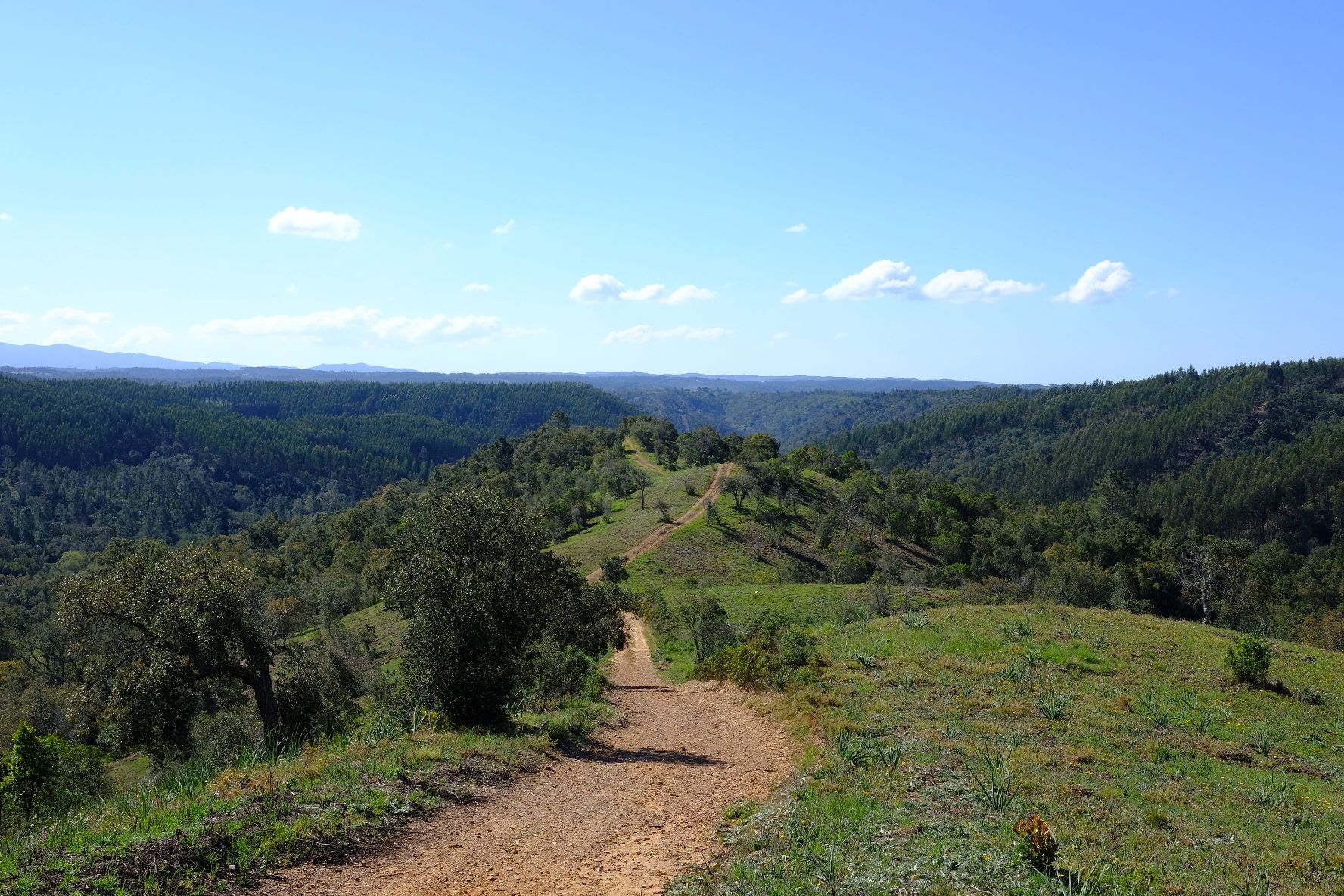
End of the Shortcut Across the Reservoir
Highlight • Trail
Translated by Google •
Tip by

Start today with a free account
Your next adventure awaits.
Login or Signup
Other adventures around Santiago Do Cacém

Tips from the Community

The Lagoa de Santo André is located on the Alentejo coast, between the Tróia peninsula and Cape Sines. It is part of the Nature Reserve of Lagoas de Santo André and Sancha, which occupies part of the coastline of the municipalities of Sines and Santiago do Cacém. The lagoon is situated in the municipality of Santiago do Cacém, about 150 meters from the coast.
0
0

It is possible to visit the lagoon from the north or south shore. In the first case, there are higher observation points, which allow for a wider view, especially at the far end; the second option may be more advantageous on sunny days, as the light will be more favourable. Whichever route you choose, you can follow the path to the beach and start observing the beach inland. On the north side, the best observation point is right at the end of the path – there is a small hill there, which allows a good view of the lagoon and the beach. On the south side, there is a dirt track that ends in a small car park, which also provides easy access to the lagoon. In the lagoon itself, it is common to see mallards, little egrets, grey herons, cormorants and, occasionally, marsh harriers and common terns. During the nesting season, the purple heron is also present – this species often hides among the reeds, making it easier to see when it takes flight. There are other birds that frequent the reeds and, although frequent, are easier to hear than to see – such as the moorhen, the nightingale and, during the nesting season, the reed warbler. The Moinhos stream also attracts some birds that feed in flight, such as the black swift and the sand martin, which are regularly seen here in spring. The surrounding lands are home to several passerines, such as the reed martin, the linnet and the corn bunting. Sometimes, small flocks of waxbills appear. On the beach it is common to see large flocks of seagulls resting, while in the sea gannets can be seen fishing, sometimes at a short distance. The Kentish plover can also be seen regularly on the beach or in the adjacent dunes. Another species that lives in the dunes is the mountain lark. ( avesdeportugal.info )
3
1
Near Sines, the mouth of the Moinhos stream forms a small lagoon; this wetland is one of the least known on the Portuguese coast; however, the extensive emergent vegetation makes this place an interesting refuge for water birds.
3
1

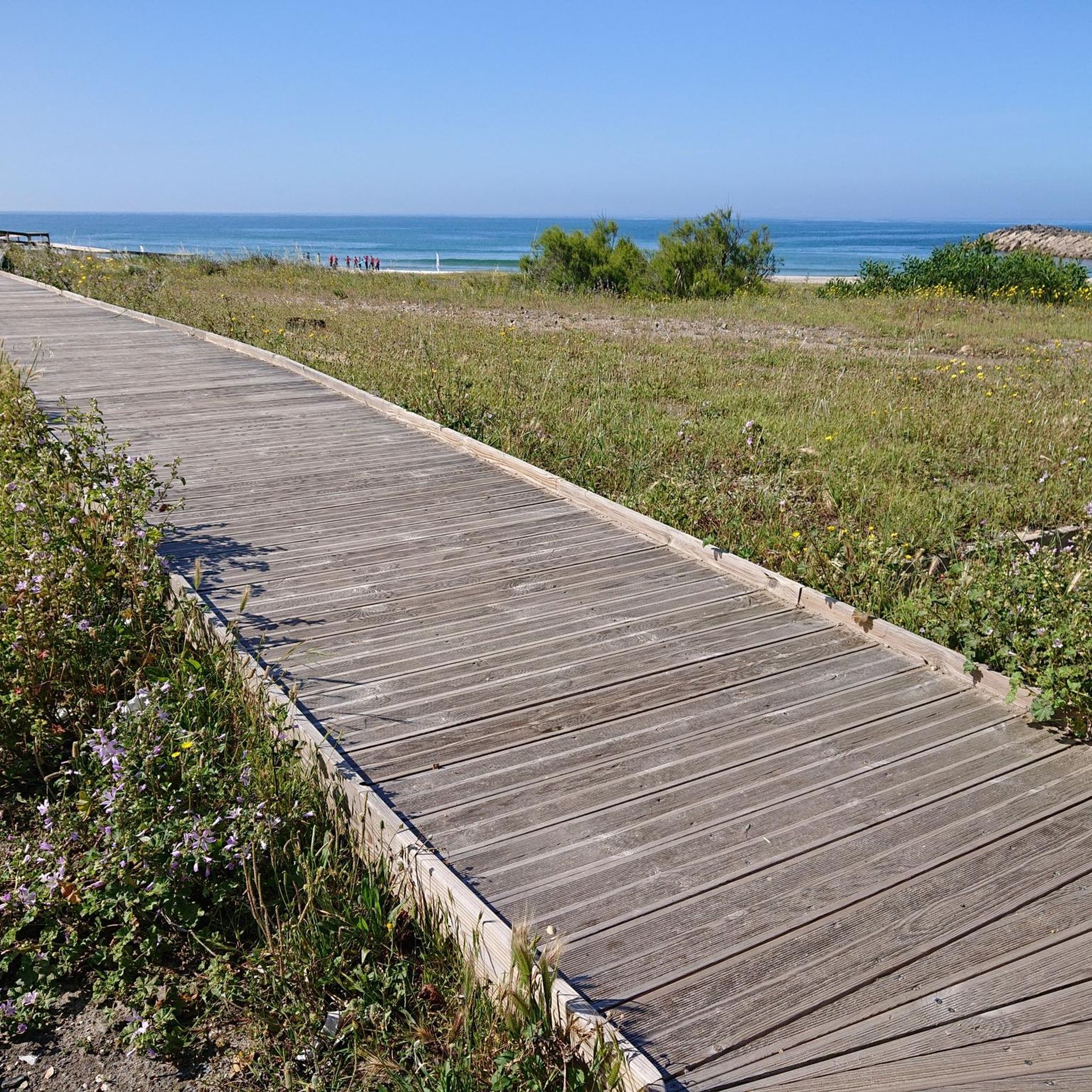
Nature reserve with a beautiful beach, lagoon and beach bar, not overcrowded.
3
5

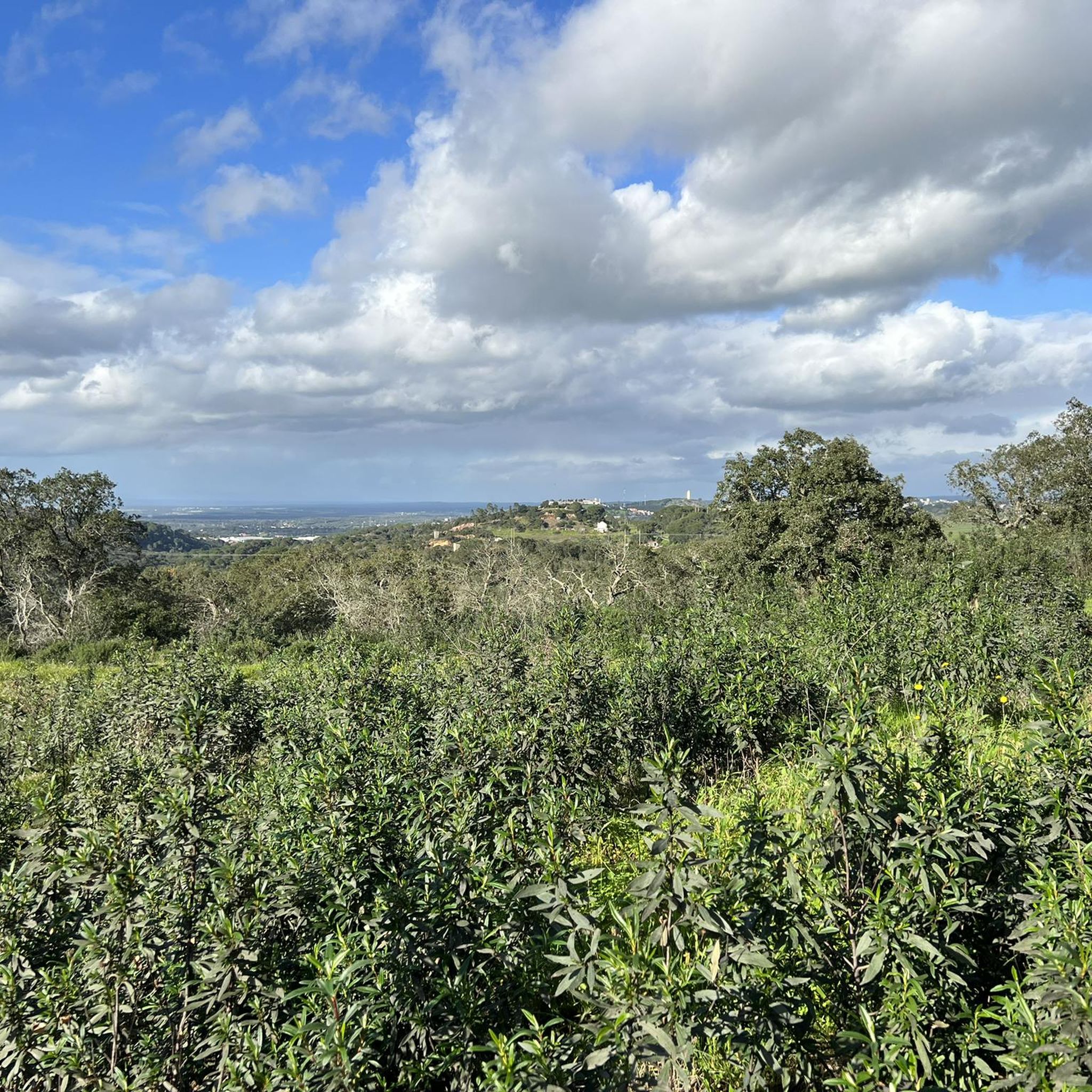
Completed in 1954, the large Campilhas dam lake can be used to produce electricity, supply drinking water and maintain an irrigation network. Due to repeated droughts, the lake can no longer recover the levels of its creation.
2
0


The lagoon is very suitable for observing waterfowl. Pelicans can be seen and there are also some flamingos, although they are not particularly pink here.
2
0
Frequently Asked Questions
What are the main natural lakes and lagoons in the Santiago do Cacém area?
The most significant natural aquatic environments are part of the Natural Reserve of the Lagoons of Santo André and Sancha. This includes Lagoa de Santo André, the largest lagoon on the Alentejo coastline, and Lagoa da Sancha, known for its high ecological value and birdlife.
Are there any artificial lakes or dams worth visiting near Santiago do Cacém?
Yes, the region features several notable artificial lakes. The Campilhas Reservoir, completed in 1954, is used for irrigation and drinking water. Another significant one is the Morgavel Dam, a large body of water ideal for cycling along its paved crest. Further afield, the Barragem do Pego do Altar, though in a neighboring municipality, is a popular spot for sport fishing and motorhome travelers.
What kind of wildlife can I expect to see around the lakes?
The lagoons are particularly rich in birdlife. Lagoa de Santo André is a vital stop on migratory routes, hosting over 270 bird species, including common coots and red-crested pochards. Lagoa da Sancha is known for its nesting colony of red herons and the endangered Red-billed duck. At the Ribeira de Moinhos Lagoon, you might spot mallards, little egrets, grey herons, and various passerines in the surrounding lands.
Are there family-friendly activities available at the lakes?
Many lakes offer family-friendly environments. The Santo André and Sancha Lagoons Nature Reserve includes beautiful beaches suitable for relaxation. The Ribeira de Moinhos Lagoon is also noted as family-friendly, with easy access to the lagoon and beach. Activities like hiking, canoeing, and windsurfing are popular at Lagoa de Santo André.
What are the best outdoor activities to do near the lakes?
The area around the lakes offers various outdoor activities. You can enjoy hiking, cycling, and mountain biking. For hiking, consider routes from the Hikes from bus stations around Santiago Do Cacém guide, or explore easy hikes like the Bird Observatory loop. Mountain biking enthusiasts can find trails in the MTB Trails around Santiago Do Cacém guide, including routes near reservoirs and canals.
Can I go swimming in the lakes around Santiago do Cacém?
While some lagoons like Lagoa de Santo André are adjacent to long sandy beaches, swimming might not be recommended in all areas of the lagoons themselves due to their ecological importance. However, the nearby ocean beaches offer excellent conditions for swimming and relaxing.
Are there easy walking trails around the lakes?
Yes, there are several easy walking options. The Ribeira de Moinhos Lagoon offers very easy paths for observation. The Morgavel Dam has a paved crest that is ideal for leisurely walks or cycling. Additionally, the Easy hikes around Santiago Do Cacém guide features routes like the Bird Observatory loop, which is only 1.5 km long.
What is the best time of year to visit the lakes?
The region's lakes are enjoyable throughout the year, but spring and autumn are particularly pleasant for outdoor activities due to milder temperatures. These seasons are also excellent for birdwatching, especially during migratory periods. Summer offers warm weather for beach activities, while winter can be good for observing resident bird species.
Is parking available at the lakes?
Yes, parking is generally available. For instance, at the Ribeira de Moinhos Lagoon, there's a dirt track ending in a small car park on the south side, providing easy access. Specific parking details may vary by location, so it's advisable to check local signage.
What makes the Lagoa de Santo André unique?
Lagoa de Santo André is unique due to its large size (500 hectares) and its ecosystem of both fresh and brackish waters. It's separated from the ocean by a 4 km sand barrier and undergoes artificial openings to the sea in March to renew its water. This dynamic environment supports an exceptional diversity of aquatic life and is a crucial habitat for migratory birds.
Are there any historical or engineering landmarks associated with the lakes?
The Barragem do Pego do Altar, an artificial lake in the broader area, is a significant engineering landmark. Constructed between 1935 and 1949, it was included in the selection of the "100 Civil Engineering Works of the 20th Century" in Portugal. Interestingly, an 18th-century bridge lies submerged beneath its waters, occasionally becoming visible during periods of drought.
Most popular routes around Santiago Do Cacém
Most popular attractions around Santiago Do Cacém

Get inspired with the komoot mobile app


Explore more
Still not found your perfect lake around Santiago Do Cacém? Check out the guides of these regions to see even more beautiful places.
