Top 4 Castles around Montijo e Afonsoeiro e Afonsoeiro e Afonsoeiro
Best castles around Montijo e Afonsoeiro e Afonsoeiro e Afonsoeiro are found in the broader region, offering a glimpse into Portugal's rich history. This civil parish, formed in 2013, is situated near the Tagus River. The surrounding areas, including Lisbon and the Setúbal district, feature various historical fortresses and palaces. These sites provide insights into different eras, from ancient fortifications to 20th-century estates.
Best castles around Montijo e Afonsoeiro e Afonsoeiro e Afonsoeiro
- The most popular castles is St. George's Castle, a castle that still has eleven towers and presents characteristic architectural elements of military fortifications from the Arab period. The stairs attached to the walls give access to the battlements and towers, making it possible to visit their entire perimeter.
- Another must-see spot is Archaeological Site of Castelo de São Jorge, a castle and historical site. This site showcases exposed walls, foundations, and traces of settlements from various eras of Lisbon, offering a glimpse into historical daily life.
- Visitors also love Rio Frio Palace, a historical castle built in the early 20th century. This palace features elegant décor and a collection of tiles by Jorge Colaço, providing an enchanting journey through its gardens and woods.
- Montijo e Afonsoeiro e Afonsoeiro e Afonsoeiro is known for Moorish fortresses, medieval Christian castles, and historical palaces. These sites offer a variety of architectural styles and historical narratives to explore.
- The castles around Montijo e Afonsoeiro e Afonsoeiro e Afonsoeiro are appreciated by the komoot community, with more than 1000 photos and over 600 upvotes.
Last updated: November 3, 2026
St. George's Castle
Highlight • Castle
Translated by Google •
Tip by

Casa do Alentejo, Lisbon
Highlight • Restaurant
Glimpses of Morocco in the entrance hall, with its mosaic floor, and the horseshoe arches adorned with small details underpin the architecture of the building.
On the upper floor, there is a restaurant with a full menu based on typical Portuguese dishes, primarily from the Alentejo, a region in southern Portugal.
Translated by Google •
Tip by

Sign up now to discover places like this
Get recommendations on the best single tracks, peaks, & plenty of other exciting outdoor places.
Rio Frio Palace
Highlight • Castle
From a large family deeply connected to the countryside and agriculture, her brother José Samuel Lupi stands out as a bullfighting figure. The house offers elegant décor, with a magnificent collection of tiles by Jorge Colaço. It offers an enchanting journey through the gardens and woods, providing a unique experience.
(Source: solaresdeportugal.pt)
Translated by Google •
Tip by

Start today with a free account
Your next adventure awaits.
Popular around Montijo e Afonsoeiro e Afonsoeiro e Afonsoeiro
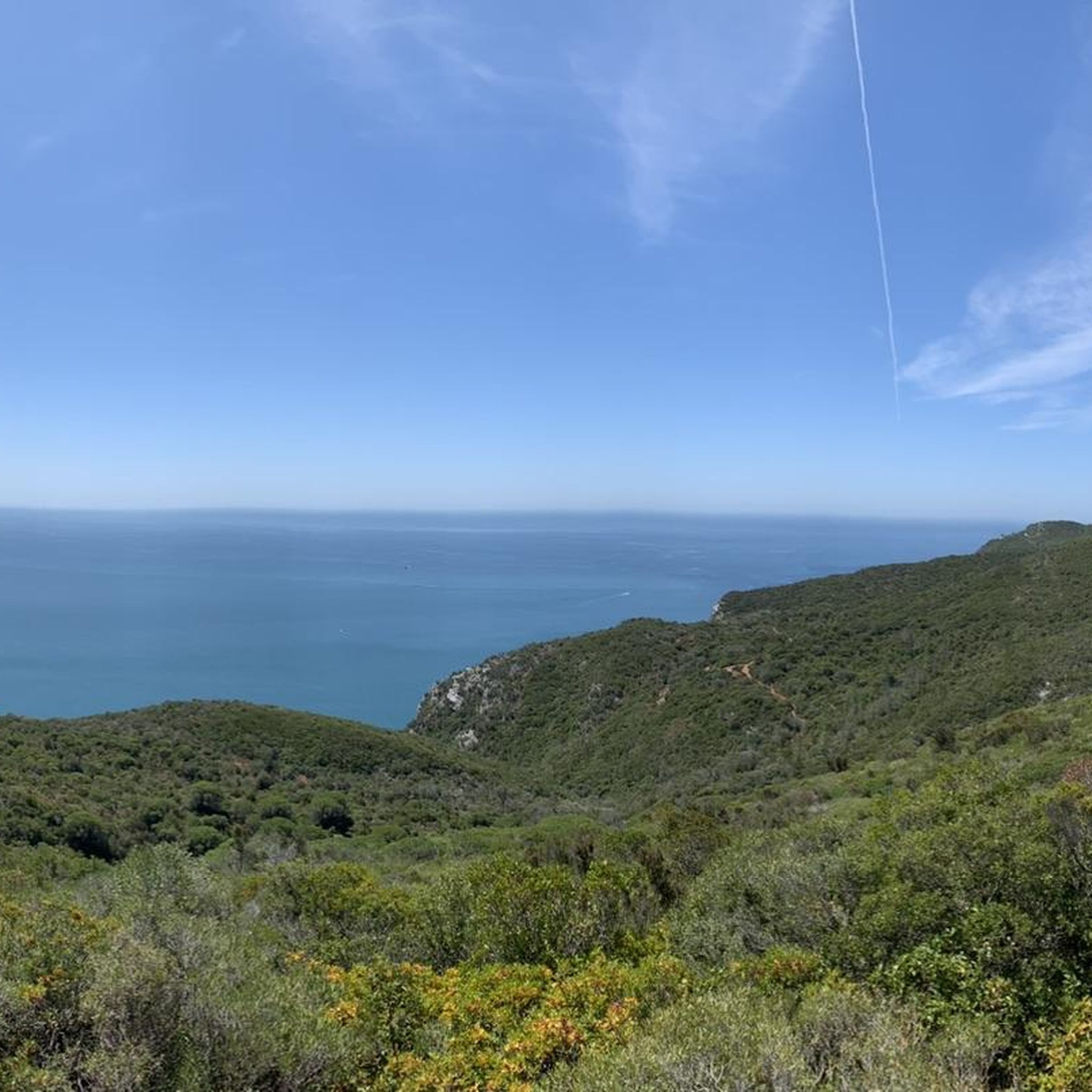
Road Cycling Routes around Montijo e Afonsoeiro e Afonsoeiro e Afonsoeiro
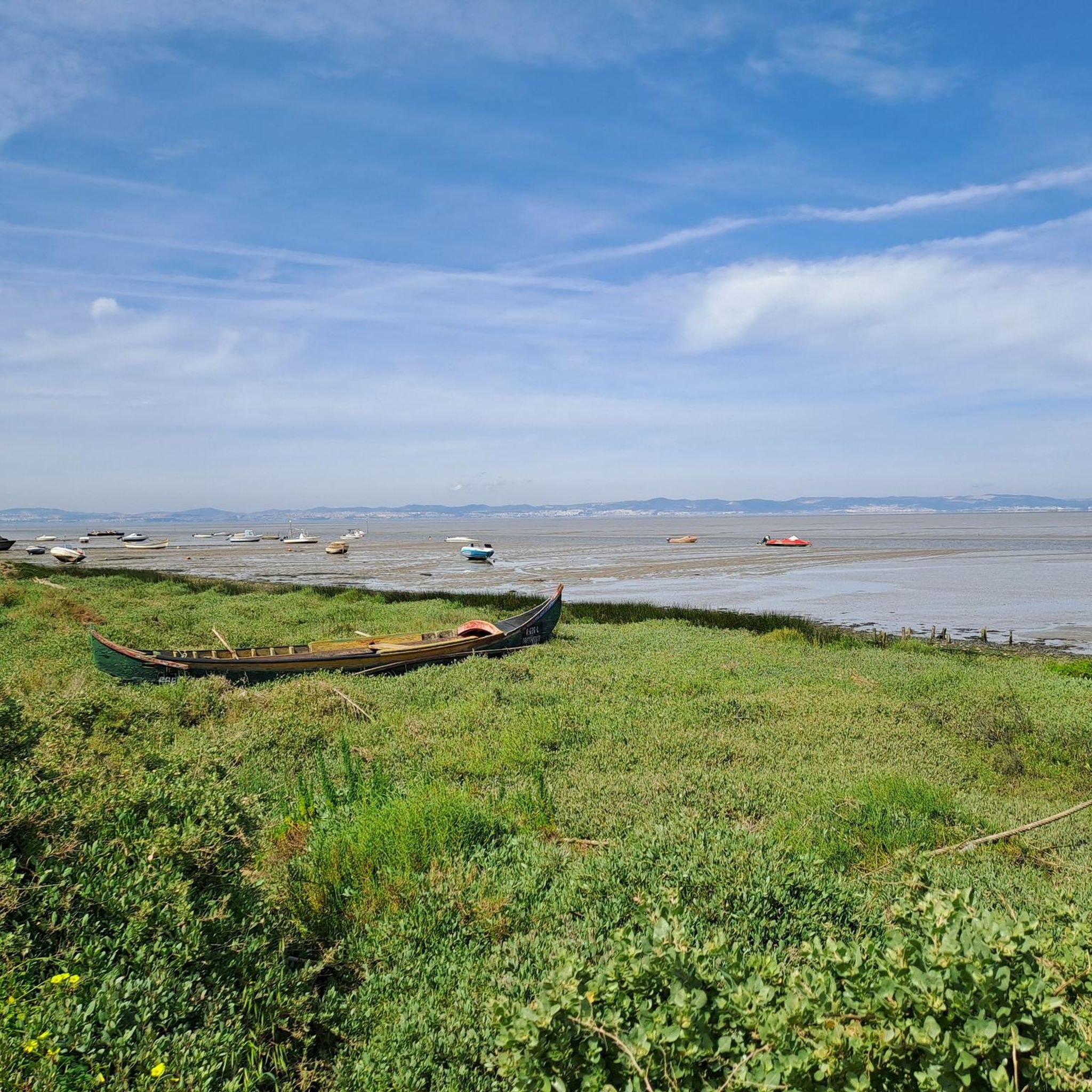
Hiking around Montijo e Afonsoeiro e Afonsoeiro e Afonsoeiro
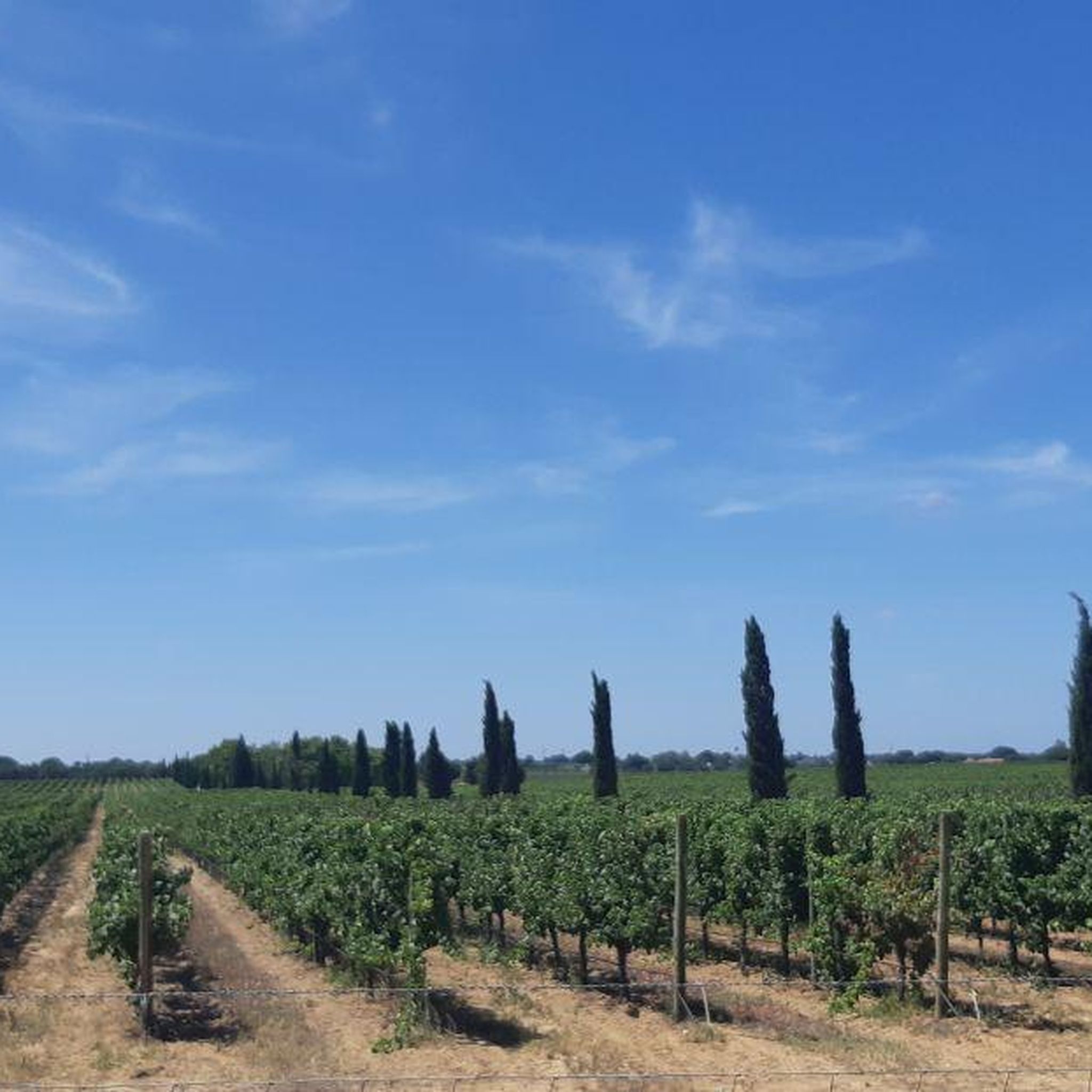
MTB Trails around Montijo e Afonsoeiro e Afonsoeiro e Afonsoeiro

Running Trails around Montijo e Afonsoeiro e Afonsoeiro e Afonsoeiro
Cycling around Montijo e Afonsoeiro e Afonsoeiro e Afonsoeiro
Gravel biking around Montijo e Afonsoeiro e Afonsoeiro e Afonsoeiro
Tips from the Community

The Rio Frio Palace was built in the early 20th century, in a privileged location near Montijo, Alcochete, and the banks of the Tagus River. Once, the property, covering approximately 17,000 hectares, was considered one of the largest estates in the country, primarily producing wine. In subsequent generations, the estate was inherited by a nephew of José Maria dos Santos, Alfredo Santos Jorge, who commissioned the construction of the Rio Frio Palace. Dona Maria de Lourdes Pereira Lupi d'Orey, the current owner of the Rio Frio Palace and great-niece of Alfredo Santos Jorge, recalls the magic of life on the estate. From a large family deeply connected to the countryside and agriculture, her brother José Samuel Lupi stands out as a bullfighting figure. The house offers elegant décor, with a magnificent collection of tiles by Jorge Colaço. It offers an enchanting journey through the gardens and woods, providing a unique experience. (Source: www.solaresdeportugal.pt)
18
0

Behind the simple facade on Rua das Portas de Santo Antão lies one of the city's most magnificent palaces – a true architectural gem. What now serves as a cultural center and restaurant was originally built in the 17th century as the city palace of the Alverca family. The magnificent rooms, with their Moorish and neo-Baroque elements, speak of bygone splendors. Access to the courtyard in front of the restaurant is free, but in return, quiet and consideration for the "actual" guests are expected. ;-)
2
1

Great photo point to photograph the entire Castelo 🤩
15
0

This castle, located on the highest hill in the Alfama neighborhood, still has eleven towers and presents some characteristic architectural elements of military fortifications from the Arab period. The stairs attached to the walls give access to the battlements and towers, making it possible to visit their entire perimeter.
13
1
St. George's Castle (also known as Castelo de São Jorge) is one of the most important historical monuments in Lisbon. Built in the 5th century, it offers impressive panoramic views of the city, the Tagus River and the 25 de Abril Bridge. Furthermore, its history is closely related to that of the city of Lisbon, being a key witness to many historical episodes.
8
0

The castle is the oldest landmark in Lisbon. The foundations date back to the 11th century. It stands on a hill above Amalfa. The view from the castle walls, towers, and the surrounding park is among the highlights of the castle complex. Free-roaming peacocks, a small museum, and the surrounding cafes are among the other attractions within the castle. A ticket is required for entry to the castle. The Lisboa Card only offers a 20% discount. The line at the ticket counter is usually okay. It takes a few minutes. The easiest way to get to the castle is by tram 28. Get off at the Miradouro Santa Luzia stop and walk from there. https://www.konpasu.de/portugal/sehenswurdigkeiten/lissabon/
7
0

Mighty castle complex above the city. Entry 15€
6
0
The Casa do Alentejo in Lisbon is a beautiful 17th-century Moorish mansion that clearly reflects the influence of Arab culture in Portugal. Glimpses of Morocco in the entrance hall, with its mosaic floor, and the horseshoe arches adorned with small details underpin the architecture of the building. On the upper floor, there is a restaurant with a full menu based on typical Portuguese dishes, primarily from the Alentejo, a region in southern Portugal.
6
1
Frequently Asked Questions
What historical significance do the castles around Montijo e Afonsoeiro hold?
The castles in the broader region around Montijo e Afonsoeiro offer a rich tapestry of Portuguese history. For example, Castelo de São Jorge in Lisbon dates back to the 6th century as a Visigothic fortress, later expanded by the Moors and serving as a royal palace. The Castelo dos Mouros in Sintra, built during the Moorish occupation, provides insights into medieval military architecture. Further south, the Castle of Alcácer do Sal showcases centuries of occupation from Moorish to Christian rule, while the unique Castelo de Almourol was a vital defensive point for the Knights Templar.
Are there any castles with unique architectural styles or features?
Yes, several castles in the region boast unique architectural elements. The Rio Frio Palace, near Montijo, features magnificent rooms with Moorish and neo-Baroque architectural elements, along with a collection of tiles by Jorge Colaço. Castelo de São Jorge retains characteristic architectural elements of military fortifications from the Arab period, with stairs giving access to battlements and towers. The Castelo dos Mouros is notable for its construction from giant granite blocks and natural oversized boulders.
Which castles offer the best panoramic views?
For breathtaking views, Castelo de São Jorge in Lisbon is perched atop a hill, offering panoramic vistas of the city and the Tagus River. Similarly, the Castelo dos Mouros in Sintra provides stunning views from the mountains all the way to the ocean. The Castle of Alcácer do Sal, dominating the Sado valley from a hilltop, also offers impressive views over the surrounding landscape and river.
Are there family-friendly castles to visit near Montijo e Afonsoeiro?
Many castles in the region are suitable for families. Castelo de São Jorge, with its ramparts, peacocks, and archaeological site, offers an engaging experience for children and adults alike. The peaceful gardens and historical ambiance make it a great spot for exploration. The Castelo dos Mouros in Sintra also provides an adventurous experience with its ancient walls and hiking opportunities through lush forests.
What outdoor activities can I do near these castles?
The region around Montijo e Afonsoeiro offers various outdoor activities. You can explore numerous cycling routes, including road cycling, mountain biking, and touring bicycle options. For instance, there are routes like the "Rotunda de São Francisco – Rio Frio Palace loop from Montijo" for road cycling or the "View of Palmela Castle – Fio Dental Trail loop from Montijo" for mountain biking. You can find more details on these and other routes in the Cycling around Montijo e Afonsoeiro guide.
Are there hiking trails near the castles?
While specific hiking trails directly adjacent to every castle are not detailed, the Castelo dos Mouros in Sintra is famously reached by hiking up from Sintra village through lush forests, making the journey part of the experience. For general outdoor activities, including routes that might involve walking or cycling near historical sites, you can explore the MTB Trails around Montijo e Afonsoeiro or Cycling around Montijo e Afonsoeiro guides for routes that may pass through scenic areas.
What is the best season to visit the castles in this region?
The best seasons to visit the castles around Montijo e Afonsoeiro are typically spring (April to June) and autumn (September to October). During these months, the weather is generally mild and pleasant, making it ideal for exploring outdoor sites without the intense heat of summer or the heavier rains of winter. This allows for comfortable walks around castle grounds and enjoying the panoramic views.
Are there less crowded castles to visit near Montijo e Afonsoeiro?
If you prefer a less crowded experience compared to the popular Lisbon castles, consider visiting the Rio Frio Palace near Montijo. While not a traditional fortress, its historical significance and elegant architecture offer a unique glimpse into the region's heritage. The Castle of Alcácer do Sal and Castelo de Almourol, though further afield, also tend to be less frequented than the major Lisbon attractions, offering a more serene exploration.
What do visitors enjoy most about the castles in this region?
Visitors particularly enjoy the blend of history, stunning views, and unique architectural details. The opportunity to walk along ancient ramparts at St. George's Castle, explore the archaeological insights at the Archaeological Site of Castelo de São Jorge, and experience the grandeur of the Rio Frio Palace are frequently highlighted. The picturesque settings, especially of Castelo de Almourol on its island, also leave a lasting impression.
Can I find cafes or restaurants near the castles?
Yes, especially near the more prominent castles. In Lisbon, around Castelo de São Jorge, there are numerous cafes and restaurants within walking distance in the Alfama neighborhood. The Rio Frio Palace has a restaurant, and its courtyard is freely accessible. For other castles, it's advisable to check local amenities in the nearest towns, such as Sintra for Castelo dos Mouros or Alcácer do Sal for its respective castle.
Are any castles around Montijo e Afonsoeiro wheelchair accessible?
Accessibility varies significantly between castles. Castelo de São Jorge in Lisbon has some accessible areas, including parts of the grounds and viewpoints, but the ancient ramparts and towers may have stairs and uneven surfaces. The Rio Frio Palace may offer better accessibility in its main areas. For specific accessibility information, it is always recommended to check the official websites of individual castles before your visit, as historical sites often present challenges for full wheelchair access.
Most popular routes around Montijo e Afonsoeiro e Afonsoeiro e Afonsoeiro
Most popular attractions around Montijo e Afonsoeiro e Afonsoeiro e Afonsoeiro

Get inspired with the komoot mobile app


Explore more
Looking for the best castles somewhere else? Discover other guides around Montijo e Afonsoeiro e Afonsoeiro e Afonsoeiro:
