Ribeira de Nisa e Ribeira de Nisa e Ribeira de Nisa e Carreiras
Ribeira de Nisa e Ribeira de Nisa e Ribeira de Nisa e Carreiras
Top 8 Castles around Ribeira de Nisa e Ribeira de Nisa e Ribeira de Nisa e Carreiras
Best castles around Ribeira de Nisa e Ribeira de Nisa e Ribeira de Nisa e Carreiras are found within the broader municipality of Nisa, in the Portalegre district of Portugal's Alentejo region. This area is historically significant for its role in border defense, featuring medieval fortifications built to protect the Tagus River and Portuguese territory. The landscape offers elevated positions with panoramic views, characteristic of a region shaped by strategic military architecture. Visitors can explore remnants of robust fortresses and…
Last updated: July 3, 2026
Historic Village of Marvão
Highlight • Settlement
Translated by Google •
Tip by

Marvão Castle
Highlight • Castle
Translated by Google •
Tip by

Sign up now to discover places like this
Get recommendations on the best single tracks, peaks, & plenty of other exciting outdoor places.
Sign up for free
Porta do Rodão of Marvão
Highlight • Historical Site
Translated by Google •
Tip by

Castelo de Vide
Highlight • Settlement
Translated by Google •
Tip by
Marvão Walled Town and Castle
Highlight • Castle
Tip by

Sign up for free to discover even more castles around Ribeira de Nisa e Ribeira de Nisa e Ribeira de Nisa e Carreiras.
Sign up for free
Already have an account?
Start today with a free account
Your next adventure awaits.
Login or Signup
Popular around Ribeira de Nisa e Ribeira de Nisa e Ribeira de Nisa e Carreiras
Gravel biking around Ribeira de Nisa e Ribeira de Nisa e Ribeira de Nisa e Carreiras
MTB Trails around Ribeira de Nisa e Ribeira de Nisa e Ribeira de Nisa e Carreiras
Hiking around Ribeira de Nisa e Ribeira de Nisa e Ribeira de Nisa e Carreiras
Road Cycling Routes around Ribeira de Nisa e Ribeira de Nisa e Ribeira de Nisa e Carreiras
Running Trails around Ribeira de Nisa e Ribeira de Nisa e Ribeira de Nisa e Carreiras
Cycling around Ribeira de Nisa e Ribeira de Nisa e Ribeira de Nisa e Carreiras
Tips from the Community

Far in the northeast of Alentejo lies Castelo de Vide, just a few kilometers from the border with Spain. The town is often called Cidade branca (white city), which is primarily due to the pretty whitewashed houses of the town. The highlight of the town (besides its great location in the Parque Natural da Serra de São Mamede) is the 14th-century Castelo de São Roque. From the castle, you have a fantastic view of the old town. Other sights in Castelo de Vide include the old Jewish quarter with the oldest synagogue in Portugal and the numerous churches and chapels of the town.
1
0

A place to visit every month. It's wonderful.
2
0
The current pillory dates from the years immediately following the granting of the New Charter by King Manuel in 1512 and reflects his Manueline, albeit very rustic, style. The monument stands in front of the 16th-century district jail building and next to the clock tower, also from the 16th century, in the square that bears his name. It stands on a base with four octagonal steps and consists of an octagonal shaft set directly into the upper step, formed by five drums with mortar joints.
2
0
The Porta de Marvão is a medieval gate in the fortified town of Marvão, serving as the village's main entrance. The town is situated in the Serra de São Mamede mountains and offers panoramic views of the surrounding Alentejo region. Marvão's narrow streets are lined with whitewashed houses featuring Gothic arches and Manueline doorways. The well-preserved 13th-century castle is a focal point, offering visitors a glimpse into the town's rich history and strategic importance. The Porta de Rodão was built much later, in the 17th century, to bolster defenses during the War of Independence against Spain in the mid-17th century. A small parking area is located in front of it. Due to the narrow streets and almost complete lack of parking, driving through the gate into Marvão is strongly discouraged. Another fortified gate, providing pedestrian access to Vila Marvão, is located to the east. This one is also worth a visit.
2
0
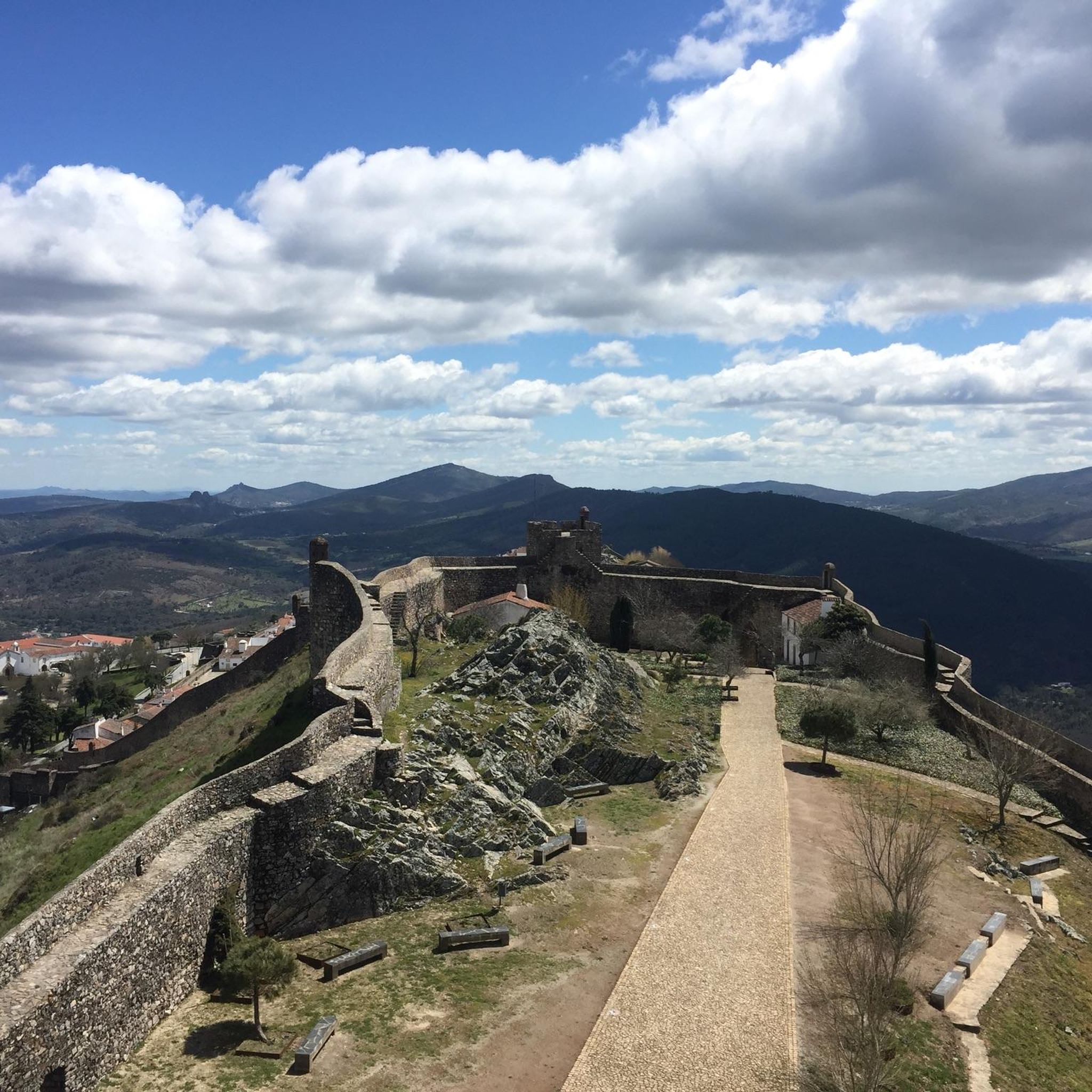
The fortified town of Marvão, 12 kilometers from Quinta do Pomarinho, is also known as the "Eagle's Nest." It boasts a spectacular location on a granite cliff, atop one of the peaks of the Serra de São de Mamede mountain range. Completely walled, Marvão is situated in the Alto Alentejo region, near the Spanish border, which was once controlled from the village. The town of Marvão owes its name to Ibn Maruane, an Arab military leader who sought refuge here in the 11th century. He hid on Mount Ammaia and built a castle there, in the most remote and inaccessible spot he could find. Years later, the castle was transformed into a medieval fortress. Its location made it a strategic defensive position, nestled among hills with slopes to the north, south, and west, accessible only on foot from the village. For many years, Marvão was a municipality heavily and significantly involved in numerous military conflicts in the region. Today, Marvão is a rather sleepy town, but one where you can enjoy wonderful walks. More information can be found here: https://www.feriasemportugal.com/marvao
3
0

Marvão is dominated by its imposing and well-preserved medieval castle. The fortified walls embrace the entire village, enclosing a maze of narrow cobbled streets, white houses with red roofs and small flower-filled squares. The views from the walls are breathtaking, taking in a vast panorama of hills, valleys and, on a clear day, all the way to the Serra da Estrela mountain range. Marvão is a true open-air museum, preserving the atmosphere and architecture of centuries past. It is on the UNESCO tentative list of potential World Heritage Sites, and is an ideal destination for those seeking history, tranquility and spectacular scenery.
1
0

Roman footpath. Much uneven. Wear good walking shoes.
1
1
It's a hard climb up to Marvao and our route took us us v steep cobbles. Fine on mountain bike but hard on fully laden tandem. The main road will also get you there. Either way views from Marvao and the town itself are fabulous!
2
0
Frequently Asked Questions
What are some of the most notable castles to visit around Ribeira de Nisa e Carreiras?
The region features several significant historical sites. Among the most popular are the Historic Village of Marvão, which includes a ruined castle and offers extensive views, and Marvão Castle itself, known for its panoramic vistas. Another important historical settlement is Castelo de Vide, recognized for its historical architecture.
What makes the castles in this region historically significant?
The castles around Ribeira de Nisa e Carreiras, particularly those within the broader Nisa municipality like the Castle of Nisa, were strategically important medieval fortifications. They were built to defend the Portuguese borders, especially along the left bank of the Tagus River, and played a crucial role in military conflicts, such as the Spanish War of Succession. Their elevated positions provided vital control and surveillance points over the Alentejo plains.
What kind of views can I expect from the castles in this area?
Many castles, such as Marvão Castle and the Historic Village of Marvão, are situated on elevated positions, offering spectacular panoramic views of the surrounding countryside, the Alentejo plains, and the Serra de São Mamede mountain range. These vantage points highlight the strategic importance of these fortifications.
Are there hiking opportunities near the castles?
Yes, the area around Ribeira de Nisa e Carreiras offers various hiking opportunities. You can find moderate trails like the 'Serra de São Paulo Trail (PR1)' or the 'Medieval Cobbled Road loop from Carreiras'. For more options, explore the Hiking around Ribeira de Nisa e Carreiras guide.
Are there any specific trails that incorporate castle visits?
Yes, some routes are designed to include these historical sites. For example, the 'View from Marvão Castle Walls – Historic Village of Marvão loop from Escusa' is a moderate hike that allows you to experience the fortified town. You can find more details in the Hiking around Ribeira de Nisa e Carreiras guide.
Can I bring my dog to the castle areas or nearby trails?
While specific dog policies for each castle vary, many outdoor trails in the region are generally dog-friendly, especially if kept on a leash. When visiting the castle grounds or historical villages, it's advisable to check local regulations or signage. The surrounding natural areas and hiking routes, such as those listed in the Hiking around Ribeira de Nisa e Carreiras guide, are often suitable for walks with dogs.
What is the best time of year to visit the castles around Ribeira de Nisa e Carreiras?
The Alentejo region generally experiences hot, dry summers and mild winters. Spring (April-May) and autumn (September-October) are often ideal, offering pleasant temperatures for exploring the outdoor castle ruins and historical villages without the intense summer heat. During these seasons, the landscape is also particularly scenic.
Is parking available when visiting these castles?
Parking availability varies by location. For example, near the Porta do Rodão of Marvão, there is a small parking area. However, driving within the narrow streets of fortified villages like Marvão is often discouraged due to limited space. It's best to look for designated parking outside the main historical centers.
Are the castles around Ribeira de Nisa e Carreiras accessible by public transport?
While some larger towns like Nisa or Castelo de Vide may have regional bus services, direct public transport to all castle sites can be limited. Accessing the more remote or elevated castles, such as Marvão, often requires a combination of public transport to a nearby town and then a taxi or private vehicle. Planning your route in advance is recommended.
Are there family-friendly activities at the castles?
Exploring the ancient walls, towers, and historical villages can be an engaging experience for families. Children often enjoy the sense of adventure in discovering old fortifications. The Historic Village of Marvão and Castelo de Vide offer charming streets and historical architecture that can be explored at a leisurely pace, making them suitable for family outings.
What outdoor activities can I do near these castles besides hiking?
Beyond hiking, the region offers opportunities for mountain biking. There are challenging routes like the 'Loop from Castelo de Vide to Marvão' or the 'Ring route from Castelo de Vide to Albufeira de Póvoa e Meadas'. You can find more details and routes in the MTB Trails around Ribeira de Nisa e Carreiras guide.
What do visitors enjoy most about the castles and historical sites in this region?
Visitors frequently praise the stunning panoramic views from the elevated castle locations, the well-preserved historical ambiance of fortified villages like Marvão, and the sense of stepping back in time. The quiet charm of the towns, the beautiful architecture, and the opportunity for scenic walks within and around the castle walls are also highly appreciated.
Most popular routes around Ribeira de Nisa e Ribeira de Nisa e Ribeira de Nisa e Carreiras
Most popular attractions around Ribeira de Nisa e Ribeira de Nisa e Ribeira de Nisa e Carreiras

Get inspired with the komoot mobile app


Explore more
Looking for the best castles somewhere else? Discover other guides around Ribeira de Nisa e Ribeira de Nisa e Ribeira de Nisa e Carreiras:
