Top 4 Caves around Estoril
Best caves around Estoril include a variety of geological formations and historical sites along the Atlantic coast. The region features dramatic sea-eroded cliffs, ancient artificial burial caves, and mystical grottoes. These locations provide insights into natural processes and prehistoric human activity. Estoril's coastal landscape offers a unique blend of natural beauty and historical significance.
Best caves around Estoril
- The most popular caves is Boca do Inferno (Hell’s Mouth) Rock Arch, a natural_monument formed by sea erosion where seawater crashes into cliff cavities. It offers spectacular views of the Atlantic Ocean and the raw power of nature.
- Another must-see spot is Waterfall Lake, a lake with a waterfall that is part of a network of grottoes and tunnels. This mystical green lake can be explored from various angles, revealing new perspectives.
- Visitors also love Virgin Grotto, a grotto within the Quinta da Regaleira estate, known for its spiral staircase leading deep underground. It offers a special, mystical atmosphere with symbolic details and glimpses of light.
- Estoril is known for artificial caves, sea-eroded formations, and grottoes. These sites offer insights into prehistoric burial practices, geological processes, and spiritual retreats.
- The caves around Estoril are appreciated by the komoot community, with more than 100 upvotes and over 170 photos shared.
Last updated: June 19, 2026
Waterfall Lake
Highlight • Lake
Translated by Google •
Tip by

Virgin Grotto
Highlight • Cave
Translated by Google •
Tip by
Sign up now to discover places like this
Get recommendations on the best single tracks, peaks, & plenty of other exciting outdoor places.
Sign up for free
Cova de Frei Honório
Highlight • Cave
Translated by Google •
Tip by

Start today with a free account
Your next adventure awaits.
Login or Signup
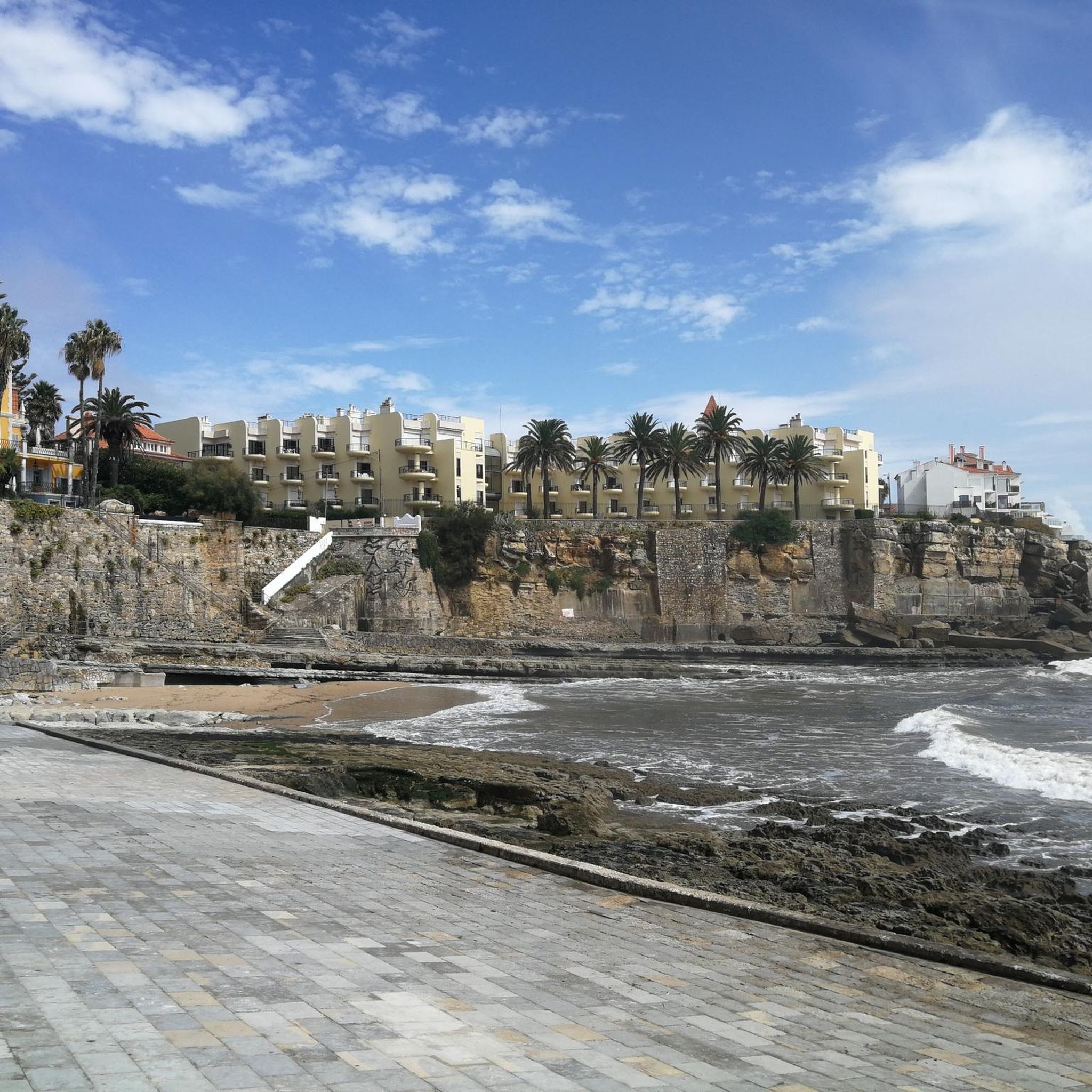
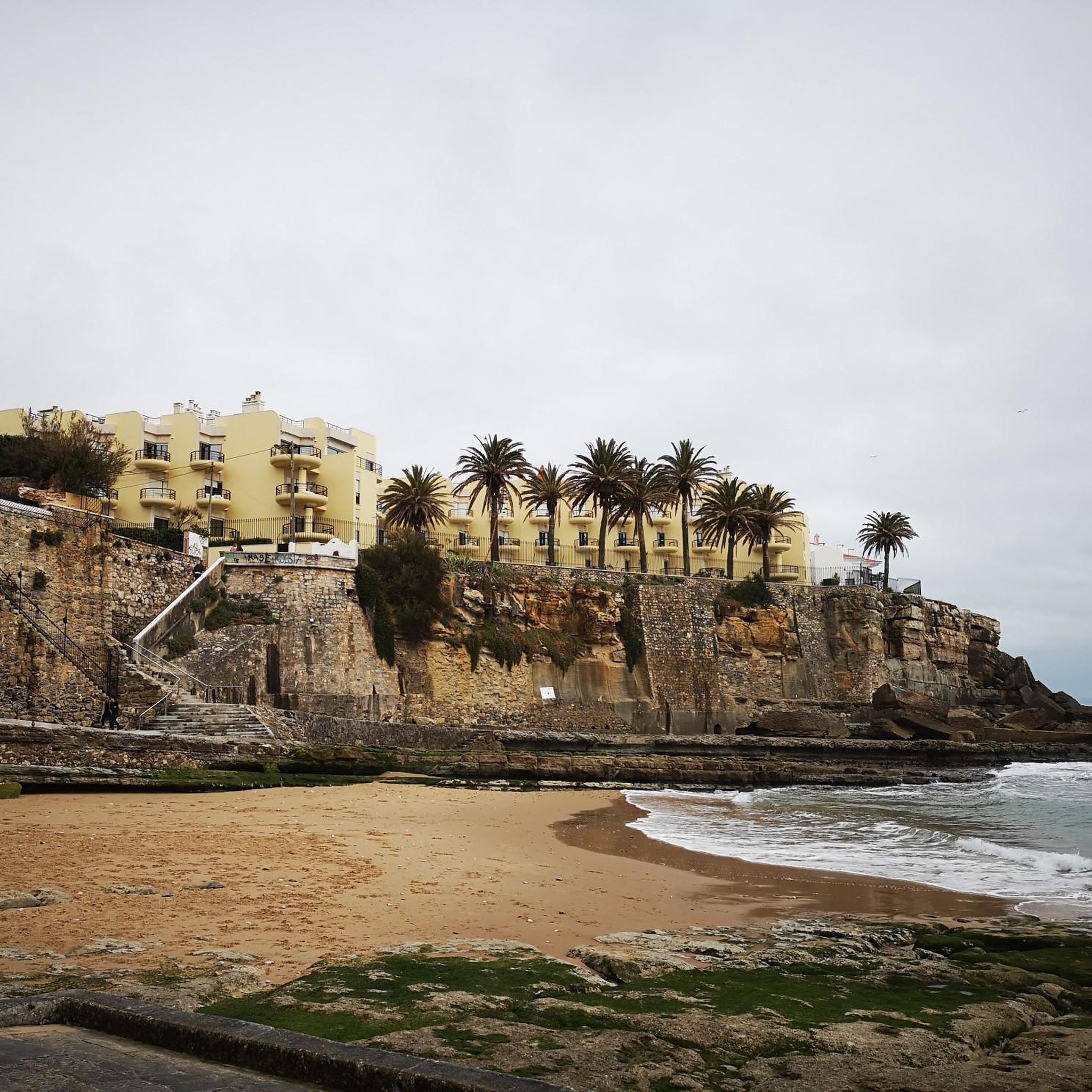
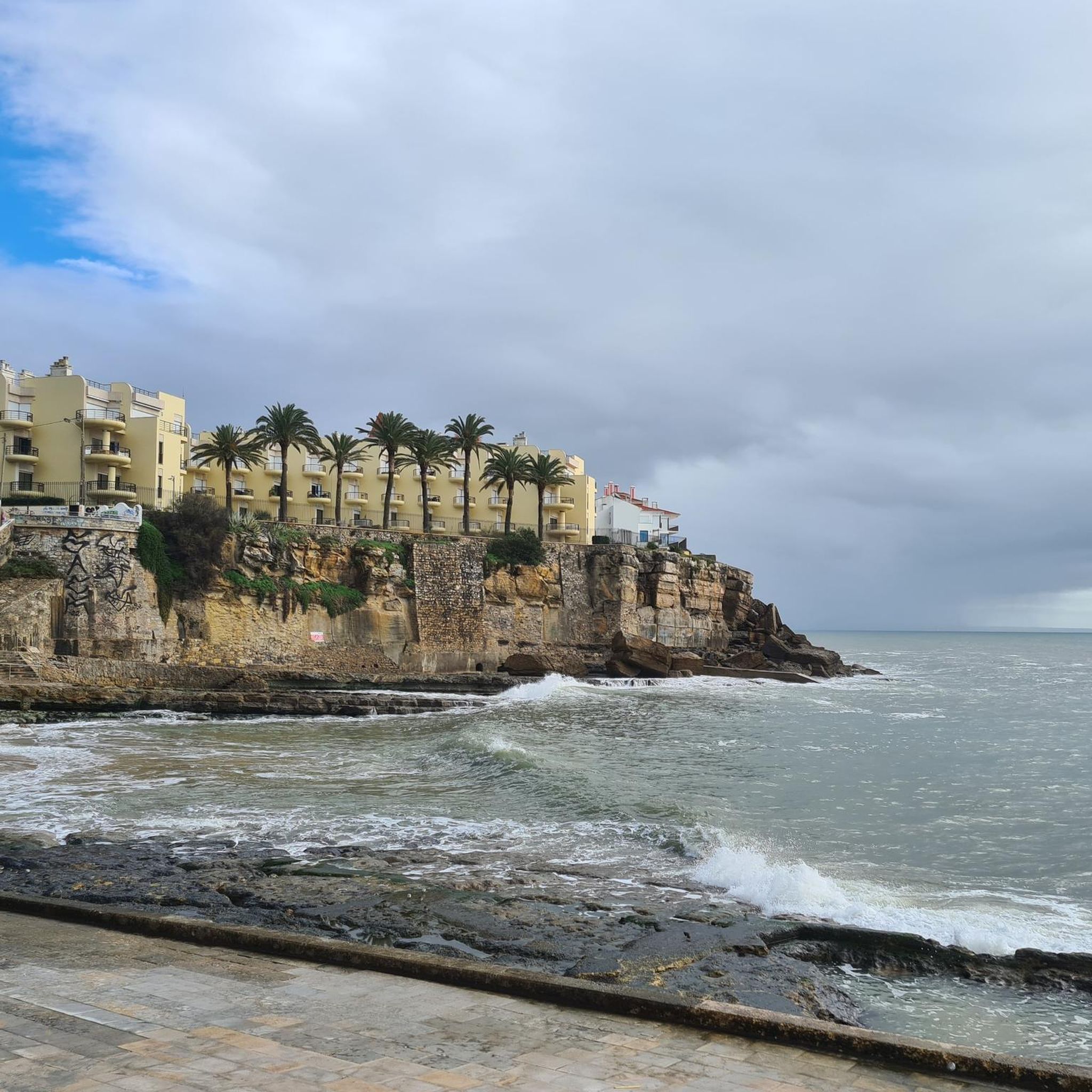
Tips from the Community

The Lake of the Waterfall (sometimes called the Lake with the Waterfall or the Lake of the Stone Steps) is one of the most photogenic and magical spots in Quinta da Regaleira. It forms part of the network of grottoes, tunnels, and symbolic gardens designed by Luigi Manini for Antonio Monteiro. This lake is usually reached through the underground tunnels that connect the Initiation Well with other parts of the estate; one of these tunnels leads directly to a hidden waterfall that flows into this lake.
1
0

The waterfall pool resembles a small natural basin, into which the water flows in gentle cascades – perfect for a short break while enjoying the interplay of water and rock. The water flow varies depending on the season, which also changes the atmosphere of the spot. Please stay on the paths and respect the sensitive shoreline so that this idyllic place remains intact.
4
1
The initiation well at Quinta da Regaleira leads you down a spiral staircase deep into the earth, feeling like the entrance to another world. Among damp walls, symbolic details, and glimpses of light rising above, you sense a special, almost mystical atmosphere. At the bottom, tunnels and paths await, further igniting your sense of discovery.
4
0

Lago da Cascada is a mystical green lake. It can be admired and explored from every angle. Whether from the bridge, from above, or from the grotto... every view reveals a new side of the lake and its waterfall.
2
1
The Cova do Frei Honório is a small grotto located within the grounds of the Capuchos Convent, in the Serra de Sintra region of the parish of Colares. This place has profound spiritual and historical significance, linked to the life of Frei Honório de Santa Maria, a Franciscan monk who lived there in retreat for 30 years.
2
0
Frequently Asked Questions
What types of caves can I explore around Estoril?
The Estoril region offers a diverse range of cave experiences. You can find dramatic sea-eroded formations like Boca do Inferno (Hell’s Mouth) Rock Arch, ancient artificial burial caves such as those in Alapraia and São Pedro do Estoril, and mystical grottoes like the Virgin Grotto within Quinta da Regaleira.
Are there any historical or archaeological caves in the Estoril region?
Yes, the region is home to significant artificial caves with archaeological importance. The Artificial Caves of Alapraia, discovered in 1889, are an Eneolithic necropolis with four underground tombs. The Artificial Caves of São Pedro do Estoril, though largely eroded, were ancient burial sites from the Late Neolithic or Chalcolithic period.
What is Boca do Inferno and what makes it unique?
Boca do Inferno (Hell’s Mouth) Rock Arch is a dramatic sea-eroded cliff formation near Cascais. Its uniqueness comes from the powerful waves crashing into its cavities, creating a 'fearsome noise,' especially during high tide or stormy weather. It's a stunning natural monument showcasing the raw power of the Atlantic Ocean.
Can I visit the Artificial Caves of São Pedro do Estoril?
While the original caves at São Pedro do Estoril are largely destroyed due to erosion, the site is preserved as a memorial. Visitors can still appreciate the location on a cliff face at Pedra do Sal, which offers beautiful sea views and a place to reflect on ancient history. Artifacts found from these caves are housed in the Town Museum of Cascais.
What can I expect when visiting the Artificial Caves of Alapraia?
The Artificial Caves of Alapraia are more intact than those in São Pedro. Classified as a Property of Public Interest, these caves offer a tangible connection to prehistoric burial practices and the Bell Beaker culture of the Neolithic period. You can see the circular tomb structures carved into marly limestone, providing insight into ancient funeral rituals.
Are there family-friendly cave attractions near Estoril?
Yes, Boca do Inferno (Hell’s Mouth) Rock Arch is considered family-friendly and offers spectacular views. The Waterfall Lake, with its mystical green waters and grottoes, can also be an engaging spot for families to explore within Quinta da Regaleira.
What outdoor activities can I do near the caves around Estoril?
The area around Estoril's caves offers various outdoor activities. You can find numerous hiking routes, such as the easy Duquesa Beach – Praia da Conceição loop from Cascais. For cyclists, there are road cycling routes and gravel biking trails, including loops around the Convent of the Capuchos or the Mula River Dam.
Is there a good time of year to visit the caves in Estoril?
Visiting the caves around Estoril is generally pleasant year-round. For sea-eroded formations like Boca do Inferno, visiting during high tide or on days with rougher seas can enhance the dramatic experience. For inland grottoes and historical sites, milder weather in spring or autumn might be more comfortable for exploration.
What do visitors enjoy most about the caves around Estoril?
Visitors frequently highlight the dramatic natural beauty and historical significance. The powerful waves at Boca do Inferno and the mystical atmosphere of the Virgin Grotto are often praised. The ancient burial sites also offer a unique glimpse into the region's prehistoric past, making for a rich cultural and natural experience.
How can I reach Boca do Inferno?
Boca do Inferno is located about two kilometers west of Cascais. You can easily reach it on foot by taking a scenic coastal walk from Cascais, or by using local city bus services.
Are there any mystical or spiritual cave sites in the area?
Yes, the Virgin Grotto within the Quinta da Regaleira estate is known for its special, mystical atmosphere, with a spiral staircase leading deep underground and symbolic details. Additionally, the Cova de Frei Honório, a small grotto near the Capuchos Convent, holds profound spiritual and historical significance, linked to a Franciscan monk who lived there in retreat.
What geological features are prominent in the Estoril cave formations?
The prominent geological features include sea erosion, which has carved dramatic formations like Boca do Inferno out of weaker limestone veins. The artificial caves, such as those in Alapraia, are carved into marly limestone, showcasing human interaction with the region's geology for ancient burial practices.
Most popular routes around Estoril
Most popular attractions around Estoril

Get inspired with the komoot mobile app


Explore more
Extend your search for the best caves by checking out these guides of the top ones around Estoril:
